In 2026, the logistics landscape is rapidly evolving. Businesses seek efficient storage solutions. Radio Shuttle Storage has emerged as a leading choice. This innovative system offers numerous advantages that cater to modern warehousing.
Radio Shuttle Storage maximizes space utilization. By enabling higher stacking, facilities can accommodate more goods. It also enhances retrieval speed. Operating with minimal manual intervention, it reduces labor costs. Yet, incorporating such technology can pose challenges. Initial setup costs and training requirements must be considered.
Adopting Radio Shuttle Storage can drive significant efficiency. Yet, businesses must assess their unique needs before implementation. Understanding both the benefits and potential drawbacks ensures a successful transition. Striking a balance between innovation and practicality is key in these developments.
Understanding Radio Shuttle Storage Solutions: An Overview
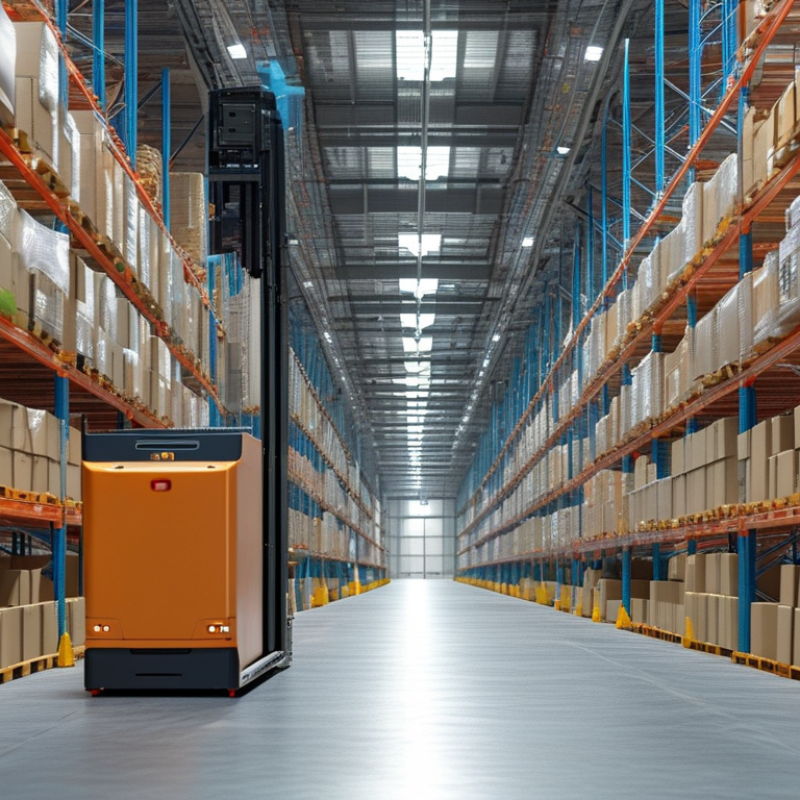
Radio shuttle storage solutions are transforming warehousing efficiency. These systems use shuttles that operate within racking to move pallets without extensive manual labor. According to a recent study, efficiency in storage operations can improve by up to 30% with the implementation of shuttle systems. This shift allows for better space utilization and faster retrieval times, crucial in today's fast-paced logistics industry.
Data from industry reports indicate that warehouses utilizing radio shuttle solutions can achieve up to 75% more storage density. This is particularly significant as facilities face rising land and operational costs. With the ability to increase pallet storage without expanding warehouse space, companies can optimize their operations. However, the upfront investment can be daunting. Some businesses hesitate to adopt due to perceived risks associated with technology reliance. Despite these concerns, the long-term benefits, including reduced labor costs and increased throughput, make a compelling case.
It's notable that not every warehouse is a fit for radio shuttle systems. Specific layouts and item types may limit effectiveness. While some facilities thrive, others might experience challenges integrating these solutions. As the industry evolves, companies will need to continuously assess their needs and capabilities.
Key Advantages of Implementing Radio Shuttle Systems in Warehousing
The implementation of radio shuttle systems in warehousing has proven to be a game-changer. These solutions enhance storage density significantly by utilizing vertical space. According to a recent industry report, radio shuttle systems can increase storage capacity by up to 60%. This improvement is critical as businesses face growing demands for efficiency.
Moreover, these systems provide greater flexibility in managing different types of goods. For example, they support FIFO (first in, first out) and LIFO (last in, first out) inventory management. This adaptability allows facilities to optimize their workflows. Speed is another vital factor; operations can see a reduction in picking time by nearly 30%. However, some managers share concerns over the initial investment. This cost can be daunting, especially for small businesses.
Despite the challenges, there are clear advantages. Safety can improve as worker movements decrease in busy areas. Additionally, accuracy in order fulfillment is enhanced. However, reliance on technical systems may lead to vulnerabilities, such as system downtimes. Understanding the balance between automation and human oversight remains essential for success in adopting radio shuttle solutions.
Enhancing Space Utilization with Radio Shuttle Technology
In 2026, radio shuttle storage solutions are revolutionizing warehousing through enhanced space utilization. This technology allows for high-density storage, crucial for modern businesses. According to a report by Supply Chain Insights, facilities can increase storage capacity by up to 70% with radio shuttle systems.
These systems utilize automated shuttles to transport pallets to their designated locations. This reduces aisle space requirements, allowing warehouses to maximize vertical storage. Data from Warehousing Logistics suggests that companies using radio shuttle technology report a significant reduction in picking and retrieval times, often by as much as 30%. This efficiency is vital for meeting today’s fast-paced market demands.
However, implementing radio shuttle systems comes with challenges. Initial costs can be high, and not all facilities may have the infrastructure to support such advanced technology. A careful assessment is necessary to ensure compatibility with existing operations. Despite these hurdles, the potential for increased efficiency and space optimization makes radio shuttle storage a compelling solution for warehousing in 2026.
Improving Inventory Management Efficiency through Radio Shuttles
In the fast-paced world of logistics, Radio Shuttle Storage Solutions have emerged as a game-changer. These systems enhance inventory management efficiency and streamline warehouse operations. With automated shuttles handling goods, human error is reduced. This leads to improved accuracy in stock levels, a critical factor for effective inventory management.
The implementation of radio shuttles allows for high-density storage. Warehouses can maximize their vertical space. As pallets are stored and retrieved automatically, it frees up floor space. However, some facilities may struggle with initial setup costs. It’s essential to evaluate the long-term benefits against the upfront investment.
Moreover, automated systems require regular maintenance. This aspect cannot be overlooked. A well-trained staff is vital for troubleshooting and optimizing operations. Organizations might experience initial challenges when transitioning to this technology. Balancing automation and human oversight is key. The path to efficiency may have its bumps, but with commitment, the rewards can be substantial.
Future Trends and Innovations in Radio Shuttle Storage Solutions
As we venture into 2026, radio shuttle storage solutions are set to evolve significantly. These systems provide fast and efficient storage options for various industries. The advancements in automation will drastically reduce manual labor. This change promises increased accuracy in inventory management. Facilities can operate with fewer errors and more streamlined processes.
Future trends indicate a strong focus on integration with IoT technology. Radio shuttles will communicate in real time, enabling better decision-making. Real-time tracking will ensure optimal space utilization. However, some facilities may find initial costs daunting. There could be a learning curve for new technologies, potentially impacting productivity during the transition.
The rise of AI will further enhance the efficiency of these storage systems. Predictive analytics may soon optimize stock levels and warehouse layouts. Yet, there are challenges to consider, such as system compatibility and workforce adaptation. Organizations will need to evaluate these aspects carefully to maximize benefits. This evolution offers exciting opportunities but requires thoughtful implementation.
FAQS
: They can increase storage capacity by up to 70%, optimizing vertical space.
They can reduce picking and retrieval times by approximately 30%, enhancing operational efficiency.
They support FIFO (first in, first out) and LIFO (last in, first out) management strategies.
The initial investment can be high and daunting for smaller businesses.
Worker movements decrease in busy areas, reducing the risk of accidents.
System downtimes could occur, leading to operational disruptions.
Yes, they will likely integrate with IoT for real-time communication and better decision-making.
There may be a learning curve that impacts productivity during the adaptation phase.
AI may optimize stock levels and warehouse layouts, improving overall efficiency.
It's crucial to ensure compatibility with existing operations and infrastructure.
Conclusion
Radio Shuttle Storage solutions offer a modern approach to optimizing warehousing efficiency. By utilizing automation and advanced technology, these systems enhance space utilization, allowing for greater storage capacity within a smaller footprint. Radio Shuttle technology facilitates streamlined inventory management, reducing the time and labor required for retrieval and organization, thus improving overall operational efficiency.
As we look towards the future, innovations within Radio Shuttle Storage are expected to expand, incorporating smart technology for real-time tracking and management. This evolution will not only aid in maximizing the efficiency and effectiveness of storage solutions but also cater to the increasingly complex demands of supply chain logistics in 2026 and beyond. Embracing these advancements will provide warehouses with the necessary tools to thrive in a competitive marketplace.

 Sanyang Racking