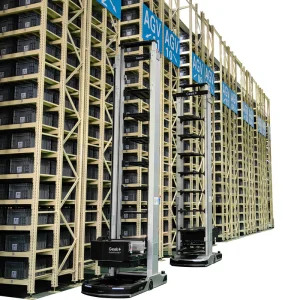
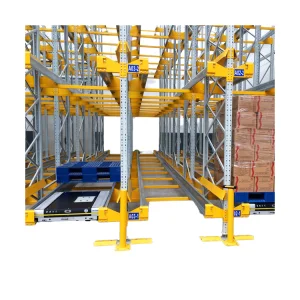
Engineered for maximum spatial volumetric efficiency, featuring intelligent automated operations and high structural load capacities.
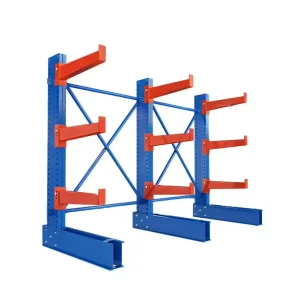
Global logistics and industrial supply chains face unprecedented challenges. Driven by escalating commercial land values, volatile energy rates, and a contraction in labor markets, the modern distribution center must prioritize volumetric density. Standard selective pallet systems require wide access corridors for forklift operations, leaving up to 60% of vertical and horizontal storage capacity underutilized.
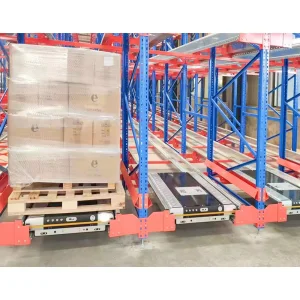
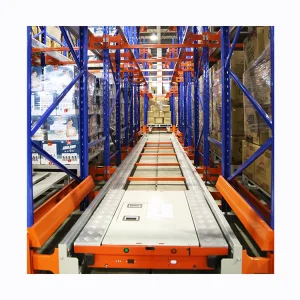
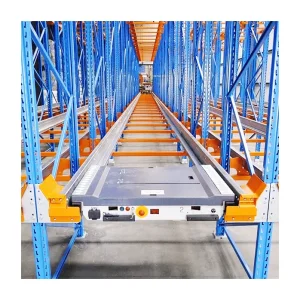
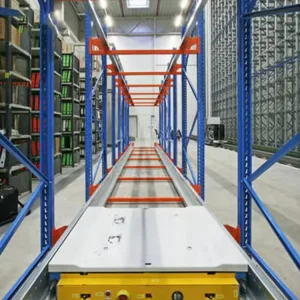
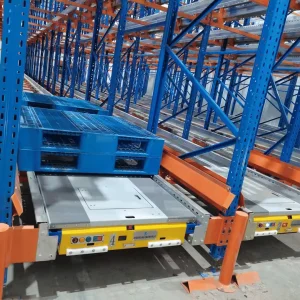
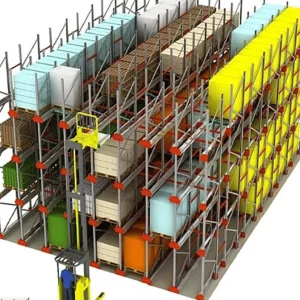
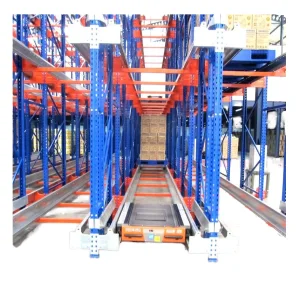
Radio shuttle racking technology transforms logistics infrastructure. By replacing forklift aisles with designated rail channels, the semi-automated pallet runner handles movement internally. This increases storage layout configuration density by up to 80% compared to conventional configurations, while minimizing collision risks and forklift traffic.
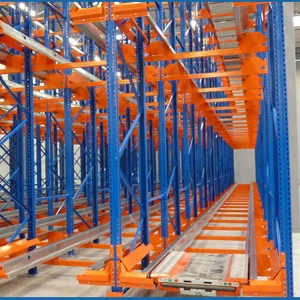
As a leading shuttle rack manufacturer, Shenzhen Sanyang Storage Equipment Co., Ltd. implements custom structural racking frameworks. Our engineering configurations accommodate deep-lane loading configurations, allowing facility operators to choose between LIFO (Last-In, First-Out) and FIFO (First-In, First-Out) strategies based on inventory profiles and rotation speed requirements.
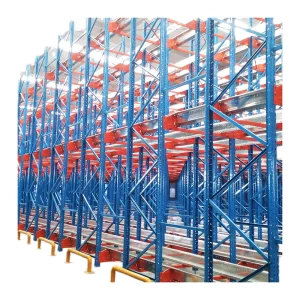
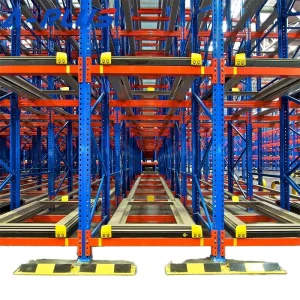
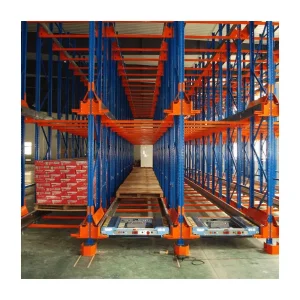
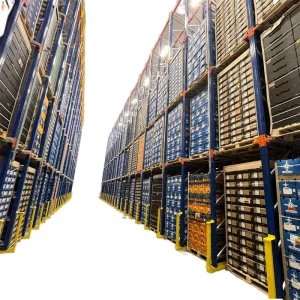
Maximize storage capacity with deep-lane designs. Eliminating vehicle access lanes frees up floor space for manufacturing and staging operations.
Automated shuttles travel at speeds up to 1.5m/s (laden), reducing cycle times and freeing up operators for higher-value activities.
Comparing high-density storage frameworks helps operators choose systems that align with their throughput and safety requirements.
| Racking Architecture Type | Volumetric Density Rating | Accessibility Level | Hourly Product Throughput | Structural Deflection Limits | Typical Investment ROI |
|---|---|---|---|---|---|
| Selective Pallet Racking | Low (approx. 40% volume utilization) | 100% Individual Pallet Access | Moderate (dependent on forklift speed) | L/250 conforming to FEM standards | Immediate baseline cost |
| Drive-In / Drive-Through Systems | High (approx. 65% volume utilization) | Very Low (Strictly LIFO / FIFO batching) | Low (Forklifts must slow down inside lanes) | L/200 structural stress rating | 12 - 18 Months on setup cost |
| Radio Pallet Shuttle System | Very High (up to 85% utilization) | High (Lane-based selectivity) | Excellent (Parallel shuttle cycles) | L/300 high rigidity tolerance | 9 - 14 Months through labor savings |
| 4-Way Multi-Shuttle ASRS | Ultra-High (up to 92% utilization) | Complete Automated Unit Access | Ultra-High (Integrated system operation) | L/400 precision rail deflection limit | 18 - 24 Months on industrial scale |
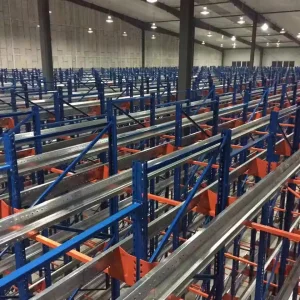
In high-density racking installations, structural stability is critical. Our manufacturing process uses high-strength structural grade steels, such as Q355B and SS400, to ensure long-term stability under dynamic loading. Traditional drive-in racking is prone to forklift impact damage. In contrast, radio shuttle racking utilizes cold-formed rails, which act as structural horizontal bracing to stabilize the system.
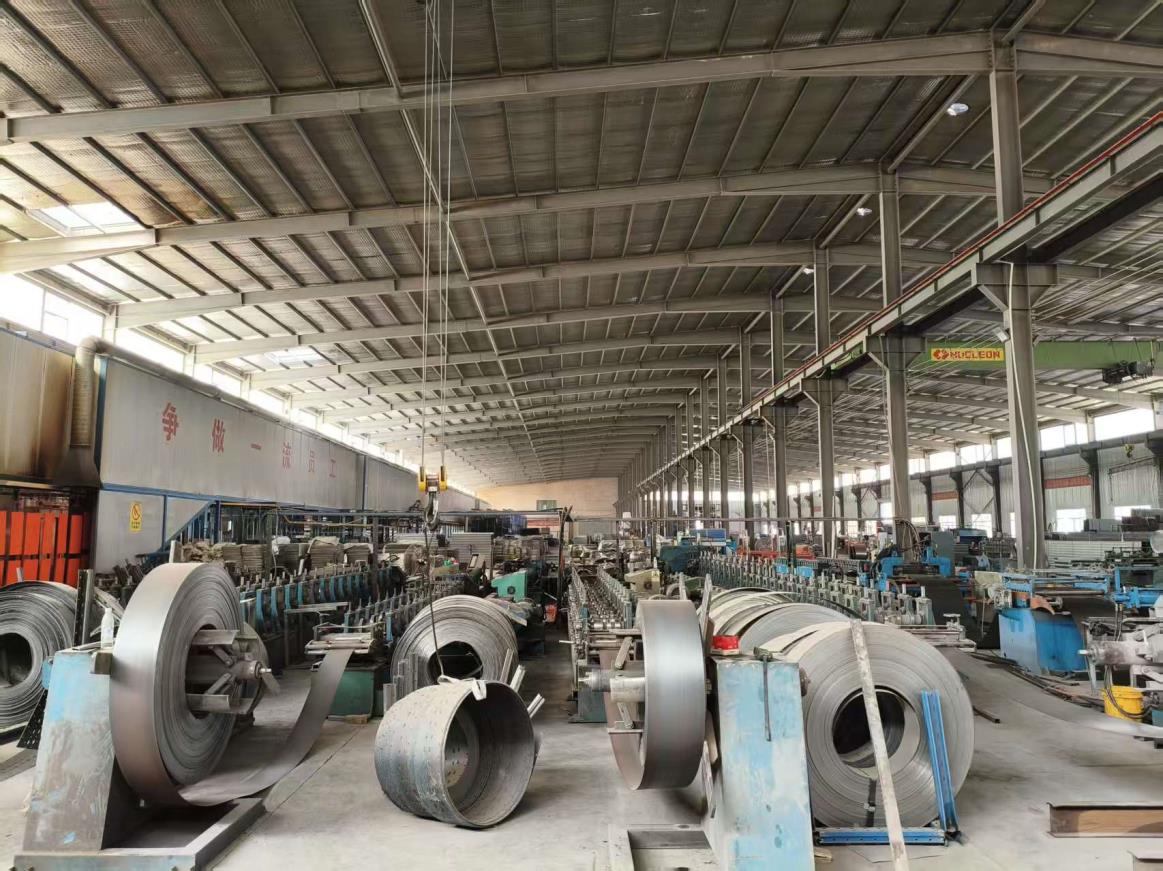
Shuttle guide rails must meet tight manufacturing tolerances. A minor alignment deviation of ±1.5 mm over a 10-meter span can trigger safety sensors, halting operations. Sanyang racking components are manufactured on dedicated automated cold roll-forming lines, maintaining consistency across every vertical upright and rail bracket.
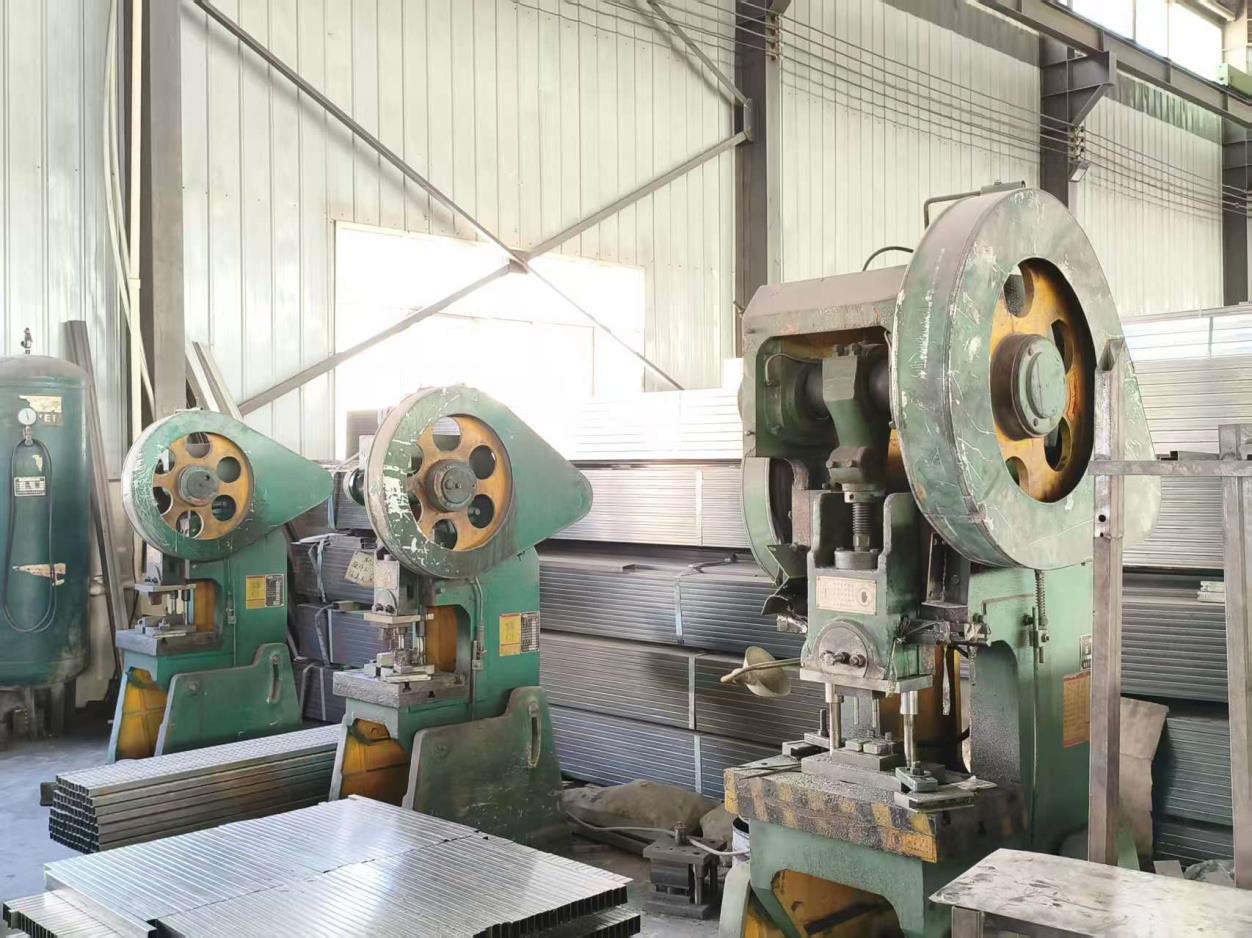
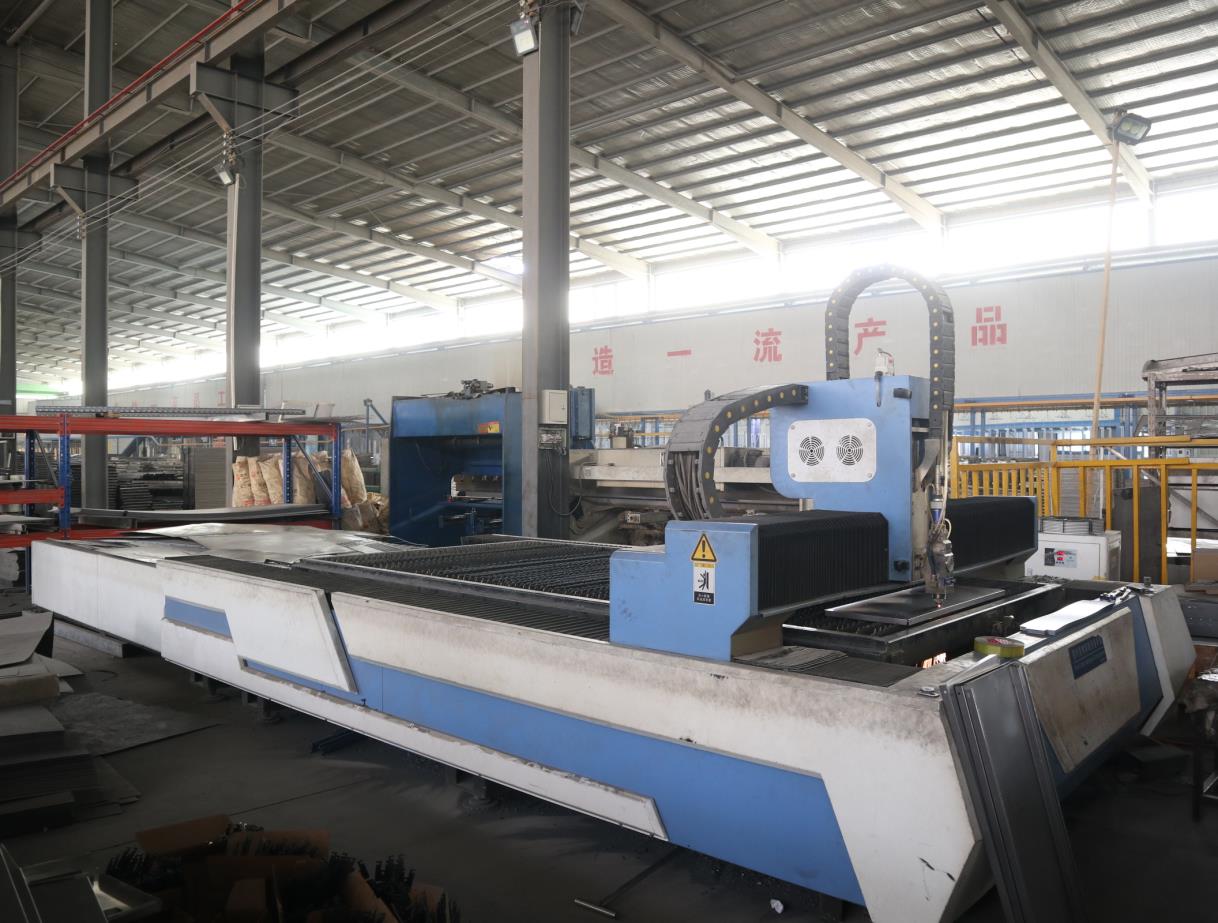
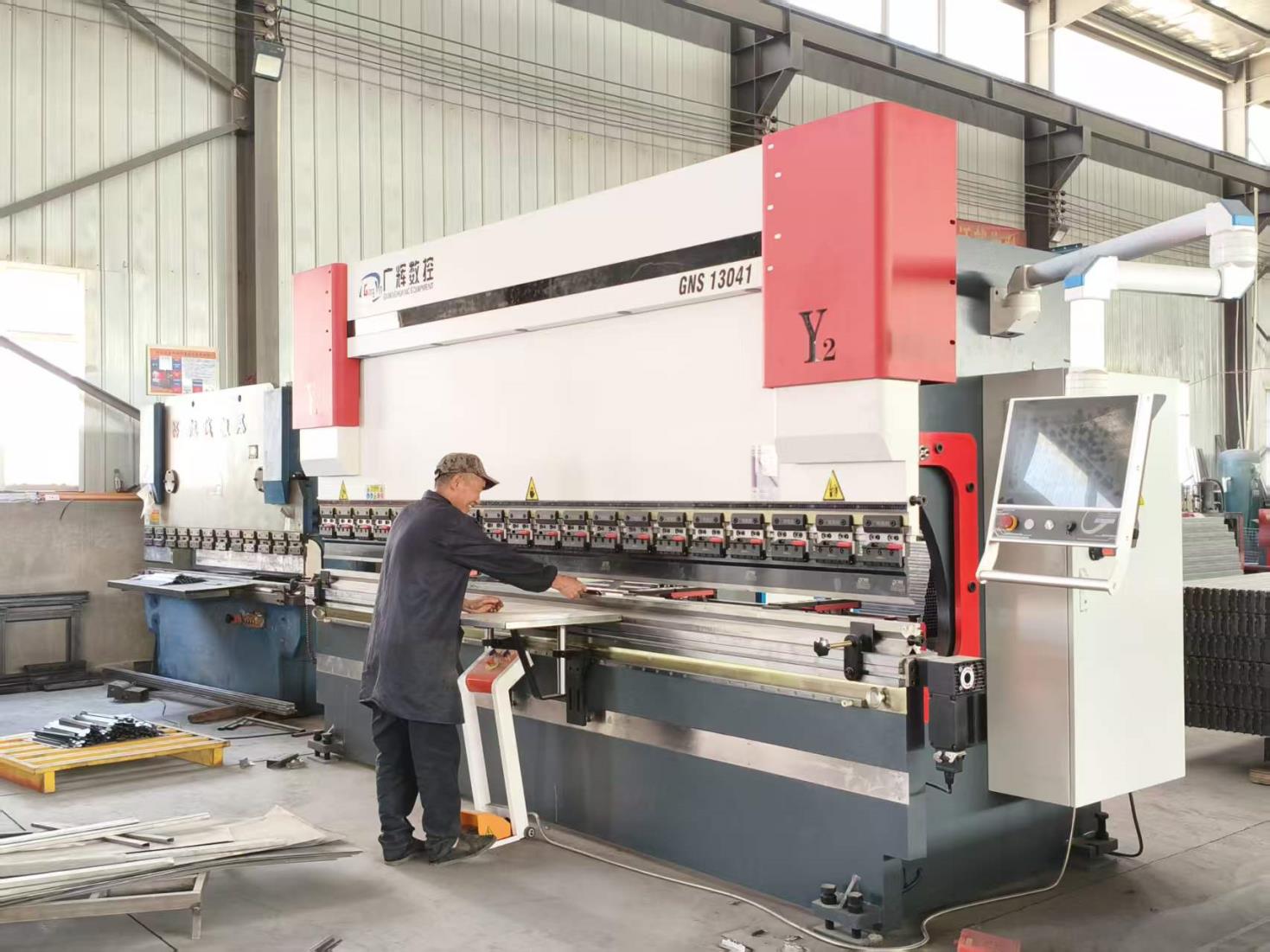
Established in 2015, Shenzhen Sanyang Storage Equipment Manufacturing Co., Ltd. is a leading manufacturer specializing in heavy-duty industrial pallet racking, warehouse shelving systems, and automated material handling solutions. Located in Shenzhen, our modern facility spans a total building area of 38,000 m², equipped with advanced automated roll-forming machines, laser cutters, and robot welding lines.
With over 12 years of industry experience and 8 years of active export experience, Sanyang has expanded its international footprint, achieving an annual export revenue of $28 million USD. Our main overseas markets cover North America, Western Europe, Southeast Asia, and the Middle East, primarily serving global logistics hubs, e-commerce fulfillment centers, third-party logistics (3PL) providers, and large manufacturing enterprises.
Quality and precision are at the core of our operations. Supported by 35 full-time QC inspectors, we implement rigorous quality assurance protocols using ultrasonic weld flaw detection, coating thickness testing, and heavy-load stress tests to ensure strict compliance with ISO9001 and international FEM/ANSI safety standards. Backed by a strong OEM/ODM background and a robust network of 1,200 supply chain partners, we offer highly customizable options—ranging from custom dimensions and load capacities to specialized powder coatings and seismic-resistant structural designs.
Innovation drives our continuous growth. Our team of 18 R&D engineers focuses on developing high-density and automated storage systems, successfully launching 65 new products last year alone. Sanyang remains dedicated to providing safe, space-saving, and cost-effective storage solutions for our global clientele.
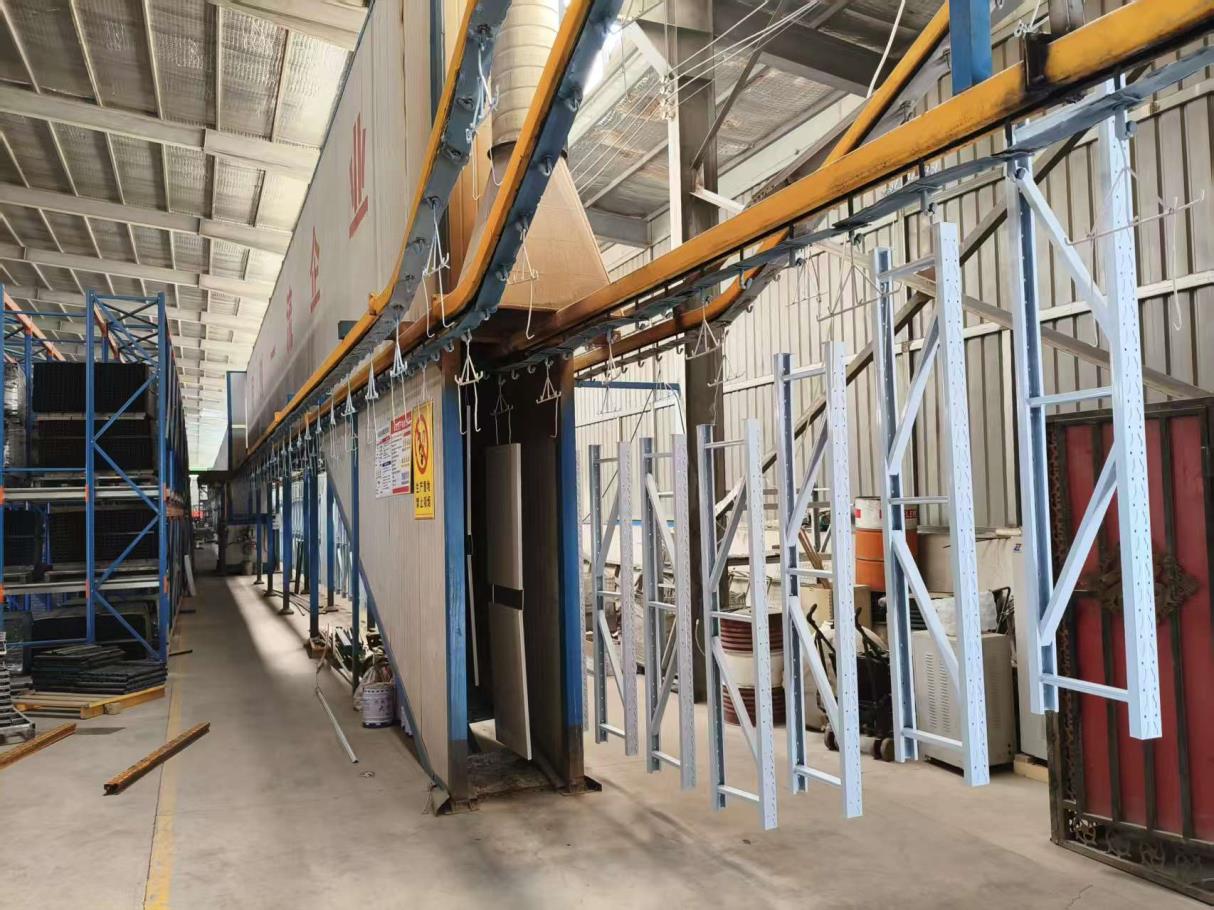
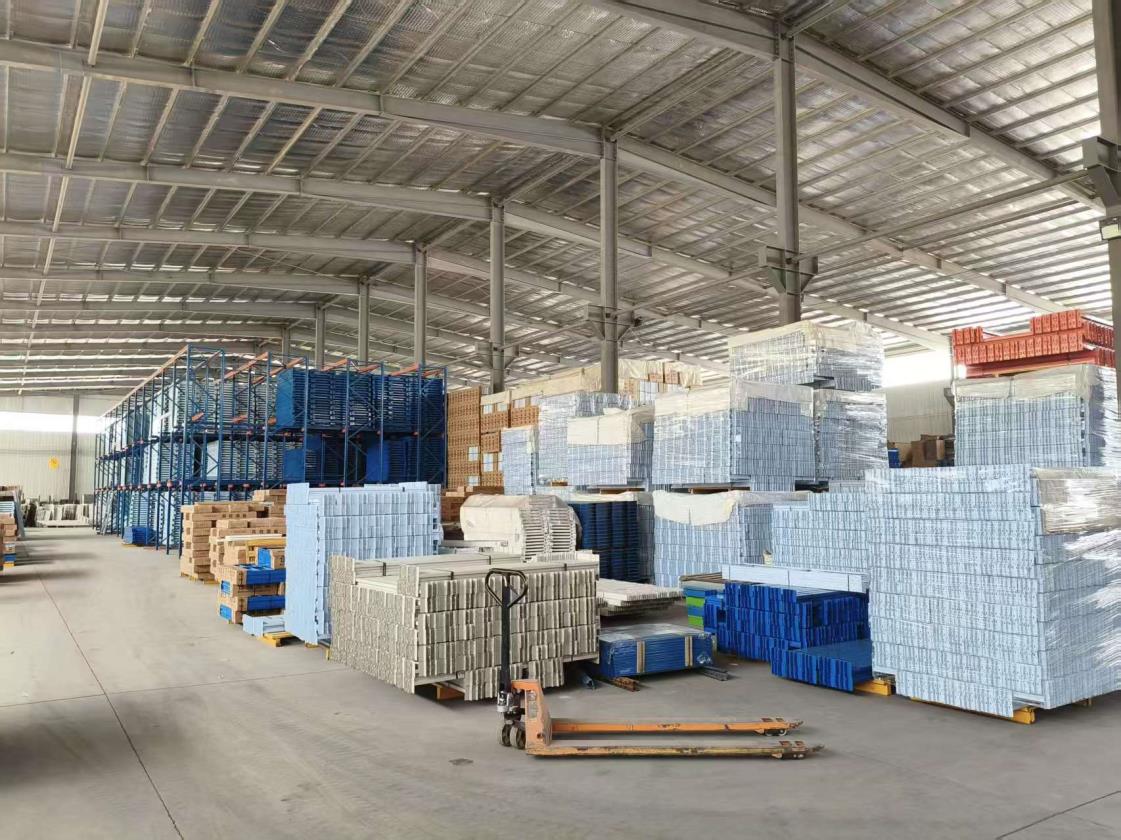
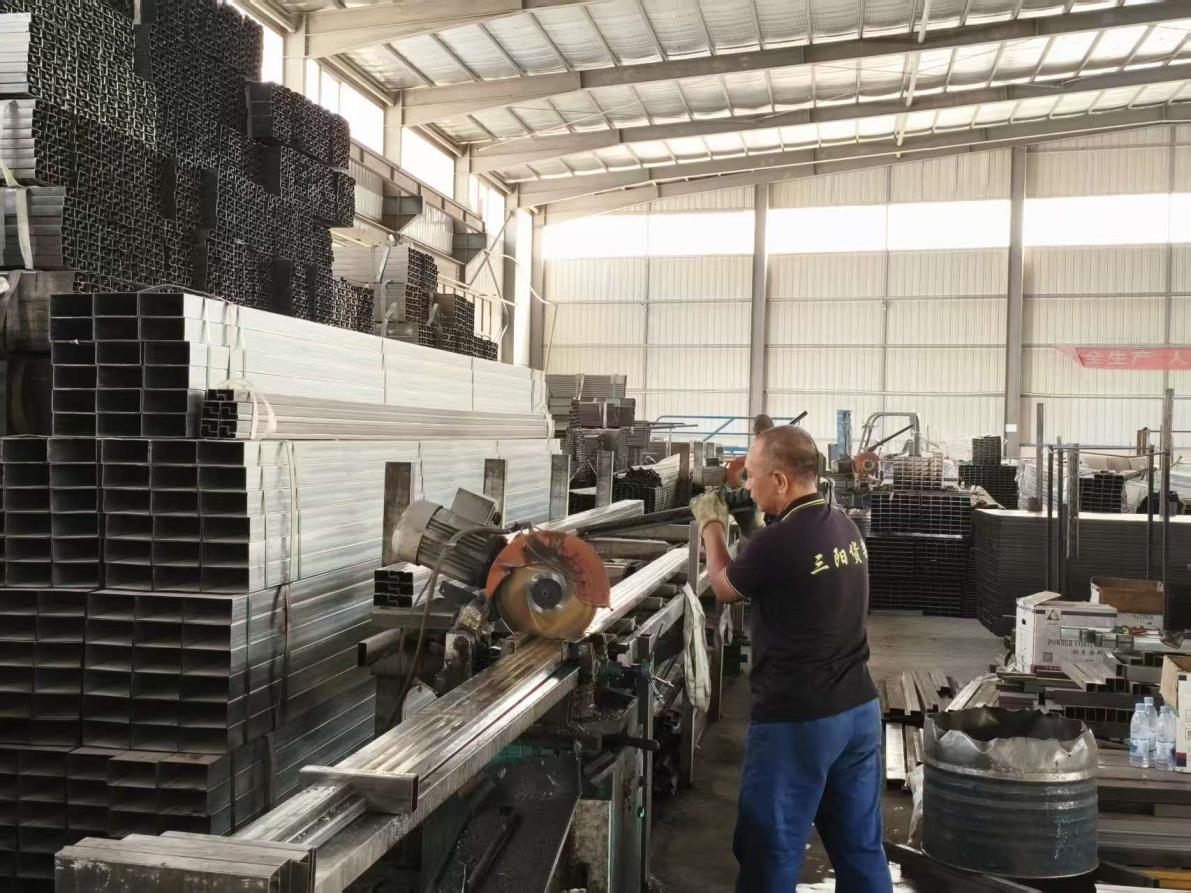
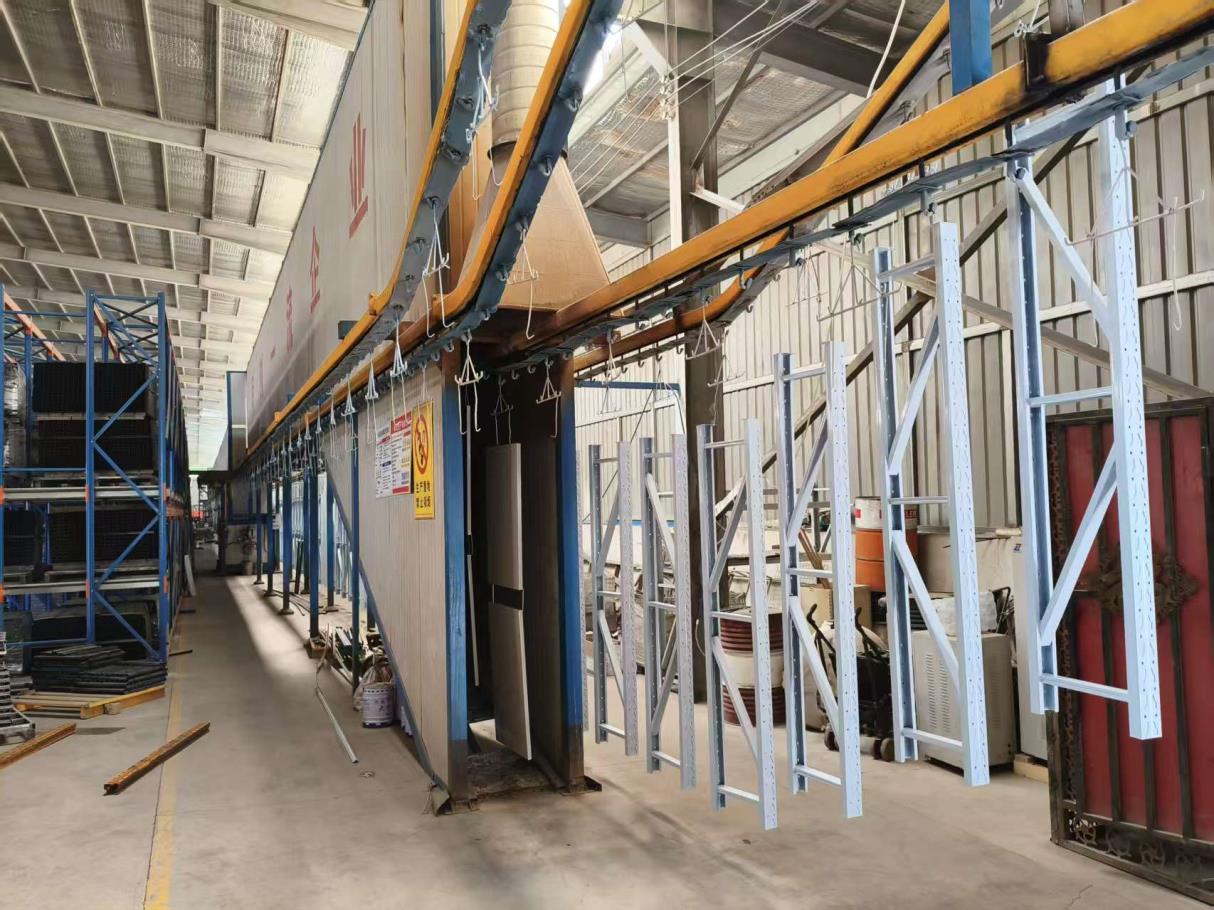
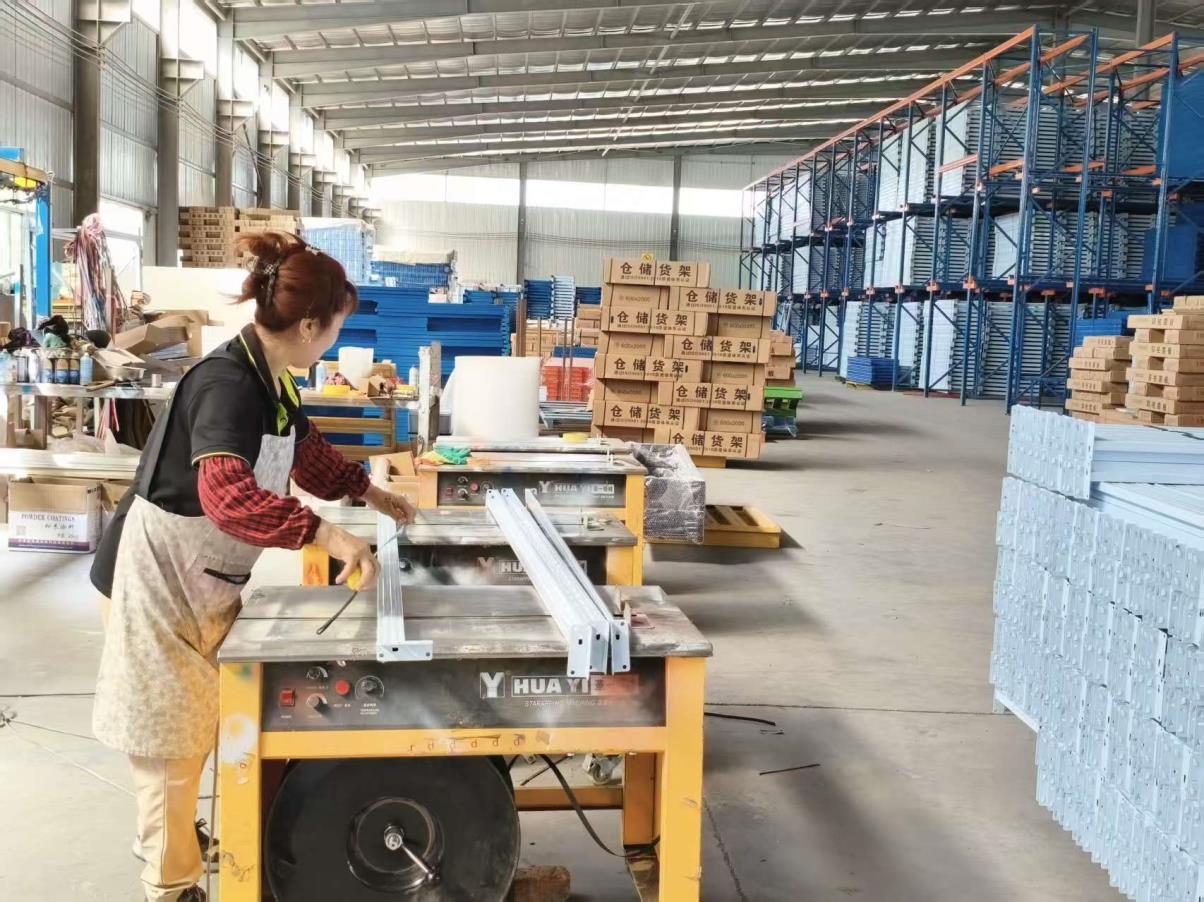
From raw materials to finished racking components, our facility maintains rigorous manufacturing standards.
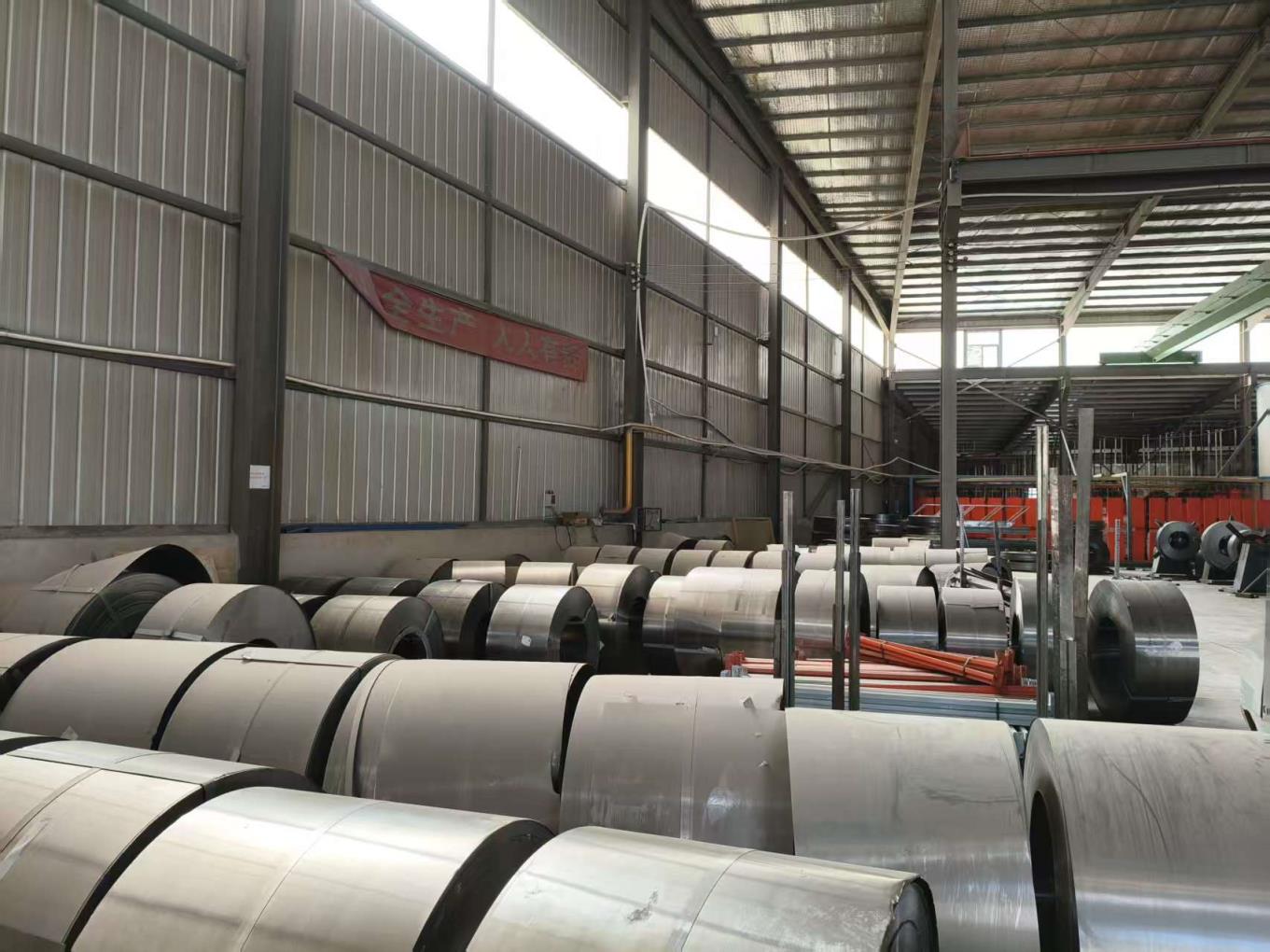
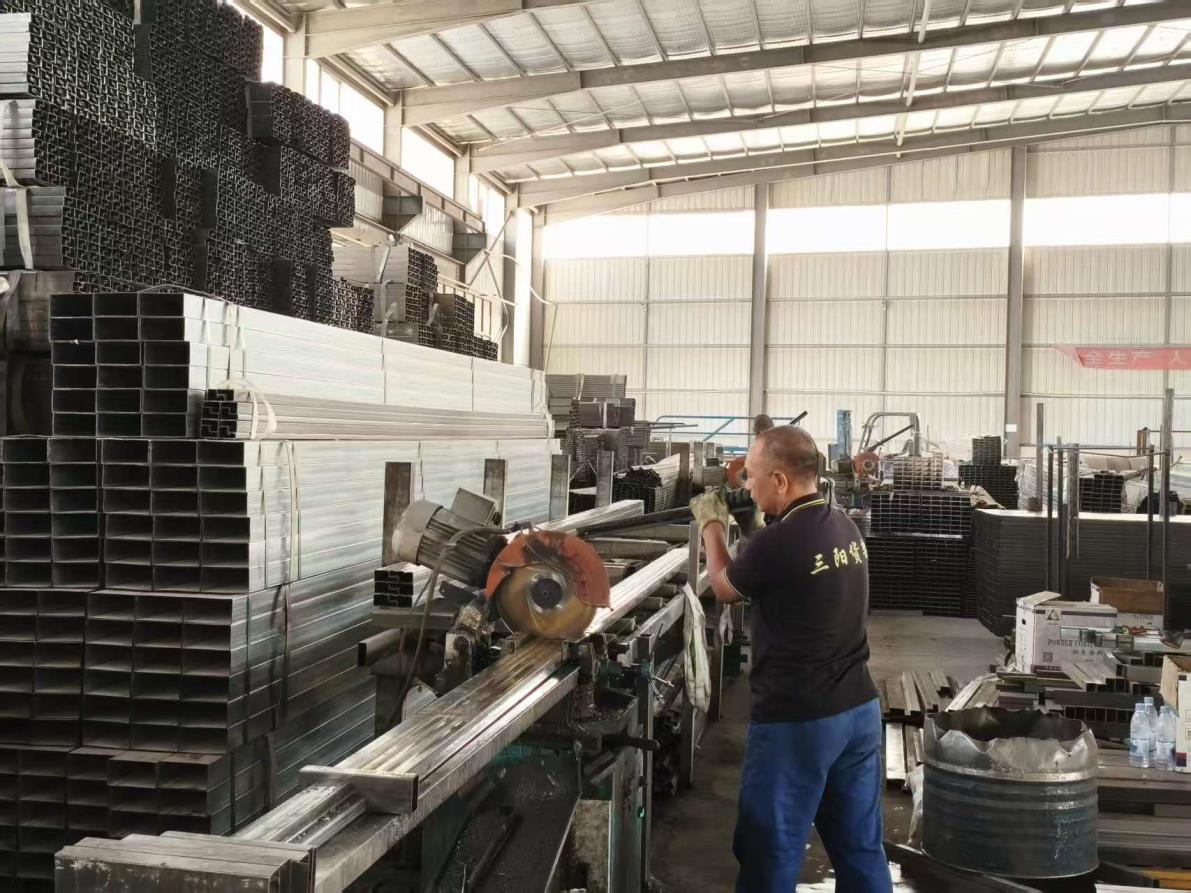
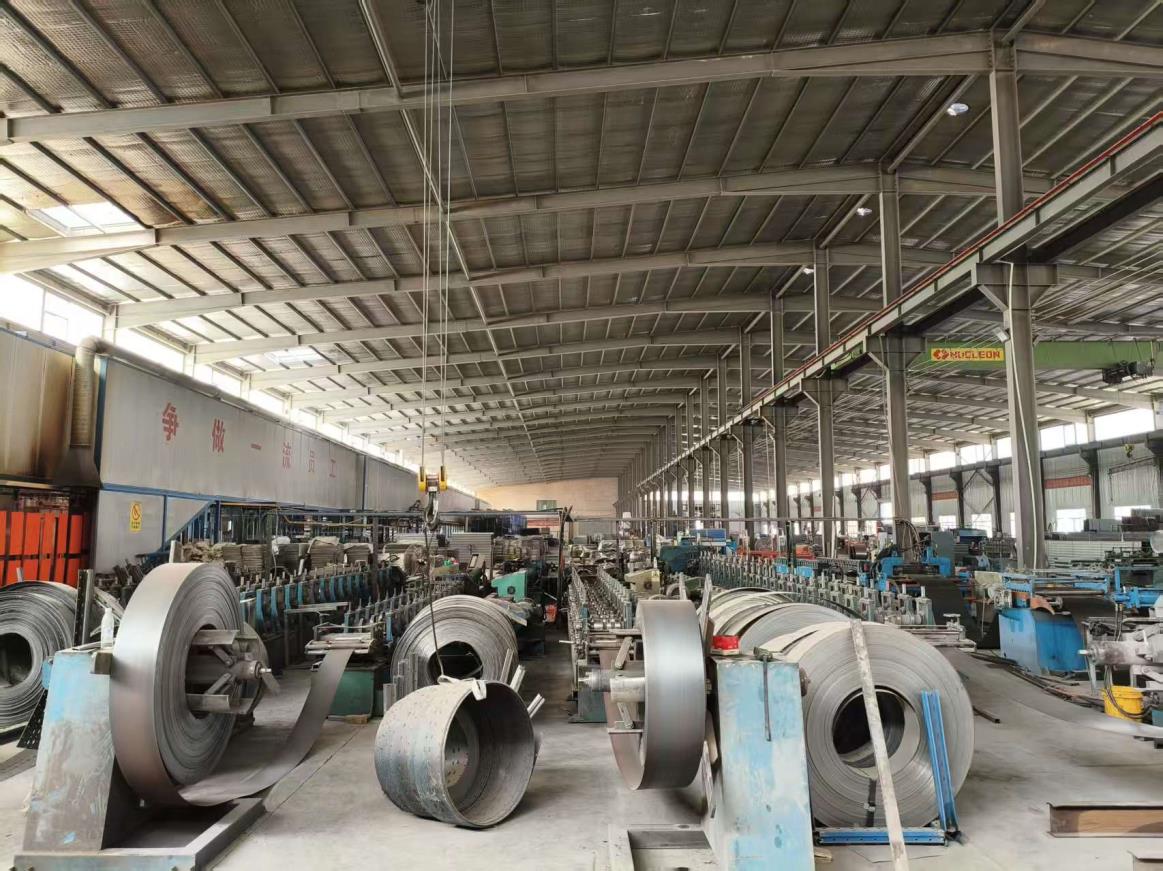
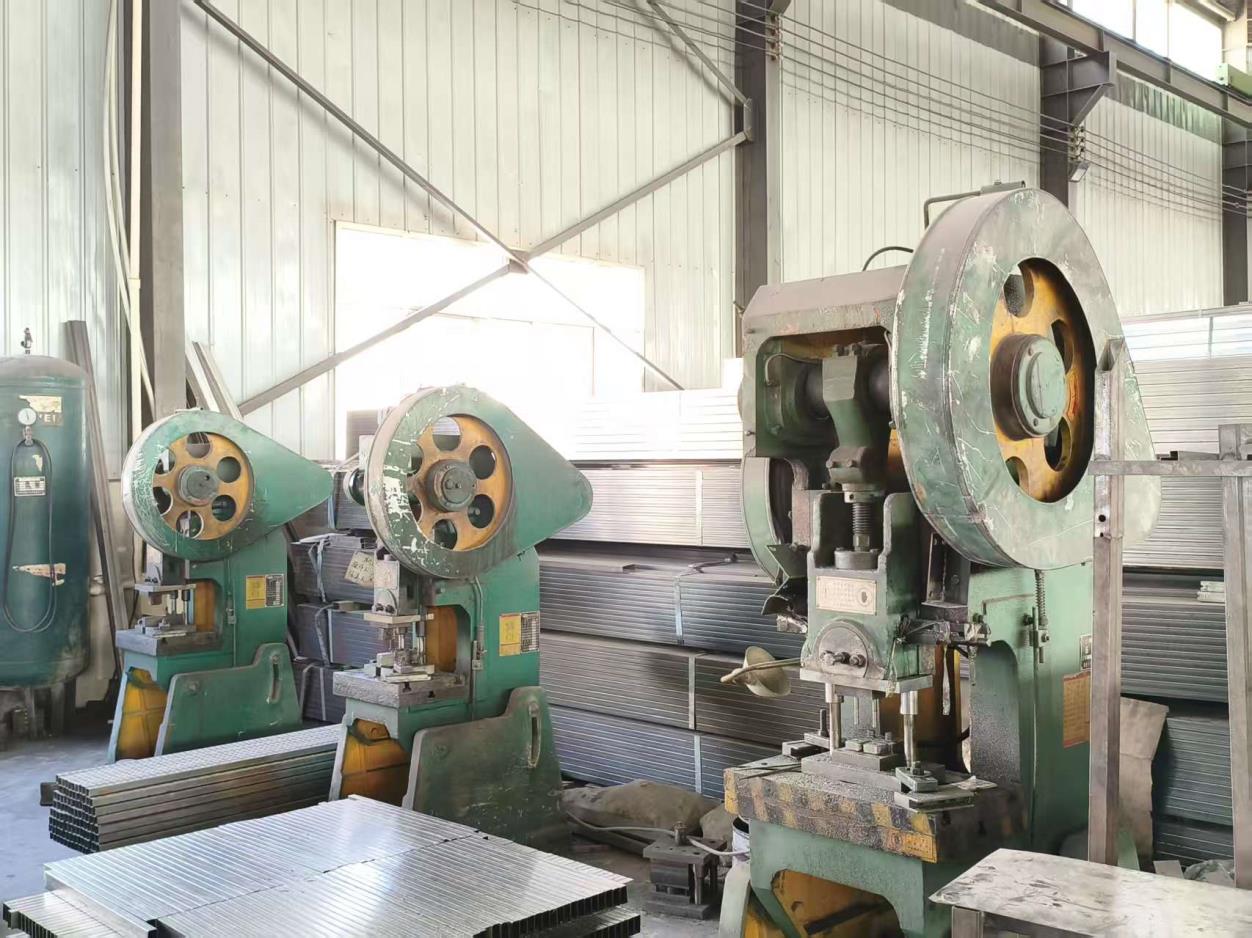
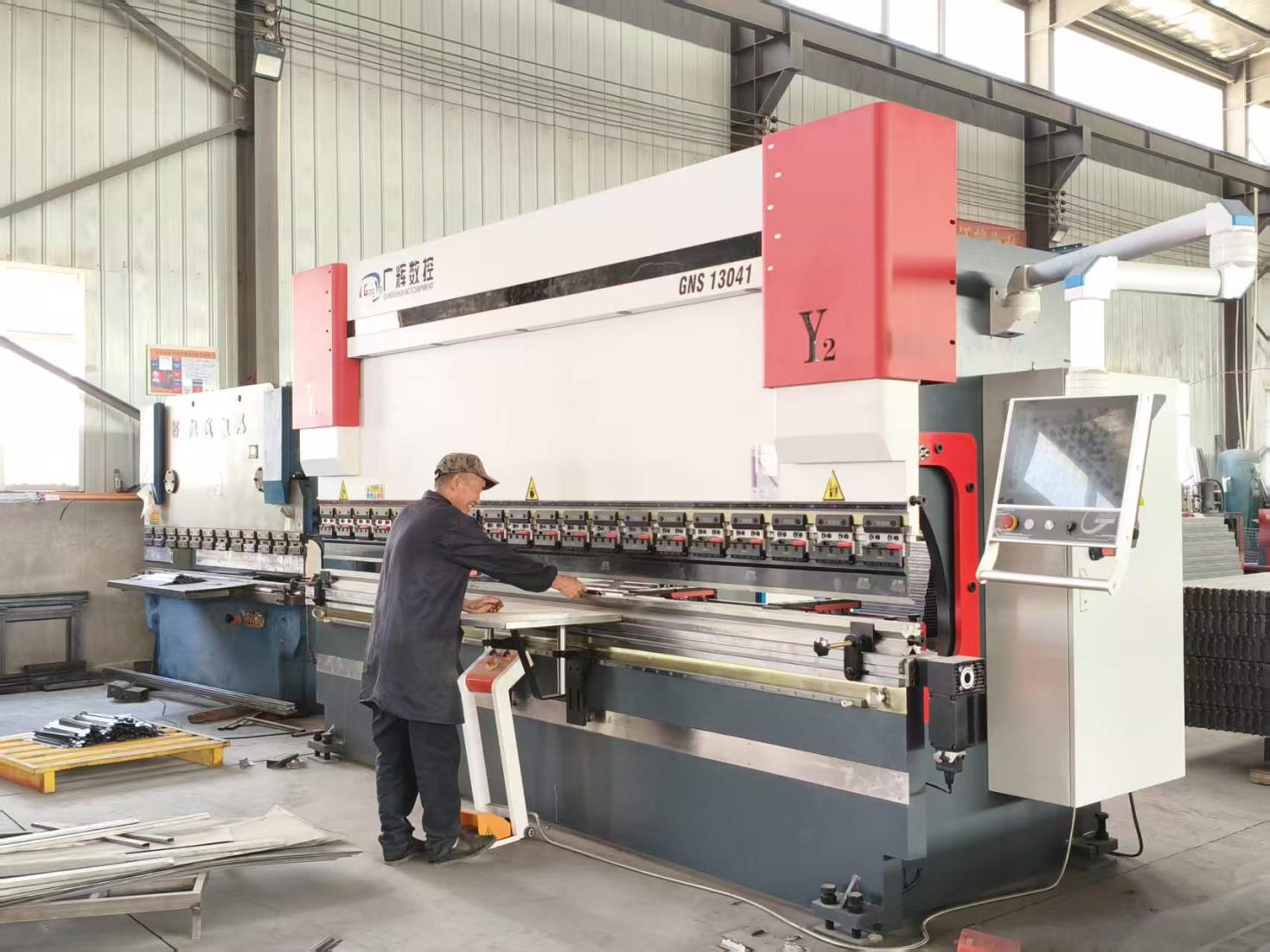
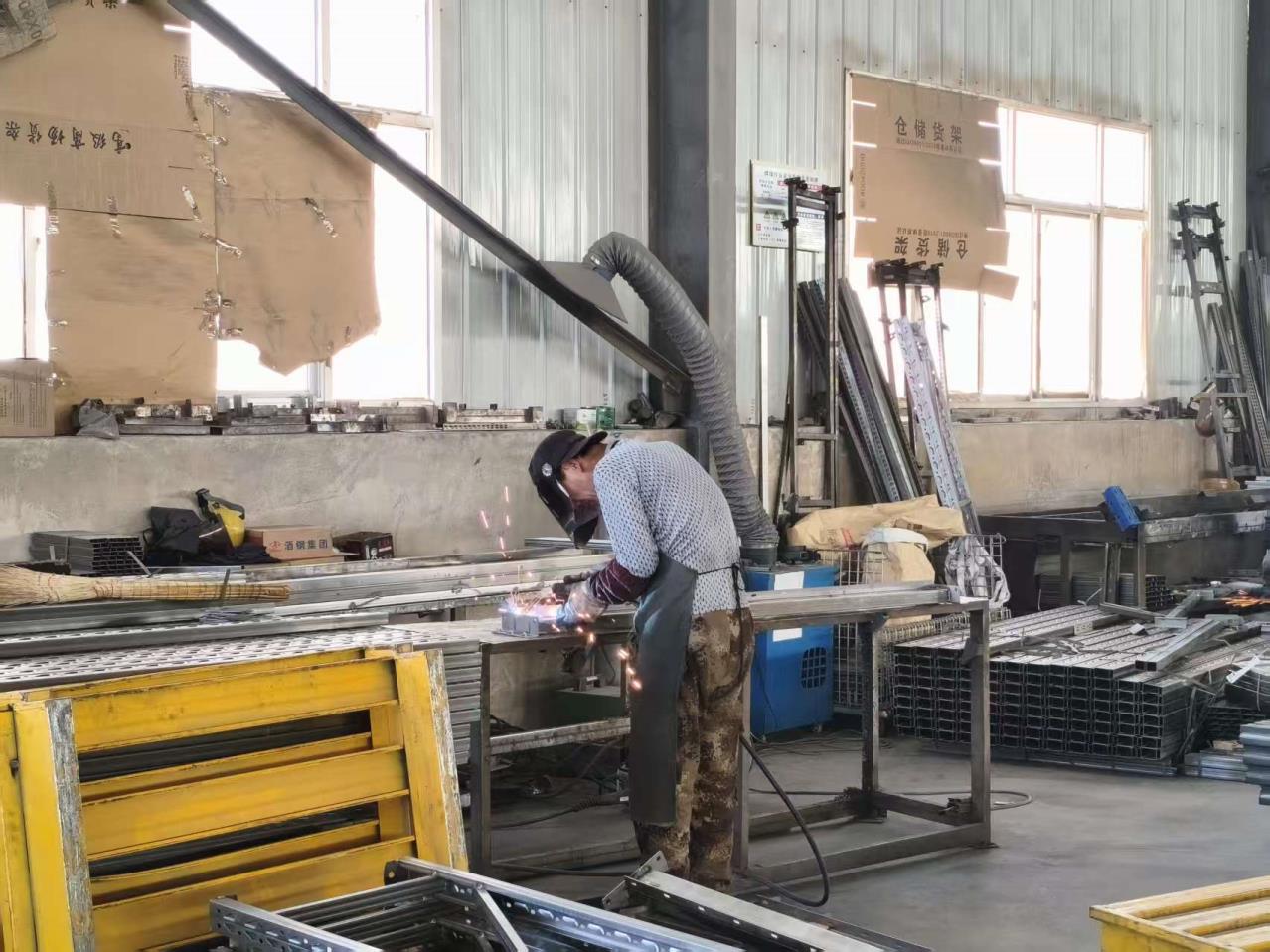
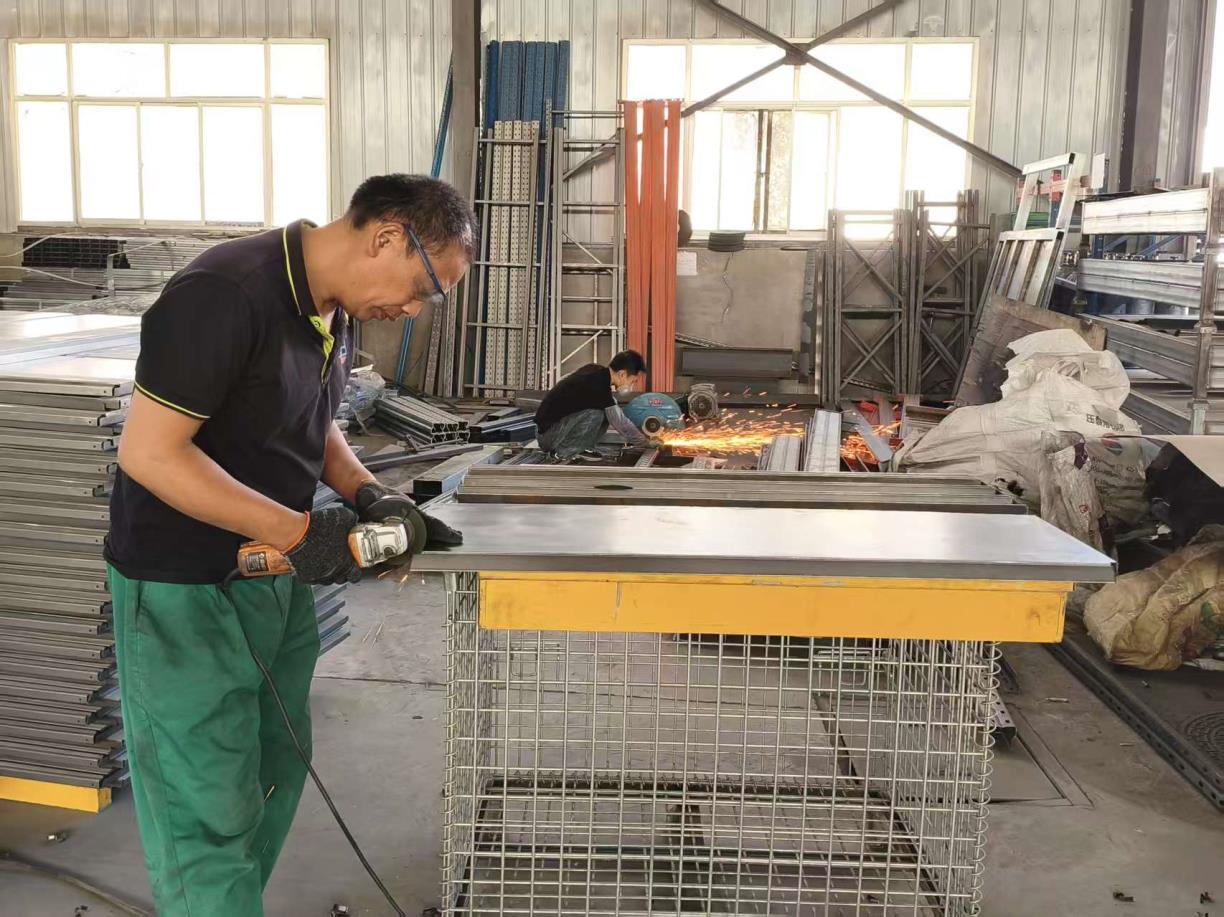
Shuttle racking systems are engineered structures that must withstand dynamic forces, environmental conditions, and potential seismic activity. Standard racking is often rated for static gravity loads. However, shuttle racking must support dynamic forces generated by shuttle carts accelerating, decelerating, and lifting within the structure.
Sanyang's engineering department conducts Finite Element Analysis (FEA) to design systems tailored to the local seismic parameters of the installation site. For seismic-active regions, we configure racking components with reinforced baseplates, oversized anchor bolts, and heavy-duty diagonal back-bracing systems to dissipate lateral energy.
Our designs meet global industry safety guidelines, including the European Code FEM 10.2.02, the US ANSI MH16.1, and regional building code requirements. This ensures structural safety, reduces liability, and protects operations under peak loading conditions.
Shuttle racking configurations optimized for performance across different industries and regional operational settings.
Refrigeration operations incur high energy costs. Sanyang shuttle racks operate reliably in temperatures down to -25°C. By utilizing high-density storage layouts, these systems minimize ambient air volume, reducing refrigeration energy consumption.
High-volume e-commerce hubs require rapid order staging and stock replenishment. Our shuttle racking integrates with Warehouse Management Systems (WMS), coordinating remote shuttle dispatch to support continuous, multi-shift fulfillment operations.
Heavy industrial components require durable, high-capacity storage. With load-bearing capacities up to 1,500 kg per pallet position, Sanyang systems store raw materials and tooling assemblies close to production lines.
Our structured project management approach ensures clear execution from initial conceptual design to system commissioning.
Our engineering team analyzes building dimensions, concrete floor capacities, pallet variations, and throughput requirements.
We develop structural models and run simulations to verify rail clearances, structural load limits, and seismic performance.
High-strength steel is roll-formed and finished with powder coating to protect components from corrosion.
Our field technicians install the racking, align the runner guide rails, test shuttle operations, and train facility teams.
Answers to common structural, electrical, and operational questions from logistics managers and facility planners.
Engineered for heavy-duty material handling, cold storage facilities, and high-throughput distribution hubs.
 Sanyang Racking