10 Best Drive-in Storage Racks for Global Buyers?

Time:2026-09-26 Author:Isabella
0%

Choosing the right Drive-in Storage rack can improve floor-space use, but it also changes how goods move through a warehouse. Unlike selective pallet racking, drive-in systems use deep lanes where forklifts enter the structure to place or retrieve pallets. That layout can suit facilities holding many pallets of the same product. It may be less practical when orders require frequent access to mixed stock.

This guide compares ten drive-in storage rack options for global buyers, focusing on capacity, lane depth, forklift access, materials, and configuration. Look closely at pallet dimensions, load weights, aisle width, and the turning radius of the trucks already in your facility. A rack that fits the drawing may still feel tight during a busy shift. Small details matter.

Safety and reliability deserve equal attention. Ask suppliers for clearly stated load ratings, installation guidance, inspection recommendations, and project-specific engineering documents. Requirements vary by location, building, and operating conditions, so buyers should confirm applicable standards with qualified local professionals. For cold stores, check how finishes and components suit low temperatures. For seismic areas, request an assessment for the actual site. Not every supplier presents these details in the same way, and that makes comparisons harder than they should be. A lower quoted price is not the whole story. The best choice is the system that fits the inventory, equipment, building, and daily workflow—and can be maintained safely over time.
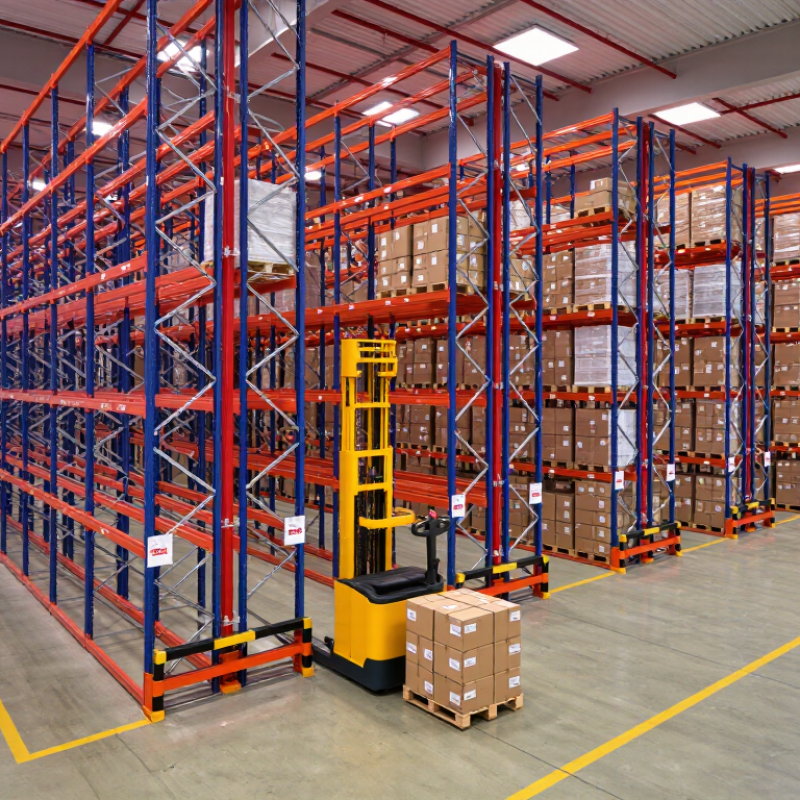
10 Best Drive-in Storage Racks for Global Buyers?

What Drive-In Storage Racks Are and How They Work

Drive-in storage racks are high-density systems that let forklifts enter storage lanes to place or retrieve pallets. Upright frames stand along each lane, while horizontal rails support pallets at several levels. The rack structure replaces many individual aisle spaces with deeper storage. That matters.

In a typical lane, a forklift carries a pallet inside and sets it on the rails. When retrieving stock, the operator enters the same lane to reach the pallet nearest the access point. This arrangement commonly follows last-in, first-out rotation: the newest pallet placed is usually the first one removed. It works best when each lane holds the same product and frequent access to every pallet is unnecessary.

Fewer aisles can increase storage capacity, but the trade-off is real. A misplaced pallet, uneven floor, or poorly matched forklift can slow work and raise the risk of rack damage. Before choosing a layout, check pallet dimensions, load weights, lane depth, vehicle turning clearance, and site-specific fire-protection requirements. Operators need clear procedures for entering lanes and inspecting rails and uprights. Details vary by facility. Even a well-designed system needs regular review as inventory and equipment change.

Core Components and Common Drive-In Rack Configurations

Drive-in racks rely on a small set of parts working together. Upright frames carry the structure, while horizontal and diagonal braces keep it stable. Support arms hold the pallet rails at each storage level. Guide rails help forklift drivers enter a lane, and entry guards protect exposed frame corners. Floor anchors and load signs are essential details, not optional finishing touches.

Small parts matter. In a single-entry drive-in configuration, pallets are loaded and retrieved from the same aisle, so the last pallet placed is usually the first removed. This suits products stored in batches. A drive-through layout has access at both ends and can support first-in, first-out handling when loading and picking are organized from opposite sides. Both designs need clear lane dimensions and consistent pallet sizes.

Before choosing a layout, check pallet width, depth, weight, and any overhang. Confirm that the forklift can enter, lift, and turn safely within the lane. Measure the building height, aisle space, and floor condition too. A neat drawing can still hide a poor fit. In practice, pallet variations and driver habits complicate the plan; they are easy to underestimate. Have a qualified rack professional verify the design, load data, and site conditions before installation.

Drive-In Storage Racks: Core Configurations Compared

Drive-in racks have one access face and typically operate on a last-in, first-out (LIFO) basis. Drive-through racks have access at both ends, allowing first-in, first-out (FIFO) operation when loading and unloading occur from opposite sides.

How to Compare Drive-In Racks for Global Warehouse Needs

Comparing drive-in racks starts with the inventory, not the advertised storage density. Drive-in systems usually operate on a last-in, first-out basis, so they suit large batches of similar products. If goods must leave in receiving order, drive-through layouts may fit better. Check pallet dimensions, load weights, forklift turning space, and the number of accessible lanes before comparing quotations.

MHI’s 2024 Annual Industry Report found that 55% of respondents planned to invest more than $1 million in supply-chain technology over the following two years. That points to growing interest in connected operations, but it does not prove that automation will suit every warehouse. Ask whether rack dimensions allow future changes in equipment and inventory. Measure the actual aisle and entry clearances. A few centimeters matter. Also compare load ratings, upright protection, seismic design requirements, fire-protection coordination, and local inspection needs; these differ by site and market. Request drawings and a documented capacity calculation, not just a price per pallet position. I would not treat maximum density as a win by itself: blocked access or damaged rails can erase the space savings. Check spare-part availability and installer experience in the destination country, too.

10 Best Drive-In Storage Rack Options for Global Buyers

Drive-in storage racks suit warehouses that need dense storage for similar pallet loads. They reduce aisle space, but forklifts enter the rack lanes, so clear operating rules matter.

Option one is single-entry drive-in, loaded and retrieved from one face.

Option two is drive-through, accessible from both ends.

Option three uses deep lanes for large batches.

Option four uses shorter lanes for easier stock rotation.

Option five uses structural steel, often selected for demanding layouts.

Option six uses roll-formed frames, which can offer a lighter modular design. Details vary.

Option seven adds pallet-support rails suited to the chosen pallet dimensions.

Option eight uses additional bracing for sites with relevant seismic design requirements.

Option nine is configured for cold-storage environments, where finishes and equipment clearances need careful review.

Option ten combines drive-in lanes with selective rack bays, giving some items faster access.

Not every option fits every building. Check forklift turning clearance, pallet consistency, floor capacity, lane depth, and load ratings before purchase. Ask suppliers for drawings and documented design assumptions.

Measure the tight spots twice. In practice, mixed pallet sizes can weaken the storage gains; that detail is easy to underestimate.

A qualified rack designer should confirm the final layout for the actual site and handling equipment.

Safety, Installation, and Maintenance Requirements

Drive-in storage racks use deep lanes, so safety depends on more than the rack’s rated capacity. Confirm pallet dimensions, loads, and forklift clearances before choosing a layout. The floor must suit the proposed system, and installers should follow engineered drawings and specified anchoring details. Small details matter. A slightly uneven floor or poorly aligned rail can affect how loads enter a lane.

During installation, check that uprights, braces, and guide rails are straight and secure. Keep load-rating signs visible at operating points, and train forklift operators to enter lanes slowly. Protect exposed frame ends where vehicles turn or reverse. Keep it visible. Even a tidy installation can hide a clearance problem, so a competent person should verify the completed system before loading begins.

Maintenance should include documented visual checks of frames, rails, braces, anchors, and floor areas. Inspect promptly after an impact, and restrict access to any damaged lane until it has been assessed. Do not straighten or repair structural parts without qualified guidance. One detail buyers sometimes underestimate is local site variation: humidity, floor condition, pallet quality, and forklift dimensions can all change operating risks. Request clear installation and inspection instructions, then confirm that the rack design fits the site and applicable requirements.

FAQS

What are drive-in storage racks?

They are high-density racks with lanes that forklifts enter. Rails support pallets at several levels.

How are pallets usually retrieved?

Operators enter the same lane and remove the pallet nearest the access point. This commonly follows last-in, first-out rotation.

Which products suit drive-in racks?

They work well for large batches of similar products when every pallet does not need frequent access. Mixed sizes can reduce the space savings.

When might a drive-through layout be better?

Consider it when goods need to leave in the order they arrived. It allows access from both ends.

What should be measured before choosing a layout?

Check pallet dimensions, load weights, lane depth, floor capacity, and forklift turning clearance. A few centimeters matter.

What rack options can warehouses compare?

Options include short or deep lanes, different frame designs, added bracing, and cold-storage configurations. Details vary.

What should a buyer request before approving a design?

Request drawings and documented capacity calculations. Confirm load ratings, fire-protection coordination, and site-specific inspection needs.

How can warehouses reduce operating risks?

Set clear rules for entering lanes and inspect rails and uprights regularly. Review the layout when equipment or inventory changes.

Is maximum storage density always the best goal?

Not necessarily. Blocked access or damaged rails can erase the gains. I might focus too much on density without noticing daily handling delays.

Conclusion

This guide explains how Drive-in Storage racks work and why they are used to store large quantities of similar goods in limited warehouse space. It introduces key components, including upright frames, support rails, and entry guides, and outlines common configurations designed for different pallet flows and access needs. Readers will also learn how to compare rack options by considering warehouse dimensions, load requirements, inventory turnover, equipment compatibility, and operating conditions.

The guide presents ten practical drive-in rack options for global buyers, focusing on configuration and application rather than brand names. It also covers essential safety, installation, and maintenance considerations, such as checking load limits, protecting rack structures from impacts, arranging professional installation, and carrying out regular inspections. Together, these points help warehouse teams assess whether a drive-in system suits their storage goals and plan for reliable, efficient use.

Isabella

Isabella

Isabella is a dedicated marketing professional with a sharp focus on driving brand growth and engagement through strategic content creation. With an extensive background in digital marketing, she combines her passion for storytelling with her keen understanding of industry trends to deliver......