How to Choose the Best ASRS Systems for Your Business?

Time:2026-08-17 Author:Oliver
0%

Choosing the right ASRS Systems is crucial for your business's efficiency. Automated Storage and Retrieval Systems can drastically streamline operations. However, picking the best option is not always straightforward.

Many businesses overlook critical factors. It’s not just about the initial cost. Performance, scalability, and integration with existing systems all matter. You should consider the specific needs of your inventory management. What are the common challenges you face? Assessing your current workflow can reveal hidden inefficiencies.

Evaluating ASRS Systems requires expert insight. Seek solutions that enhance productivity and reduce errors. However, the market is flooded with options, making it easy to feel overwhelmed. Take your time to analyze unique features. What works for one company may not suit another. This reflection is key to making an informed decision.
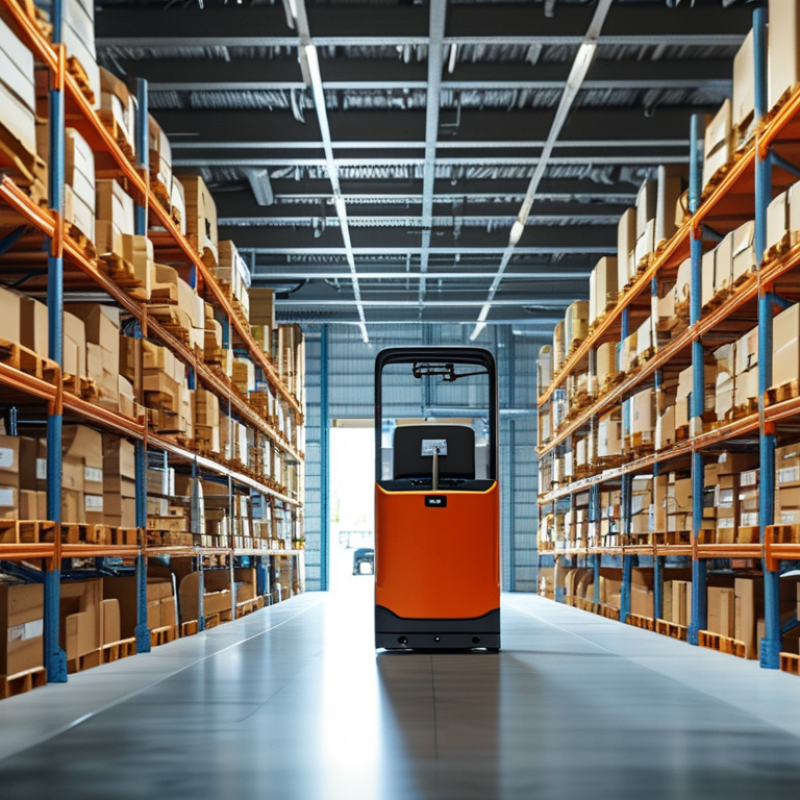
How to Choose the Best ASRS Systems for Your Business?

Understanding Automated Storage and Retrieval Systems (ASRS)

Automated Storage and Retrieval Systems (ASRS) are transformative tools for modern warehouses. They enhance efficiency and maximize space. These systems use automated processes to store and retrieve goods, allowing companies to streamline their operations.

Choosing the right ASRS requires understanding your specific needs. Not all businesses have the same inventory turnover. For instance, a company with high demand for fast-moving goods may benefit from a different system than one with a vast range of slow-moving items. Consider your product types and storage density. Each variable can change the required ASRS design.

Implementation concerns can arise. Proper setup of the ASRS is critical. A poorly configured system might lead to disruptions, increased downtime, or mismanagement of inventory. Evaluate the installation process and check for support options. Your choice should prioritize long-term reliability over initial savings. Think about future scalability. A system that grows with your business can save on costs down the line.

Automated Storage and Retrieval Systems (ASRS) Efficiency Comparison

Identifying the Specific Needs of Your Business Warehouse

When selecting Automated Storage and Retrieval Systems (ASRS) for a warehouse, understanding specific business needs is crucial. According to a report by Logistics Management, about 45% of warehouses struggle with inefficiencies due to poor layout and storage methods. Evaluating your warehouse layout can reveal significant bottlenecks. Space optimization is often a pain point; therefore, consider how your current operations can benefit from vertical storage systems.

Businesses should also assess their inventory turnover rates. A report from Gartner highlighted that efficient warehouse systems can improve order accuracy by up to 25%. If your inventory moves quickly, you might need a system that handles high-throughput operations. Alternatively, slower-moving inventory may require a setup that prioritizes retrieval efficiency.

Moreover, factor in future growth. Many warehouses plan expansions, and not all ASRS systems are scalable. A study by the Warehousing Education and Research Council indicates that flexible systems support growth up to 30% without major system overhauls. Reflect on your warehouse’s long-term vision before making a decision. Understanding these specific needs enhances the chances of investing in the best ASRS for your operations.

Evaluating Different Types of ASRS Systems Available

When evaluating different types of Automated Storage and Retrieval Systems (ASRS), businesses face various options. Each type caters to specific storage needs. For instance, a shuttle system is efficient for high-density storage. It can increase space utilization by up to 85%, a significant boost for warehouses with limited square footage.

On the other hand, unit-load ASRS is ideal for bulk item storage. It is designed for large inventory and can handle loads exceeding 1,000 pounds. Data shows that unit-load systems can enhance retrieval speeds by 50%. However, these systems may require more initial investment and maintenance.

Moreover, mini-load ASRS, used for small items, tends to optimize picking accuracy. These systems can handle high volumes of small parts efficiently. However, they may lack the speed needed for larger bulk operations. Each type has its strengths and limitations. A thorough understanding of your inventory and workflow is essential when making a choice.

How to Choose the Best ASRS Systems for Your Business?

System Type Storage Capacity Efficiency Cost Best For
Unit Load ASRS Up to 100,000 units High throughput $$$$ Large warehouses
Mini Load ASRS Less than 10,000 units Moderate throughput $$ Small to medium businesses
Vertical Lift Module (VLM) Up to 4,000 units Compact efficiency $$$ Space optimization
Horizontal Carousel Up to 3,000 units Fast access $$ Retail and order fulfillment
Shuttle System Flexible capacity Very high throughput $$$$$ High-density storage needs

Analyzing Cost-Effectiveness and ROI of ASRS Investments

Investing in Automated Storage and Retrieval Systems (ASRS) can significantly enhance efficiency in warehouses. When analyzing the cost-effectiveness and return on investment (ROI), businesses must consider various factors. A detailed evaluation of current operations will reveal how ASRS can optimize processes. Look at inventory turnover rates, labor costs, and space constraints.

Tips to analyze your ROI:
- Assess the potential labor savings from automation.
- Calculate the reduction in handling time for goods.
- Factor in long-term savings versus initial investment.

A less-than-perfect implementation can lead to unexpected expenses. For instance, poorly integrated systems may require additional training for staff. Ensure your team is prepared for changes. It's crucial to revisit your calculations regularly. Adjustments may be necessary based on evolving business needs and market conditions. Continuous analysis will help gauge the true impact of your ASRS investment.

Assessing Integration with Existing Warehouse Management Systems

Integrating an Automated Storage and Retrieval System (ASRS) with your existing warehouse management system is crucial. Poor integration can lead to inefficiencies. Assess your current system’s capabilities and limitations; this step is essential. You need a clear understanding of your workflows, data management, and the required interfaces for new technology.

Integration is not one-size-fits-all. It requires deep analysis and testing. Consider the protocols used in your existing system. Do they support standard communication methods? Weakness in this area can create bottlenecks. Also, evaluate software compatibility. You don’t want an ASRS that operates in isolation. That defeats the purpose of automation.

Involving your tech team early in the process can uncover potential issues. Discuss any data migration needs or adjustments. It’s not enough to just have the right tools; you also need the right strategy. Be prepared for a learning curve. Staff may require training to understand the new system fully. Engaging in trial runs can highlight areas needing improvement.

FAQS

: What are

utomated Storage and Retrieval Systems (ASRS)?

How do I choose the right ASRS for my business?

Assess your inventory turnover and product types. Different systems work better for fast-moving versus slow-moving items.

What should I consider during ASRS implementation?

A proper setup is critical. Poor configurations can lead to disruptions and inventory mismanagement.

How do I analyze the ROI of investing in ASRS?

Evaluate labor savings and reduced handling time. Monitor long-term savings against initial investments.

What are common pitfalls when integrating ASRS?

Poor integration can cause inefficiencies. Assess existing system capabilities and test for compatibility.

Is training necessary when implementing ASRS?

Yes, training is crucial. Staff will need to understand the new system to avoid operational mistakes.

How can I ensure a smooth transition to ASRS?

Involve tech teams early and conduct trial runs. This helps identify potential issues before full implementation.

Can ASRS adapt to future business needs?

Choose a scalable system. This can prevent future costs and accommodate growth.

What are some unexpected expenses with ASRS?

Poor integration might require extra training or adjustments, leading to increased costs.

Why is continuous analysis of ASRS performance important?

Regular assessments help adjust to changing business needs and gauge the investment’s true impact.

Conclusion

When choosing the best ASRS Systems for your business, it is essential to start with a clear understanding of what Automated Storage and Retrieval Systems entail. This involves identifying the specific needs of your warehouse, which can vary widely based on factors such as the size of your operation and the types of products handled.

Once the requirements are established, evaluating the different types of ASRS Systems available is crucial. This includes analyzing their cost-effectiveness and potential return on investment to ensure that the chosen system delivers value over time. Additionally, it is important to assess how well the ASRS will integrate with your existing warehouse management systems to maximize efficiency and streamline operations. This methodical approach will help you select an ASRS system that aligns with your business goals and enhances overall productivity.

Oliver

Oliver

Oliver is a seasoned marketing professional with a wealth of expertise in driving brand awareness and engagement. With a deep understanding of our company's product offerings, he consistently delivers high-quality content that enriches our professional blog. His insights not only shed light on......