Choosing the right Boltless Systems for global sourcing requires more than comparing prices. It demands evidence, testing, and careful supplier judgment. Warehouse layouts differ across regions. So do loading rules, labor costs, and replacement expectations.
The MHI 2024 Annual Industry Report found that 85% of supply-chain professionals are adopting or piloting artificial intelligence. This signals a wider shift toward flexible, data-supported operations. Boltless Systems fit this direction because teams can usually reconfigure shelves without welding or specialized tools. However, flexibility alone does not prove value. A low-cost unit may use thinner steel, weaker connectors, or inconsistent coatings. That mistake becomes expensive after repeated assembly.
Grand View Research reports continued growth in the global warehouse racking market through 2030, driven by e-commerce and distribution expansion. This growth creates more sourcing choices, but also more confusing specifications. Load capacity, beam thickness, corrosion resistance, packaging quality, and replacement-part availability require direct verification. Ask suppliers for test reports, dimensional drawings, factory audits, and sample inspections. Do not trust attractive catalog photographs.
As logistics scholar Martin Christopher said, “Supply chains compete, not companies.” His principle applies directly to Boltless Systems sourcing. The supplier’s engineering support, communication speed, and documentation can influence performance as much as the rack itself. Small details matter. A bent connector can delay installation. A missing bracket can stop an entire aisle.
This guide examines those practical decisions. It also admits an uncomfortable truth: global sourcing rarely produces perfect information. The best choice is not always the cheapest or most advanced system. It is the system that remains safe, adaptable, and supportable after delivery.
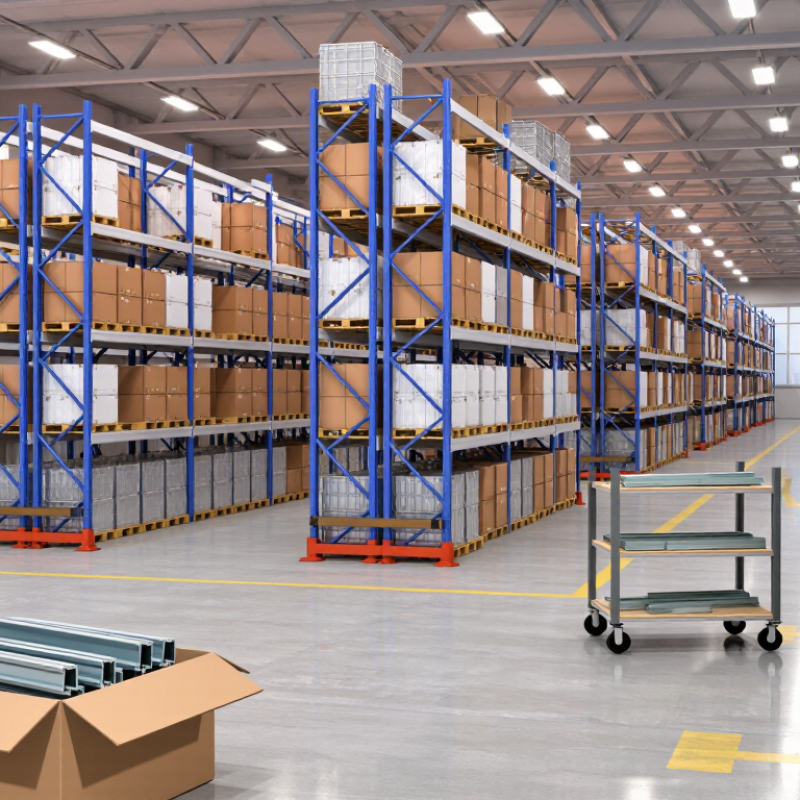
Boltless systems are modular storage structures assembled without nuts, bolts, or permanent welding. Uprights connect with clips, hooks, or rivet-style joints. Shelves usually use steel panels, wire decks, or laminated boards. This design allows fast installation with basic hand tools. It also supports repeated height adjustments when inventory changes.
Their main applications include warehouses, workshops, retail backrooms, archives, and light industrial facilities. A 2024 Grand View Research report estimated the global warehouse racking market at about USD 10.4 billion in 2023. It also projected continued growth through 2030. This growth reflects rising storage density and faster distribution requirements. Boltless shelving suits cartons, spare parts, tools, and manually handled inventory. Heavy-duty versions can support pallet-related loads, but buyers must verify rated capacity carefully.
For global sourcing, the system’s simple structure can reduce assembly labor and packaging complexity. However, “tool-free” does not mean risk-free. A 2024 MHI industry report highlighted continuing investment in warehouse automation and material-handling efficiency. Boltless systems can complement that shift, especially in smaller facilities or flexible picking zones. In practice, I would inspect connector fit, beam deflection, coating quality, and replacement-part availability. Some low-cost units look identical online but behave differently under uneven loading. That detail is easy to underestimate. Supplier drawings, independent load testing, and clear inspection instructions create more reliable purchasing decisions.
| Boltless System Type | Definition and Connection Method | Typical Applications | Typical Load Range per Level | Common Materials | Assembly and Adjustment | Key Global Sourcing Factors | Best-Fit Buyer Profile |
|---|---|---|---|---|---|---|---|
| Rivet Shelving | Upright frames and horizontal beams connect through rivet-and-keyhole slots. The structure is assembled without nuts and bolts. | Carton storage, archives, workshops, spare parts, retail backrooms, and light industrial stockrooms. | Approximately 150–500 kg, depending on beam length, deck type, and manufacturer specifications. | Painted or powder-coated steel; particleboard, wire mesh, or steel shelf decks. | Fast manual assembly; shelf height is commonly adjustable in regular vertical increments. | Check steel thickness, rivet geometry, shelf deflection, coating quality, packaging, and compatibility of replacement components. | Importers and distributors seeking economical, adaptable shelving for general storage. |
| Clip-In Shelving | Beams or shelf panels lock into punched slots using clips, tabs, or integrated connectors rather than threaded fasteners. | Office storage, libraries, retail displays, light warehouses, file rooms, and maintenance areas. | Approximately 75–300 kg per level for common light- and medium-duty configurations. | Cold-formed steel, galvanized steel, powder-coated steel, and wire decking. | Tool-light or tool-free installation; levels can usually be repositioned without dismantling the entire unit. | Verify connector engagement, slot accuracy, corrosion protection, carton dimensions, and installation instructions. | Projects that prioritize quick installation, clean appearance, and frequent shelf reconfiguration. |
| Slotted-Angle Shelving | Perforated angle uprights are joined with shelves and bracing, commonly using nuts and bolts or simple fasteners. It is considered a basic modular system rather than a fully tool-free design. | Workshops, storerooms, educational facilities, utility rooms, and low-cost stock storage. | Approximately 100–400 kg per level, subject to bracing, span, and shelf material. | Slotted steel angle, galvanized or painted steel, plywood, particleboard, or steel panels. | Highly configurable, but assembly is generally slower than rivet or clip-in systems because fasteners are used. | Compare hole pitch, angle dimensions, fastener standards, corrosion resistance, bundled hardware, and replacement availability. | Buyers needing maximum customization at a competitive entry cost. |
| Steel Longspan Shelving | Heavy-gauge uprights and horizontal beams form wider bays for bulky cartons, containers, and hand-loaded products without pallet-rack equipment. | Wholesale storage, e-commerce fulfillment, automotive parts, archives, and medium-duty warehouses. | Approximately 300–1,000 kg per level, depending on bay width, beam profile, and decking. | Powder-coated structural steel, galvanized components, steel panels, wire mesh, or engineered wood decking. | Usually boltless or bolt-minimized; beam levels are commonly adjustable and bays may be configured back-to-back. | Confirm load ratings for the complete configuration, beam-to-upright locking security, bay dimensions, seismic requirements, and shipping weight. | Commercial and industrial users requiring wide spans and higher capacity than standard shelving. |
| Wire Shelving | Open wire shelves attach to posts through split sleeves or similar friction-lock connectors, eliminating conventional bolts. | Food service, healthcare, laboratories, clean storage, hospitality, retail, and areas requiring airflow or visibility. | Approximately 100–350 kg per level, with capacity affected by shelf width, post spacing, and load distribution. | Chrome-plated steel, epoxy-coated steel, stainless steel, or zinc-coated steel. | Fast tool-free assembly; shelves are typically adjustable along the upright posts. | Assess corrosion resistance, hygiene requirements, wheel quality for mobile units, shelf-load testing, and local food-contact regulations. | Buyers needing ventilated, washable, visible, or mobile storage solutions. |
| Plastic Bin and Component Shelving | Steel or polymer frames support removable bins, trays, or containers that organize small parts and loose components. | Electronics parts, fasteners, maintenance stores, assembly lines, repair centers, and order-picking stations. | Approximately 30–200 kg per shelf or level, depending on the frame and container arrangement. | Powder-coated steel, galvanized steel, polypropylene, ABS, or other industrial-grade polymers. | Commonly modular and tool-light; bins can be repositioned or labeled for faster picking. | Check bin dimensions, polymer temperature resistance, labeling options, color consistency, load testing, and spare-bin supply. | Operations focused on inventory visibility, component control, and ergonomic manual picking. |
| Mobile Boltless Shelving | Boltless shelf modules are installed on caster bases, tracks, or mobile frames to reduce fixed aisle space and increase storage density. | Archives, libraries, records rooms, spare-parts storage, retail stockrooms, and compact warehouses. | Approximately 100–500 kg per level; total capacity also depends on the mobile base and floor condition. | Powder-coated steel, galvanized components, steel shelving, and industrial casters or track systems. | Modules are adjustable, but installation requires careful leveling and attention to movement, braking, and floor loading. | Evaluate floor flatness, anti-tip features, brake performance, operating clearances, electrical options, and shipping complexity. | Facilities with high storage-density goals and relatively stable, controlled storage locations. |
| Multi-Tier Boltless Platform | Vertical steel frames support multiple accessible storage levels, creating additional floor area without constructing a permanent building extension. | Order fulfillment, archives, apparel storage, light manufacturing, and high-volume manual picking. | Approximately 250–1,000 kg per level, subject to structural design, deck span, and local building requirements. | Structural steel, steel grating, bar grating, plywood, or composite decking. | Modular installation with stairs, guardrails, gates, and bracing; professional design and installation are normally required. | Confirm structural calculations, live-load standards, fire protection, escape routes, guardrail dimensions, permits, and site installation capability. | Commercial or industrial buyers seeking to maximize vertical space within an existing facility. |
| Adjustable Garage and Utility Shelving | Compact boltless frames use slotted uprights and snap-in or friction-lock shelves for household, workshop, and utility storage. | Garages, basements, home workshops, small businesses, and utility rooms. | Approximately 75–300 kg per level, based on shelf size, deck material, and evenly distributed loading. | Light-gauge steel, powder-coated steel, MDF, particleboard, or plastic shelf panels. | Designed for simple consumer assembly; shelf positions are usually adjustable with limited tools. | Review carton strength, assembly clarity, edge protection, safety labeling, retail packaging, and tested rather than claimed capacity. | Retail and e-commerce buyers serving residential and small-workshop markets. |
They are modular shelves assembled with clips, hooks, or rivet-style joints. No permanent welding is needed. Steel panels, wire decks, or laminated boards form the shelves. Basic hand tools are usually enough.
Common locations include warehouses, workshops, retail backrooms, archives, and light industrial facilities. They suit cartons, spare parts, tools, and manually handled inventory. Flexible picking areas benefit from quick shelf changes.
Heavy-duty versions may support substantial loads, including some pallet-related applications. Always verify the rated capacity first. Uneven cartons can create dangerous stress. Appearance proves very little.
Cold-rolled steel offers predictable strength and forming quality. Galvanized steel is more suitable for humid areas. Stainless steel helps where frequent cleaning occurs. Thicker metal is not automatically better. Coating quality and load distribution matter too.
Request material grades, coating measurements, load tables, and inspection records. Check connector fit and beam deflection with a sample unit. Inspect sharp edges, twisting frames, and loose adjustment points. I once underestimated packaging space. That mistake increased handling time.
Reliable suppliers should provide traceable batch information and consistent inspection records. Ask for independent reports covering capacity, coating performance, and connection strength. Verify laboratory details and report dates. A certificate alone is not enough.
Clear markings, matching parts, and illustrated instructions reduce assembly errors. Translated safety information also helps multilingual teams. Test the sample with unfamiliar workers, not only skilled technicians. Their confusion may reveal poor instructions. That feedback matters.
Confirm workplace, fire, seismic, and installation requirements in the destination market. Check labels, warranty terms, safety instructions, and anchoring guidance. Local installers should understand floor conditions and emergency access. Generic approval statements can mislead. Requirements vary widely.
Assemble several shelf bays under realistic loads. Measure beam fit and examine every connection. Compare factory results with independent inspection findings. Protect connectors during shipping. Some designs still need improvement.
Choosing the best Boltless Systems for global sourcing begins with understanding their structure, advantages, and intended applications. These systems are commonly used for warehouse shelving, retail displays, workshops, archives, and storage areas where fast assembly and flexible reconfiguration are important. Buyers should assess load capacity, available floor and ceiling space, shelf dimensions, access needs, and the frequency of layout changes before selecting a solution.
Material quality, frame design, connection methods, adjustability, and tool-free assembly features all influence performance and usability. It is also essential to evaluate suppliers based on production consistency, quality control, relevant certifications, packaging standards, and their ability to meet international compliance requirements. Finally, compare the total cost rather than the initial purchase price alone, including shipping, duties, installation, maintenance, replacement parts, and expected service life. A well-planned sourcing decision can improve storage efficiency, reduce long-term expenses, and provide reliable value across different markets.

 Sanyang Racking