How to Choose the Best Stacking Systems in 2026?

Time:2026-10-31 Author:Liam
0%

Choosing the right Stacking Systems in 2026 means matching storage design to the work happening on the warehouse floor. A rack that fits the building may still slow picking, block equipment, or leave valuable space unused. Start with the actual load: pallet dimensions, weight, turnover, handling equipment, and required access. Then check floor capacity, aisle width, sprinkler clearance, and plans for future growth. Small details matter. A few inches can change forklift access.

The MHI and Deloitte 2024 Annual Industry Report found that 55% of respondents planned to increase supply chain technology investment. That is a useful signal, not proof that every facility needs automation. For a manual warehouse, selective pallet racks may offer better access; high-density drive-in or push-back systems can increase storage capacity where selectivity matters less. Measure both capacity and retrieval time before deciding. A fuller building is not always a better-performing one.

Taiichi Ohno, a leading figure in the Toyota Production System, wrote, “Where there is no standard, there can be no kaizen.” His point about standard work applies here: system choices should follow consistent inventory and handling practices. The hard part is that forecasts change, and no layout stays perfect forever. Compare suppliers on engineering documentation, installation quality, inspection support, and clear load ratings. Have a qualified professional verify the final design against site conditions and applicable safety requirements. Don’t guess. A careful selection process may feel slower at first, but it can prevent costly redesigns and awkward daily work.
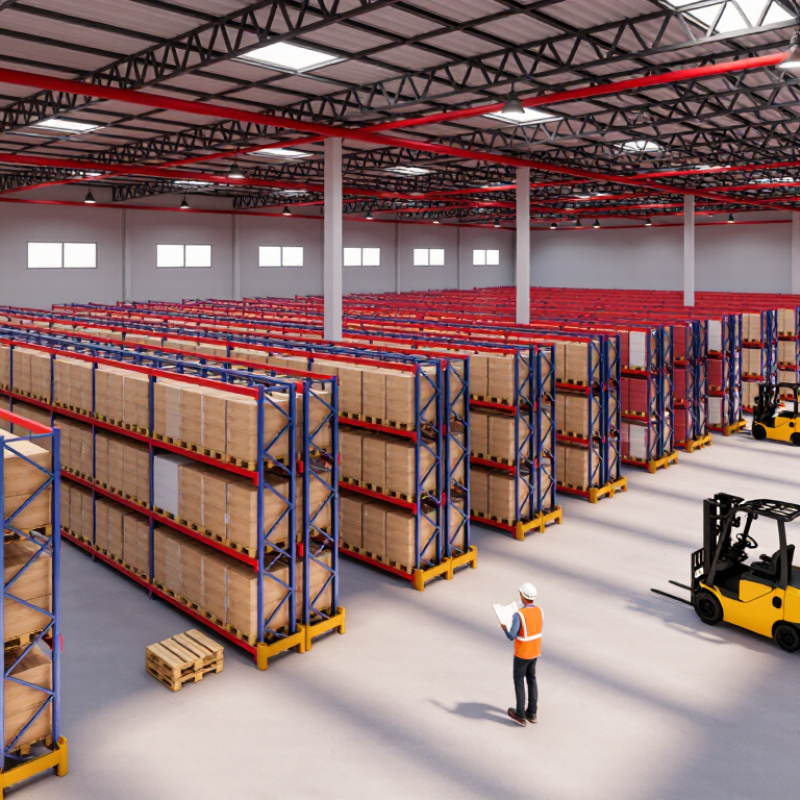
How to Choose the Best Stacking Systems in 2026?

What Stacking Systems Are and How They Work

Stacking systems are the structures and processes used to place goods safely in vertical storage. They can include pallet racks, shelving, floor stacks, and the equipment that moves loads between levels. A typical workflow starts with a load’s size and weight, then assigns it a storage location. Forklifts or other handling equipment place it there; workers retrieve it when needed. Simple idea. But layout, load limits, and clear access routes determine whether the system works day to day.

The MHI 2024 Annual Industry Report found that 55% of surveyed supply chain professionals planned to increase technology investment. That points to growing interest in automation and better inventory visibility, not one universal solution. In practice, a warehouse handling heavy pallets may need selective rack access, while uniform, high-volume goods may suit denser storage. Match the system to load dimensions, turnover, floor conditions, and equipment reach. A neat plan can still fail when product sizes vary or replenishment blocks picking lanes.

Tip Measure the tallest load, including its pallet, and confirm floor capacity before choosing a layout. Leave turning clearance for handling equipment, and label rack limits where operators can see them. Recheck the setup after product mix changes. That check is easy to postpone—and worth doing.

Which Stacking System Types Fit Different Materials and Spaces

How to Choose the Best Stacking Systems in 2026?

Which Stacking System Types Fit Different Materials and Spaces

The right stacking system depends on what you store, how often it moves, and the room available. For cartons and uniform boxes, fixed shelving with clearly marked levels keeps picking simple. Heavy, dense loads may need pallet racks rated for the loads and handling equipment in use. Small parts suit bins or drawer units; mesh-sided containers keep irregular items visible. Nothing fits every workflow.

Space changes the choice. In a narrow aisle, mobile shelving can increase storage density, but it requires stable floors and safe operating clearance. High ceilings may suit vertical racks, provided access equipment and load limits are planned. For damp or dusty areas, choose finishes and containers suited to actual conditions, then inspect them regularly. A layout can look efficient on paper yet slow workers at busy corners.

Tips: Measure the largest item, not the average one. Check floor capacity, aisle width, and access routes before ordering. Test one bay with real loads first. Revisit the plan after a week; awkward items may reveal a gap.

How to Assess Capacity, Safety, Access, and Automation Needs

Choosing the best stacking system in 2026 begins with real load data, not a catalog rating. Record each pallet’s maximum weight, dimensions, and turnover rate, then check the floor’s capacity and the system’s rated load per level. Include awkward or damaged pallets in the assessment; they are easy to overlook. Leave room for changes in inventory, too.

Safety and access should shape the layout together. The U.S. Bureau of Labor Statistics reported 4.8 recordable injury cases per 100 full-time workers in warehousing and storage in 2022, compared with 2.7 across private industry. That figure makes clear why clear aisles, visible load limits, and routine checks matter. Test whether workers and handling equipment can reach fast-moving items without squeezing past stored loads. A plan that looks efficient on paper may create daily bottlenecks.

Automation is useful when it solves a measured problem, such as repetitive travel or uneven order flow. MHI’s 2024 Annual Industry Report found that 55% of surveyed supply-chain leaders planned to increase technology investment. Before automating, confirm that pallet sizes, picking rules, and inventory records are consistent. Small data errors can disrupt a carefully engineered system. It is worth admitting that no layout stays perfect; review throughput, damage, and access after operations begin.

How to Compare Costs, Flexibility, and Long-Term Value

Choosing a stacking system in 2026 means comparing more than its purchase price. Ask for the installed cost, including delivery, anchoring, floor preparation, and staff time. Then estimate inspection, repair, and replacement costs over several years. A low quote can become expensive if the system slows picking or needs frequent adjustment. Small details matter.

Flexibility has value when inventory changes. Check whether shelf heights adjust without specialist tools and whether sections can expand safely. Measure your largest cartons, not just the average box, and leave room for handling equipment. If the layout may change, compare the cost of moving modules with buying new ones. Be realistic here. A modular design is not automatically adaptable; compatible parts and clear load limits still matter.

For long-term value, compare usable capacity, maintenance needs, and downtime—not just total shelf space. Ask suppliers for written load ratings, installation guidance, inspection intervals, and warranty terms. Check these against your floor conditions and daily workflow. A trial with representative loads can reveal awkward access or wasted aisle space before full installation. Estimates can miss.

How to Select and Implement a Stacking System in 2026

How to Choose the Best Stacking Systems in 2026?

Selecting and implementing a stacking system starts with the loads you handle, not a catalogue photo. Record each item’s dimensions, weight, packaging, and daily movement. A pallet of bottled goods behaves differently from a carton of mixed parts. Measure floor capacity, ceiling height, aisle width, and equipment turning space before comparing layouts. A few centimetres can matter. Check how often staff need access to each load, too. High-turnover items usually benefit from easier access, while slower-moving stock may suit denser storage.

Plan the installation around real operating conditions. Mark proposed aisles on the floor and test equipment routes with a representative load. Confirm load ratings and installation requirements with qualified professionals, and keep those specifications available for staff. Start with a small pilot area if the layout is uncertain. It may reveal blocked sightlines or awkward picking angles that drawings miss. That is useful, though it can mean revising a plan you thought was finished. Train staff on safe loading, inspection, and reporting damage before expanding the system.

Tips: Leave clearance for turning and inspection. Label load limits clearly. Review the layout after a few weeks; actual stock patterns may challenge your original assumptions.

How to Choose the Best Stacking Systems in 2026

Start with the pallet footprint: it affects rack-bay sizing, aisle planning, and storage density. Compare these common nominal pallet formats before selecting a stacking or storage system.

Footprint area is calculated from nominal pallet dimensions. The 48 × 40 in format is shown as 1,219 × 1,016 mm after conversion; actual pallet dimensions and tolerances can vary. Confirm load dimensions, weight, handling equipment, and local requirements before implementation.

FAQS

Which stacking system works best for cartons and uniform boxes?

Fixed shelving with marked levels keeps picking straightforward. Clear labels help workers find cartons quickly.

What should I use for heavy, dense loads?

Choose pallet racks rated for the loads and handling equipment. Check floor capacity before installation.

How can I store small or irregular items?

Bins or drawer units suit small parts. Mesh-sided containers keep irregular items visible. Nothing fits every workflow.

Can mobile shelving help in a narrow aisle?

It can increase storage density, but needs stable floors and safe operating clearance. Tight corners may still slow workers.

What should I consider when using high ceilings?

Vertical racks may use the space well. Plan for access equipment and load limits before installation.

Which measurements should I take before ordering?

Measure the largest item, aisle width, floor capacity, and access routes. Average box sizes can mislead.

How can I compare long-term costs?

Include delivery, anchoring, floor preparation, staff time, repairs, and replacement costs. A low quote may not stay low.

How do I know whether a system is flexible?

Check adjustable shelf heights, compatible parts, and safe expansion options. A modular design is not automatically adaptable.

What can a trial installation reveal?

Test one bay with representative loads. It may expose awkward access or wasted aisle space. Plans sometimes miss details.

Conclusion

Choosing the best Stacking Systems in 2026 starts with understanding how they support, organize, and move materials within a given space. Different system types suit different goods, facility layouts, and handling requirements, so the right choice depends on what will be stored and how often it needs to be accessed. Consider available floor and vertical space, load capacity, stability, safety features, and whether manual or automated operation fits your workflow.

Compare the full cost of each option, including installation, maintenance, and potential changes to your operation over time. A system that is easy to adapt may offer greater long-term value as storage needs evolve. Before implementation, define your priorities, assess the site and materials, and plan for safe use and staff training. Careful evaluation helps you select a practical stacking solution that balances capacity, accessibility, flexibility, and cost.

Liam

Liam

Liam is a dedicated marketing professional with a profound expertise in the industry, where he excels at highlighting the unique advantages of our core products. With a keen understanding of market trends and consumer needs, Liam frequently updates our company’s professional blog, providing......