Why Choose Pallet Flow Storage for Your Warehouse Needs?

Time:2026-08-07 Author:Aria
0%

In the ever-evolving landscape of warehouse management, efficiency reigns supreme. Businesses seek solutions that maximize space and streamline operations. Pallet Flow Storage has emerged as a compelling choice for warehouses aiming to optimize their inventory systems. This method allows for dynamic storage and retrieval of goods, significantly enhancing productivity.

With Pallet Flow Storage, items are loaded automatically onto inclined tracks. This not only saves space but also ensures that the first items in are the first out. It creates a natural flow, reducing the risk of overstocking or expired inventory. Many organizations have witnessed remarkable improvements in their operational efficiency. However, some still grapple with the initial setup costs and maintenance.

Selecting Pallet Flow Storage can revolutionize how a warehouse operates. Yet, it is crucial to assess individual needs before making a commitment. An informed choice, tapping into expert insights and real-world examples, can pave the way for success. Choosing the right storage system shouldn’t be rushed; reflection and planning open doors to better organization and productivity.
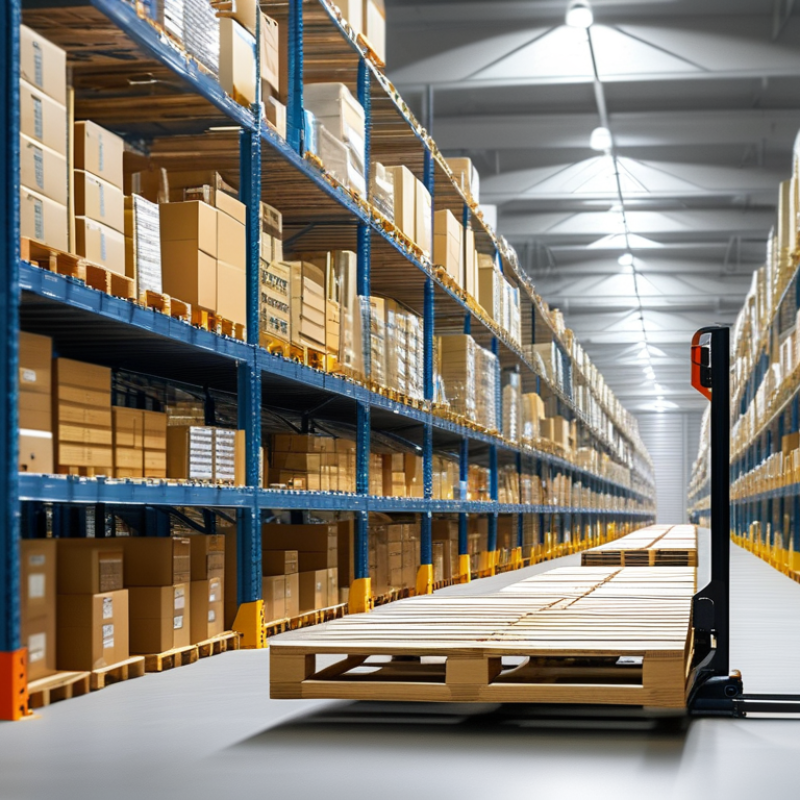
Why Choose Pallet Flow Storage for Your Warehouse Needs?

Advantages of Pallet Flow Storage for Warehousing Efficiency

Pallet flow storage systems offer distinct advantages for enhancing warehousing efficiency. These systems utilize gravity to streamline storage and retrieval. By allowing pallets to flow from the loading side to the picking side, they minimize the time workers spend in accessing products. This setup can increase picking speed while reducing the chance of errors.

One key aspect of pallet flow storage is its ability to maximize space. Warehouses can store more pallets in a compact area. This efficient use of space leads to lower operational costs. Additionally, maintaining a FIFO (first-in, first-out) flow helps in managing product freshness, which is crucial for perishable goods. However, it requires careful planning for product rotation and stock levels, which can sometimes become complex.

Another benefit is improved inventory management. Real-time tracking of stock levels becomes easier. Employees can quickly identify when to restock or rotate products. Yet, organizations must ensure their workers are trained to navigate these systems effectively. Without proper training, the efficiency gains can be compromised. Implementing pallet flow storage is not a one-size-fits-all solution; it demands consideration of specific warehouse layouts and operational needs.

Key Features of Pallet Flow Storage Systems

Pallet flow storage systems offer several key features that enhance warehouse efficiency. These systems utilize gravity to move pallets, which minimizes manual handling. This is achieved through inclined lanes designed for easy pallet access. Each pallet rolls forward, allowing quick retrieval. This design saves time during order fulfillment.


Another notable feature is the high-density storage capability. Pallet flow systems maximize vertical space in warehouses. This is especially beneficial for operations with limited floor space. Such storage efficiently accommodates various pallet sizes and weights. Flexibility ensures optimal inventory management.


However, it's crucial to periodically review your system. Over time, wear and tear can affect performance. Regular maintenance prevents potential issues. It's also important to assess inventory turnover rates. Poor turnover can lead to dead stock, impacting overall efficiency. Understanding these aspects allows for better decision-making in warehouse operations.

How Pallet Flow Storage Enhances Inventory Management

Pallet flow storage significantly enhances inventory management in warehouses. This system uses gravity to move pallets along a sloped track. Each pallet rolls smoothly to the front when the one behind it is taken. This continuous flow minimizes the need for manual labor and streamlines access to products. It is crucial for businesses handling high-volume goods.

One of the key advantages is the use of first-in, first-out (FIFO) inventory rotation. This ensures older stock is used before newer items. It reduces waste and improves efficiency, particularly in industries with perishable goods. However, implementing this system may require upfront investment and careful planning. Understanding your warehouse layout and product turnover rates is essential.

Moreover, pallet flow systems can become congested if not monitored properly. Signs of inefficiency can arise, leading to potential disruptions. Regular assessments and adjustments are necessary to maintain optimal performance. Emphasizing training for staff is also vital to prevent mishandling. Balancing automation with human oversight can create a more reliable inventory management process.

Comparing Pallet Flow Storage to Traditional Racking Systems

Pallet flow storage systems provide a dynamic alternative to traditional racking. They are designed to enhance efficiency in warehousing. With gravity-driven movement, pallets flow smoothly on inclined tracks. This contrasts significantly with static racking systems that require manual handling.

Research shows that pallet flow systems can reduce labor costs by up to 30%. They also enhance inventory accuracy, which is crucial for modern supply chains. Traditional racks may lead to increased picking times. In contrast, pallet flow reduces the number of touches per pallet. You can access your inventory quickly and effectively.

However, pallet flow systems require careful planning and installation. Space utilization must be optimized. An improper setup can lead to inefficiencies. While the upfront cost might be higher, the long-term savings are notable. Balancing these factors can be challenging. It's vital to weigh the benefits of swift access against the complexities of implementation.

Considerations for Implementing Pallet Flow Storage Solutions

Implementing pallet flow storage solutions necessitates careful planning. This method utilizes gravity to move pallets through a system of inclined tracks. It optimizes space and enhances efficiency, but it’s crucial to evaluate your warehouse’s specific needs first.

Consider load types. Different products require different storage parameters. For heavy items, strength and durability of the racks are critical. Lighter items might allow for more flexibility in design. Additionally, thoughtful arrangement can minimize the risk of collisions during the flow of pallets.

Training staff is essential. Employees must understand the proper handling of pallet flow systems. Regular maintenance checks can prevent costly breakdowns. Not every warehouse is suited for this system. In some cases, traditional storage methods may be more effective. The overall goal should be maximizing space while ensuring safety and efficiency.

FAQS

: What is pallet flow storage?

: It is a system using gravity to allow pallets to flow from loading to picking areas.

How does pallet flow storage improve efficiency?

It minimizes access time for workers, increasing picking speed and reducing errors.

What are the space benefits of pallet flow storage?

It allows for more pallets in a compact area, lowering operational costs.

Why is FIFO important in pallet flow systems?

FIFO helps manage product freshness, especially for perishable goods.

What challenges come with implementing pallet flow storage?

It requires careful planning for stock rotation and product levels, which can get complex.

How can inventory management be enhanced with pallet flow storage?

Real-time tracking of stock levels is easier, aiding in timely restocking efforts.

What training is necessary for workers using pallet flow systems?

Employees need training to navigate the systems effectively, or efficiency may suffer.

What can cause congestion in pallet flow systems?

Poor monitoring can lead to inefficiencies and potential disruptions in the flow.

How often should assessments of pallet flow systems occur?

Regular assessments are necessary to maintain optimal performance and efficiency.

Is pallet flow storage suitable for every warehouse?

It is not one-size-fits-all; specific layouts and operational needs must be considered.

Conclusion

Pallet Flow Storage is an innovative warehousing solution that significantly enhances efficiency and inventory management. One of the key advantages of this system is its ability to utilize space effectively, allowing for higher storage density and easier access to products. With dynamic FIFO (First In, First Out) capability, Pallet Flow Storage minimizes the time spent retrieving items while ensuring that older stock is used first, thereby reducing waste.

In comparison to traditional racking systems, Pallet Flow Storage offers superior organization and streamlined operations, ultimately leading to improved workflow within the warehouse. Implementing such a system requires careful consideration, including factors such as facility layout, product types, and operational processes. By integrating Pallet Flow Storage into their warehousing strategy, businesses can achieve greater efficiency and better manage their inventory.

Aria

Aria

Aria is a dedicated marketing professional with a deep passion for innovative strategies and a keen understanding of our company's product offerings. With a wealth of experience in the industry, Aria excels at crafting engaging content that highlights the unique features and benefits of our......