Medium Duty Storage supports warehouses, workshops, archives, and growing retail operations that need strength without heavy industrial equipment. These systems usually handle moderate loads, often between 200 and 800 kilograms per level. The right choice depends on product weight, access frequency, available floor space, and future growth.
René de Koster, a respected warehouse operations researcher, describes the principle clearly: “Storage is only valuable when it supports flow.” That idea matters when comparing pallet racking, longspan shelving, carton flow racks, mobile shelving, and mezzanine-supported storage. Each type creates a different working rhythm. Pallet racks suit larger loads and forklift access. Longspan shelving works well for boxed parts, tools, and hand-picked inventory. Carton flow racks can speed order preparation, especially when older stock must move first.
Small details often decide whether a system performs well. A 2.4-meter shelf may hold more cartons, but it can slow picking without safe access equipment. Deep bays increase capacity, yet they may hide slow-moving items. Adjustable beams offer flexibility. They also require disciplined load planning.
This guide examines the top types of Medium Duty Storage and where each system fits best. It considers durability, installation, safety, accessibility, and total operating value. No single design wins every situation. That is the uncomfortable part. A cheaper rack can become expensive when workers walk farther, bend repeatedly, or rearrange stock daily. Careful measurement remains more reliable than attractive catalog images.
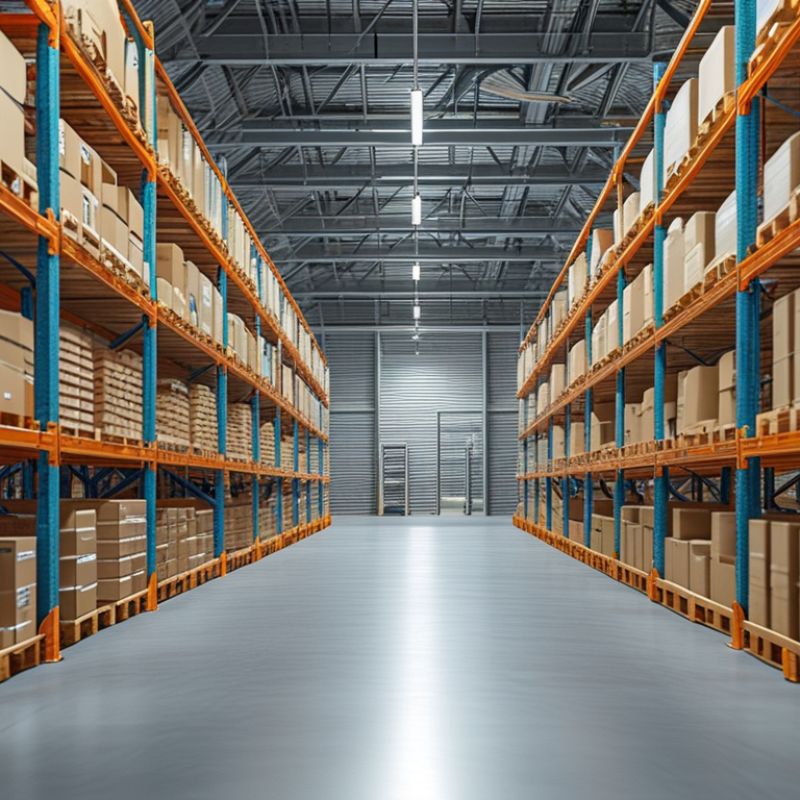
What Are the Top Types of Medium Duty Storage?
Medium Duty Storage: Definition and Core Characteristics
Medium duty storage describes systems built for regular loads that exceed light shelving but do not require heavy industrial frames. Capacity varies by design, material, and manufacturer specifications. These systems commonly support cartons, tools, packaged goods, and small pallets in warehouses, workshops, and stockrooms.
In practical warehouse assessments, common types include adjustable steel shelving, longspan shelving, small-part bin units, and lighter pallet racking. Adjustable shelving suits cartons with changing sizes. Longspan shelving handles bulky items without requiring pallets. Bin units organize fasteners, components, and frequently used supplies. Lighter pallet racking supports palletized goods when clear access is essential. It depends.
Core performance comes from load rating, frame stability, beam spacing, deck strength, and access. Ratings should reflect evenly distributed loads, not guesses based on appearance. Floors, anchors, aisle width, and handling equipment also matter. A unit can look strong and still be poorly configured. I have seen overloaded upper levels bend slightly before damage becomes obvious. That warning deserves attention.
Labels should show maximum bay and shelf capacities. Routine inspections should check loose connections, corrosion, impact marks, and uneven floors. Human behavior matters too; hurried loading can defeat careful design. Medium duty does not mean universal. Actual weight, dimensions, handling frequency, and local safety requirements should guide selection. Measure twice.
| Storage Type | Typical Load Capacity | Core Structure | Best-Suited Applications | Key Advantages | Important Considerations |
|---|---|---|---|---|---|
| Boltless Shelving | Approximately 150–800 lb per shelf | Steel uprights, horizontal beams, and particleboard, wire, or steel shelf panels assembled without traditional bolts. | Parts storage, archives, workshops, stockrooms, and general inventory areas. | Fast assembly, adjustable shelf levels, flexible layouts, and easy reconfiguration. | Load capacity depends on shelf material, beam design, spacing, and proper weight distribution. |
| Rivet Shelving | Approximately 400–1,500 lb per shelf | Heavy-gauge steel beams connected to upright frames with rivet-style fittings. | Bulkier cartons, maintenance supplies, industrial components, and backroom inventory. | High strength, durable construction, and relatively simple installation. | Usually requires access from the front; very long or unusually heavy items may need specialized support. |
| Steel Clip Shelving | Approximately 200–1,000 lb per shelf | Slotted steel posts with clip-in shelf supports and metal or composite shelves. | Retail backrooms, offices, storerooms, libraries, and light manufacturing areas. | Clean appearance, adjustable heights, durable steel components, and efficient use of vertical space. | Clip engagement should be checked during installation, and shelves should not be overloaded unevenly. |
| Longspan Shelving | Approximately 300–1,500 lb per level | Wide horizontal beams supported by vertical frames, often using chipboard, steel, or wire decking. | Long cartons, irregular packages, bins, hand-loaded inventory, and medium-sized warehouse goods. | Wide shelf spans, good visibility, strong accessibility, and flexible storage of mixed-size products. | Longer spans may require reinforced beams or center supports to limit shelf deflection. |
| Bin Shelving | Approximately 100–500 lb per shelf | Multi-level shelving fitted with removable plastic or steel bins for small parts. | Fasteners, electrical components, tools, hardware, medical supplies, and repair parts. | Improves item organization, supports visual identification, and reduces picking time. | Bin dimensions can limit product size; labeling and periodic organization are important for efficiency. |
| Mobile Shelving | Approximately 200–800 lb per shelf | Shelving units mounted on rails or mobile bases that move to create a shared access aisle. | Archives, offices, records rooms, libraries, and areas where floor space is limited. | Increases storage density by reducing the number of permanent aisles. | Requires a level floor, suitable aisle planning, secure operation, and greater installation complexity. |
| Carton Flow Rack | Approximately 100–600 lb per lane | Inclined roller or wheel lanes that allow cartons to move from the replenishment side toward the picking side. | Order picking, first-in-first-out inventory, packaged goods, and frequently accessed stock. | Supports efficient picking, clear product rotation, and reduced walking distance. | Best for compatible carton sizes and weights; lane slope and roller condition affect movement. |
| Pallet Flow Rack | Approximately 1,000–3,000 lb per pallet position | Gravity-fed roller lanes designed for palletized goods moving from loading to unloading positions. | High-volume inventory, perishable goods, distribution centers, and first-in-first-out storage. | Provides high density, controlled product rotation, and separate loading and picking faces. | Requires compatible pallets, accurate installation, load-rated components, and inspection of braking systems. |
| Mezzanine Storage | Approximately 100–250 lb per sq. ft., depending on design | Elevated steel platform that creates an additional usable storage or work level above the floor. | Warehouses, workshops, inventory overflow, packing areas, and facilities with high ceilings. | Expands usable floor area without moving to a larger building. | Must be engineered for the intended loads and reviewed for building codes, stairs, guards, access, and fire protection. |
: Common options include boltless shelving, longspan shelving, carton-flow racks, and light pallet racks. Each suits different loads and picking habits. Choose by cartons, tools, parts, and pallet size.
Boltless shelving suits frequent hand-picking and quick assembly. Adjustable shelves support changing carton sizes. It is practical, but not automatically suitable for every load.
Use carton-flow racks when stock rotation matters. Inclined rollers move older cartons toward the picking side. This supports first-in, first-out handling. Keep labels visible.
Check the documented safe working load for every shelf, beam, and upright. Do not judge capacity by appearance. A thicker shelf may still have a lower rating.
Place fast-moving items between waist and shoulder height. This reduces repeated reaching. Store heavier containers around knee-to-shoulder height. Do not copy another facility’s aisle width.
Measure the floor, ceiling height, aisle width, and expected loads. Check for uneven flooring, columns, forklifts, and fire equipment. Small measurement errors can affect an entire row.
No. Back-to-back rows save space but may reduce direct access. Mobile shelving needs stable flooring and careful aisle planning. Dense layouts can slow picking when visibility becomes poor. More storage is not always better.
Inspect bolts, clips, frames, beams, welds, and anchors regularly. Look for bending, rust, movement, missing labels, or overloaded shelves. Clean spills quickly. Keep aisles clear.
Review it after inventory changes, heavier stock arrivals, or workflow changes. A safe layout can become unsuitable later. Teams should test real cartons and walking routes. The plan may fail.
Medium Duty Storage refers to organized storage systems designed to handle loads that are heavier than light-duty shelving but do not require heavy industrial equipment. This article explains its core characteristics, including balanced load capacity, durable construction, efficient space utilization, and flexible access. It introduces common types such as adjustable shelving, multi-tier systems, carton flow arrangements, and modular rack configurations. It also examines essential components, including frames, beams, decking, supports, bracing, and safety accessories, while explaining how different structural layouts can suit various storage environments.
Choosing the right Medium Duty Storage solution requires evaluating item weight, dimensions, storage frequency, available floor space, and future expansion needs. The article also highlights practical considerations for installation, such as stable foundations, correct load distribution, secure connections, and clear access routes. Regular inspections, proper housekeeping, and timely maintenance help preserve system performance, reduce operational risks, and extend service life.

 Sanyang Racking