Explore our high-performance freestanding storage systems engineered for maximum load-bearing efficiency, warehouse configuration flexibility, and international safety compliance.
A strategic analysis of high-density storage configurations, supply chain optimization, and materials science dynamics within modern warehouse environments.
In the modern era of logistics, global supply chains face unprecedented challenges driven by rapid SKU proliferation, fluctuating e-commerce transaction volumes, and soaring real estate costs. To maximize spatial efficiency, enterprises are rapidly transitioning away from legacy, permanently fixed warehouse configurations toward modular, structural-grade freestanding racks. These advanced, self-supporting metal racking systems afford unparalleled structural stability without requiring dynamic ceiling tie-ins or anchor modifications that limit facility flexibility.
By utilizing specialized cold-rolled steel designs and finite element analysis (FEA), modern freestanding racks are engineered to absorb seismic forces and sustain extreme load imbalances. Globally, logistics directors, third-party warehousing providers (3PL), and manufacturing firms are demanding racking solutions that achieve a lower Total Cost of Ownership (TCO) through ease of installation, durability, and compliance with strict regulatory bodies like the European Federation of Materials Handling (FEM) and the Rack Manufacturers Institute (RMI) in North America.
The capacity of a heavy-duty storage system is fundamentally determined by the quality of its structural materials and the geometry of its profiles. High-strength structural steel, primarily Q235B or Q345B grades, forms the core of our manufacturing input. Cold-rolled upright frames are engineered with optimized punch patterns, permitting adjustable positioning of load beams at increments tailored to precise unit loads.
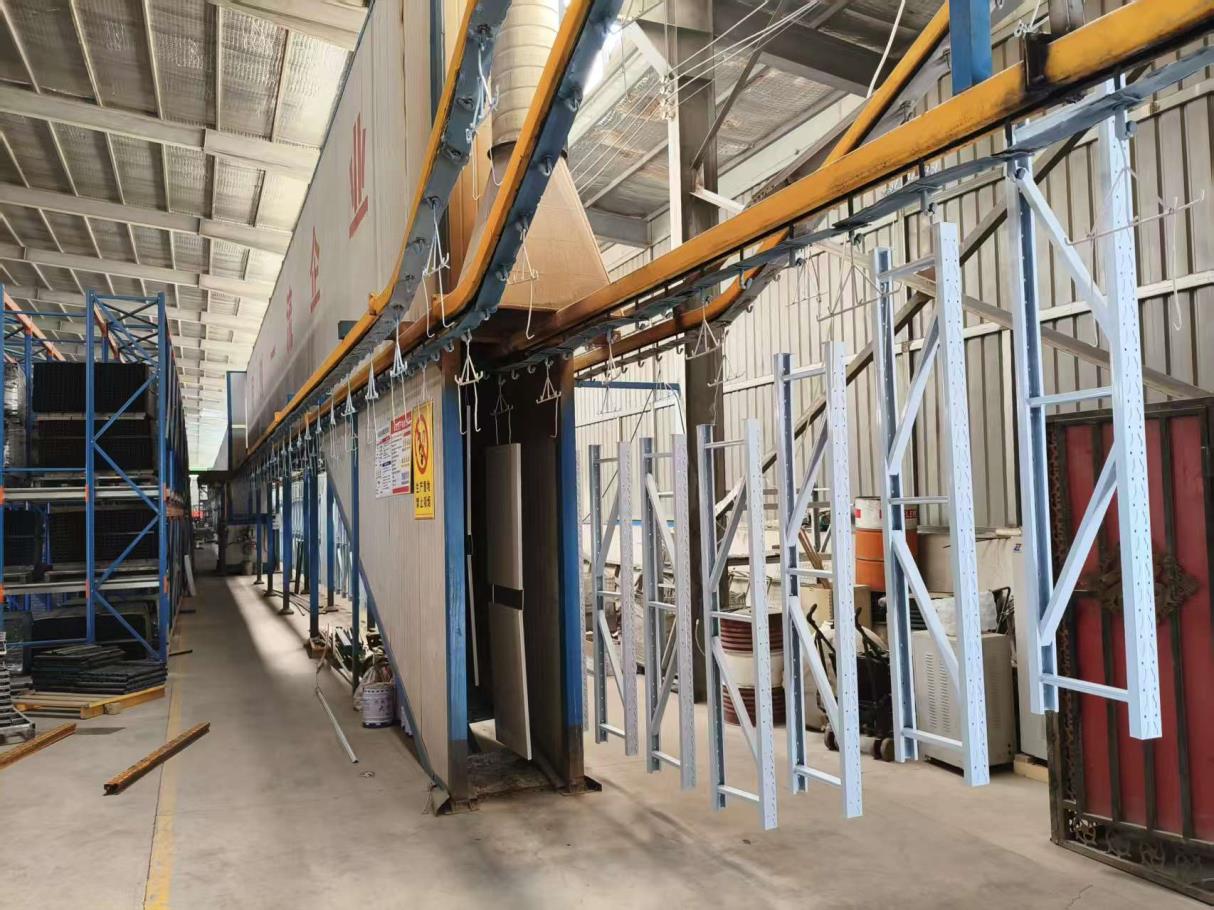
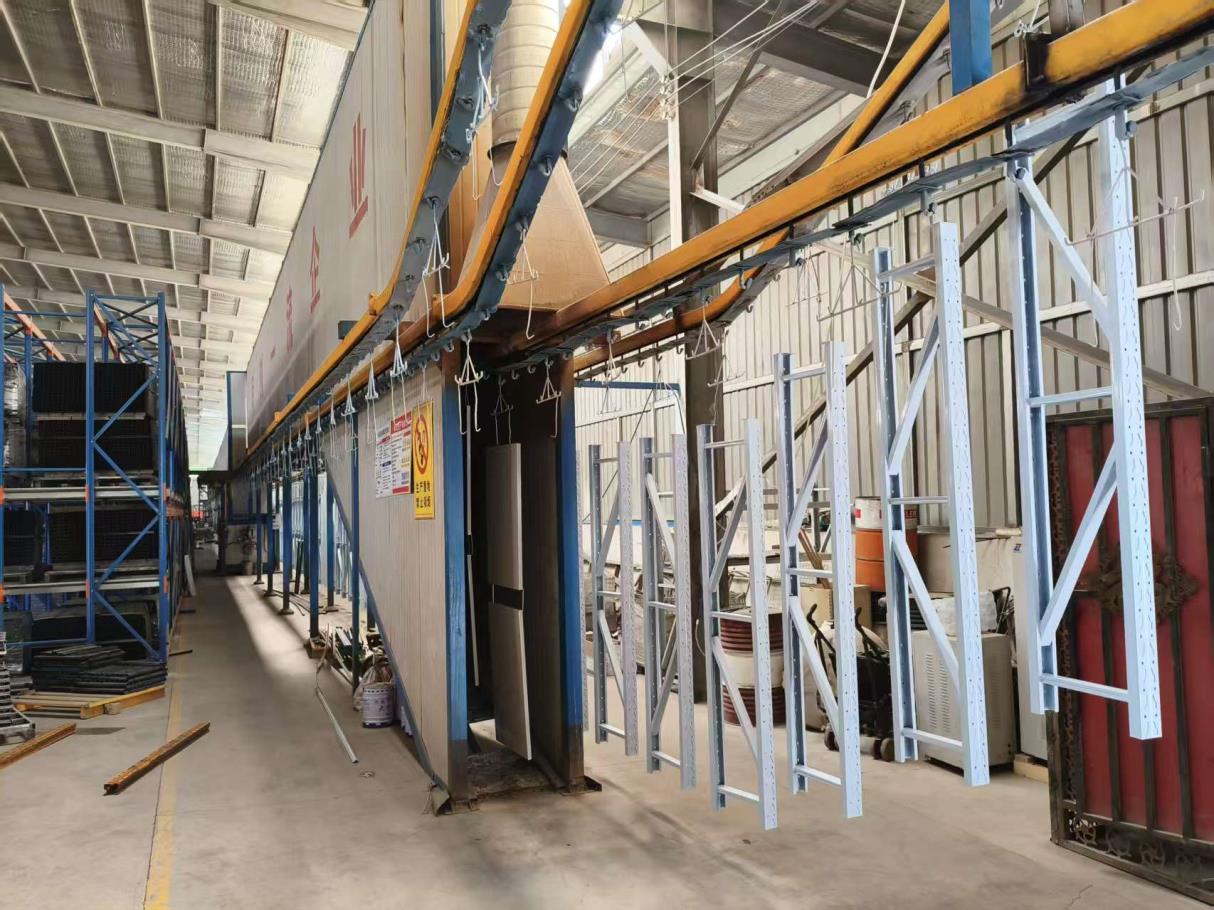
To ensure structural reliability under dynamic stress—such as forklift impacts or seismic shifts—our engineering team utilizes advanced software modeling. The distribution of horizontal and vertical loads is calculated to prevent localized buckling. Advanced electrostatic powder coatings are applied to guarantee long-term corrosion resistance, even when deployed in harsh conditions like humid sea ports, heavy industrial plants, or sub-zero food preservation cold stores.
Always verify that the loading capacity calculations of your racking systems align with international safety criteria (FEM 10.2.02 and ANSI/RMI MH16.1). Operating warehouse storage systems without certified load plaques and periodic ultrasonic weld evaluations poses severe operational risks to personnel and asset safety.
Different markets globally present distinct requirements based on local building codes, labor availability, and material-handling traditions.
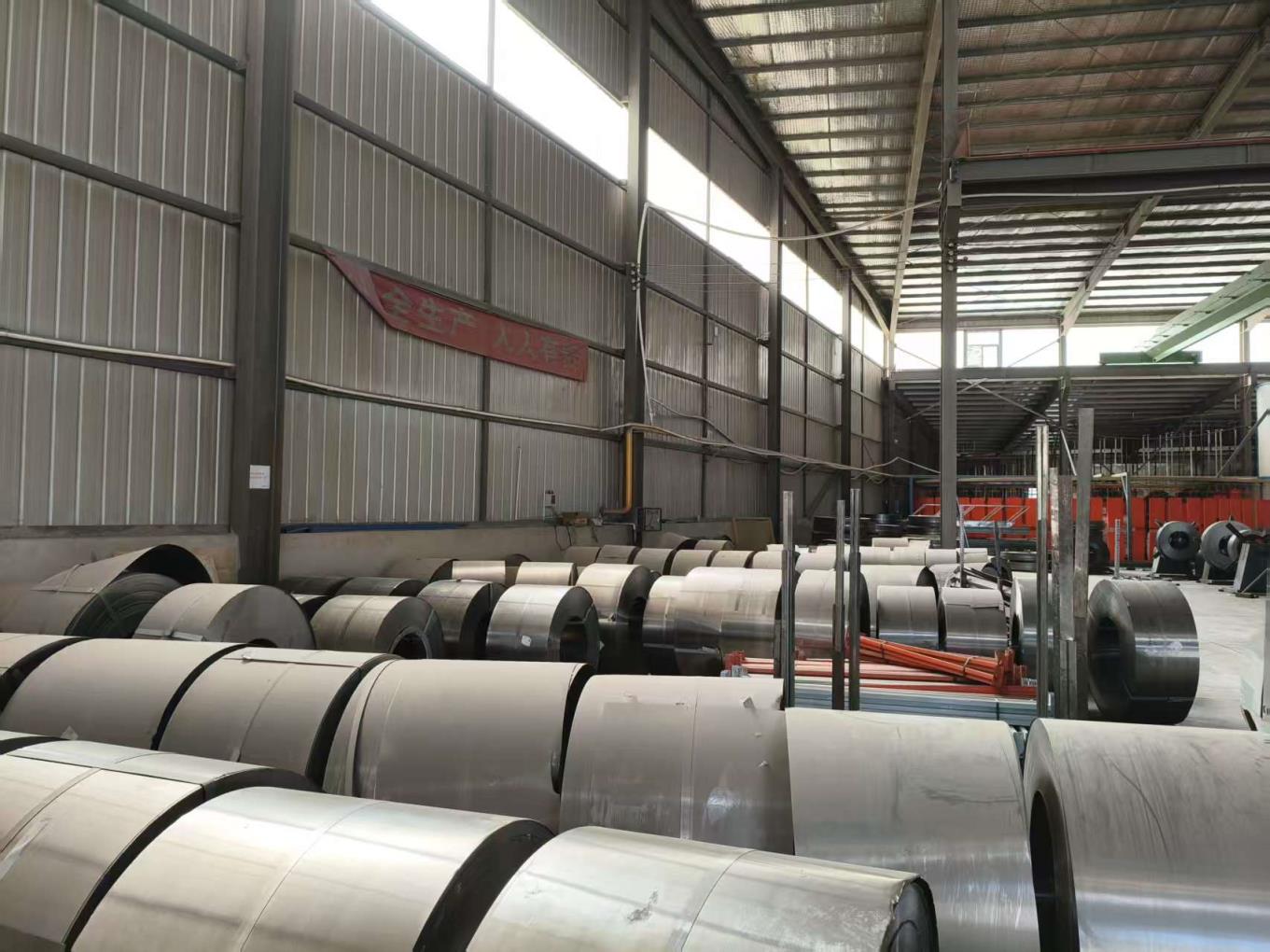
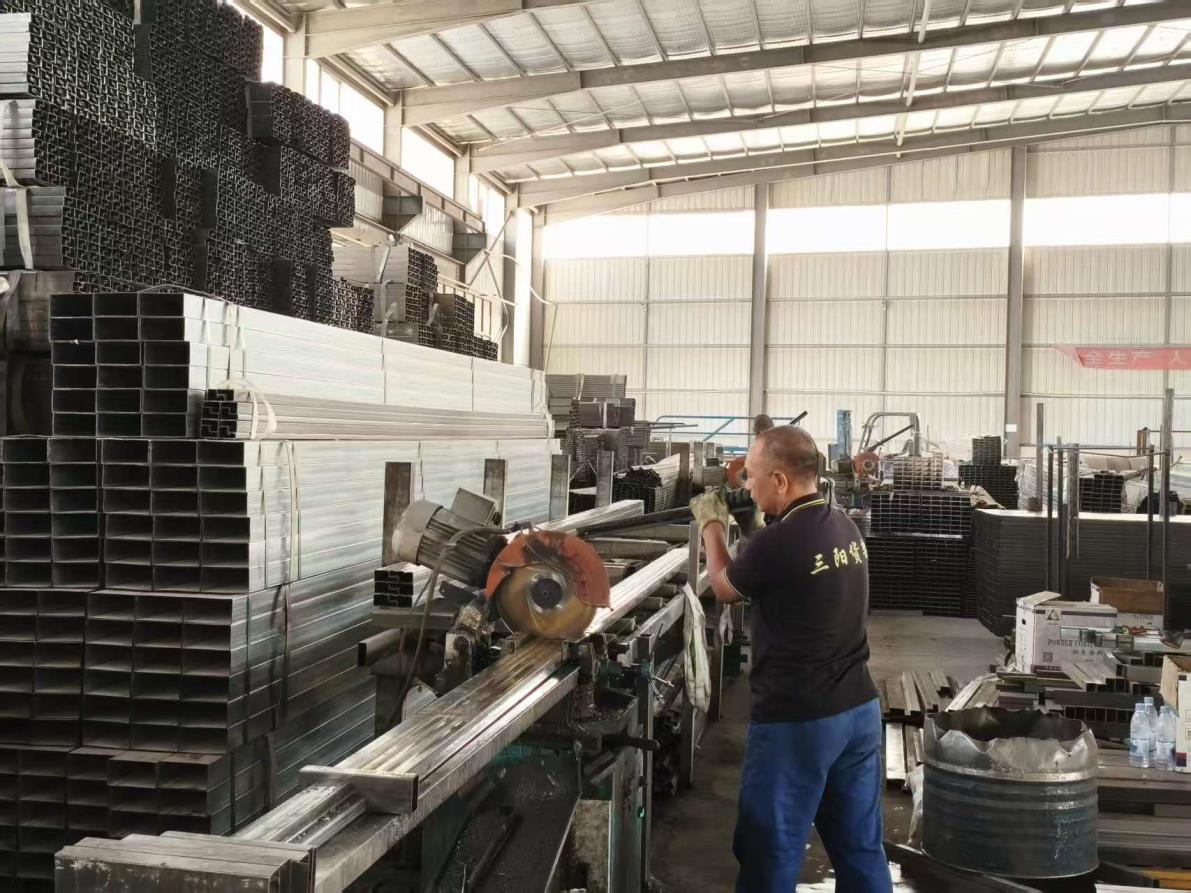
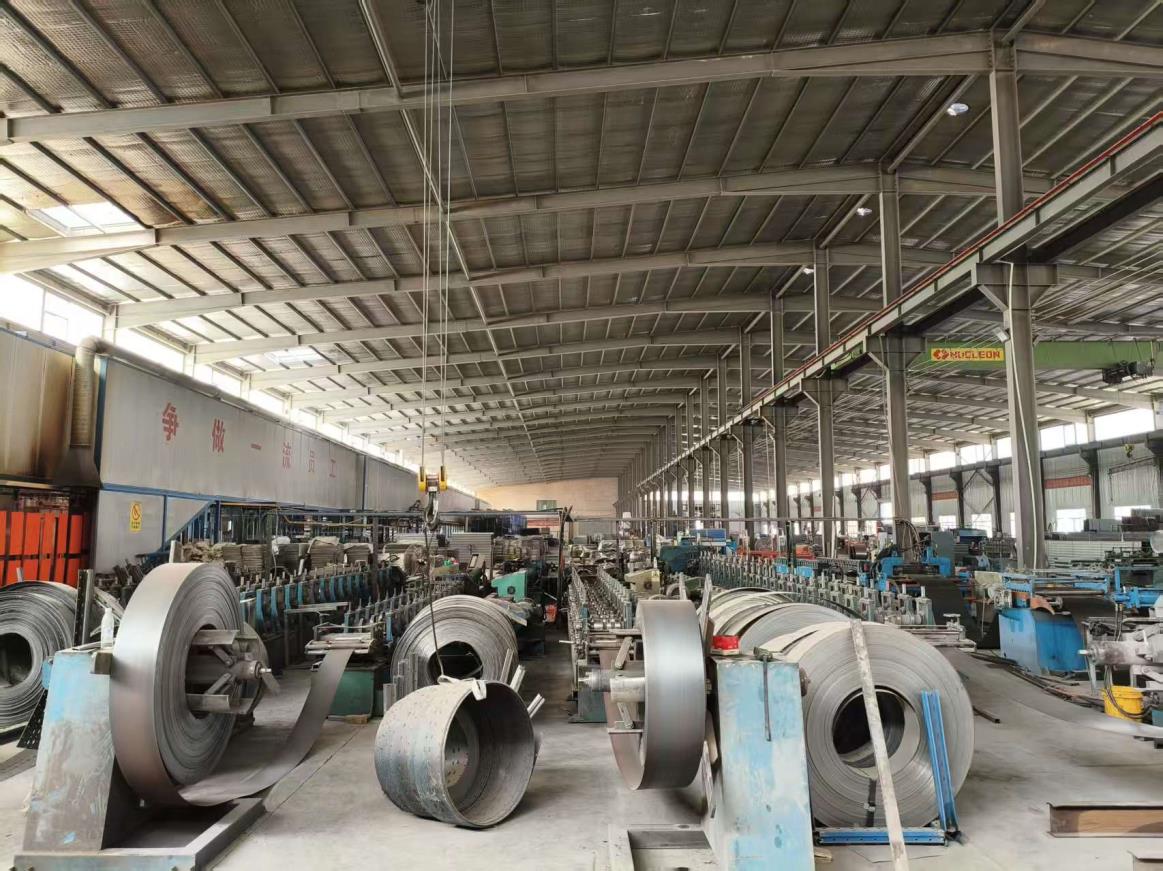
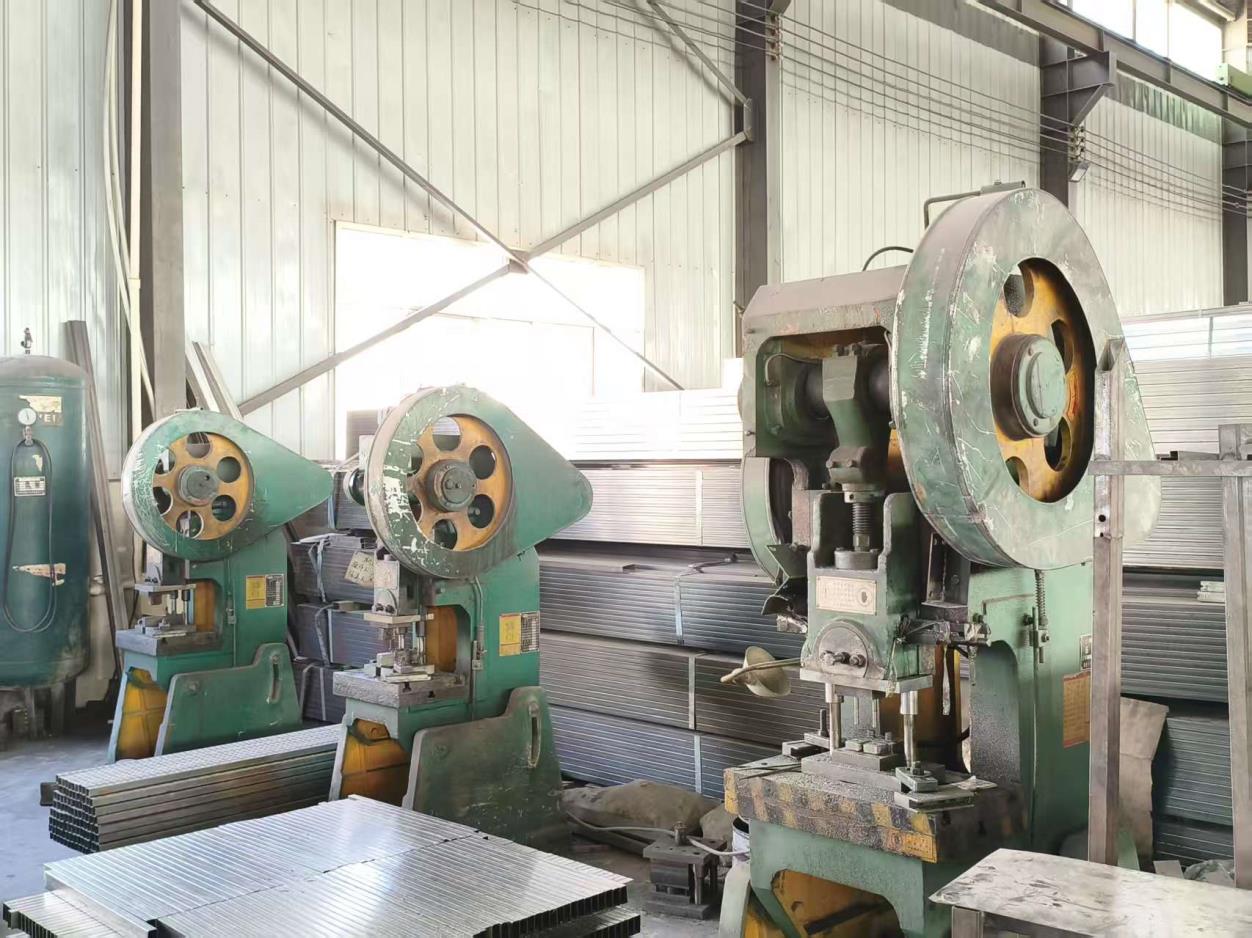
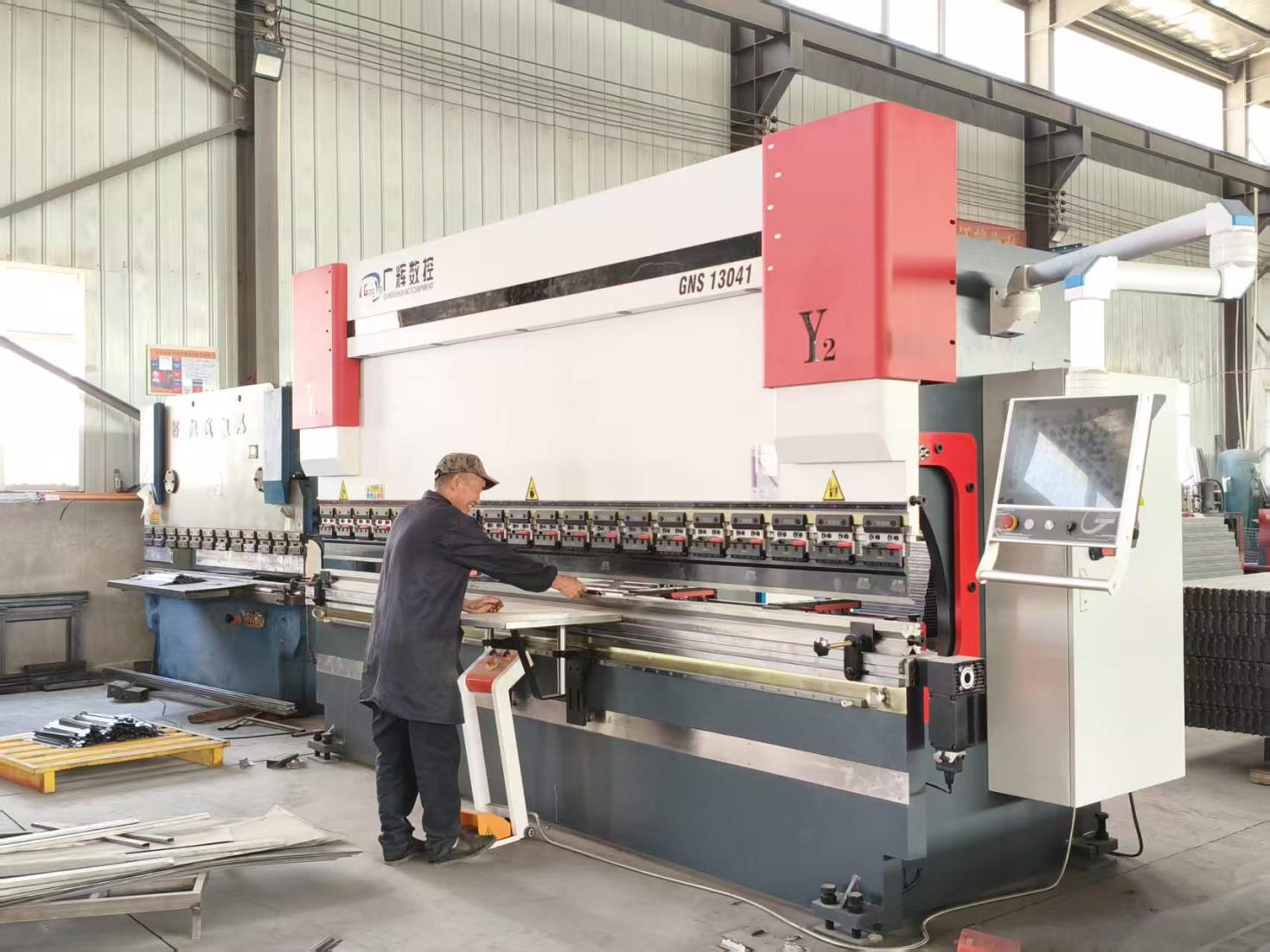
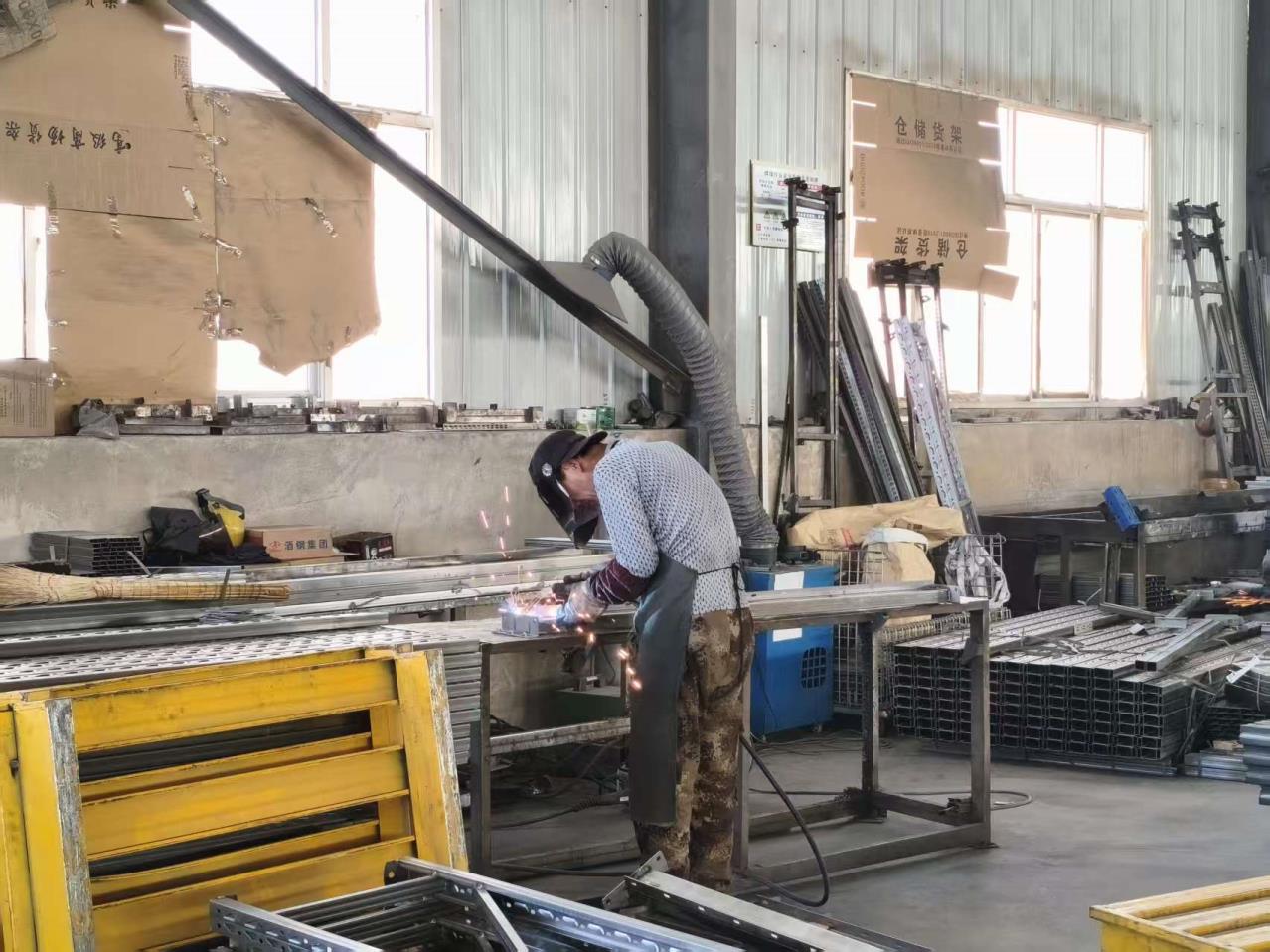
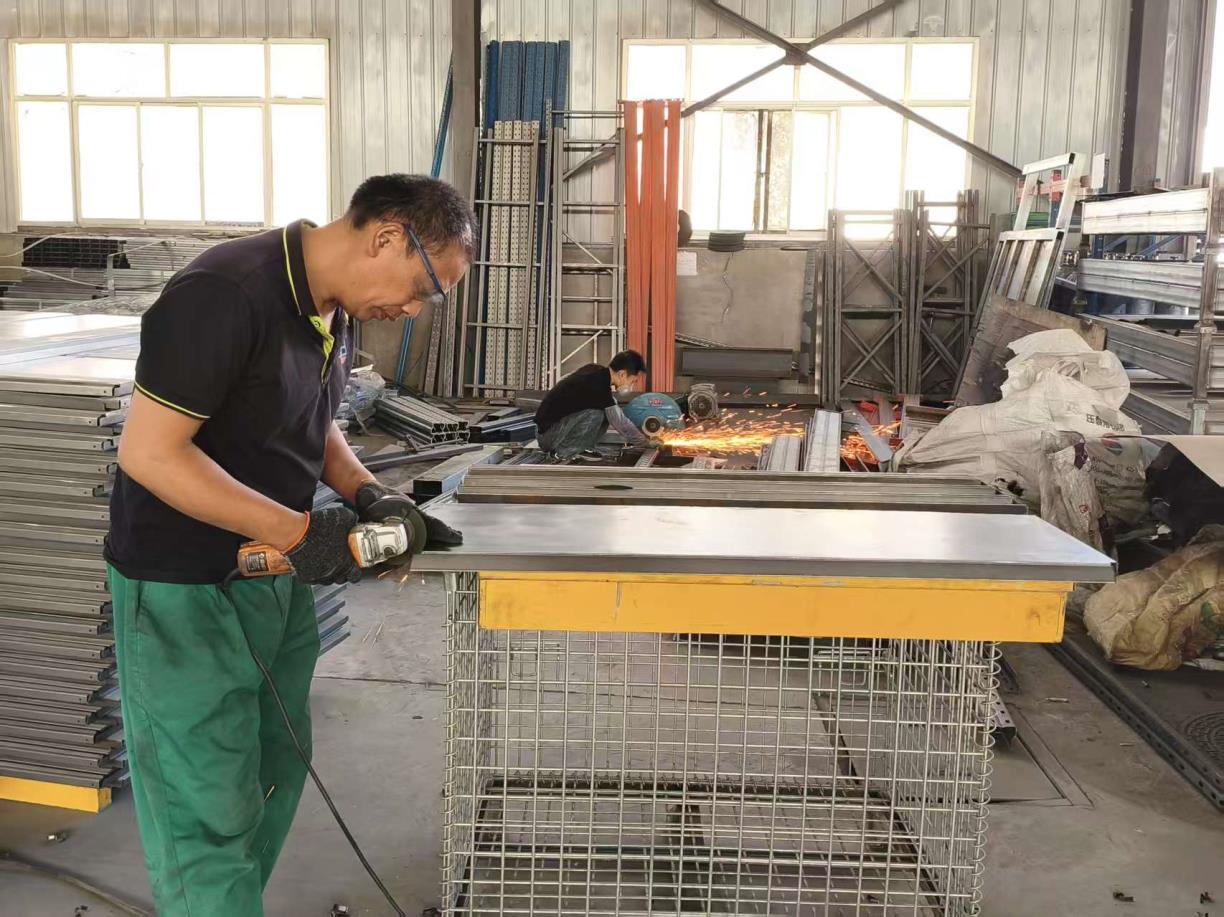
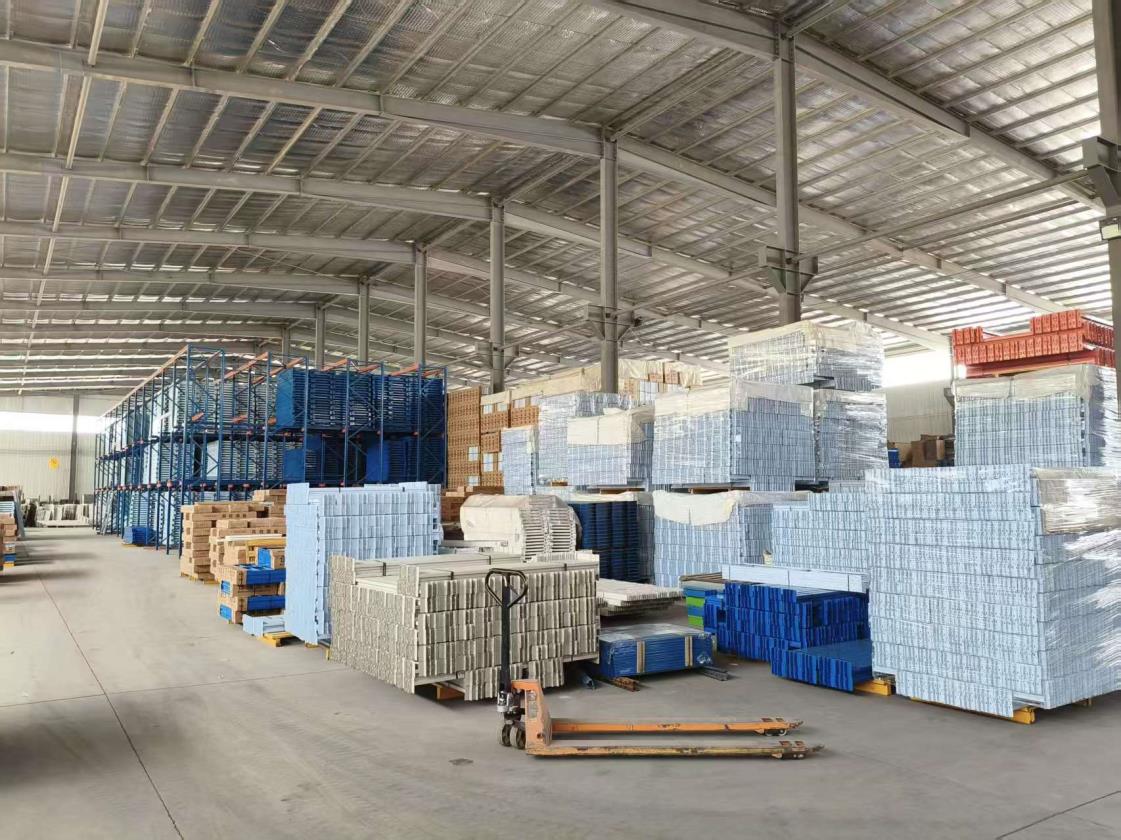
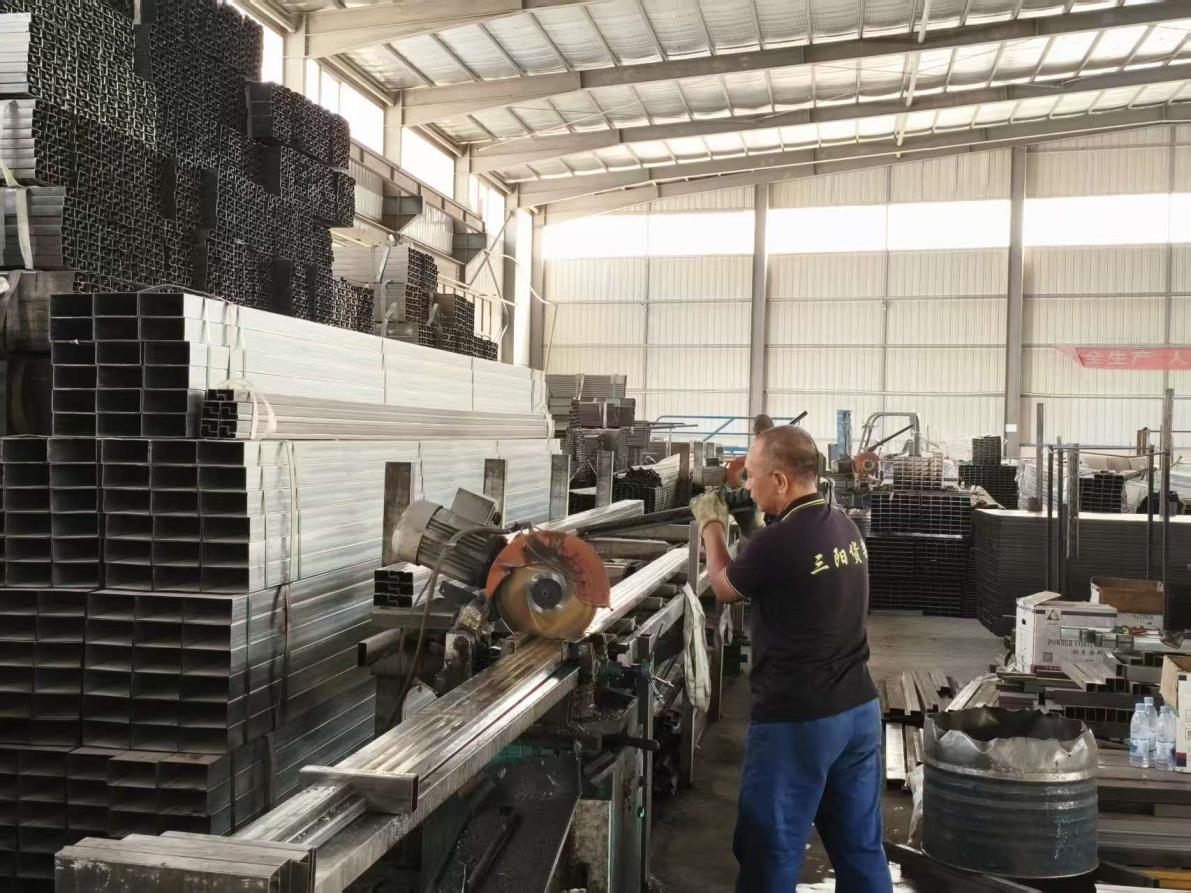
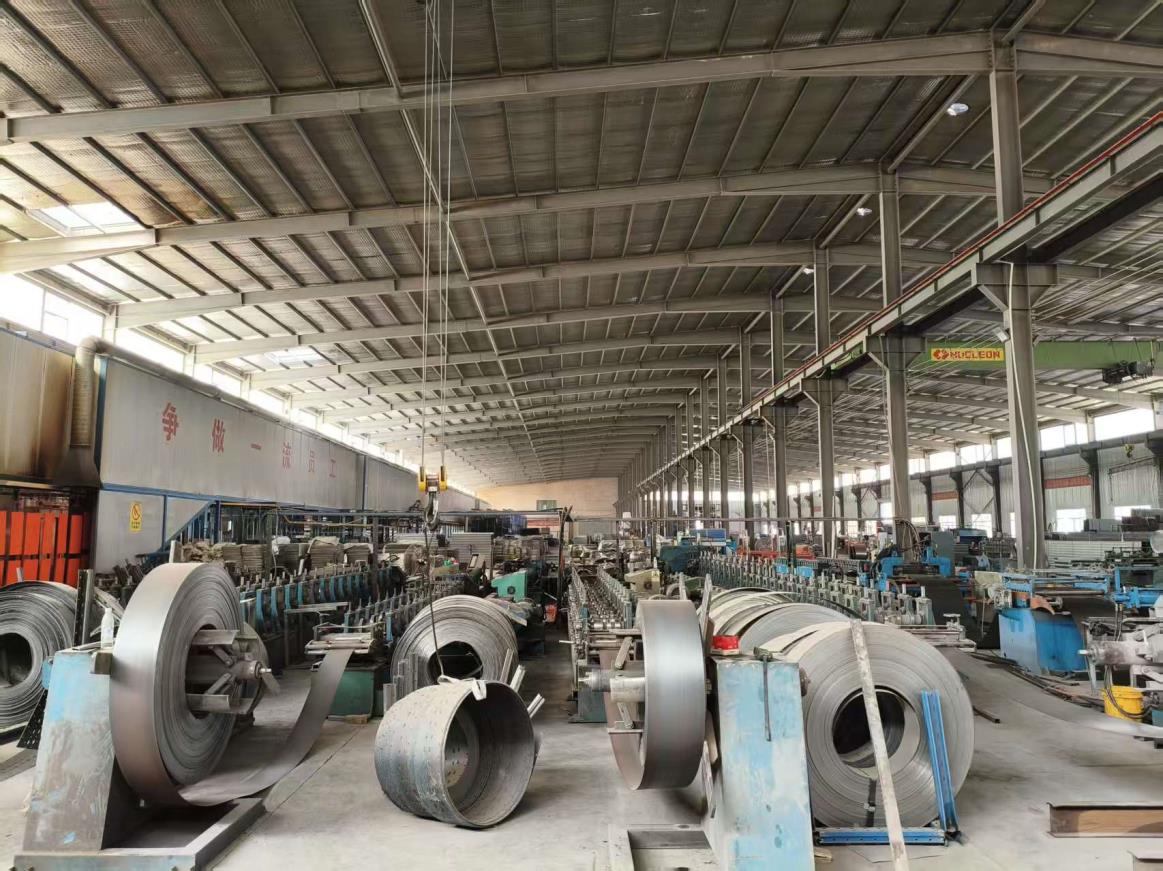
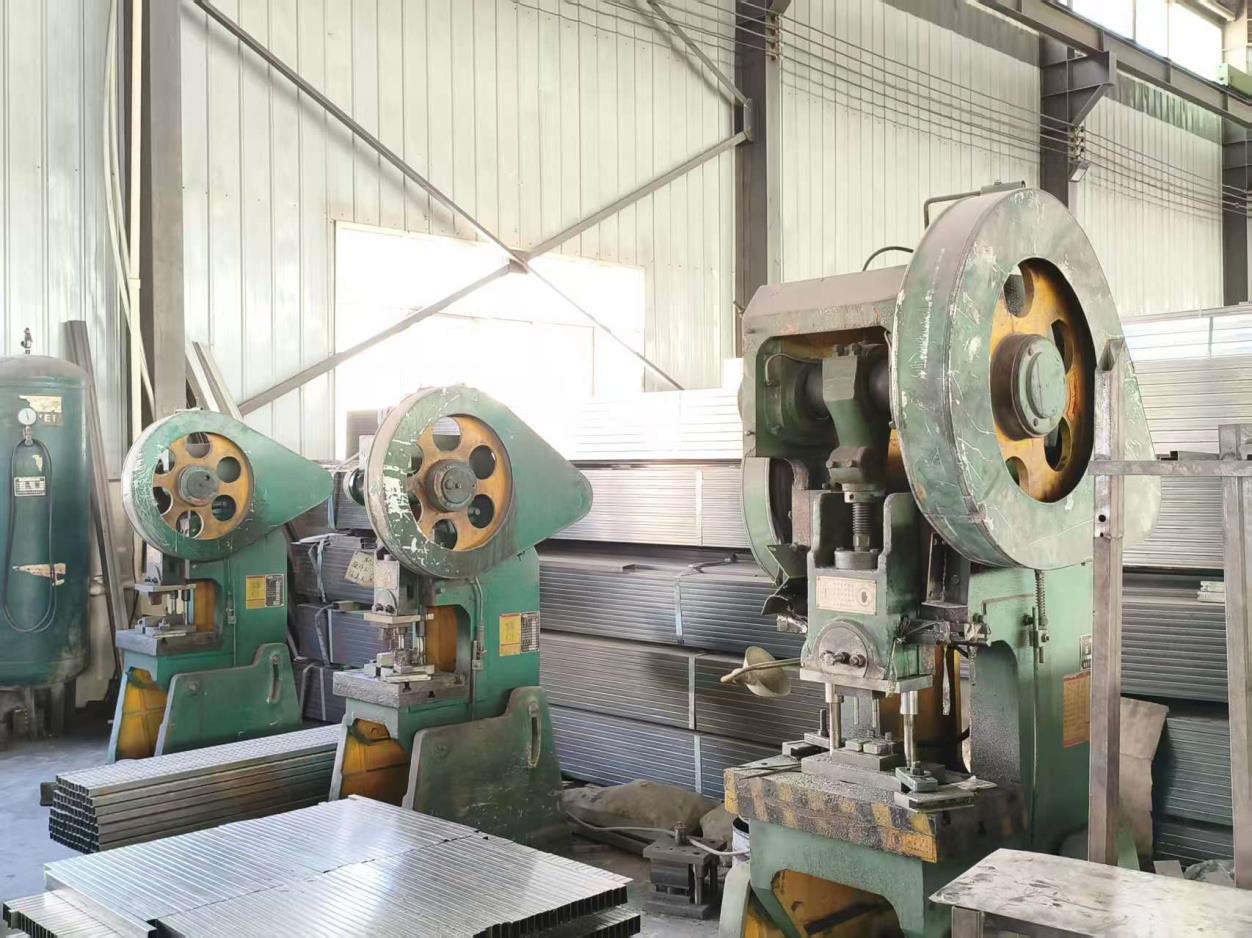
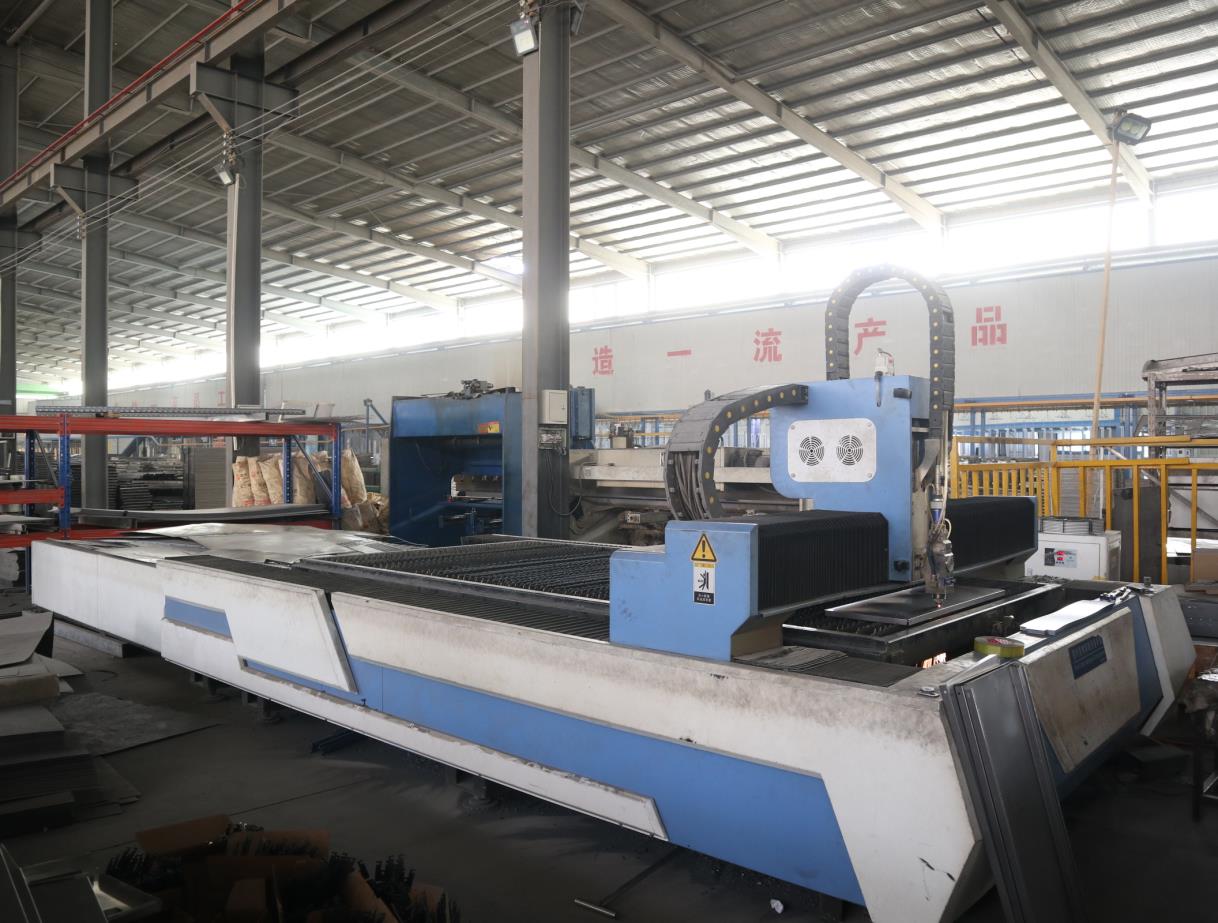
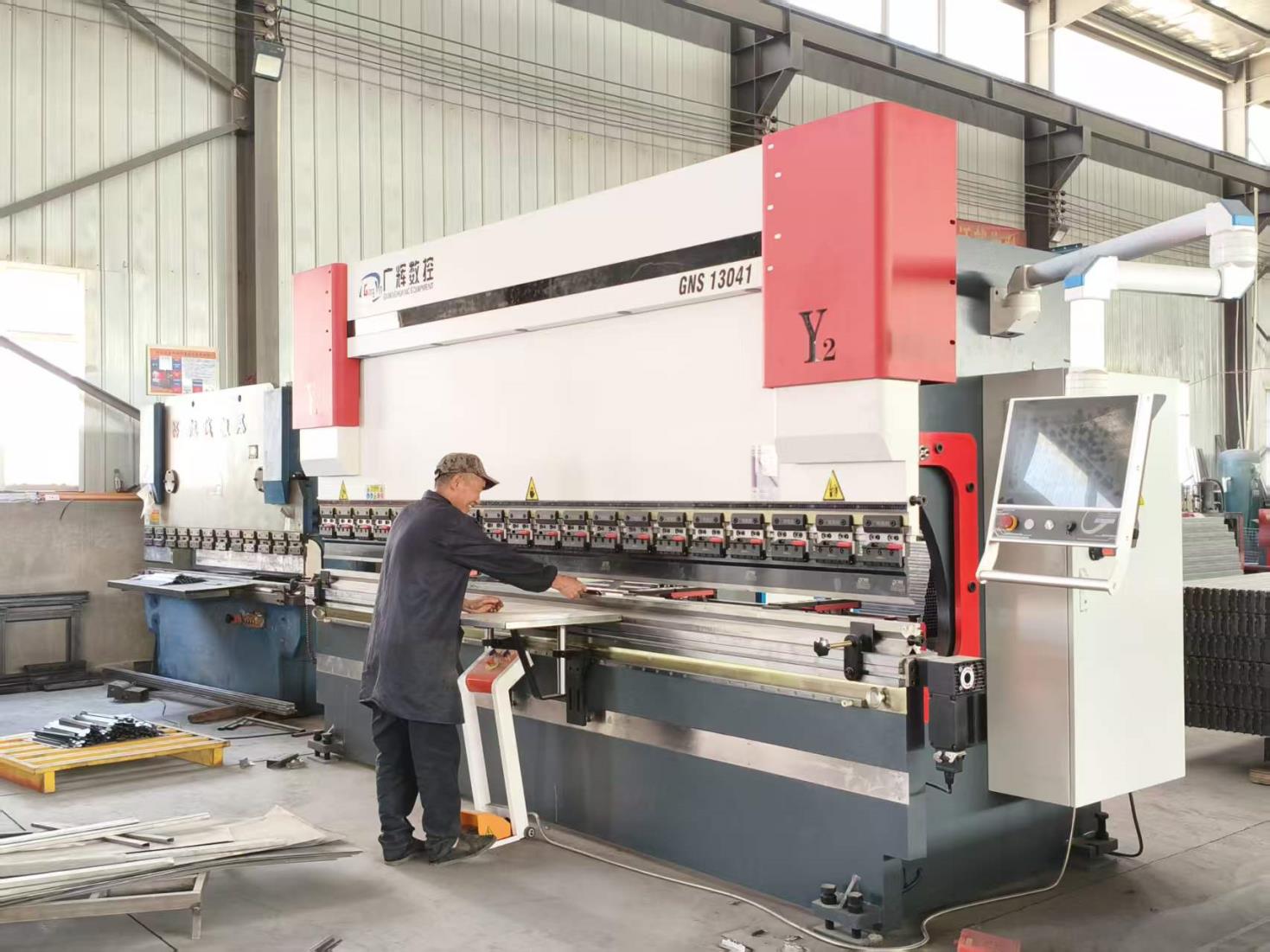
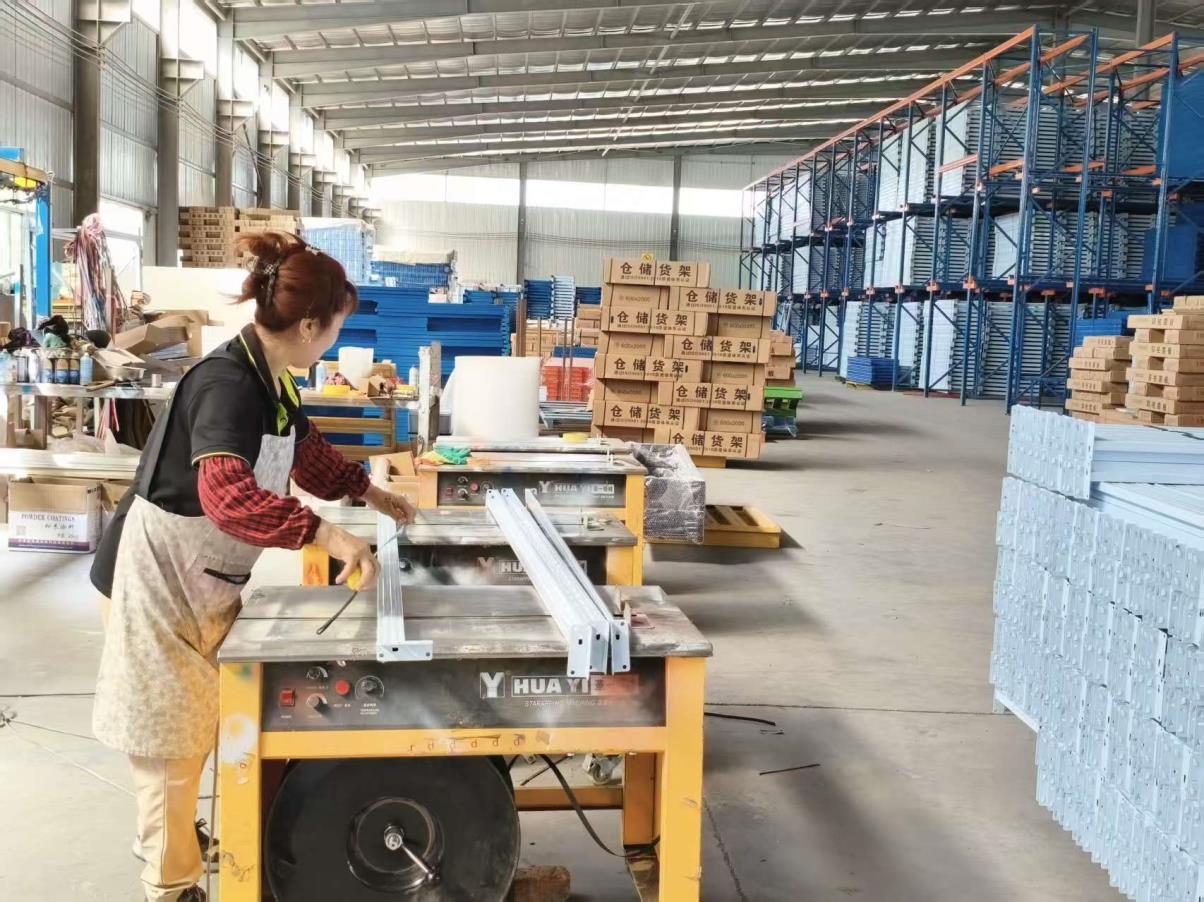
Behind our robust export operations is a modern industrial complex engineered to deliver elite-level manufacturing throughput and strict product consistency.
Established in 2015, Shenzhen Sanyang Storage Equipment Manufacturing Co., Ltd. is a leading manufacturer specializing in heavy-duty industrial pallet racking, warehouse shelving systems, and automated material handling solutions. Located in Shenzhen, our modern facility spans a total building area of 38,000 m², equipped with advanced automated roll-forming machines, laser cutters, and robot welding lines.
With over 12 years of industry experience and 8 years of active export experience, Sanyang has expanded its international footprint, achieving an annual export revenue of $28 million USD. Our main overseas markets cover North America, Western Europe, Southeast Asia, and the Middle East, primarily serving global logistics hubs, e-commerce fulfillment centers, third-party logistics (3PL) providers, and large manufacturing enterprises.
Quality and precision are at the core of our operations. Supported by 35 full-time QC inspectors, we implement rigorous quality assurance protocols using ultrasonic weld flaw detection, coating thickness testing, and heavy-load stress tests to ensure strict compliance with ISO9001 and international FEM/ANSI safety standards. Backed by a strong OEM/ODM background and a robust network of 1,200 supply chain partners, we offer highly customizable options—ranging from custom dimensions and load capacities to specialized powder coatings and seismic-resistant structural designs.
Innovation drives our continuous growth. Our team of 18 R&D engineers focuses on developing high-density and automated storage systems, successfully launching 65 new products last year alone. Sanyang remains dedicated to providing safe, space-saving, and cost-effective storage solutions for our global clientele.
Understanding shifting global requirements to optimize storage procurement strategy, design parameters, and safety requirements.
As logistics systems advance, freestanding racking is no longer static storage equipment; it is increasingly integrated with Automated Guided Vehicles (AGVs), Autonomous Mobile Robots (AMRs), and AS/RS (Automated Storage and Retrieval Systems). Procurement teams must specify tight tolerances in alignment deflection and ground levelness to prevent automated vehicle docking disruptions.
Furthermore, sustainability directives are driving manufacturers to employ high-tensile, low-carbon steel alloys that maintain extreme load ratings while minimizing total material volume, effectively reducing carbon footprints throughout ocean transportation and facility setup.
| Evaluation Parameter | Industry Standard Target | Sanyang Performance Class |
|---|---|---|
| Steel Tensile Strength | Q235B / Q345B Carbon Steel | Exceeds standard limits via FEA analysis |
| Weld Consistency | Visual & manual inspect check | Ultrasonic weld flaw detection (35 full-time QC) |
| Corrosion Protection Rating | Standard industrial powder coat | AkzoNobel certified powder coating, corrosion protection |
| Seismic Design Category | Standard static calculation | Custom AS4084, FEMA, and RMI compliant layouts |
Direct technical answers addressing materials, safety standards, customizations, and supply chain logistics.
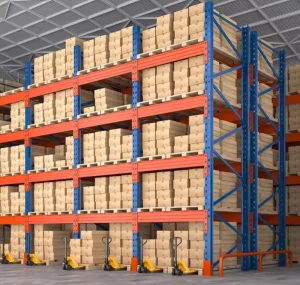
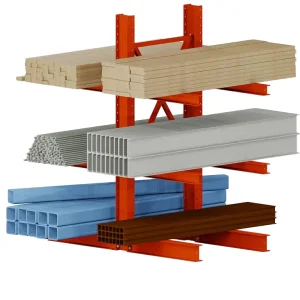
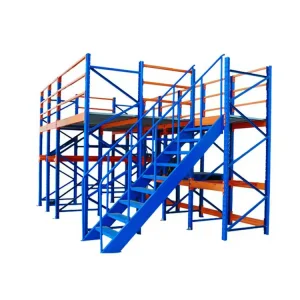
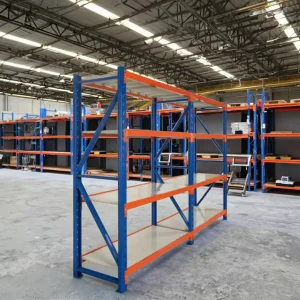
Select specialized racking designs optimized for specific weights, material structures, and handling equipment integrations.
 Sanyang Racking