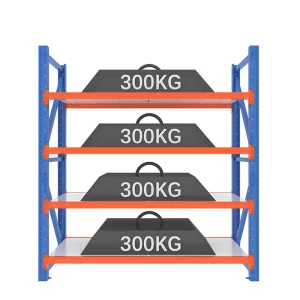
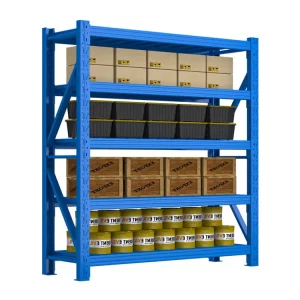
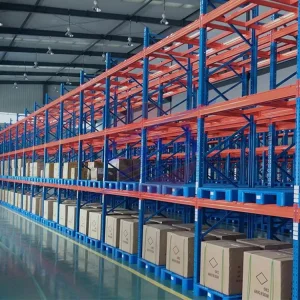
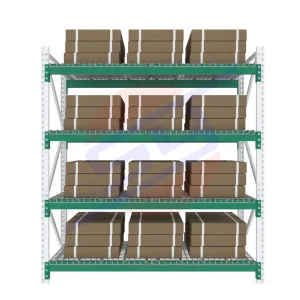
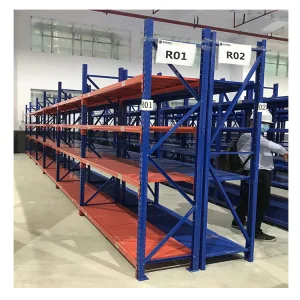
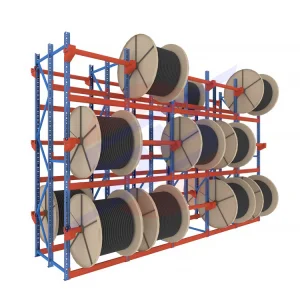
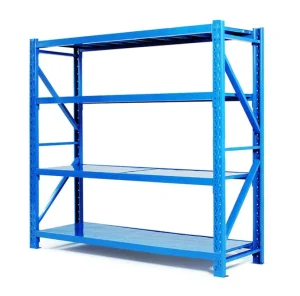
Engineered to optimize vertical space utilization while offering bolt-free, rapid-assembly structures for global warehouse logistics hubs.
A comprehensive analysis of structural engineering, procurement frameworks, and high-performance warehousing logistics.
In modern supply chains, warehouse density, modular flexibility, and rapid spatial transformation have transitioned from operational advantages to strategic imperatives. Industrial boltless systems represent a cornerstone of this evolution. Traditionally, industrial storage infrastructures relied heavily on bolted and structural channels. While rigid, these older frameworks limited dynamic reconfiguration and required specialized labor and extended downtime for installation.
Modern boltless racking systems utilize sophisticated male-to-female mechanical interlocks—such as teardrop connectors, keyhole slots, and engineered rivet designs. This design exploits gravity and structural load distribution to lock components tighter as weight increases. By omitting the nuts, bolts, and washers, industrial facilities minimize mechanical points of failure, avoid the threat of thread shear under vibration, and reduce setup costs by up to 60%. As modern warehouse designs call for adaptability, structural engineers prioritize boltless geometries that handle high lateral loads, seismic activity, and varying floor stress profiles.
The core physics of boltless shelving lies in the precision taper slotting. Under vertical loading, the interlocking rivet or tab is driven deeper into the tapered slot of the upright post. This creates a friction lock that resists rotational forces and lateral sway, increasing structural integrity without auxiliary fasteners.
Global sourcing departments face complex decisions when designing warehouse infrastructure. The modern procurement officer must coordinate long-term capital expenditure with changing operational demands. Boltless systems offer an optimal balance of low initial installation cost, minimal maintenance requirements, and simple asset recovery. If a facility lease ends, boltless racking can be disassembled, transported, and reconfigured at a new location with minimal component loss.
Region-specific demands shape these global systems. In North America, warehousing networks require compliance with RMI (Rack Manufacturers Institute) guidelines to meet local building codes. In the European Union, the FEM standards dictate structural safety factors, deflection limits, and steel grade specifications. Smart procurement focuses on high-yield structural steels (like Q235B and Q355) and certified manufacturing paths that ensure load performance matches calculated capacities.
| System Attribute | Industrial Boltless Systems | Traditional Bolted Systems | Structural Steel Racking | |
|---|---|---|---|---|
| Installation Speed | Excellent (60% faster, hand tools only) | Moderate (requires specialized tools) | Slow (demands hot work/heavy bolting) | Highly Adaptable (rapid beam movement) |
| Reconfiguration Effort | Low (tool-less adjustments) | High (requires unbolting/re-torque) | Very High (fixed engineering structure) | Modular (expandable in all directions) |
| Seismic Performance | High (excellent energy dissipation) | Medium (bolts susceptible to shear stress) | High (rigid construction) | Dynamic (flexible connections) |
| Maintenance Profile | Very Low (no fasteners to torque) | High (annual torque audits required) | Moderate (structural weld monitoring) | Minimum (visual structural checks) |
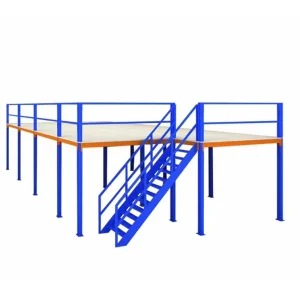
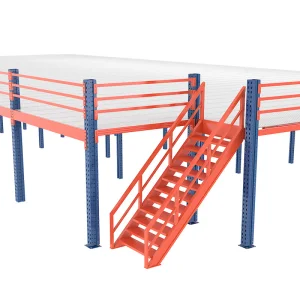
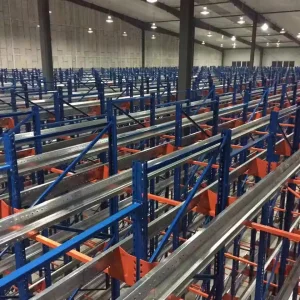
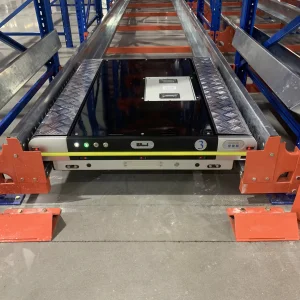
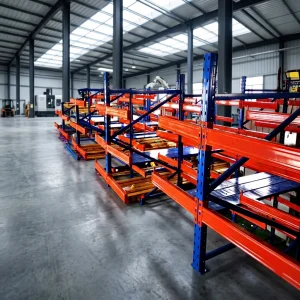
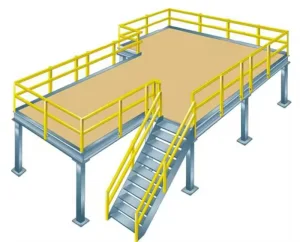
As e-commerce, 3PL (third-party logistics), and omnichannel distribution scale up, companies must maximize vertical warehouse volume. Boltless structures are the foundation for these complex solutions. By building multi-tier industrial steel mezzanine floors and automated radio-shuttle pallet networks, operators can double or triple their storage density without expanding the building footprint.
Integrating shuttle systems with boltless heavy-duty racks requires high dimensional accuracy. Automated Guided Vehicles (AGVs) and radio shuttles operate within tolerances measured in millimeters. The manufacturing process must yield straight, stable profiles to prevent sensor errors, navigation offsets, or mechanical jams.
Established in 2015, we are a leading manufacturer specializing in heavy-duty industrial pallet racking, warehouse shelving systems, and automated material handling solutions.
Located in Shenzhen, our modern manufacturing plant is built for large-scale, high-quality production. Our facility features advanced automated roll-forming machines, laser cutters, and robotic welding lines to ensure precise tolerances and structural consistency.
Over the past 12 years, Sanyang has expanded its international footprint. Our main overseas markets cover North America, Western Europe, Southeast Asia, and the Middle East, serving global logistics hubs, e-commerce fulfillment centers, third-party logistics (3PL) providers, and industrial manufacturers. Quality and safety are our core focus. Backed by 35 full-time QC inspectors, we run strict quality assurance protocols—including ultrasonic weld flaw detection, coating thickness testing, and heavy-load stress tests—to ensure compliance with ISO9001 and international FEM/ANSI safety standards.
Innovation drives our product development. Supported by a strong OEM/ODM background and a network of 1,200 supply chain partners, our team of 18 R&D engineers designs high-density, automated storage systems. Last year alone, we launched 65 new products to help global clients maximize space, reduce costs, and maintain safe operations.
From premium steel coils to finished powder-coated systems—inside our advanced production workflow.
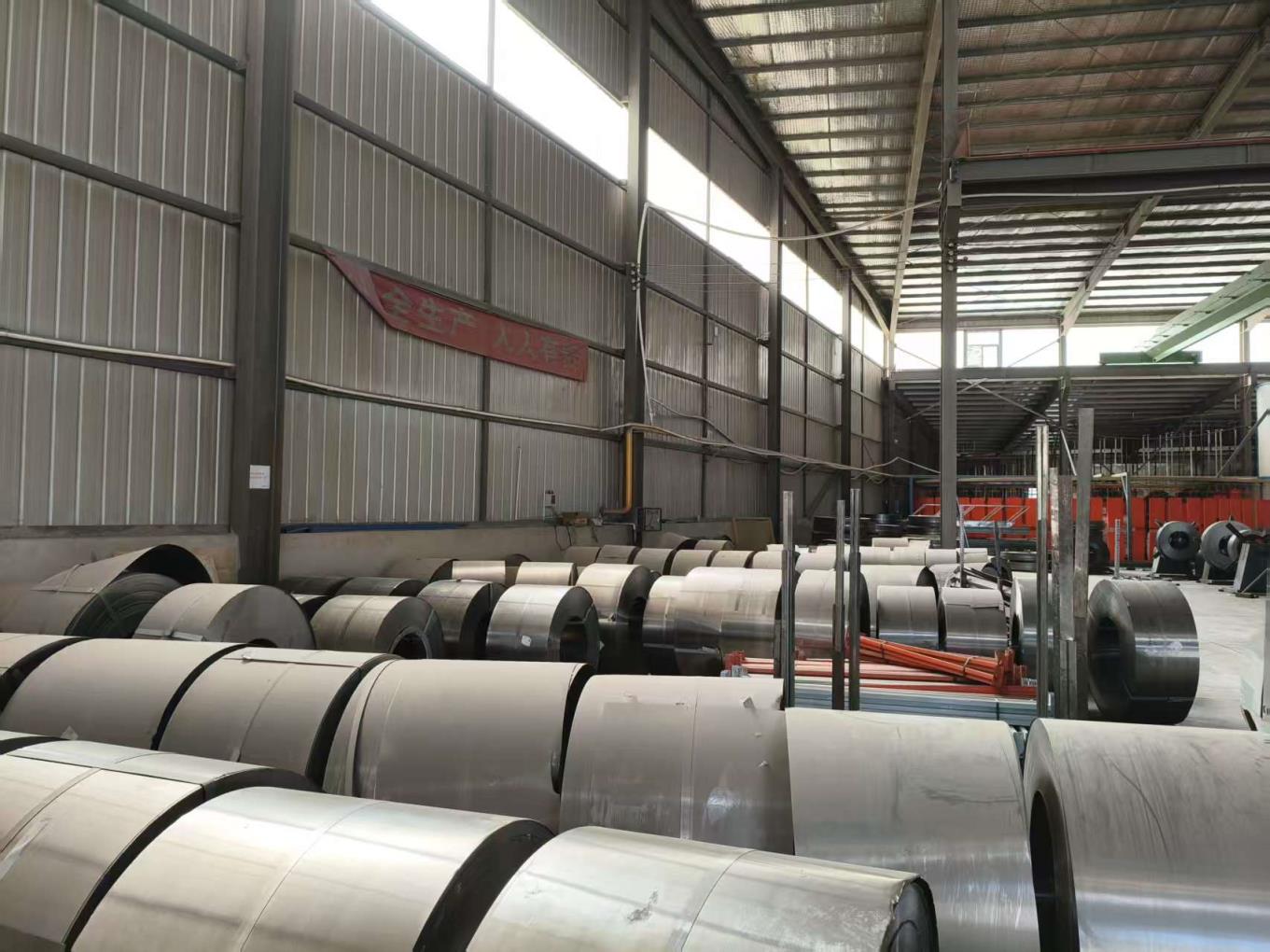
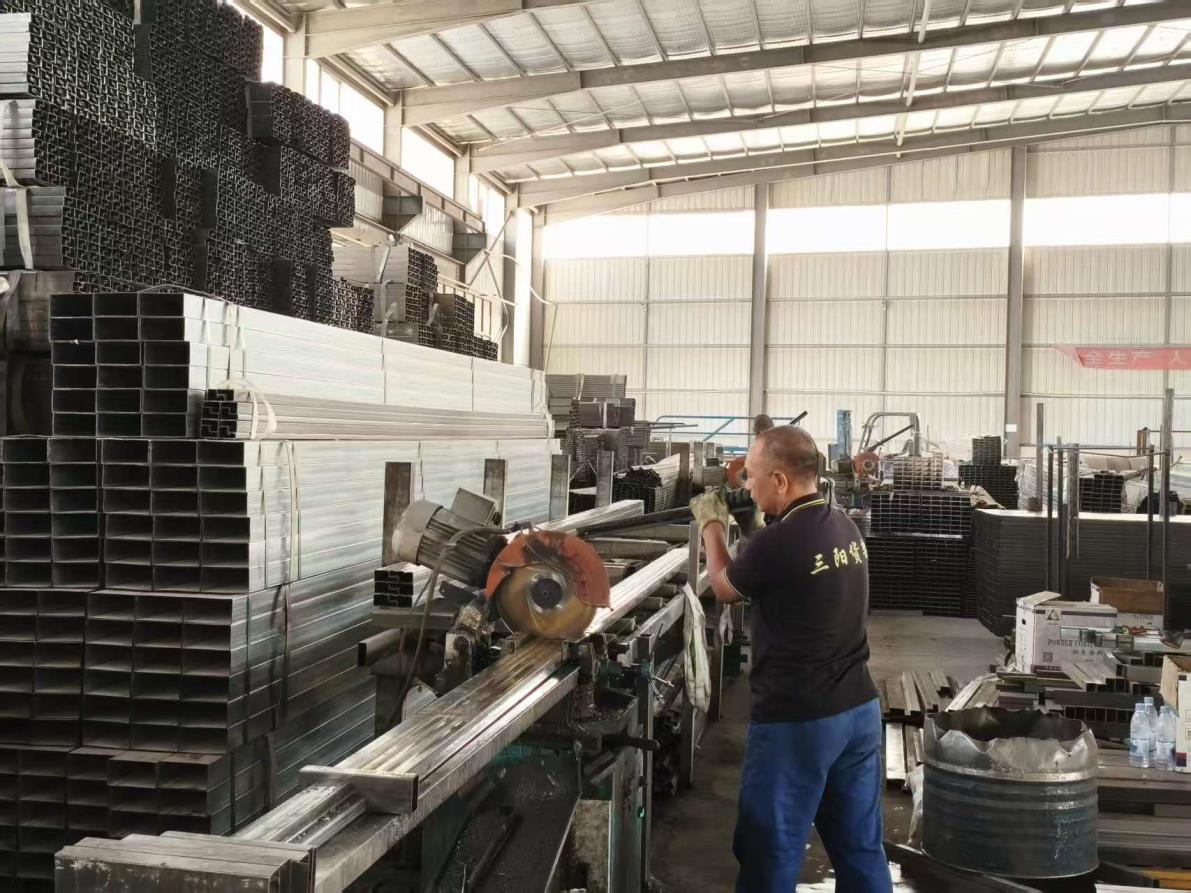
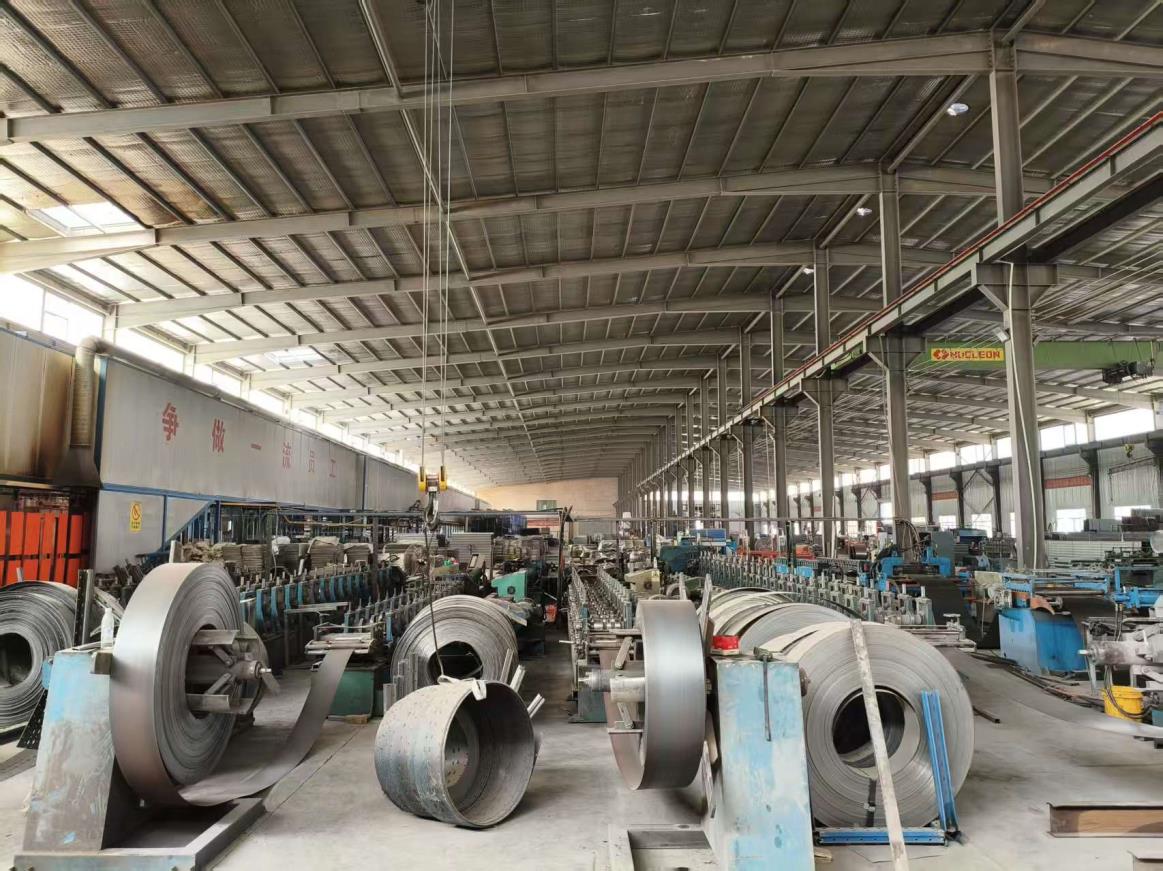
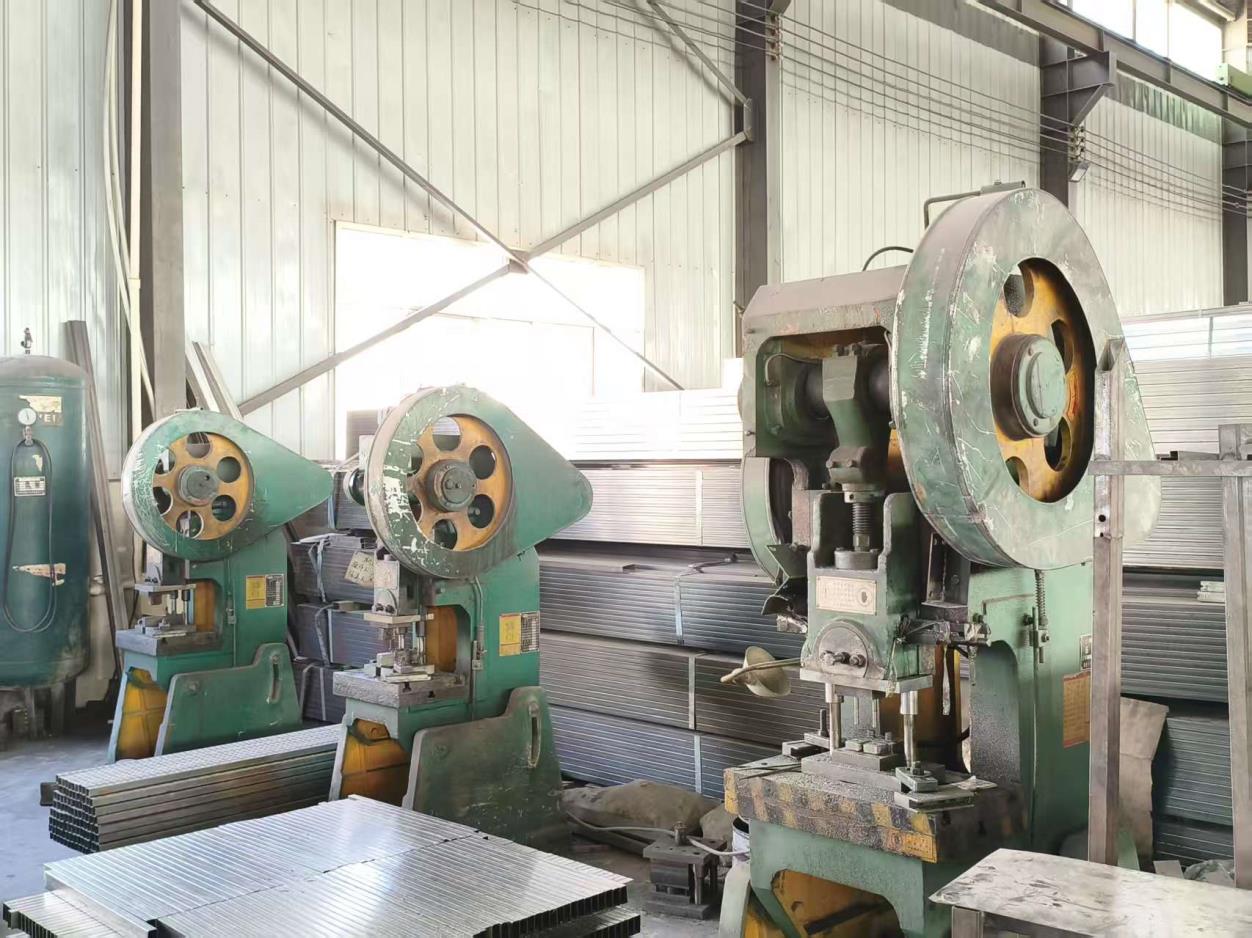
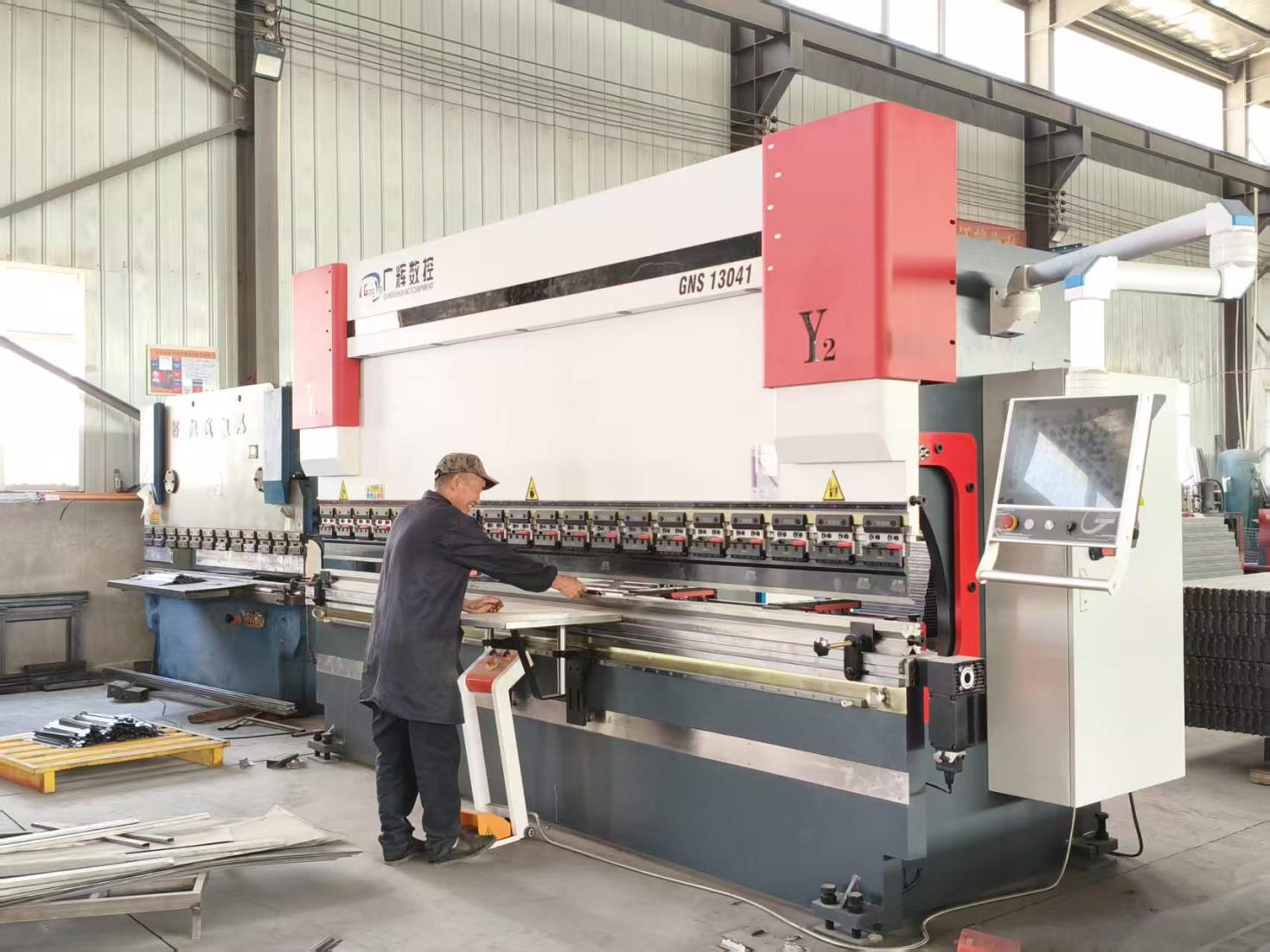
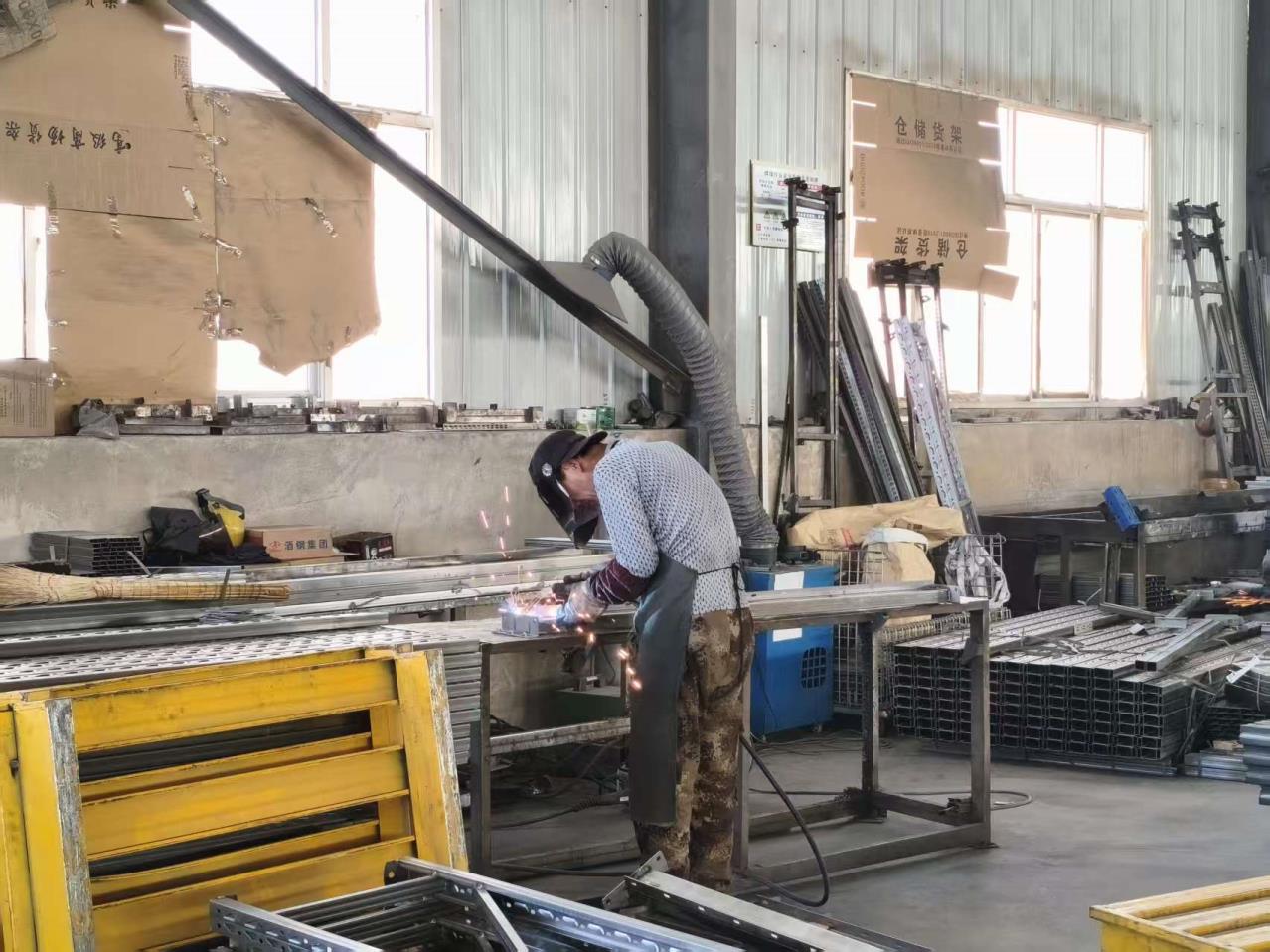
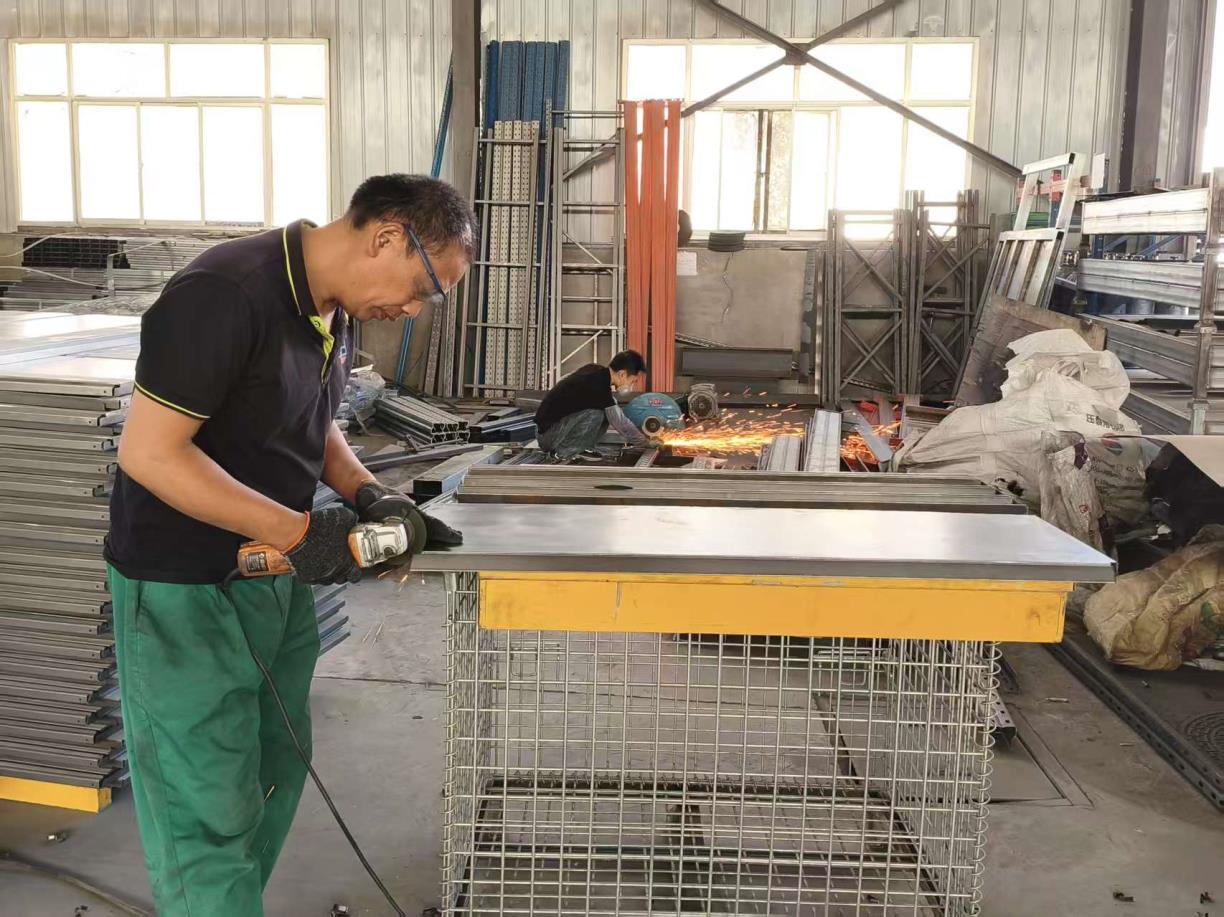
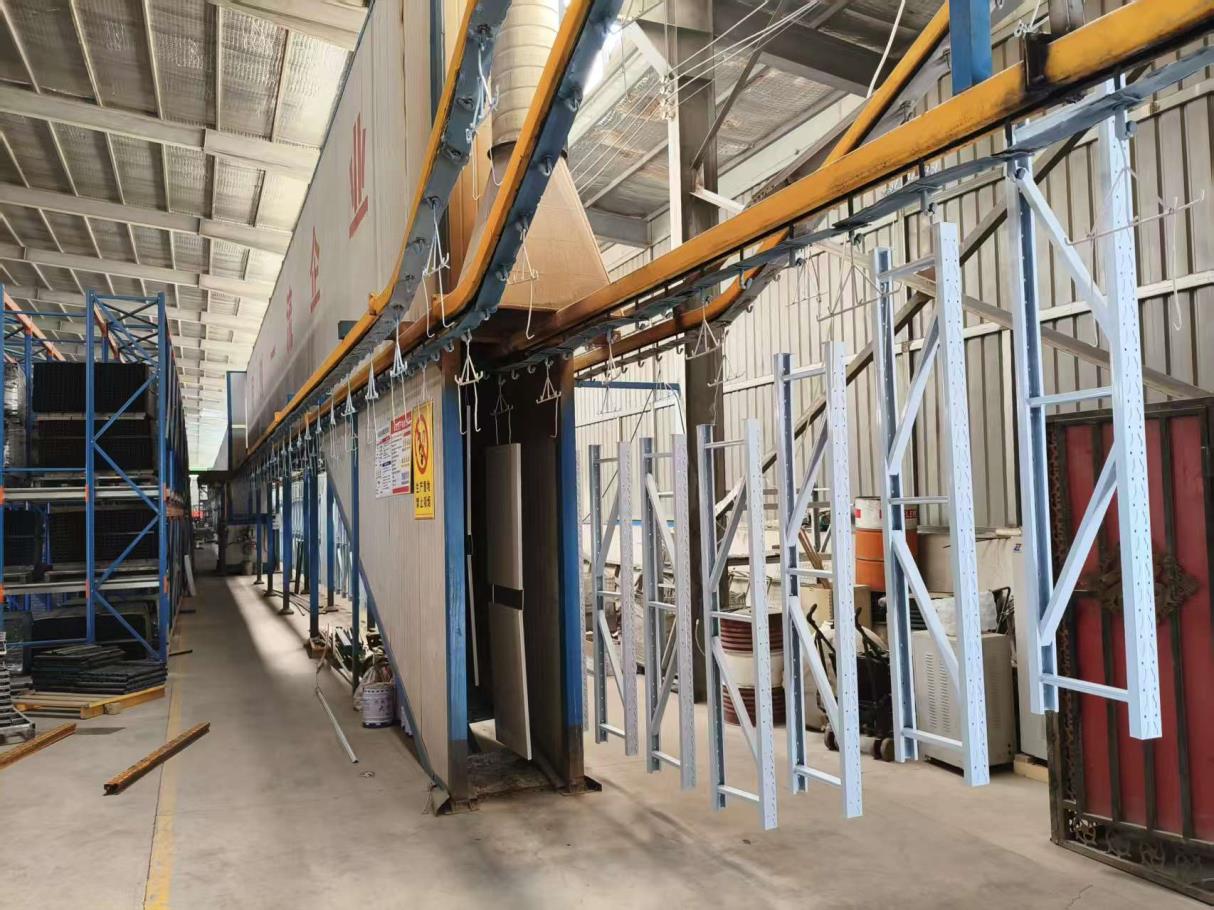
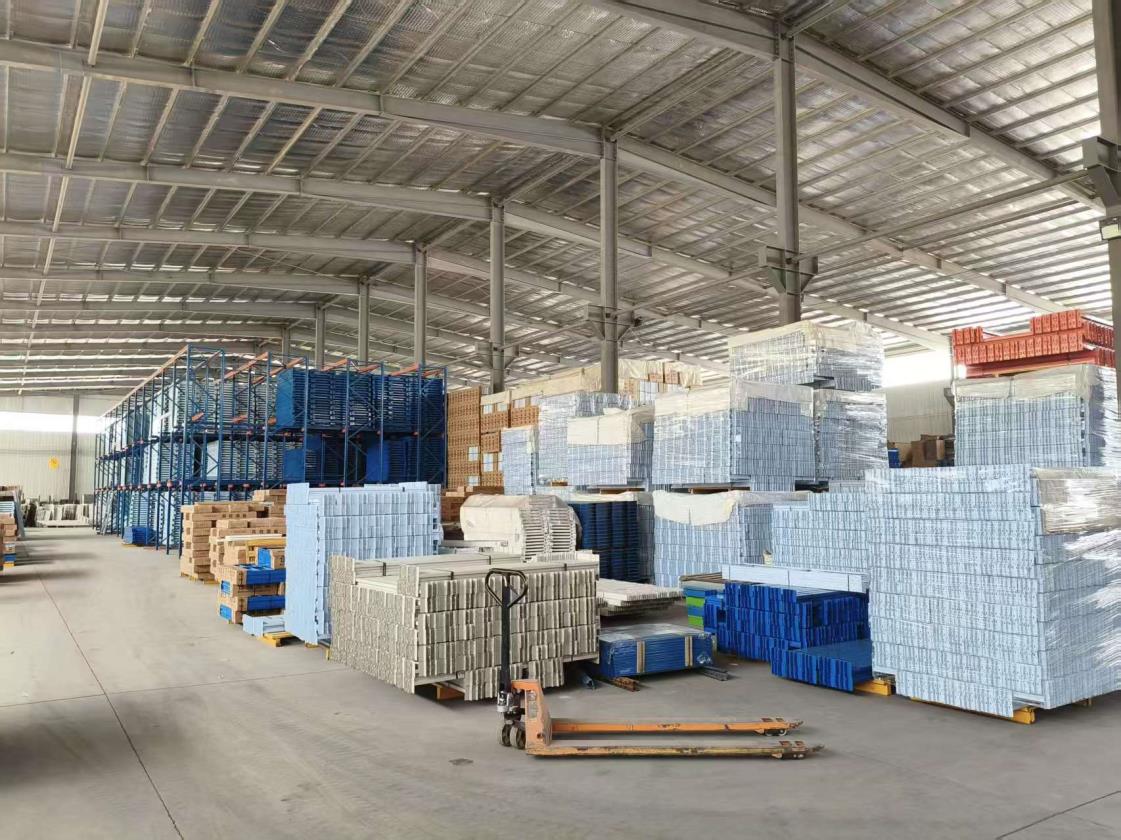
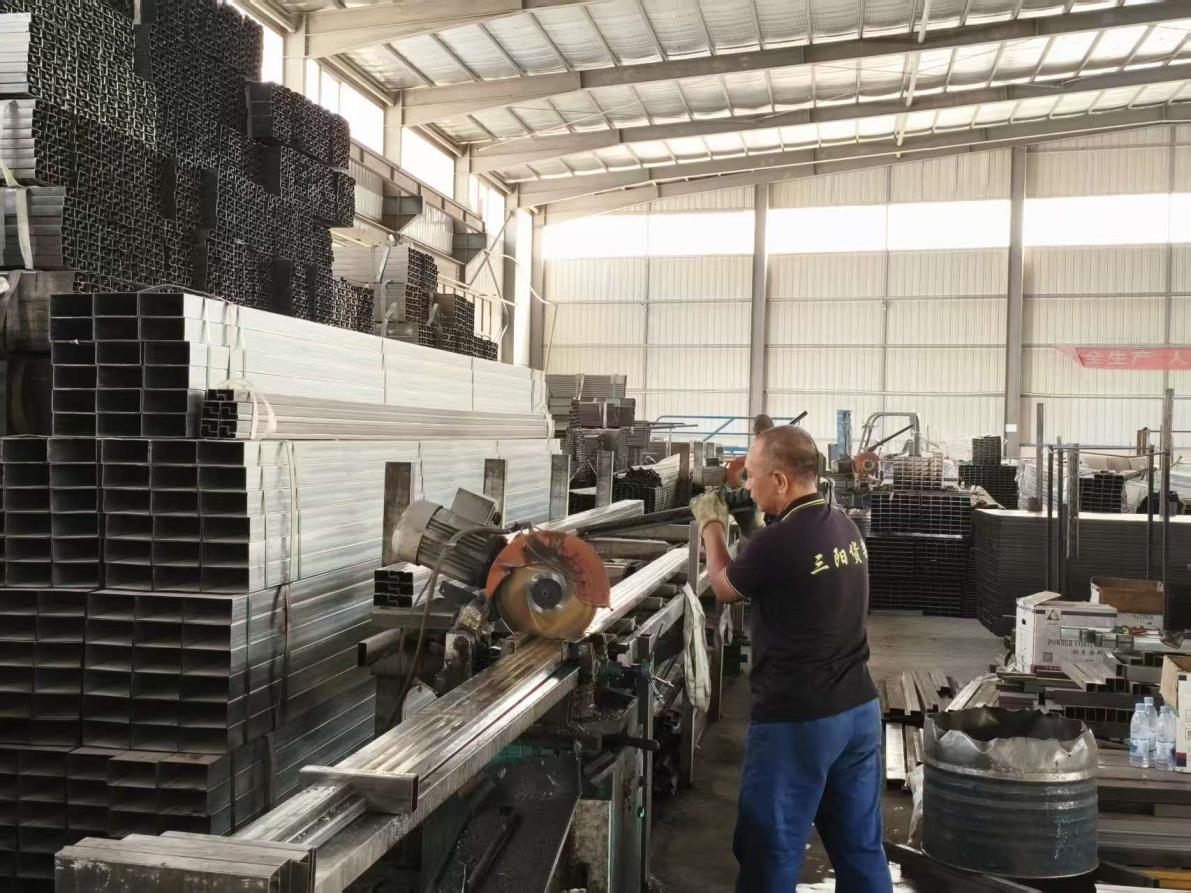
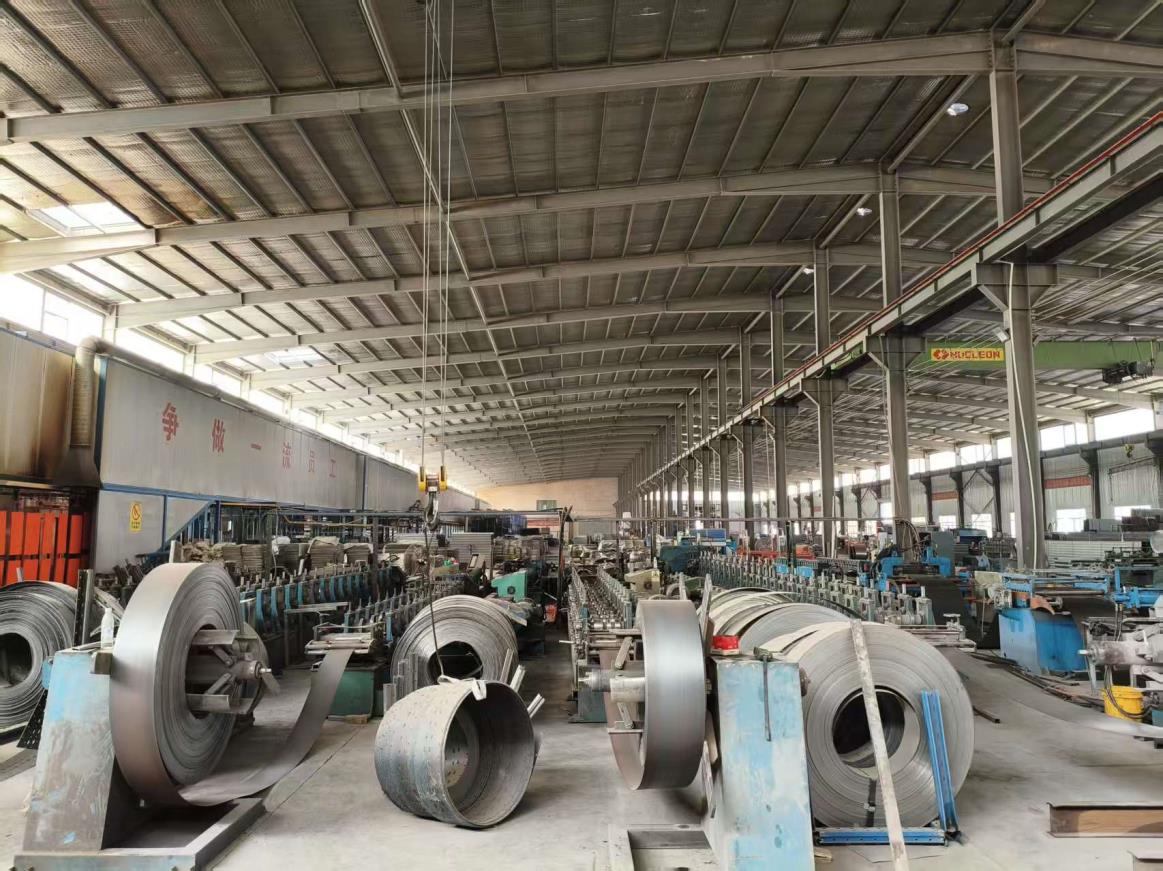
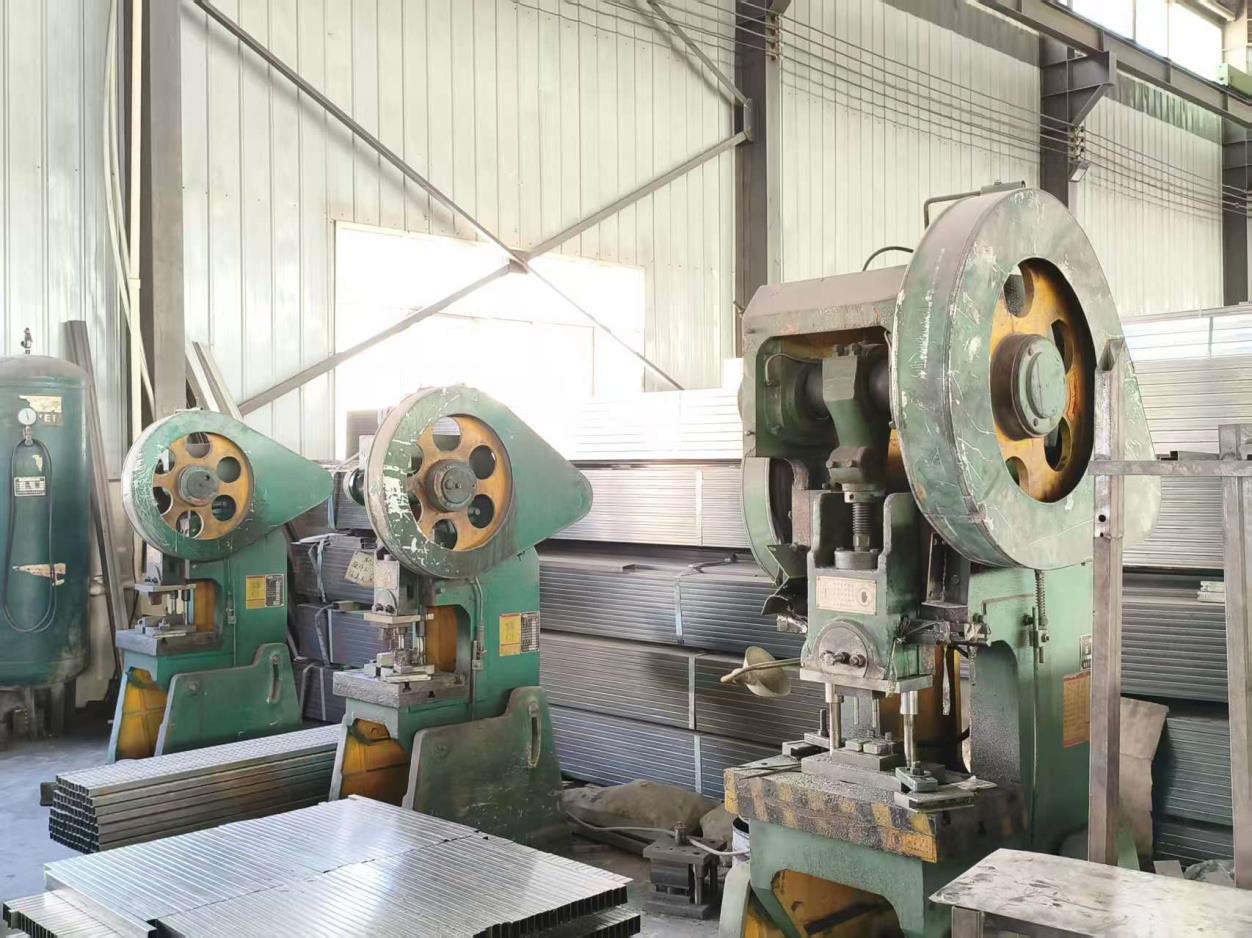
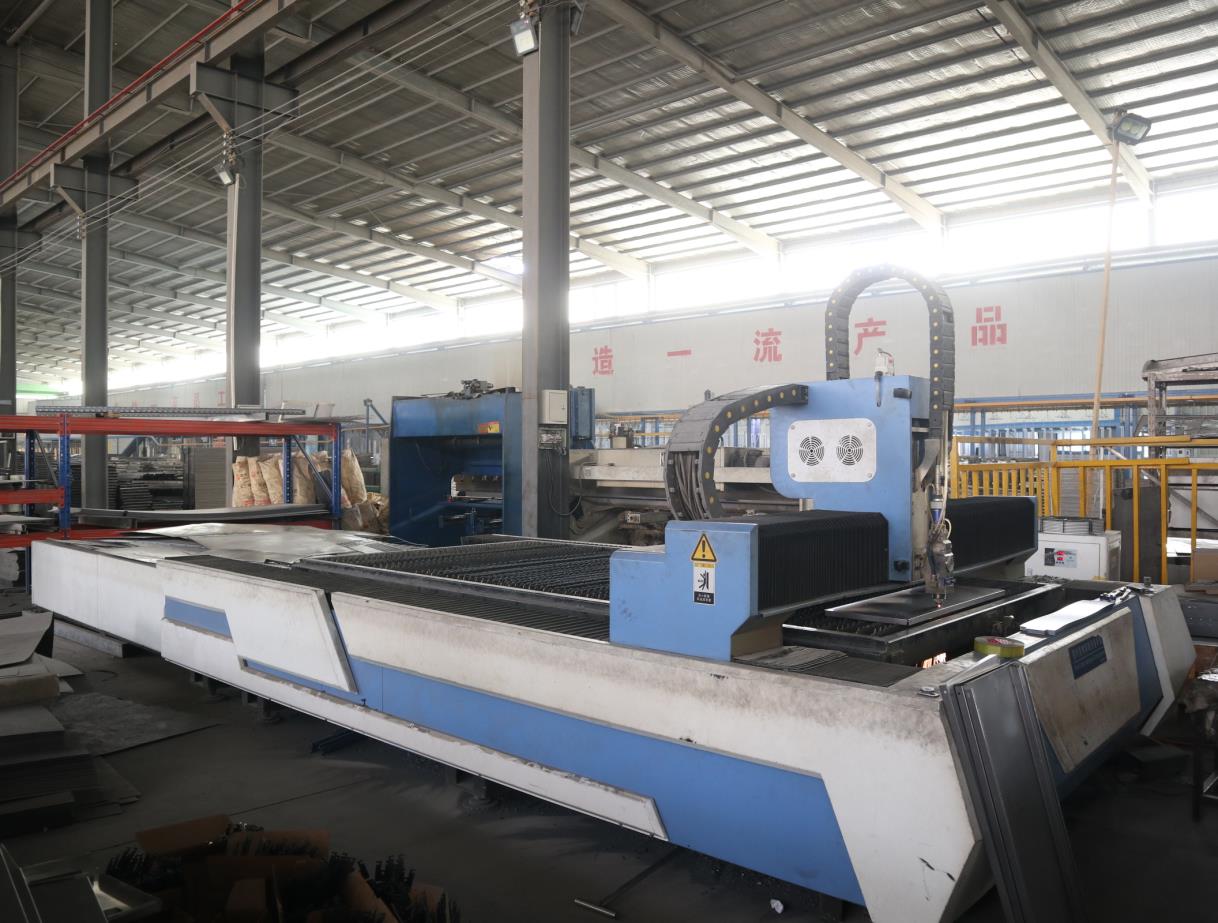
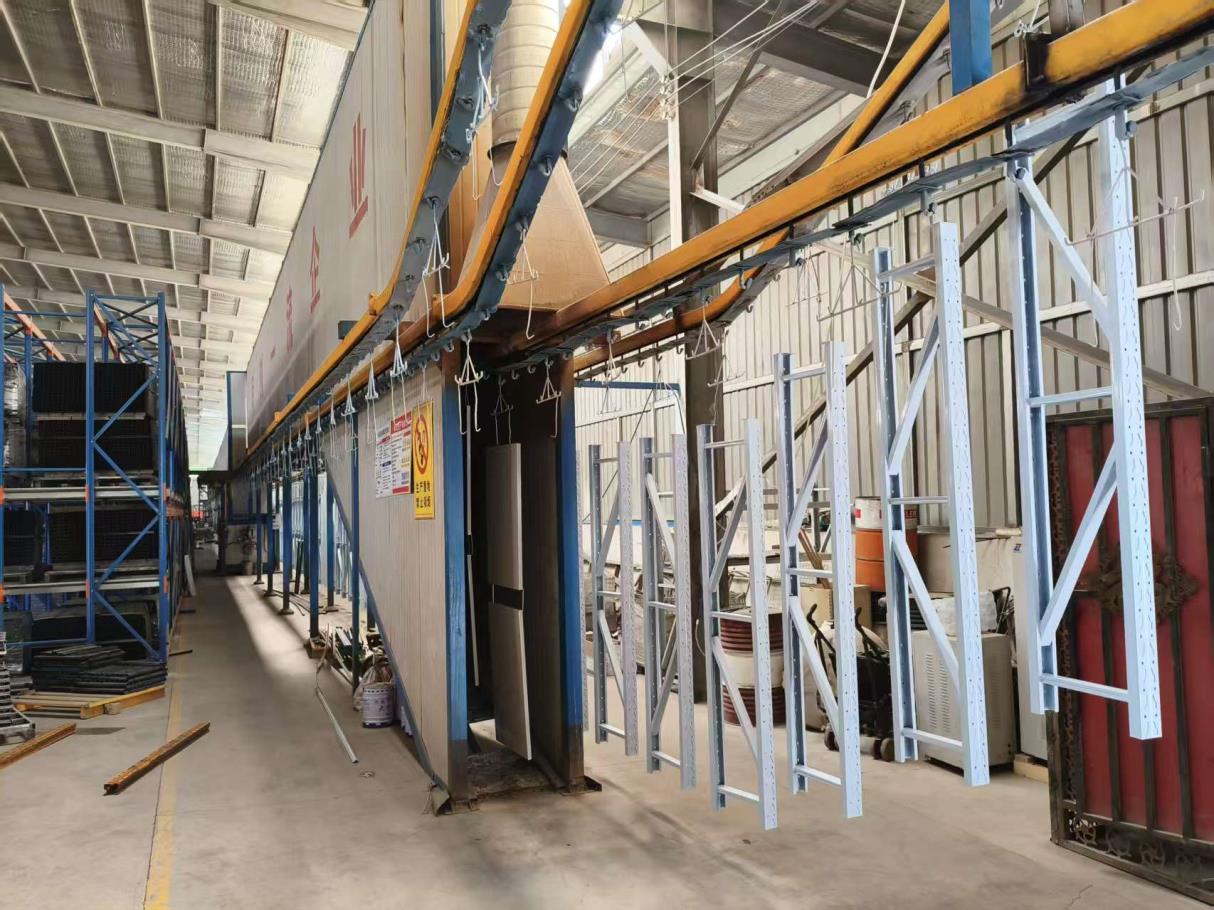
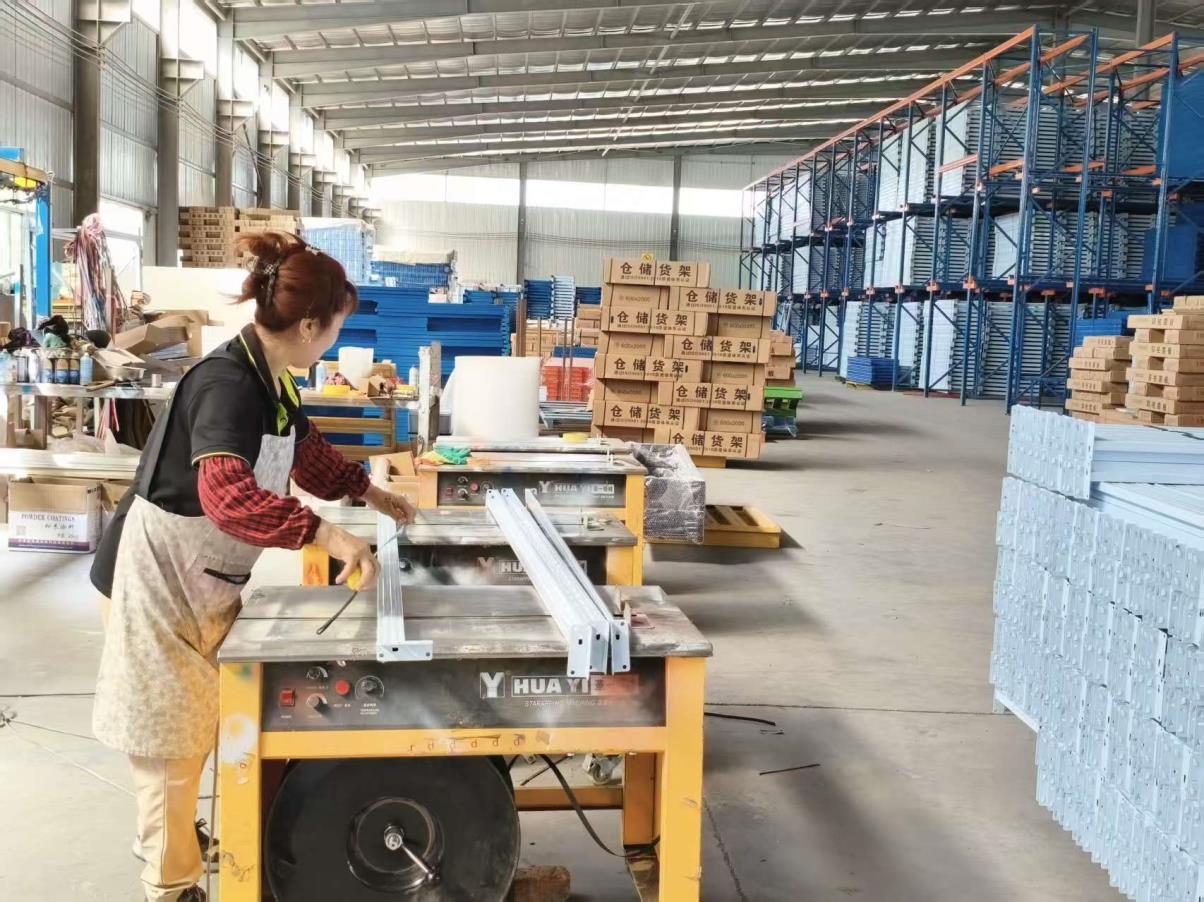
In high-density structural engineering, raw material choice directly impacts performance. We construct our load-bearing upright frames using high-grade structural carbon steel, primarily Q235B and Q355. These steels offer excellent yield strength, high elongation, and strong weldability, which are critical for cold-roll forming.
During cold-roll forming, the structural steel sheet is progressively bent at room temperature, which increases its yield strength through work hardening. To ensure stability, the steel profile must keep a consistent thickness. We utilize precision coil feeders and automated multi-stage rolling mills to maintain exact flange angles and flat tolerances. This guarantees that our upright frames and step beams fit together cleanly, distributing loads evenly without stress concentrations.
For projects in seismically active regions, boltless storage systems require dynamic structural design. Sanyang's engineering department uses finite element analysis (FEA) software to model seismic events, ensuring our systems maintain their structural integrity under lateral forces.
Our heavy-duty upright frames feature reinforced baseplates, heavy bracing patterns, and high-strength floor anchor bolts. The self-locking taper connections are designed with mechanical safety locks to prevent beams from dislodging under vertical ground acceleration. By analyzing dynamic load patterns and using high-yield raw materials, we build configurations that remain stable in high-demand industrial zones.
Building safe warehouses requires strict compliance with local regulations. Sanyang provides full engineering document support, including structural drawings and load calculations, to help clients clear local building permits. We ensure compliance with the following international frameworks:
In addition to engineering compliance, Sanyang maintains logistics partnerships to coordinate sea freight, customs clearance, and local flatbed delivery. We provide clear installation manuals, video guides, and on-site engineering supervision to ensure your racking is assembled safely and correctly.
To meet modern corporate environmental standards, Sanyang is integrating sustainable practices into our manufacturing workflow. Our powder coating lines use zero-emission, VOC-free electrostatic powder recovery systems, reclaiming 98% of overspray. Our cold-roll forming lines utilize energy-efficient variable frequency drives (VFDs) to reduce electricity consumption per ton of steel processed.
On the technology front, Sanyang is designing AGV-ready racking systems. These designs integrate RFID tagging arrays and smart light detection and ranging (LiDAR) targets directly into the upright frames. By combining structural strength with automated alignment guides, our systems support high-speed robotic picking and automated storage and retrieval systems (ASRS) for the next generation of logistics.
Answers to common questions regarding structural engineering, load limits, and customization options.
We use Q235B and Q355 structural carbon steel. Q355 is selected for heavy-duty components and high-elevation upright frames due to its high yield strength (355 MPa). Q235B is utilized for standard applications, providing an optimal balance of structural strength, weldability, and cost-efficiency.
Our boltless teardrop and keyhole connections include mechanical locking pins or safety locks. Under seismic loading, the dynamic interlocking joints dissipate energy, while the safety locks prevent the beam from separating from the upright frame.
We offer hot-dip galvanizing, electro-galvanizing, and thermosetting epoxy-polyester powder coating. For cold storage and marine environments, hot-dip galvanizing provides excellent corrosion protection, while our standard powder coating is suited for indoor warehouse applications.
Yes. We offer fully customizable manufacturing run lengths, depths, and heights. Our automated tooling can adjust profile dimensions, hole patterns, and material thicknesses to meet specific project loading and space requirements.
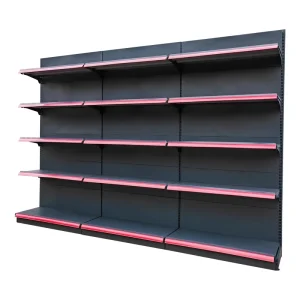
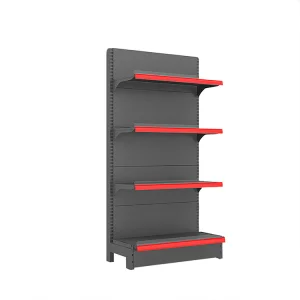
Explore our complete range of certified storage racks, heavy-duty industrial shelving, and retail displays.
 Sanyang Racking