Engineered for maximum spatial performance, heavy-load structural stability, and seamless AS/RS automation integration.
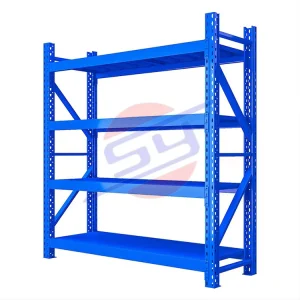
In the era of rapid logistics evolution, global supply chains face unprecedented challenges: soaring real estate costs, structural labor shortages, and demand for faster throughput. Traditional static storage solutions, such as selective pallet racking, are no longer sufficient to meet the efficiency benchmarks of modern fulfillment centers. High-density automated storage systems, particularly the 4-Way Shuttle AS/RS architecture, represent a paradigm shift in industrial warehousing.
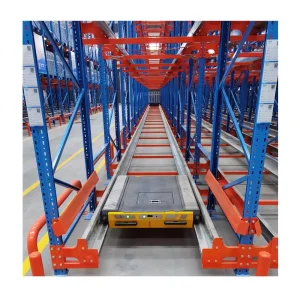
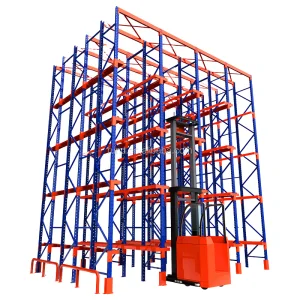
As a leading China wholesale 4-way shuttle storage exporter, we recognize that maximizing volumetric efficiency while maintaining fluid material flow is key. A 4-way shuttle acts as an independent rail-guided vehicle (RGV) capable of traversing both longitudinal and transverse pathways within the racking structure. This multi-directional mobility allows the vehicle to access any storage location in the grid without manual intervention. By separating the vertical movement (managed by high-speed vertical lifters) from the horizontal travel (managed by the 4-way shuttle fleet), the system optimizes productivity and provides unmatched design flexibility compared to conventional stacker cranes.
4-Way Shuttle systems eliminate aisles required for manual forklifts, increasing storage density by up to 60% compared to traditional selective racking configurations. This permits maximum height utilization in modern tall warehouses.
Unlike stacker cranes where each aisle is locked to a single unit, 4-way shuttle fleets can be scaled dynamically. Additional shuttles can be introduced into the system to handle seasonal peaks in throughput demand.
If a single shuttle experiences downtime for maintenance, the WCS (Warehouse Control System) dynamically routes alternative vehicles to cover its zone. This prevents total system outages typical of single-crane configurations.
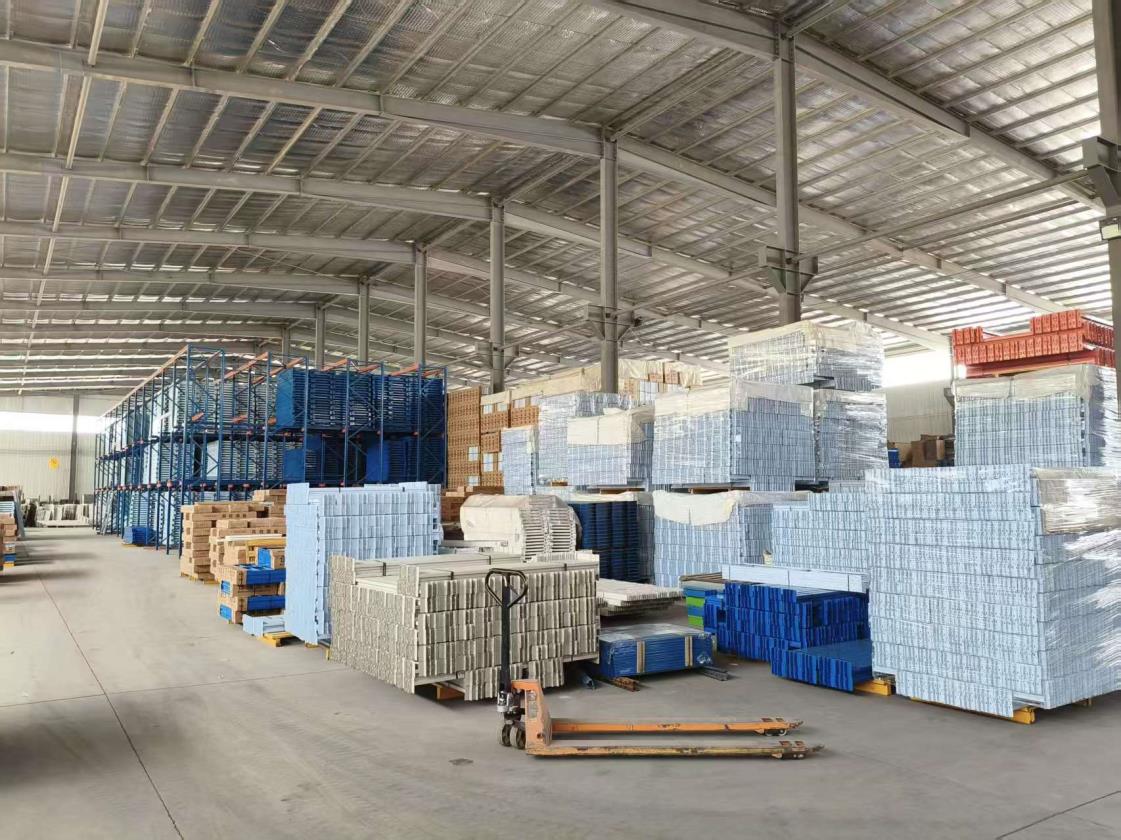
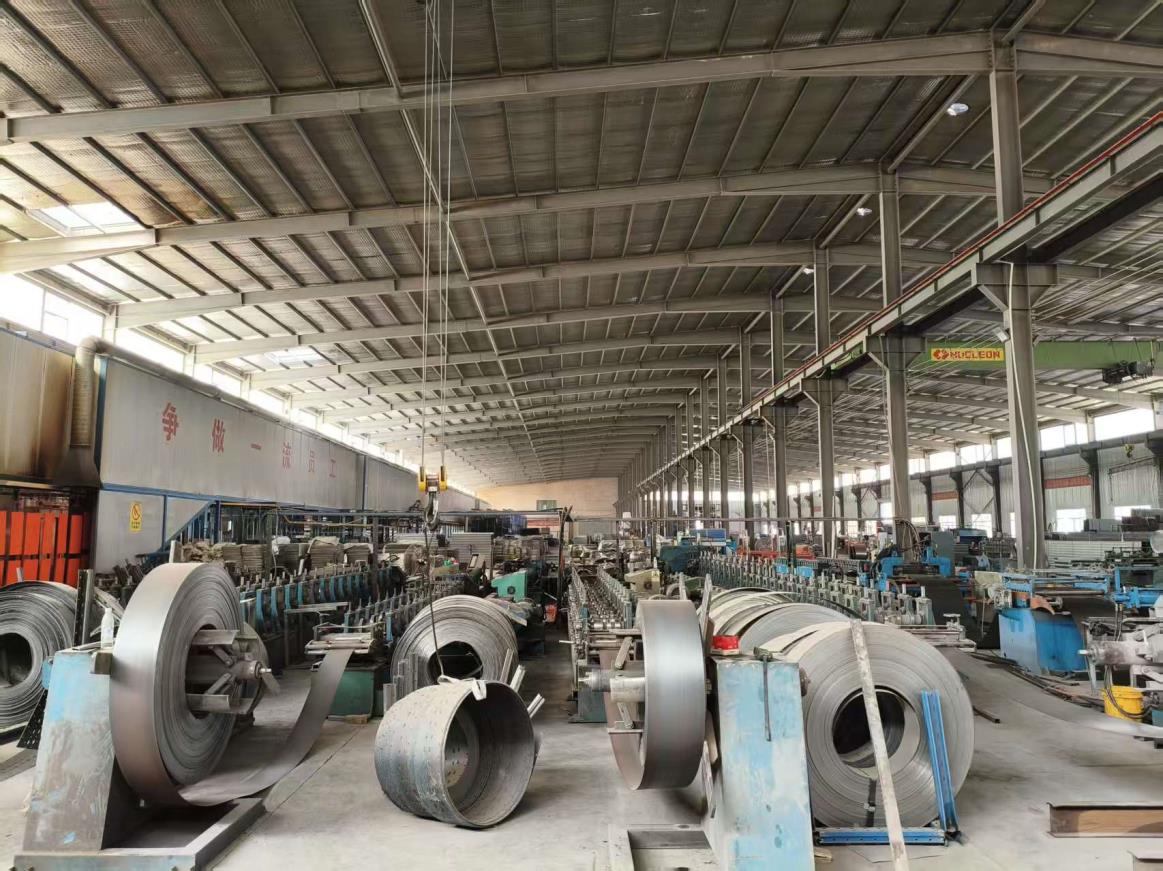
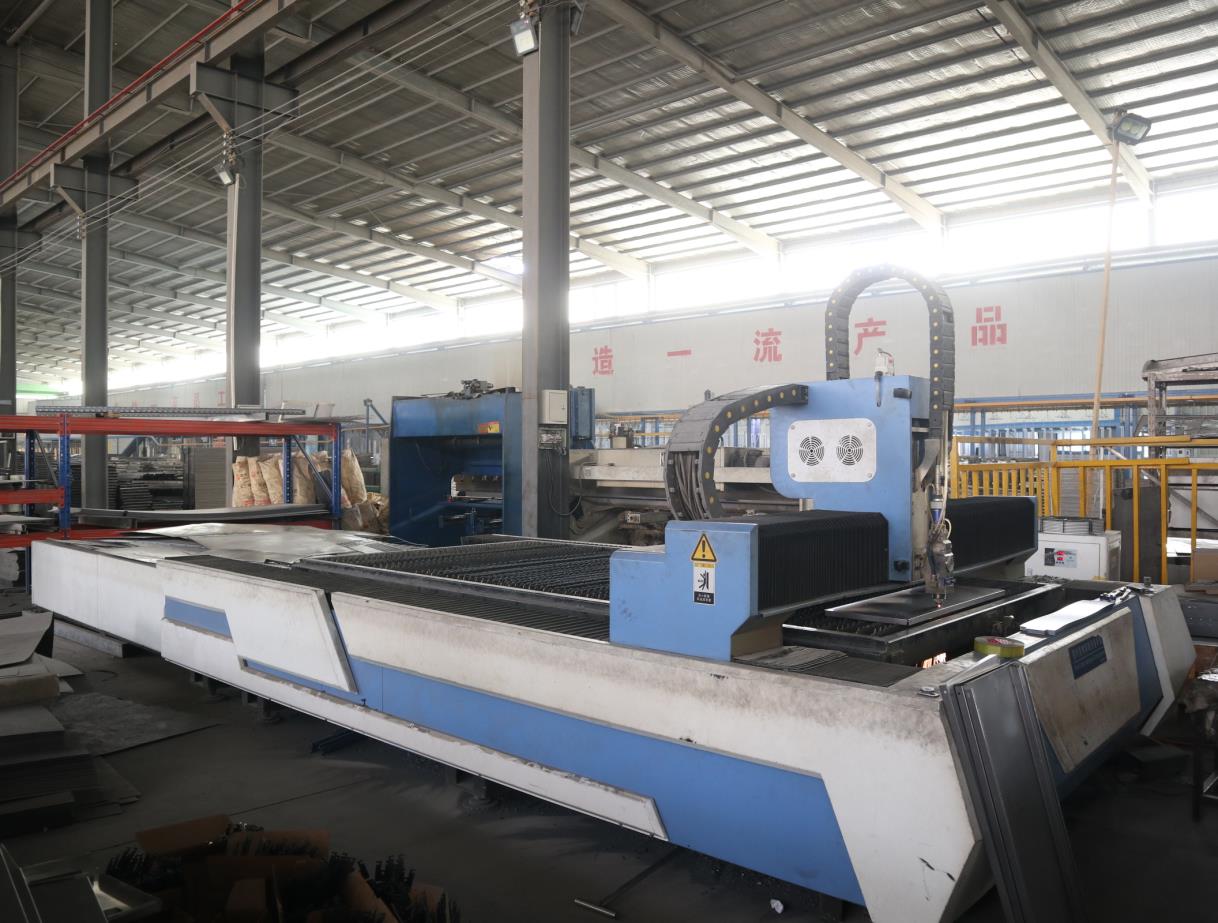
Established in 2015, Shenzhen Sanyang Storage Equipment Manufacturing Co., Ltd. is a leading manufacturer specializing in heavy-duty industrial pallet racking, warehouse shelving systems, and automated material handling solutions. Located in Shenzhen, our modern facility spans a total building area of 38,000 m², equipped with advanced automated roll-forming machines, laser cutters, and robot welding lines.
With over 12 years of industry experience and 8 years of active export experience, Sanyang has expanded its international footprint, achieving an annual export revenue of $28 million USD. Our main overseas markets cover North America, Western Europe, Southeast Asia, and the Middle East, primarily serving global logistics hubs, e-commerce fulfillment centers, third-party logistics (3PL) providers, and large manufacturing enterprises.
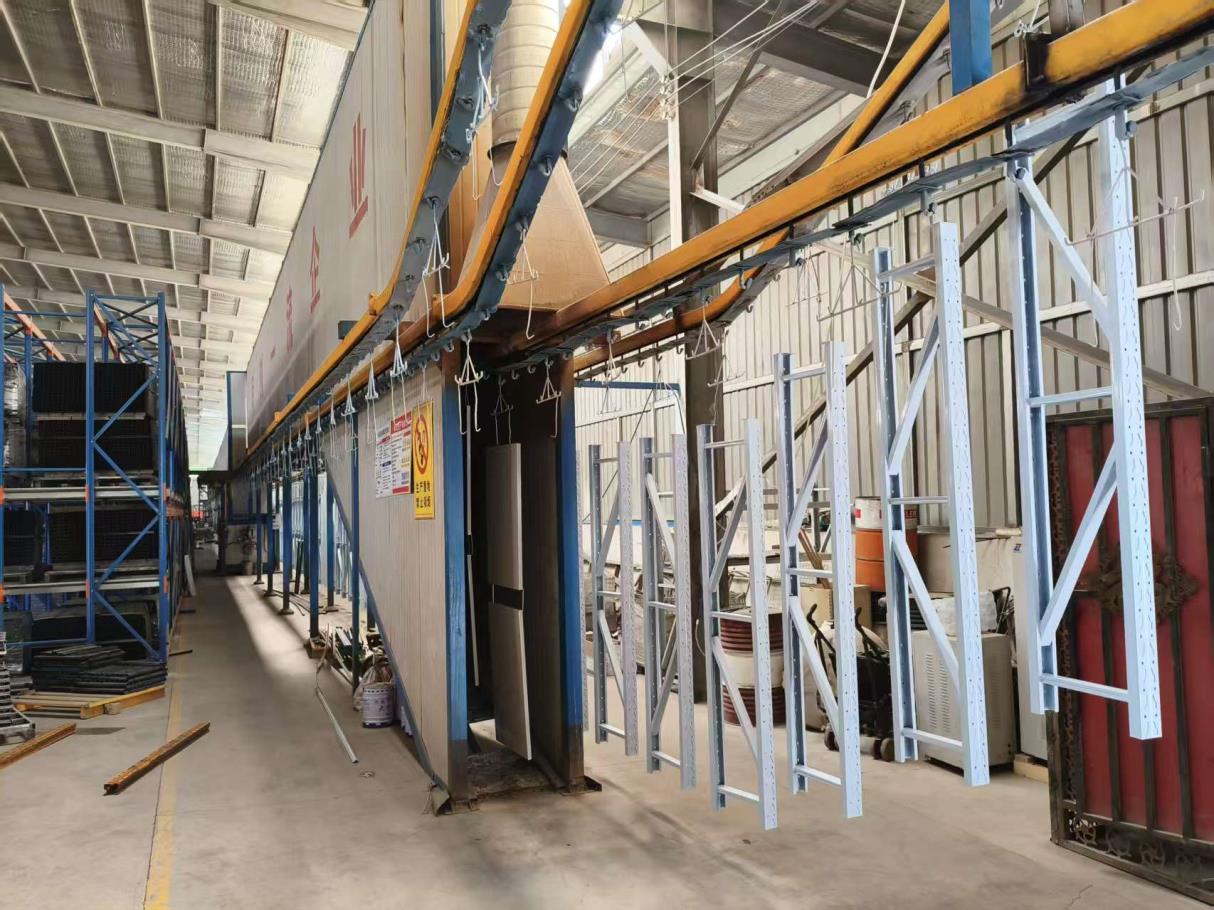
Quality and precision are at the core of our operations. Supported by 35 full-time QC inspectors, we implement rigorous quality assurance protocols using ultrasonic weld flaw detection, coating thickness testing, and heavy-load stress tests to ensure strict compliance with ISO9001 and international FEM/ANSI safety standards. Backed by a strong OEM/ODM background and a robust network of 1,200 supply chain partners, we offer highly customizable options—ranging from custom dimensions and load capacities to specialized powder coatings and seismic-resistant structural designs.
Innovation drives our continuous growth. Our team of 18 R&D engineers focuses on developing high-density and automated storage systems, successfully launching 65 new products last year alone. Sanyang remains dedicated to providing safe, space-saving, and cost-effective storage solutions for our global clientele.
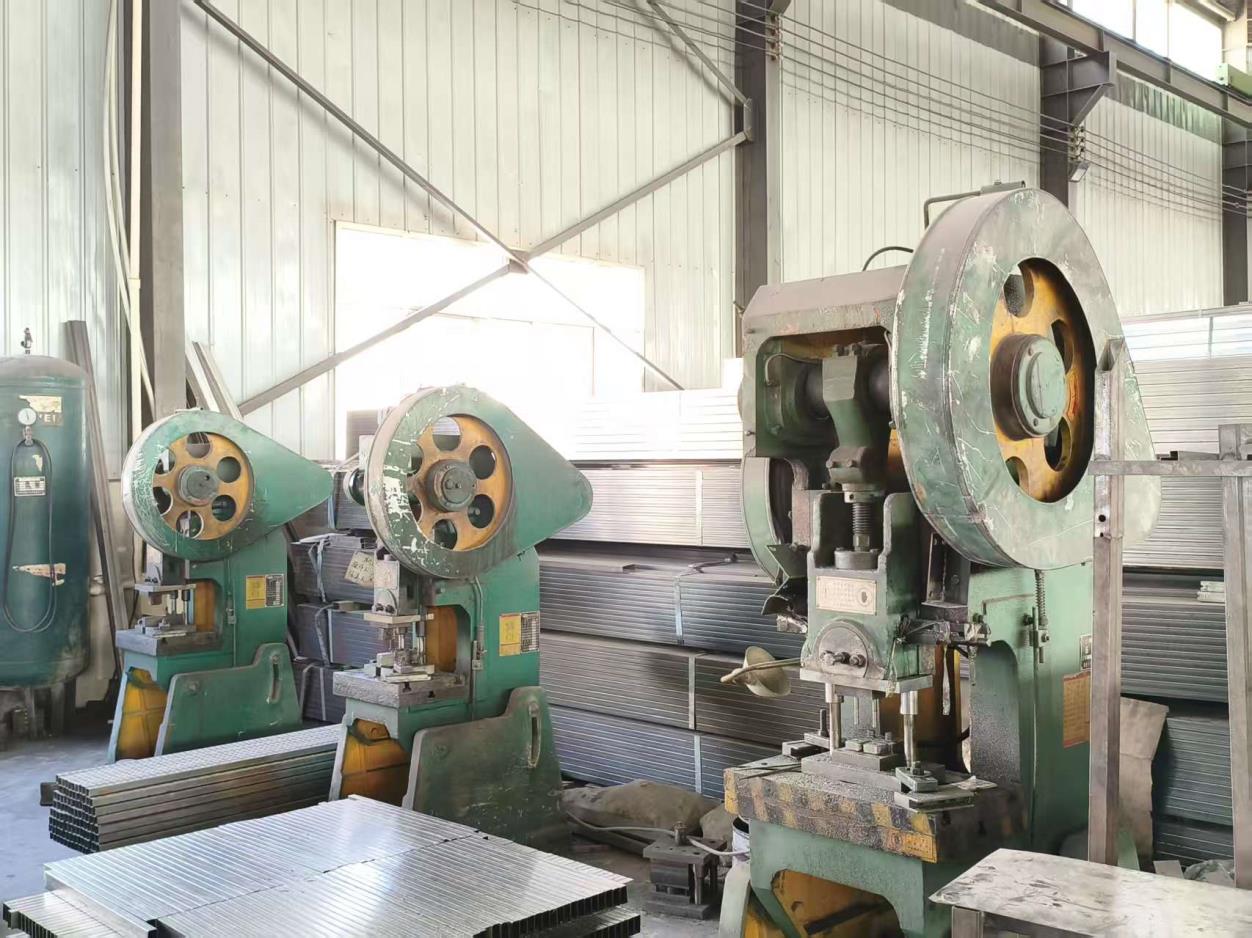
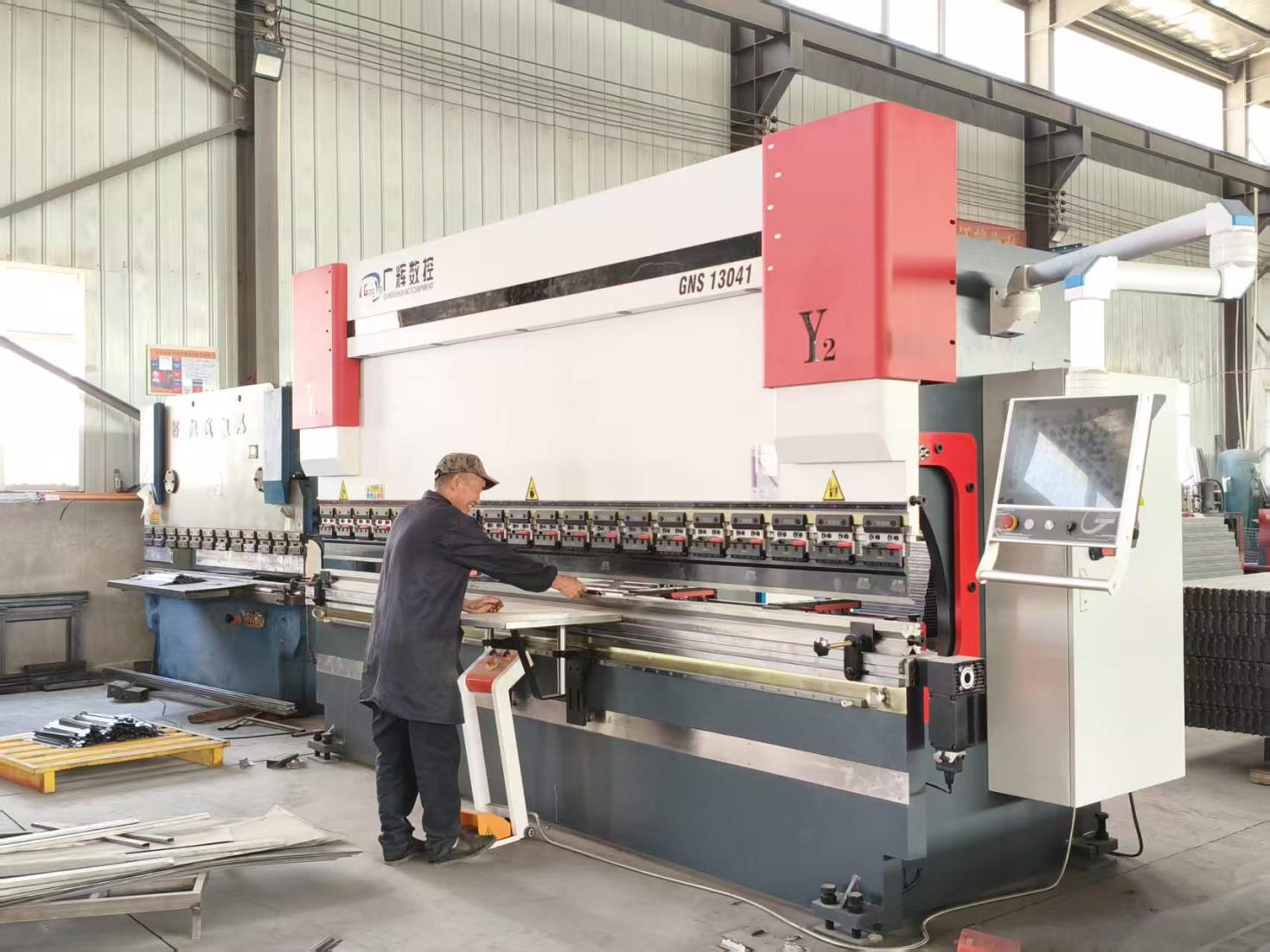
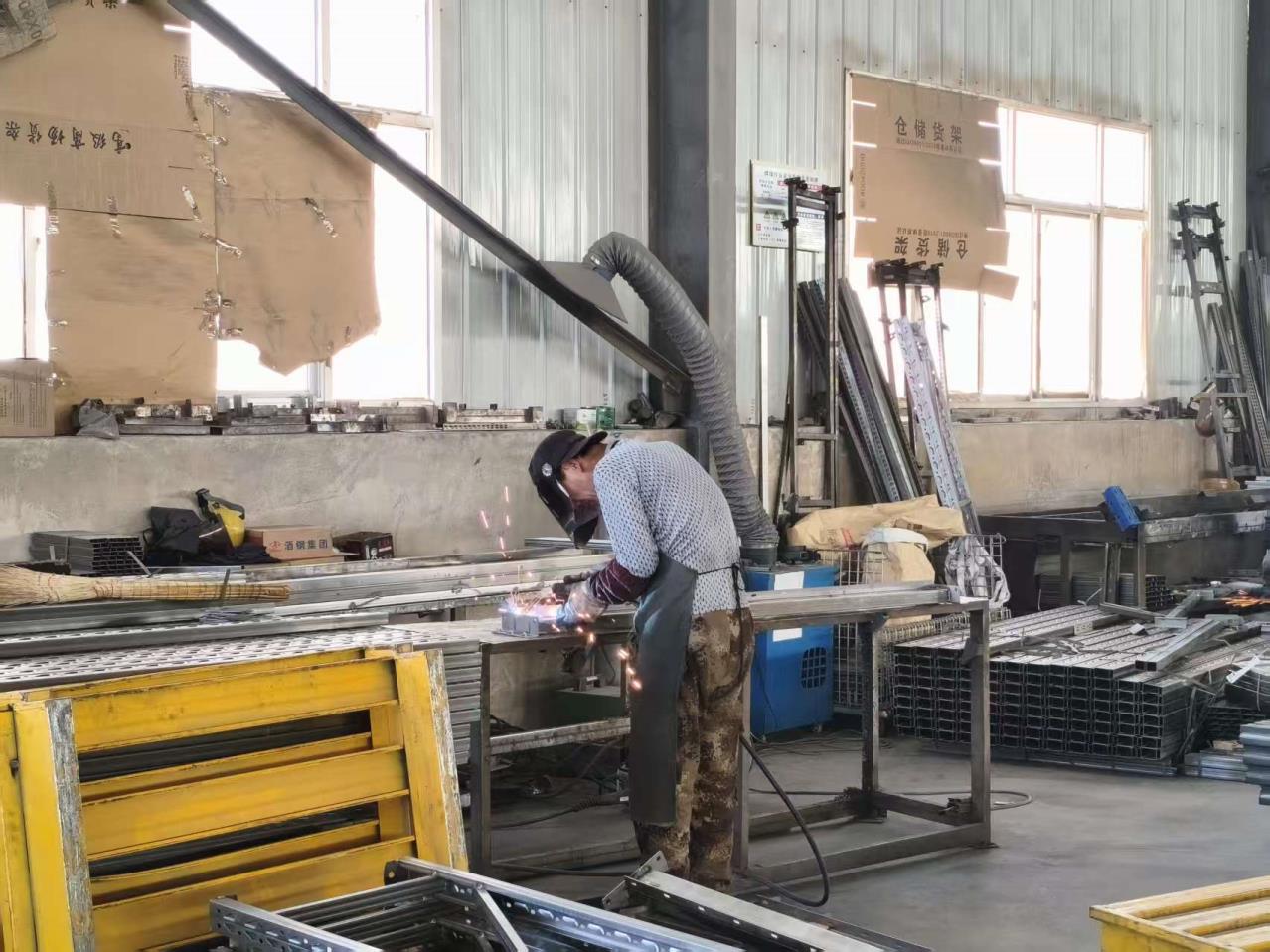
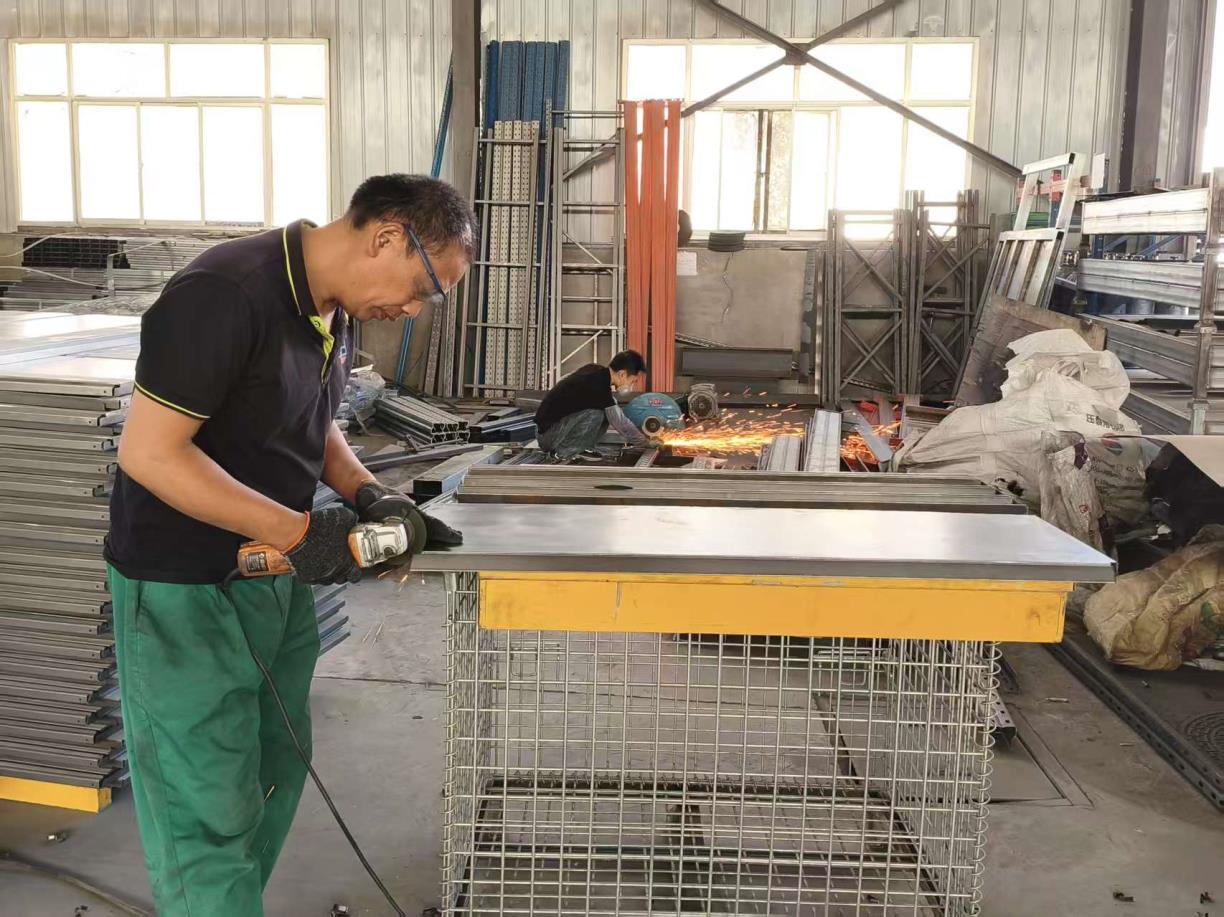
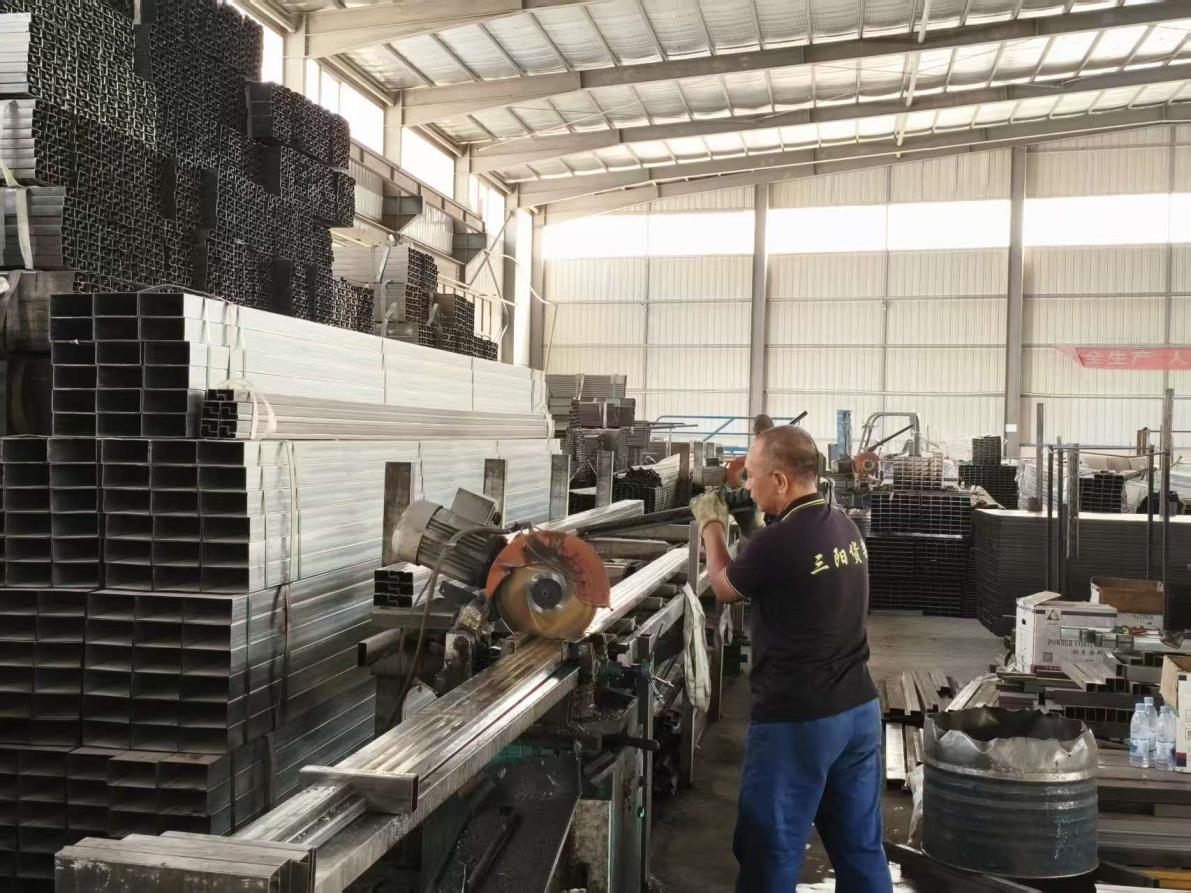
Every millimeter of our automated racking systems is designed, rolled, cut, and inspected inside our state-of-the-art facility to guarantee smooth robotic operations.
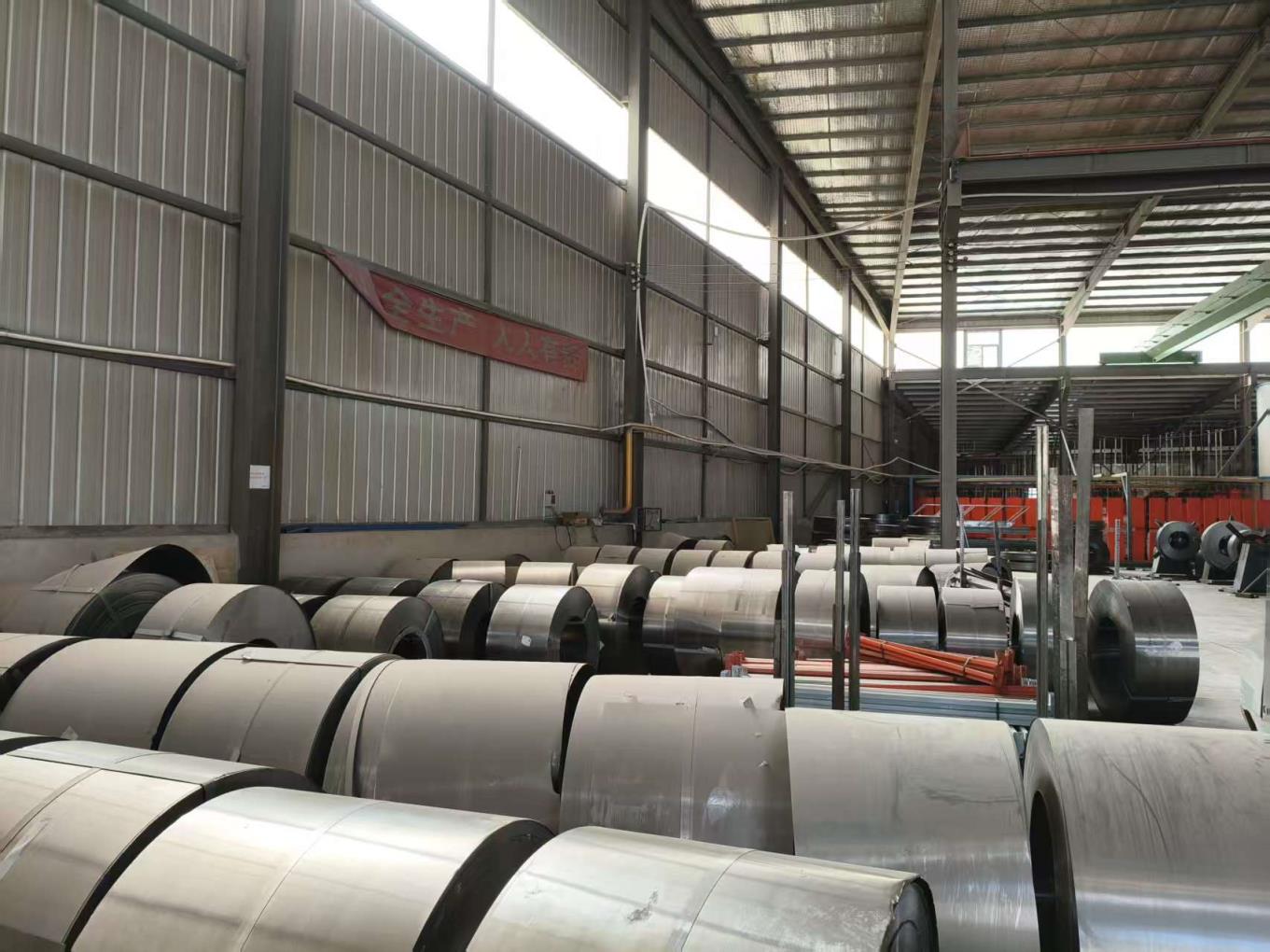
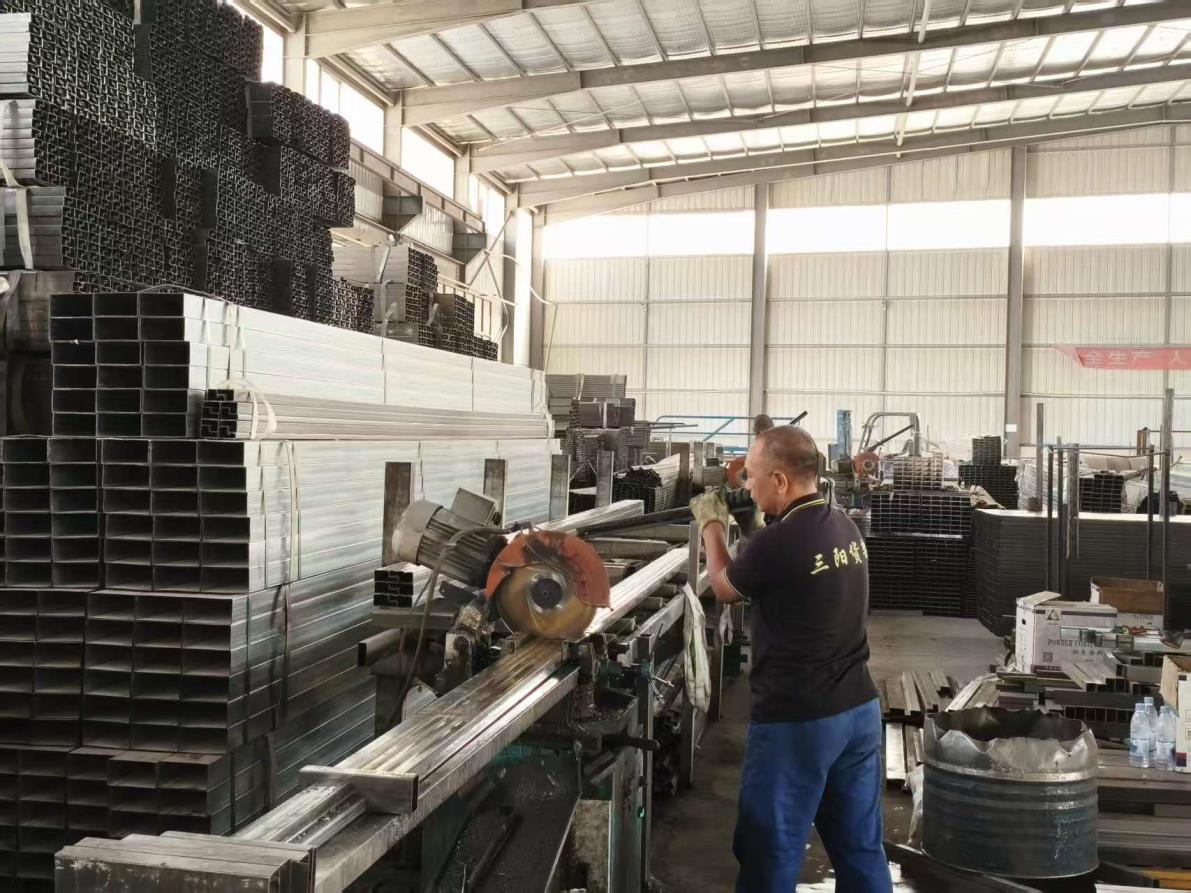
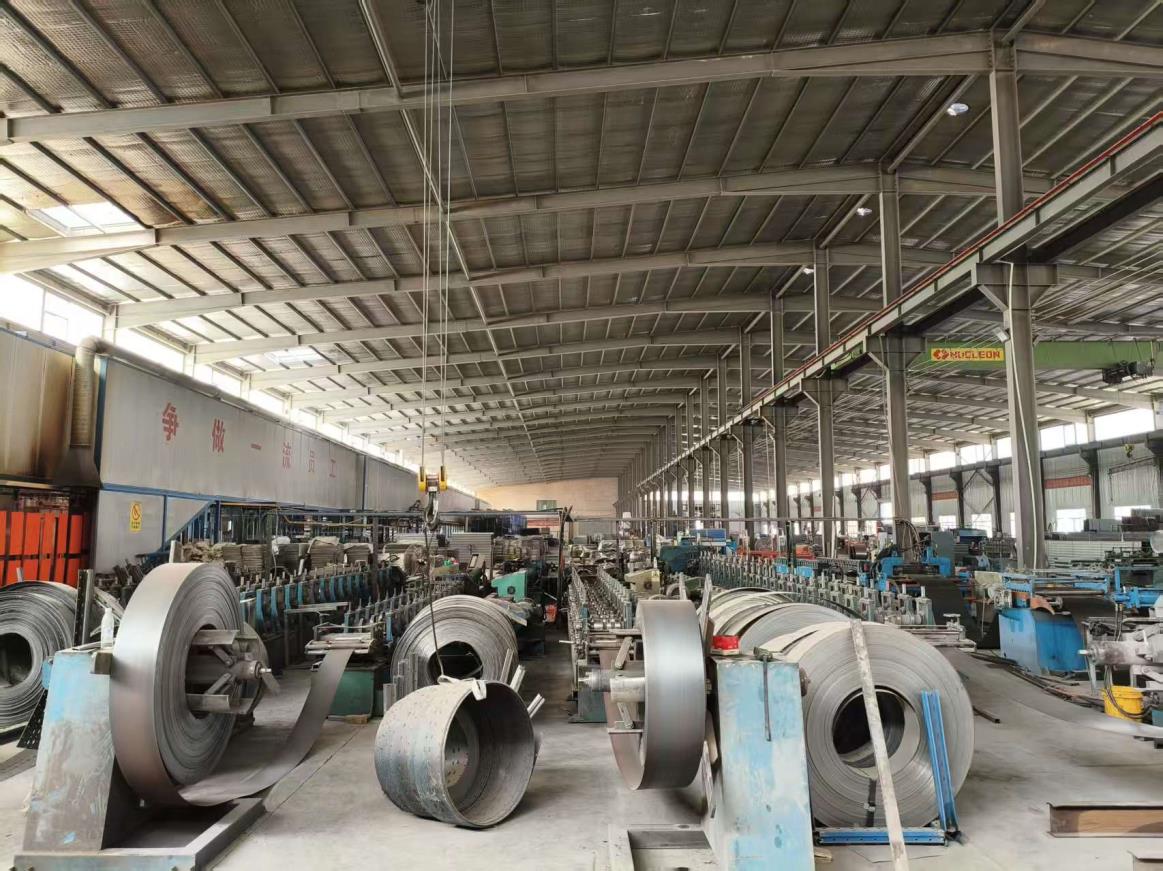
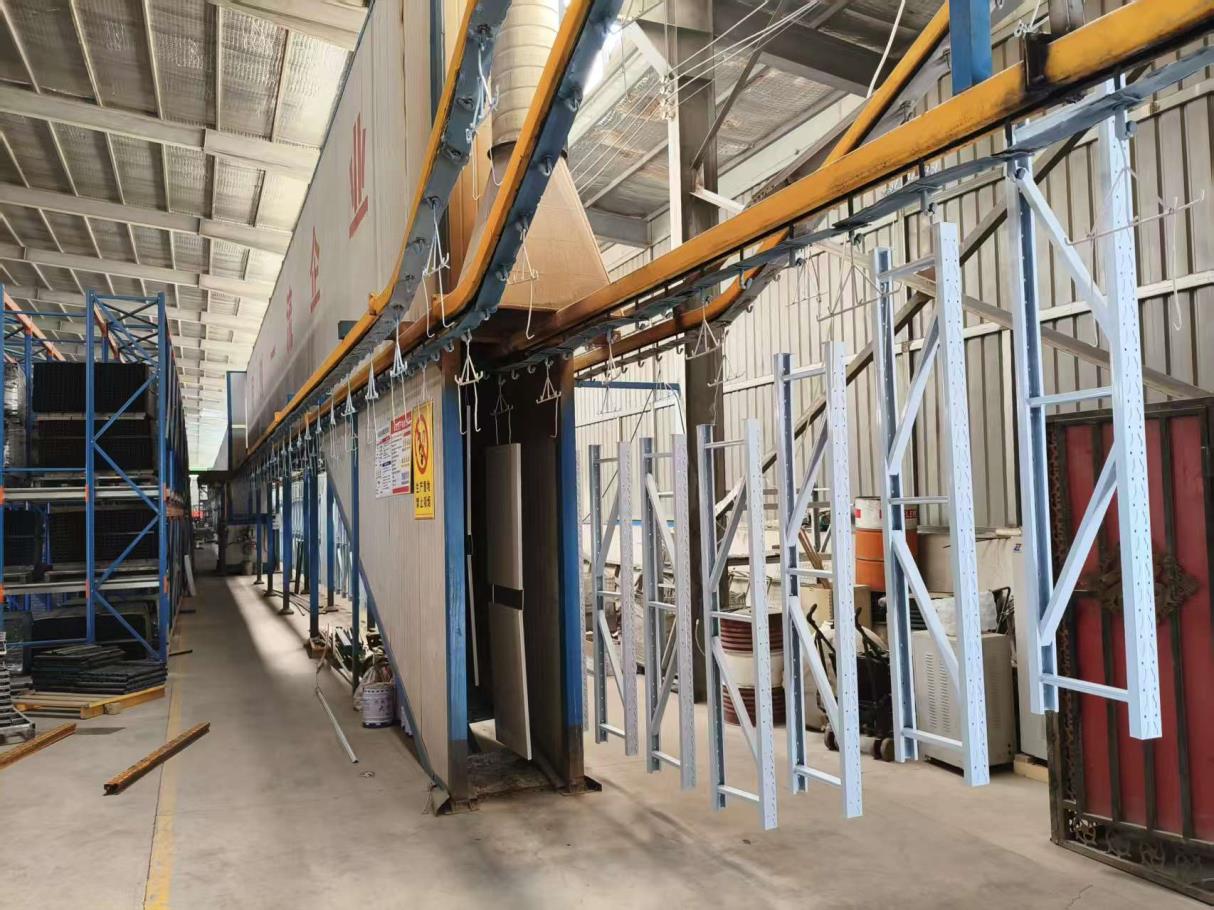
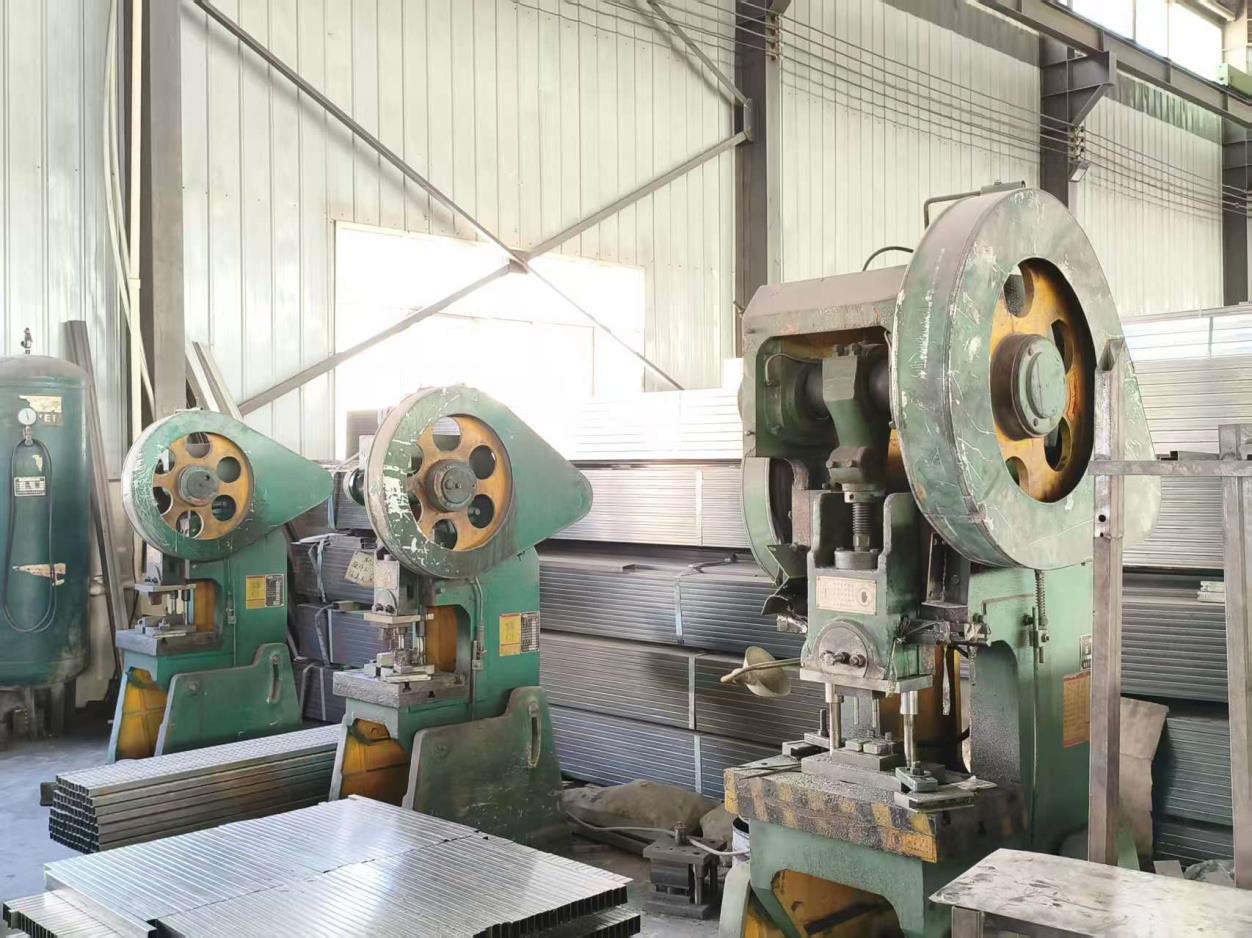
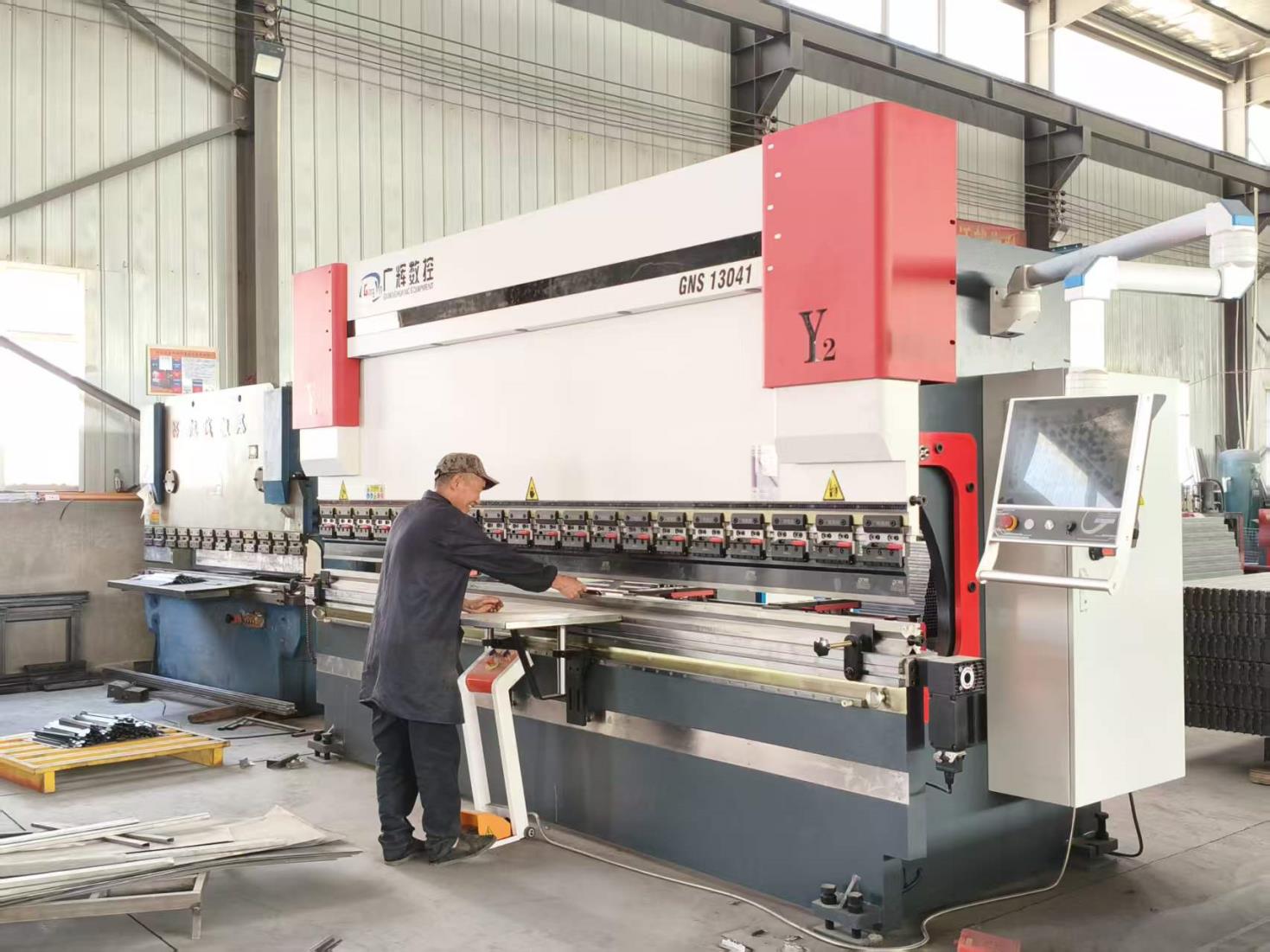
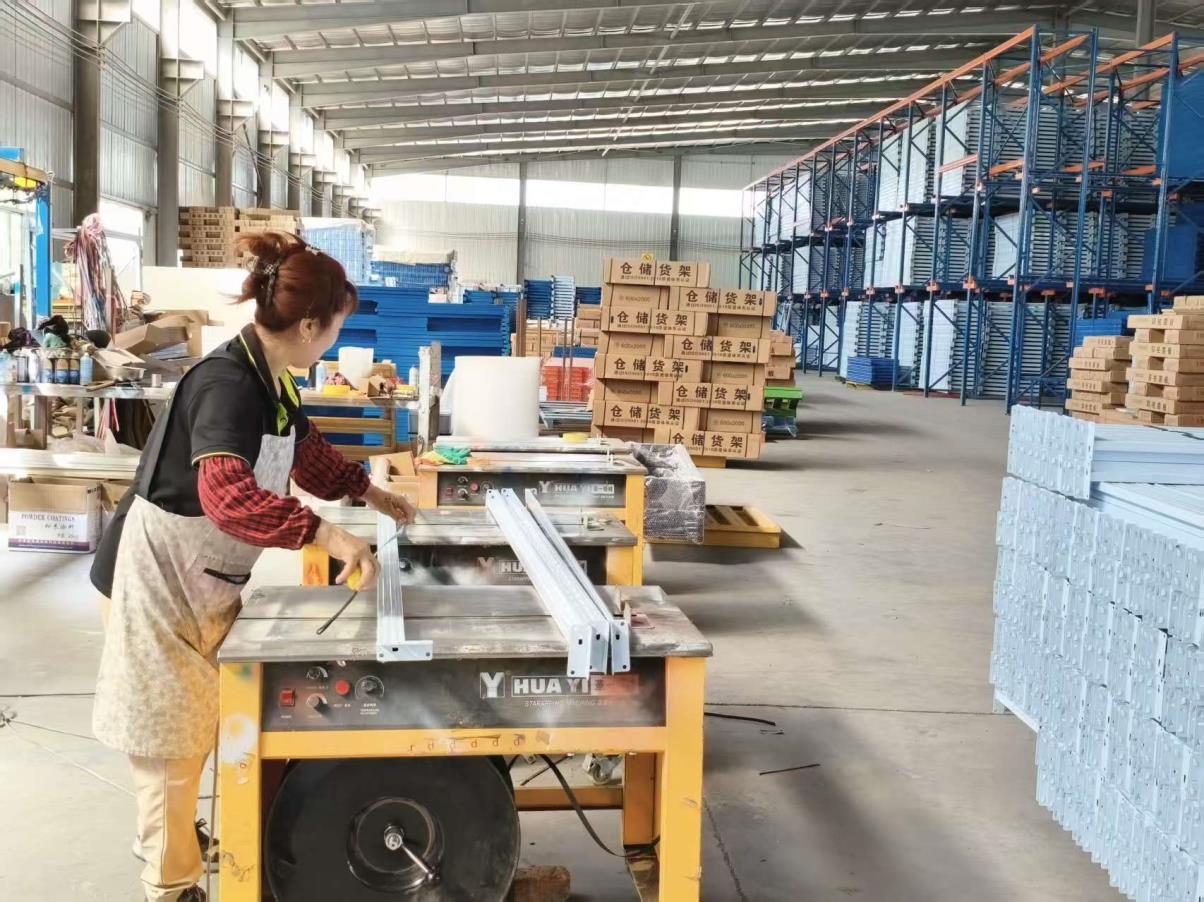
The implementation of a successful 4-Way Shuttle system hinges on engineering tolerances. Unlike conventional pallet racks where deflections of a few millimeters are acceptable, automated shuttle environments require extreme precision. A variation of even 2mm in the rail alignment can cause pathing errors or trigger safety sensors on the shuttle vehicle.
At Shenzhen Sanyang, our high-precision manufacturing line utilizes custom cold-rolling equipment to produce rails and structural uprights that meet strict international FEM standards. Our automated laser cutting and robot welding lines ensure that joint connections remain perfectly flush. The vertical lifter interface is designed to achieve seamless handoffs with the shuttles, minimizing transition times and maximizing continuous operation cycles.
By using dynamic route calculation algorithms, the system coordinates multiple shuttles on the same level. If one path becomes congested, the WCS dynamically calculates a new route for the active shuttle, optimizing warehouse efficiency.
High-density automated storage solutions cannot be treated as standard commodities; they must be engineered for the specific regulatory and seismic conditions of the installation site. In seismic zones like parts of North America and Western Europe, standard racking structures risk structural failure. Our engineers use finite element analysis (FEA) to simulate seismic accelerations, customizing the thickness of baseplates, upright profiles, and bracing systems.
Sanyang's manufacturing matches critical international safety benchmarks, including FEM 10.2.02 (European Federation of Materials Handling) and ANSI MH16.1 (Specification for the Design, Testing and Utilization of Industrial Steel Storage Racks). These certifications ensure our structures can handle static loads, dynamic stresses from accelerating shuttle fleets, and environmental factors.
Our design process involves evaluating local building codes. For installations in earthquake-prone zones, we implement specialized high-ductility frames and custom anchor bolts. These design improvements absorb energy and prevent structural deformation during seismic events, keeping automated operations and inventory safe.
To support overseas projects, Sanyang works with an extensive network of 1,200 supply chain and service partners worldwide. This cooperative network allows us to provide professional structural engineering, customs clearance support, and local installation crews. We ensure that our systems meet local safety regulations and fire prevention codes, offering smooth handovers and reliable system startups.
Warehouse automation is continually evolving, driven by innovations in sensor technology, artificial intelligence, and power systems. At Sanyang, our 18 R&D engineers work on integrating advanced technologies to prepare our clients' warehouses for future demands. Our development focus spans three core areas:
Moving from centralized traffic control to decentralized swarm logic allows shuttles to coordinate path planning directly, reducing WCS processing bottlenecks and increasing system speed.
By capturing energy during braking, our vertical lifters and shuttle units recycle power back into the grid, helping operators lower energy usage in modern cold-chain and dry facilities.
Integrated vibration and temperature sensors monitor wheel wear and motor heat. This data is analyzed to predict maintenance needs before component wear can cause unscheduled operational downtime.
By staying committed to development, Sanyang helps global enterprises deploy automated solutions that remain reliable and effective over their lifetime.
Get detailed answers on system integration, planning, customization options, and global shipping policies.
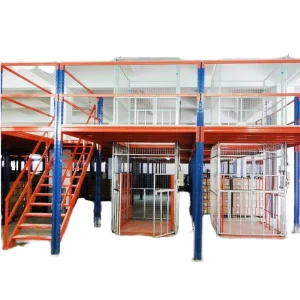
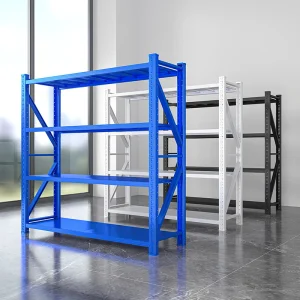
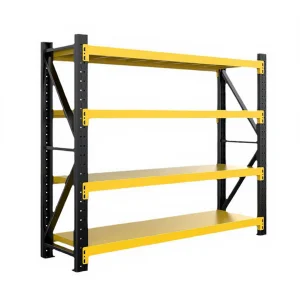
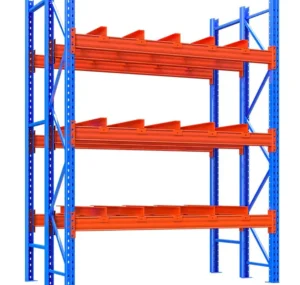
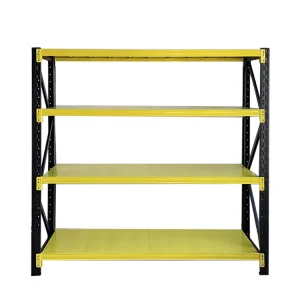
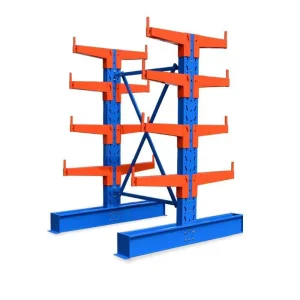
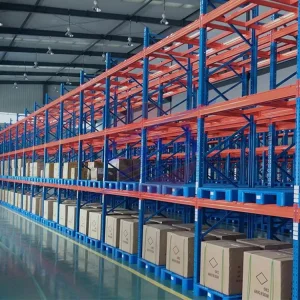
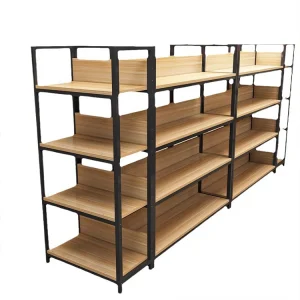
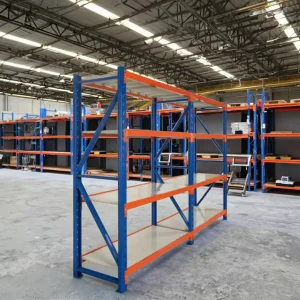
From lightweight customizable shelving to heavy-duty bolted platforms, we offer complete storage solutions for every phase of your supply chain.
 Sanyang Racking