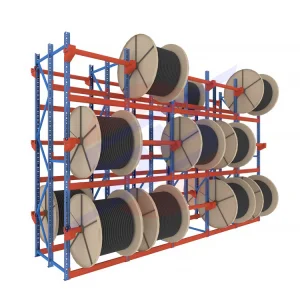
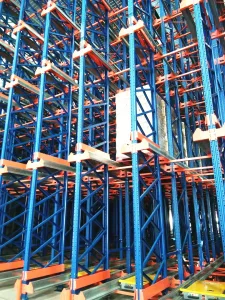
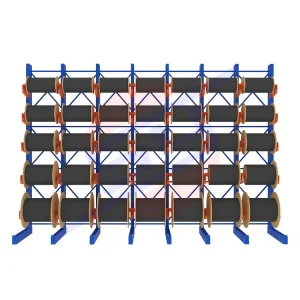
Explore our highly customized structural components engineered for heavy-duty load capacities and seismic safety compliance worldwide.
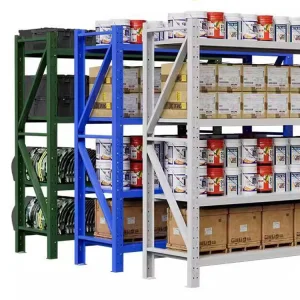
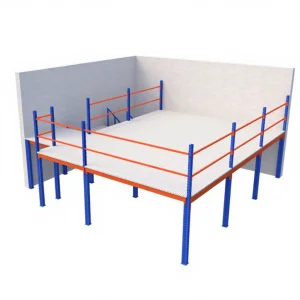

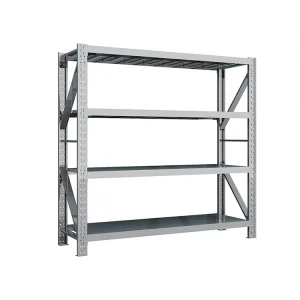
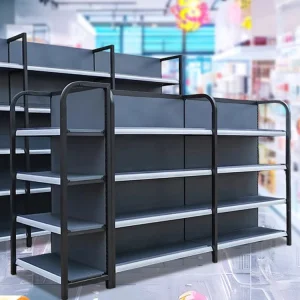
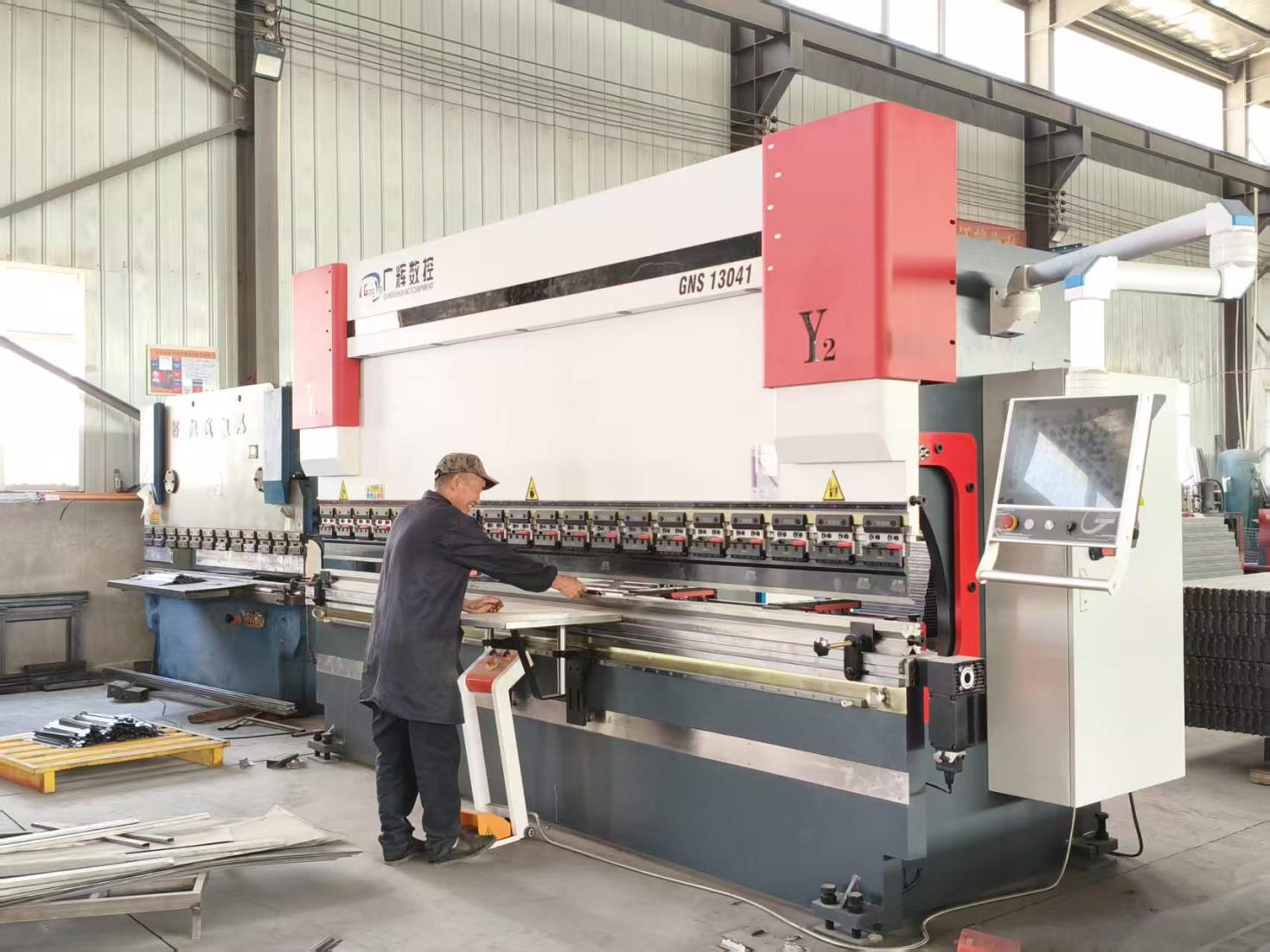
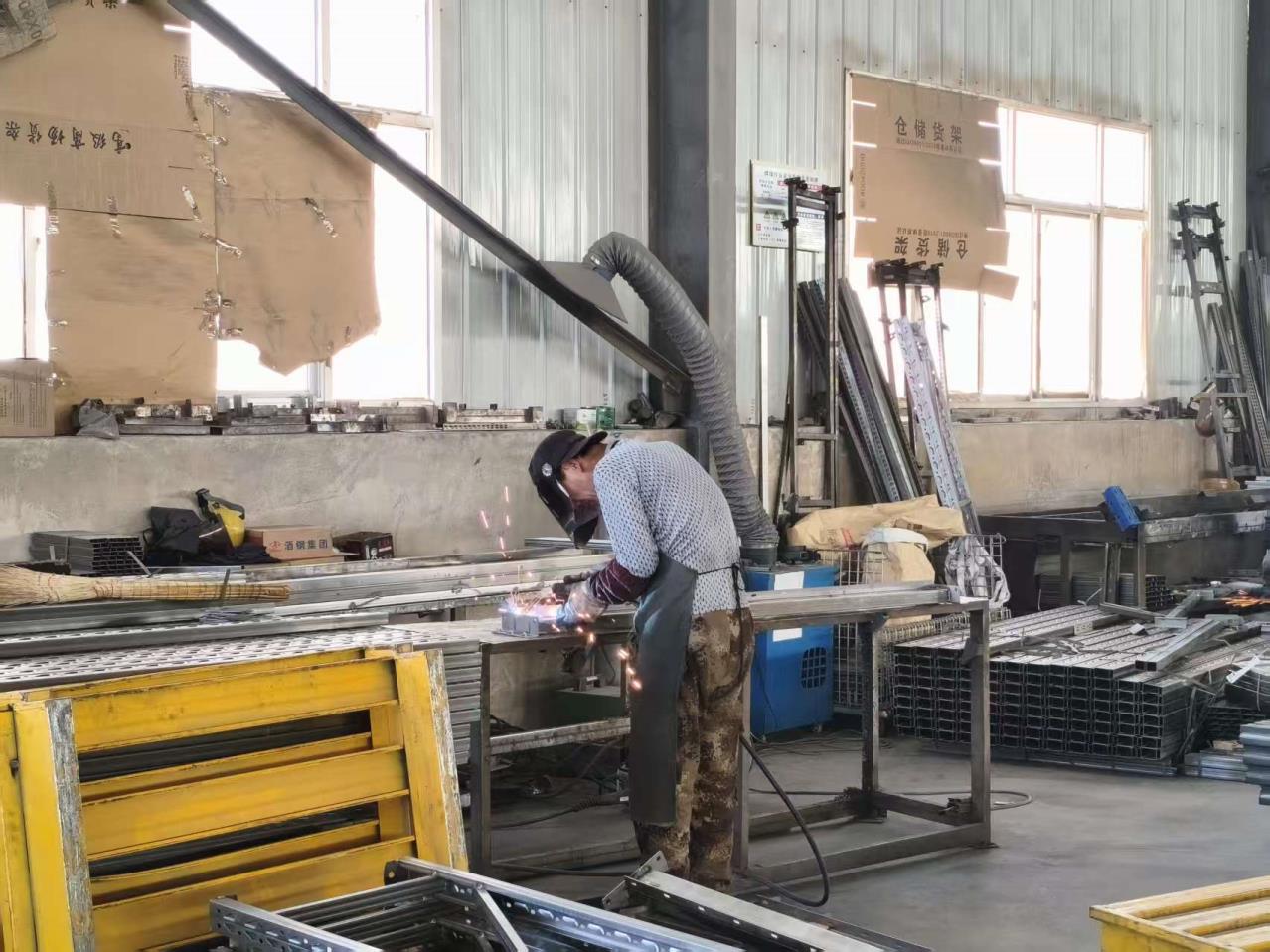
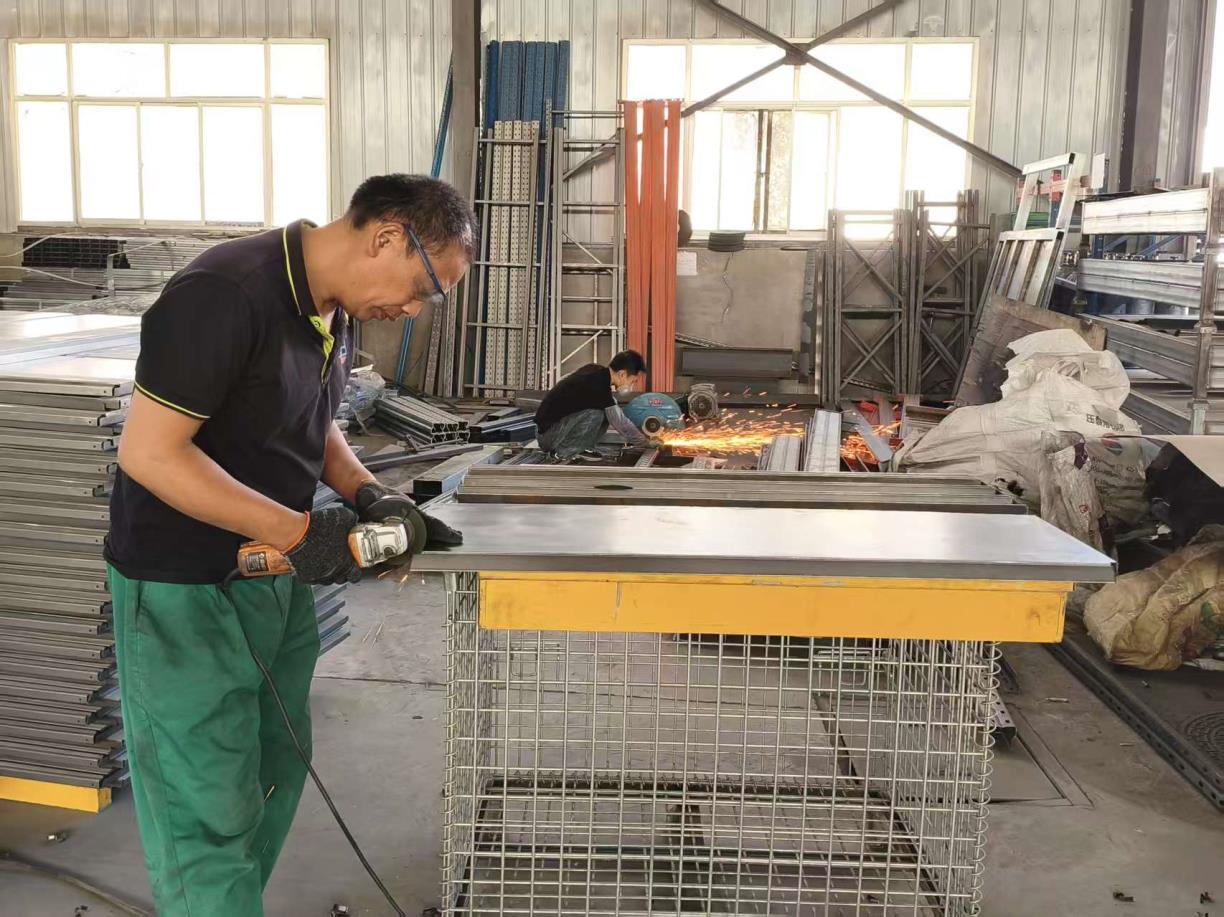
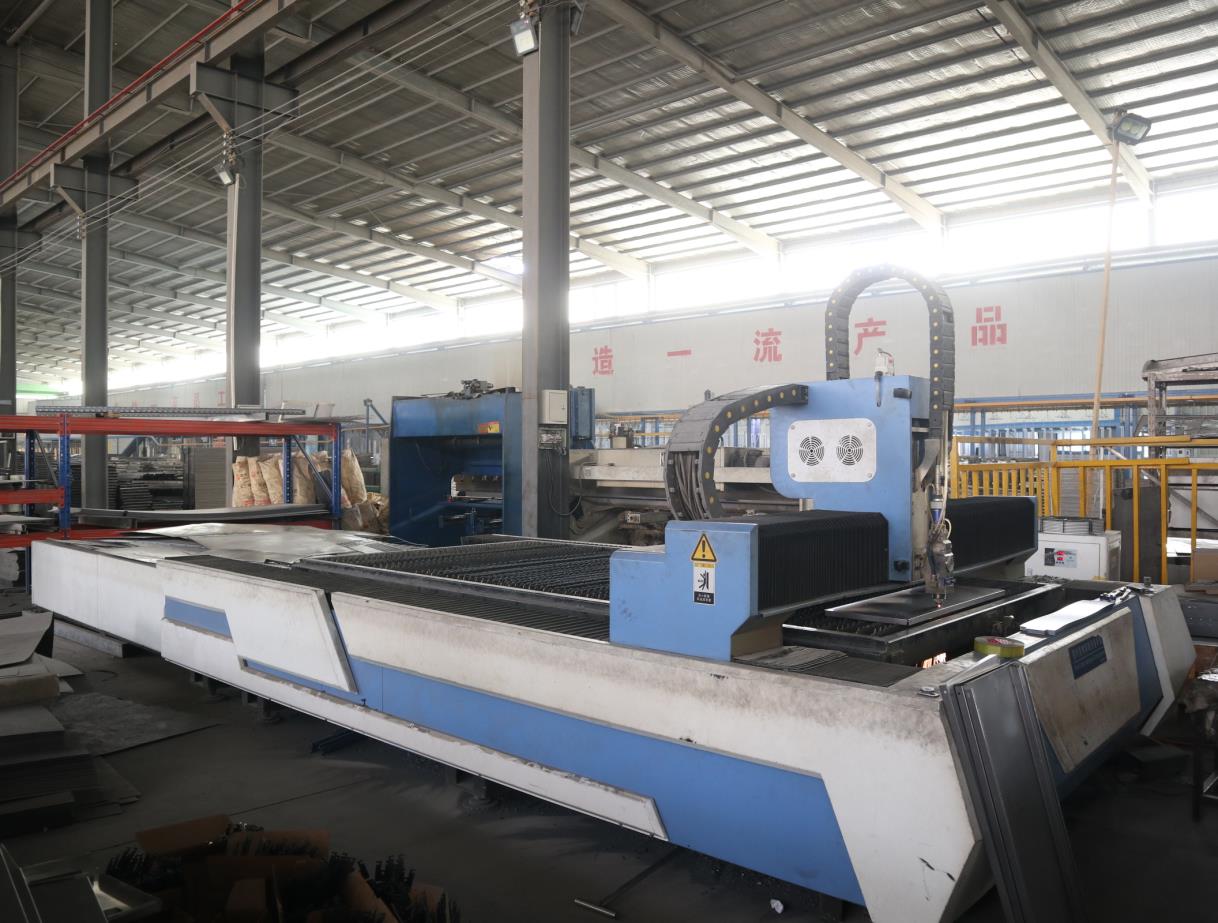
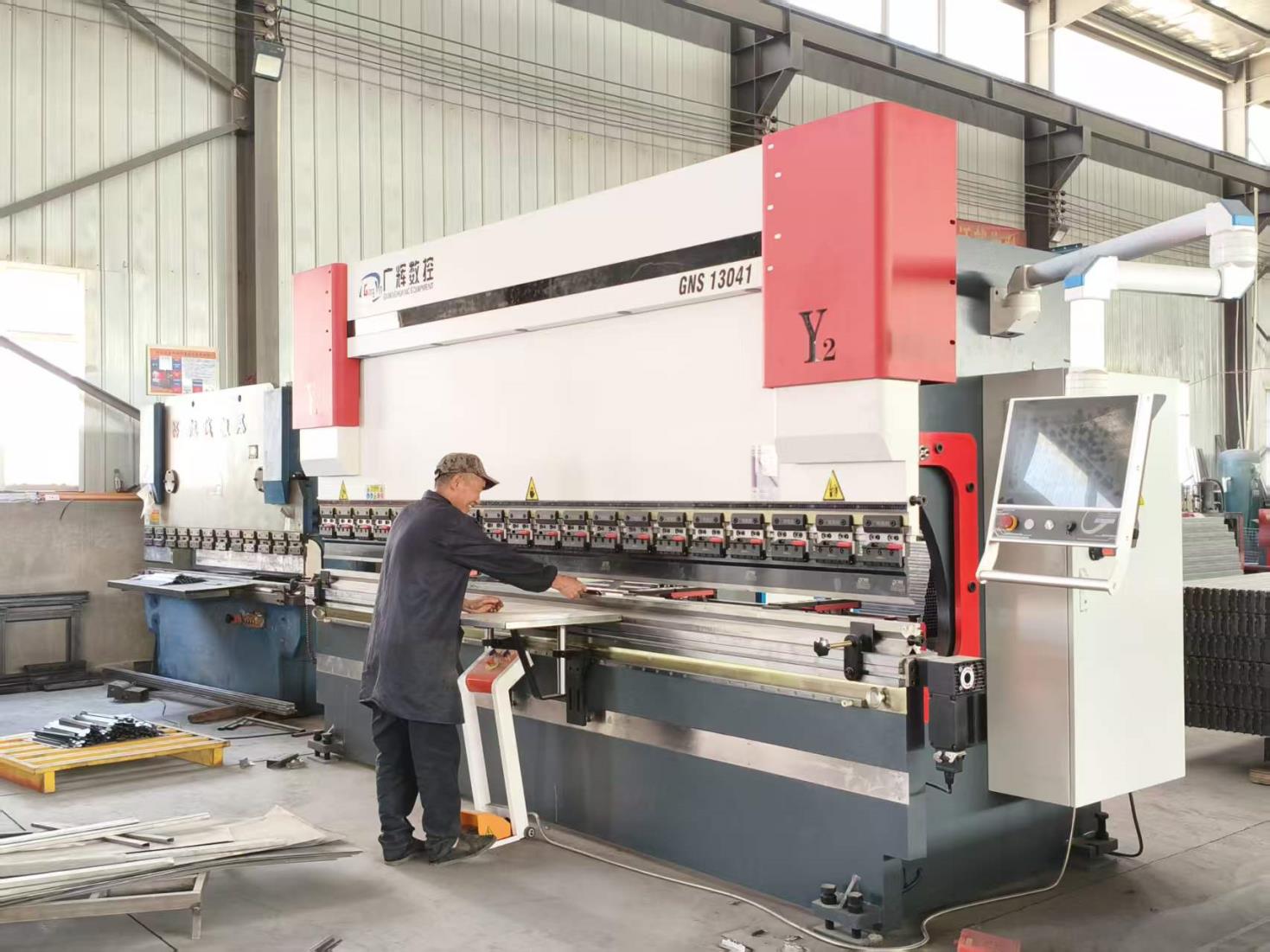
Established in 2015, Shenzhen Sanyang Storage Equipment Manufacturing Co., Ltd. is a leading manufacturer specializing in heavy-duty industrial pallet racking, warehouse shelving systems, and automated material handling solutions. Located in Shenzhen, our modern facility spans a total building area of 38,000 m², equipped with advanced automated roll-forming machines, laser cutters, and robot welding lines.
With over 12 years of industry experience and 8 years of active export experience, Sanyang has expanded its international footprint, achieving an annual export revenue of $28 million USD. Our main overseas markets cover North America, Western Europe, Southeast Asia, and the Middle East, primarily serving global logistics hubs, e-commerce fulfillment centers, third-party logistics (3PL) providers, and large manufacturing enterprises.
Quality and precision are at the core of our operations. Supported by 35 full-time QC inspectors, we implement rigorous quality assurance protocols using ultrasonic weld flaw detection, coating thickness testing, and heavy-load stress tests to ensure strict compliance with ISO9001 and international FEM/ANSI safety standards. Backed by a strong OEM/ODM background and a robust network of 1,200 supply chain partners, we offer highly customizable options—ranging from custom dimensions and load capacities to specialized powder coatings and seismic-resistant structural designs.
Innovation drives our continuous growth. Our team of 18 R&D engineers focuses on developing high-density and automated storage systems, successfully launching 65 new products last year alone. Sanyang remains dedicated to providing safe, space-saving, and cost-effective storage solutions for our global clientele.
Drive-In storage is the standard-bearer for high-density pallet storage systems. Operating under a LIFO (Last-In, First-Out) material flow paradigm, it eliminates traditional access aisles, permitting forklifts to enter the racking structure to place or retrieve pallets directly. This system effectively increases warehouse utilization capacity by up to 75% compared to standard selective pallet racking.
| Racking Component | Structural Specification Options | Standard Steel Grade | Surface Treatment Method | |
|---|---|---|---|---|
| Upright Frames | 80x60mm, 90x70mm, 100x70mm, 120x95mm (thickness 1.8mm - 3.0mm) | Q235B / Q345B High-Tensile Steel | Electrostatic Powder Coated / Galvanized | |
| Support Rails | Corrugation-formed 50x50x2.0mm to 100x50x2.5mm 'C' or 'Ω' profiles | Q235B High-Quality Coil Steel | Epoxy Polyester Powder Spraying (60-80μm) | |
| Cantilever Arms | Single-sided and Double-sided structural bracket arms | Formed Structural Steel | Robotically welded, Powder Coated | |
| Top/Back Bracing | Angle or circular tube cross-bracing matrix | Q235B Structural Grade Steel | Corrosion-resistant epoxy coated | |
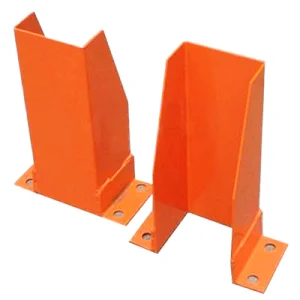
| Safety Protectors | Ground-mounted guide rails & heavy-duty upright column guards | 5.0mm thick structural steel plates | High-visibility Industrial Yellow Coated |
Since drive-in racking is devoid of traditional horizontal beams across lanes, stability is achieved through structural vertical and top horizontal portal bracing. In designing these systems, our engineering department calculates critical loads based on structural sway, seismic movements, and potential impact forces from forklift guidance errors. Guide rails are highly recommended to align forklift movement and reduce collision risks to structural uprights.
Drive-in systems operate exceptionally well when storing large quantities of homogeneous goods with long shelf lives or single batch code runs. By concentrating pallets into compact deep lanes (ranging from 5 to 15 pallets deep, and up to 5 tiers high), energy expenditures in temperature-controlled cold storage facilities are drastically reduced, as there is less air volume to actively cool.
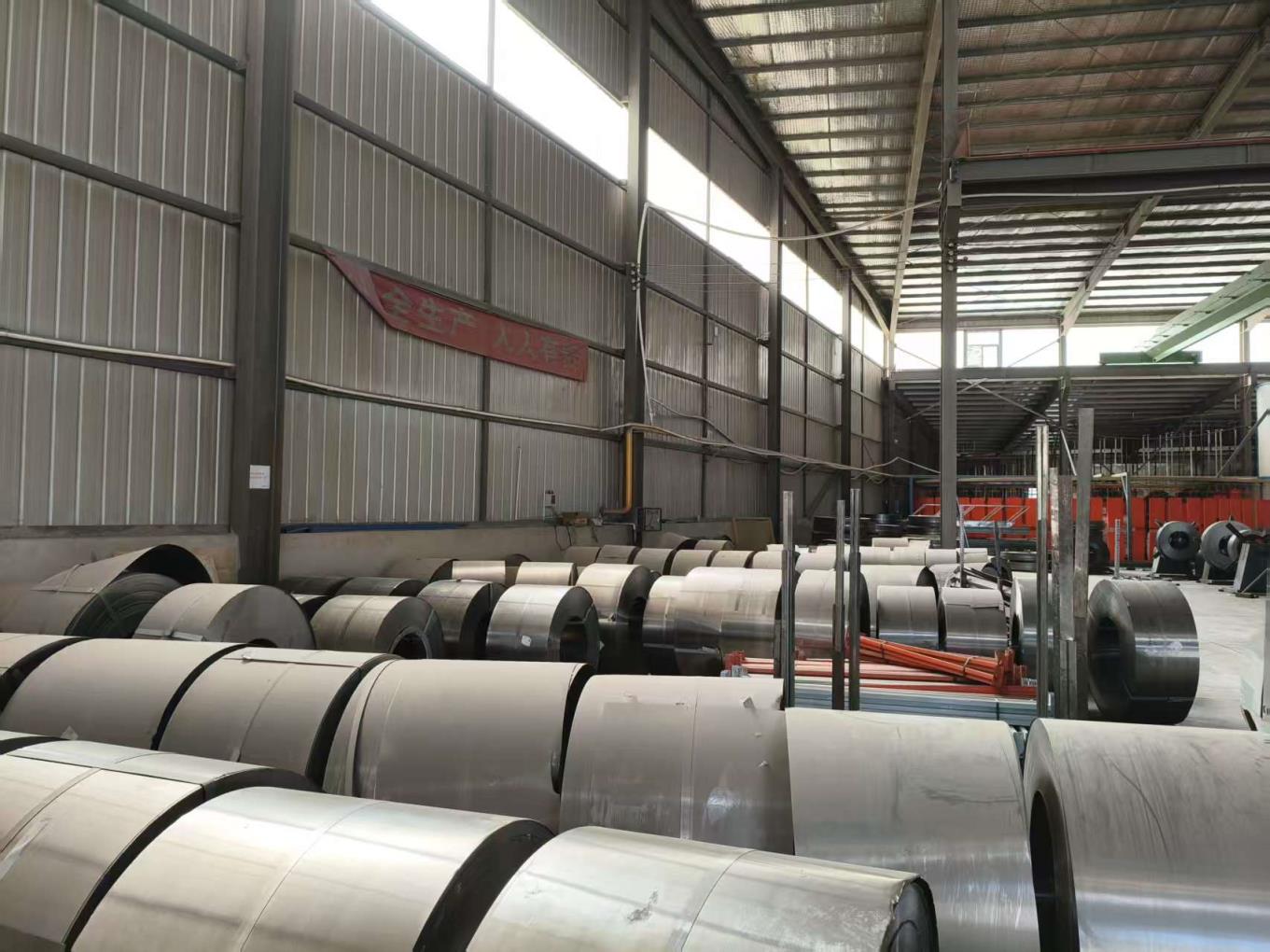
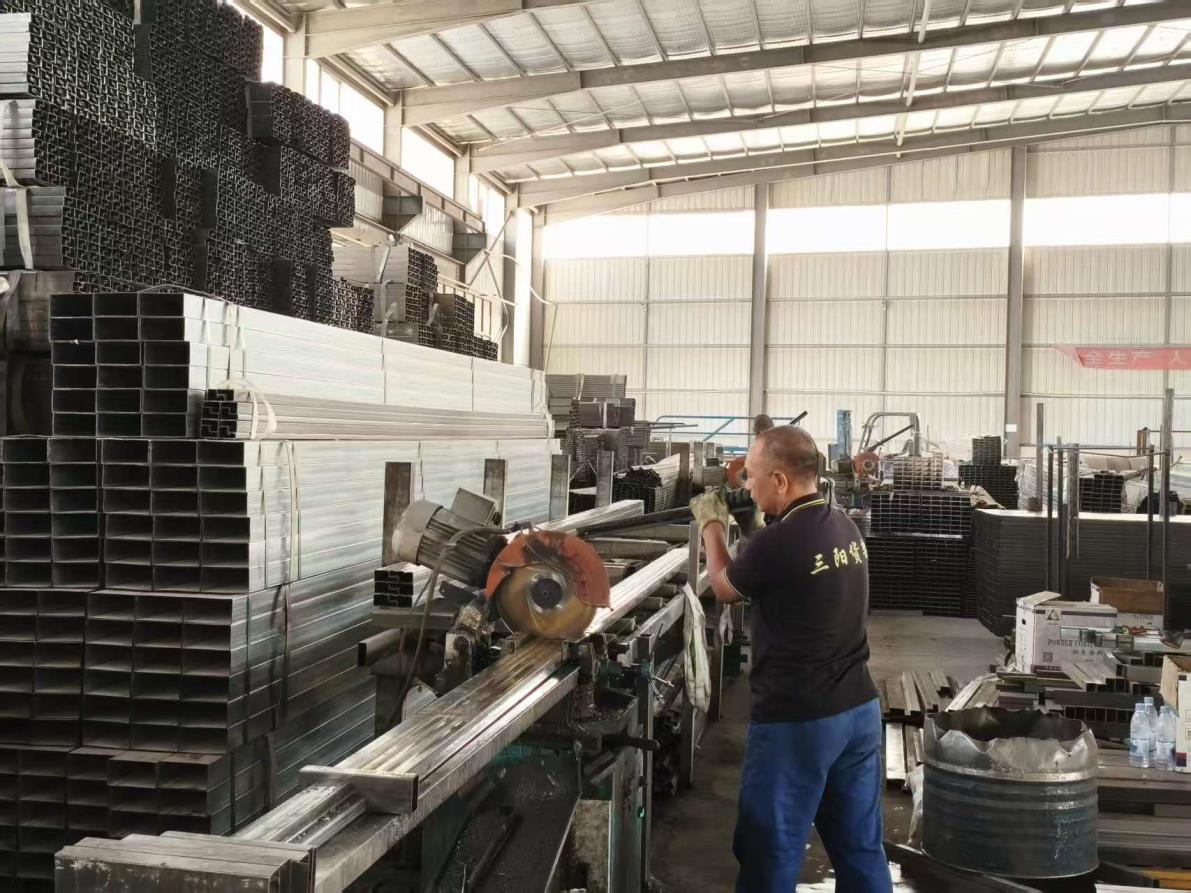
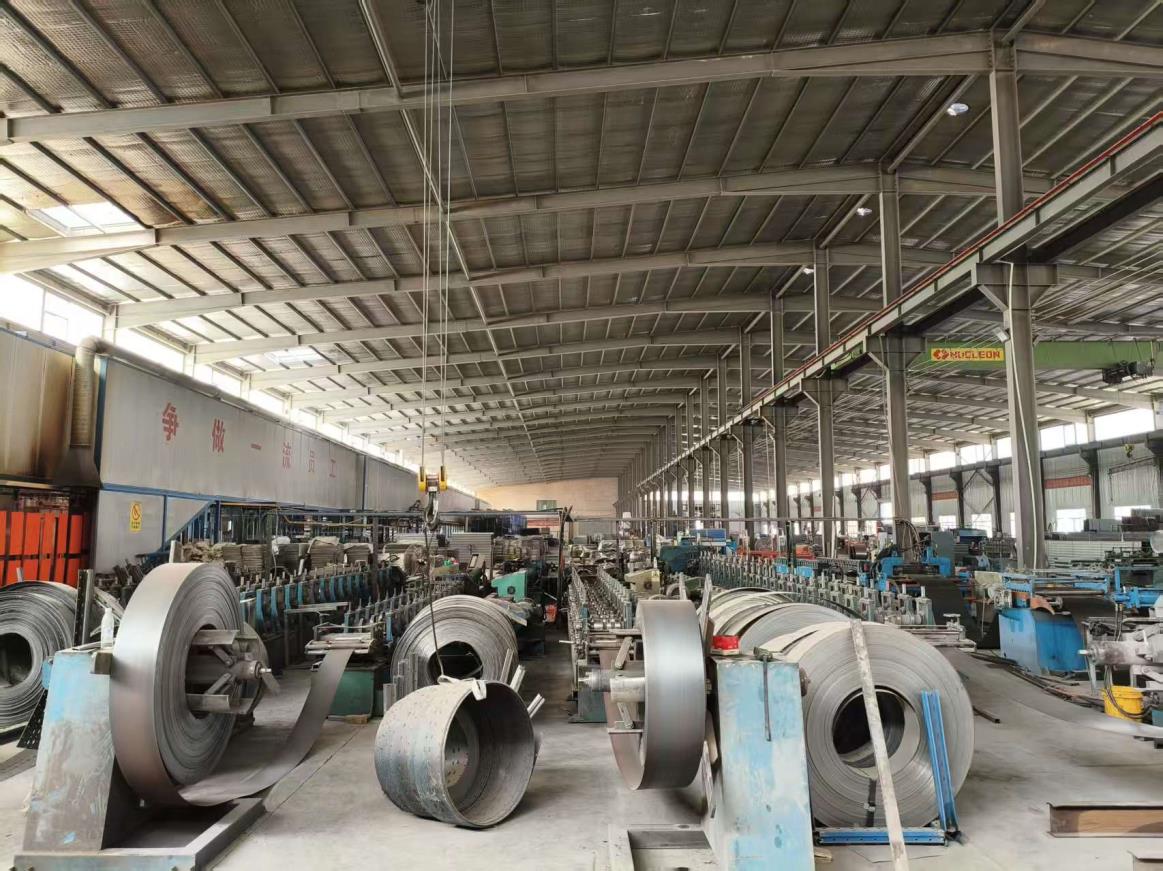
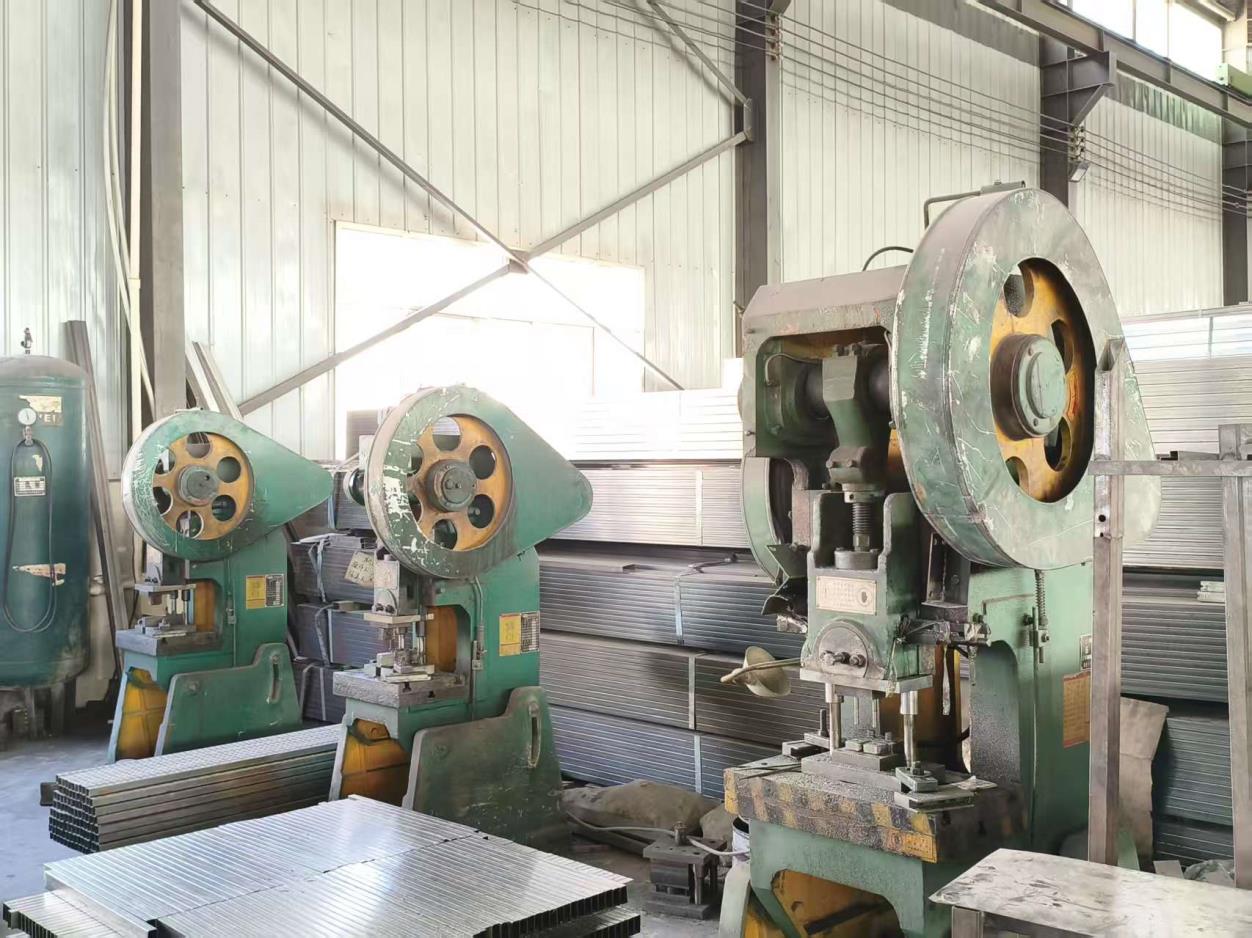
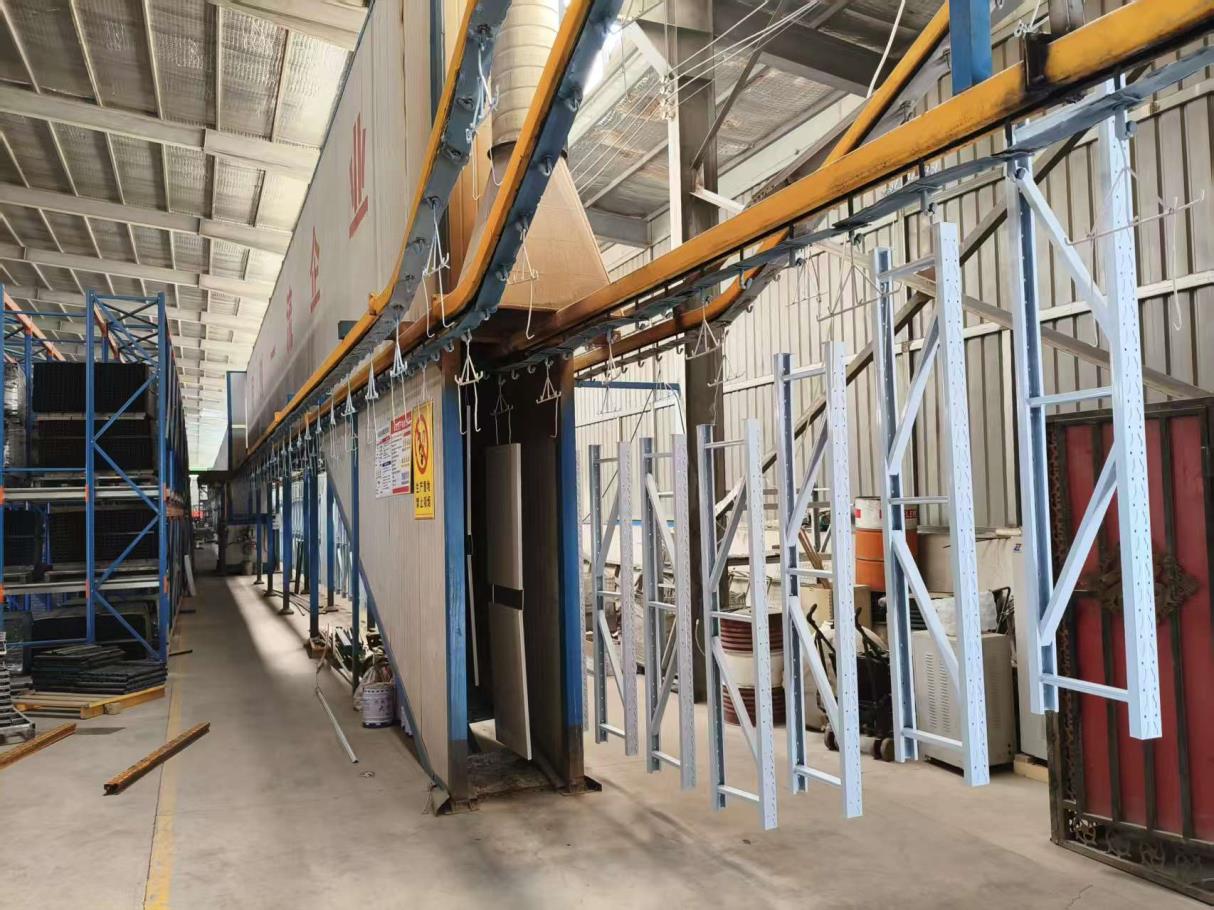
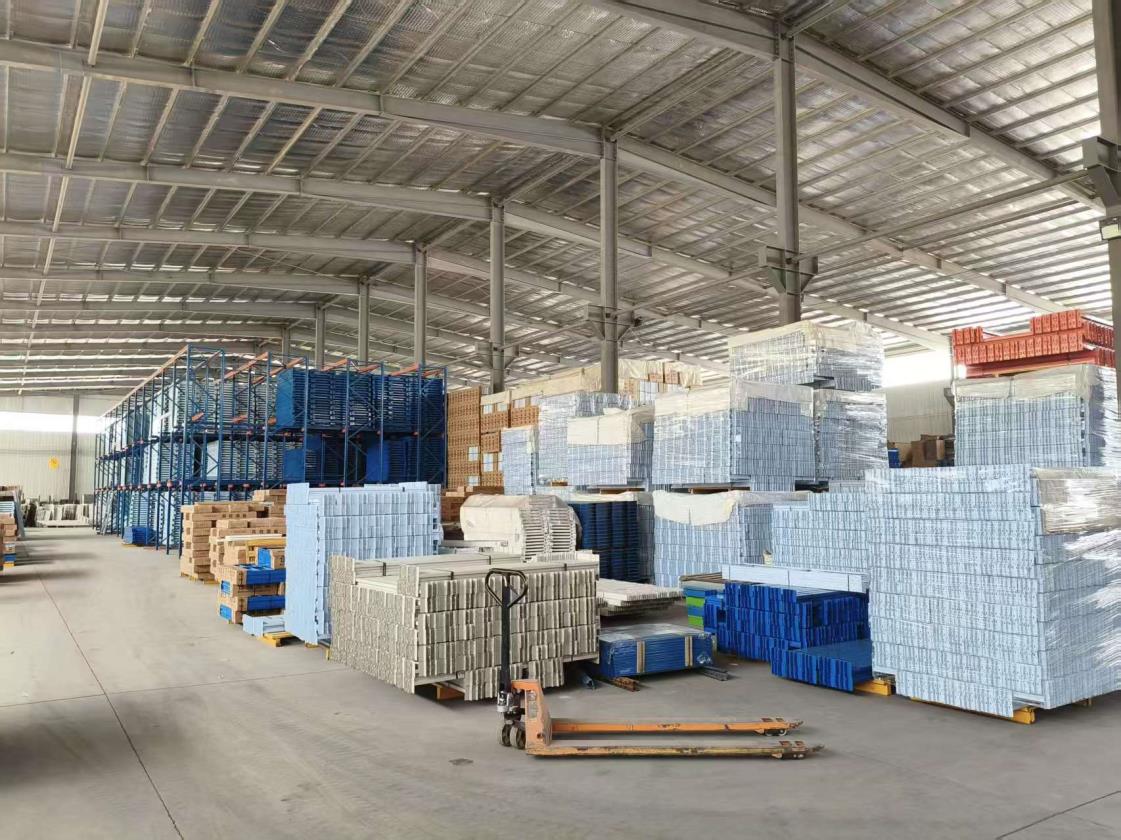
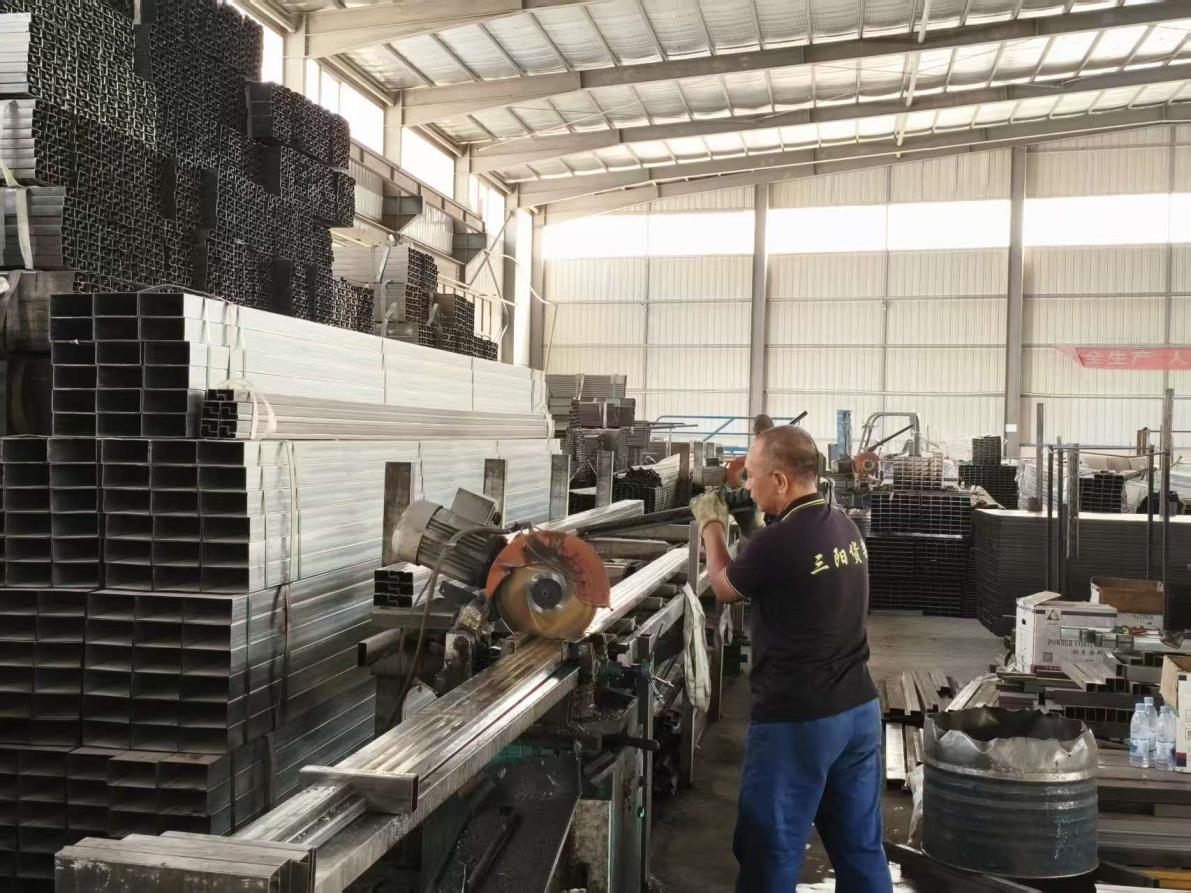
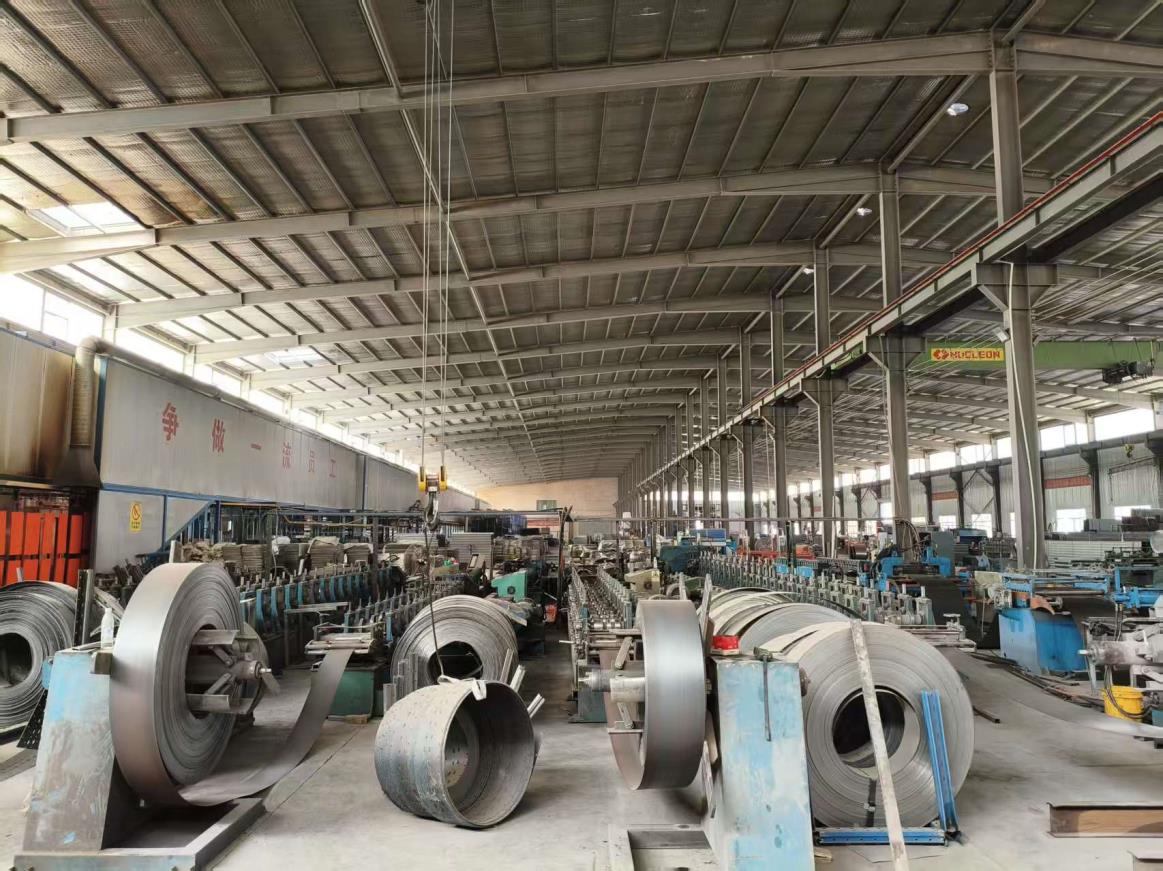
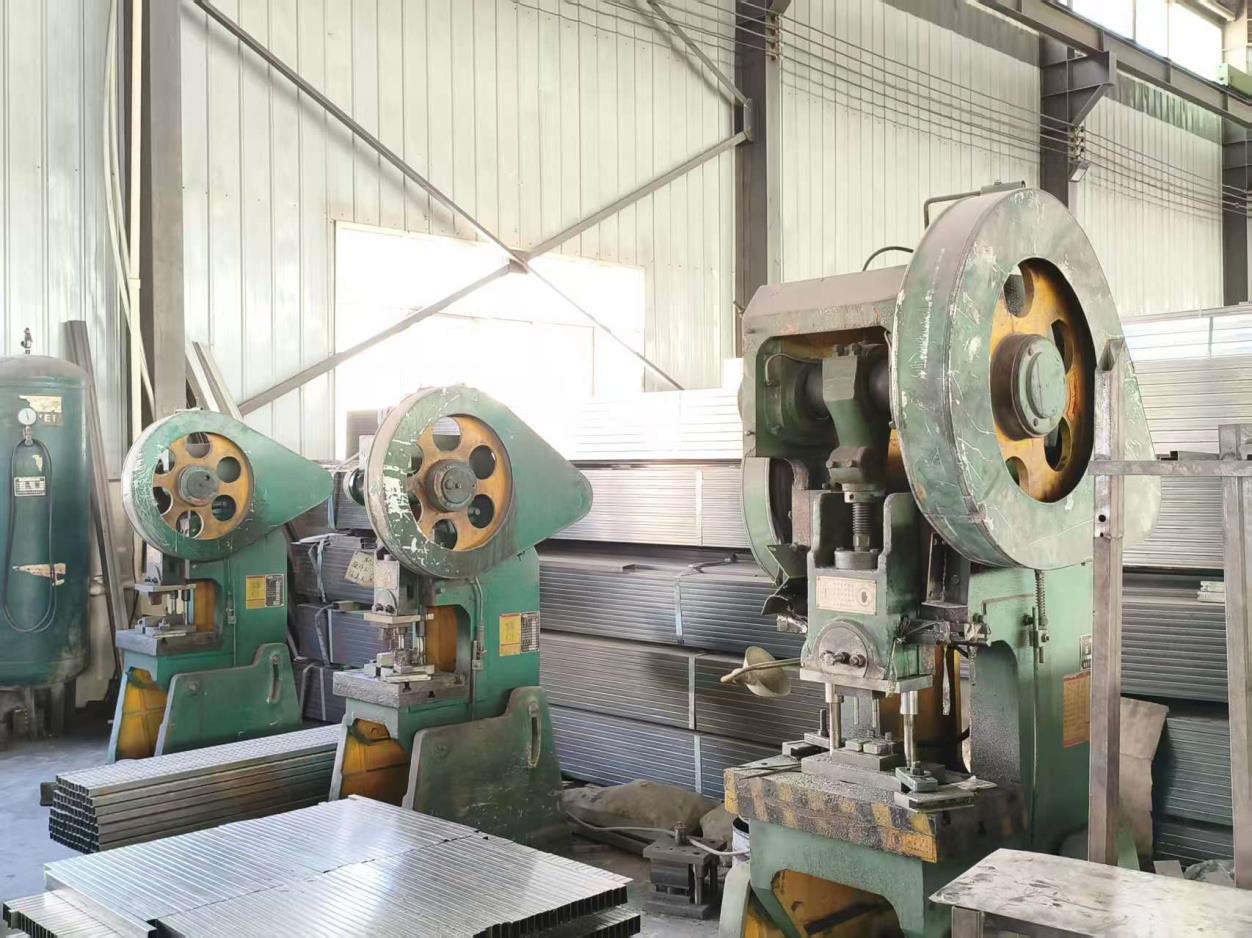
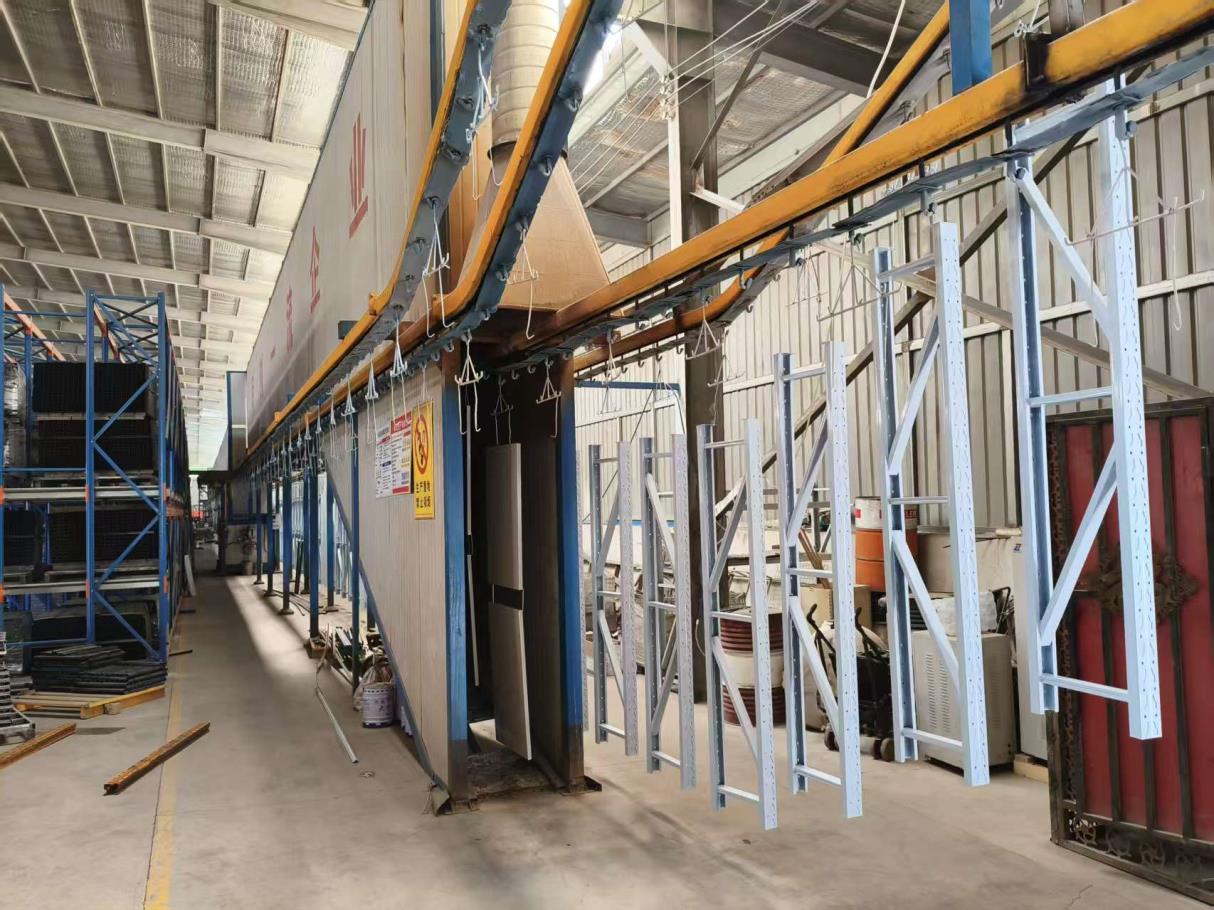
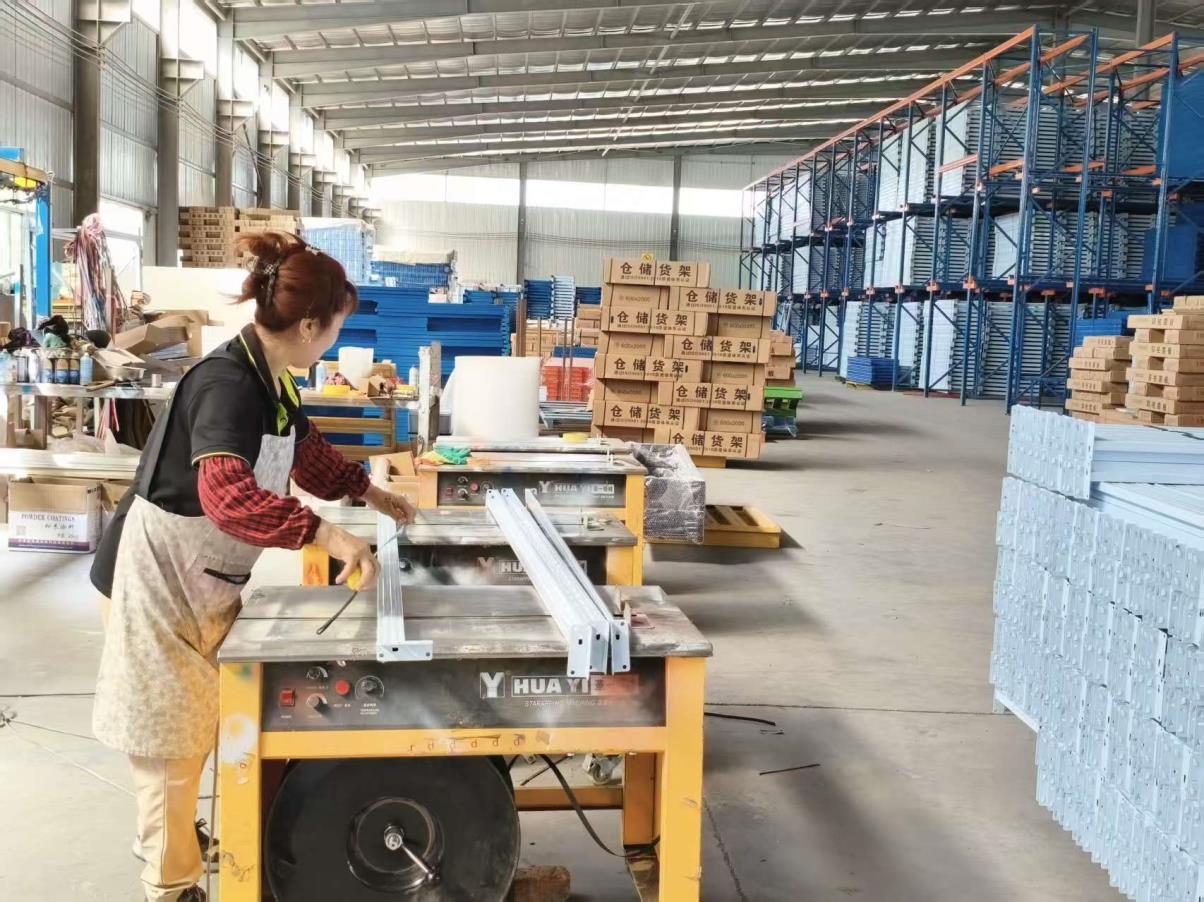
Our manufacturing facility leverages vertical integration, from purchasing cold-rolled structural coils from premier steel mills to final powder coating curing stages. Below is a comprehensive look into our manufacturing operations and technological capabilities.
High-density drive-in storage serves as a crucial infrastructure choice across specific operating environments. Below is how Sanyang adapts design layouts to match regional operational dynamics:
Operational real estate within temperature-controlled warehouses is incredibly expensive to construct and maintain. In cold chain facilities, space optimization translates directly to energy conservation. Our drive-in systems are widely configured in North America and Western Europe to minimize structural open spaces, concentrating thermal mass to achieve a reduction in refrigeration cooling loss of up to 35%.
FMCG supply chains deal with massive volumes of product lines with identical SKU values. A drive-in configuration allows warehouses to allocate entire deep lanes to specific production runs. This aligns perfectly with high-volume, uniform shipping practices typical in beverage bottling works and food processing logistics hubs.
Manufacturing plants in regions like Southeast Asia and the Middle East require raw material consolidation centers to supply production lines. By storing raw steel sheets, chemical barrels, and heavy parts within drive-in bays, factories secure high volume storage in close proximity to assembly lines without requiring sprawling warehousing expansions.
With cross-border e-commerce demanding rapid processing of shipping containers, 3PL providers utilize drive-in racking to stack palletized export loads awaiting customs clearance. LIFO logistics structures enable straightforward bulk loading of outbound logistics trucks, maximizing shipping turnaround times.
The storage rack industry is evolving beyond basic static steel assemblies. Sanyang is actively leading the technical roadmap to merge static racking with automated logistics technology:
Standard drive-in systems rely on forklift operators driving deep inside steel structures, introducing safety hazards. Sanyang's technical roadmap provides a transition path: modifying existing drive-in rails to host semi-automated Radio Shuttle carts. These wireless shuttles transport pallets within the lanes, allowing forklift operators to work safely at the aisle interface.
We are designing cold-formed profiles using specialized high-strength steel grades like Q355D and Q420. These formulations exhibit higher yield strengths, allowing for thinner yet structurally superior upright columns. This translates to reduced dead loads, lowering global logistics shipping costs while maximizing active load capabilities in earthquake-prone regions.
Through ongoing research, Sanyang is testing micro-sensor technology embedded inside critical upright columns. These strain gauges monitor real-time compression and deflection changes. In the event of a forklift collision, sensors broadcast immediate alerts via regional IoT networks to prompt maintenance checks and protect warehouse personnel.
To align with global environmental mandates, we are phasing in bio-based, zero-VOC powder coatings. Our curing lines utilize high-efficiency infrared systems, reducing carbon outputs by 20% throughout the painting process without sacrificing salt-spray rust protection and abrasion resistance.
Safety is paramount in structural engineering. Shenzhen Sanyang manufactures racking structures complying with the following global standards:
Our 35 full-time QC inspectors carry out material assessments on every production batch. We utilize ultrasonic testing to confirm weld penetrations, electromagnetic gauges to measure coating consistency, and hydraulic press rigs to verify structural integrity. Every batch includes full chemical and physical test reports detailing compliance with FEM 10.2.02 (European Racking Code) and RMI MH16.1 (Specification for Industrial Steel Storage Racks).
To streamline global deployments, Sanyang works with certified installation partners across North America, Europe, and Australia. We supply comprehensive structural drawings, 3D animations, and real-time support from our engineering department. This ensures that every racking project is built correctly, remains compliant with regional safety codes, and qualifies for local operating certification.
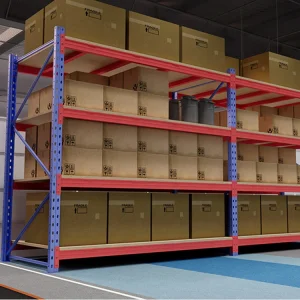
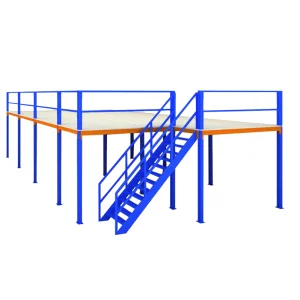
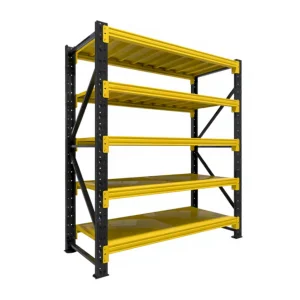
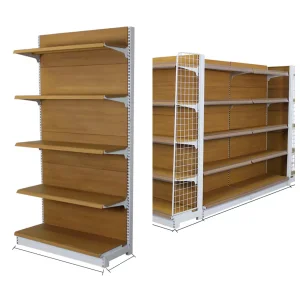
Explore our complete range of logistics hardware, from heavy-duty industrial shelving to automated mezzanine platforms designed for modern supply chains.
 Sanyang Racking