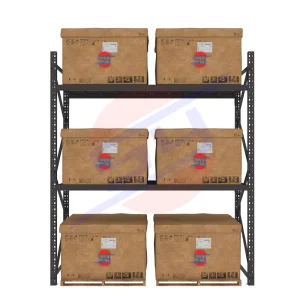
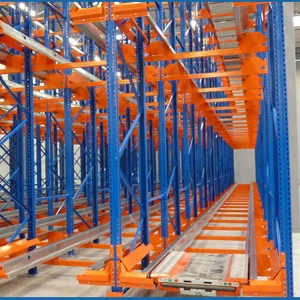
Explore our engineering-grade heavy duty warehouse solutions, designed for high-density dynamic storage, logistics hubs, and robust space optimization.
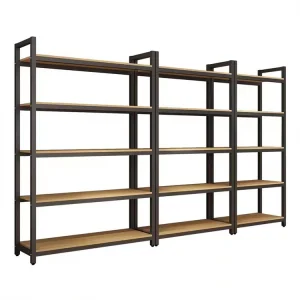
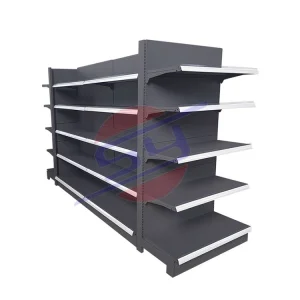
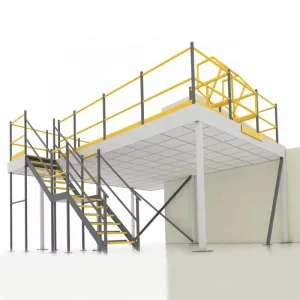
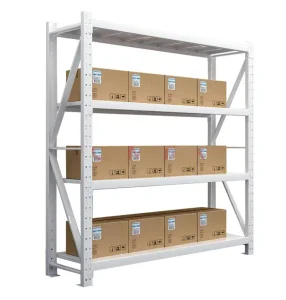
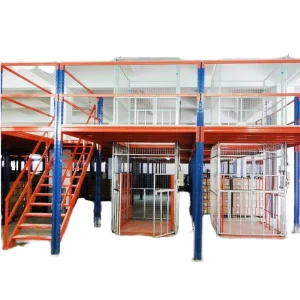
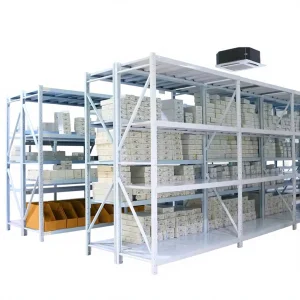
In modern high-throughput logistics, warehouses faces mounting pressure to optimize order preparation speeds, maintain continuous SKU replenishment, and eliminate unnecessary travel times. Static warehousing shelving configurations fail to address these needs, leading to bottlenecks, spatial inefficiencies, and labor redundancy. This is where Carton Flow Storage Systems act as a pivotal solution. Powered by gravity and designed for high-density FIFO (First-In, First-Out) operations, carton flow racking utilizes dynamic inclined roller tracks to automatically slide goods to the picking face.
As a leading OEM/ODM Carton Flow Storage manufacturer and exporter, Shenzhen Sanyang Storage Equipment Manufacturing Co., Ltd. provides specialized dynamic gravity flow shelves built for ultimate high-density warehousing. By combining advanced materials science (high-tensile Q235B structural steel) with precise rolling friction calculations, we deliver carton flow solutions that cut labor travel times by up to 40% and boost picking productivity by more than 150% in grocery, retail, e-commerce fulfillment, and automotive assembly lines.
“Information Gain Advantage: Unlike standard passive shelving, modern carton flow setups operate on dynamic physics principles. Calculating the exact roller inclination angle (typically between 2.5° and 4°) relative to carton packaging materials and weight variables is key to avoiding pallet lockups or high-impact collisions at the pick face.”
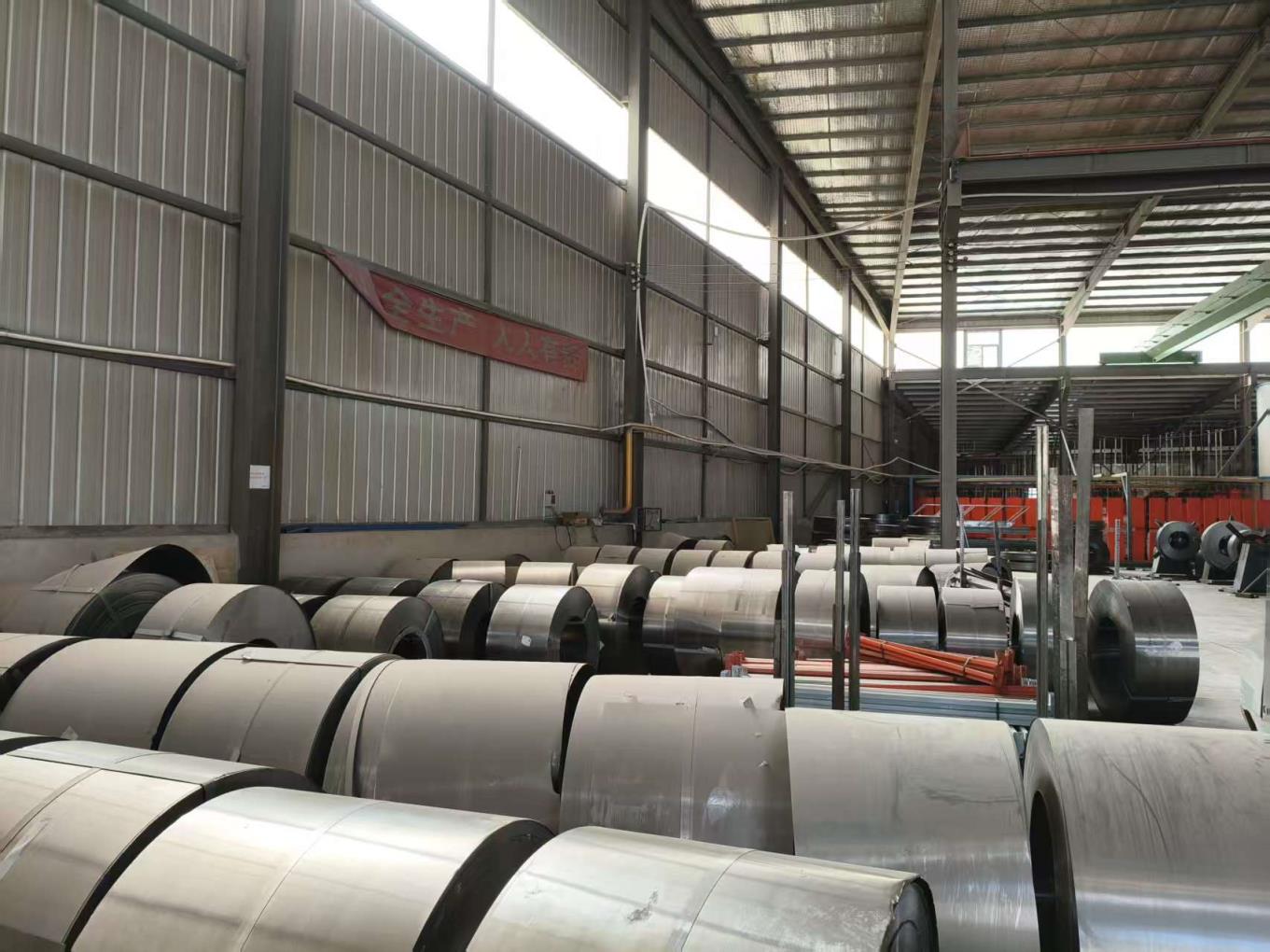
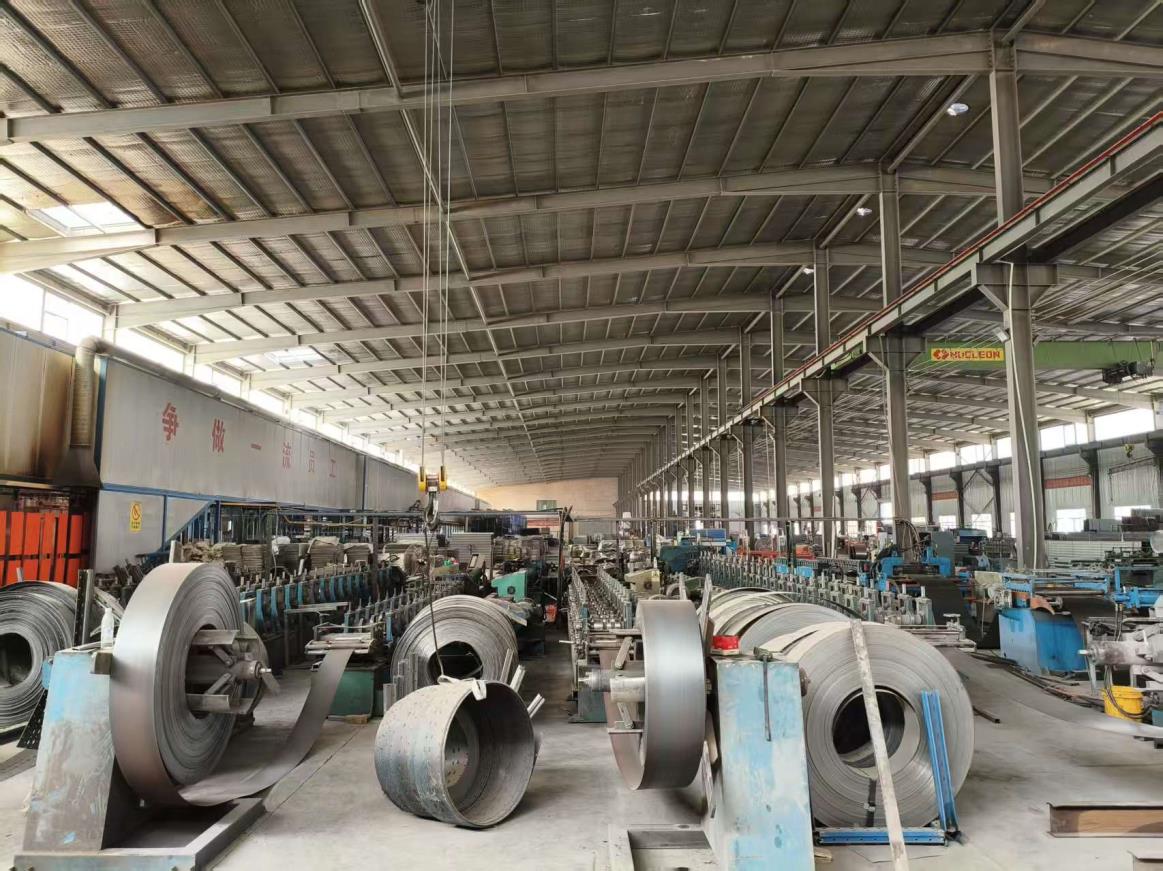
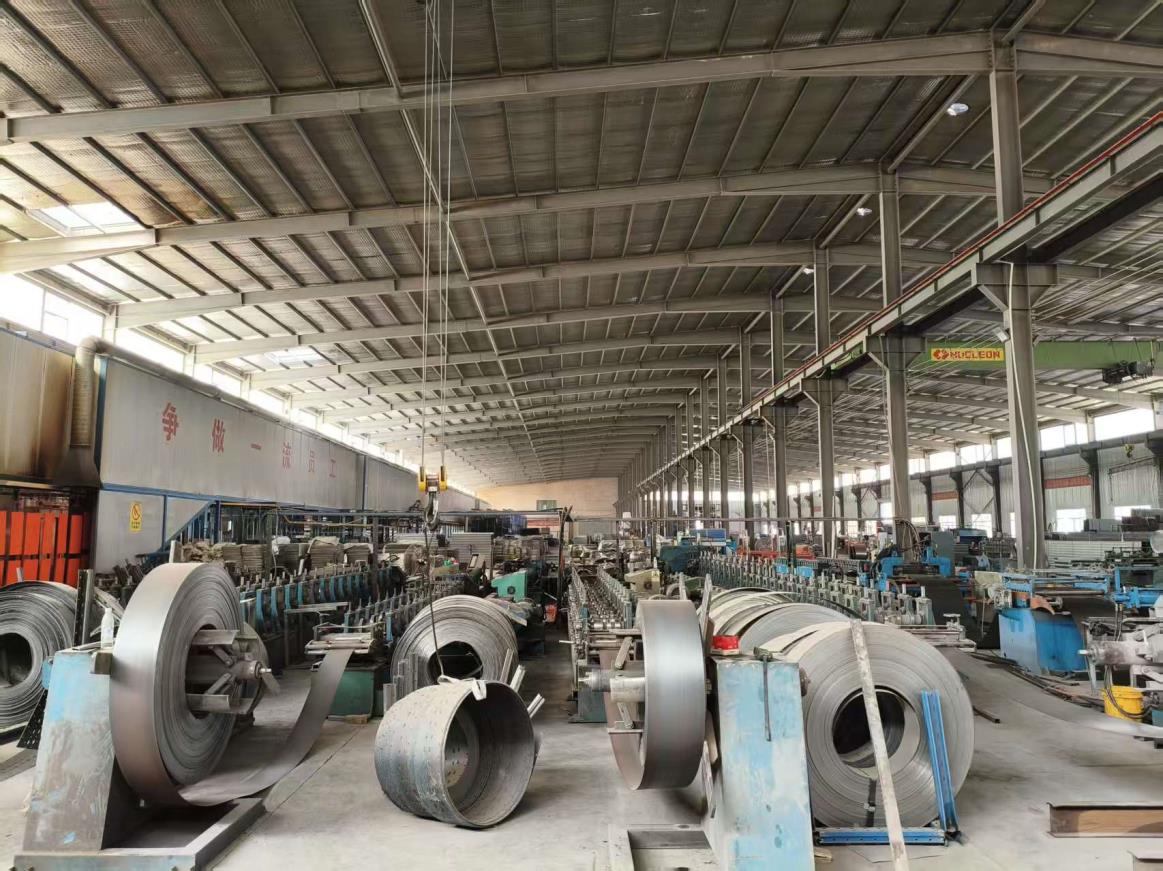
Achieving absolute safety and operational consistency in dynamic gravity storage systems demands specialized engineering. Sanyang storage racks are constructed using cold-rolled Q235B steel panels, which provide an optimal balance between structural elasticity and high yield strength. Our profiles are shaped via continuous CNC-controlled automated roll-forming mills, ensuring that dimensional tolerances along the flow tracks are kept within ±0.5mm. This extreme precision ensures the roller beds lie completely flat, eliminating uneven drift during carton glide.
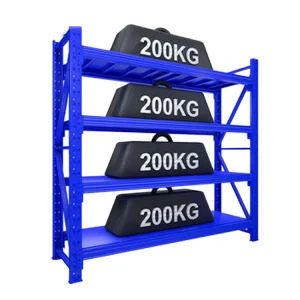
The roller lane is the functional core of the system. We configure dynamic roller tracks using either premium polypropylene (PP) plastic wheels or high-grade steel bearings, depending on load-bearing requirements. For standard applications, PP rollers with internal stainless steel pins reduce rolling noise while offering a self-cleaning surface. For heavy-duty industrial storage, steel rollers with shielded precision ball bearings are used, ensuring a load-bearing capacity of up to 200kg per shelf layer. Our engineers calculate the required roller spacing based on the smallest carton footprint, ensuring that at least three rollers support the load base at all times to prevent carton deformation.
| Engineering Parameters | Standard Carton Flow Track Specifications | Heavy-Duty Dynamic Storage Options |
|---|---|---|
| Material Selection | Premium Grade Q235B Cold-Rolled Steel | High-Strength Structural Steel Profiles |
| Load Capacity Per Layer | 100kg to 250kg UDL (Uniformly Distributed Load) | 300kg to 500kg Custom Reinforced Channels |
| Standard Track Incline | 2.5% to 3.5% (Adjustable via boltless clips) | 3.5% to 5% (Fitted with dynamic brake rollers) |
| Roller Wheel Material | High-Density Polypropylene (PP) with low friction | Carbon Steel Ball Bearings / Galvanized Rollers |
| Surface Protection | Epoxy Powder Coating (Minimum thickness 80μm) | Hot-Dip Galvanizing for cold storage (-25°C) |
| Compliance Standards | FEM 10.2.02, ISO9001:2015, ANSI MH16.1 | Seismic Design Category D-F Structural Ratings |
Procurement teams at multinational companies face complex challenges when sourcing material handling products from overseas. Safety certifications, manufacturing capacity, structural reliability, and compliance with local standards are all critical factors. At Sanyang, we align our product development and quality control processes with international standards such as FEM (European Federation of Materials Handling) and ANSI (American National Standards Institute), simplifying the import process for overseas buyers.
Our global clients span several major industry verticals, each requiring specialized carton flow designs:
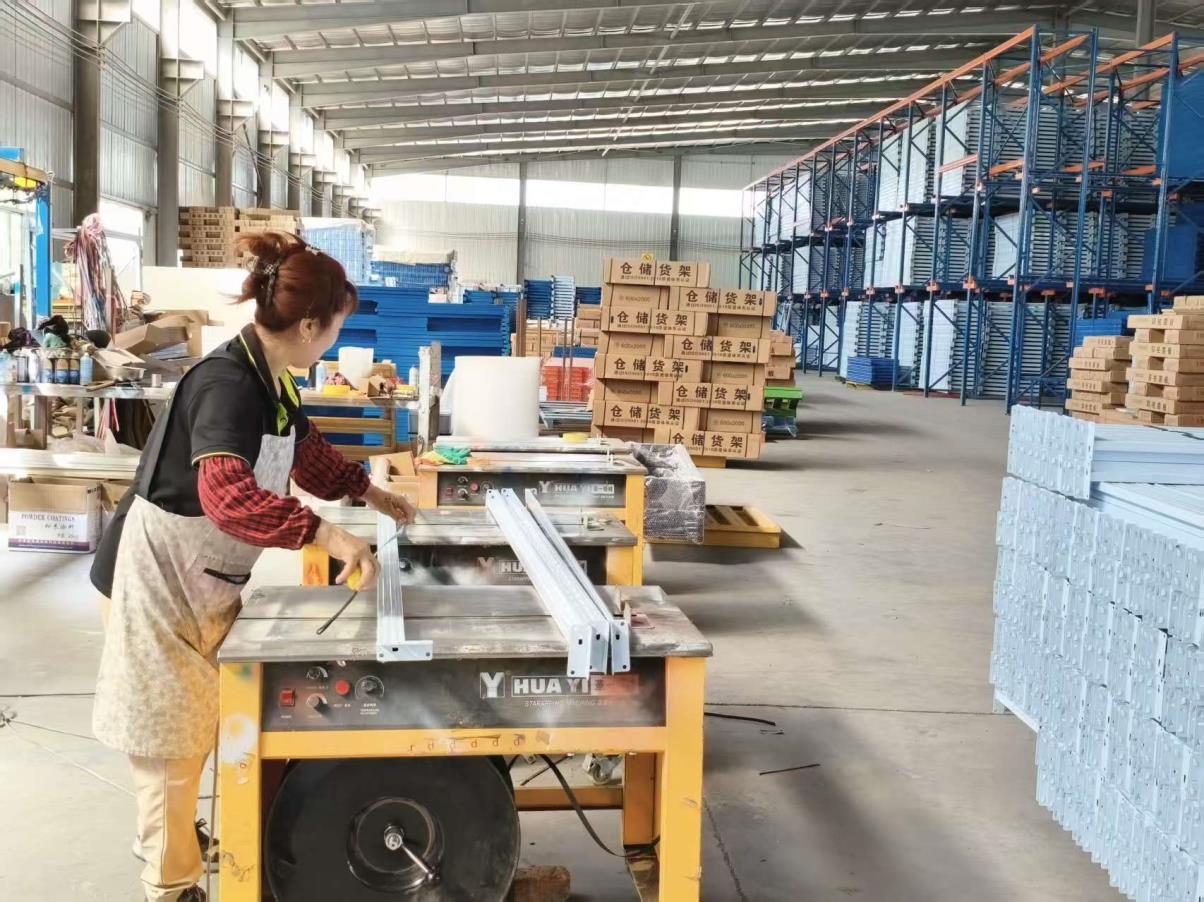
Shenzhen Sanyang Storage Equipment Manufacturing Co., Ltd. operates a state-of-the-art 38,000 m² facility that serves as a benchmark for Factory 4.0 production standards. By automating key steps in the production line, we reduce human error, speed up production cycles, and maintain reliable structural quality across high-volume production runs.
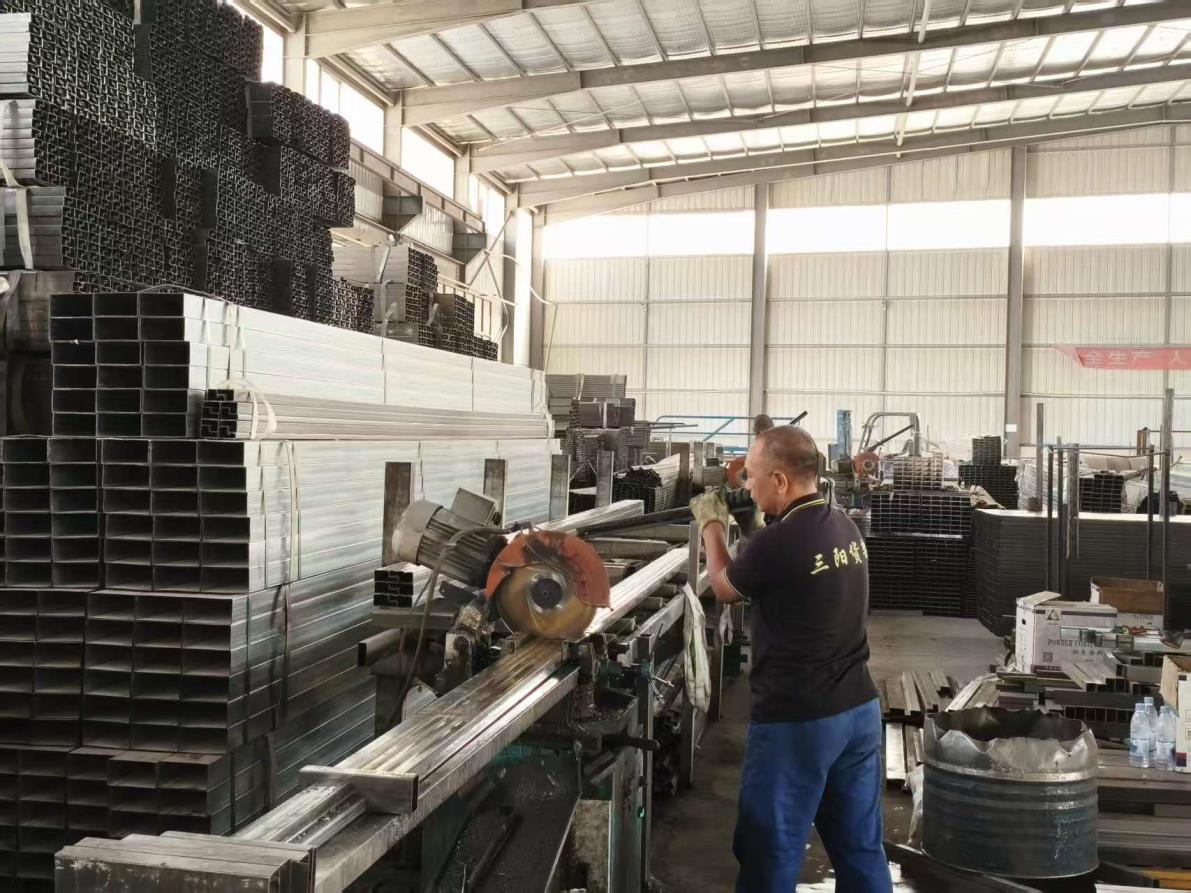
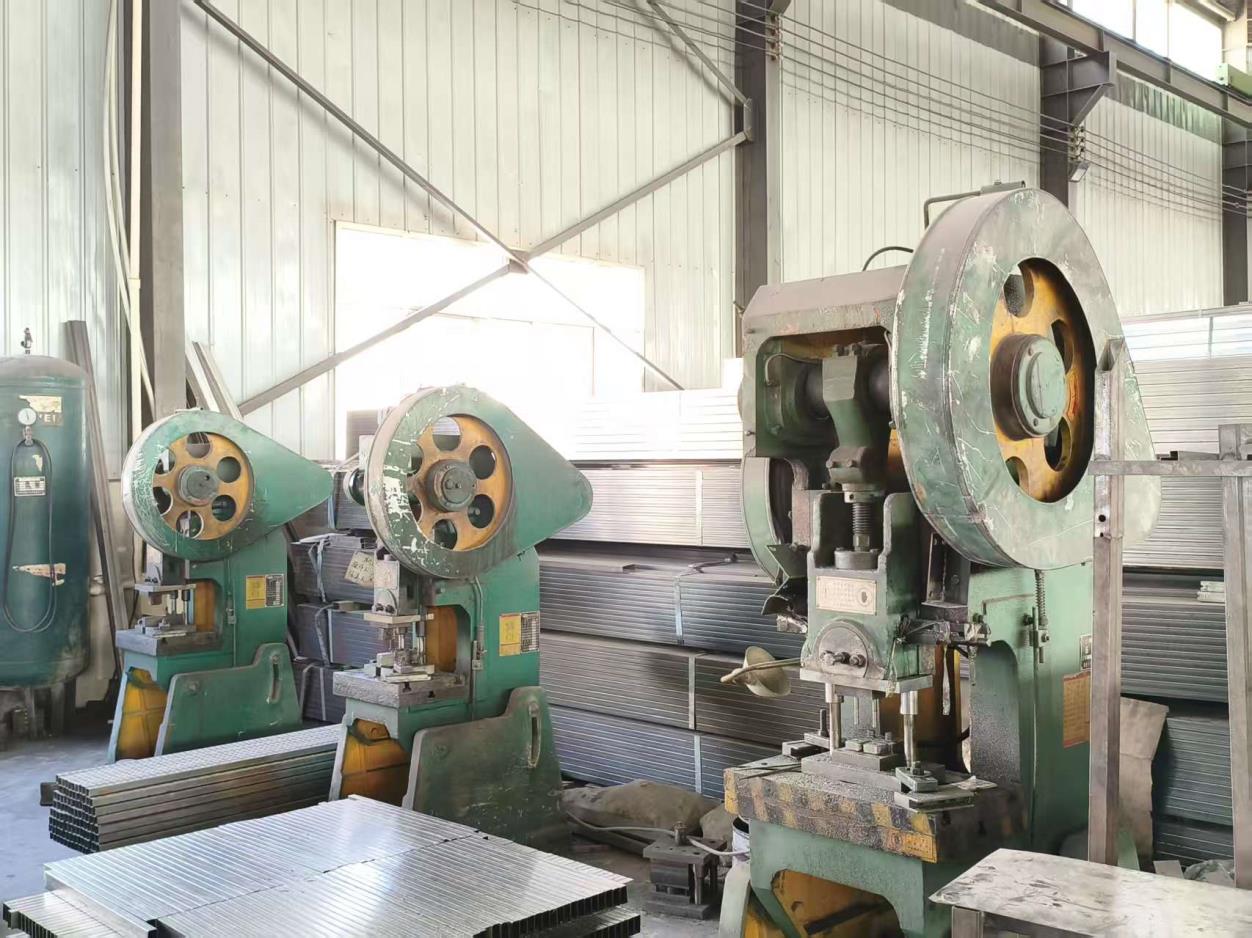
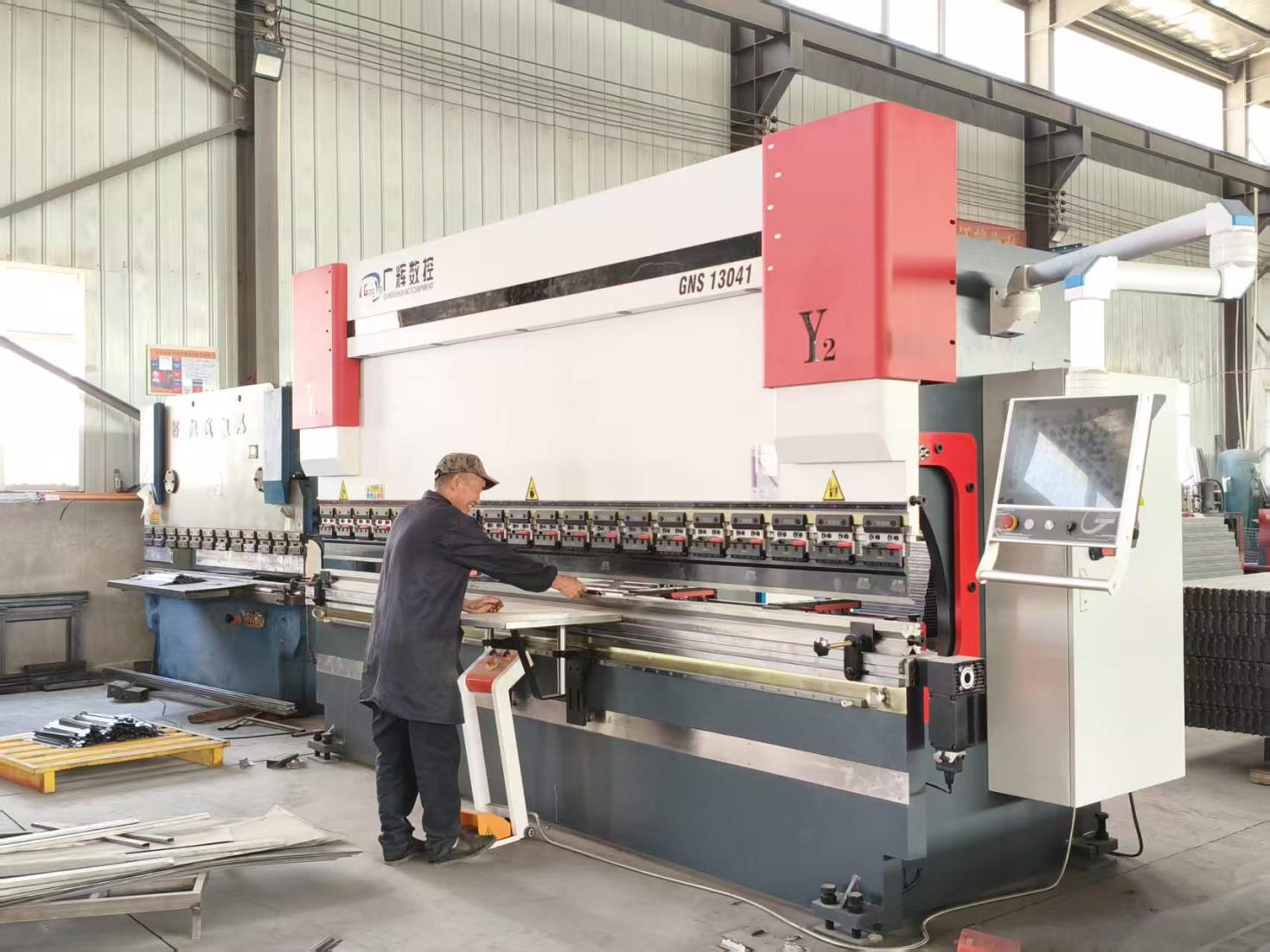
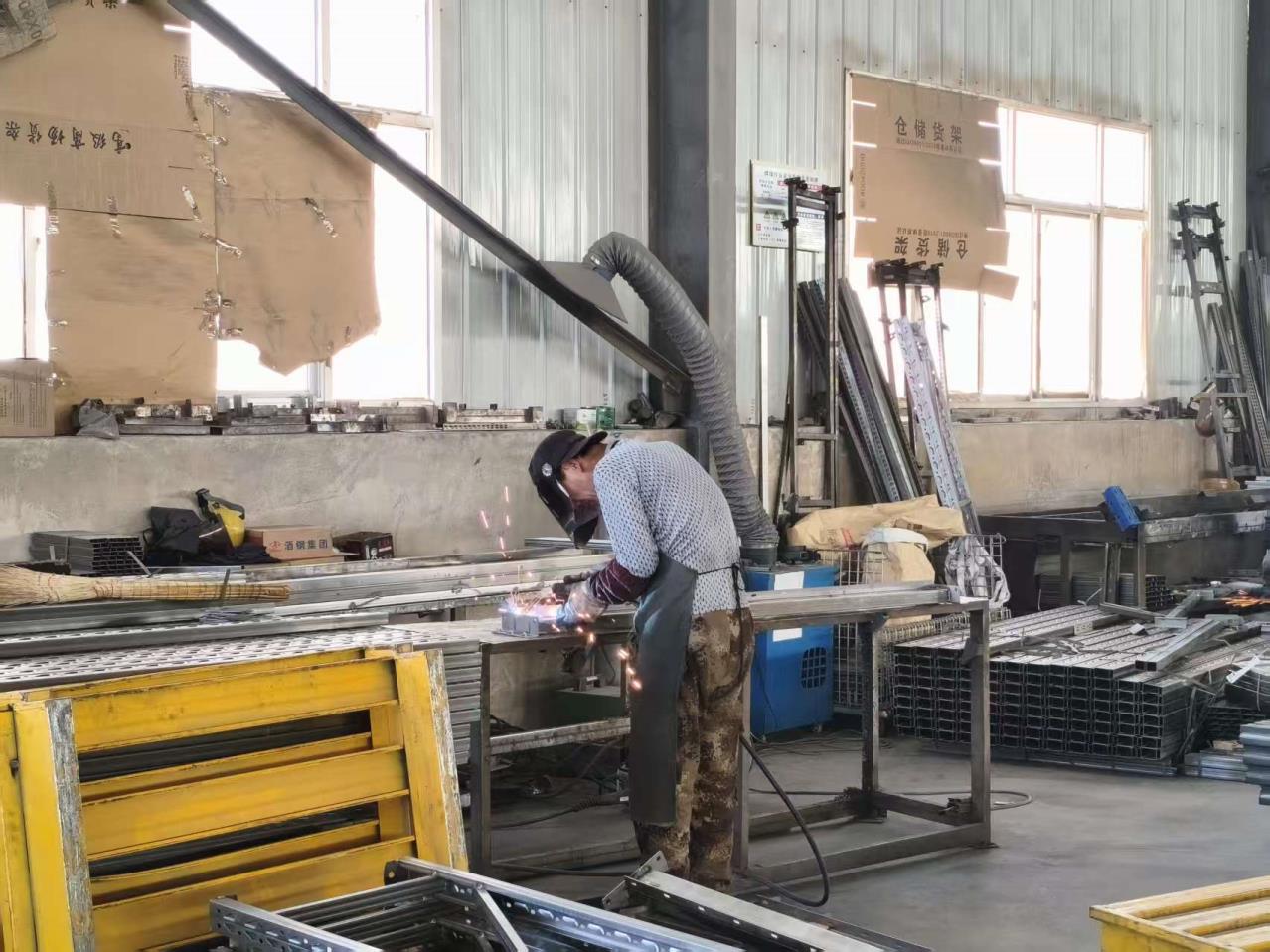
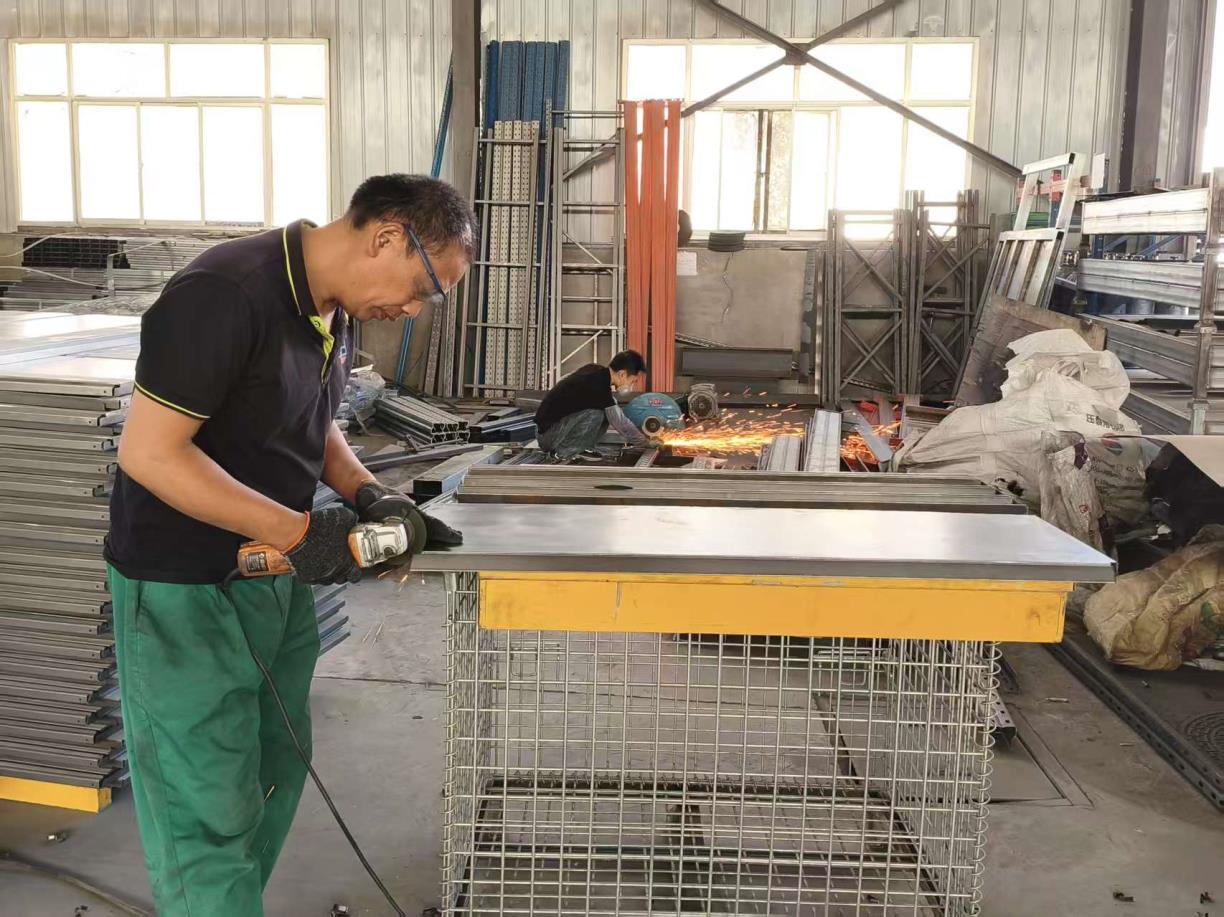
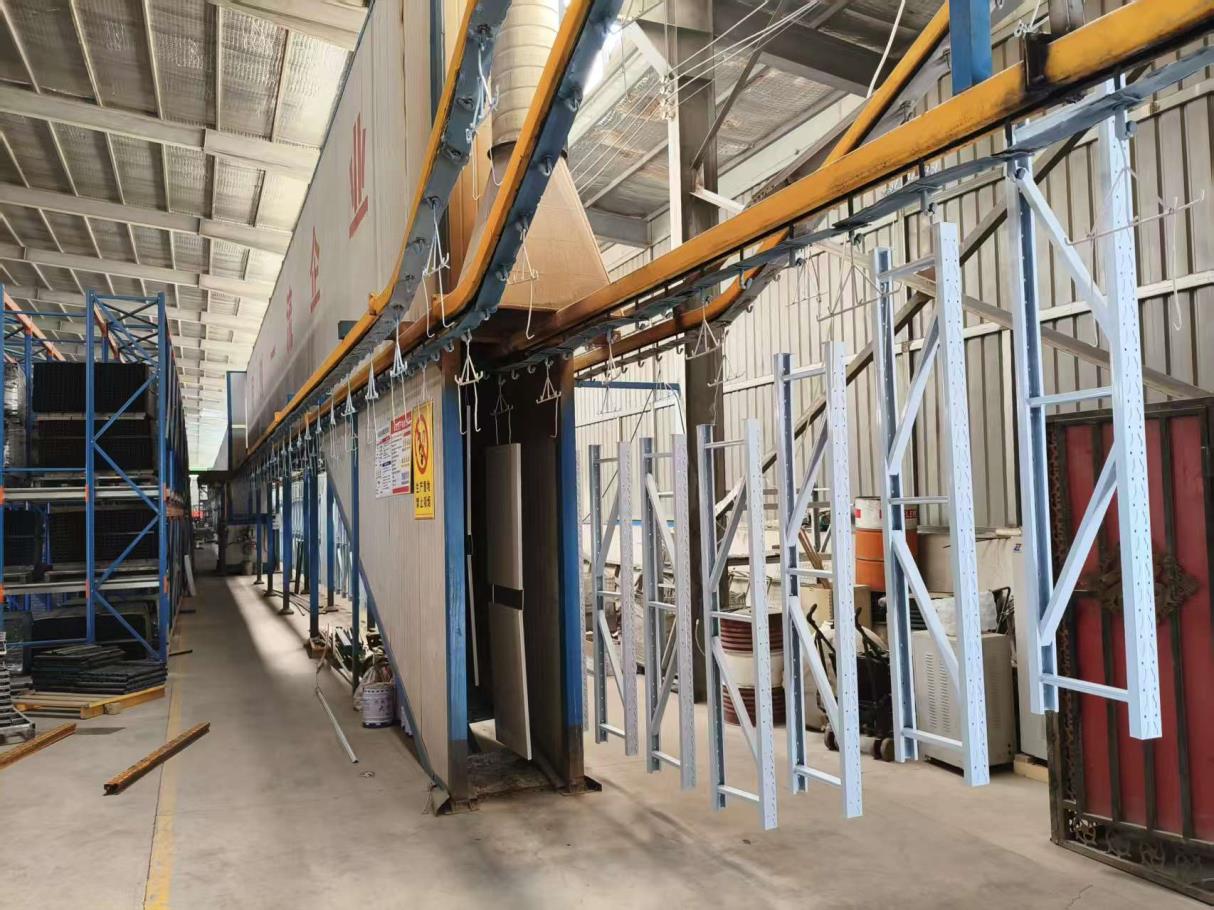
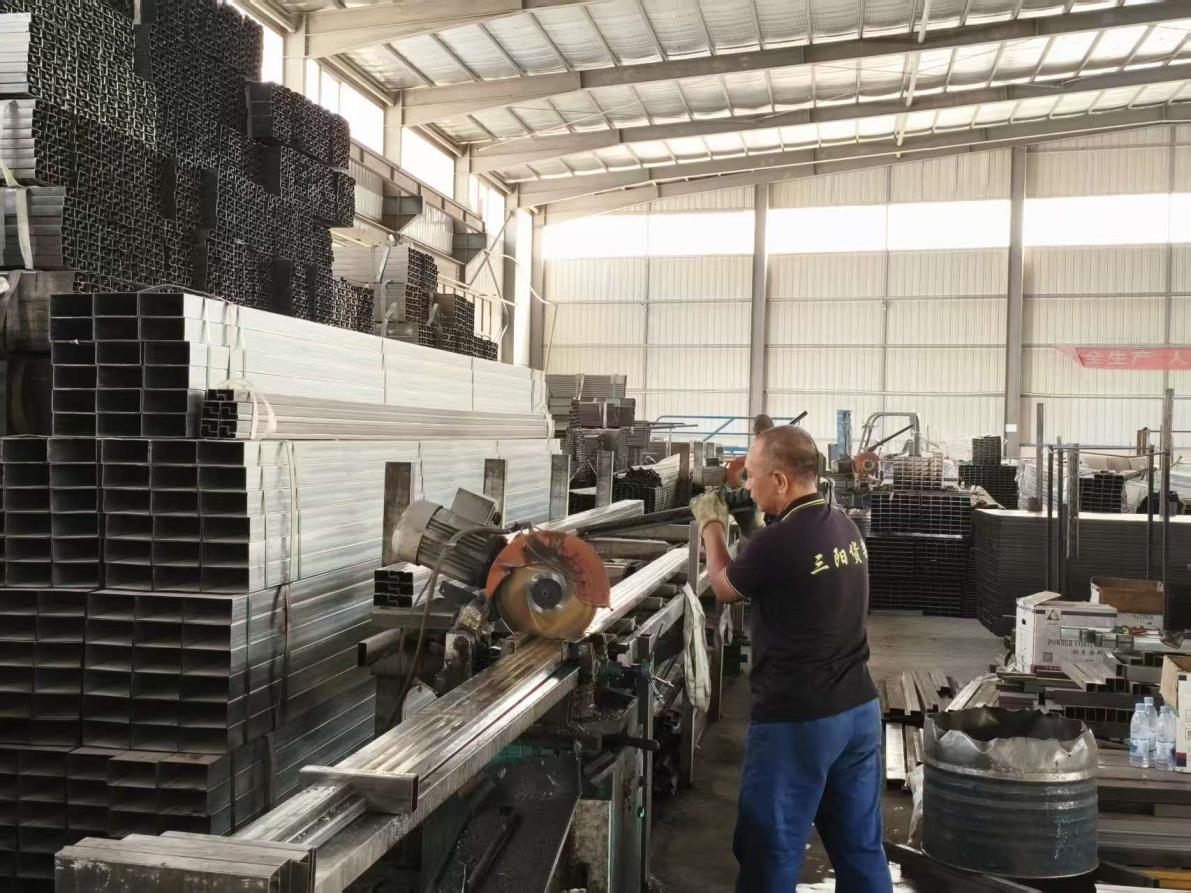
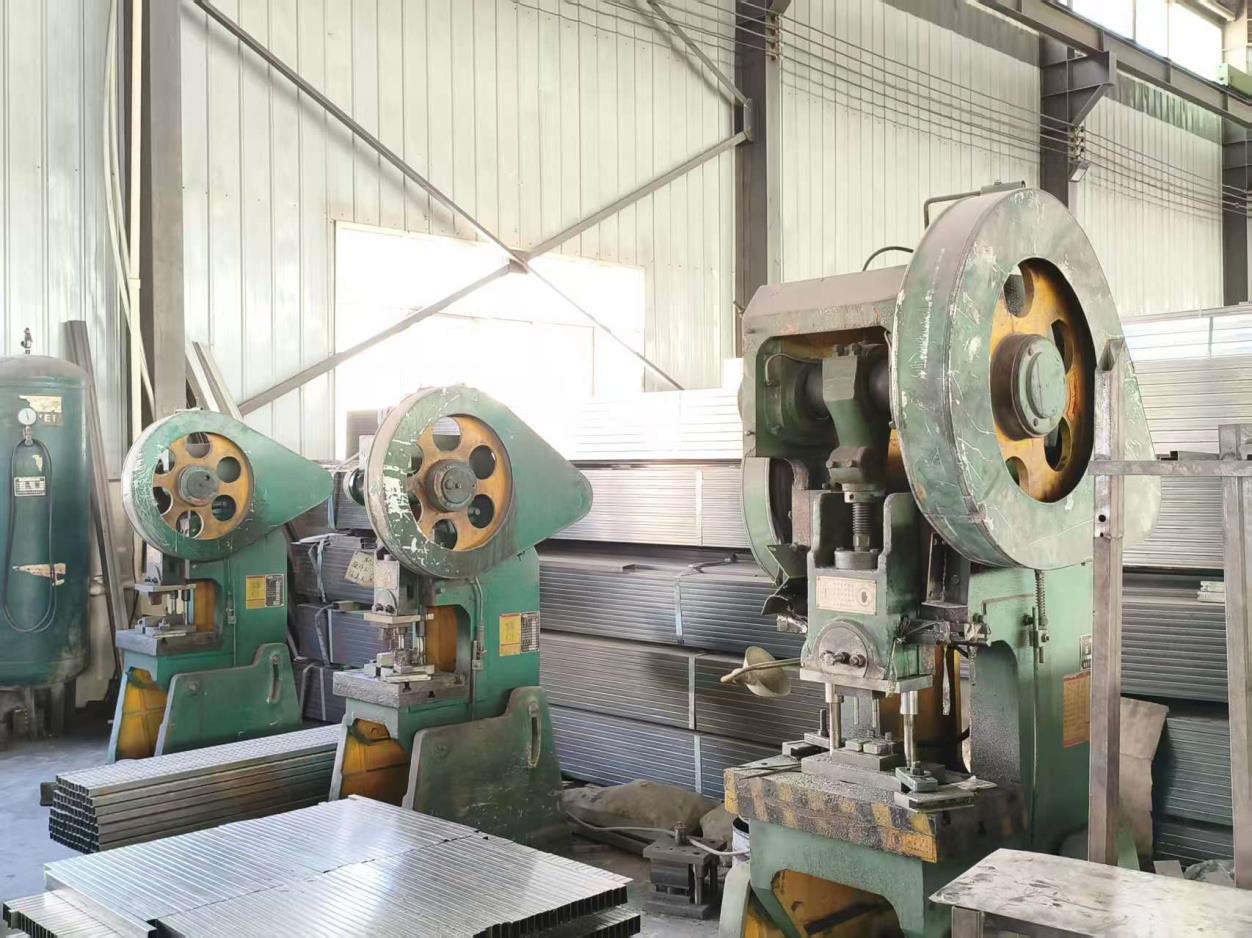
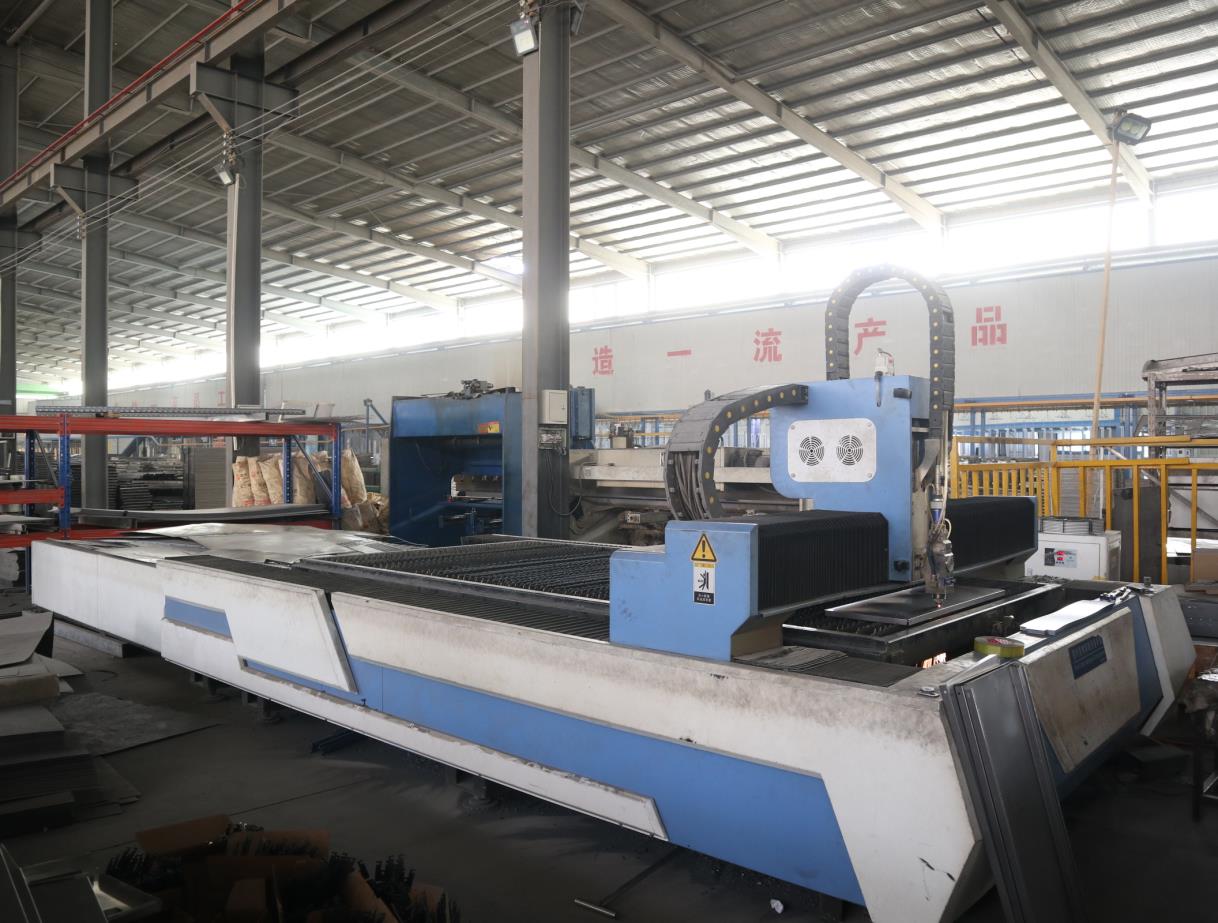
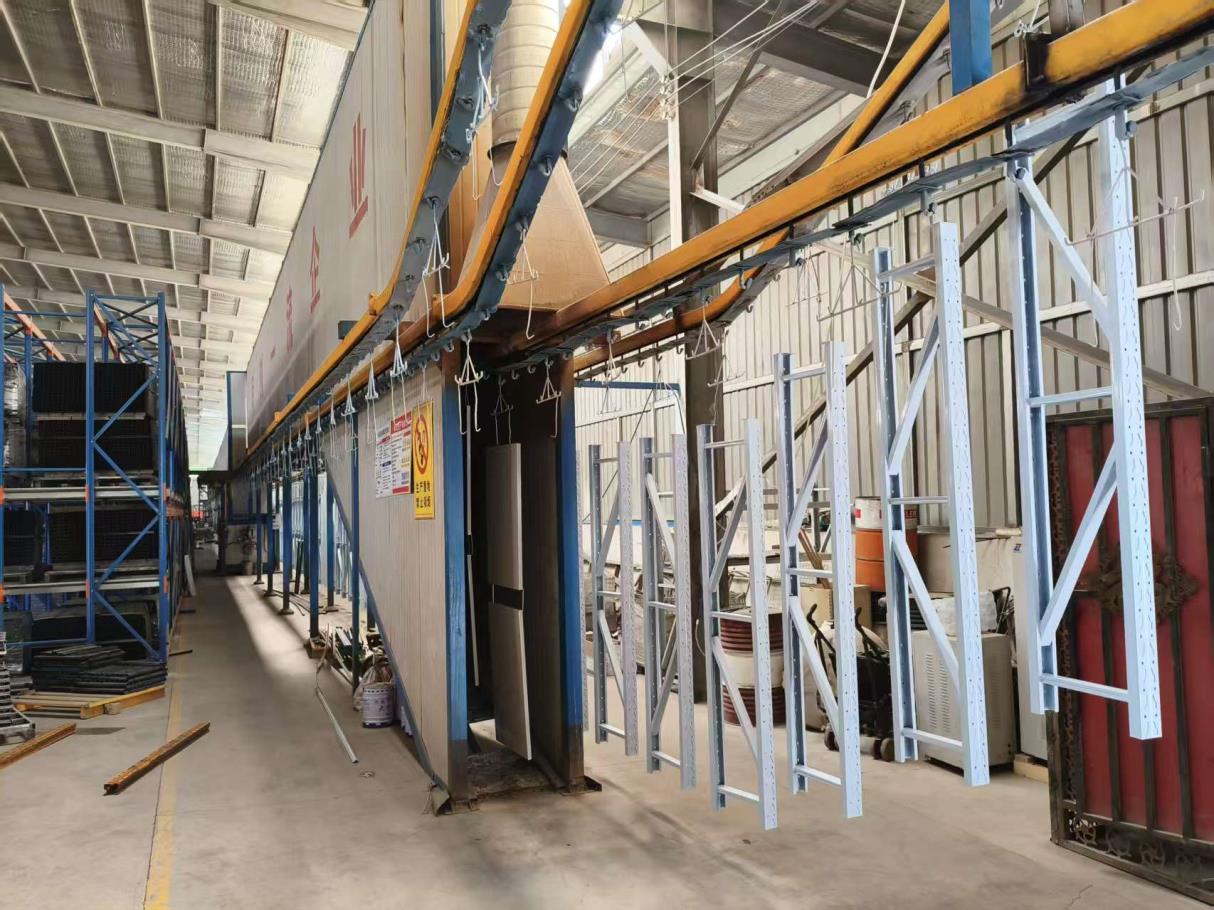
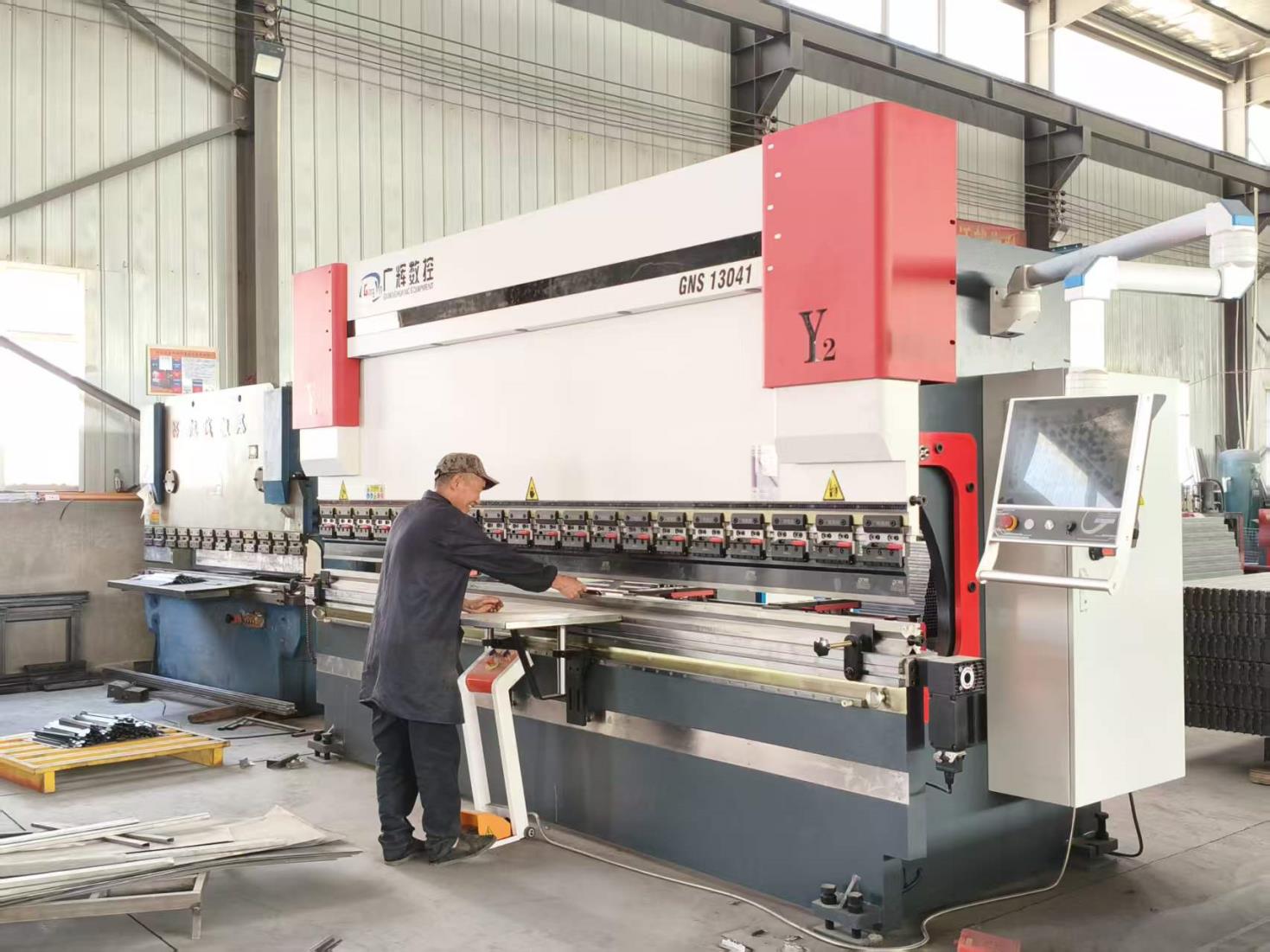
Our facility features automated CNC punching presses, laser cutting centers, and robotic welding stations. These advanced tools enable us to achieve highly precise welds and consistent bends across our entire production, avoiding the structural variations common in manual workshops. Additionally, our fully automated powder-coating line applies a uniform, impact-resistant epoxy-polyester coating that protects components from corrosion in humid or industrial environments.
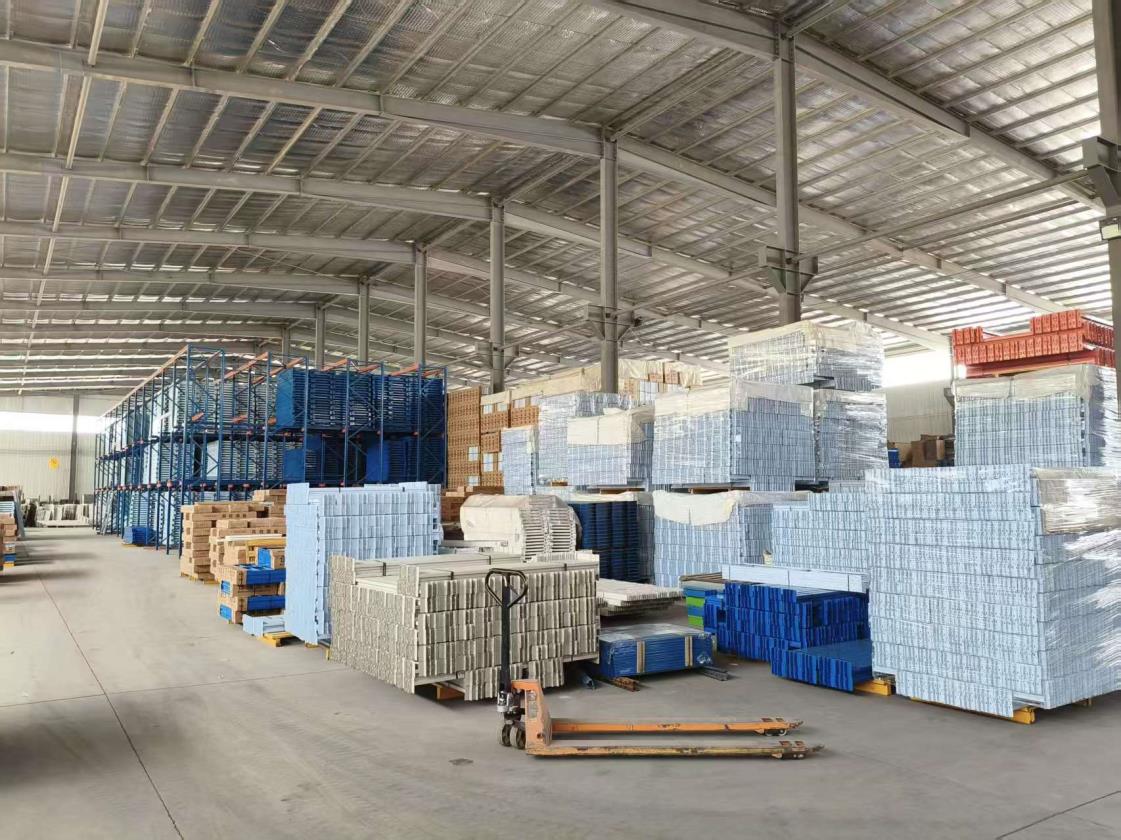
By working with a network of 1,200 trusted supply chain partners, we secure high-grade steel at stable prices, even during market fluctuations. This vertical integration allows Sanyang to offer highly competitive pricing, short production lead times, and reliable delivery, making us a dependable partner for large-scale international projects.
A step-by-step tour inside our modern Shenzhen factory, showing our manufacturing workflow from raw material preparation to automated welding, precision painting, and rigorous quality inspection.
Got engineering or supply chain questions? Read our deep-dive answers directly from our R&D and QC engineering teams.
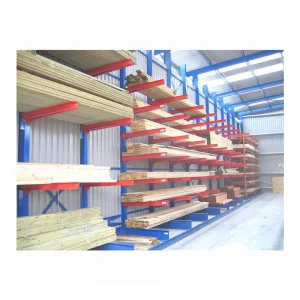
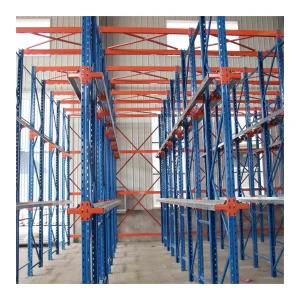
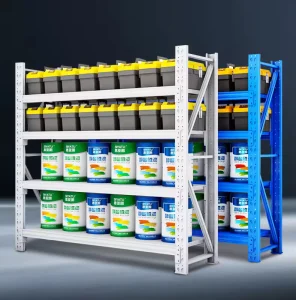
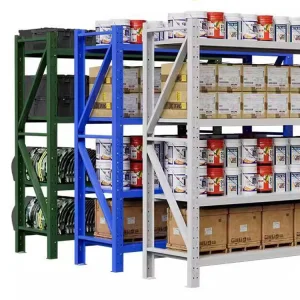
Complete your facility optimization with our extensive catalog of pallet racks, cantilever structures, radio shuttle systems, and mezzanine platforms.
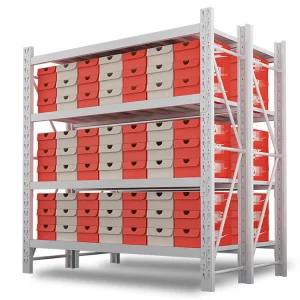
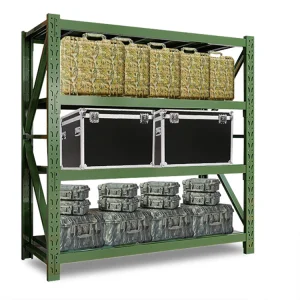
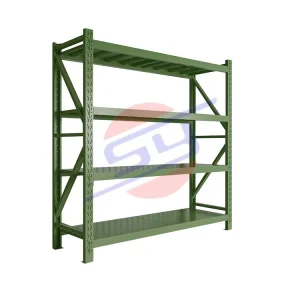
 Sanyang Racking