Explore our highly customized structural steel systems built to support high-density industrial environments, compliant with FEM, ISO9001, and ANSI standards.
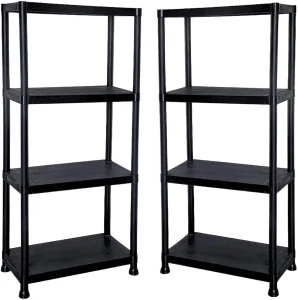
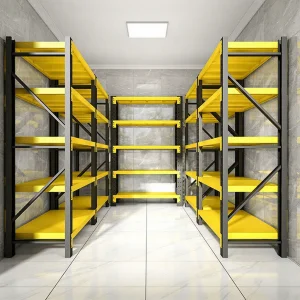
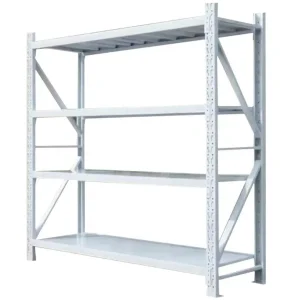
The industrial storage sector is currently witnessing a massive transformation driven by ecommerce expansion, automated cold-storage requirements, and global supply chain reconfigurations. Heavy load racking systems serve as the structural backbone of modern logistics hub environments, material handling terminals, and smart distribution centers. From traditional selective structural frames to complex Automated Storage and Retrieval Systems (AS/RS), the performance demand on structural steel platforms has never been higher.
According to global supply chain research, the demand for heavy-duty structural steel racks is projected to grow substantially between 2024 and 2030. Key growth drivers include spatial constraints in urban logistics nodes, demanding the maximization of vertical cube spaces, and strict regulatory safety audits regarding warehouse worker safety, seismic-resilience profiles, and corrosion mitigation.
Procuring heavy-duty racks requires a deep understanding of local compliance frameworks. In North America, the Rack Manufacturers Institute (RMI) governs structural parameters (such as the ANSI MH16.1 specification), specifying load capacities under dynamic and seismic conditions. In Europe, the EN 15512, EN 15620, and FEM guidelines define spacing, tolerances, deflection limits, and safety margin indicators. A failure to conform to these regulations exposes enterprises to severe liabilities and structural failure risks.
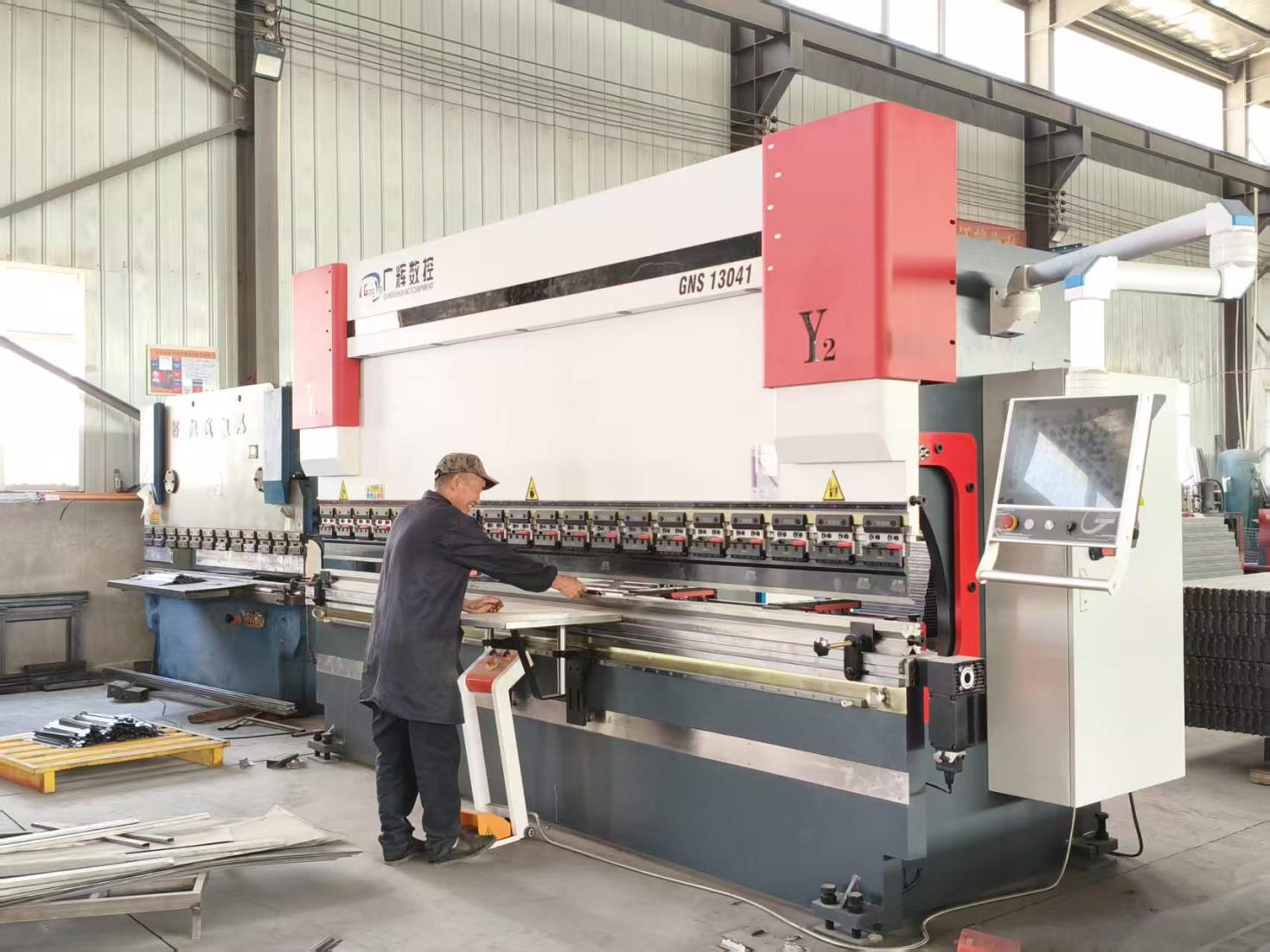
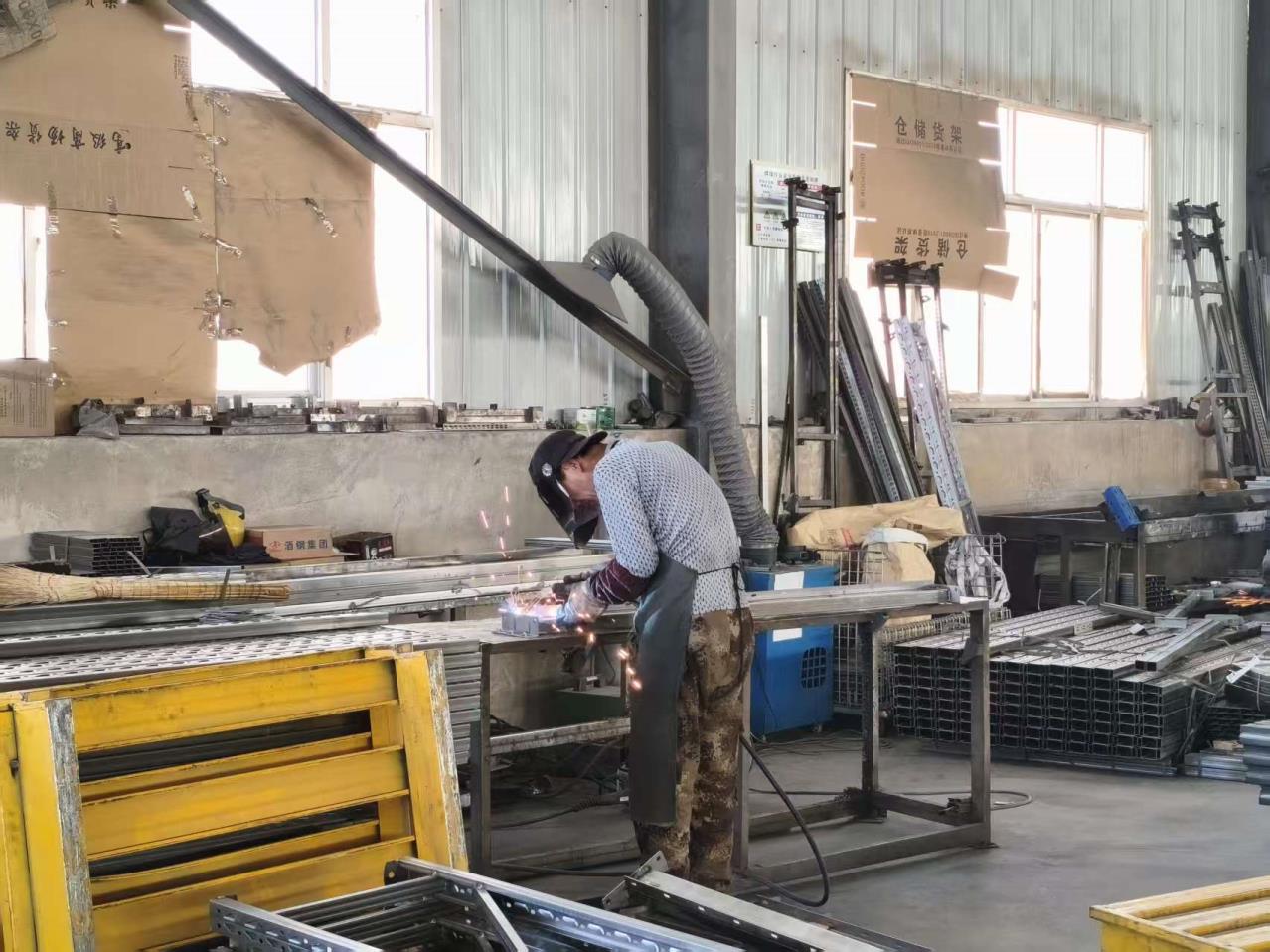
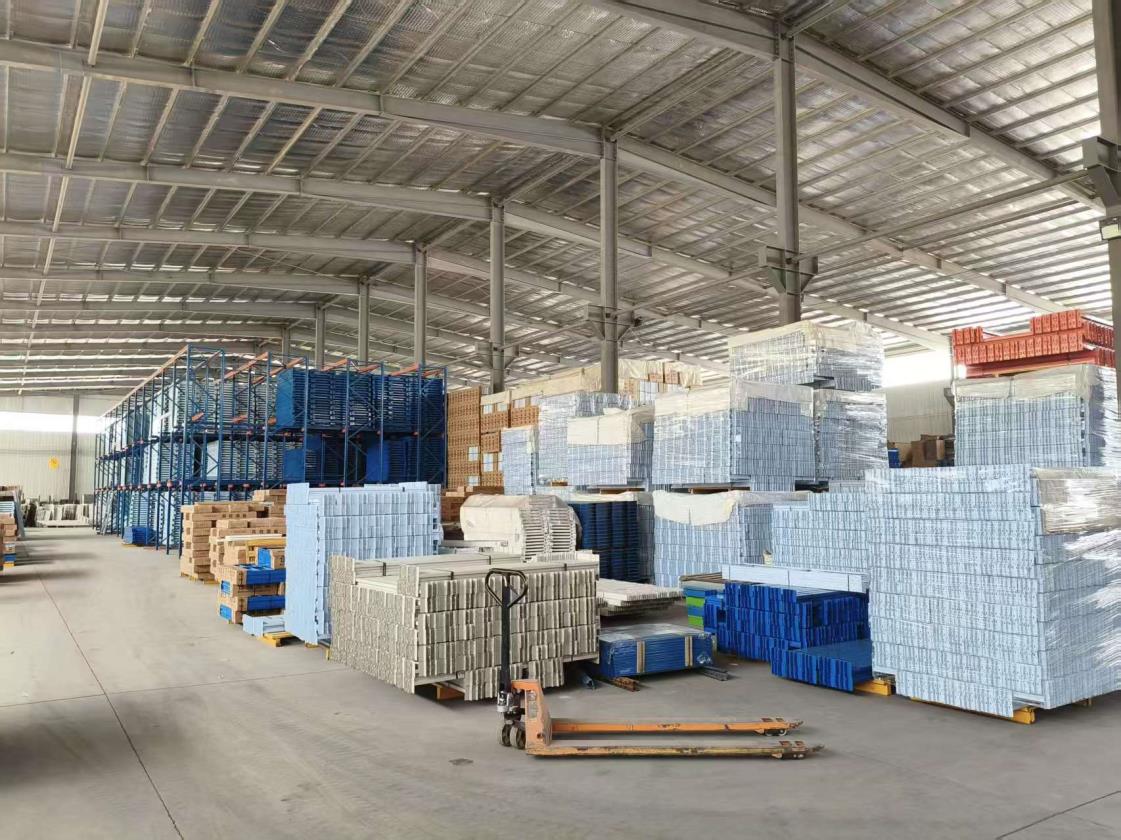
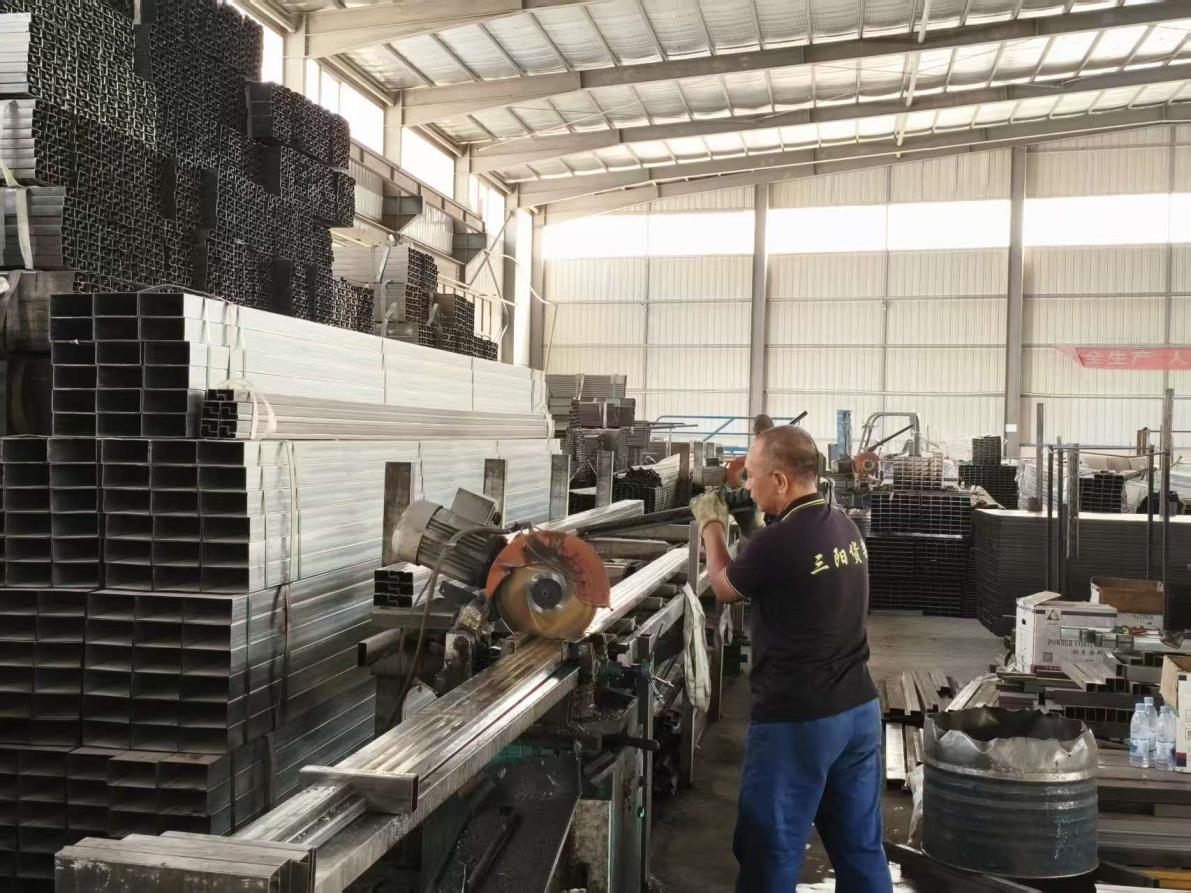
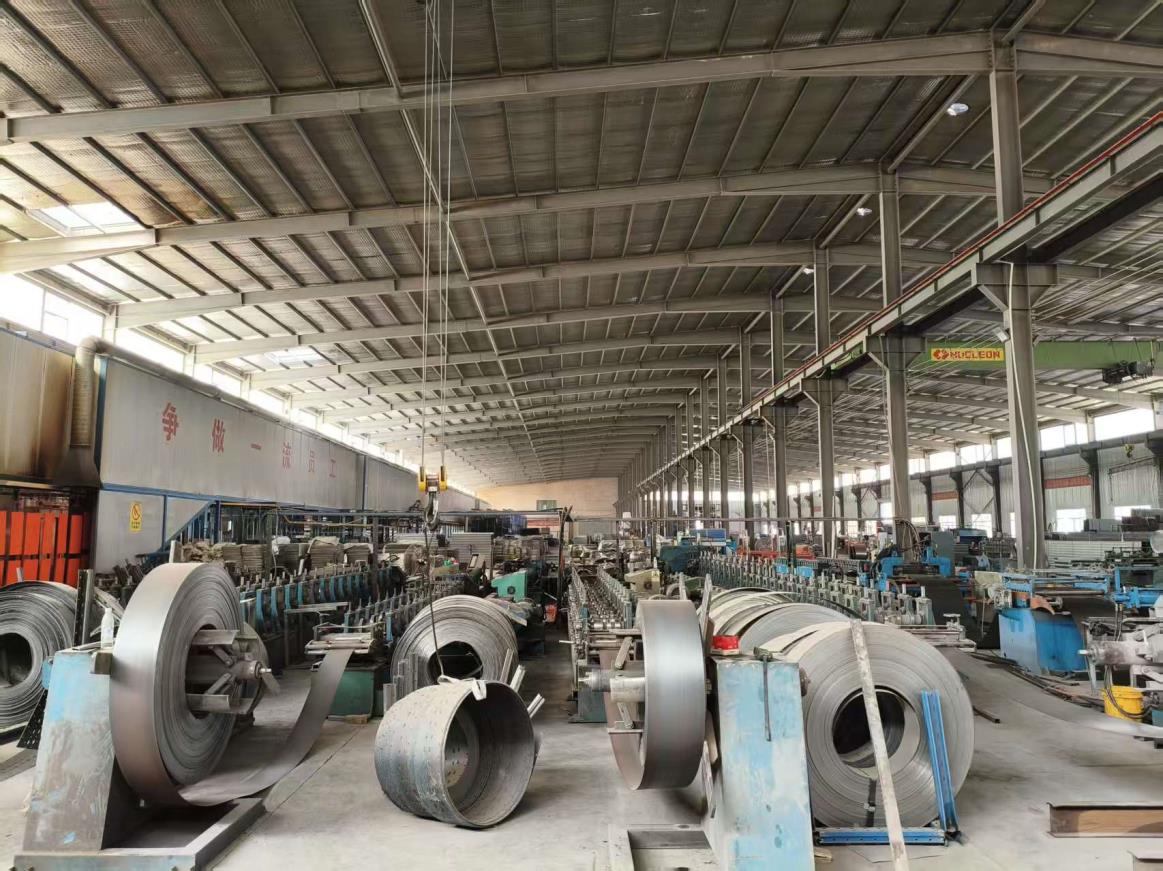
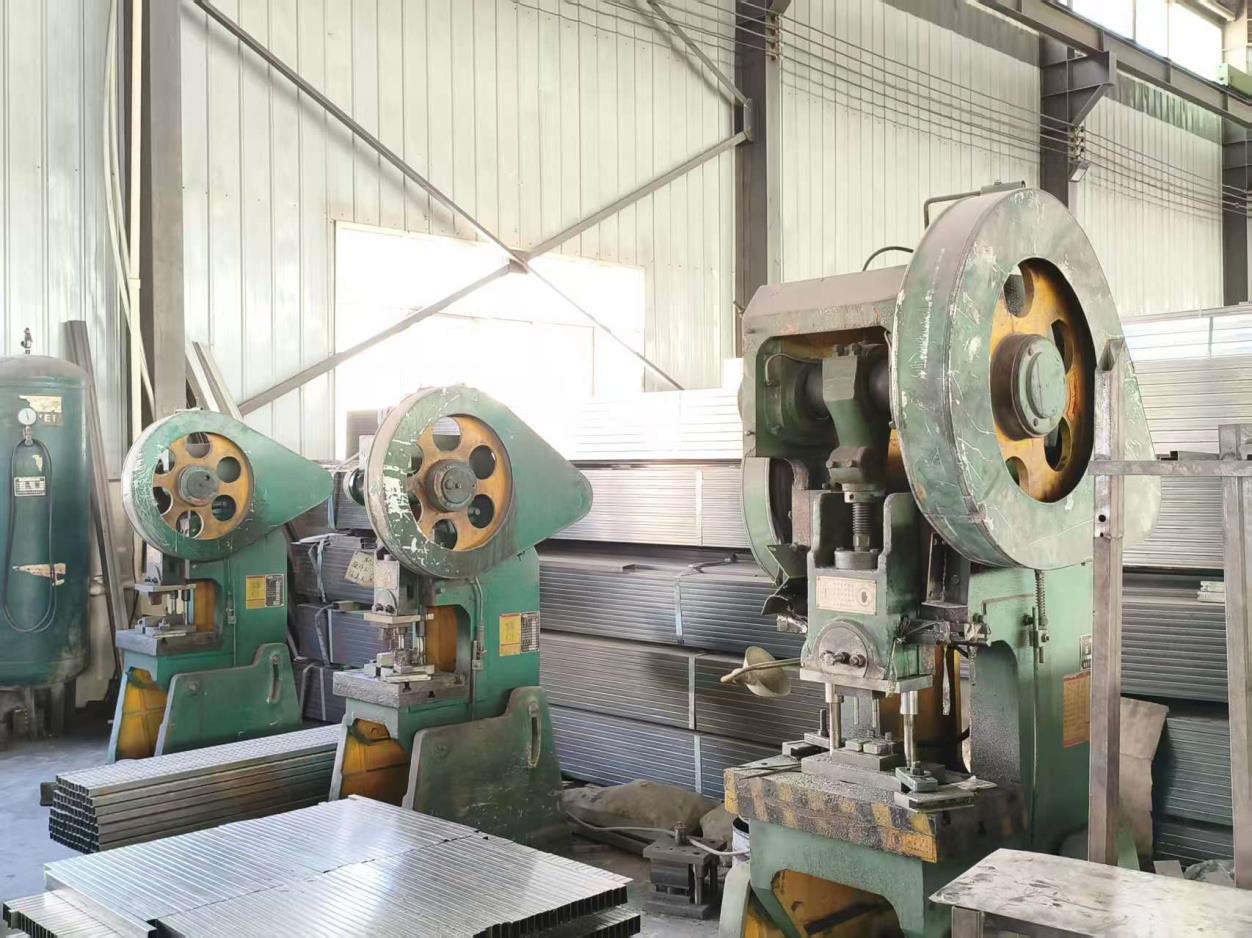
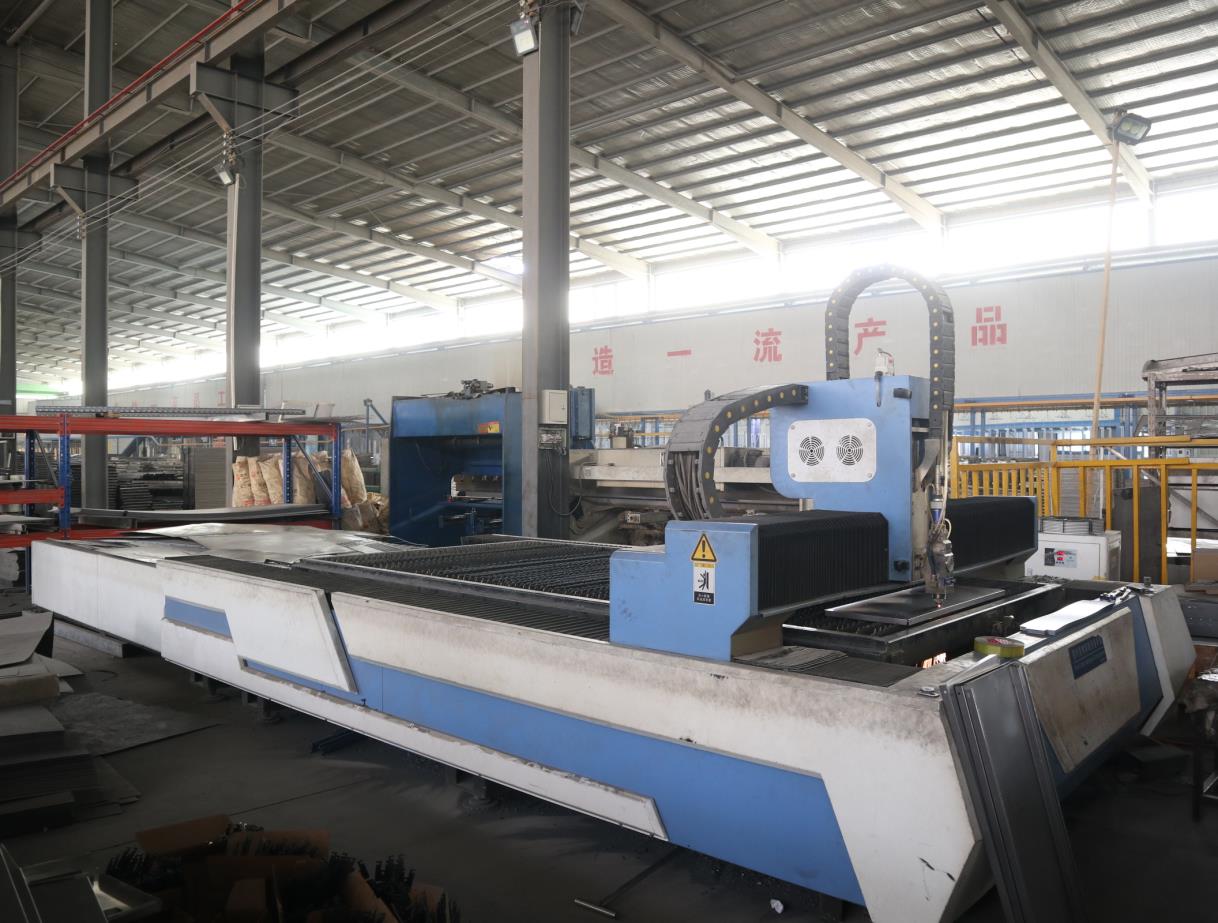
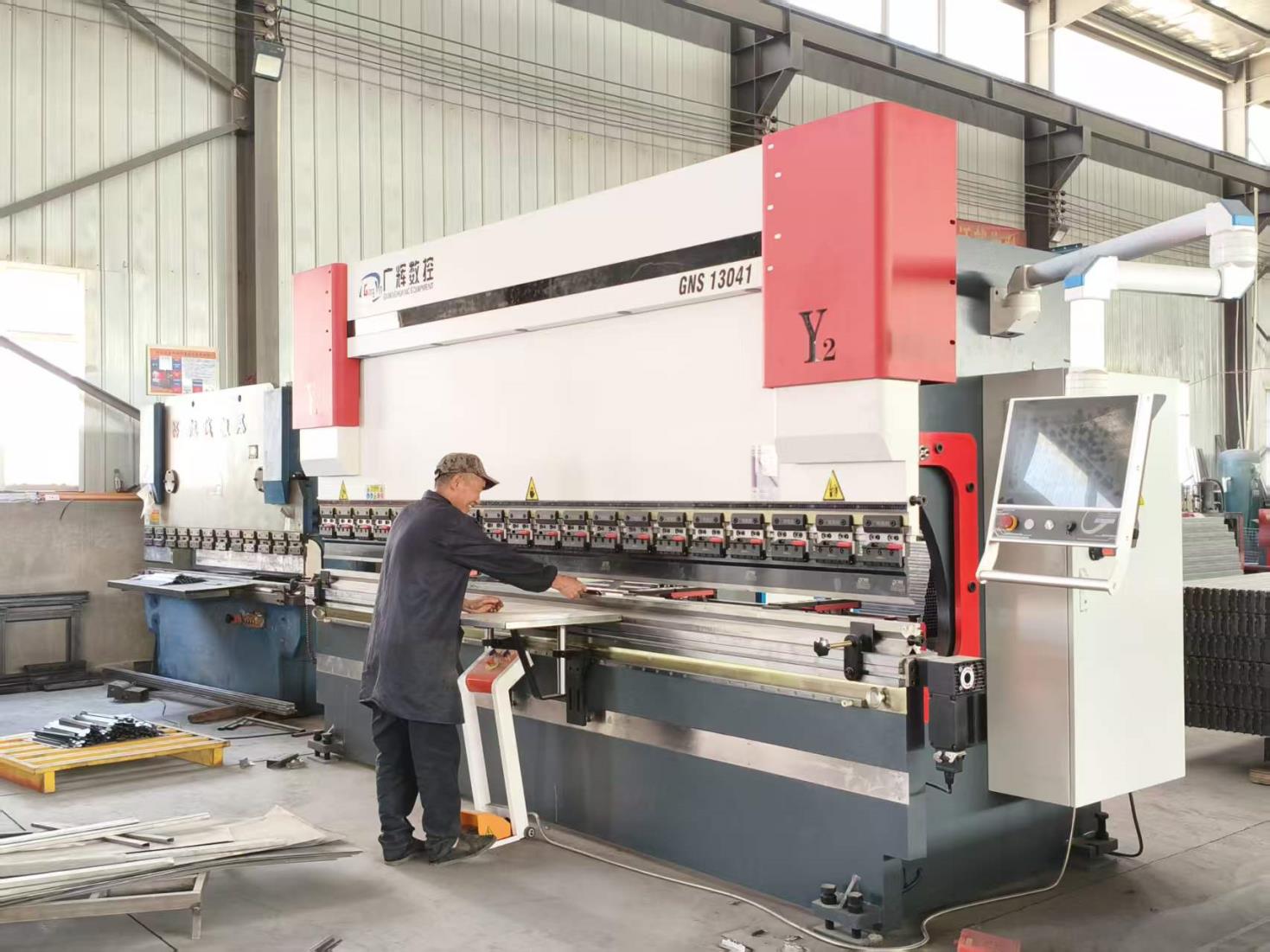
Established in 2015, Shenzhen Sanyang Storage Equipment Manufacturing Co., Ltd. is a leading manufacturer specializing in heavy-duty industrial pallet racking, warehouse shelving systems, and automated material handling solutions. Located in Shenzhen, our modern facility spans a total building area of 38,000 m², equipped with advanced automated roll-forming machines, laser cutters, and robot welding lines.
With over 12 years of industry experience and 8 years of active export experience, Sanyang has expanded its international footprint, achieving an annual export revenue of $28 million USD. Our main overseas markets cover North America, Western Europe, Southeast Asia, and the Middle East, primarily serving global logistics hubs, e-commerce fulfillment centers, third-party logistics (3PL) providers, and large manufacturing enterprises.
Quality and precision are at the core of our operations. Supported by 35 full-time QC inspectors, we implement rigorous quality assurance protocols using ultrasonic weld flaw detection, coating thickness testing, and heavy-load stress tests to ensure strict compliance with ISO9001 and international FEM/ANSI safety standards. Backed by a strong OEM/ODM background and a robust network of 1,200 supply chain partners, we offer highly customizable options—ranging from custom dimensions and load capacities to specialized powder coatings and seismic-resistant structural designs.
Innovation drives our continuous growth. Our team of 18 R&D engineers focuses on developing high-density and automated storage systems, successfully launching 65 new products last year alone. Sanyang remains dedicated to providing safe, space-saving, and cost-effective storage solutions for our global clientele.
Fully certified under ISO9001, carrying structural validations verifying alignment with European FEM and North American ANSI/RMI specifications.
Supported by 18 R&D engineers, we execute design modifications matching complex warehousing environments and automated operations.
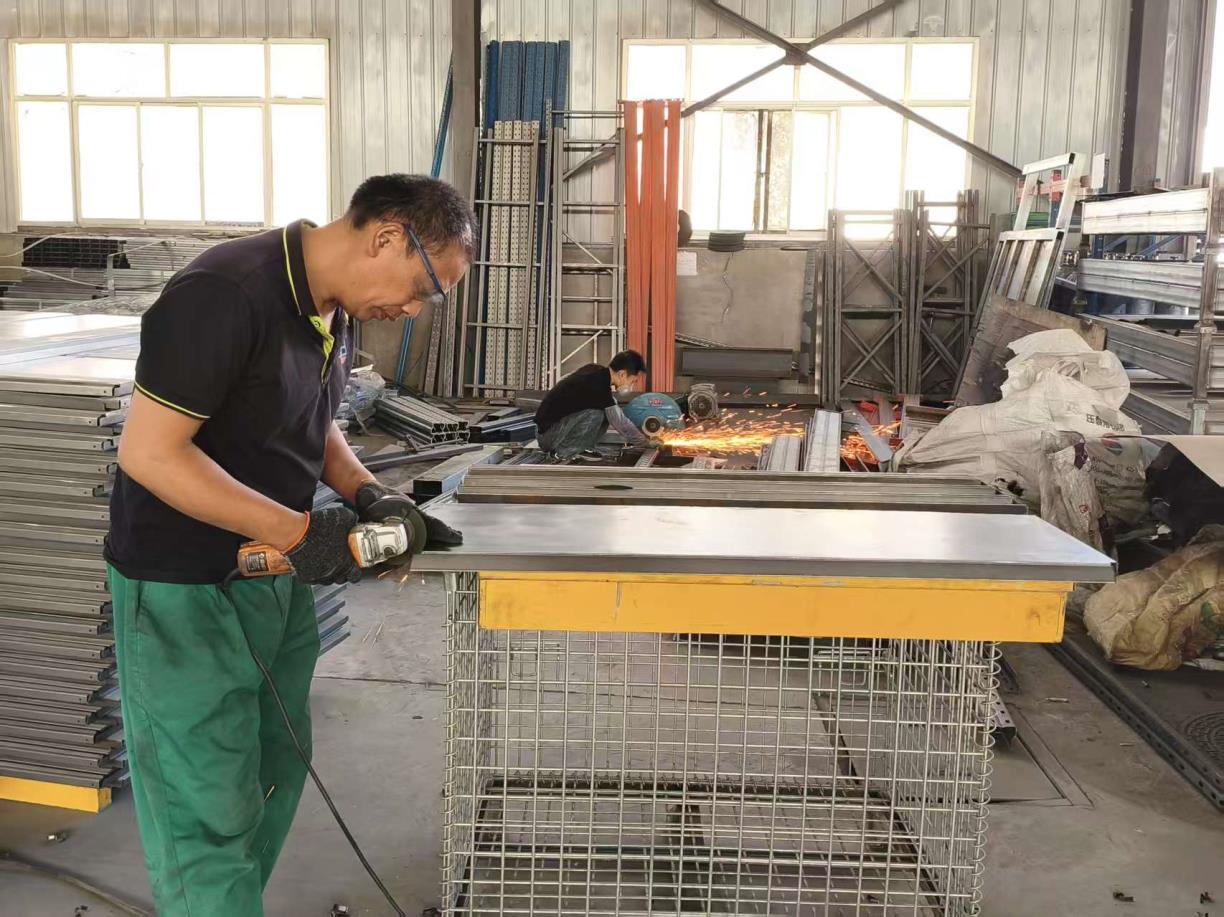
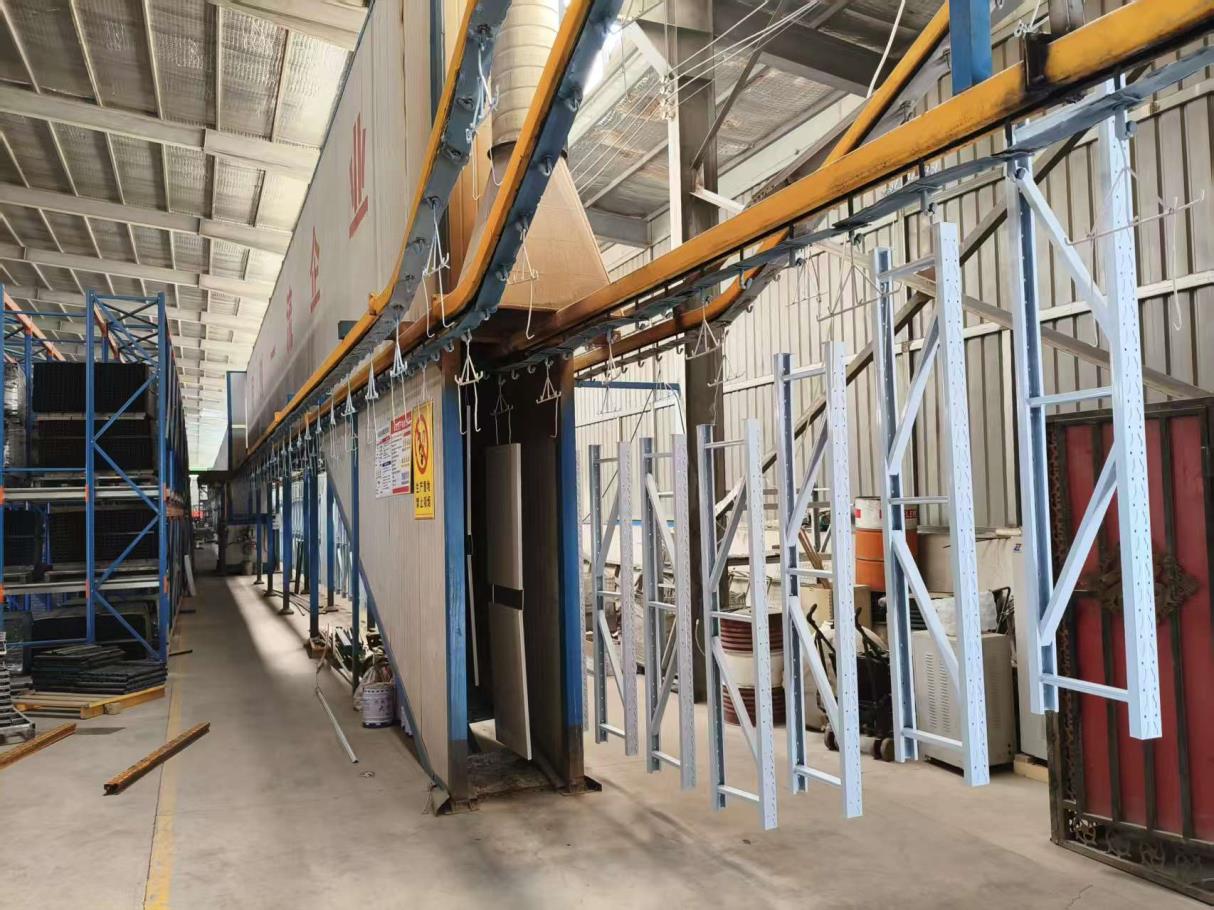
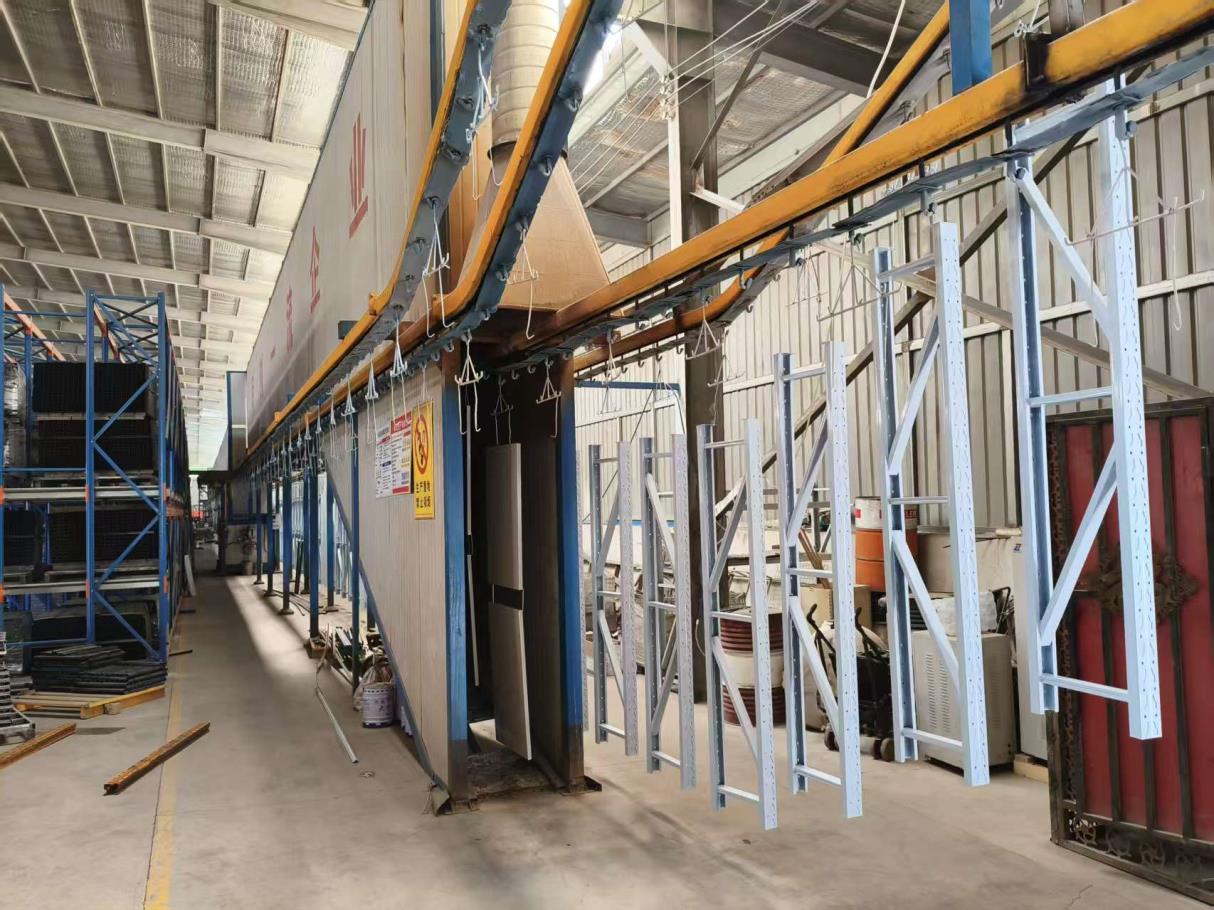
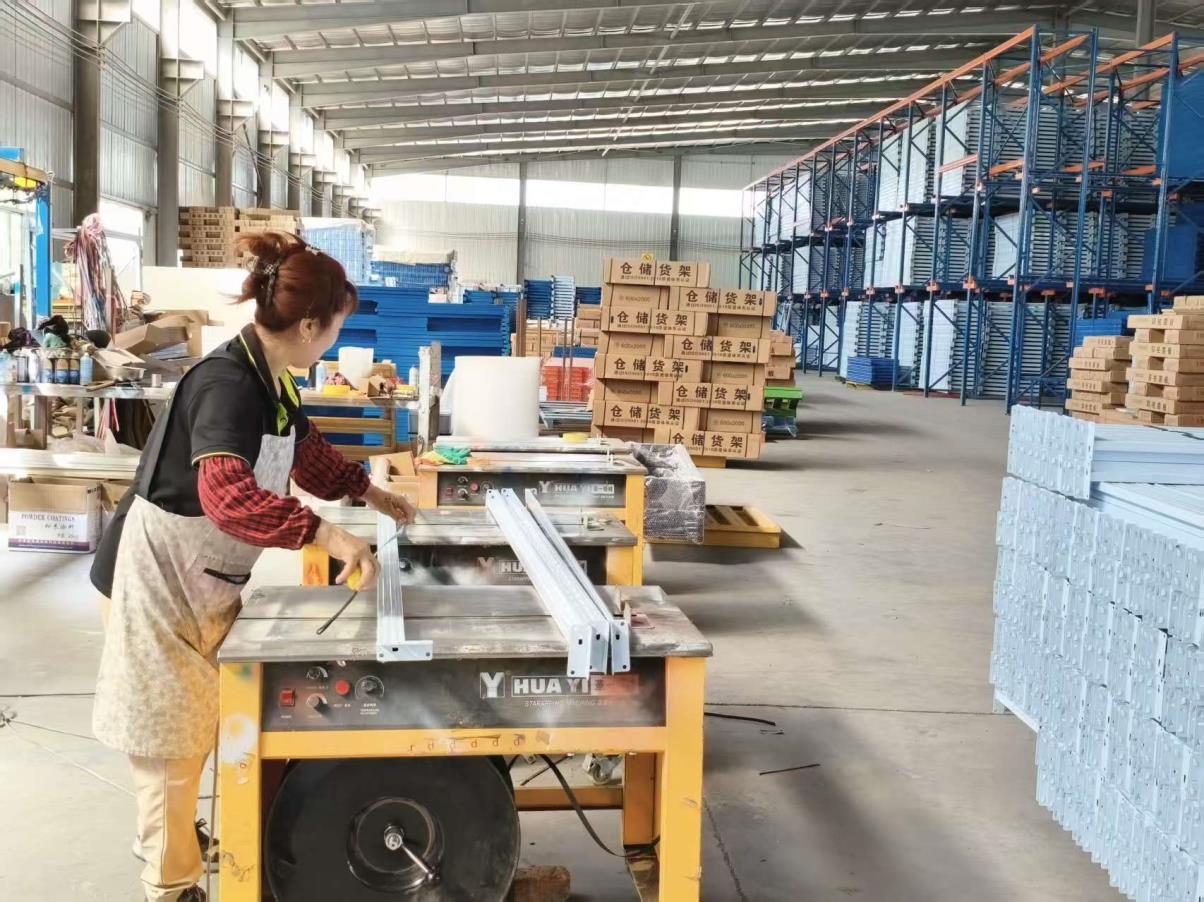
Sanyang's facility utilizes high-precision automated systems to process raw materials into structurally certified structural components. Observe the systematic workflow inside our manufacturing plant.
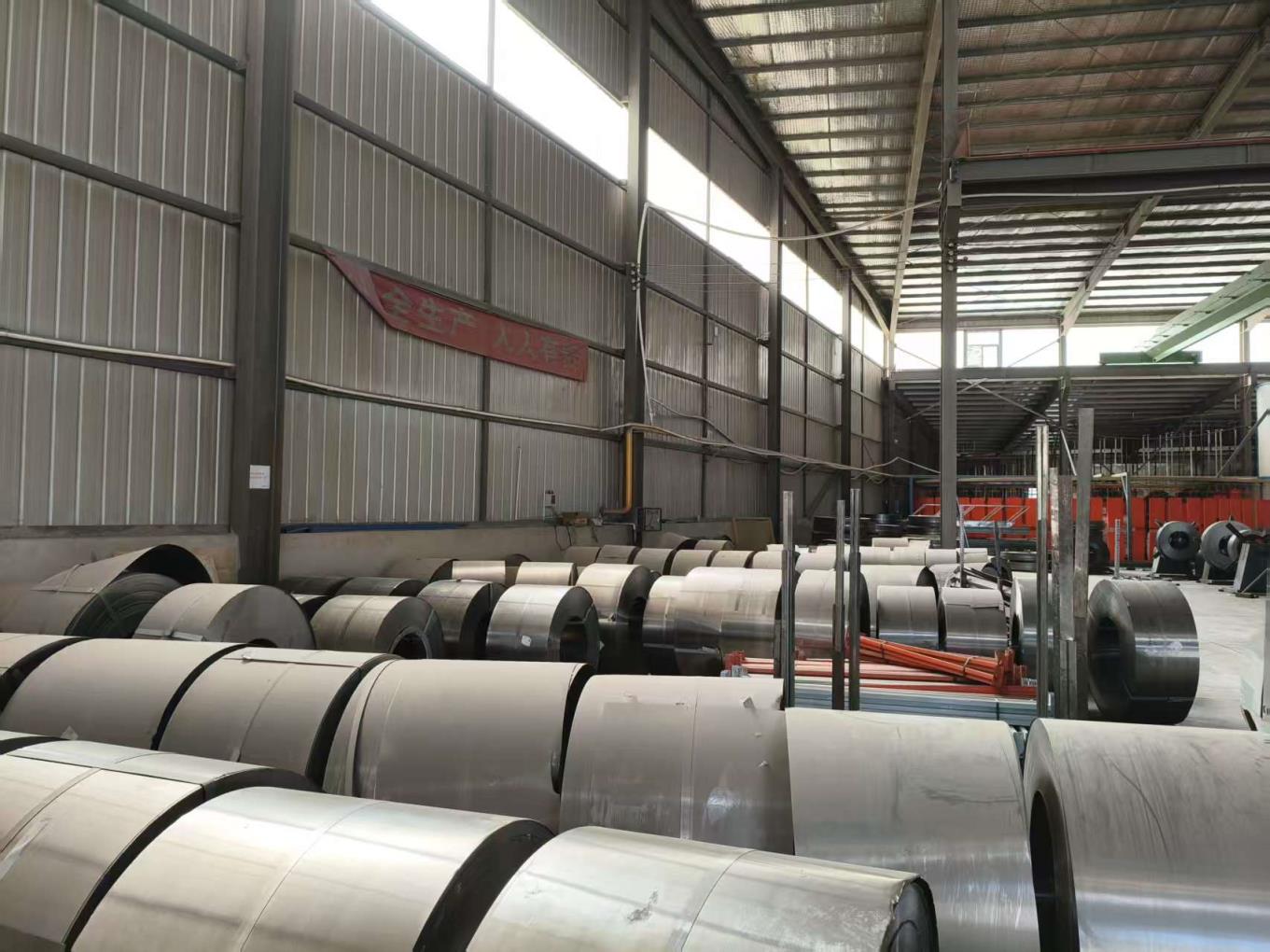
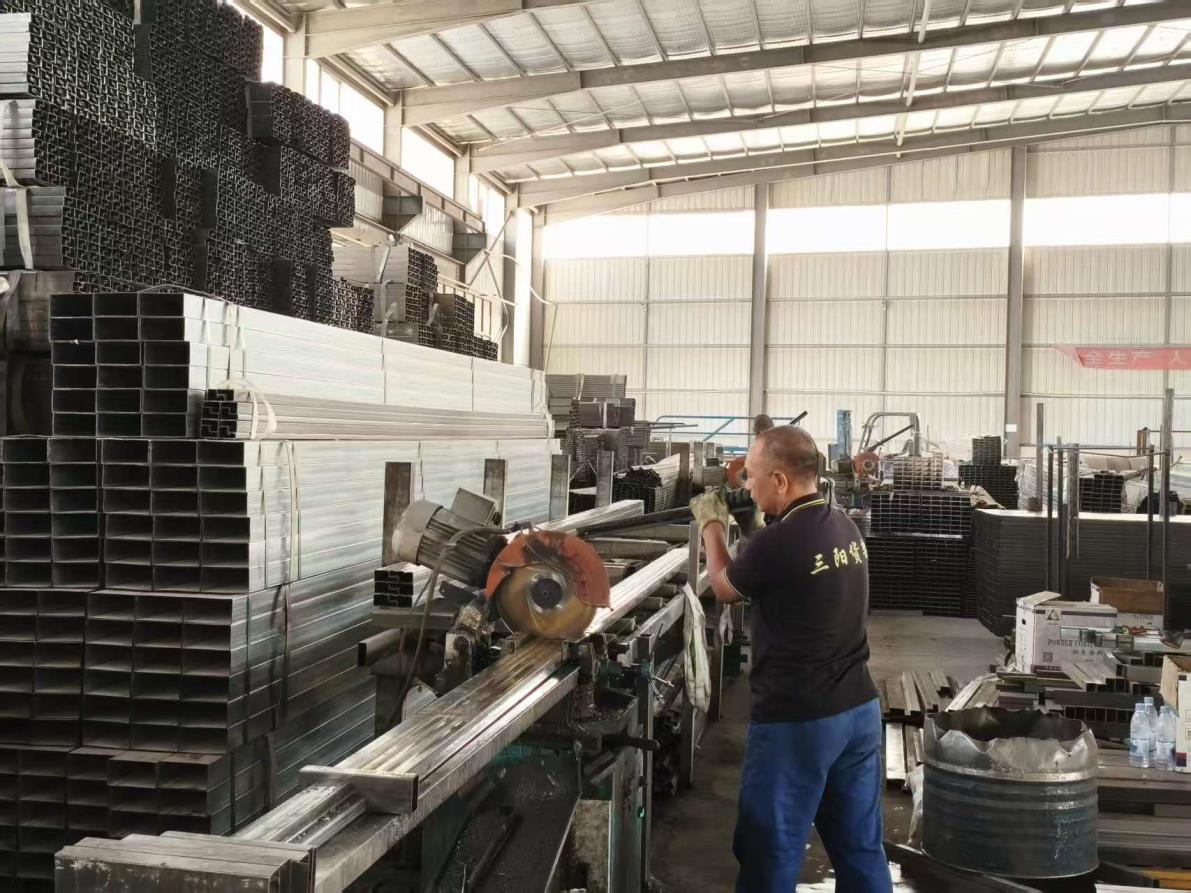
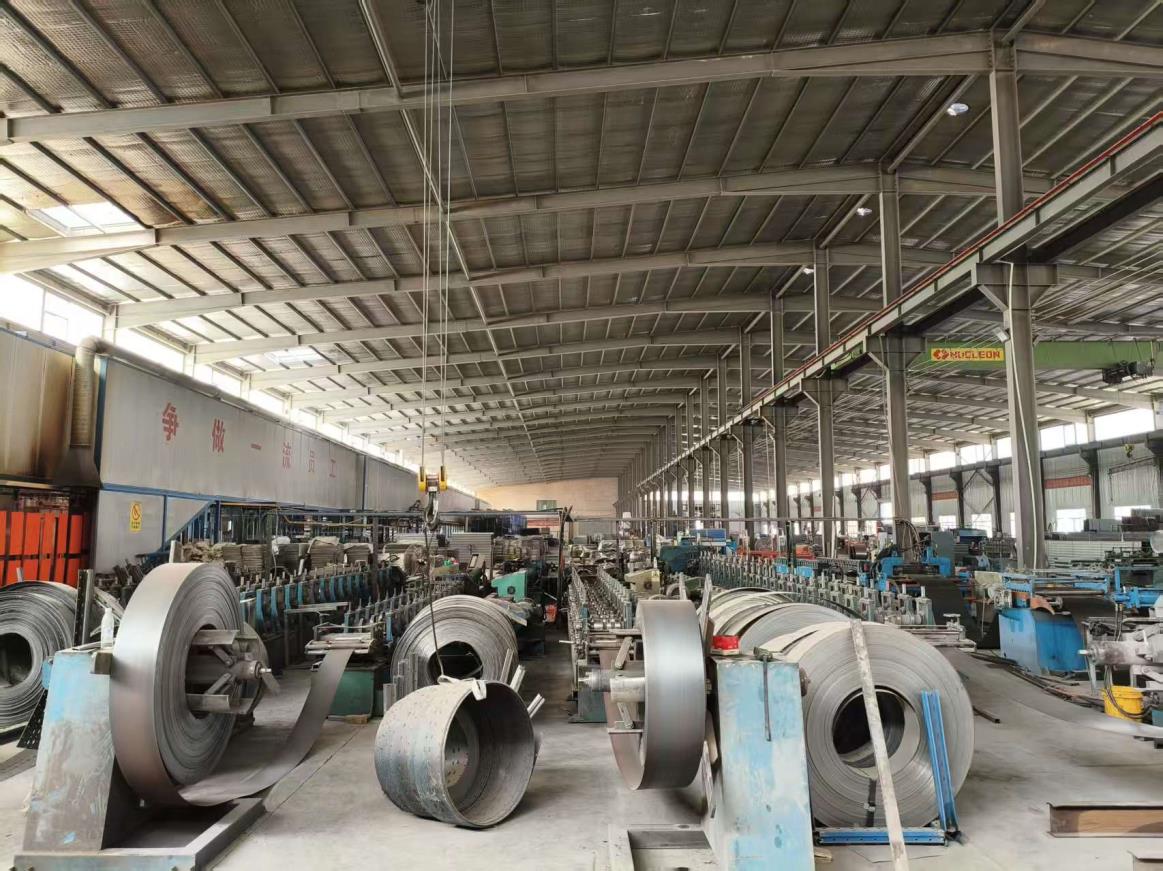
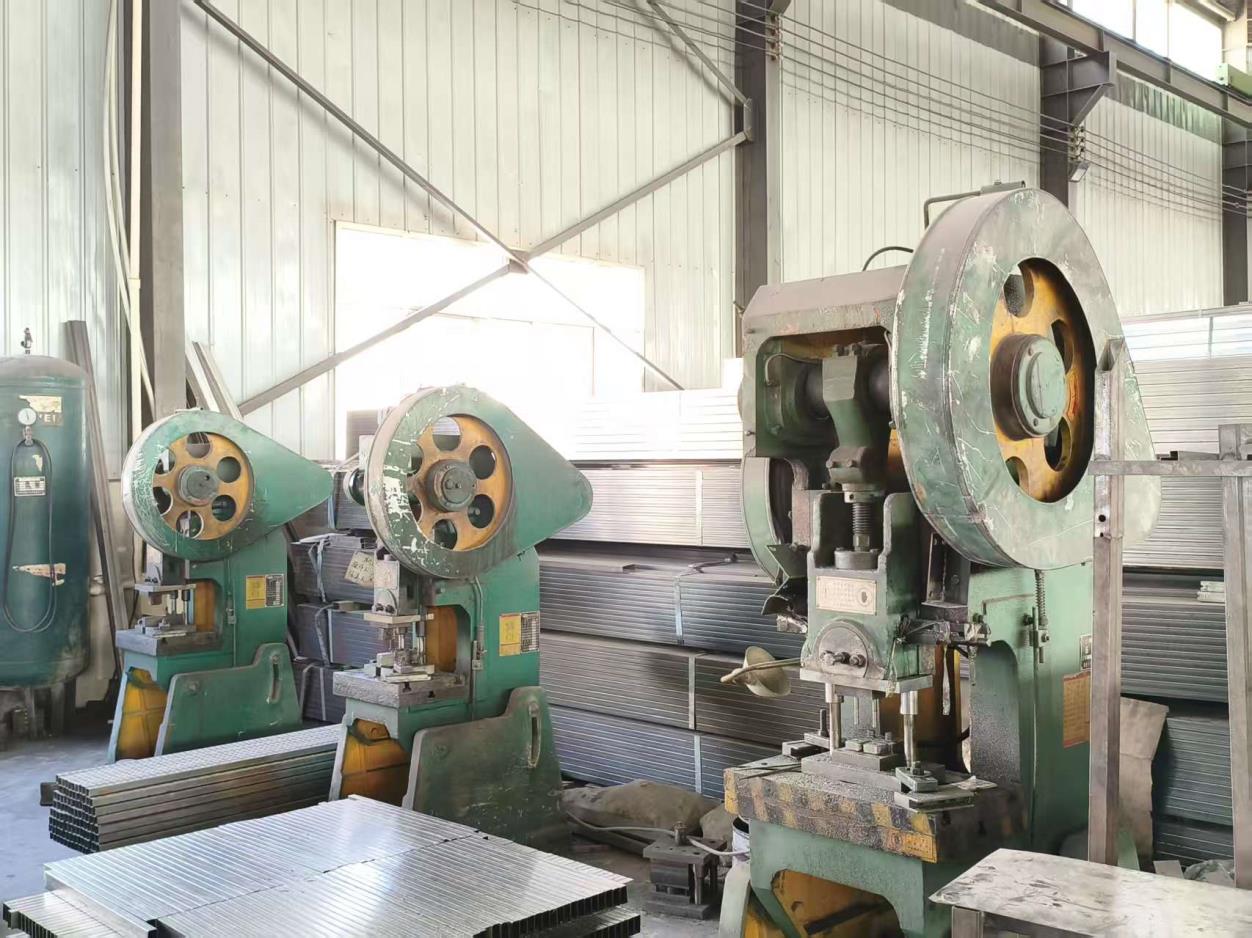
Procuring commercial racking at scale requires careful validation of design engineering and manufacturing consistency. When auditing global racking suppliers, logistics engineers and procurement managers prioritize the following criteria:
| Evaluation Parameter | Technical Baseline Requirement | Quality Impact |
|---|---|---|
| Steel Grade Consistency | High-yield Q235B or Q355B structural carbon steel conforming to ASTM equivalent specifications. | Ensures load safety coefficients (typically 1.5 to 1.8) are maintained under full-load conditions. |
| Welding Integrity | Robotic gas metal arc welding (GMAW) certified to AWS D1.1 structural standards. | Reduces failure risks under dynamic shear forces and seismic activities. |
| Surface Treatment | Electrostatic powder coating (60-80 microns thickness) with pre-treatment zinc-phosphating. | Defends structures against premature oxidation and mechanical abrasion. |
| Automation Tolerances | Millimeter-level dimensional precision matching crane/shuttle operations. | Avoids robotic malfunctions during shuttle transitions and vertical stack operations. |
The industry is rapidly evolving towards dynamic storage integration. Automated systems, like Radio Shuttle storage and high-speed AS/RS systems, require strict structural tolerances. Additionally, environmental and ESG mandates are driving manufacturers to implement eco-friendly operations, utilizing low-VOC powder coatings and recycled high-tensile steel, significantly reducing carbon footprints.
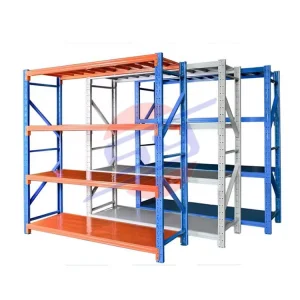
Heavy load systems must be tailored to specific operational contexts and sector environments. Below are the primary solutions utilized across global supply chains:
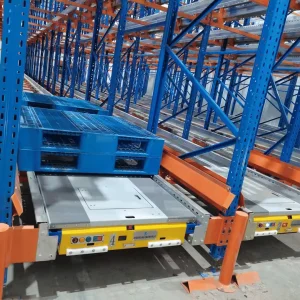
To process massive volumes of fast-moving consumer goods, automated structures like Radio Shuttle systems are deployed. These solutions maximize horizontal and vertical lane usage while enabling automated FIFO/LIFO picking cycles, cutting cycle times and operational costs.
Operating in temperatures down to -30°C demands highly specialized steel grades (such as Q355D, which maintains impact toughness at low temperatures) and specialized powder finishes to prevent frost degradation and ensure overall structural integrity.
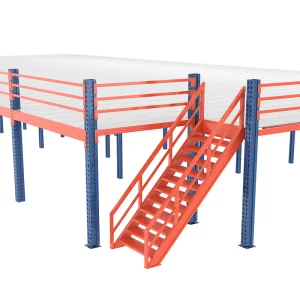
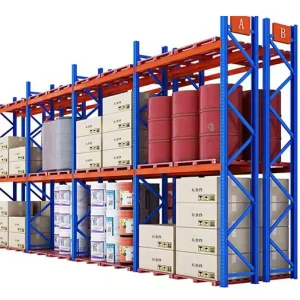
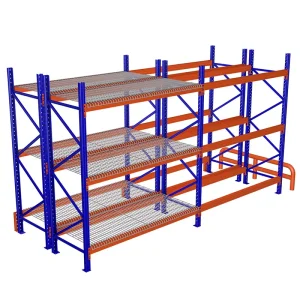
For heavy industrial applications like automotive assembly lines, customized steel mezzanines and structural selective pallet systems are designed to handle concentrated point loads exceeding 4,000 kg per level, preventing structural collapse and keeping operations safe.
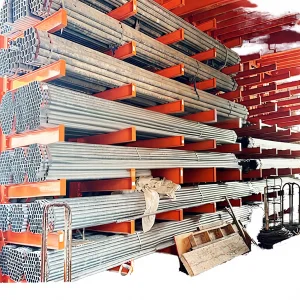
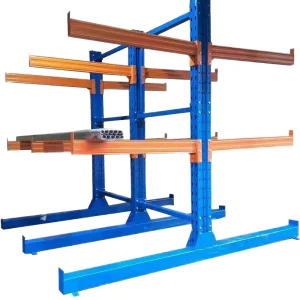
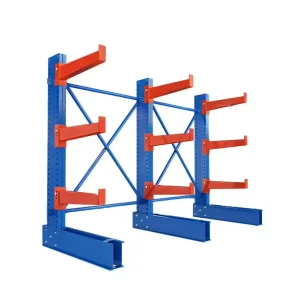
Standard racking is unsuitable for long, non-palletized inventory. Specialized cantilever racks provide open front access without upright obstructions, facilitating safe overhead crane loading and lift-truck accessibility.
As warehouse heights push past 40 meters, the engineering limits of roll-formed and structural steel are continually being tested. The next decade of heavy load racking design centers on structural intelligence and optimization:
Future systems will incorporate IoT load-cell sensors within racking beams. These sensors track real-time load distribution and warn warehouse safety managers of deflection limits or collision damage instantly, helping prevent catastrophic failures.
Using finite element analysis (FEA), designers model rack behavior under seismic events. The integration of structural baseplate isolators, energy-dissipating bracing, and heavy-duty frame configurations ensures operations remain safe and functional even in high-risk seismic zones.
Crucial technical answers regarding design criteria, load safety, and quality checks.
Explore our highly customized structural steel systems built to support high-density industrial environments, compliant with FEM, ISO9001, and ANSI standards.
 Sanyang Racking