Industrial-grade engineered solutions certified under global FEM & RMI guidelines.

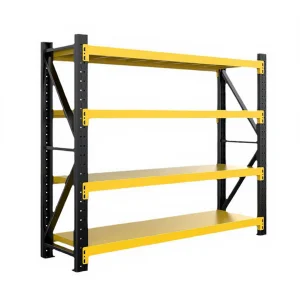
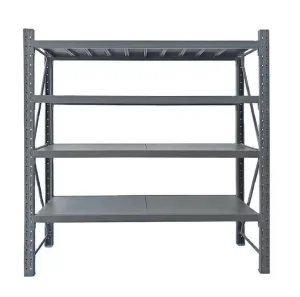
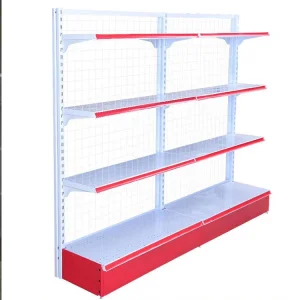
Analyzing the critical shifts in logistics density, supply chain agility, and high-performance industrial steel architectures.
Modern logistics hubs and industrial facilities face unprecedented demands for optimization. With urban industrial real estate prices appreciating rapidly, the mandate has shifted from horizontal footprint expansion to high-density vertical containment. The global market for structural industrial steel cabinets, heavy-duty racking, and automated storage units is undergoing a major technical transition. Warehouses are transitioning from static loading methods to complex dynamic loads, requiring deep architectural and structural calculations to maintain load-bearing safety, seismic compliance, and high throughput.
As a result, leading global procurement managers are moving away from commodity storage suppliers toward structural engineering partners. A premium storage cabinet or rack system is no longer just a physical structure; it is a critical asset integrated with material handling machinery, automated guided vehicles (AGVs), and smart warehouse management software (WMS). Selecting the right industrial racking and storage cabinet supplier demands rigorous evaluation of their manufacturing engineering, metallurgy quality, automated production precision, and adherence to international design standards.
E-E-A-T verification guidelines for institutional and enterprise procurement departments.
Verify that structural components utilize verified grades such as Q235B or Q355B structural carbon steel. Premium suppliers provide mill test reports showing tensile strength and physical stress thresholds.
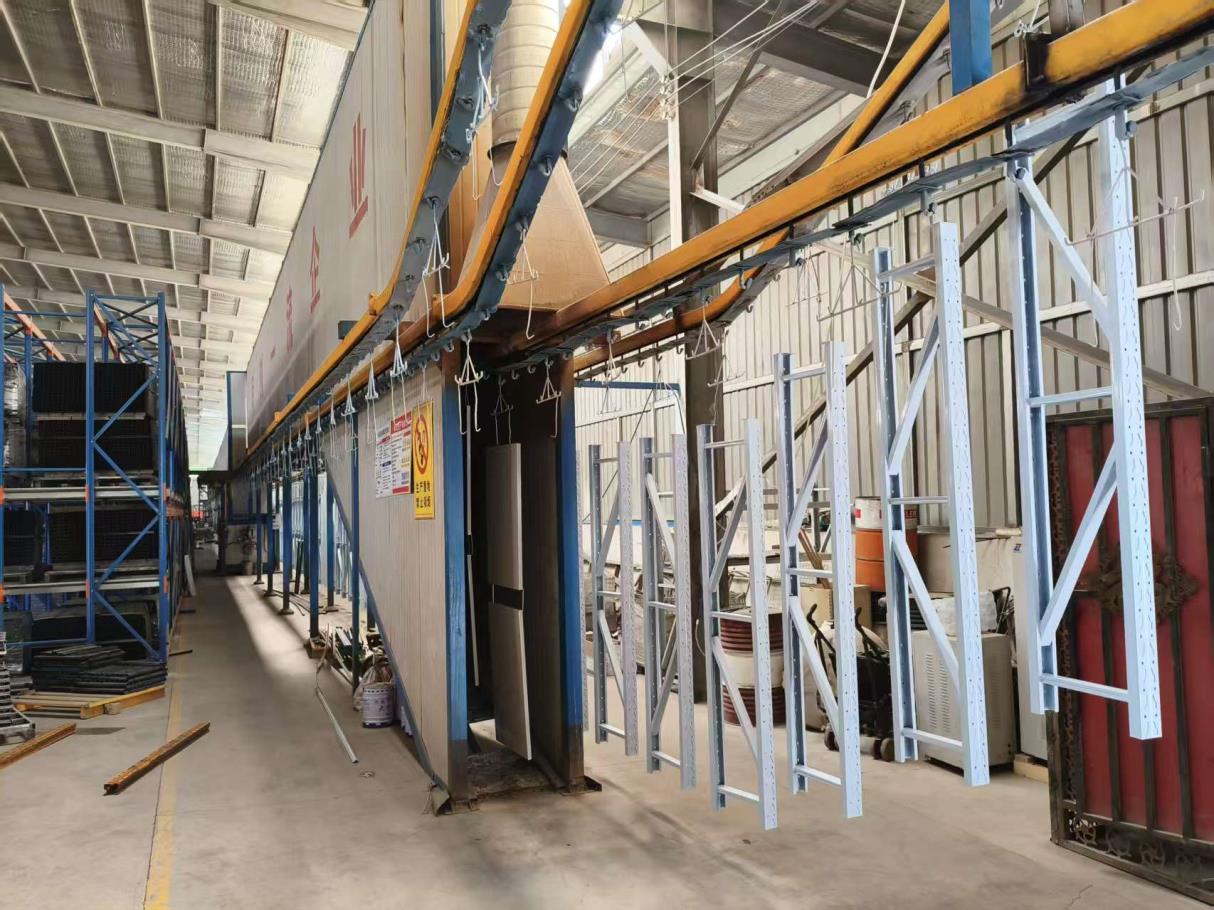
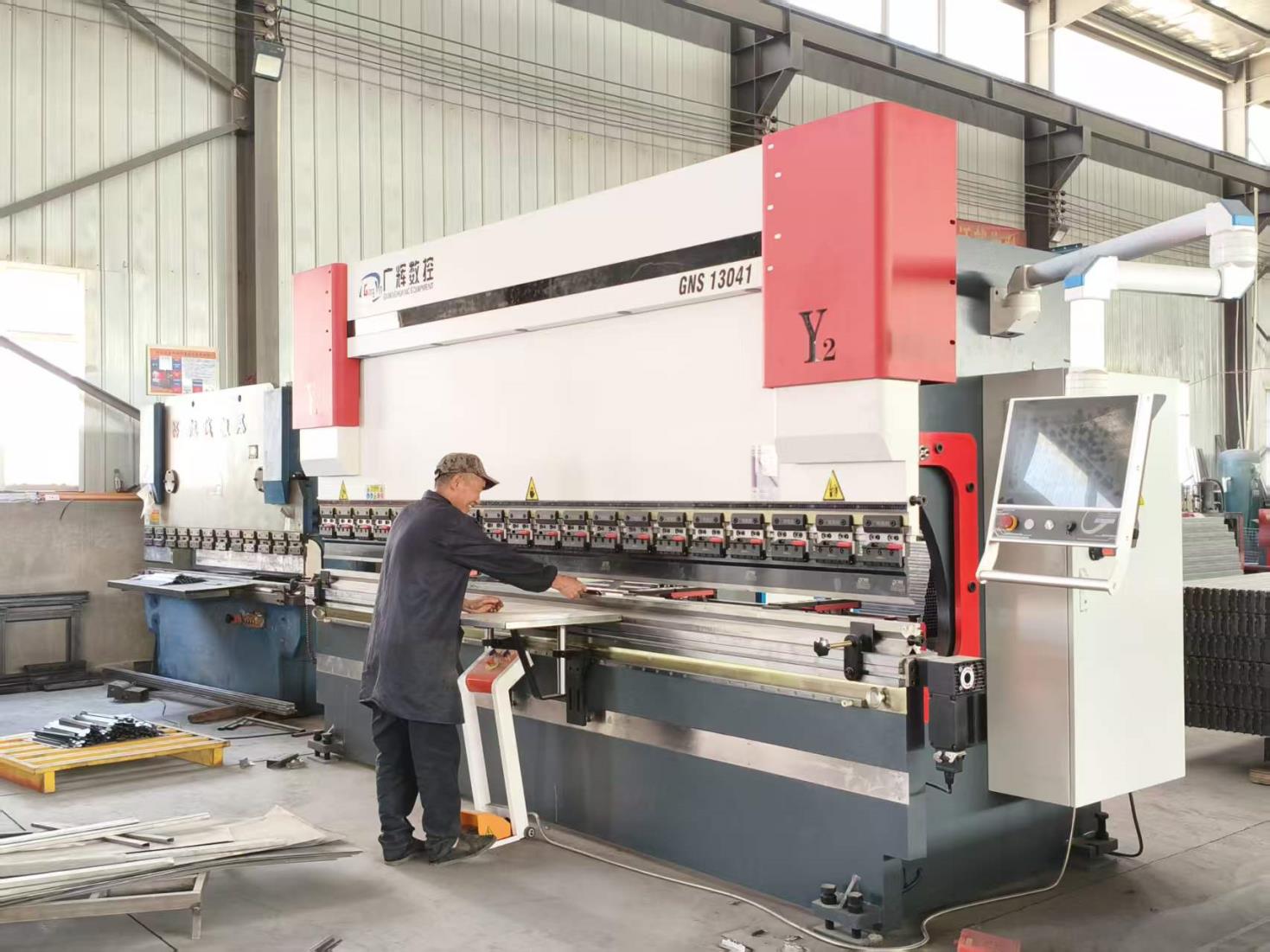
Look for facilities utilizing continuous CNC cold roll-forming lines, robotic welding stations, and high-capacity electrostatic powder coating systems to guarantee dimensional tolerance and surface protection.
Ensure products are designed to FEM 10.2.02 (European Federation of Materials Handling) or ANSI/RMI MH16.1 specifications, providing verified deflection indices under variable payload distributions.
Setting global standards in structural execution and high-load racking system integration.
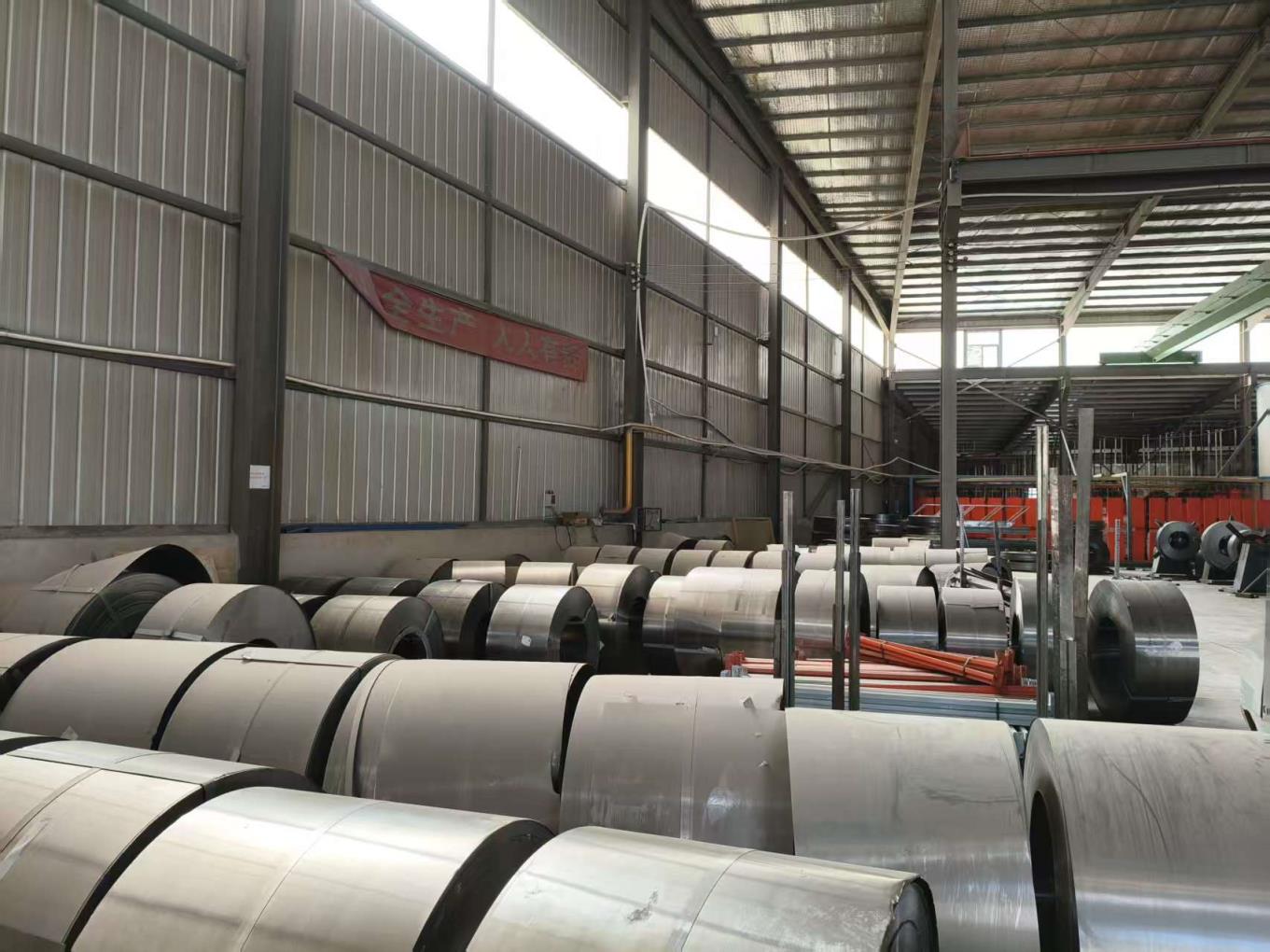
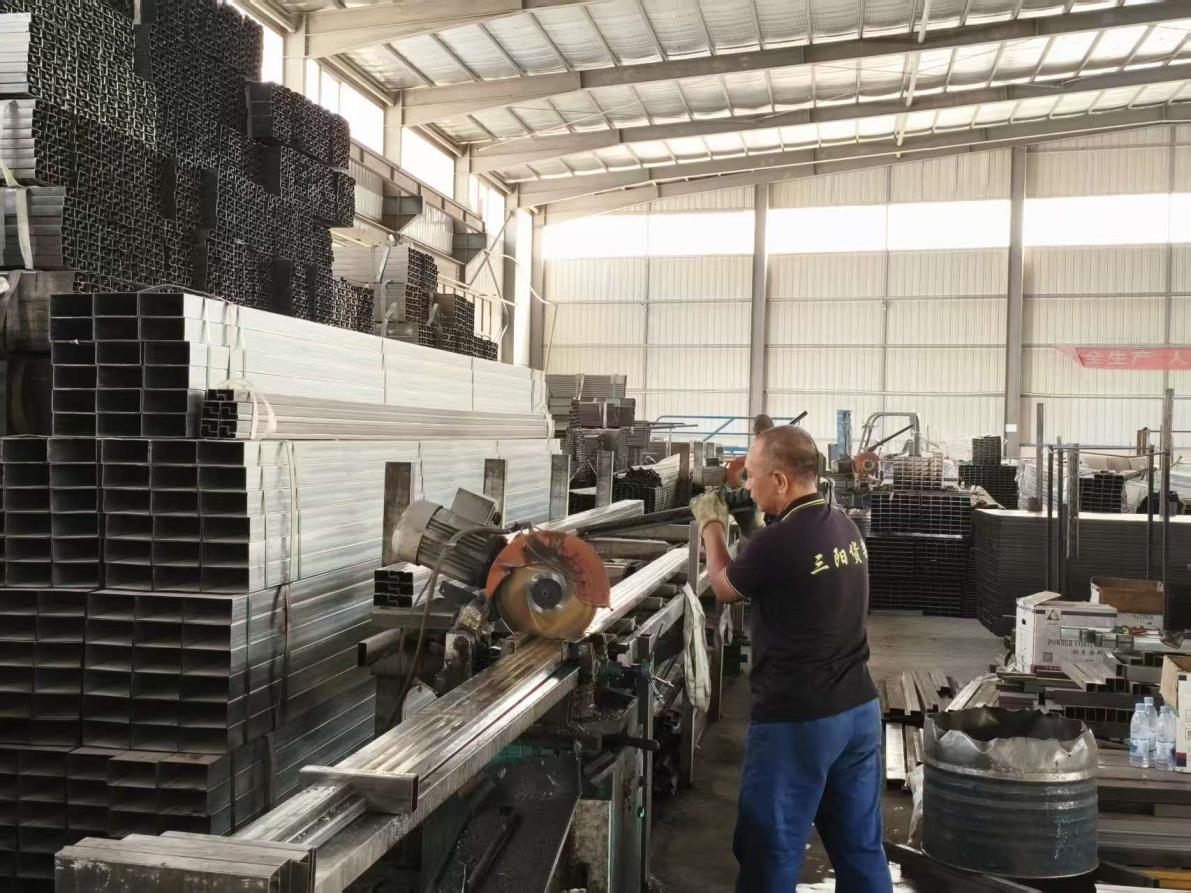
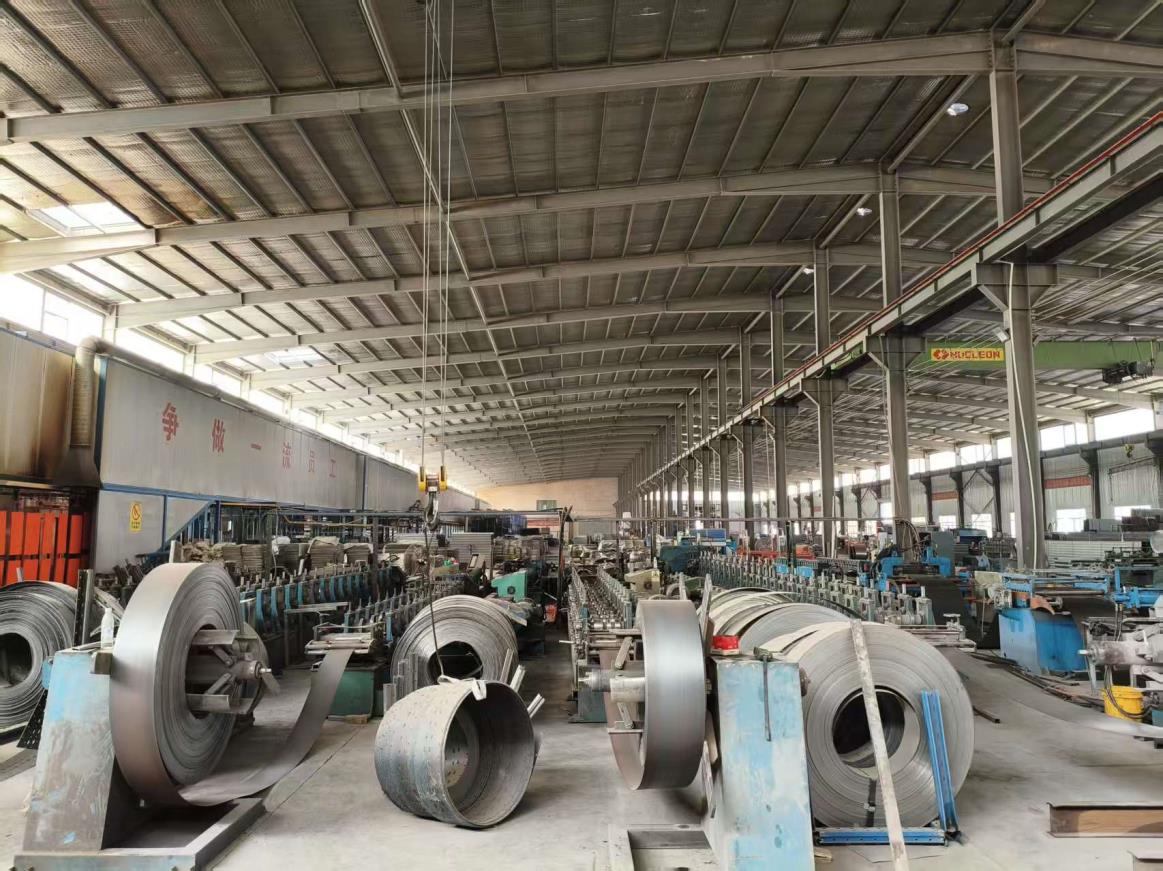
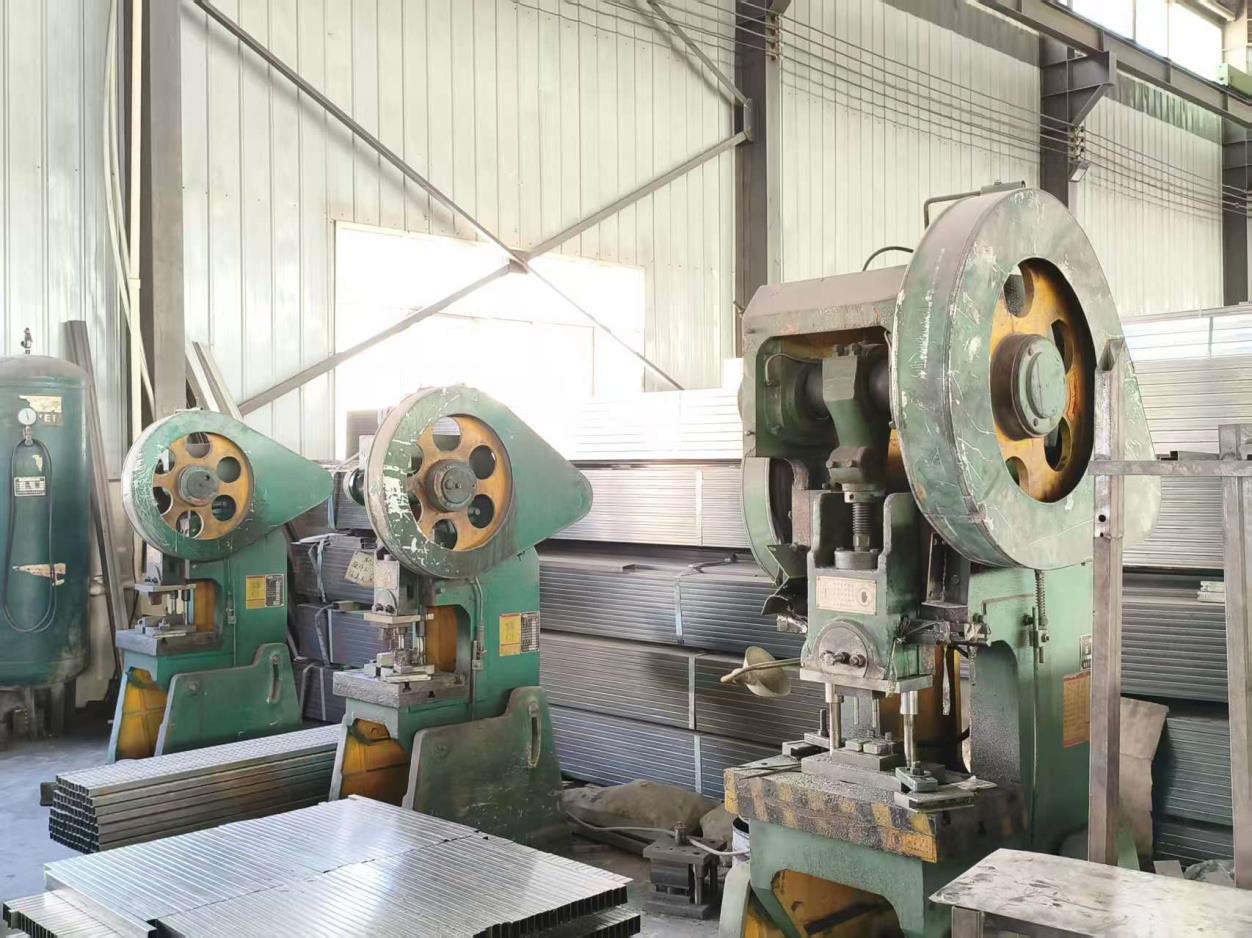
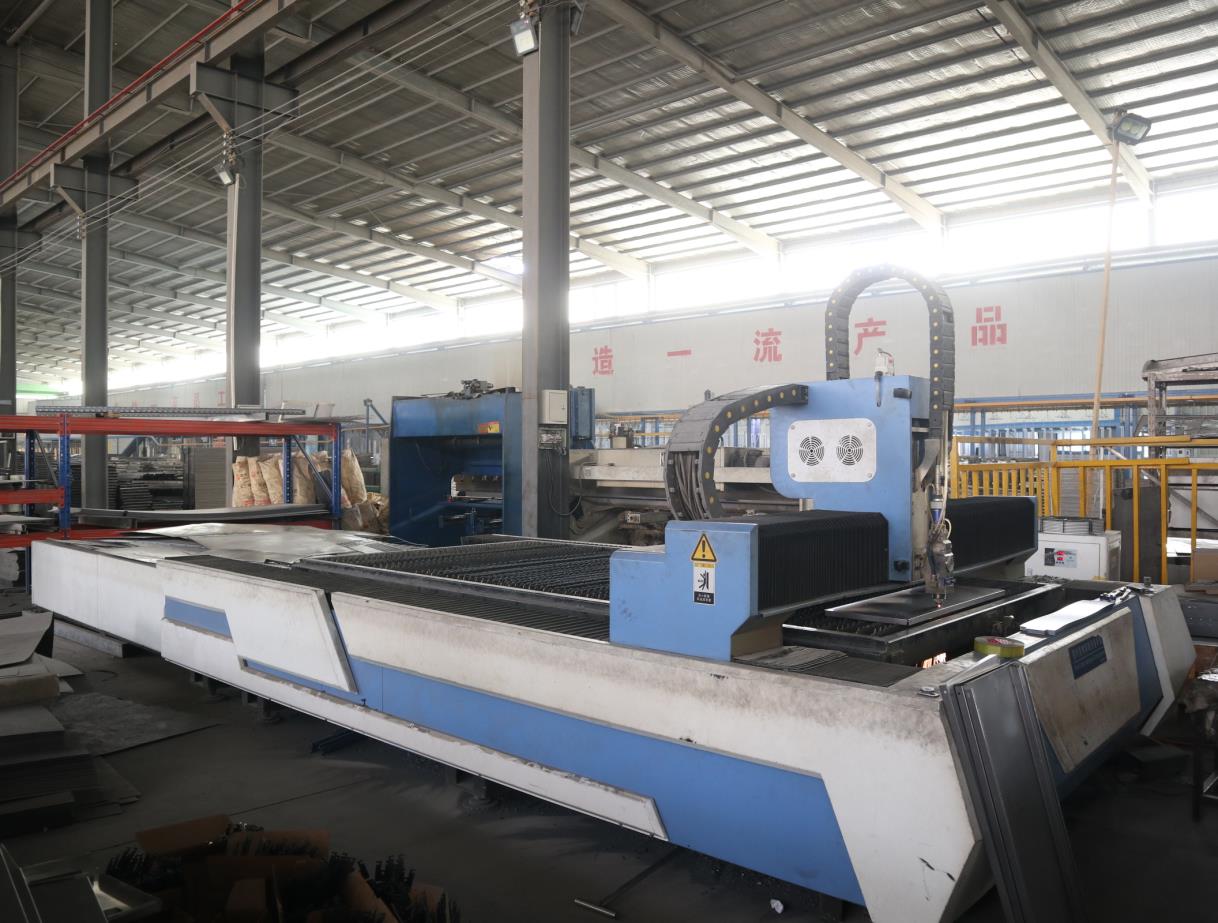
Established in 2015, Shenzhen Sanyang Storage Equipment Manufacturing Co., Ltd. stands as a premier enterprise specializing in the production of heavy-duty industrial pallet racking, warehouse shelving systems, and structural mezzanines. Our state-of-the-art facility, spanning a sprawling building footprint of 38,000 m², is configured with automated continuous profile rolling lines, precision fiber laser cutting networks, and robotic welding platforms.
Leveraging over 12 years of core industry experience and an active global supply export footprint of 8 years, Sanyang manufactures systems that process heavy freight demands with absolute safety. Today, the organization reports an annual export volume reaching $28 million USD across key logistics regions in North America, Western Europe, Southeast Asia, and the Middle East. The enterprise functions as a primary partner for large-scale e-commerce fulfillment centers, third-party logistics (3PL) operators, and complex cold-chain operations.
Quality control is strictly managed across all processing lanes. A dedicated team of 35 full-time QC inspectors performs systematic inspections, utilizing ultrasonic weld flaw detectors, magnetic coating thickness gauges, and mechanical stress testers to check raw material properties and structural integrity. Last year alone, Sanyang's R&D division of 18 engineers developed and introduced 65 innovative storage concepts, aligning with changing automated storage requirements.
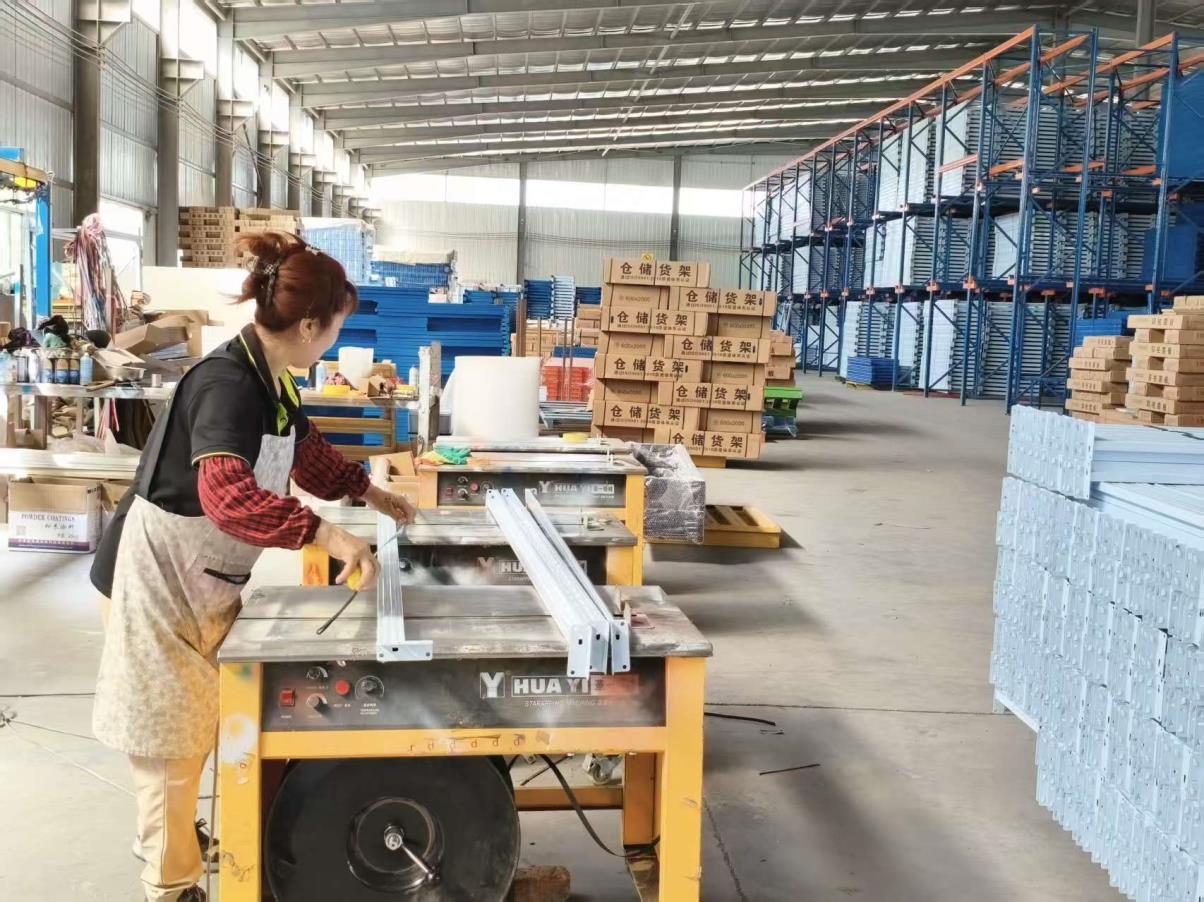
From structural raw material verification to advanced surface coating application.
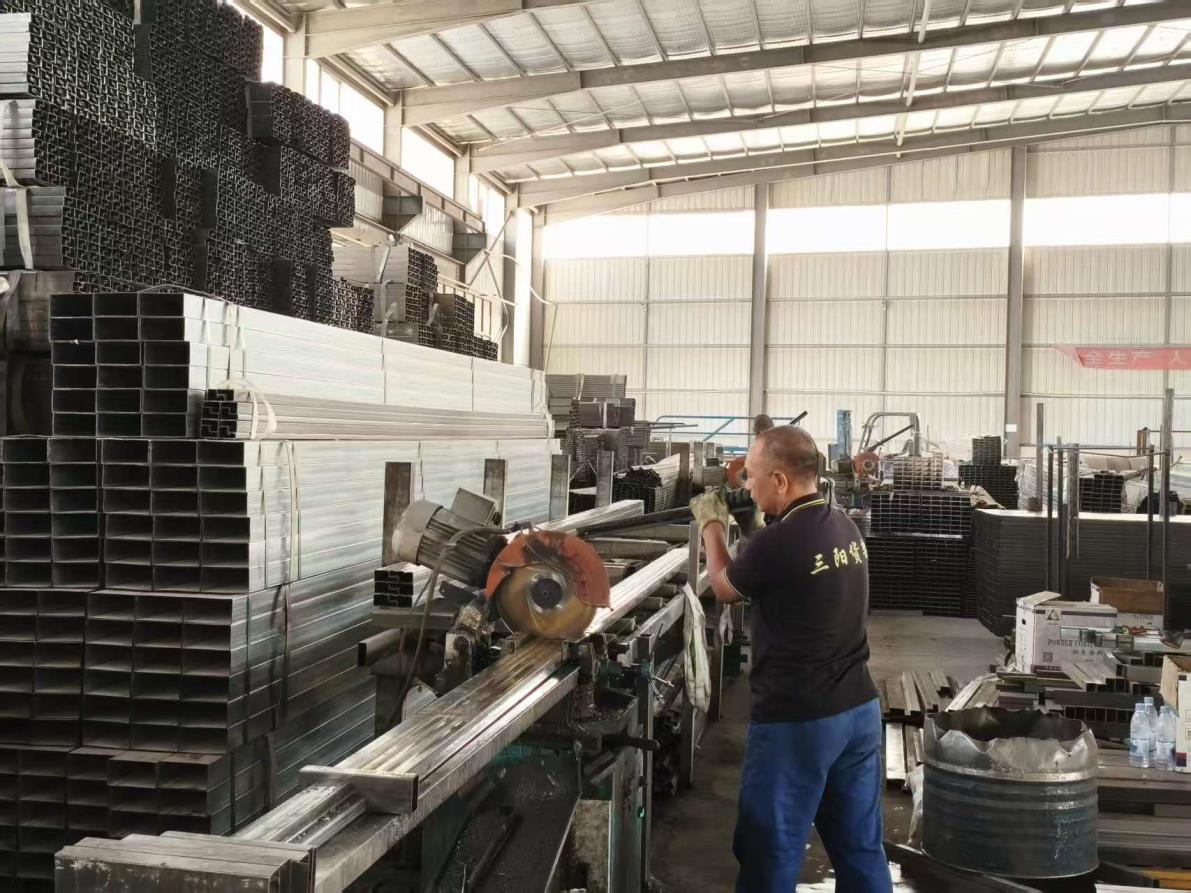
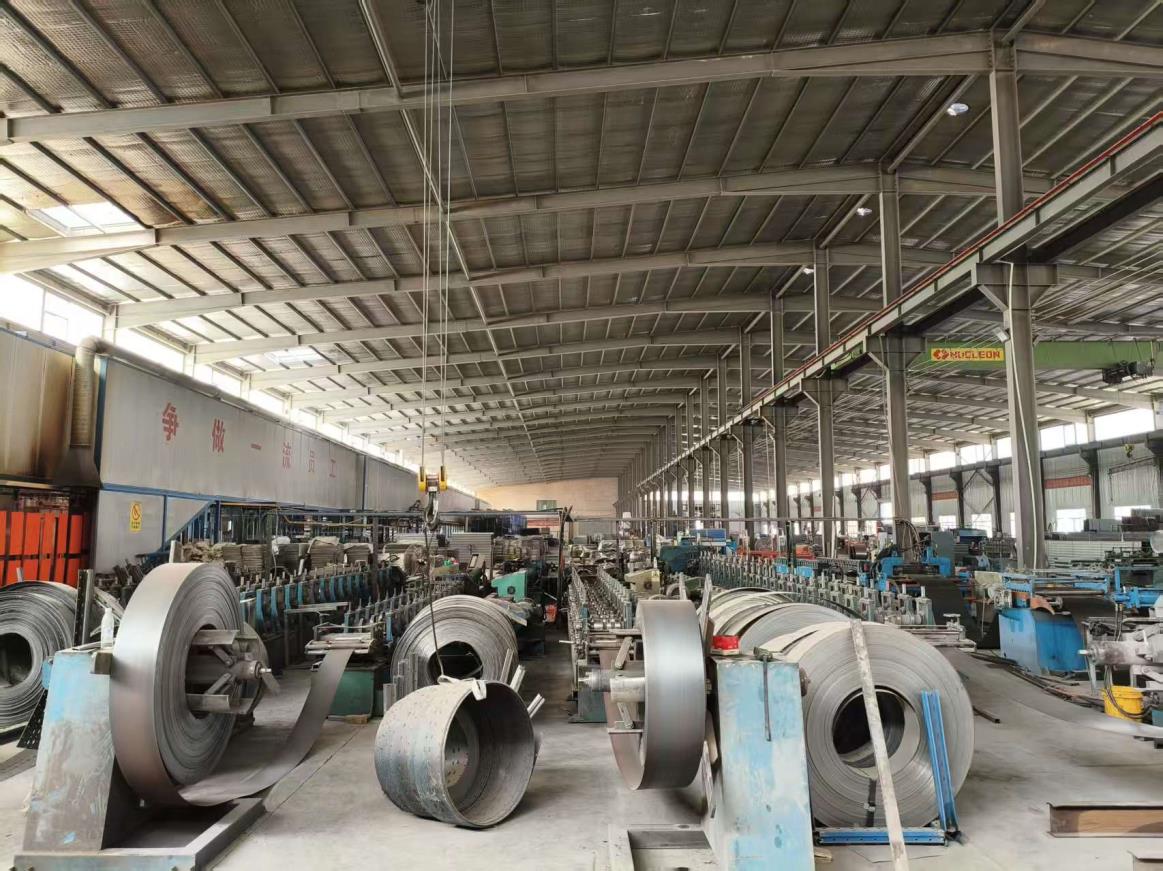
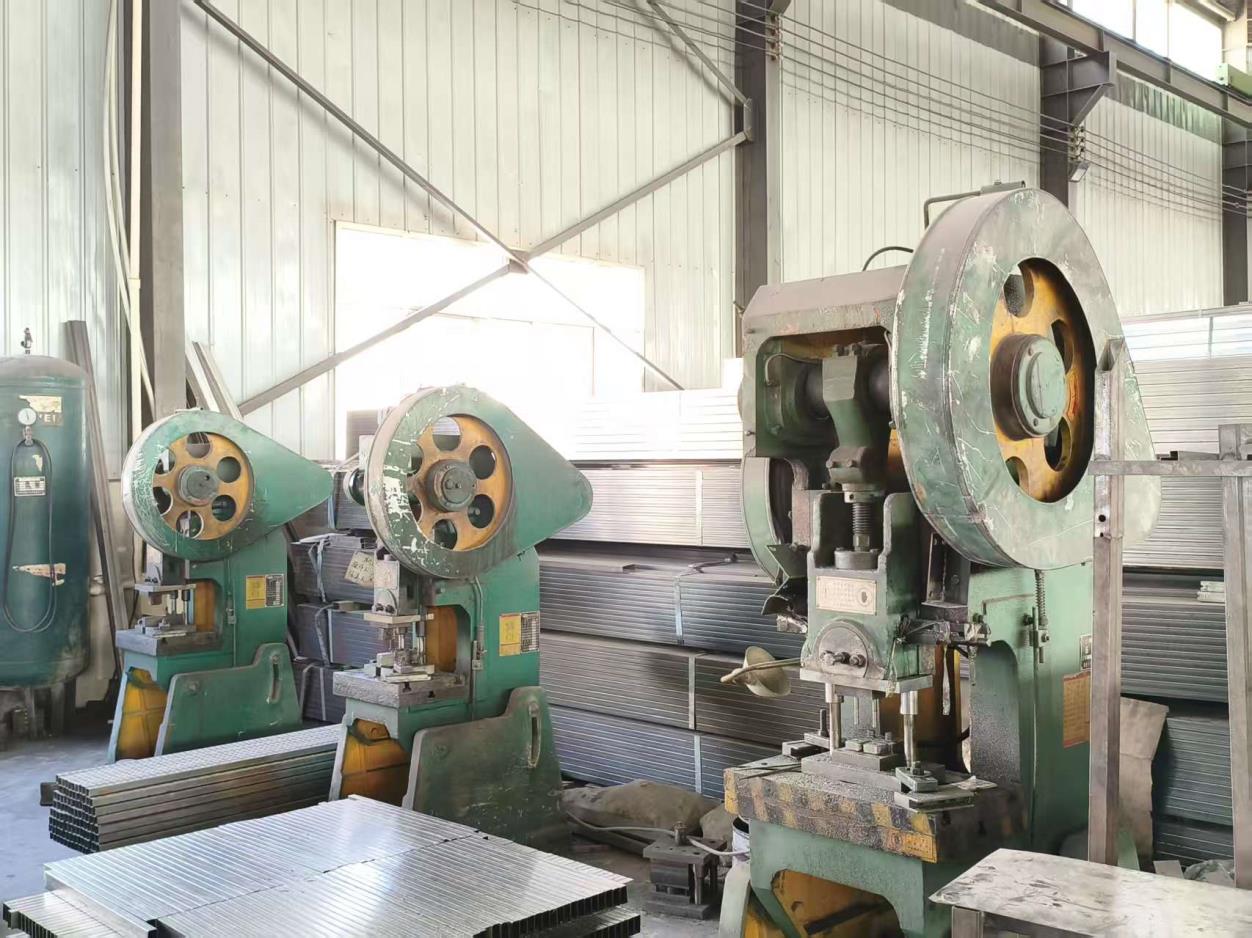
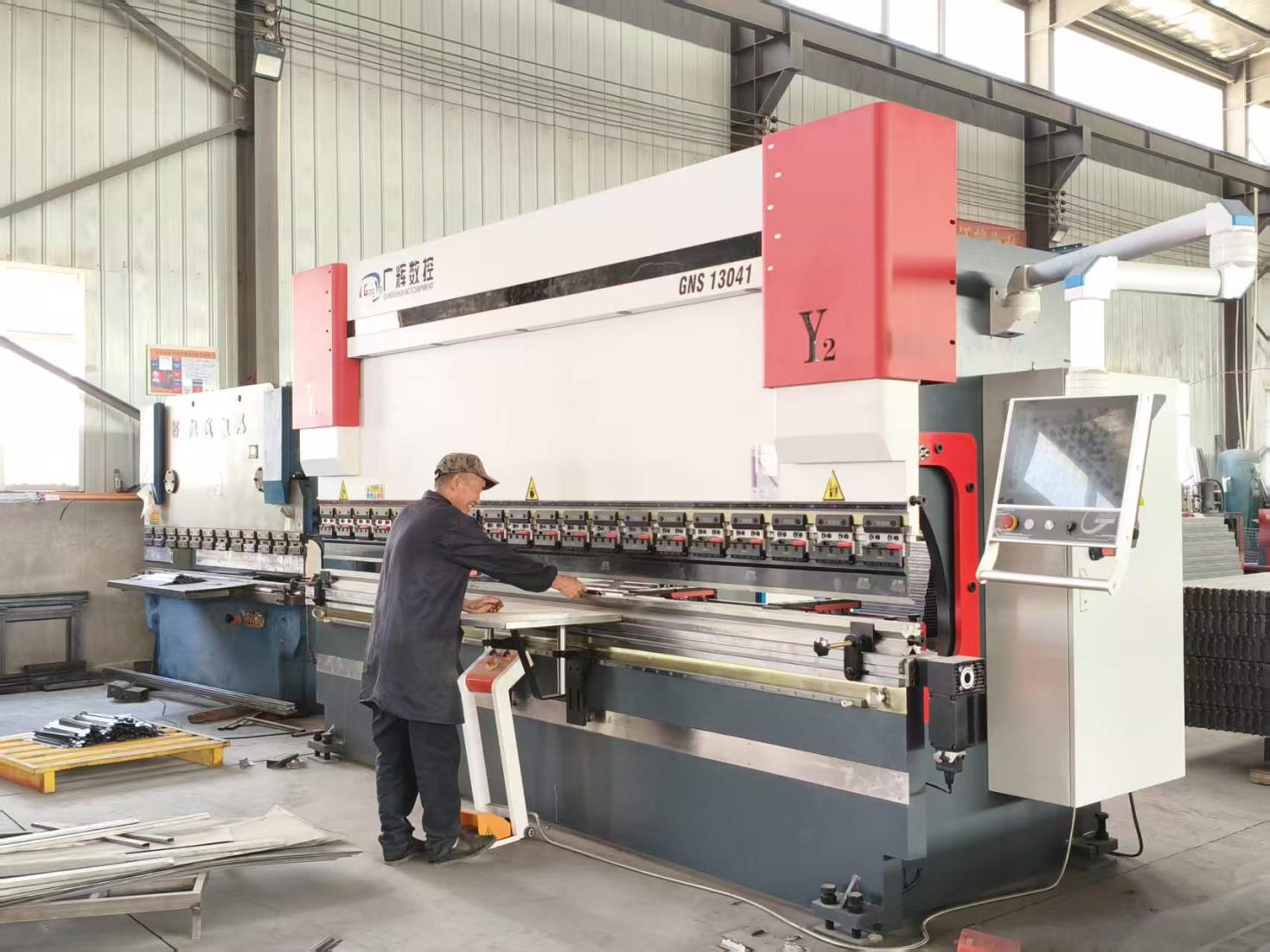
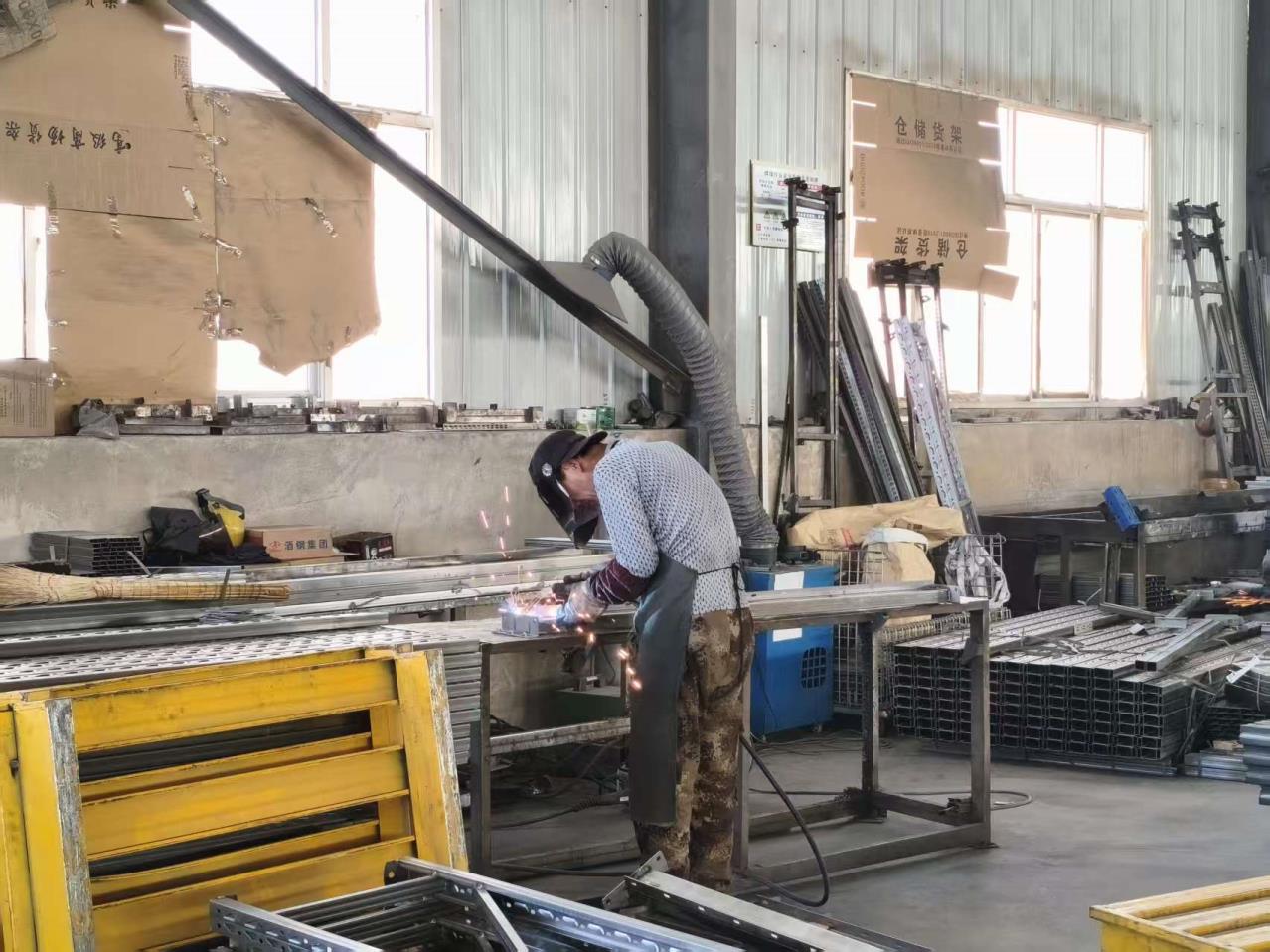
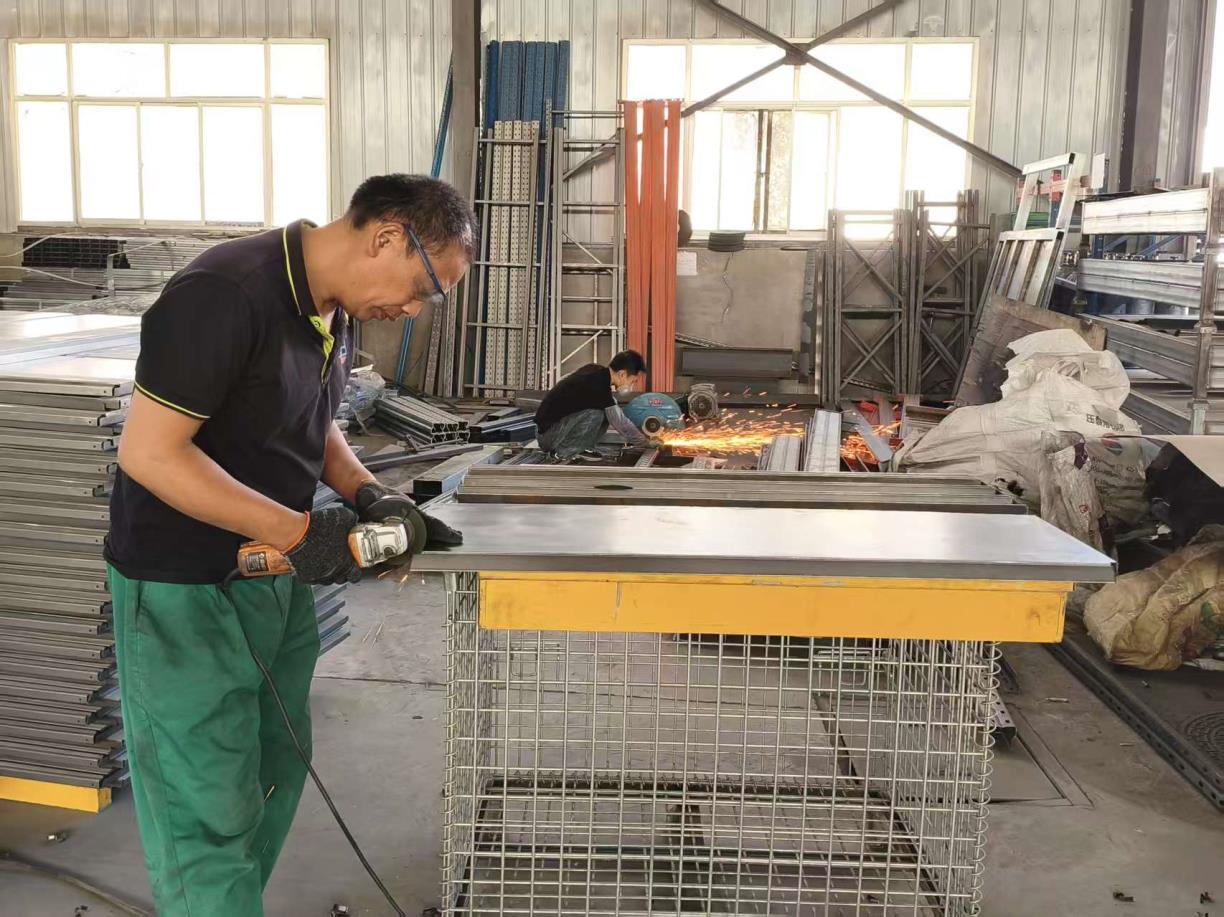
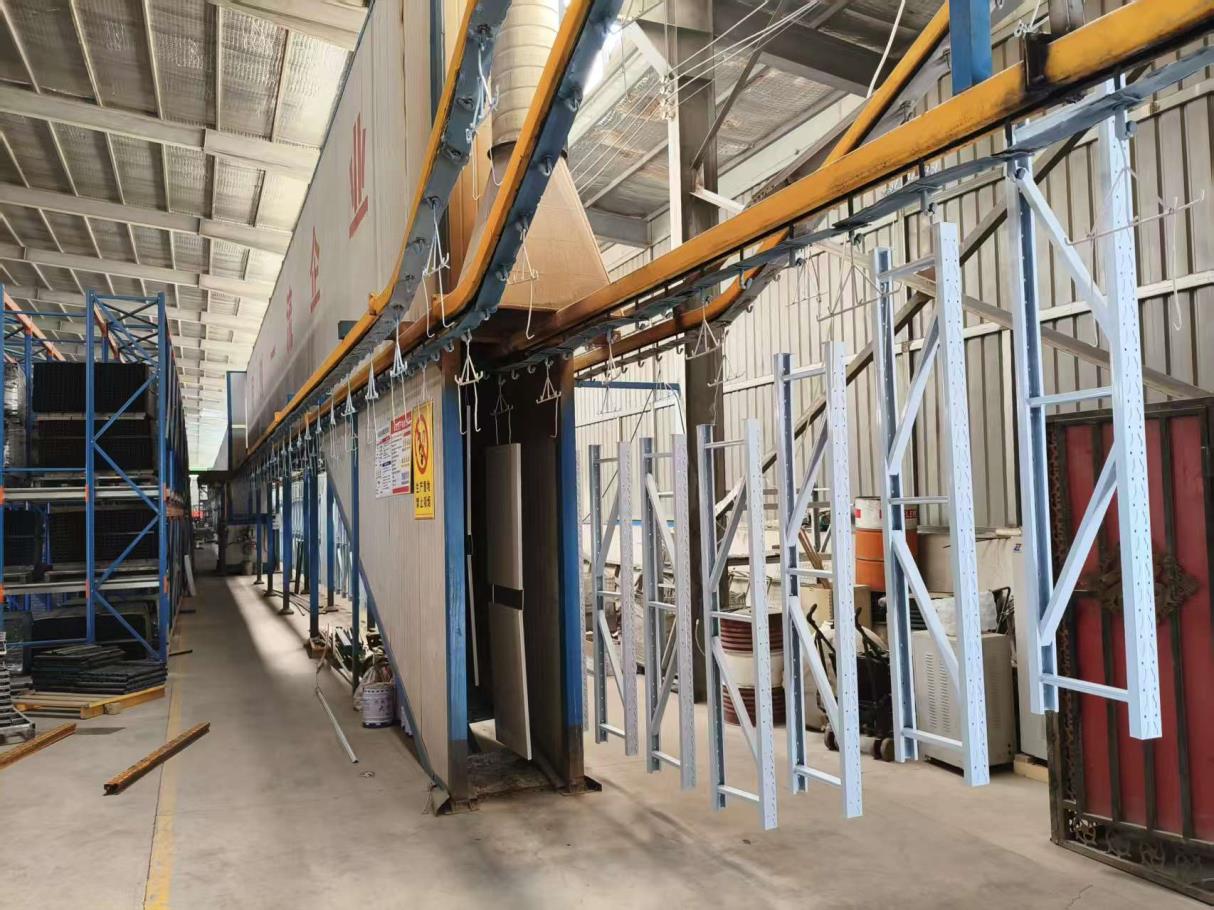
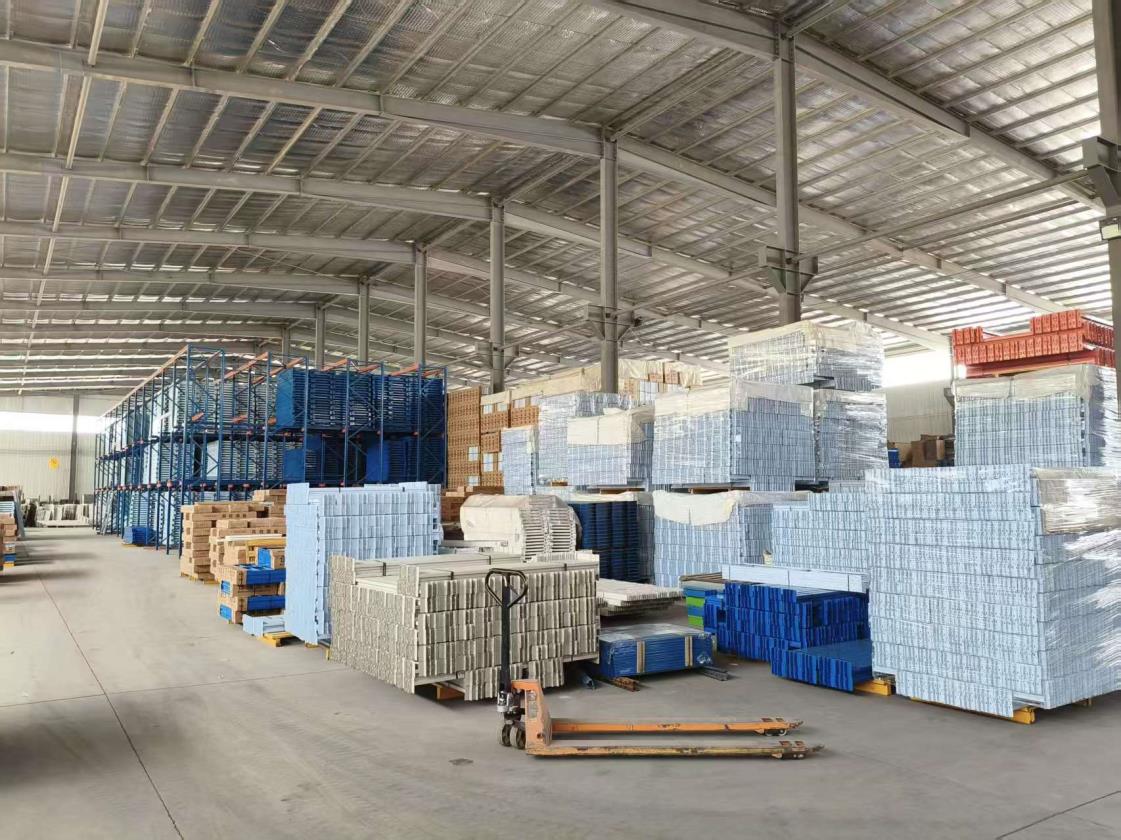
Engineered storage layouts optimized for safety and industry-specific throughput requirements.
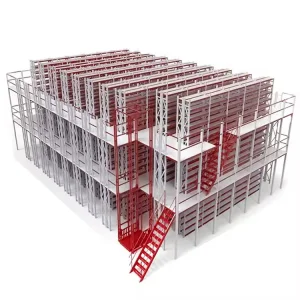
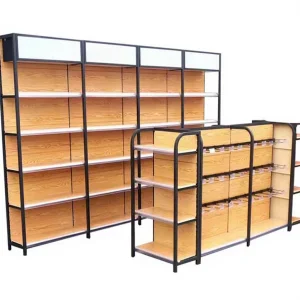
High-throughput pick-pack operations require systems configured for fast picking. Multi-level steel mezzanine racking systems double or triple floor use without expanding the warehouse footprint. Integrating modular storage cabinets at pick levels keeps smaller items organized, while ensuring compatibility with manual operations and sorting conveyors.
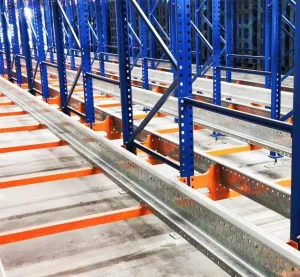
Cold storage operations require space optimization due to high cooling energy costs. Using custom shuttle rack designs or high-density drive-in pallet configurations maximizes cubic utilization. Sanyang’s structural steel and thick coatings prevent low-temperature embrittlement, ensuring stable performance in environments down to -30°C.
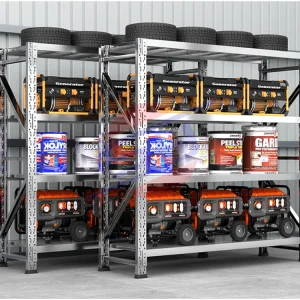
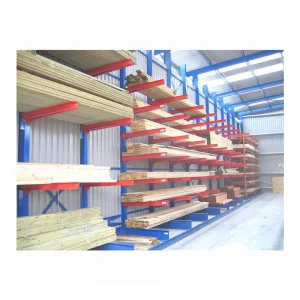
Manufacturing plants handling raw steel, engines, and heavy automotive panels require robust storage systems. Custom Q235B steel cantilever systems and heavy-duty adjustable pallets are configured to prevent buckling under high mechanical loads. These setups organize long and bulky items safely, keeping operational corridors clear.
Ensuring local building codes, structural calculations, and installation compliance are fully met.
Industrial storage systems are safety-critical structures. In jurisdictions monitored by OSHA (USA) or local European safety authorities, installation compliance requires verified structural calculations. Storage racks must have clear load labels showing the maximum weight capacity per level and per bay.
Sanyang provides complete engineering support, including seismic analysis reports for project sites located in active fault zones. The engineering department optimizes baseplate sizes, upright columns, and bracing layouts to ensure structural stability under local wind, seismic, and floor load requirements. This structural verification simplifies the local building permit process for facility extensions.
The future of autonomous picking, intelligent load tracing, and green steel manufacturing.
Developing lighter, high-strength structural profiles designed for automated stacker cranes and self-guided shuttles, maximizing vertical storage capacity.
Integrating load sensors and RFID tracking channels into cabinet and shelf structures, enabling real-time weight load updates and inventory visibility.
Adopting lead-free powder coatings, advanced water reclamation systems in pre-treatment wash cycles, and sourcing low-carbon recycled steel.
Detailed answers addressing critical structural engineering and sourcing questions.
Q235B and Q355B are carbon structural steel grades commonly used in roll-forming. Q235B has a yield strength of 235 MPa and is standard for light to medium-duty racking systems. Q355B has a higher yield strength of 355 MPa, making it ideal for tall, heavy-duty upright frames and long-span beams where load deflection must be minimized.
We use finite element analysis (FEA) software to model local seismic loads. Based on the site's zip code, we determine the seismic hazard values and calculate the dynamic response of the rack frame. This analysis determines whether we need to specify larger baseplates, upgraded floor anchoring, or additional diagonal back bracing.
For humid environments, we recommend a multi-stage electrostatic powder coating with a zinc-rich epoxy primer. For outdoor or corrosive settings, hot-dip galvanized (HDG) steel components provide long-term rust and oxidation protection.
Standard OEM production takes 20 to 30 days after drawing approval and deposit receipt. Highly customized shapes or complex paint finishes may extend the timeline by 7 to 10 days to allow for tooling setup and quality verification.
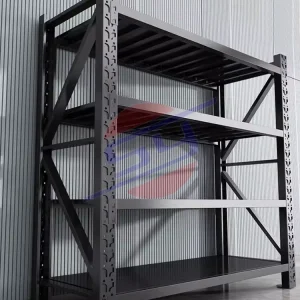
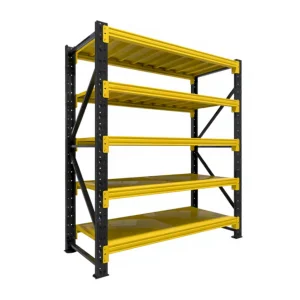
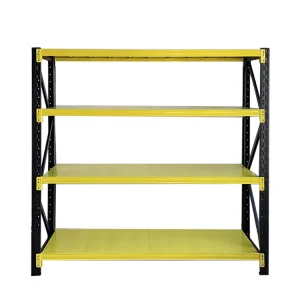
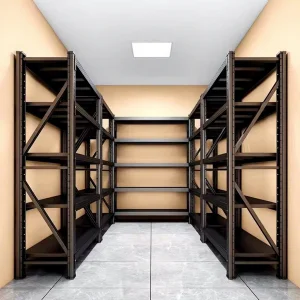
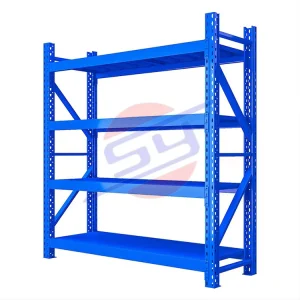
Maximize space and organization with customizable shelving configurations.

 Sanyang Racking