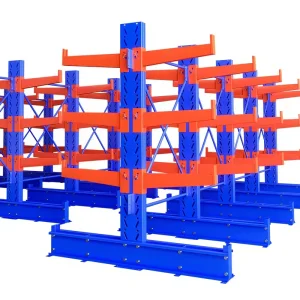
Engineered to optimize volumetric utility, load integrity, and fast pallet throughput across demanding supply chains.
Why leading global supply chains are phasing out traditional racking and adopting Radio Shuttle technology.
Global warehousing land costs have increased by up to 45% in prime manufacturing and logistics hubs. Radio Shuttle storage systems bypass aisle requirements, increasing pallet storage capacity by up to 80% compared to selective racking, and reducing overall construction footprints.
Operational vulnerabilities, labor shortages, and rising employee costs prompt companies to transition to semi-automated storage models. Eliminating forklift operations inside high-density channels significantly lowers labor dependency and increases cycle-time predictability.
In deep-freeze operations (-18°C to -25°C), thermal management represents a primary utility expense. Shuttle systems decrease the volume of open air requiring refrigeration by packing pallets closely together, resulting in energy savings of up to 30%.
An authoritative analysis of structure, electronics, and warehouse coordination logic.
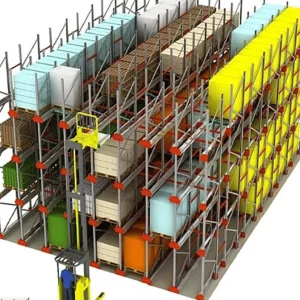
Radio Shuttle technology represents a significant development in high-density storage. By separating the horizontal transport mechanism (the automated shuttle runner) from the vertical lift equipment (the traditional forklift or stacker crane), throughput speeds are optimized without compromising load density. These systems operate on structural channels manufactured from cold-rolled steel, designed with integrated guidance tracks. The automated shuttle cart travels along these rails, lifting, transporting, and depositing heavy pallets safely and precisely.
| Storage System Type | Space Efficiency | Throughput Rate | Initial Capital Expenditure | Safety Index | Typical SKU Density |
|---|---|---|---|---|---|
| Selective Pallet Racking | Low (approx. 40%) | Very High (Direct access) | Low | Moderate | Low (1 Pallet/SKU/Position) |
| Drive-In Racking | High (approx. 65%) | Low (Slow maneuvers) | Medium-Low | Low (Forklift enters rack) | High (LIFO only) |
| Radio Shuttle System | Very High (up to 85%) | High (Semi-Automated) | Medium-High | High (Zero rack collision) | Very High (LIFO / FIFO) |
| AS/RS (Miniload/Crane) | Maximum (90%+) | Maximum | Very High | Excellent | Maximum |
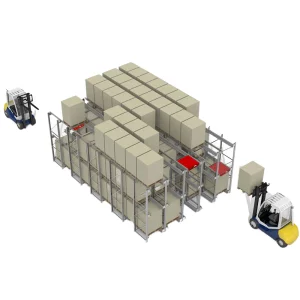
Unlike Drive-In racking, which forces forklift operators to navigate inside the rack structure (increasing the risk of structural damage and collision), the Shuttle Rack System keeps forklifts in the access aisle. This isolation reduces frame wear and tear, lowers structural maintenance costs, and improves safety margins for personnel.
Shenzhen Sanyang Storage Equipment Manufacturing Co., Ltd.
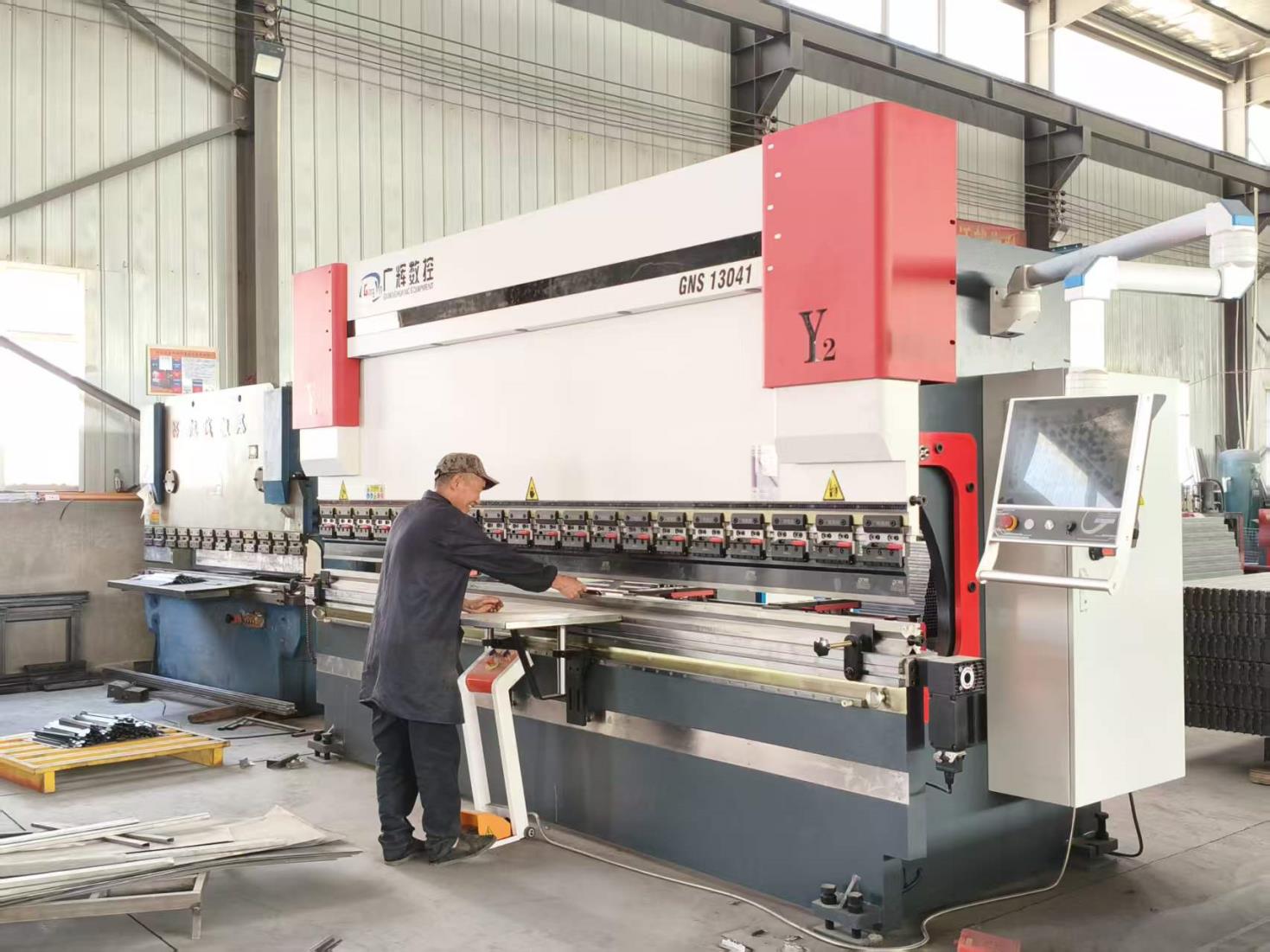
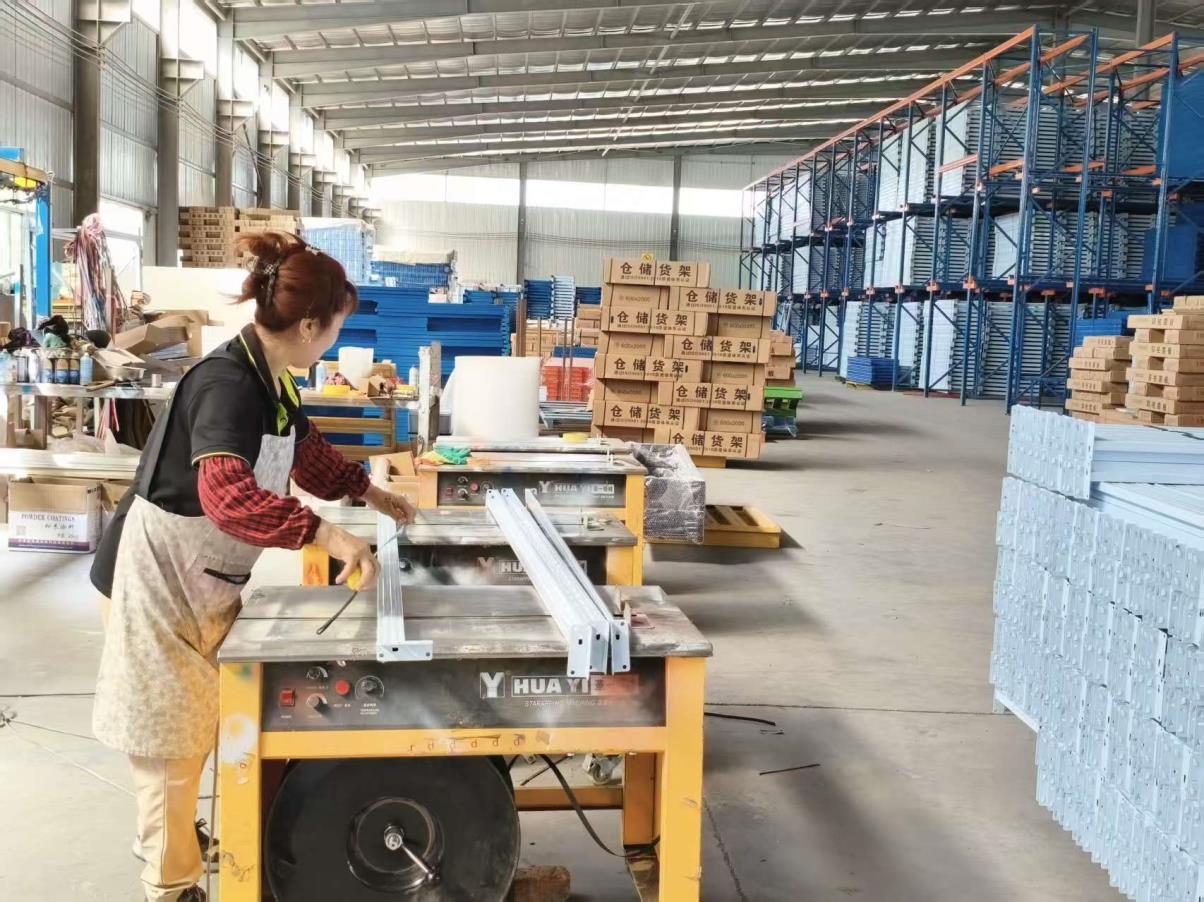
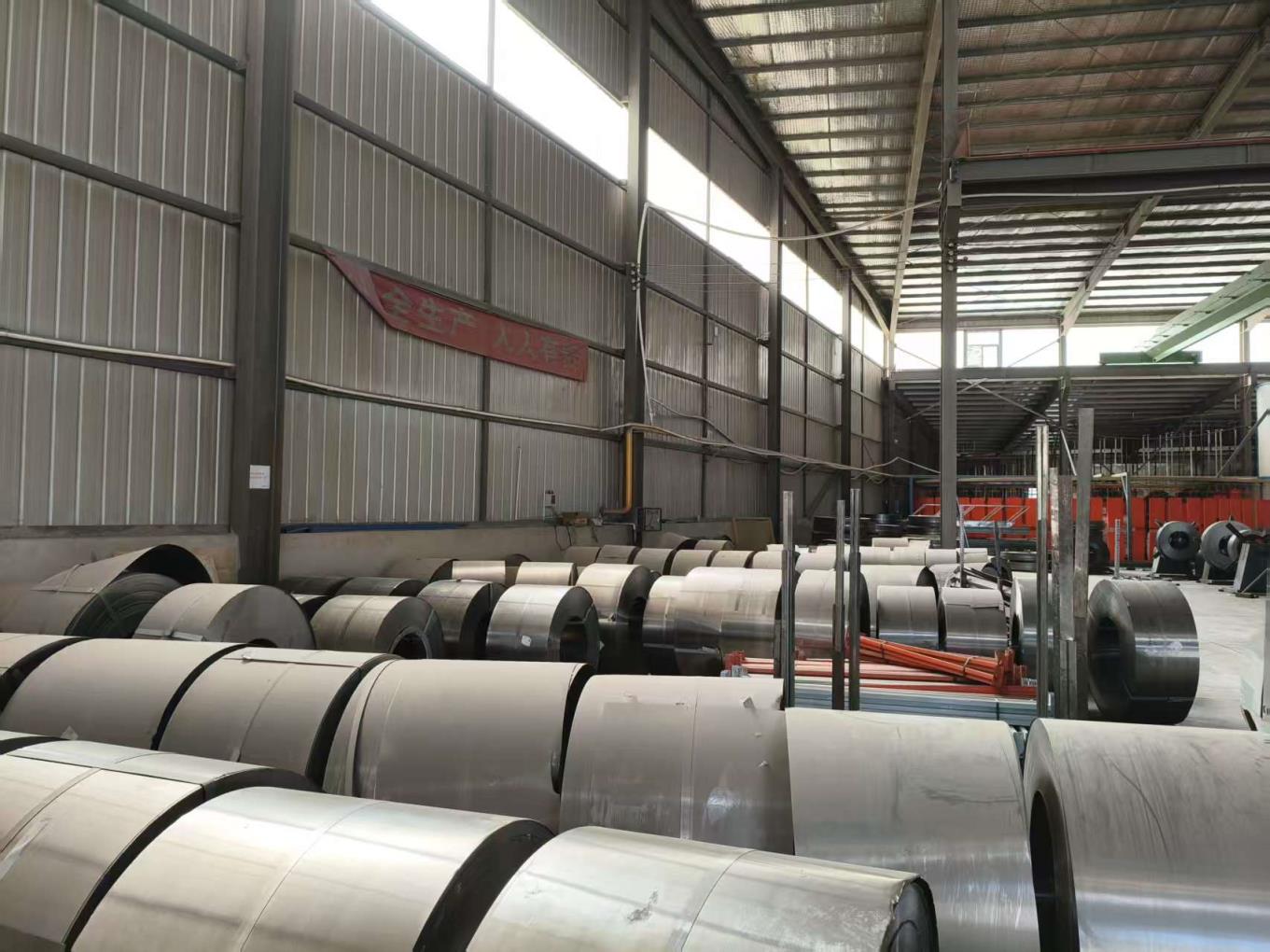
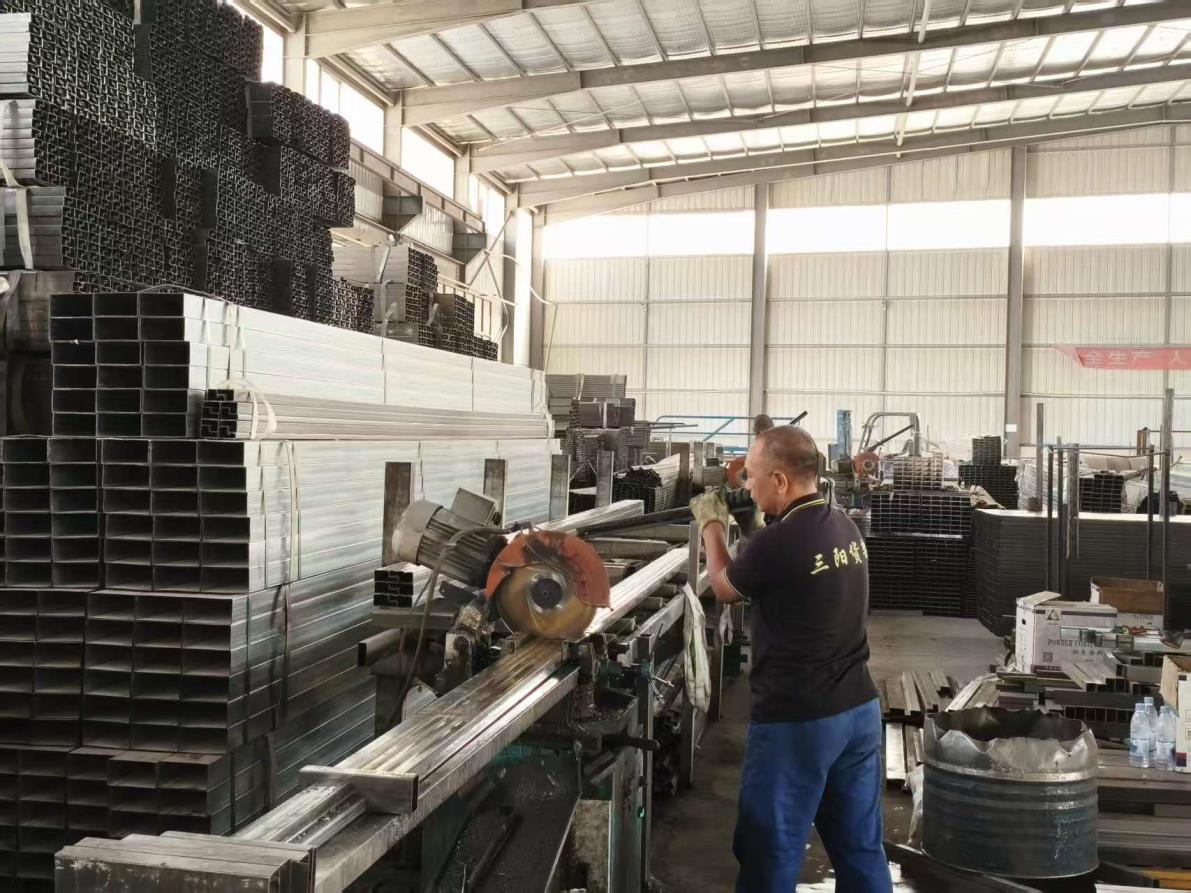
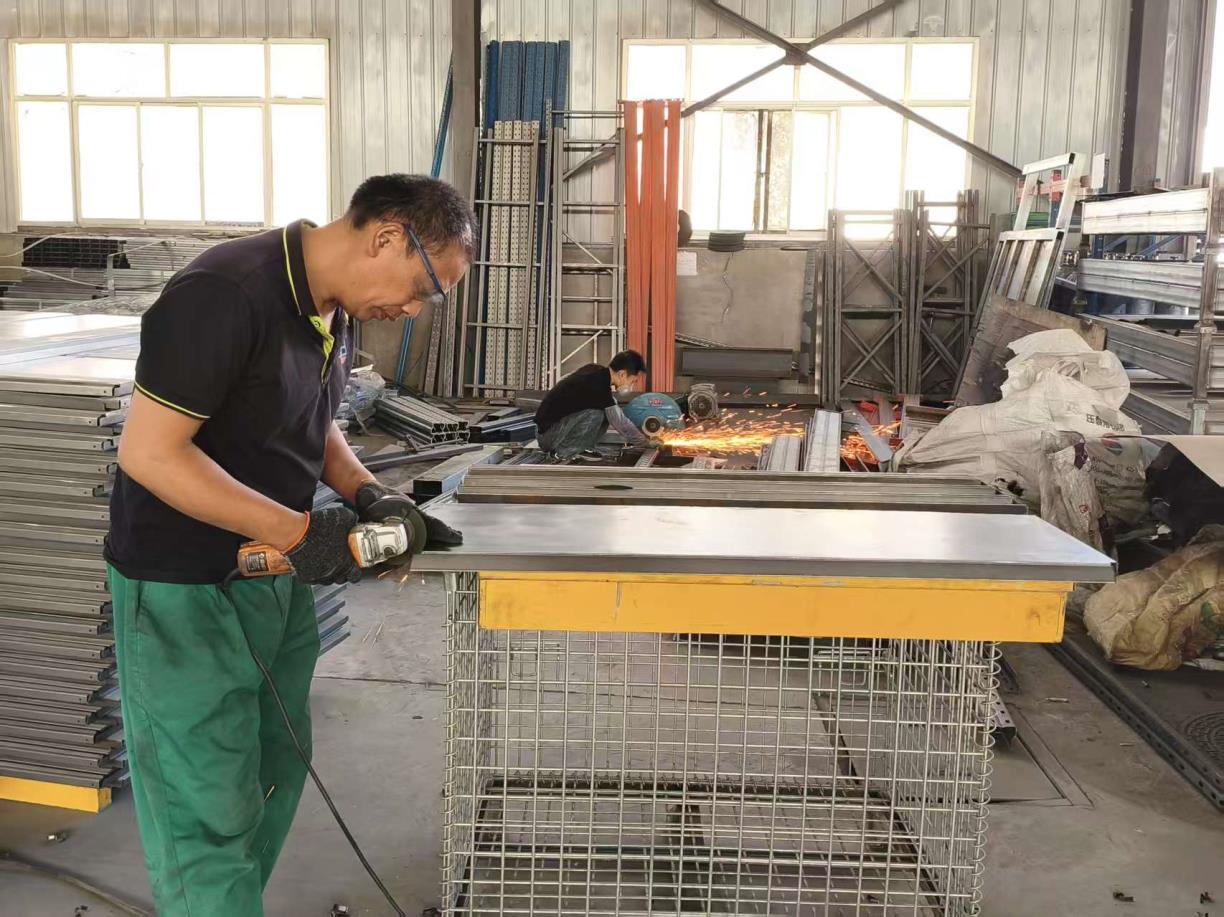
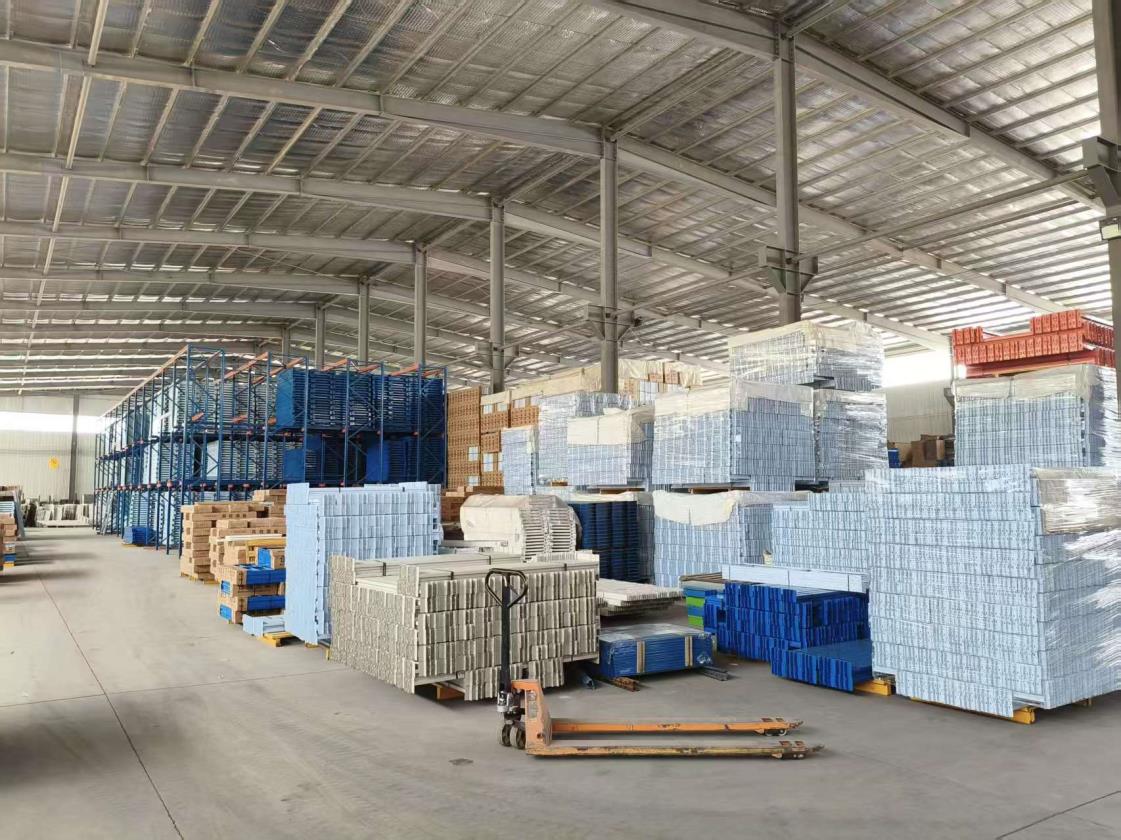
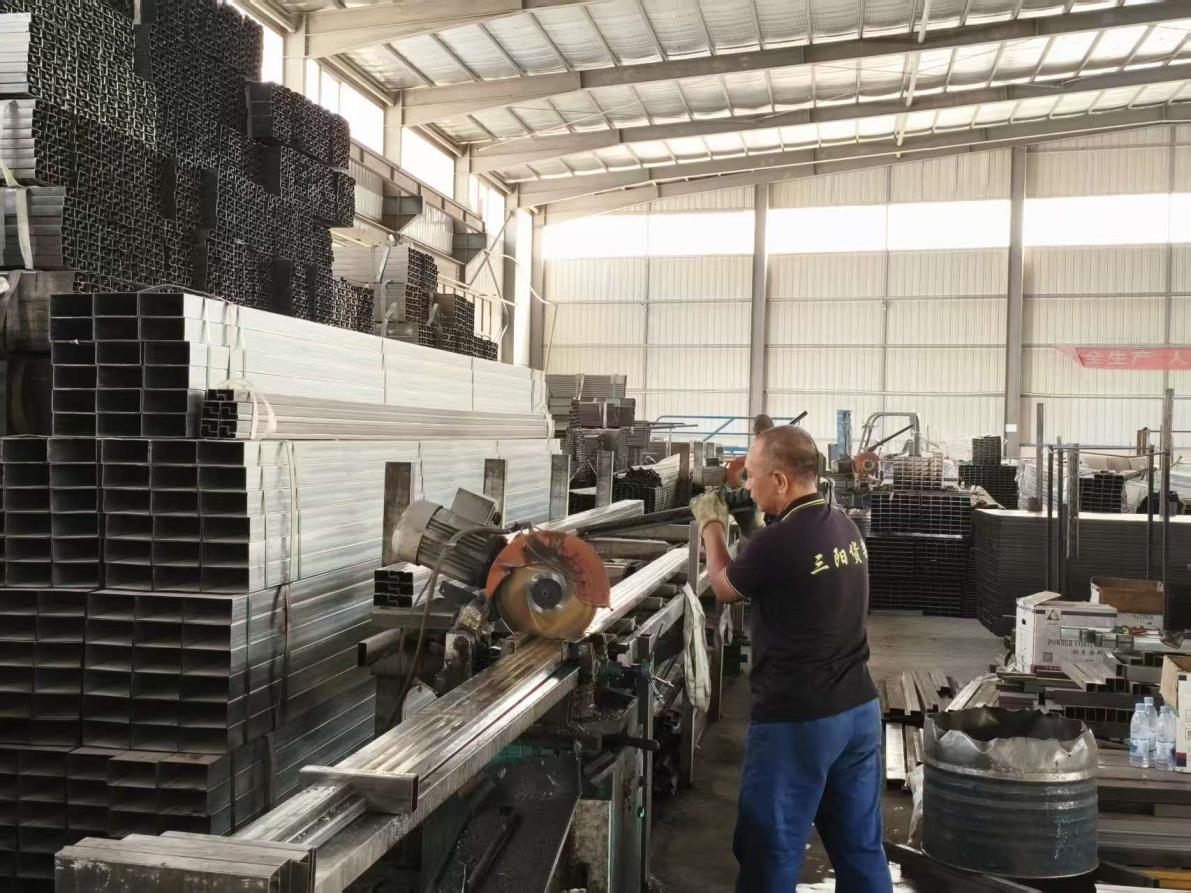
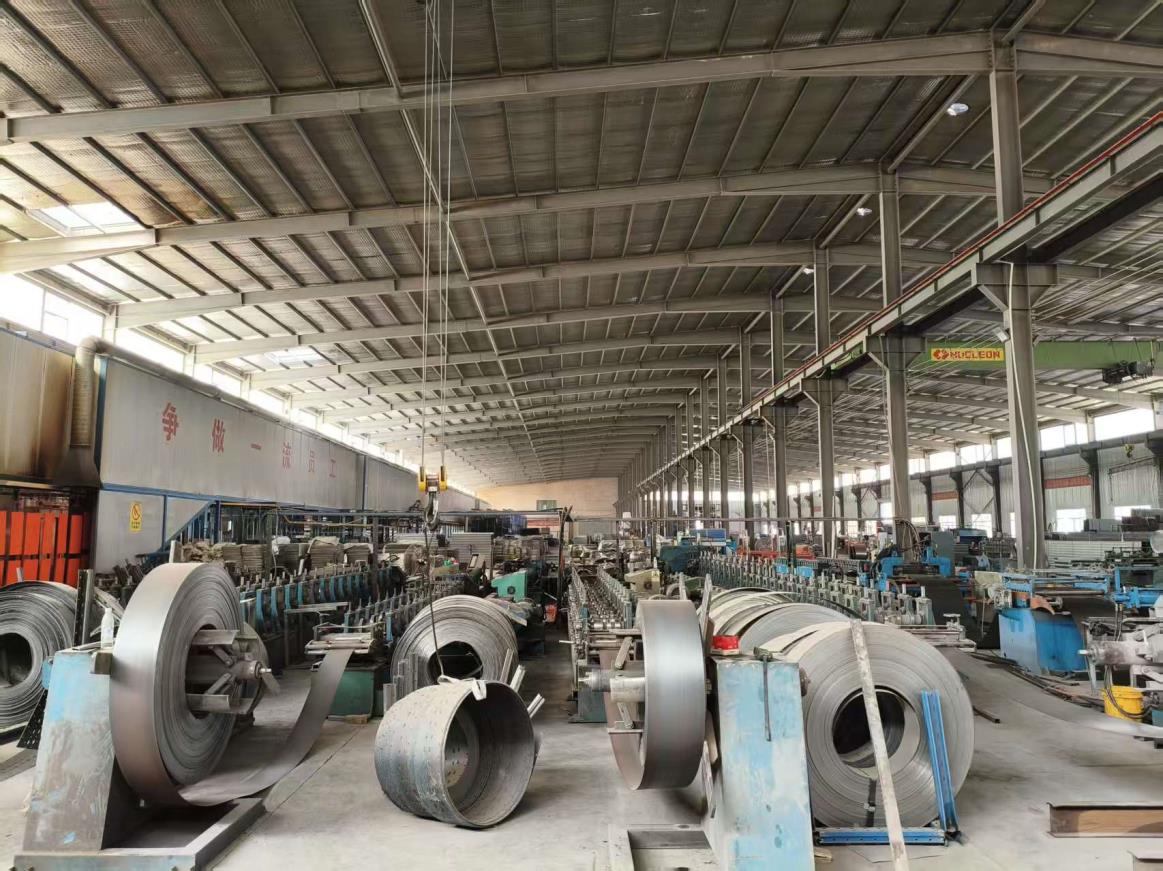
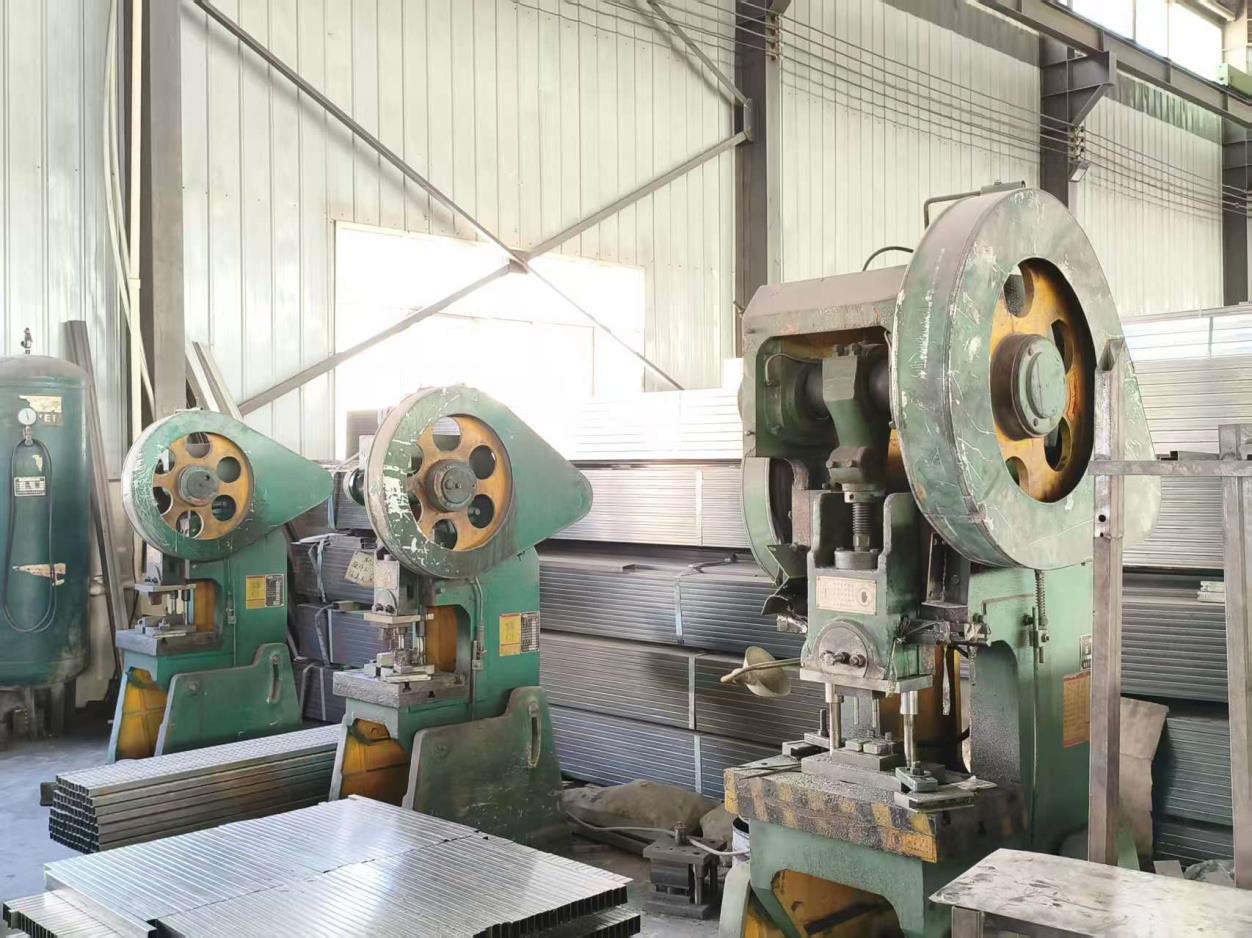
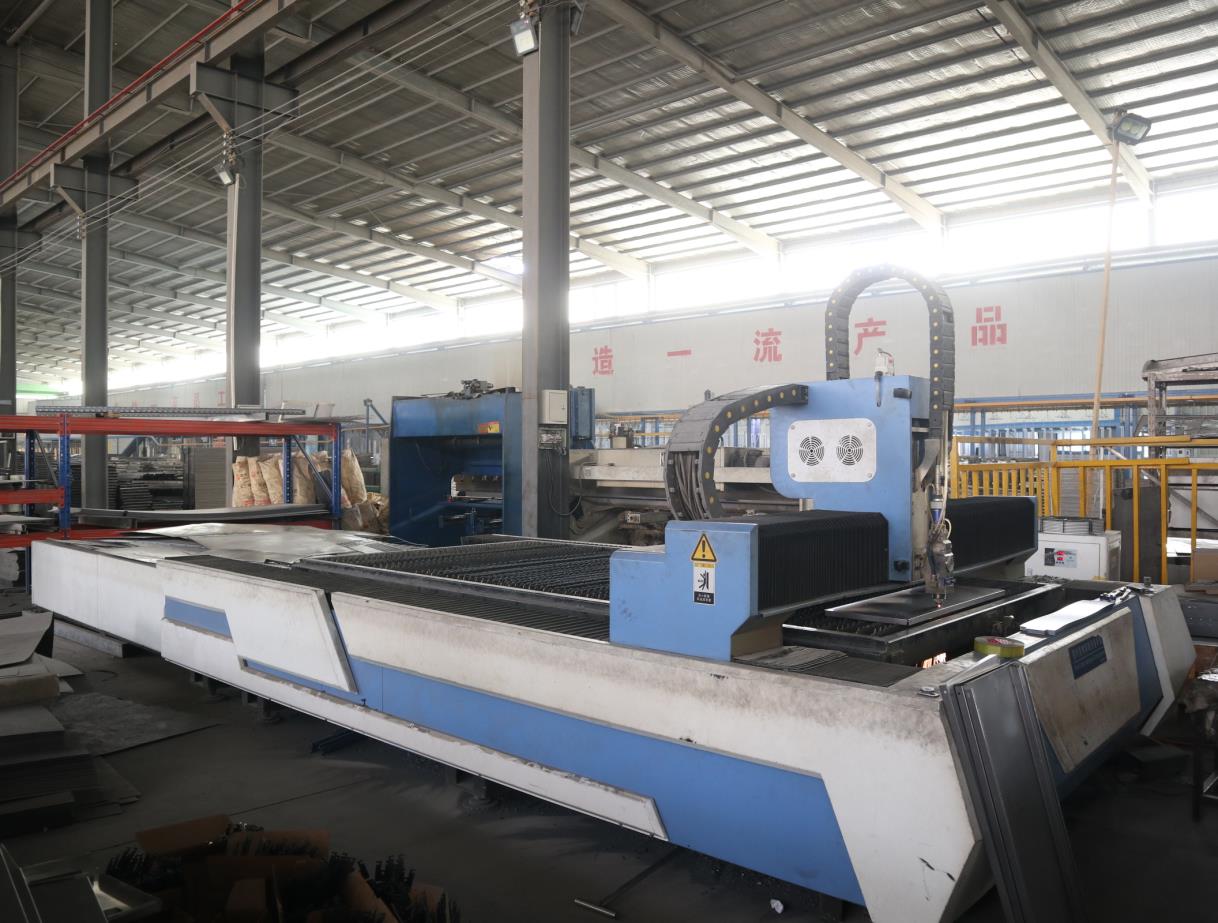
Established in 2015, Shenzhen Sanyang Storage Equipment Manufacturing Co., Ltd. is a leading manufacturer specializing in heavy-duty industrial pallet racking, warehouse shelving systems, and automated material handling solutions. Located in Shenzhen, our modern facility spans a total building area of 38,000 m², equipped with advanced automated roll-forming machines, laser cutters, and robot welding lines.
38,000 m²
Production Facility
12+ Yrs
Industry Experience
$28M USD
Annual Export Revenue
35 Inspectors
Full-Time QC Team
With over 12 years of industry experience and 8 years of active export experience, Sanyang has expanded its international footprint, achieving an annual export revenue of $28 million USD. Our main overseas markets cover North America, Western Europe, Southeast Asia, and the Middle East, primarily serving global logistics hubs, e-commerce fulfillment centers, third-party logistics (3PL) providers, and large manufacturing enterprises.
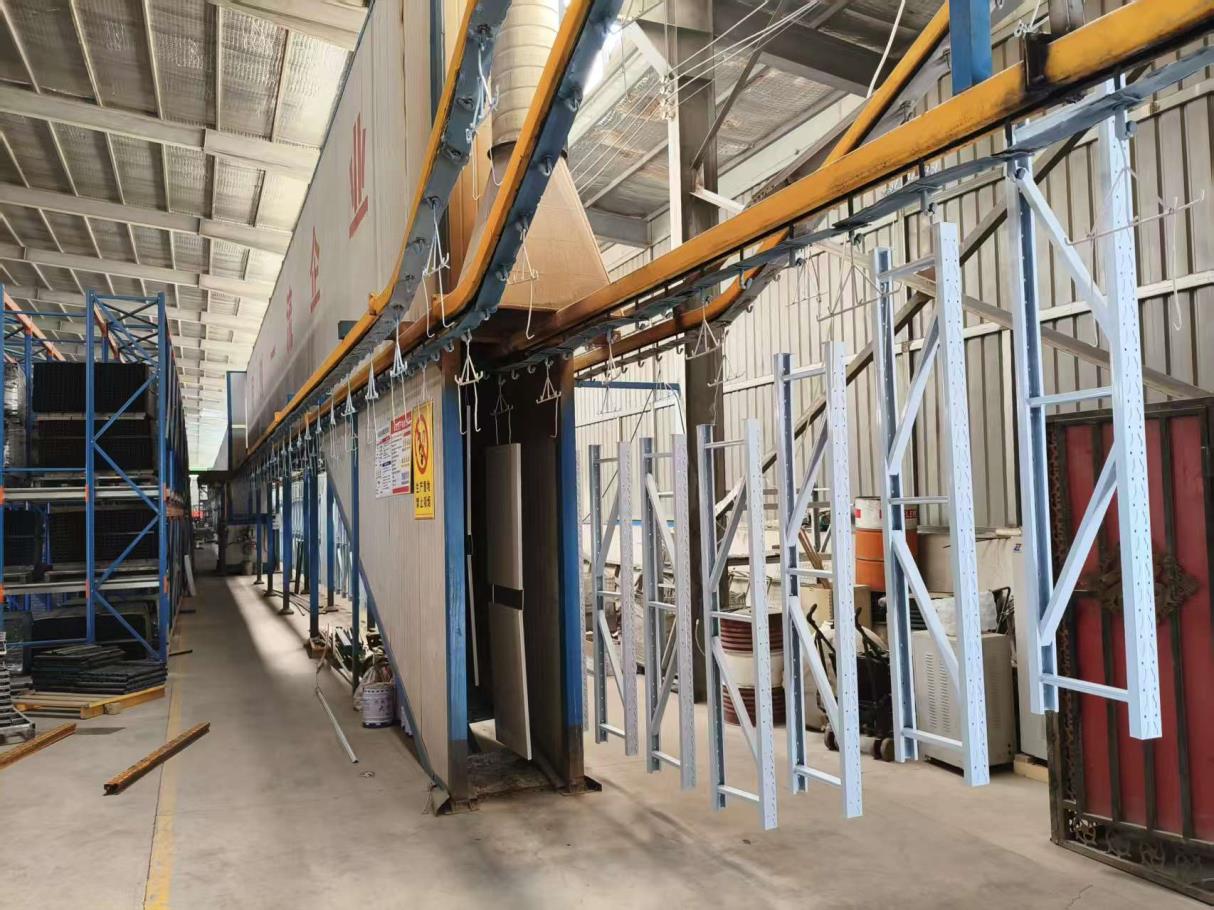
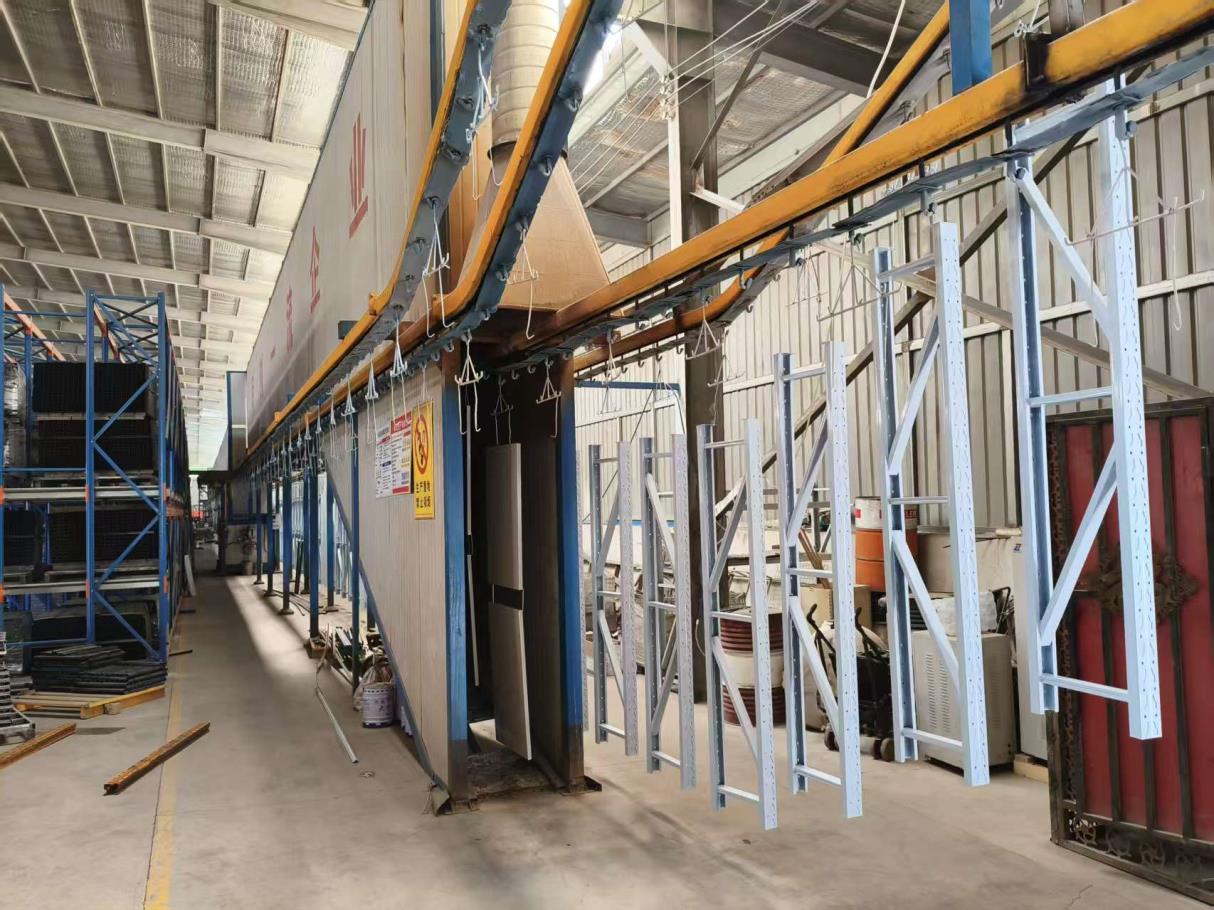
Quality and precision are at the core of our operations. Supported by 35 full-time QC inspectors, we implement rigorous quality assurance protocols using ultrasonic weld flaw detection, coating thickness testing, and heavy-load stress tests to ensure strict compliance with ISO9001 and international FEM/ANSI safety standards. Backed by a strong OEM/ODM background and a robust network of 1,200 supply chain partners, we offer highly customizable options—ranging from custom dimensions and load capacities to specialized powder coatings and seismic-resistant structural designs.
Innovation drives our continuous growth. Our team of 18 R&D engineers focuses on developing high-density and automated storage systems, successfully launching 65 new products last year alone. Sanyang remains dedicated to providing safe, space-saving, and cost-effective storage solutions for our global clientele.
Every step in our fabrication process is carefully monitored to deliver durability and structural alignment under full capacity loads.
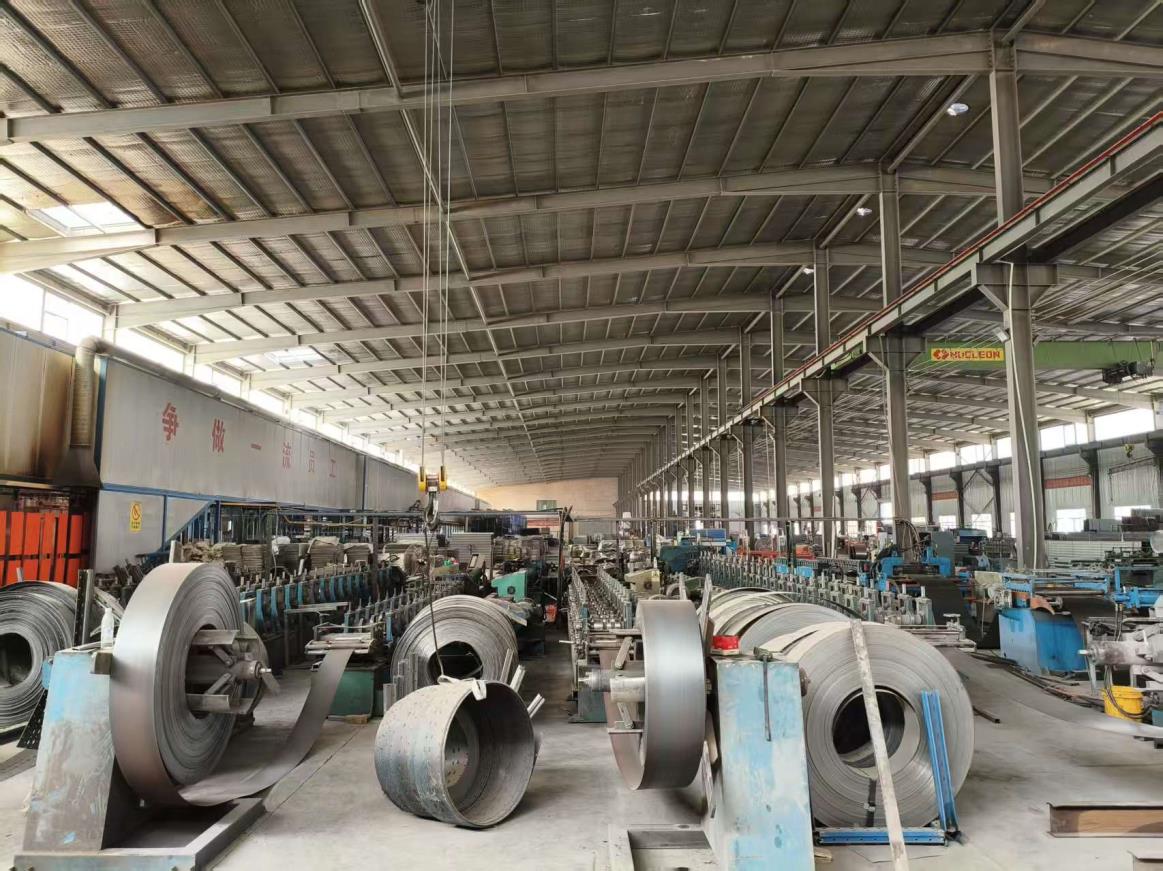
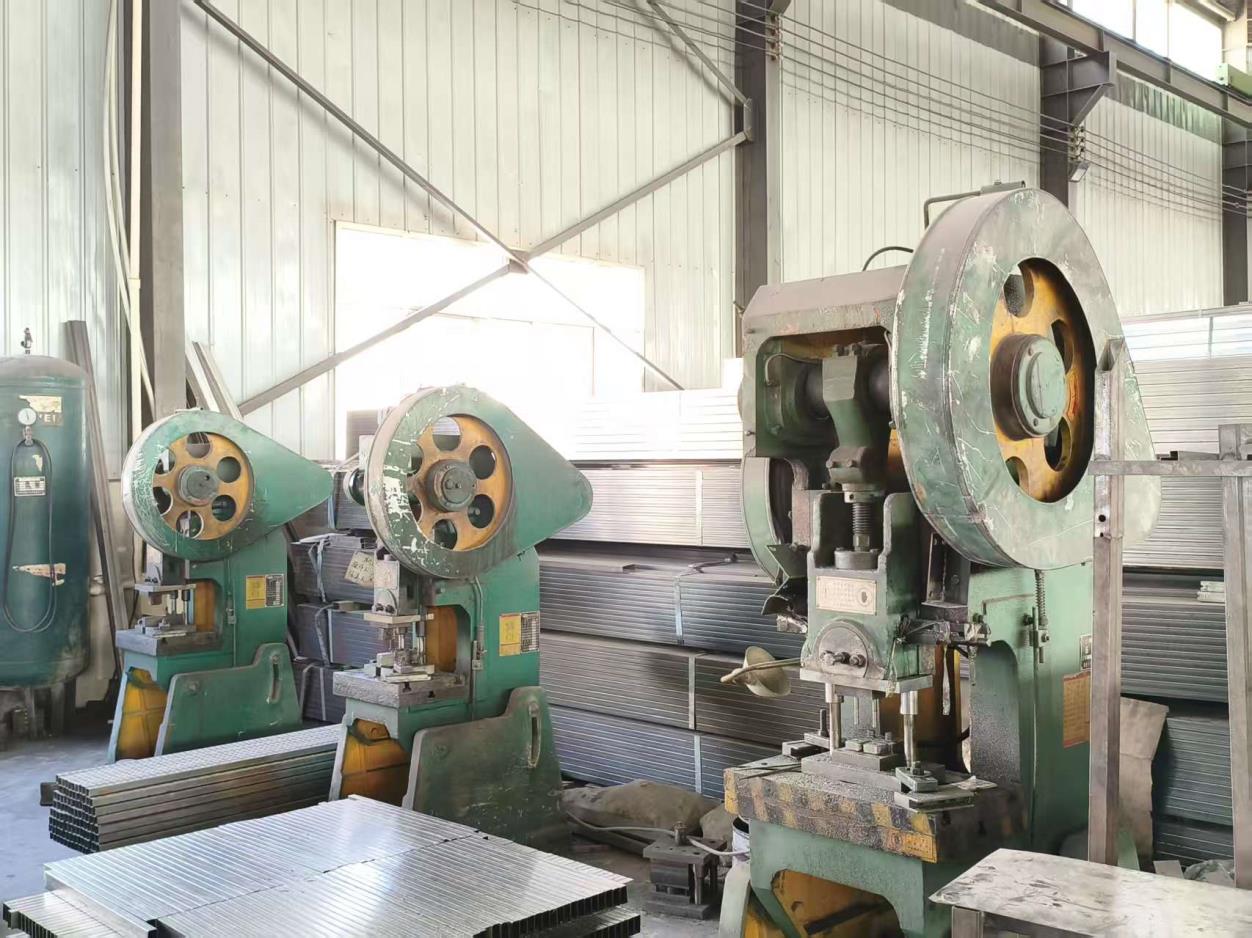
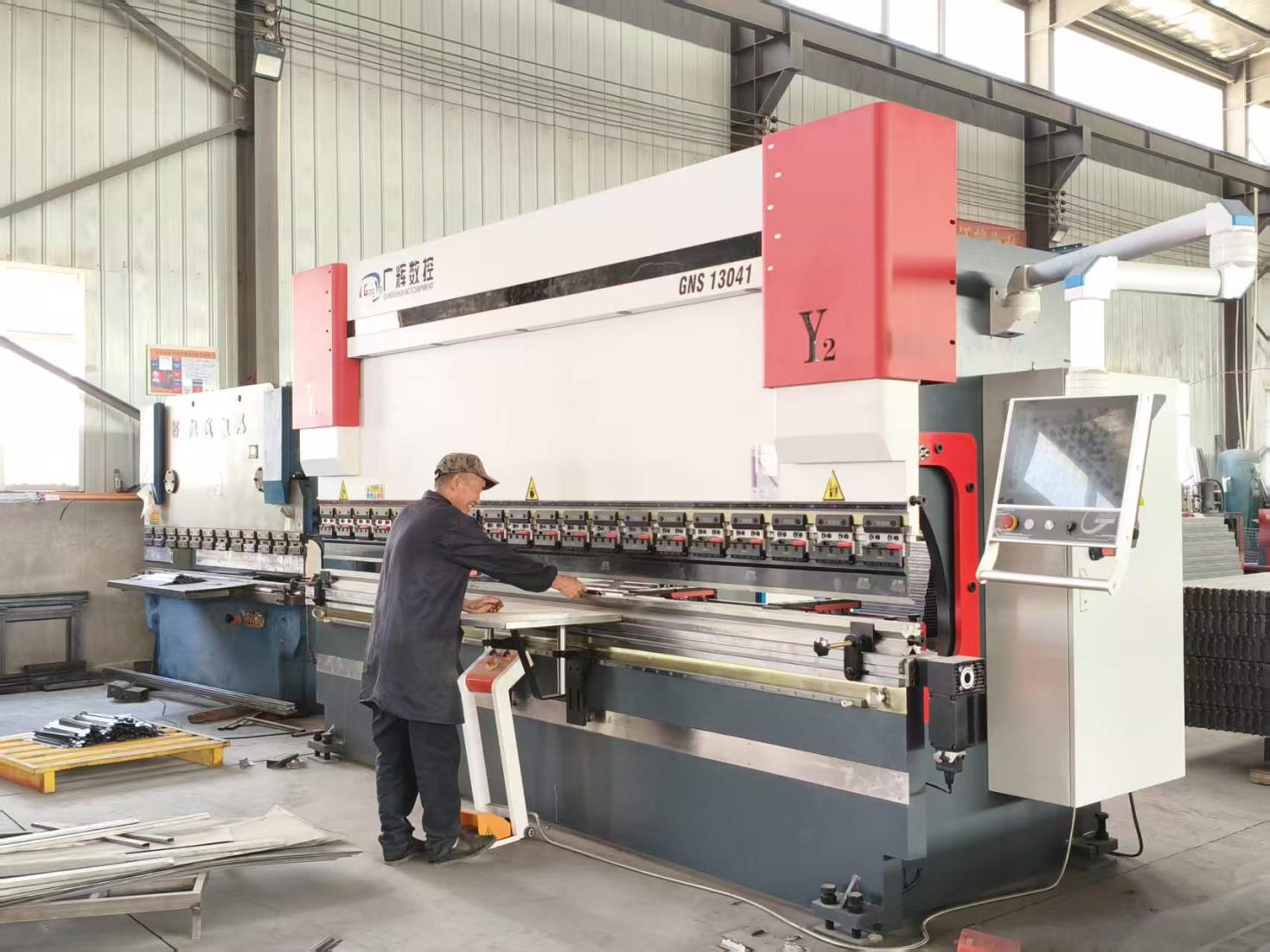
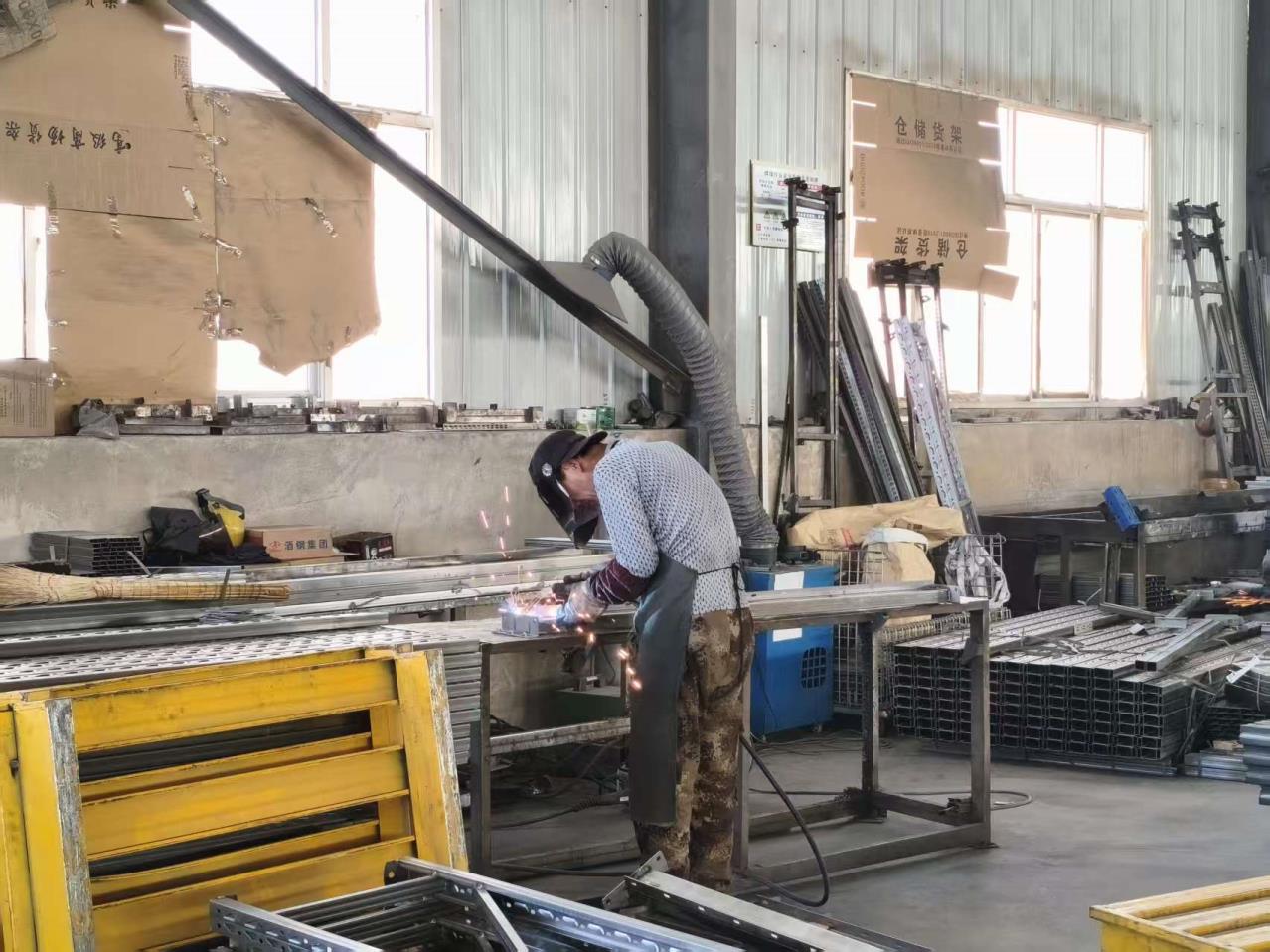
Ensuring cross-border compliance, structural reliability, and efficient deployment.
Our designs comply with relevant engineering standards. In the EU, our calculations align with FEM 10.2.02 guidelines for pallet racking deflections. For North American projects, we design in accordance with RMI (ANSI MH16.1) specifications, using finite element analysis to verify structural performance under simulated dynamic seismic loads.
To support our exports to North America, Western Europe, and the Middle East, Sanyang partners with licensed local mechanical installation and system integration teams. This ensures prompt post-installation inspection, alignment verification, local site certification, and warranty support.
Tailoring high-density automated shuttle architectures to specific industrial demands.
Designed for temperatures down to -25°C. Features IP65-rated electrical components, low-temperature lithium-iron-phosphate (LiFePO4) batteries with built-in heating elements, and non-congealing food-grade lubricants to prevent shuttle failure in freezing environments.
Configured for High-Throughput FIFO (First-In, First-Out) operations. Ideal for batch-controlled products, utilizing double-access rack configurations where shuttles feed replenishment lanes to match downstream distribution patterns.
Heavy-duty configurations designed to support up to 1,500 kg per pallet position. Integrated with variable safety sensors to handle specialized industrial metal storage boxes, steel tubs, and oversized heavy components.
The next phase of intelligent storage and autonomous warehousing.
Future shuttle configurations will integrate vibration, temperature, and cycle sensors linked directly to cloud dashboards. This allows operators to predict component wear, such as motor brushes or bearing fatigue, before scheduling maintenance window times.
Moving from isolated shuttle runs to fully integrated automated guided vehicle networks. Forklifts are replaced by Autonomous Mobile Robots (AMRs) that automatically transfer shuttle carts between different racking levels and lanes, minimizing manual handling.
Expert technical insights to assist with your warehouse engineering decisions.
For most mid-to-large-scale logistics centers, the ROI ranges from 18 to 28 months. This is achieved through a reduction in forklift operating costs, lower forklift operator headcount, decreased structural rack repair costs, and an increase in total storage capacity.
Our cold-room shuttle models are designed with heated internal control boxes to prevent moisture condensation when moving between temperature zones. They use specialized low-viscosity gear lubricants and are equipped with advanced lithium batteries that operate efficiently at -25°C.
Yes. In a LIFO (Last-In, First-Out) setup, loading and unloading take place on the same aisle. In a FIFO (First-In, First-Out) setup, the loading and unloading zones are separated on opposite ends of the racking block, which requires access aisles on both sides.
Our standard automated shuttle systems support load capacities up to 1,500 kg per pallet. For heavier industrial goods, our engineering team can design custom reinforced structural configurations and guide rails to meet specific payload requirements.
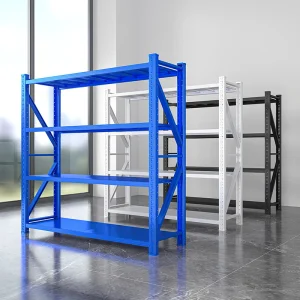
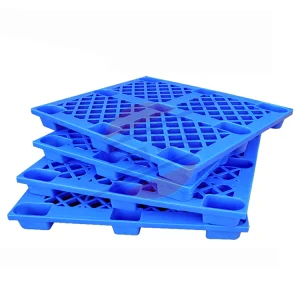
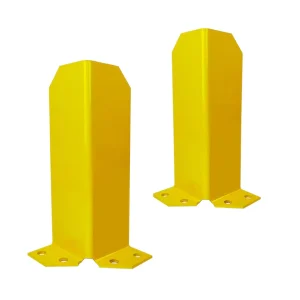
Heavy-duty structural components, upright protectors, and specialized pallet systems to complete your installation.
 Sanyang Racking