Engineered for dynamic warehouse management, material flow optimizations, and robust commercial storage applications.


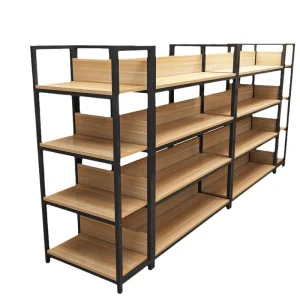
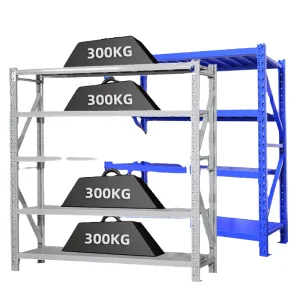
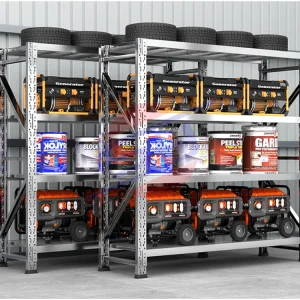
First-In, First-Out (FIFO) warehousing structures have transitioned from simple material storage frameworks into highly complex, dynamic logistics ecosystems. With global fast-moving consumer goods (FMCG), pharmaceutical stockpiles, and automotive cold-chain distributions reaching unprecedented volumes, maximizing warehouse cube utilization while ensuring precise stock rotation has become a priority.
The core physics of a FIFO system relies on gravity-driven lanes configured with calculated inclinations (typically between 3% to 4%). Utilizing advanced dynamic roller tracks and mechanical speed controllers, these structural systems utilize gravity to deliver pallets smoothly from the loading aisle (charge face) to the picking aisle (discharge face). This process virtually eliminates internal warehouse backtracking, curtails unnecessary forklift operations, and minimizes operational emissions.
Next-generation FIFO systems incorporate advanced damping rollers and magnetic separation brakes. As inventory speeds accelerate, the potential for structural fatigue or collision damage scales exponentially. Precision engineering ensures that irrespective of variations in pallet weights, the flow speed remains constant, mitigating risks to operators and inventory alike.
Furthermore, the surge in global e-commerce and automated distribution networks demands systems that transition seamlessly into automated storage and retrieval systems (AS/RS). Modern manufacturing practices now integrate structural tolerances up to five times stricter than traditional selective shelving, ensuring longevity under high load cycles.
Shenzhen Sanyang Storage Equipment Manufacturing Co., Ltd. is a recognized authority in high-density structural racking systems, delivering engineered safety and maximum space optimization.
Deciphering structural configurations, material science limits, and seismic engineering requirements for international procurement teams.
For structural safety, calculations must adhere to strict deflection ratios (such as L/240 or L/300 depending on regional building codes). This limits maximum beam deflection to 1/240th of the span when subjected to full service load. Utilizing premium structural grade steel (such as Q355B or Q235B) ensures structural rigidity and long-term creep prevention under persistent, heavy loads.
Dynamic warehouses operating in active seismic zones (such as the US West Coast, Japan, or New Zealand) require seismic base isolation plates, specialized anchor bolts, and oversized bracing networks. Systems must comply with RMI (Rack Manufacturers Institute) standard MH16.1, incorporating dynamic finite element analysis (FEA) to withstand high peak spectral accelerations.
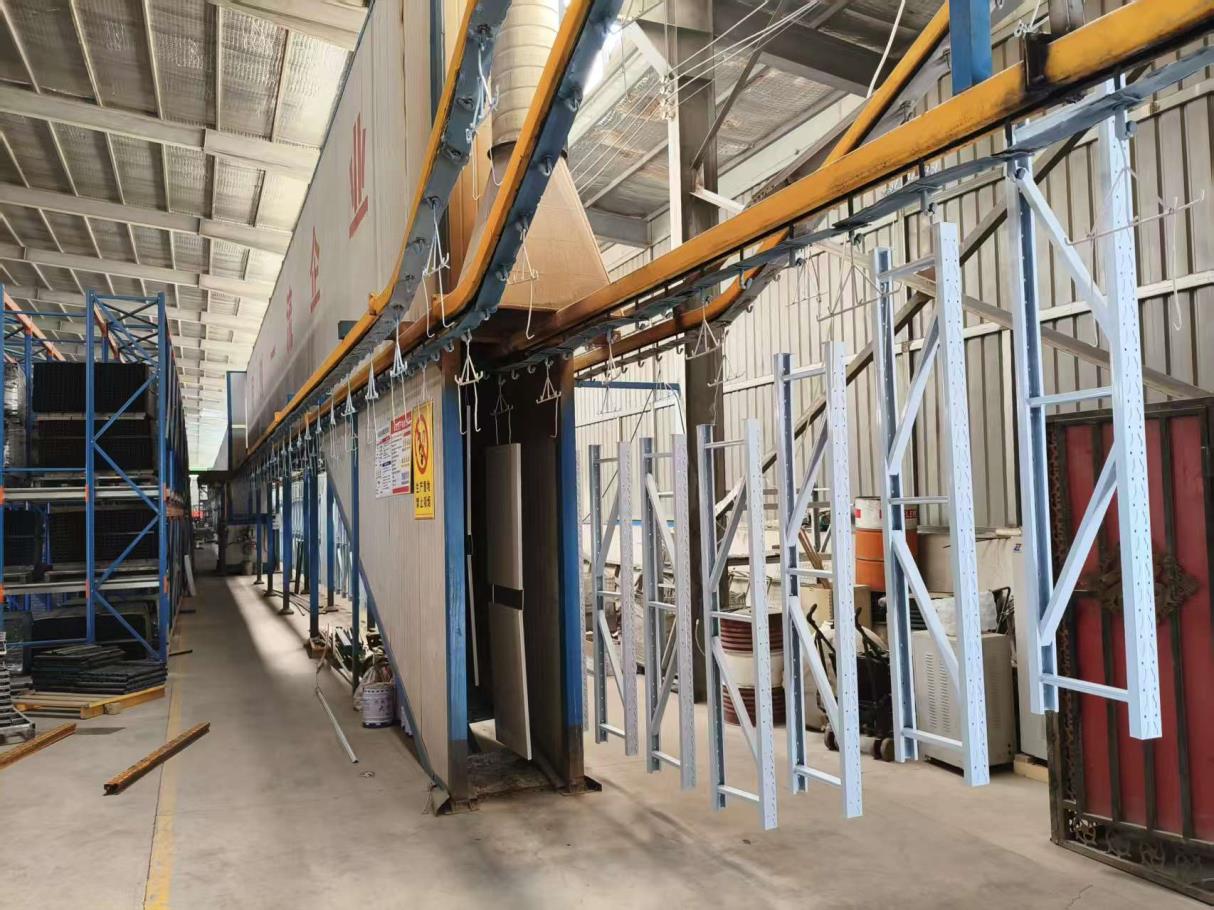
In sub-zero cold chain storage facilities, raw steel components face accelerated degradation and hydrogen embrittlement. Standard systems fail. Sanyang implements advanced thermosetting epoxy-polyester coatings with thickness metrics exceeding 75 microns, alongside hot-dip galvanization (minimum 450 g/m²) for extreme moisture or chemical exposure.
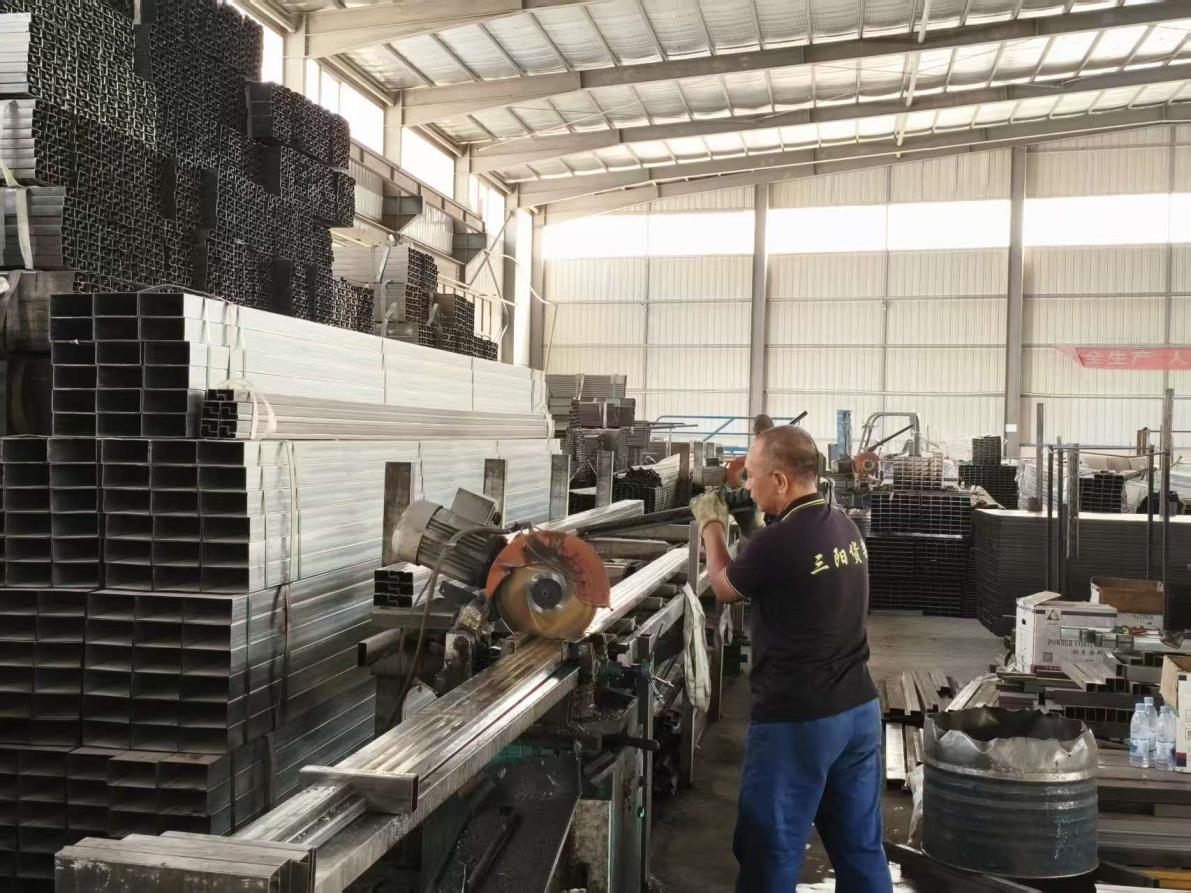
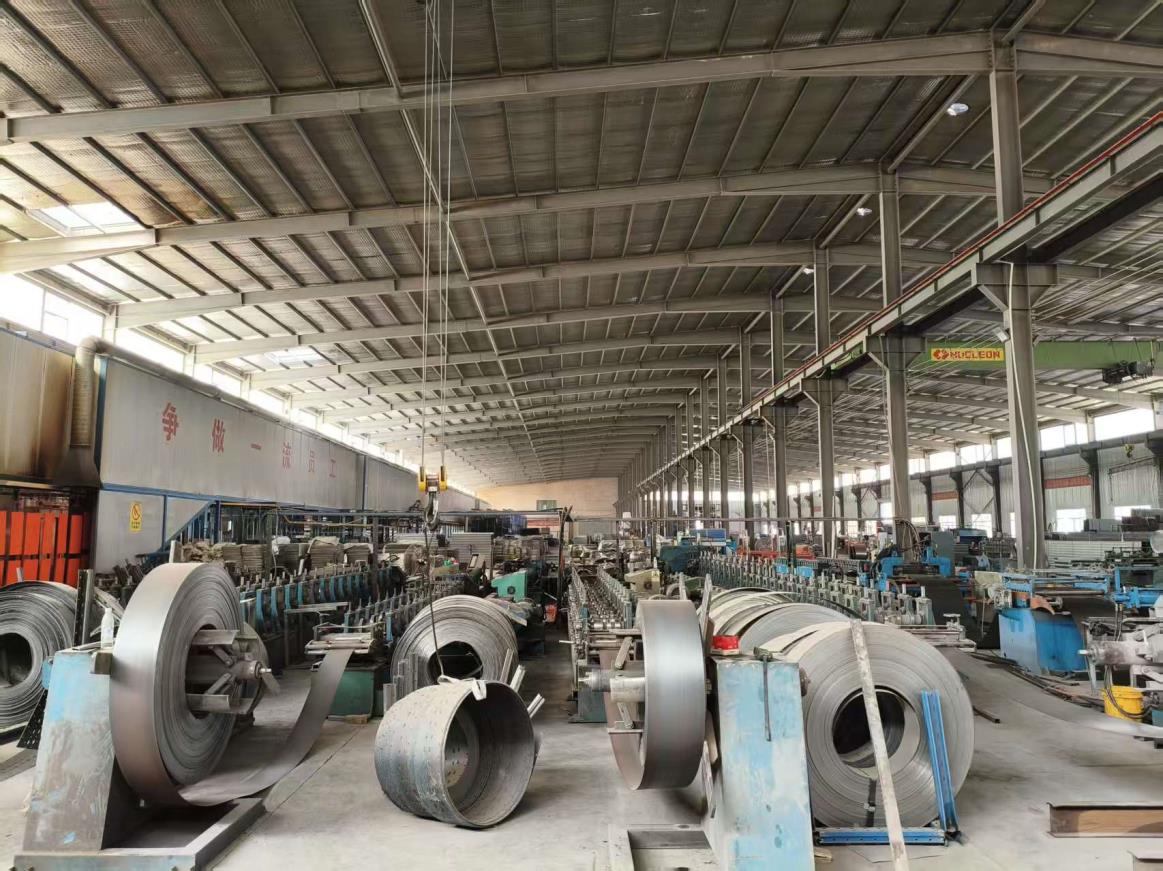
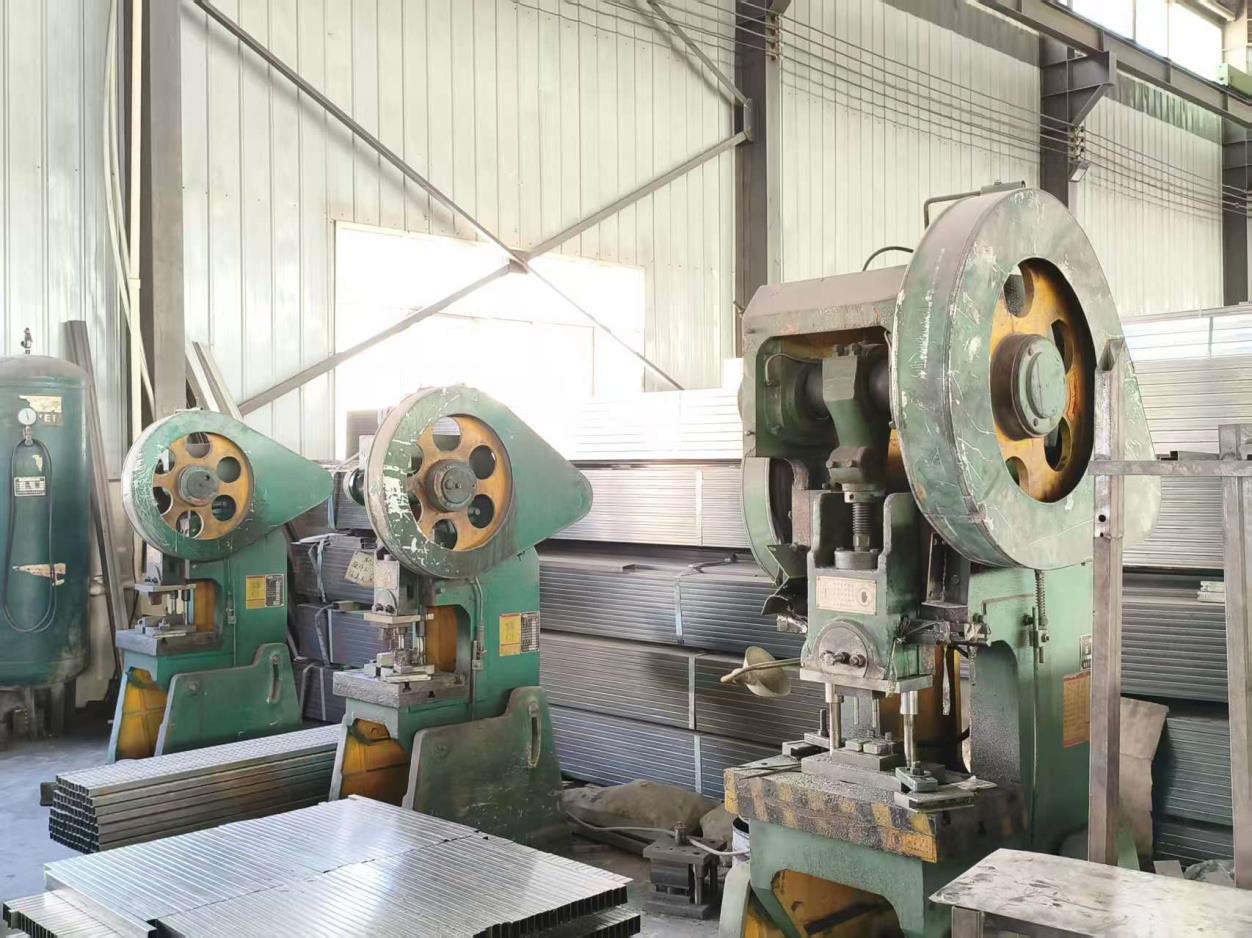
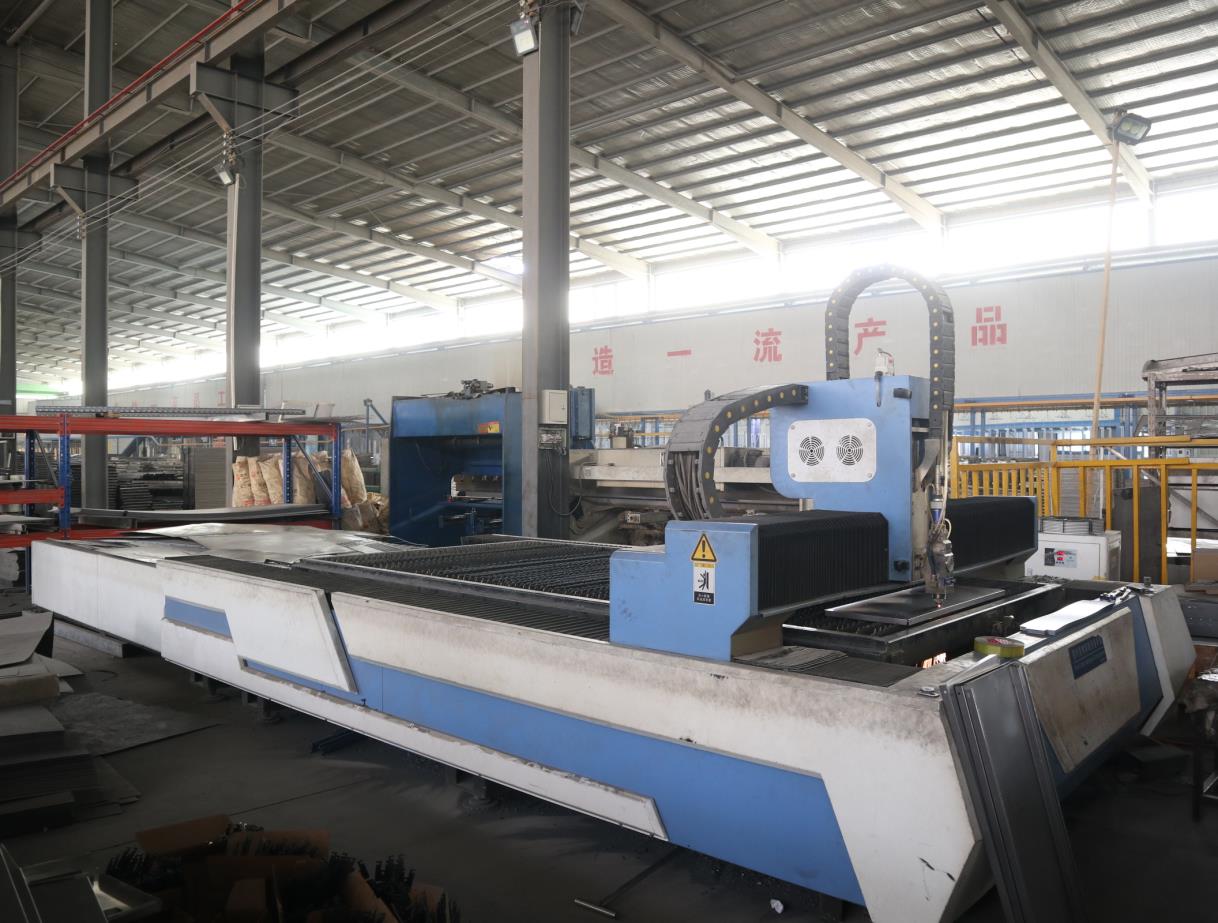
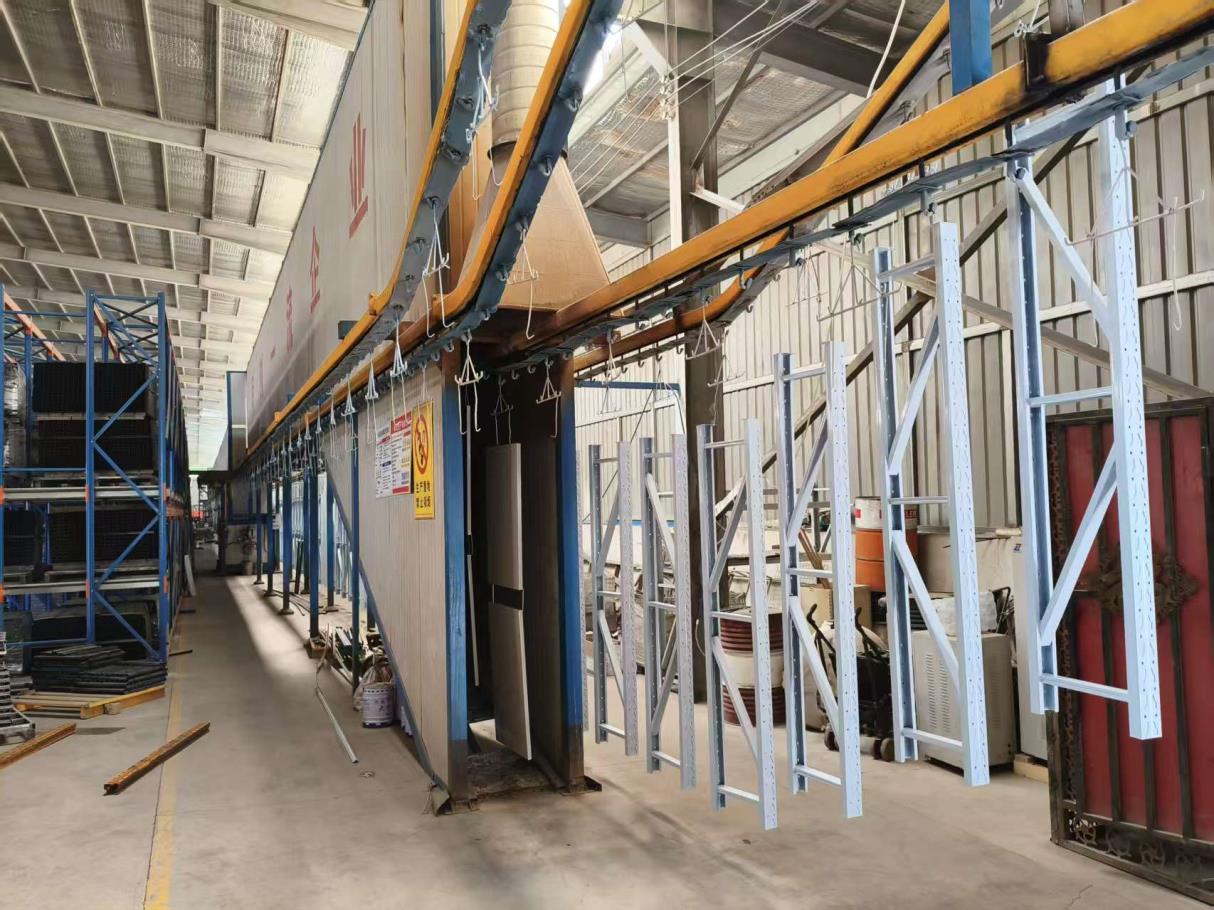
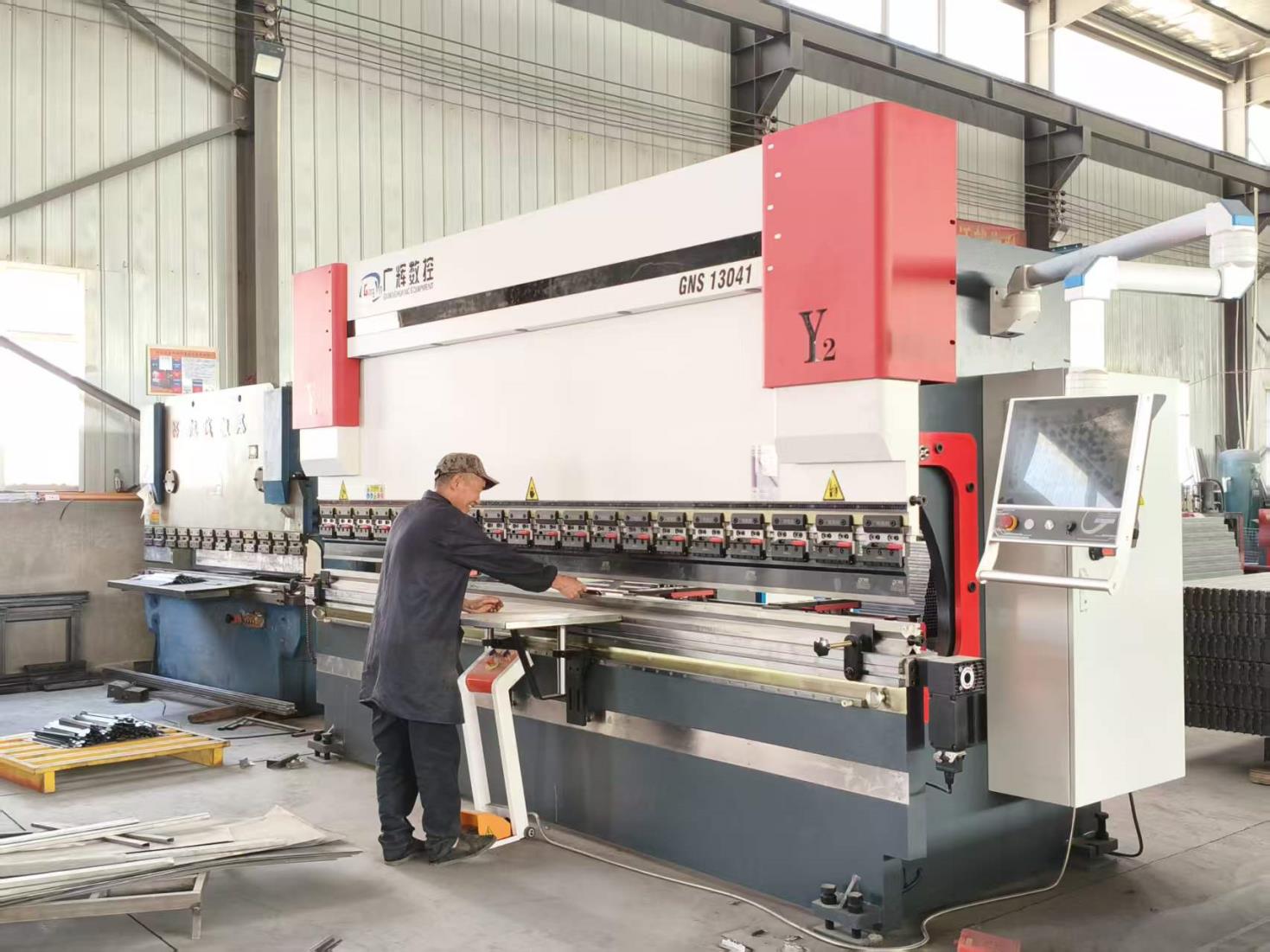
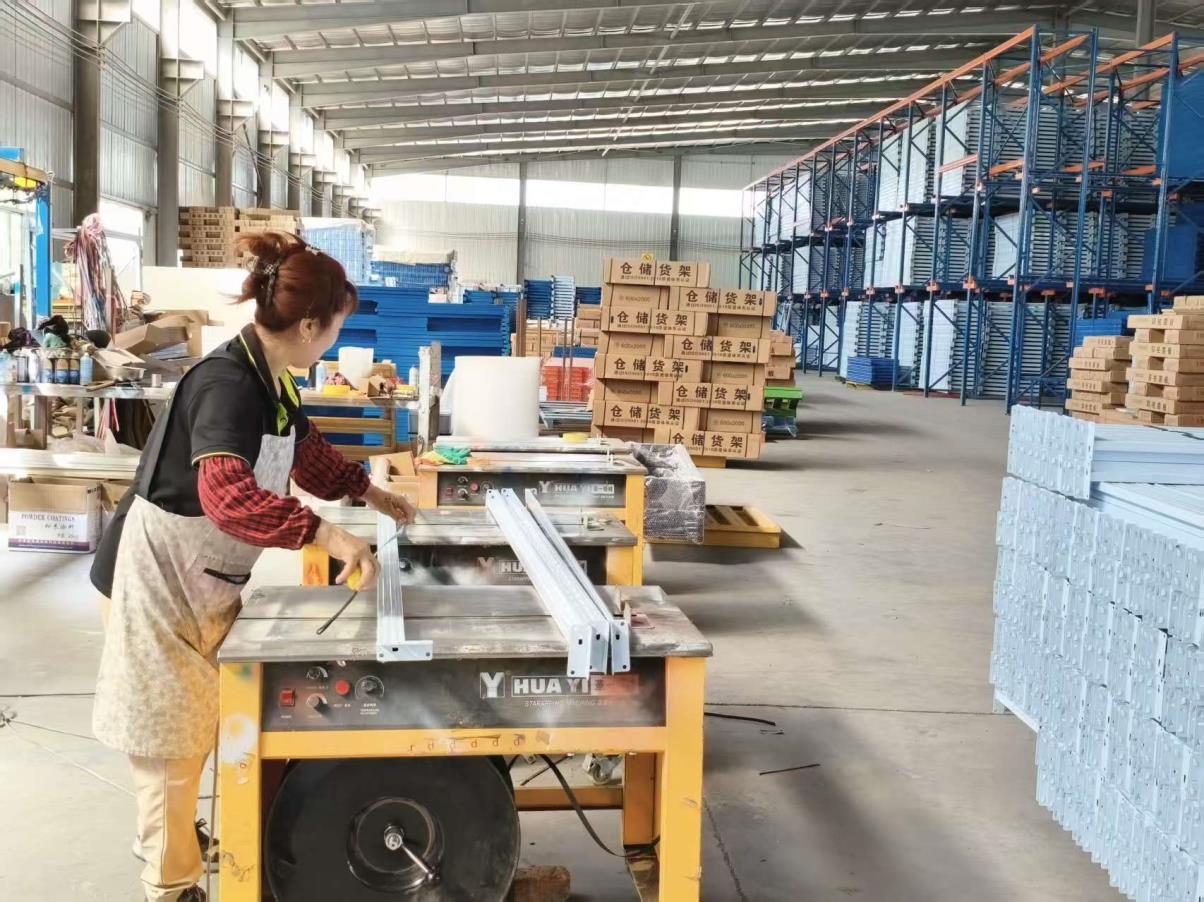
A deep dive into our 38,000 m² production infrastructure, highlighting automated processes, robotic assembly, and rigorous testing protocols.
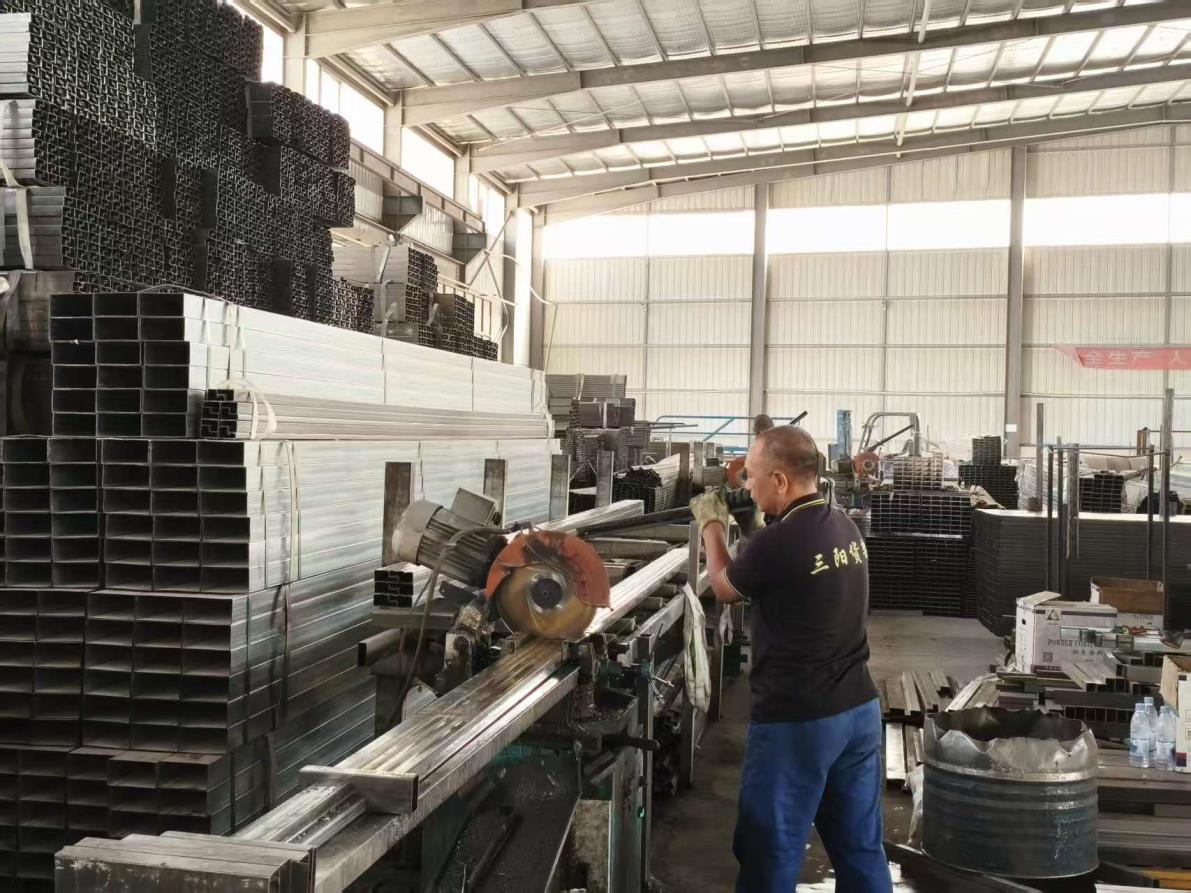
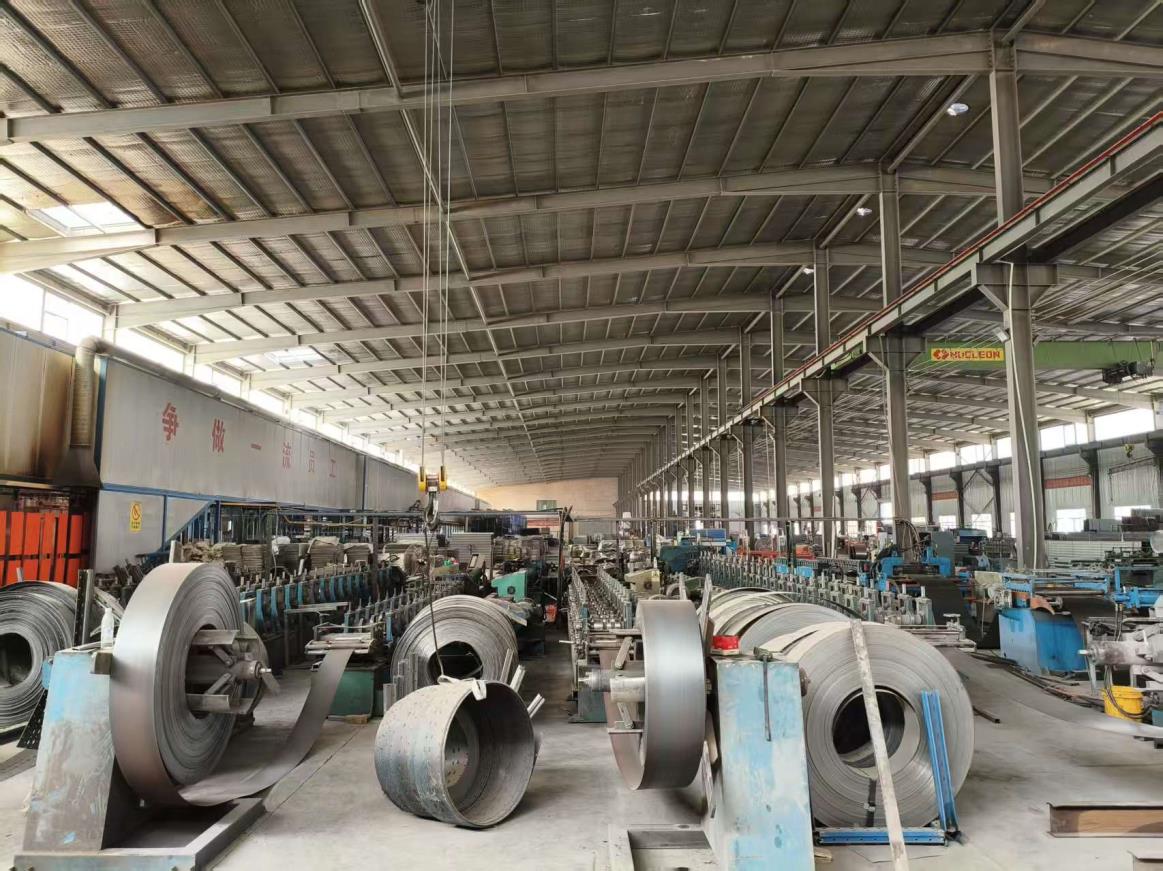
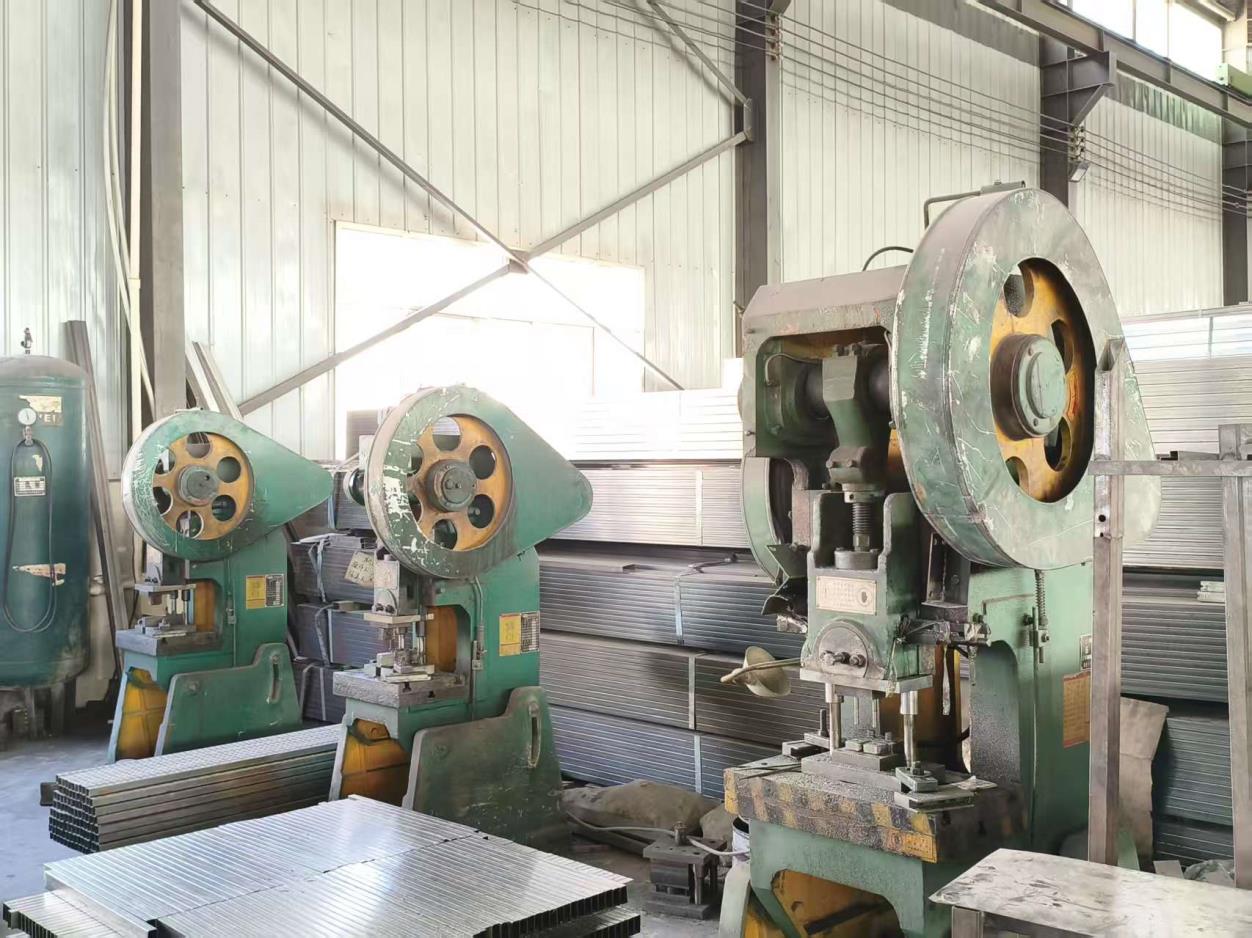
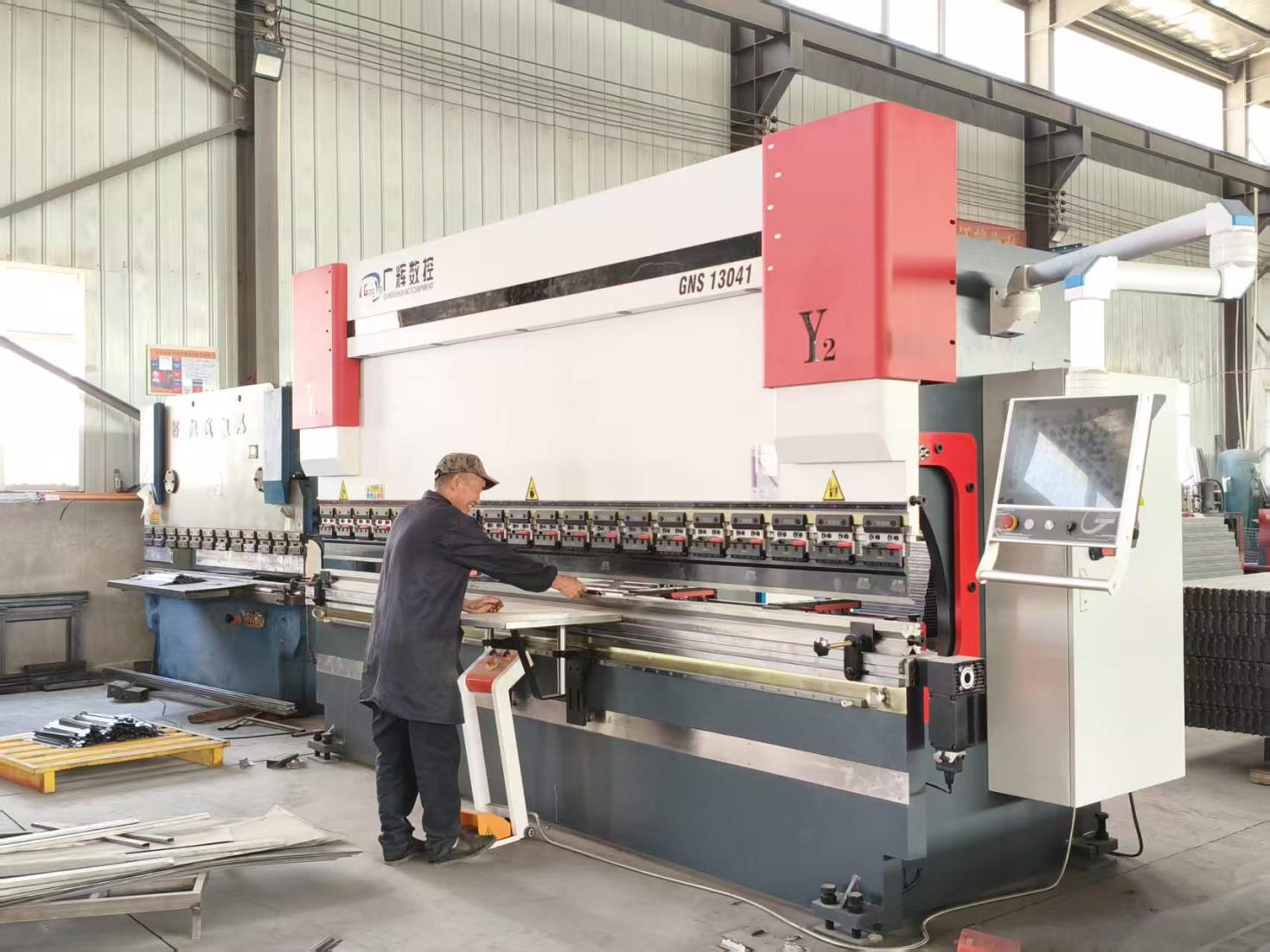
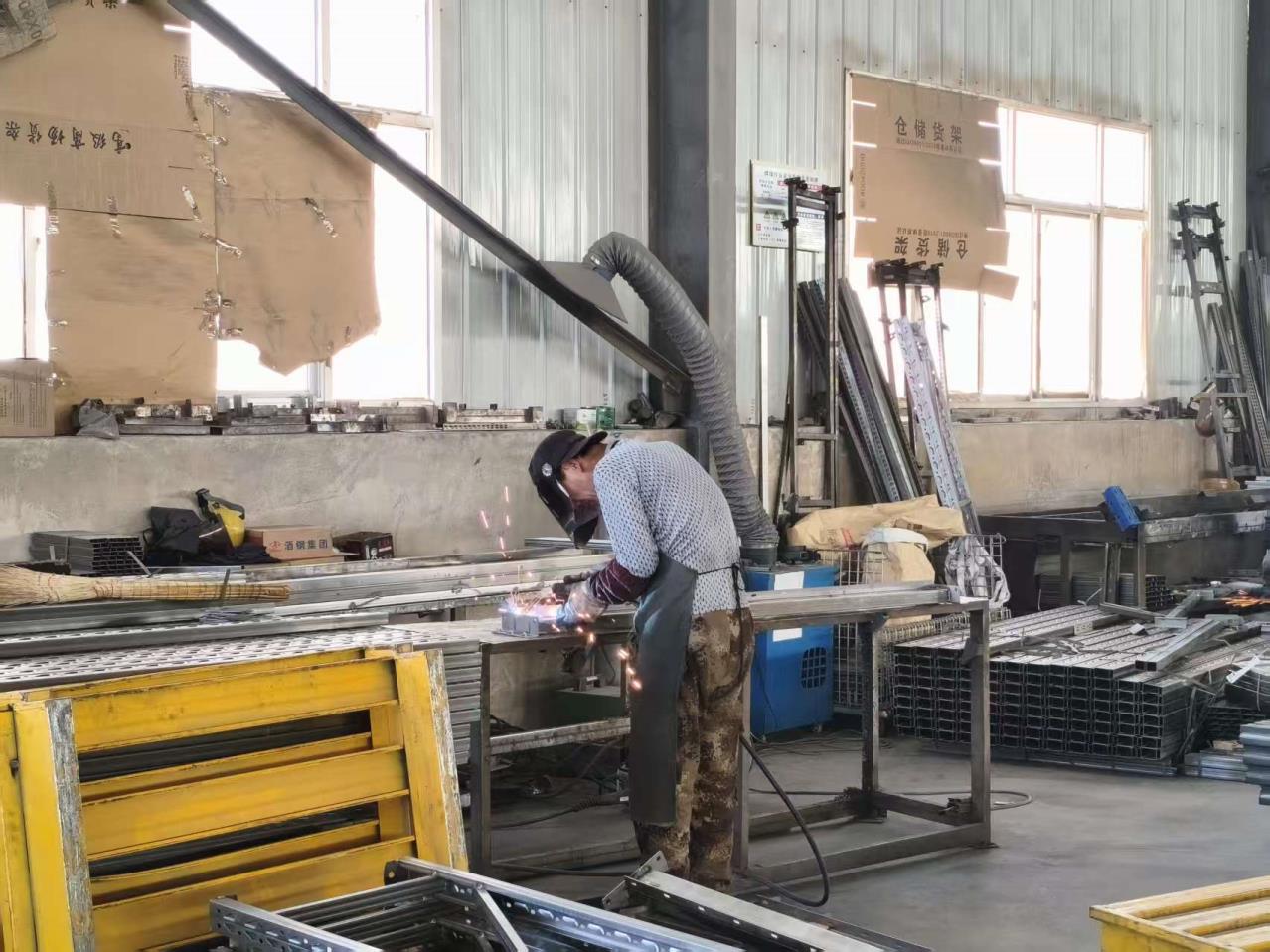
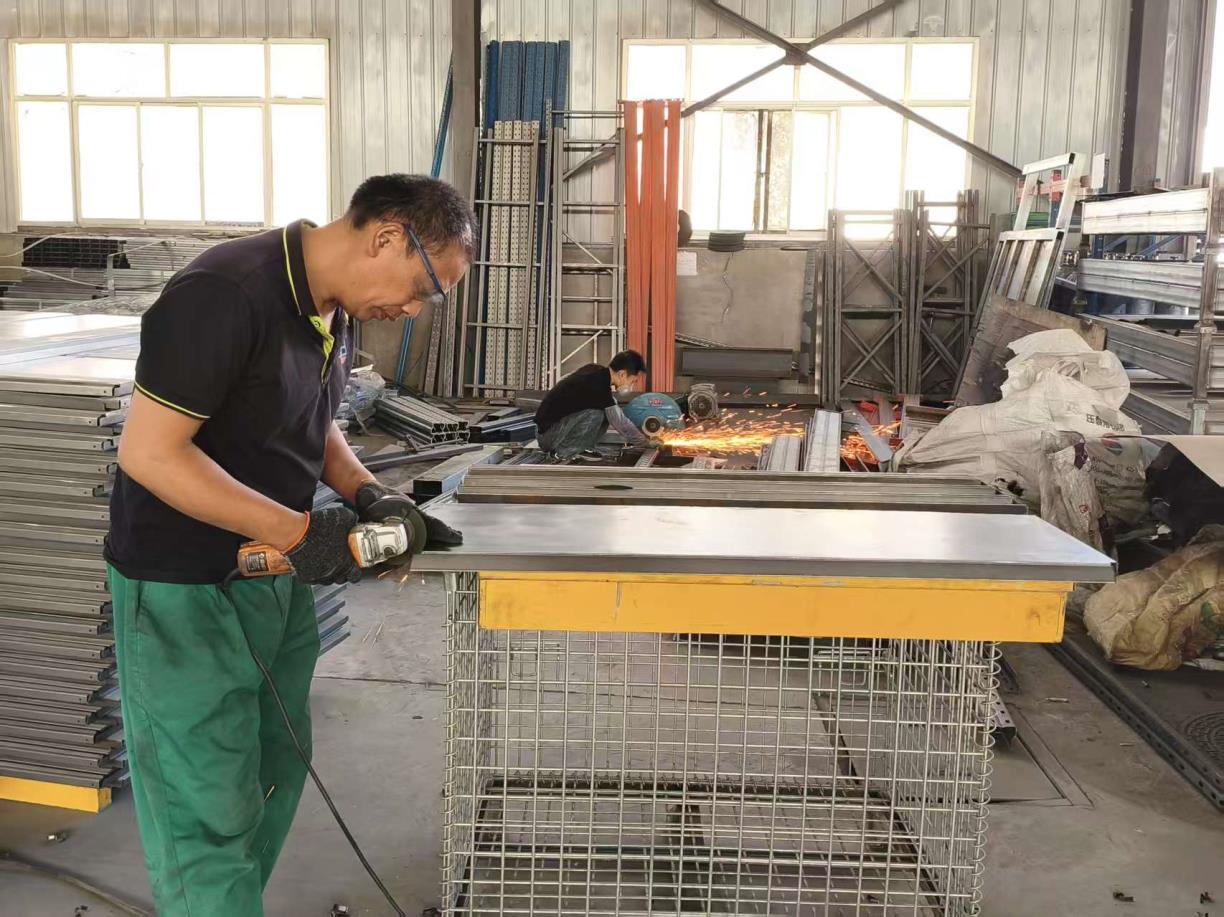
Established in 2015, Shenzhen Sanyang Storage Equipment Manufacturing Co., Ltd. is a leading manufacturer specializing in heavy-duty industrial pallet racking, warehouse shelving systems, and automated material handling solutions. Located in Shenzhen, our modern facility spans a total building area of 38,000 m², equipped with advanced automated roll-forming machines, laser cutters, and robot welding lines.
With over 12 years of industry experience and 8 years of active export experience, Sanyang has expanded its international footprint, achieving an annual export revenue of $28 million USD. Our main overseas markets cover North America, Western Europe, Southeast Asia, and the Middle East, primarily serving global logistics hubs, e-commerce fulfillment centers, third-party logistics (3PL) providers, and large manufacturing enterprises.
Quality and precision are at the core of our operations. Supported by 35 full-time QC inspectors, we implement rigorous quality assurance protocols using ultrasonic weld flaw detection, coating thickness testing, and heavy-load stress tests to ensure strict compliance with ISO9001 and international FEM/ANSI safety standards. Backed by a strong OEM/ODM background and a robust network of 1,200 supply chain partners, we offer highly customizable options—ranging from custom dimensions and load capacities to specialized powder coatings and seismic-resistant structural designs.
Innovation drives our continuous growth. Our team of 18 R&D engineers focuses on developing high-density and automated storage systems, successfully launching 65 new products last year alone. Sanyang remains dedicated to providing safe, space-saving, and cost-effective storage solutions for our global clientele.
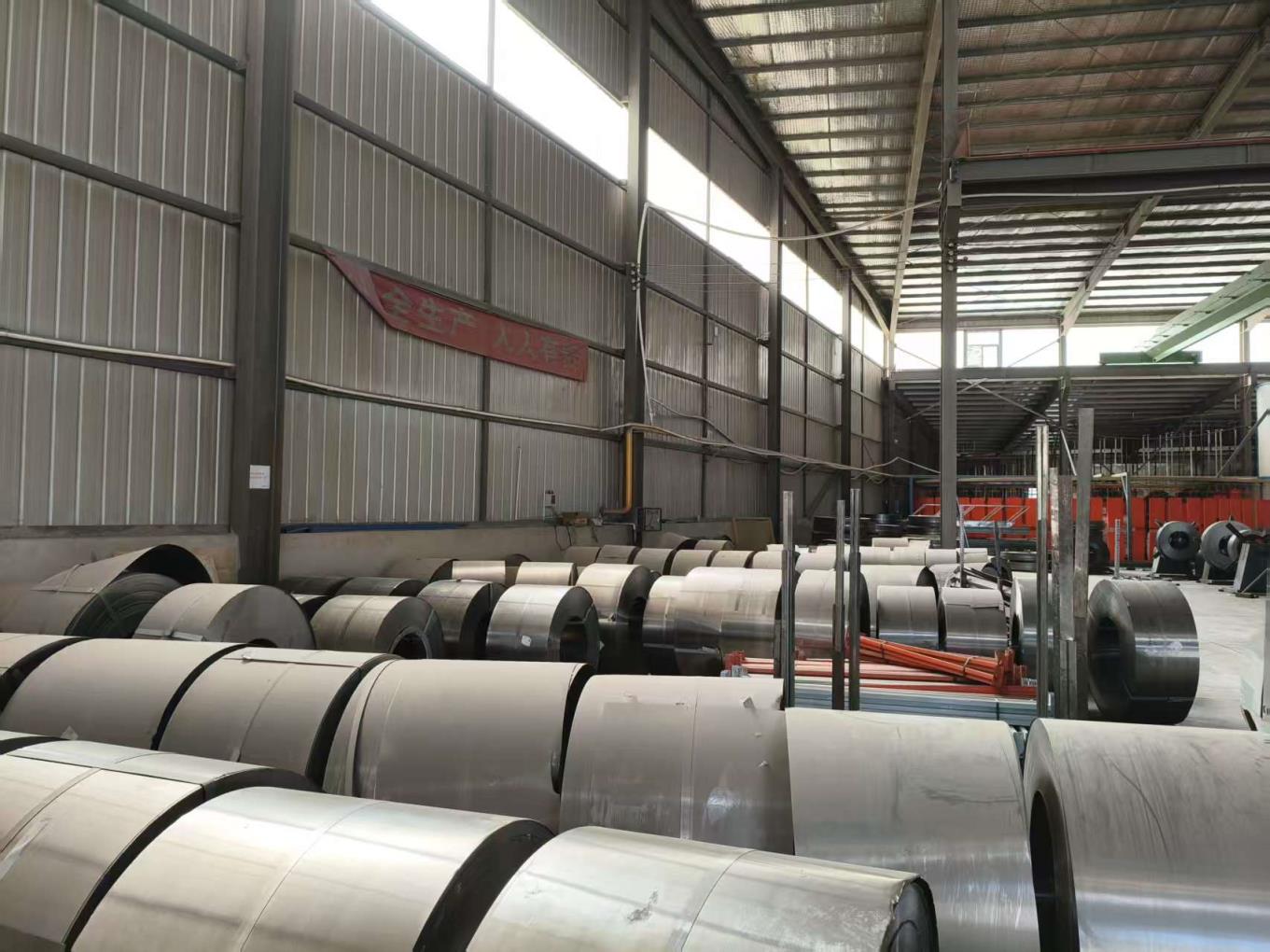
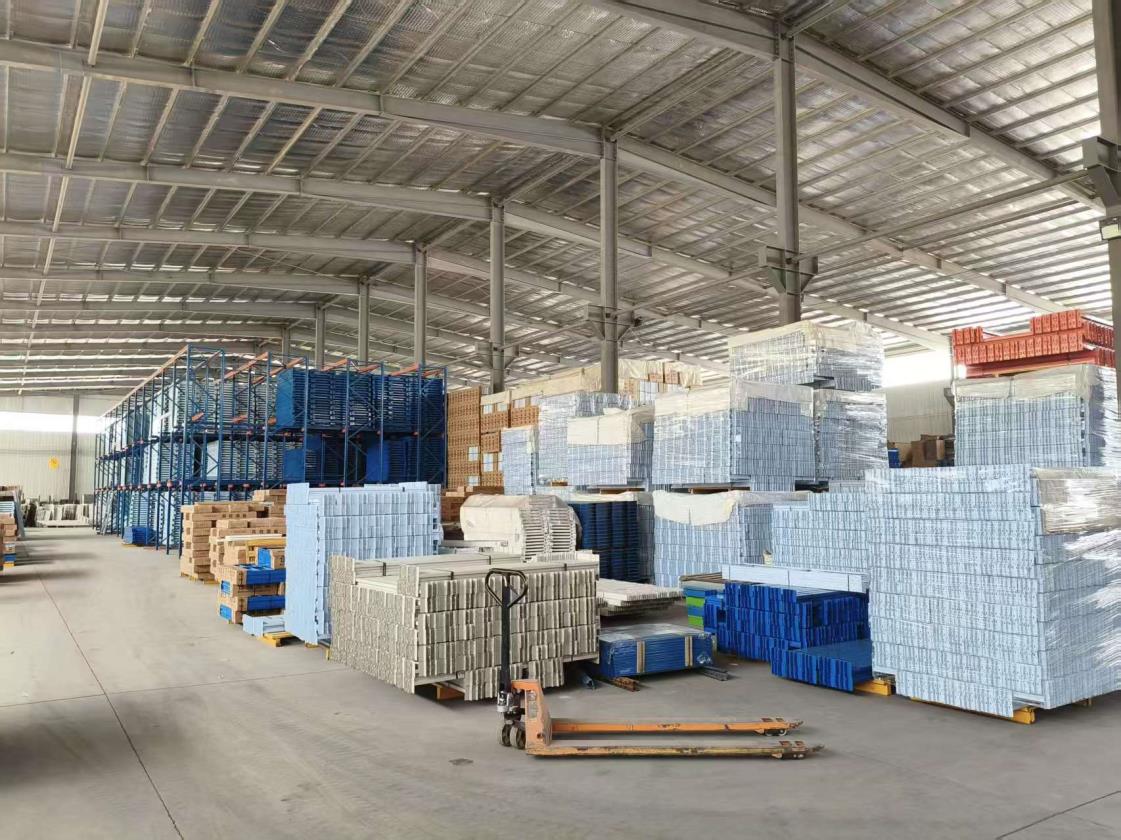
From hot-rolled raw structural steel profiles to fully packaged, corrosion-resistant components ready for global dispatch.
How Sanyang is engineering future-proof storage systems for Smart Logistics and AI-driven warehouse routing.
Integrating piezoelectric pressure sensors within key load points to monitor live shelf deflection. Real-time diagnostic data feeds directly into local Warehouse Management Systems (WMS), alerting facility managers to load distribution anomalies and structural fatigue risks before failures occur.
Development of dynamic magnetic brake rollers that alter friction coefficients automatically based on the descending speed and weight of the load. This ensures safe descent speeds for ultra-heavy loads (exceeding 2,500 kg per pallet) without necessitating manual lane changes.
Partnering with metallurgical institutions to introduce light-weight, high-yield micro-alloyed steel profiles. These new materials deliver increased structural strength with lower material volumes, reducing shipping weights and structural footprints while retaining ultimate load capacities.
Expert technical insights to assist procurement officers and structural engineers with warehouse specification selections.
We exclusively construct our structural profiles using certified Q235B and Q355B high-tensile hot-rolled steel. These grades provide optimal yield strength and ductility, preventing structural fractures under sudden impacts. Mill sheets and chemical test reports are supplied with every order.
FIFO racking isolates loading and picking channels, reducing forklift travel path lengths by up to 40%. It ensures strict material rotation (critical for perishables or battery packs) and maximizes floor usage by eliminating intermediate access aisles, freeing up to 60% more vertical space.
We provide heavy-duty steel base protection guards, corner deflectors, guide rails, and entry-portal frames. These accessories isolate vertical support frames from direct wheel and mast impacts, diverting forklift energy directly into the foundation rather than the frame structure.
Yes. Our 18 R&D engineers design custom baseplates and cross-bracing structural systems matching specific local USGS seismic ratings, complying fully with AS4084 (Australia), EN15512 (Europe), and RMI (USA) directives.
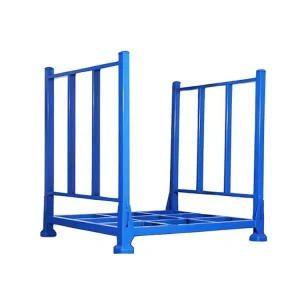
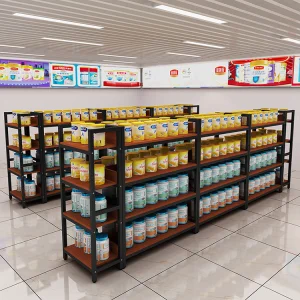
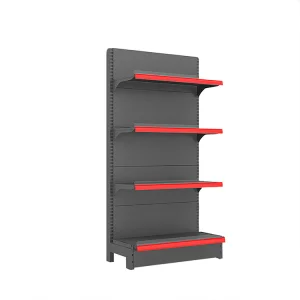
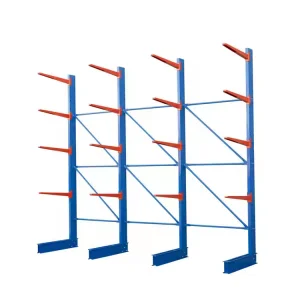
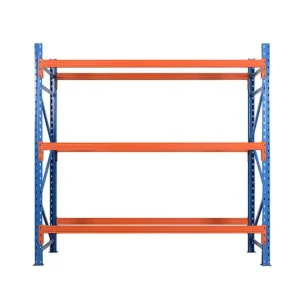
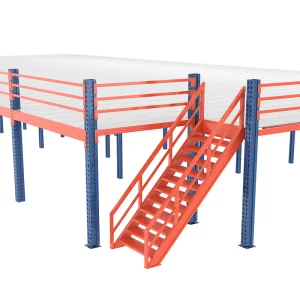
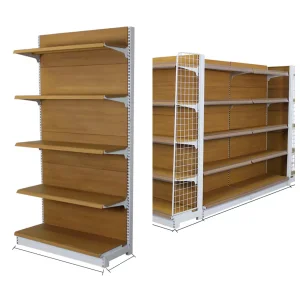
Explore customized shelving units, industrial cantilever systems, and heavy-duty tire storage platforms.
 Sanyang Racking