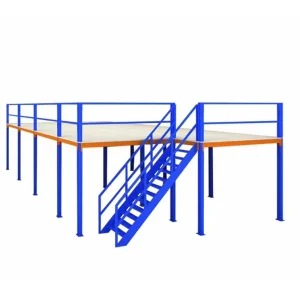
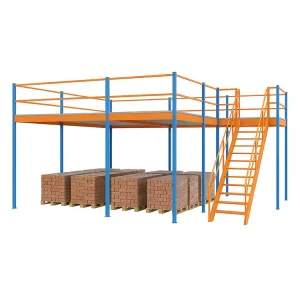
Engineered for immediate configuration and seamless integration into Berlin's evolving logistics hubs. Our systems guarantee heavy-load safety, rapid installation, and maximum cubic space utilization.
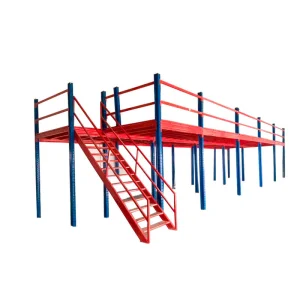
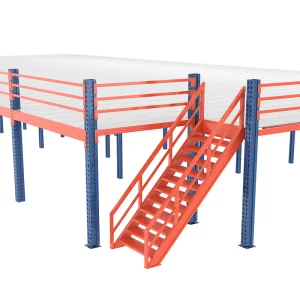
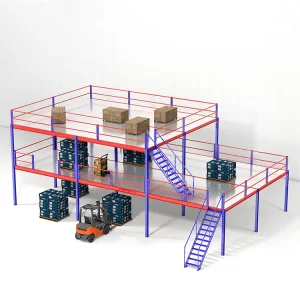
The Berlin-Brandenburg metropolitan region has transitioned into one of Central Europe's most vital logistical corridors. Driven by the expansion of regional distribution centers, e-commerce giants, and precision manufacturing ecosystems, the demand for industrial real estate has outpaced supply. Berlin's industrial zoning limits and rising land-use costs necessitate that developers, logistics providers (3PL), and manufacturing firms shift their architectural strategies from horizontal expansion to vertical optimization.
Implementing high-integrity structural steel mezzanines and rack-supported floor systems allows enterprises to effectively double or triple their operational floor space without expanding the outer building footprint. In Berlin's competitive industrial environment, mezzanine solutions are not merely storage additions; they are structural investments designed to accommodate complex automation, heavy pallet traffic, and office-on-platform configurations.
Furthermore, local safety regulations enforced by the *Berufsgenossenschaft* (German Trade Association) and structural guidelines under *DIN EN 15635* demand meticulous engineering. Structural calculations must account for static loads, dynamic forces from automated guided vehicles (AGVs), seismic activity variables, and strict egress pathways in compliance with fire safety regulations. Seeking reliable manufacturing and exporting partners who understand the complexity of the German logistics framework is paramount to project success.
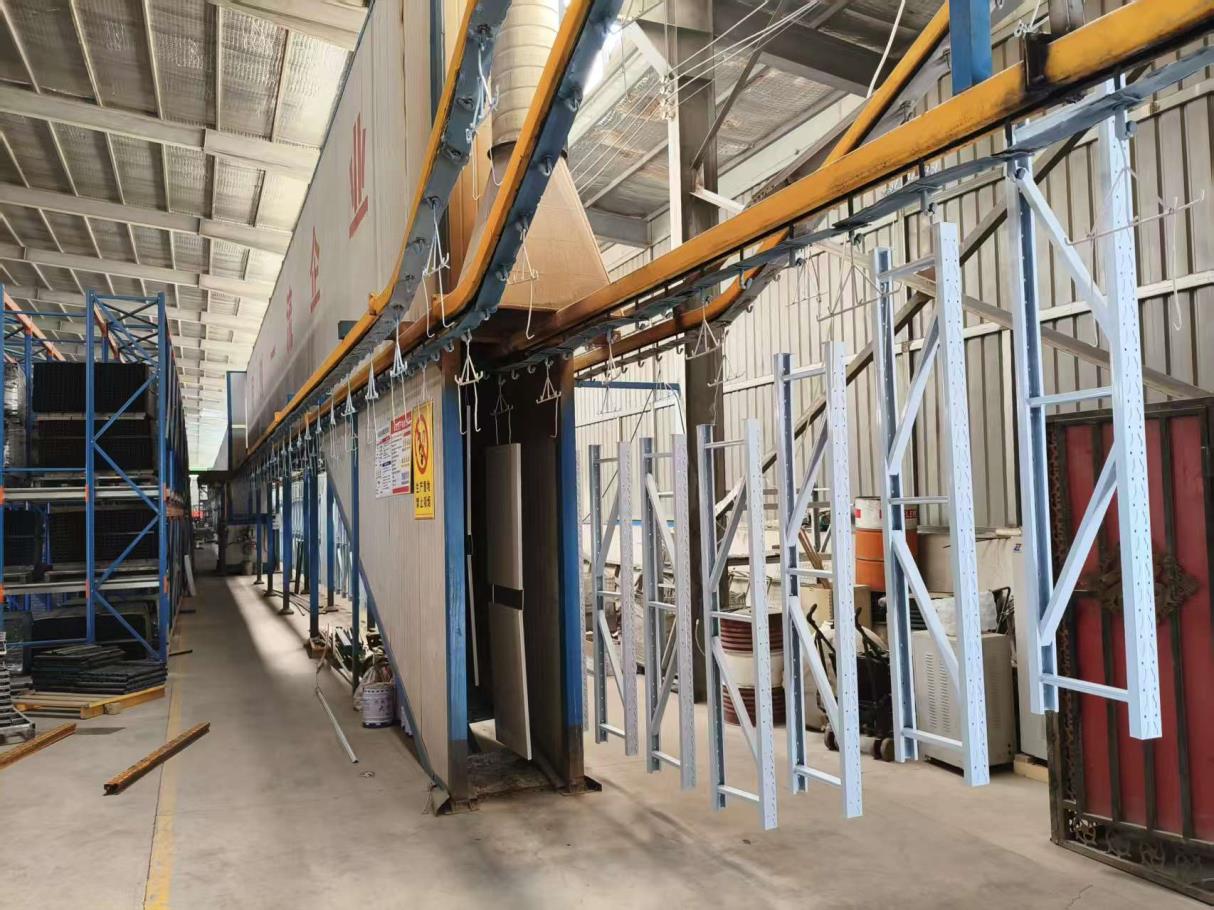
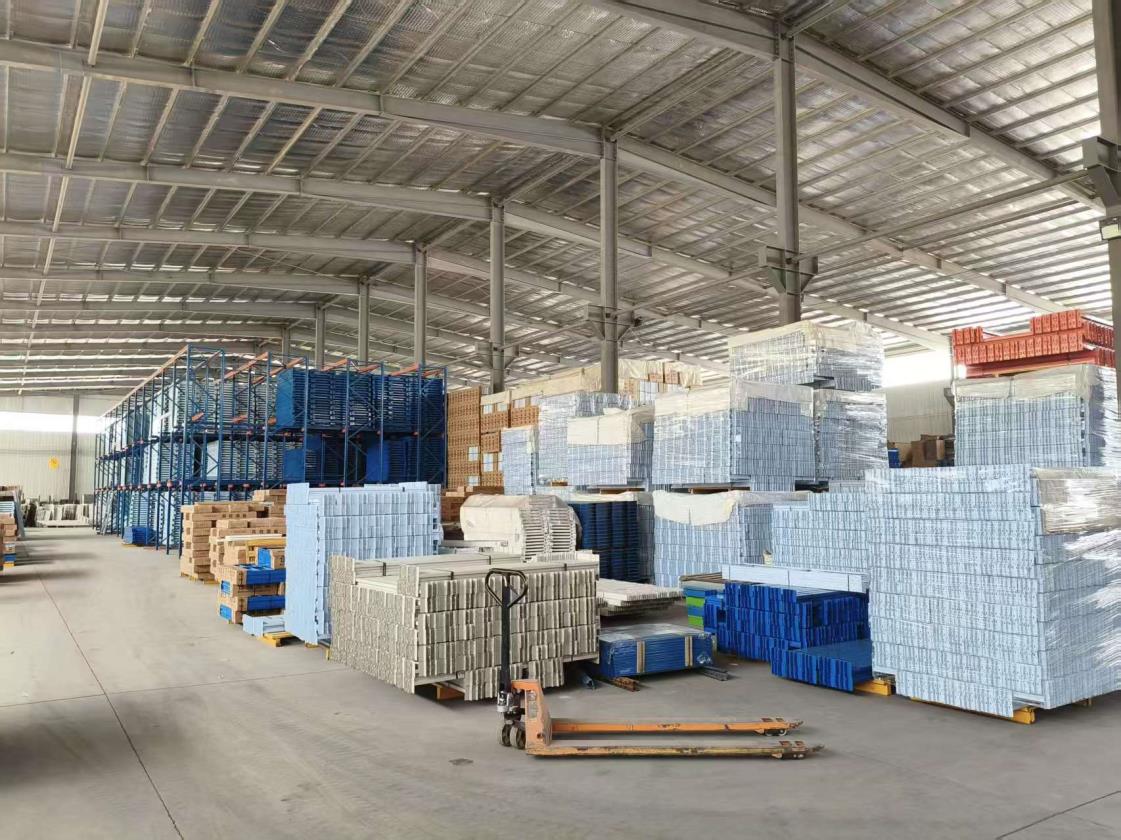
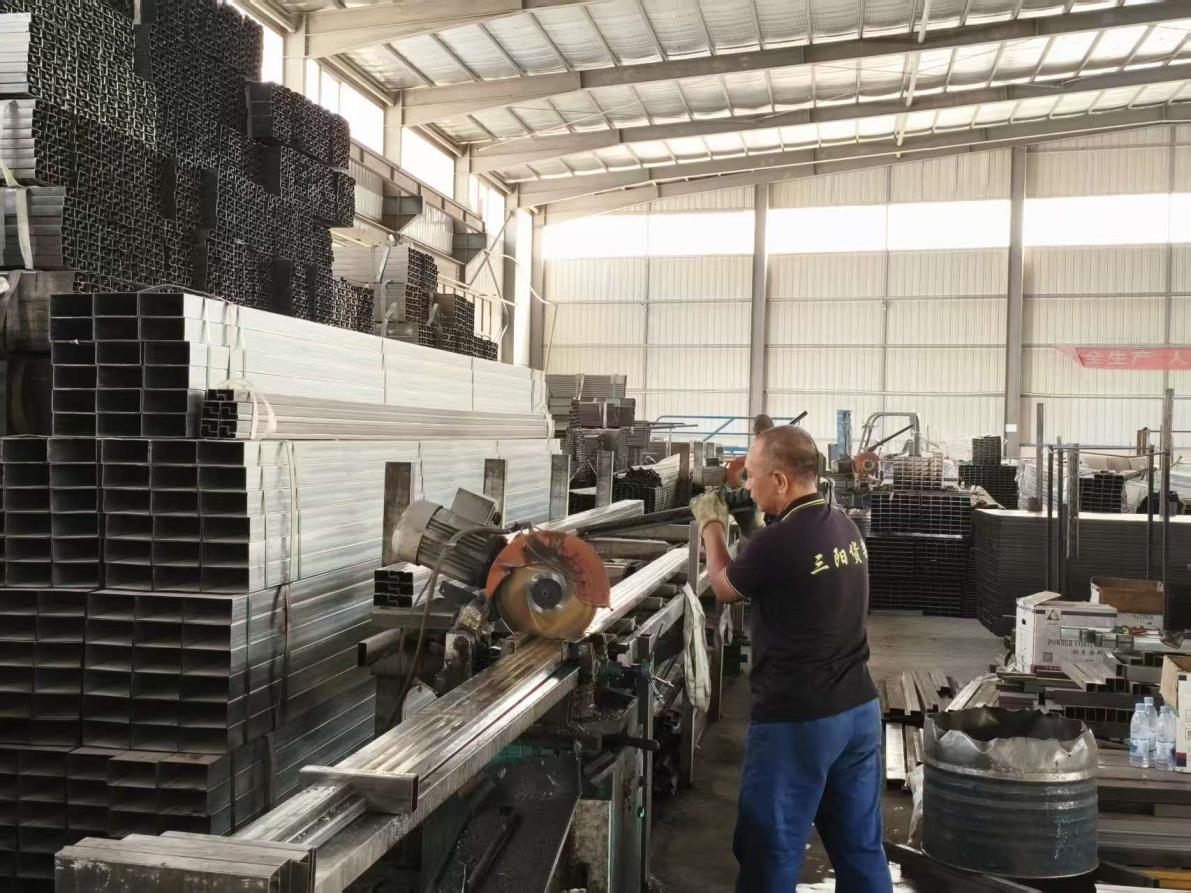
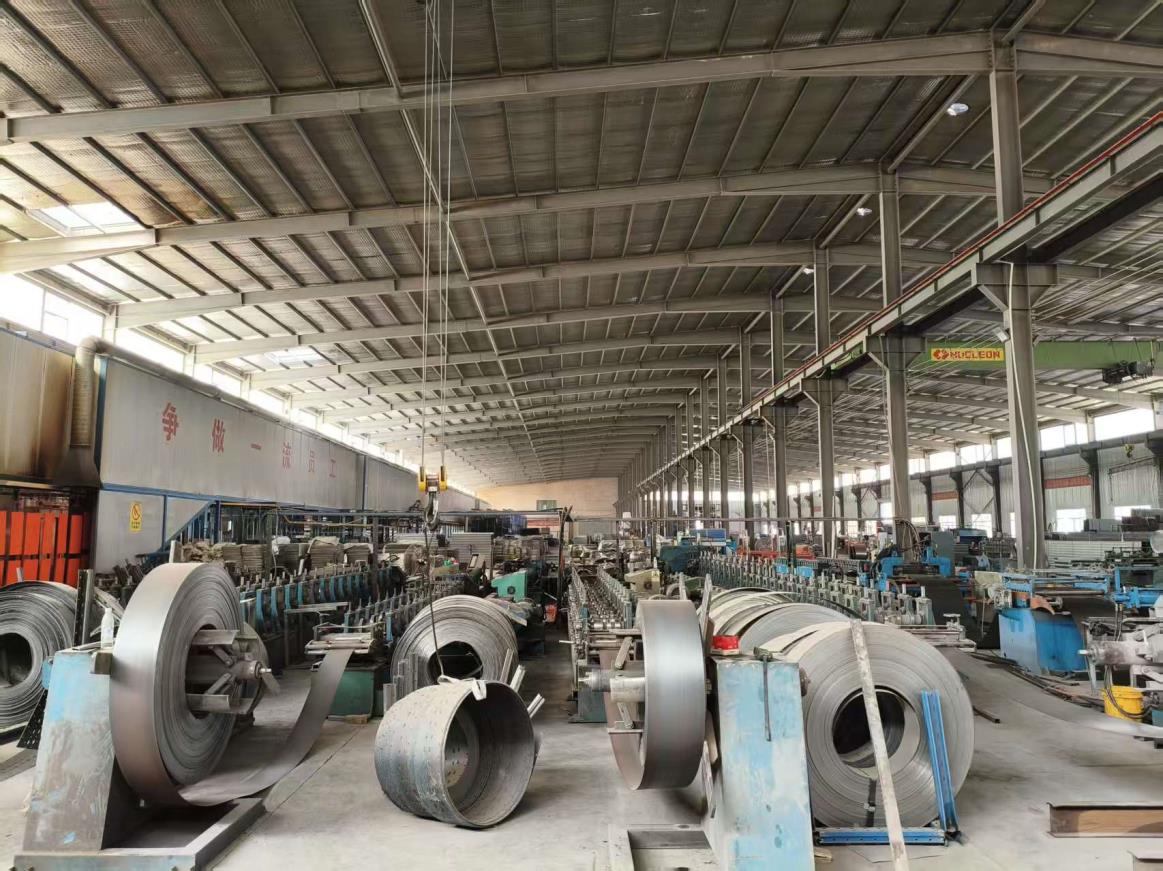
Established in 2015, Shenzhen Sanyang Storage Equipment Manufacturing Co., Ltd. stands as a premier manufacturer specializing in heavy-duty industrial pallet racking, warehouse shelving systems, and automated material handling solutions. Strategically operating from a modern facility spanning a total building area of 38,000 m², Sanyang coordinates precision production utilizing advanced automated roll-forming machines, high-precision laser cutters, and advanced robotic welding lines.
Our global footprint is backed by over 12 years of industry experience and 8 years of dedicated export operations, securing an annual export revenue of $28 million USD. We serve critical logistics markets across Western Europe, North America, Southeast Asia, and the Middle East, with a specific focus on structural engineering compliance required by the German market.
Every mezzanine column, beam, and floor plate manufactured at our facility undergoes strict physical testing to ensure it meets structural performance benchmarks. Our manufacturing flow relies on continuous automated quality controls.
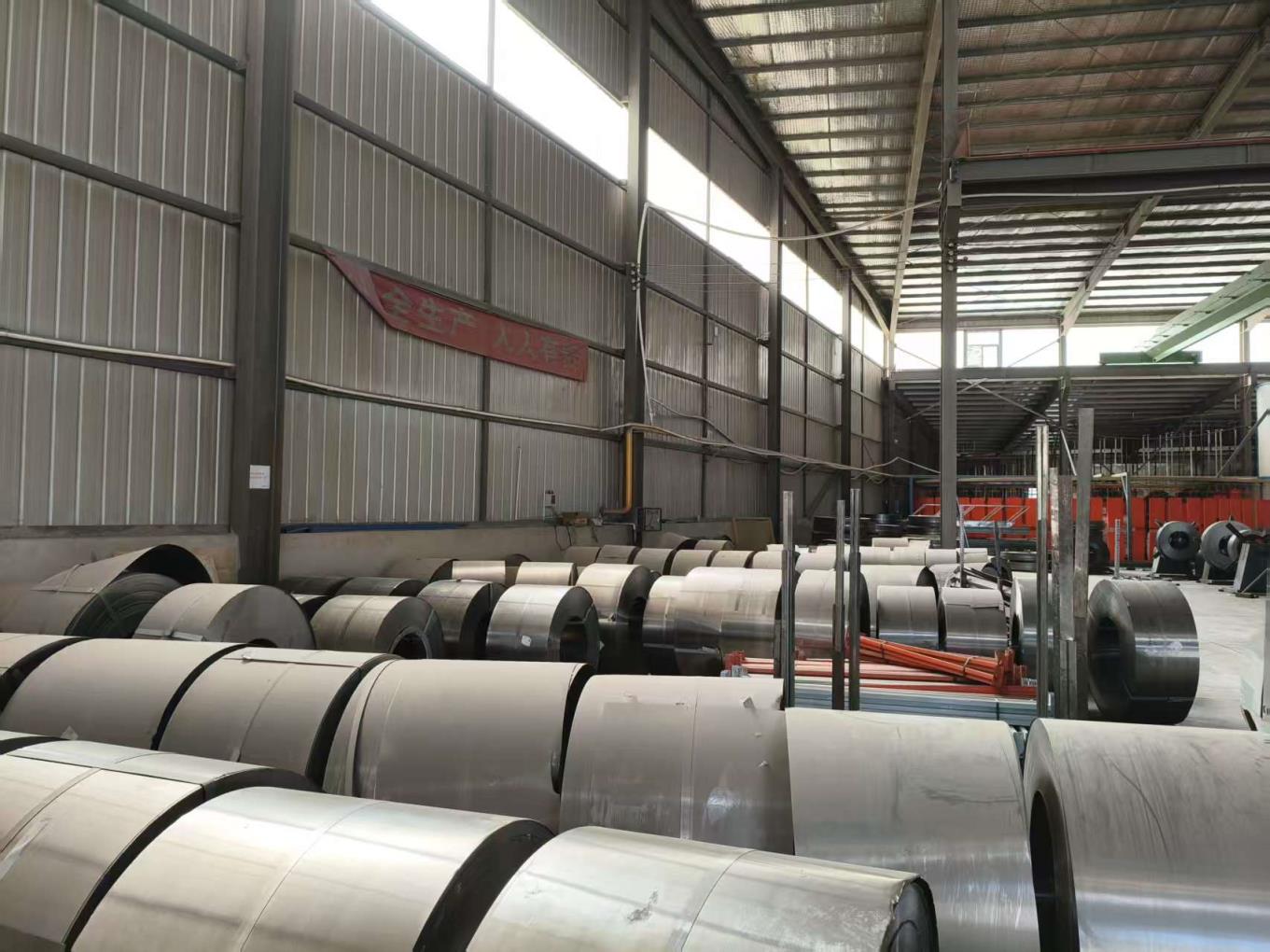
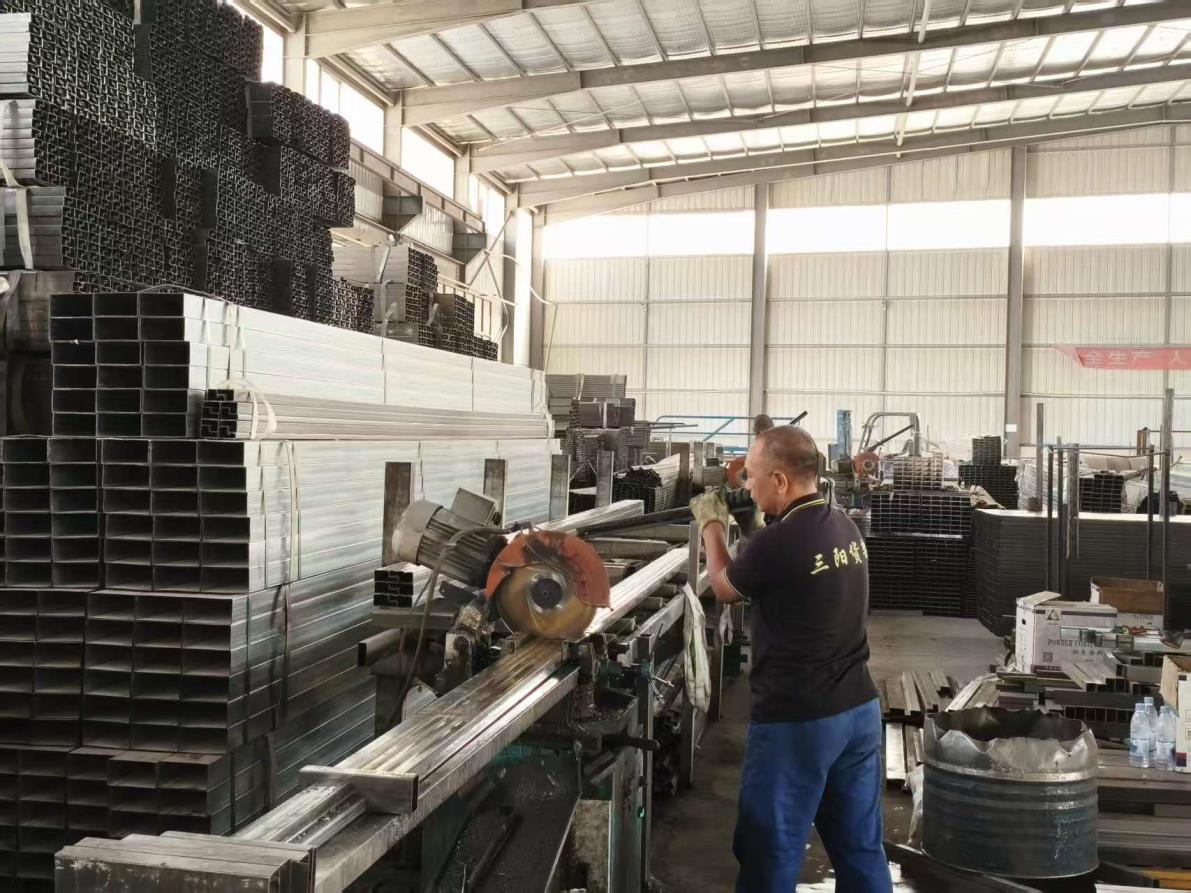
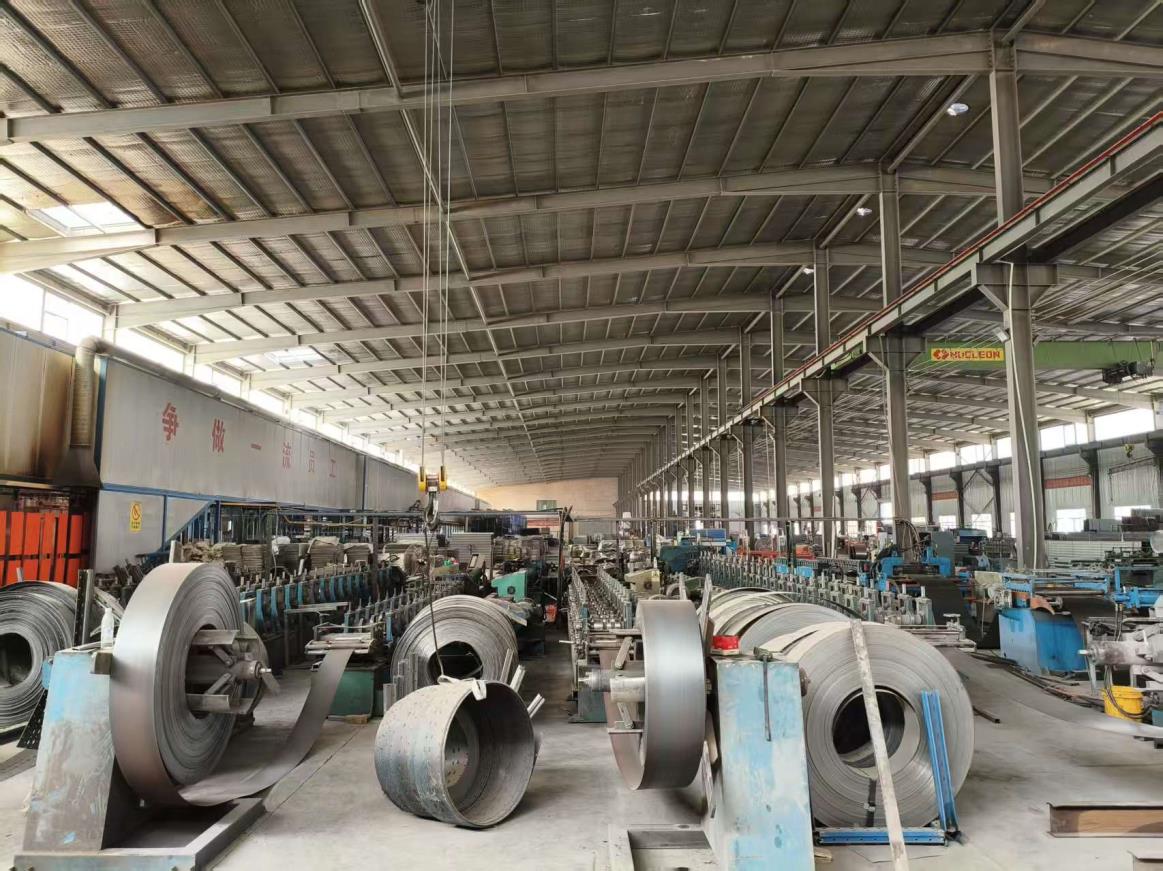
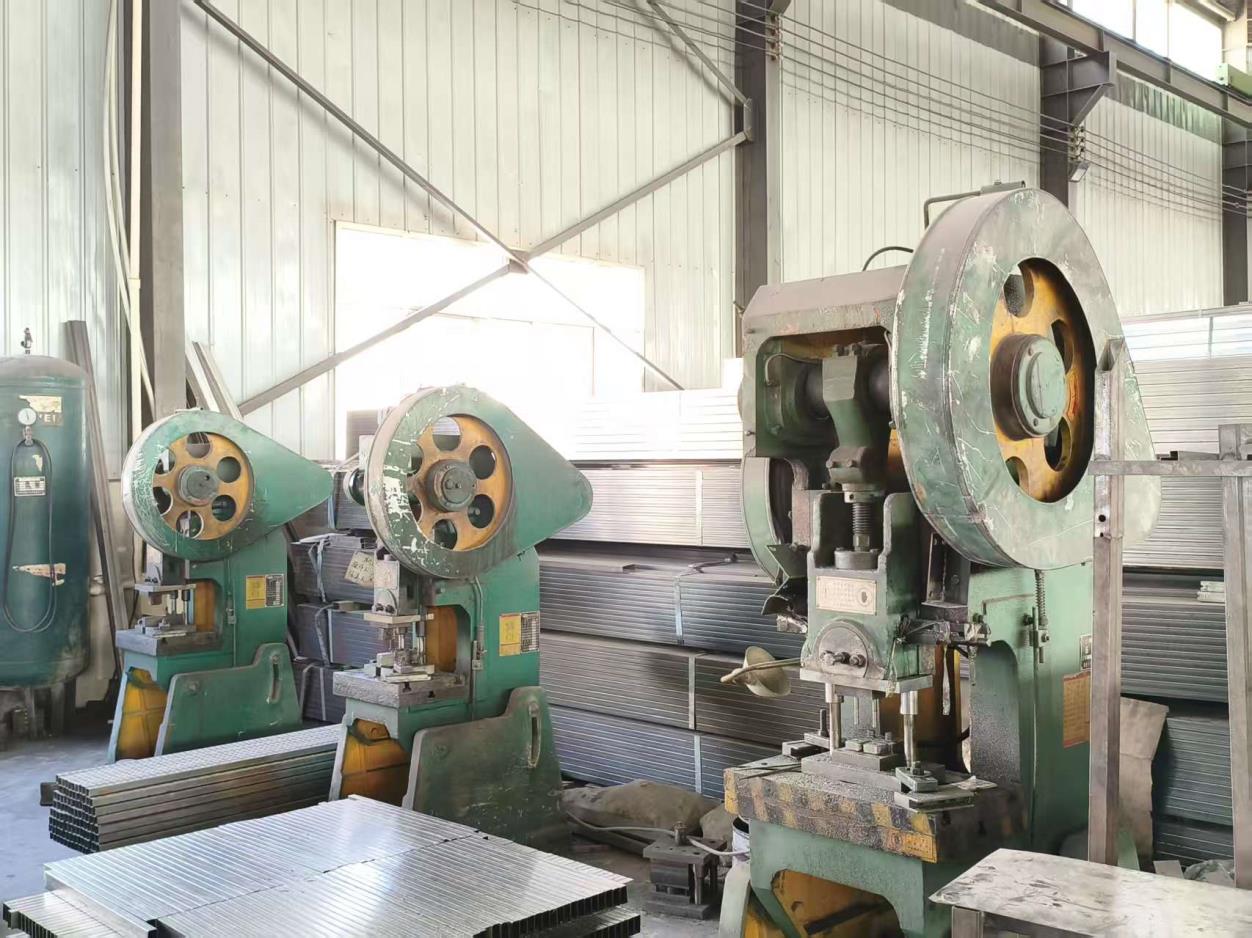
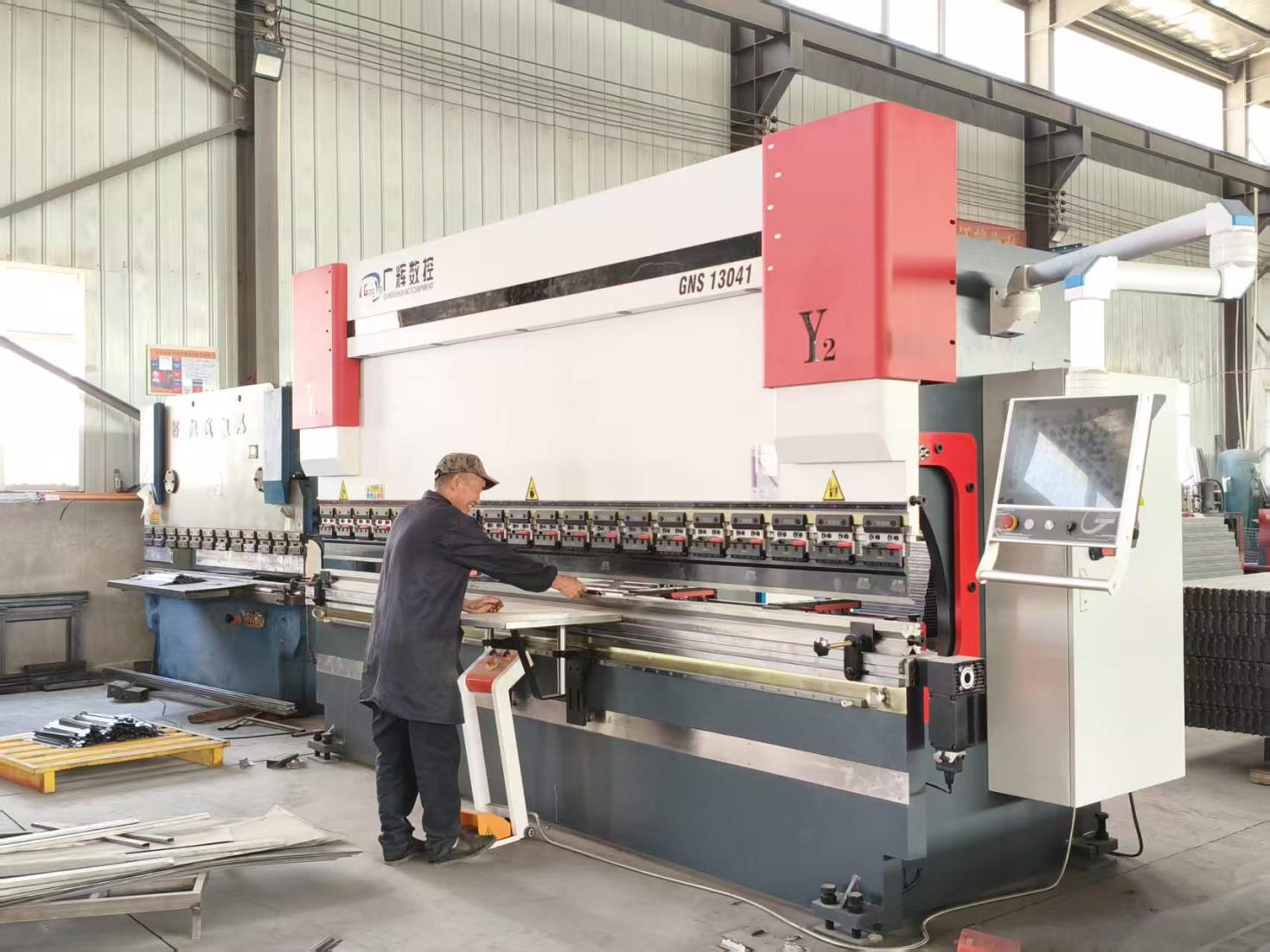
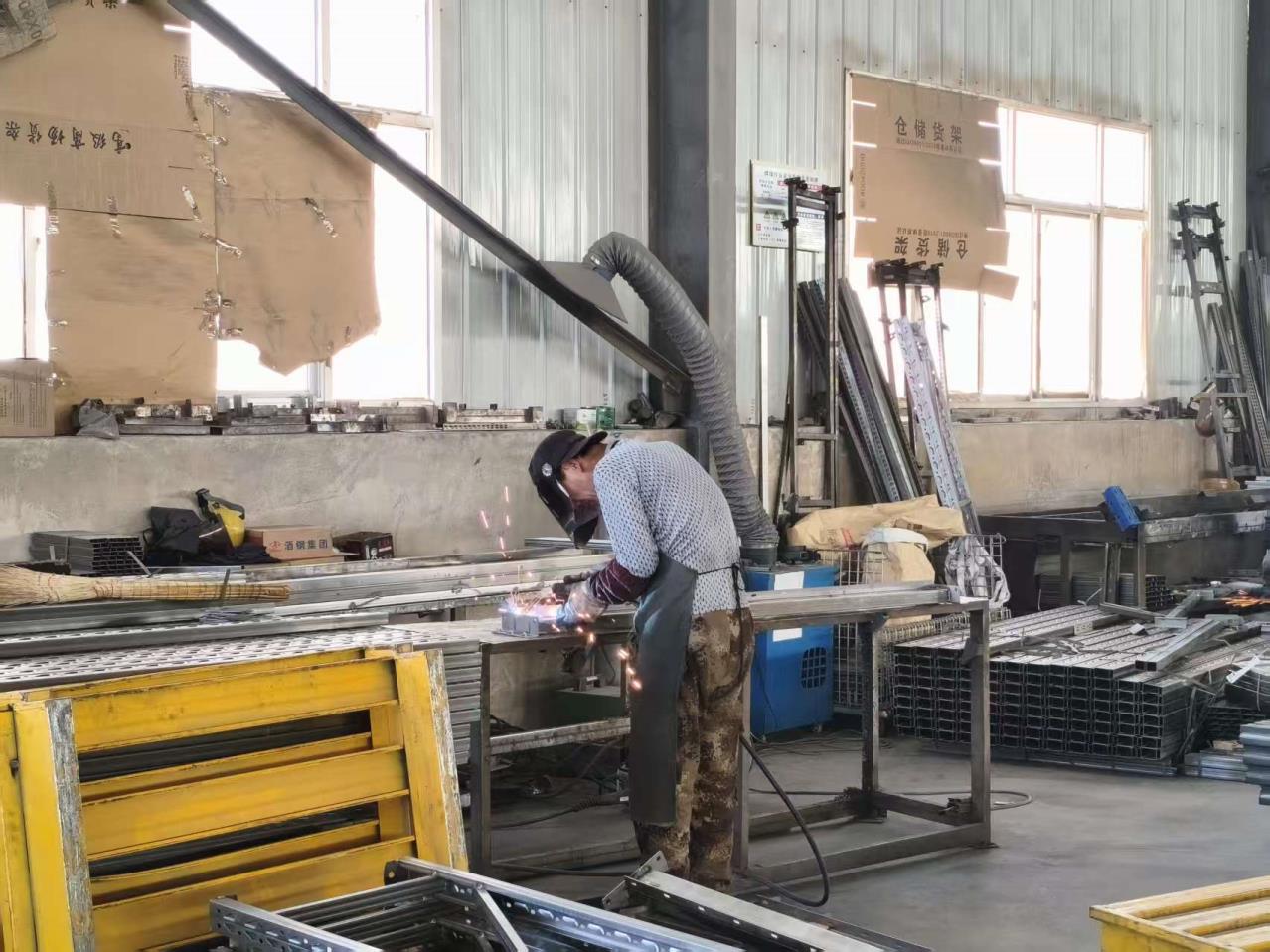
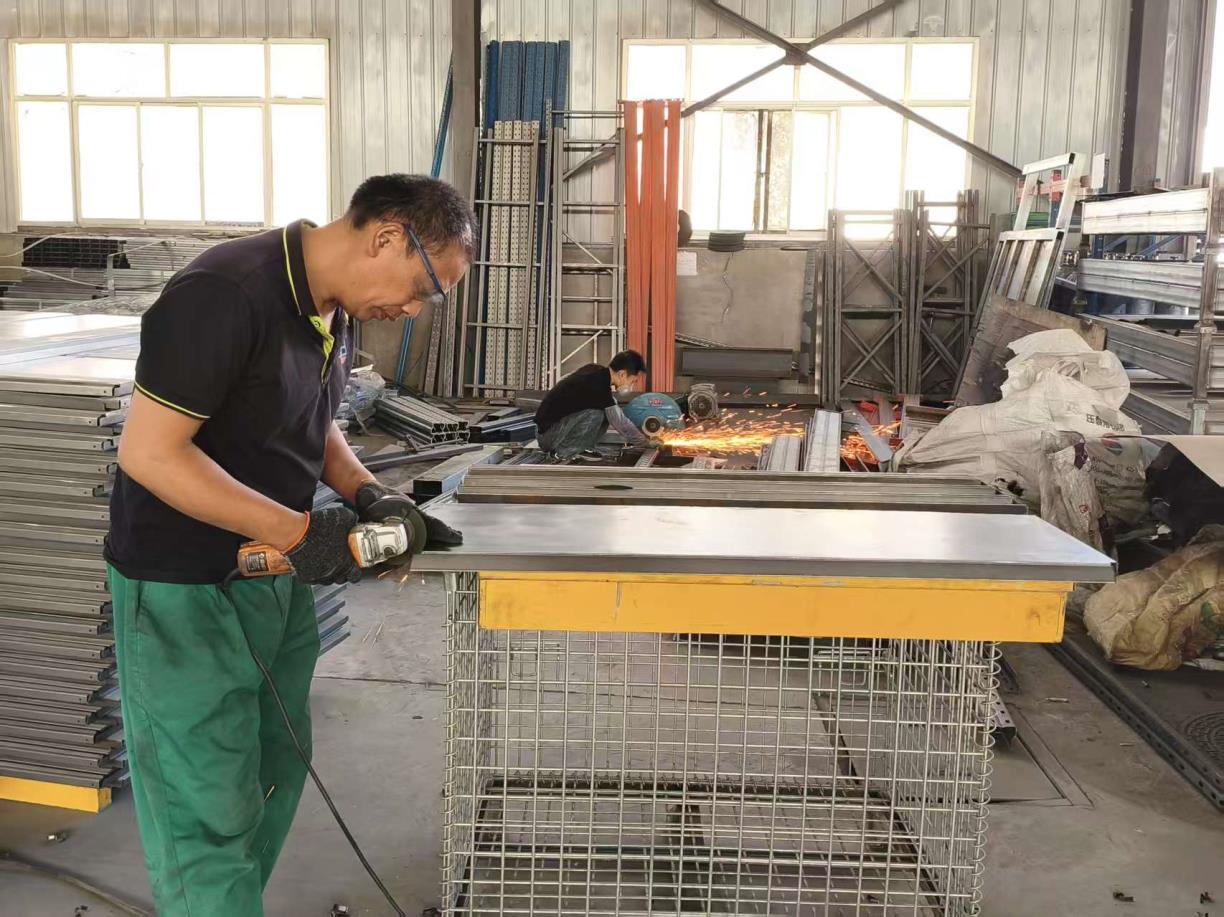
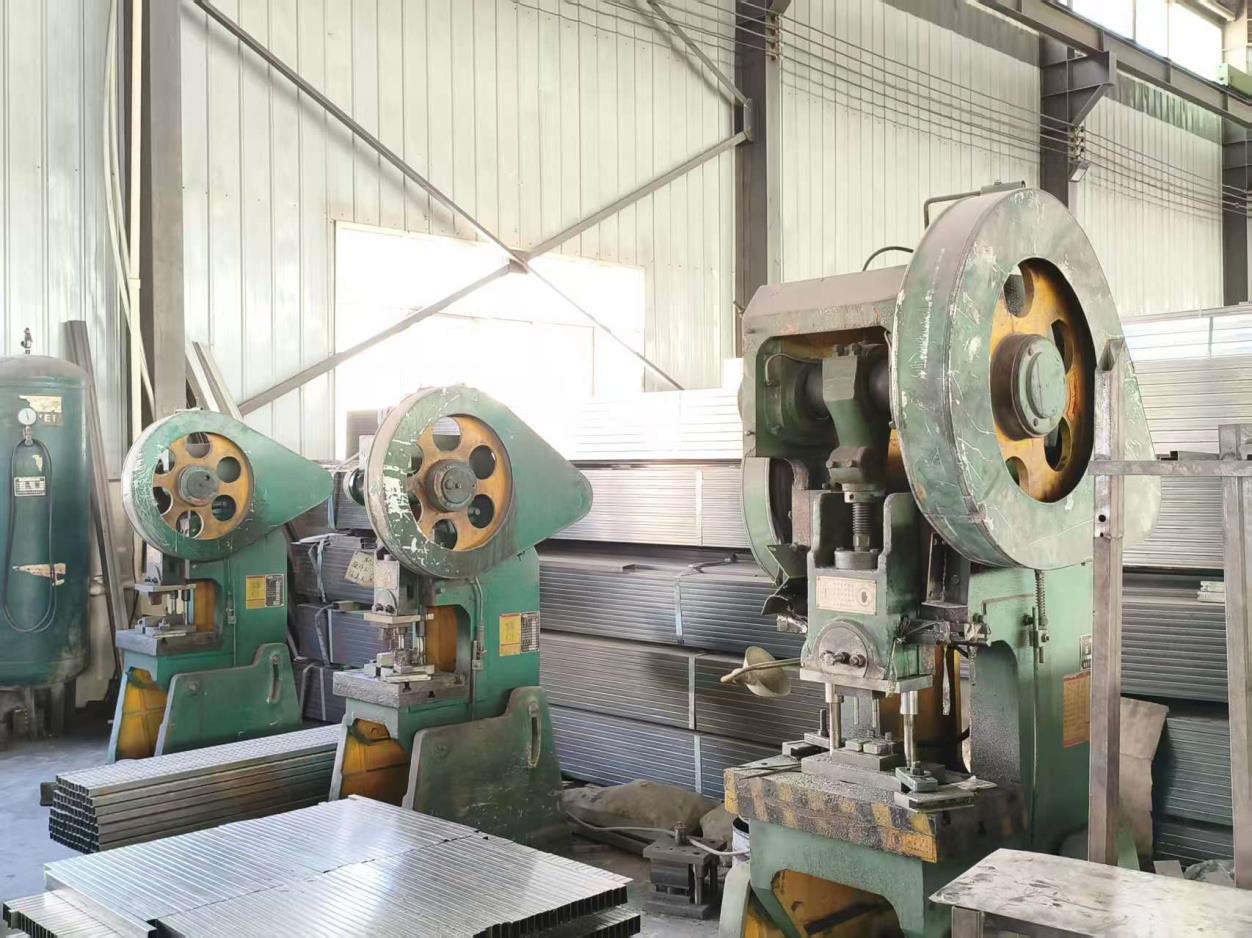
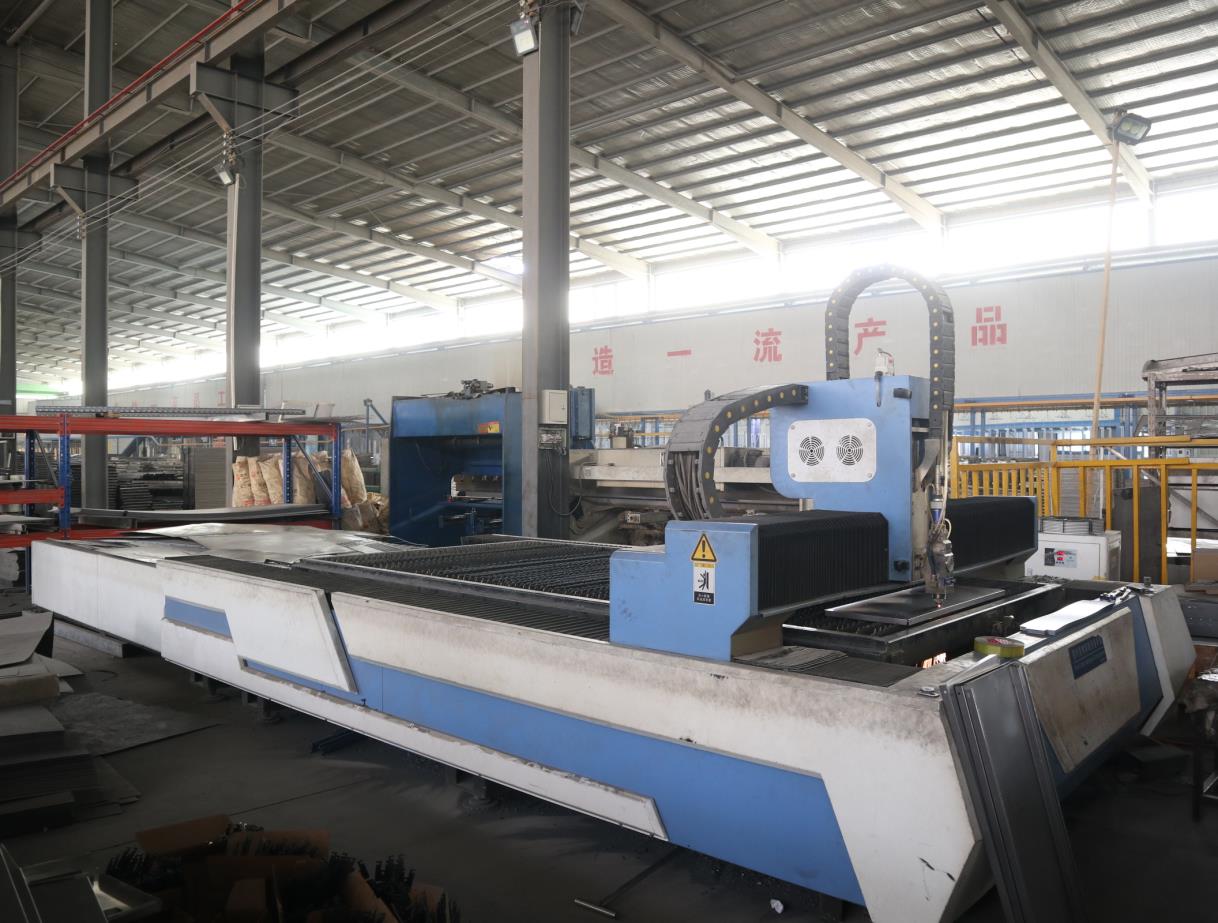
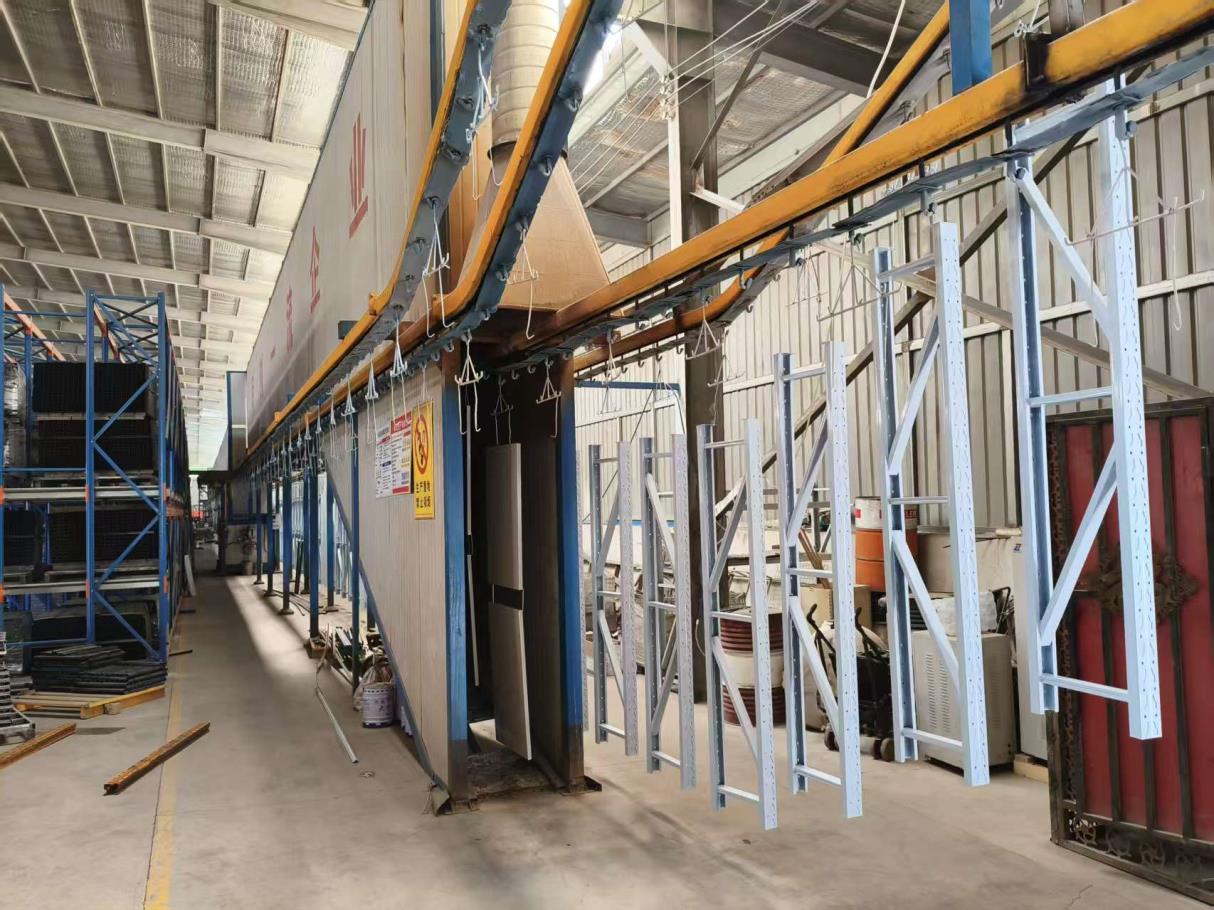
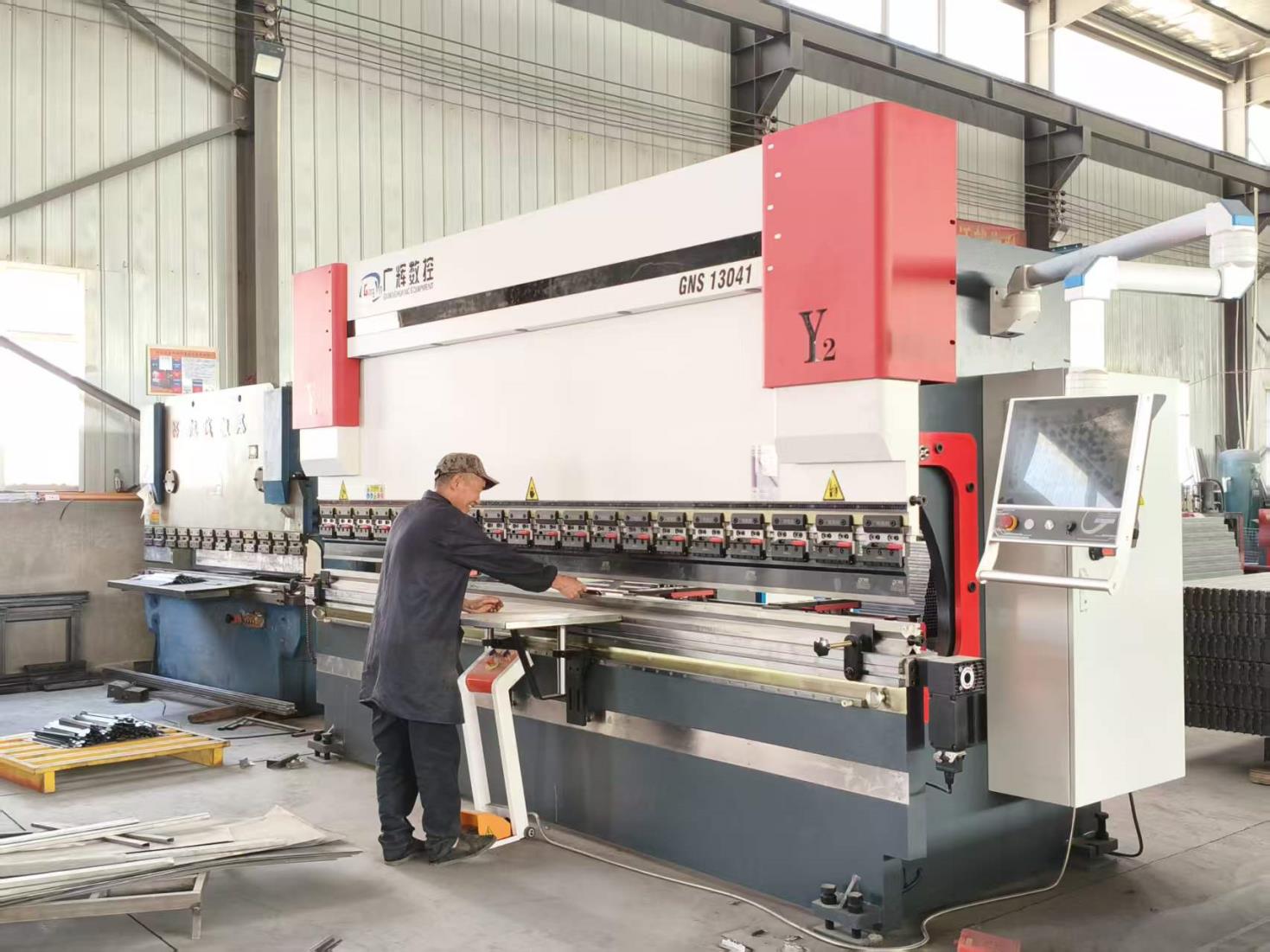
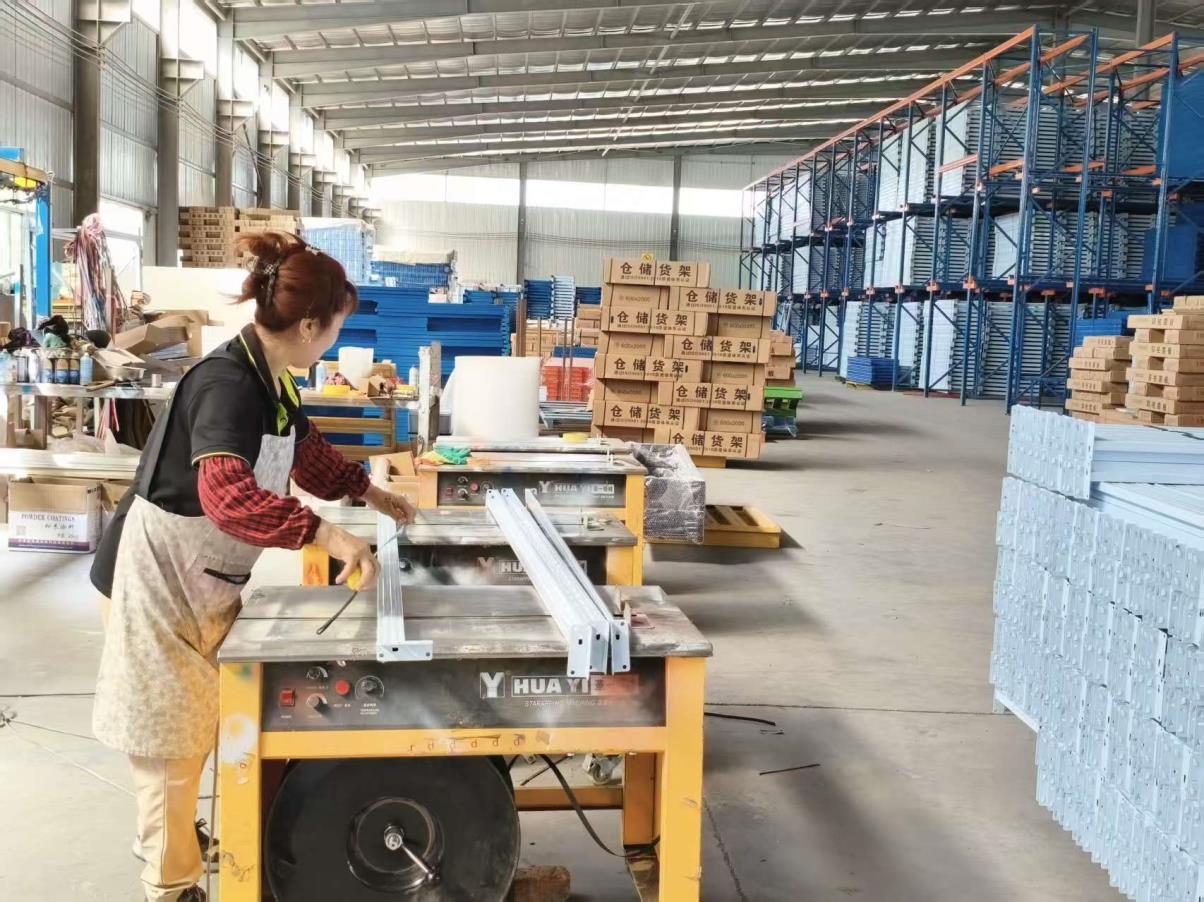
Our quality control measures are backed by 35 full-time QC inspectors. We execute high-precision verification procedures including ultrasonic weld flaw detection, digital coating thickness validation, and heavy-load static deflection stress tests. This rigorous protocol ensures that all structural components shipped from our factory strictly conform to ISO9001, European FEM 10.2.02 racking codes, and international ANSI standards.
Procuring mezzanine systems for deployment in Berlin, Germany requires deep alignment with Eurocode 3 (Design of steel structures) and DIN EN 15635. Structural calculations must guarantee load capacities ranging from 300 kg/m² for basic assembly lines to over 3,000 kg/m² for heavy industrial raw material staging and machinery platforms. The structural profiles used must consist of certified high-tensile structural steel (Q235B or Q355B equivalent to S235JR and S355JR under European specifications).
Although Berlin is located within a low-seismic risk region, dynamic loading from moving forklifts, palleted cargo operations, and automated racking stacker cranes generates horizontal shear forces. Sanyang engineers utilize specialized finite element analysis (FEA) software to model custom node connection points, ensuring structural columns transfer moment loads efficiently down to the concrete slab without causing foundation cracking. Baseplates are custom-sized and secured using high-durability anchor bolts to distribute load patterns evenly.
For installations demanding long-term operational lifetimes or exposure to varying environmental conditions, such as semi-open cold storage or maritime shipping environments, we offer specialized surface treatments. Our automatic electrostatic powder coating lines apply a uniform, high-adhesion coating that provides excellent chemical resistance, wear protection, and surface durability. Hot-dip galvanization is available for outdoor platform stairs and access gates to ensure long-term rust prevention.
Select from our certified engineering styles. We provide complete OEM/ODM options tailored to your logistics hubs, distribution nodes, and manufacturing facilities in Berlin.
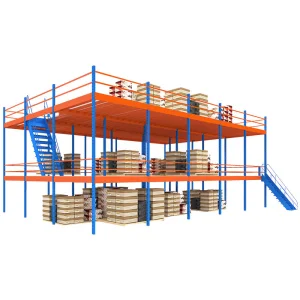
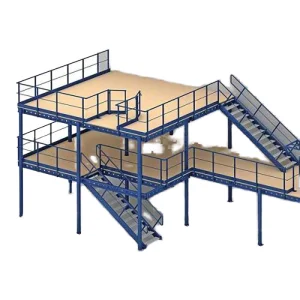
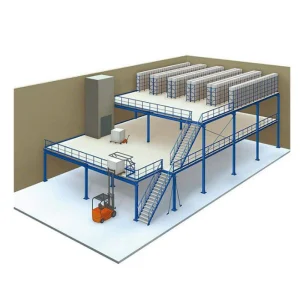
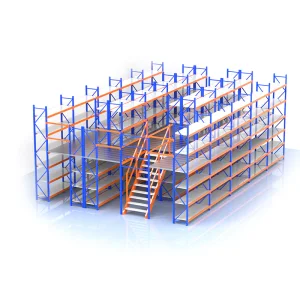
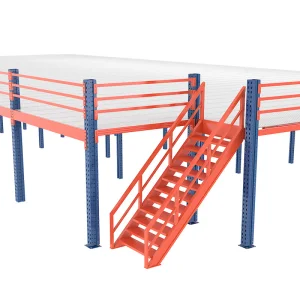
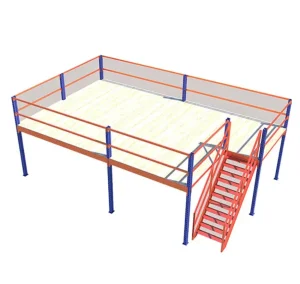
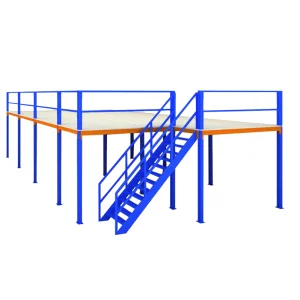
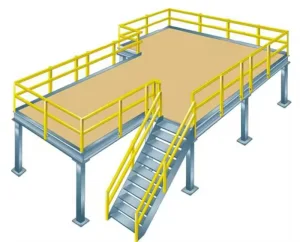
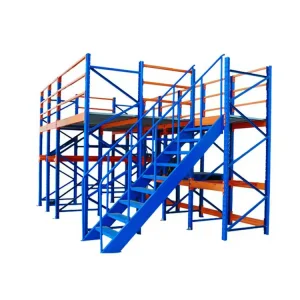
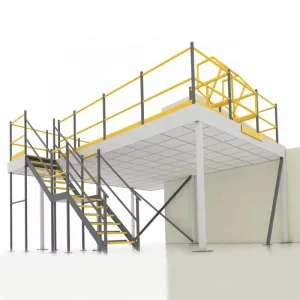
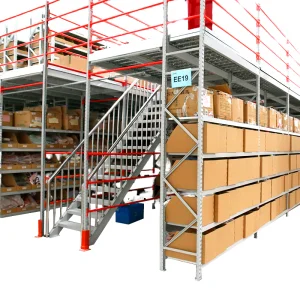
Modern distribution strategies require the integration of physical structural mezzanines with active digital warehouse management systems (WMS). Our R&D team of 18 structural engineers works closely with system integrators to make structural steel mezzanines compatible with automated storage and retrieval systems (AS/RS), shuttle lines, and heavy-duty conveyor networks.
In automated systems, localized deflections can lead to tracking errors for shuttles. Sanyang designs support structures to restrict vertical deflection within L/300 (span length divided by 300) or L/400, exceeding traditional commercial static storage requirements. Choosing the correct structural stiffness minimizes vibrations from reciprocating material handling systems, which protects high-value sensors and robotic drives installed on the platform floor.
Our commitment to environmental sustainability matches the strict European guidelines. Our automated powder-coating lines emit zero volatile organic compounds (VOCs). The premium structural steel we utilize contains up to 75% recycled steel content, helping local developers meet BREEAM or DGNB green building certifications. Choosing durable, modular designs ensures components can be disassembled, reconfigured, or recycled as operational needs change.
Answers to technical, regulatory, and logistics questions concerning the import and installation of high-capacity mezzanine storage systems in Berlin.
 Sanyang Racking