Heavy-duty, precision-engineered retail display systems optimized for high-density layouts in Japan.
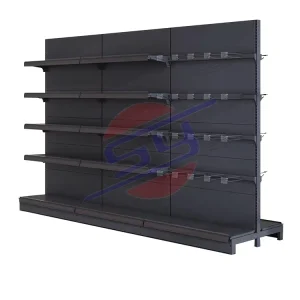
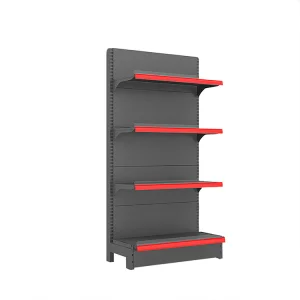
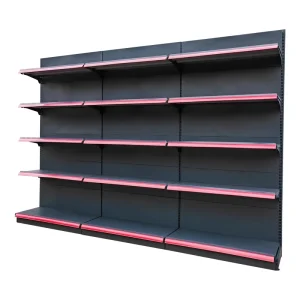
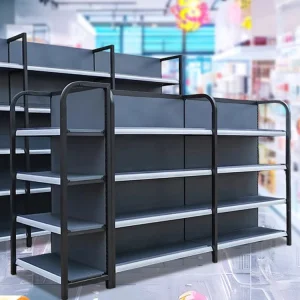
Understanding the technical rigor, aesthetic benchmarks, and earthquake resilience standards required by Japanese retailers.
The retail environment in Japan represents a unique convergence of high property values, dense population dynamics, and extreme geographic vulnerabilities. From convenience store formats like *Konbini* (e.g., 7-Eleven, Lawson) to metropolitan general merchandise stores (GMS) like Aeon, shelving structures must maximize retail surface area per square meter while maintaining absolute structural safety.
In Japan, shelving is not merely a utility; it is a critical component of merchandising ergonomics. The demand for modular, adjustable shelves with extremely low structural profile heights is paramount. Our engineering designs address these space limitations by using high-strength Q235B cold-rolled steel profiles, reducing partition thickness without sacrificing loading capacities.
Seismic Mitigation (JIS Compliance): Every unit shipped to the Japan market is designed to support advanced anchoring bases, anti-tip floor brackets, and overhead connection brackets (T-bars) capable of absorbing horizontal peak ground accelerations typical of Tohoku and Kanto region seismic activity.
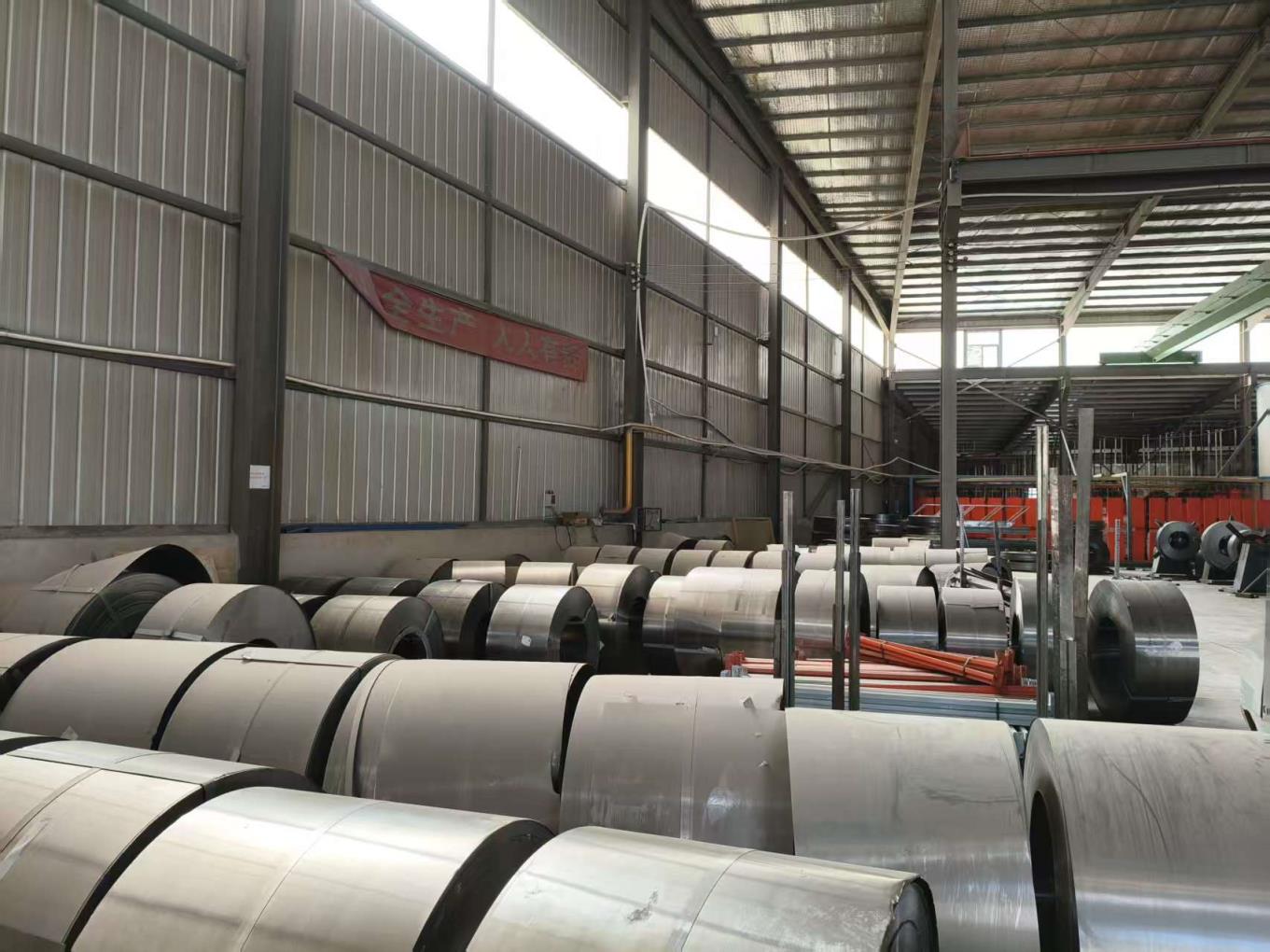
Why global procurement offices and leading Japanese retail operators choose Sanyang Storage Equipment.
Shenzhen Sanyang Storage Equipment Manufacturing Co., Ltd. (established in 2015) bridges the gap between cost-efficiency and premium performance. While domestic procurement in Japan can escalate costs due to complex local distribution chains, our direct-from-factory model yields substantial cost efficiencies. Supported by an advanced network of 1,200 supply chain partners, we ensure secure material pricing and reliable timelines.
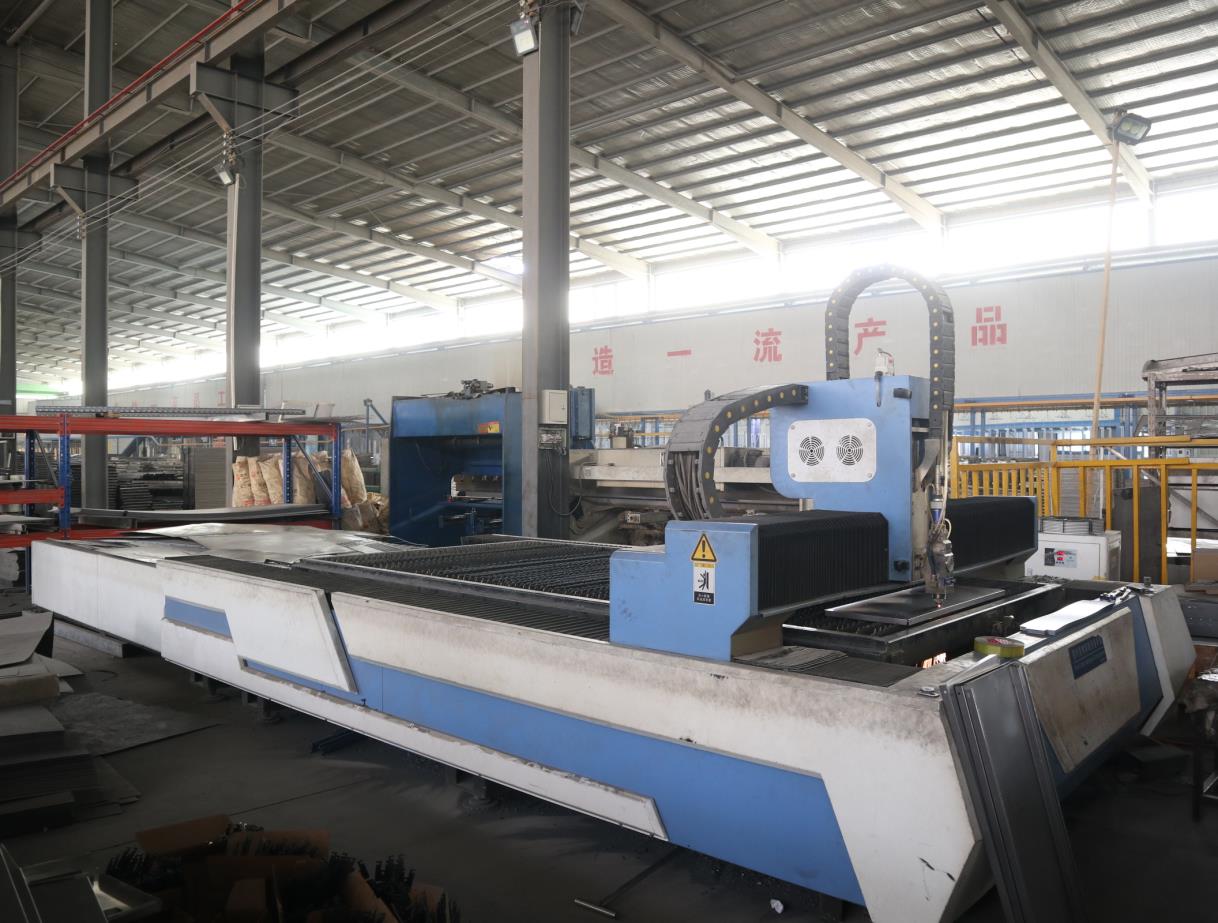
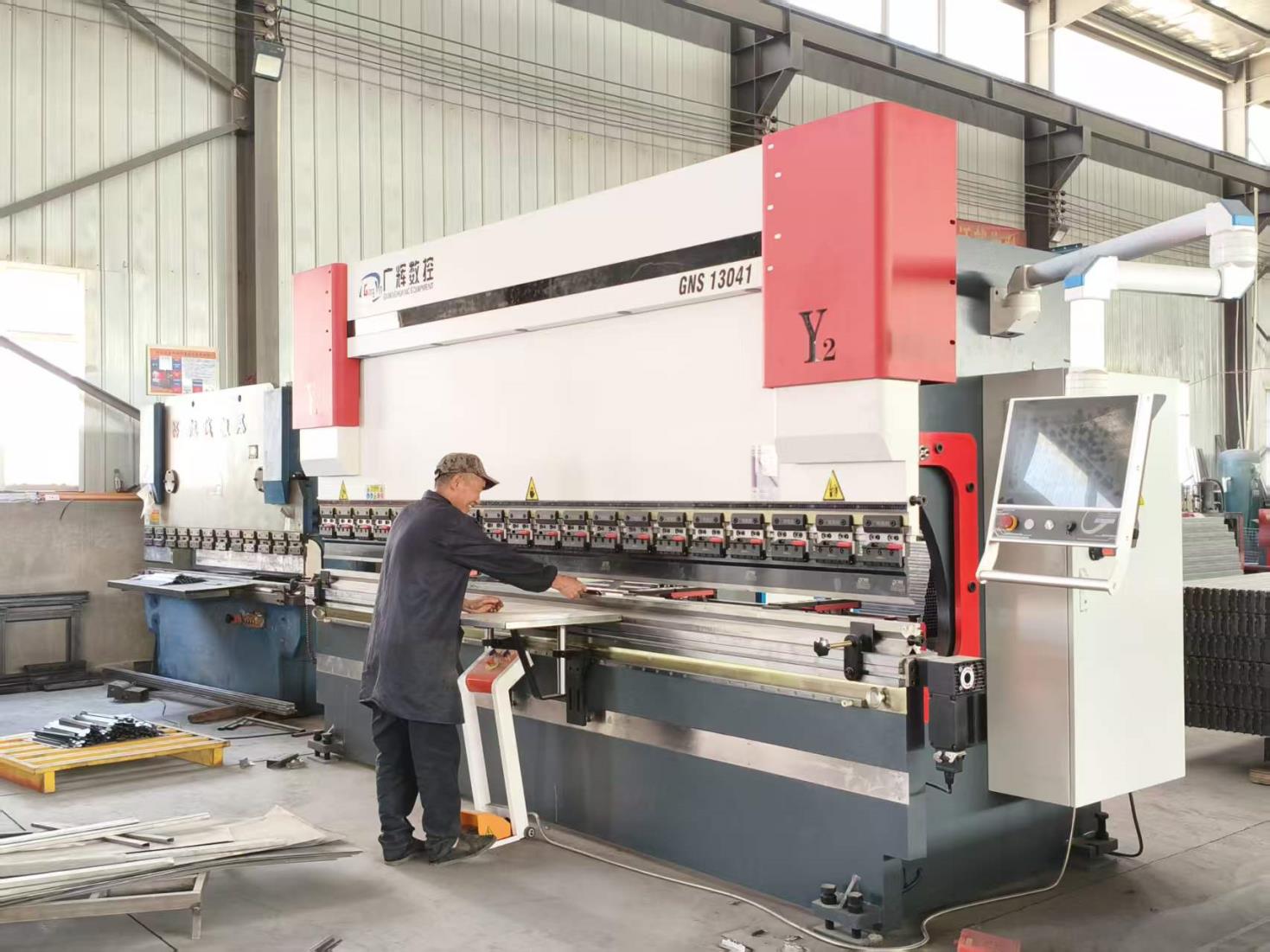
Our facility is armed with high-precision automated roll-forming lines, computerized laser cutters, and advanced robotic welding clusters. This allows us to manufacture modular components with dimensional tolerances within ±0.1mm—a requirement for the plug-and-play assembly common in Japanese retail layouts. Last year alone, our R&D group engineered 65 new designs, integrating wood, glass, and steel to adapt to changing commercial storefront trends.
Robotic welding and CNC laser cutting assure clean joints, zero burrs, and seamless hardware fitment.
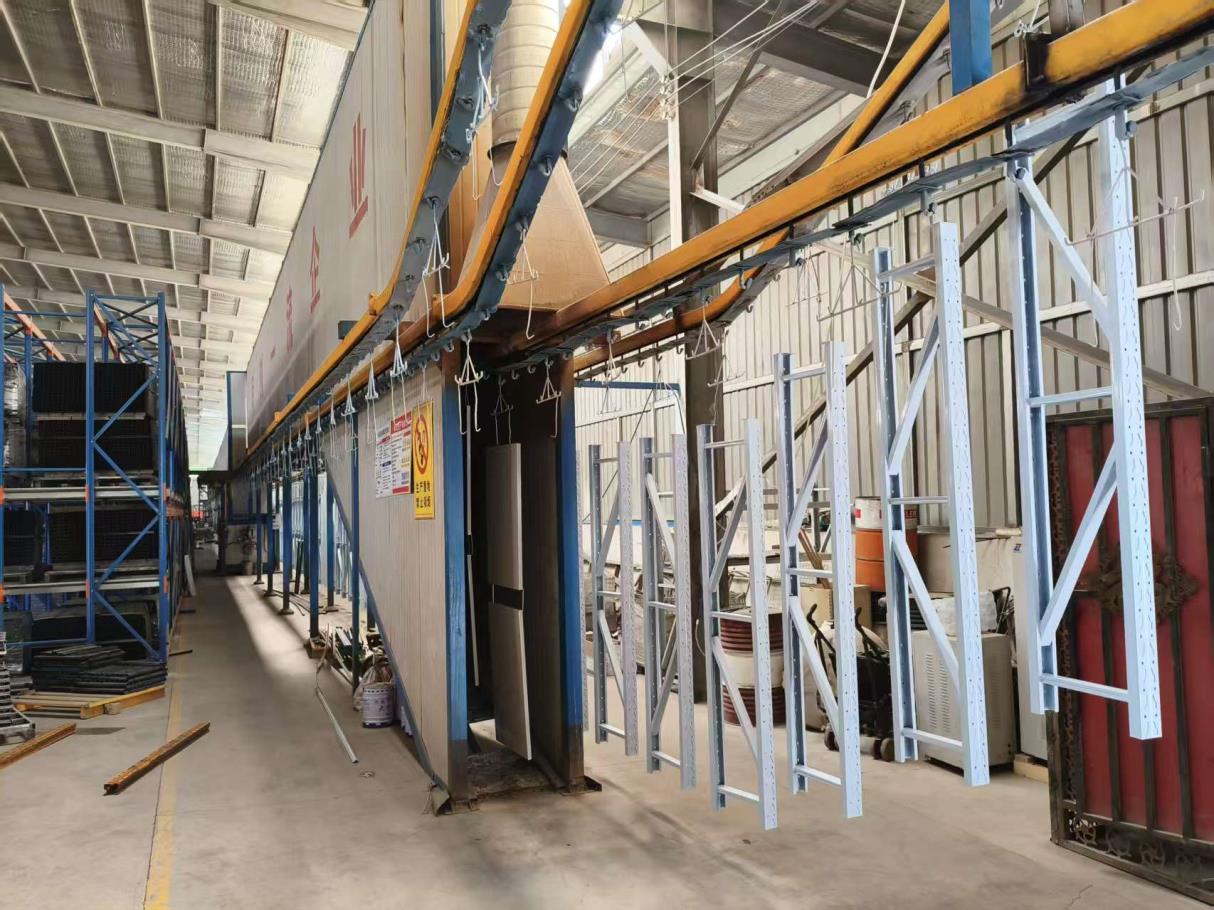
Environmentally sound finishes with high resistance to abrasion, conforming to strict health regulations.
Our location in Shenzhen allows swift ocean freight access to Tokyo, Yokohama, Osaka, and Kobe ports.
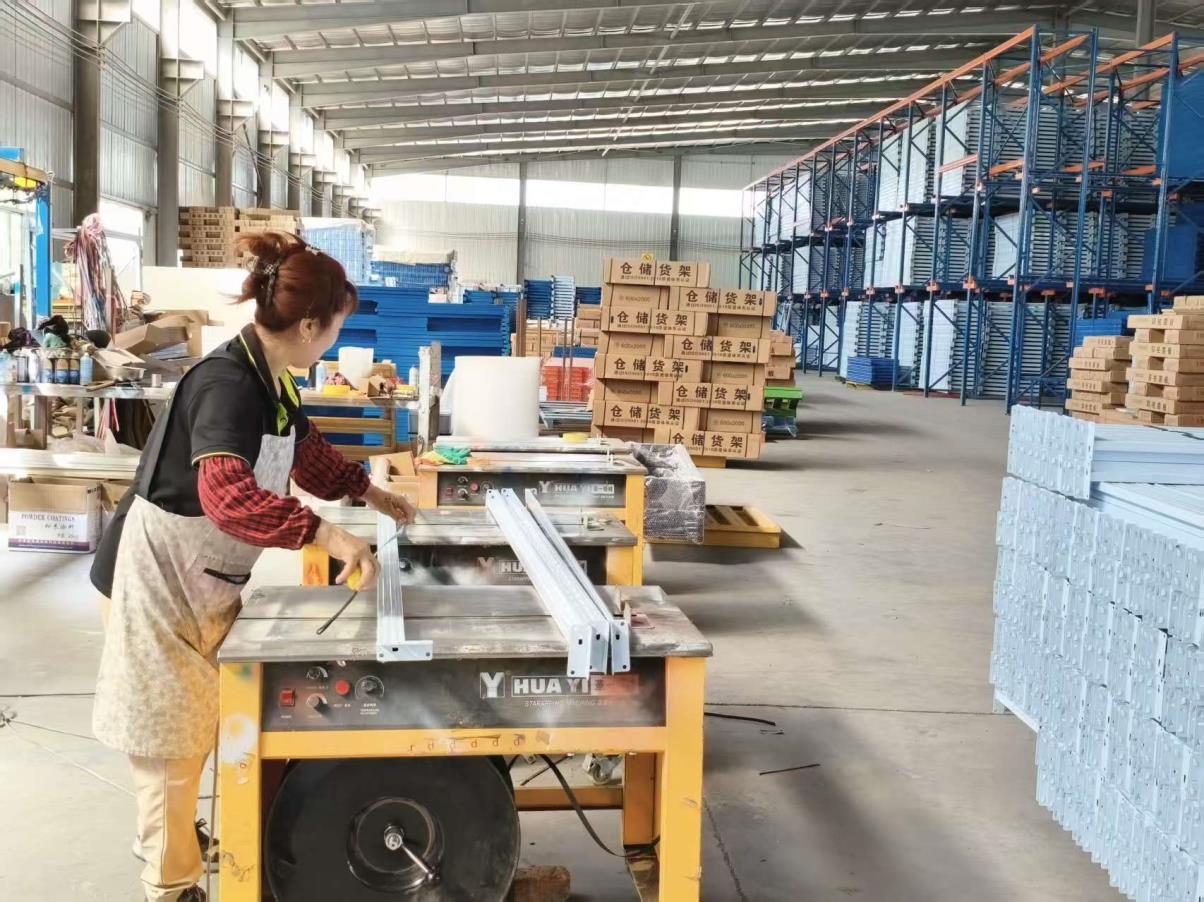
Under the supervision of our 35 QC inspectors, our manufacturing process maintains traceable quality checks at every step.
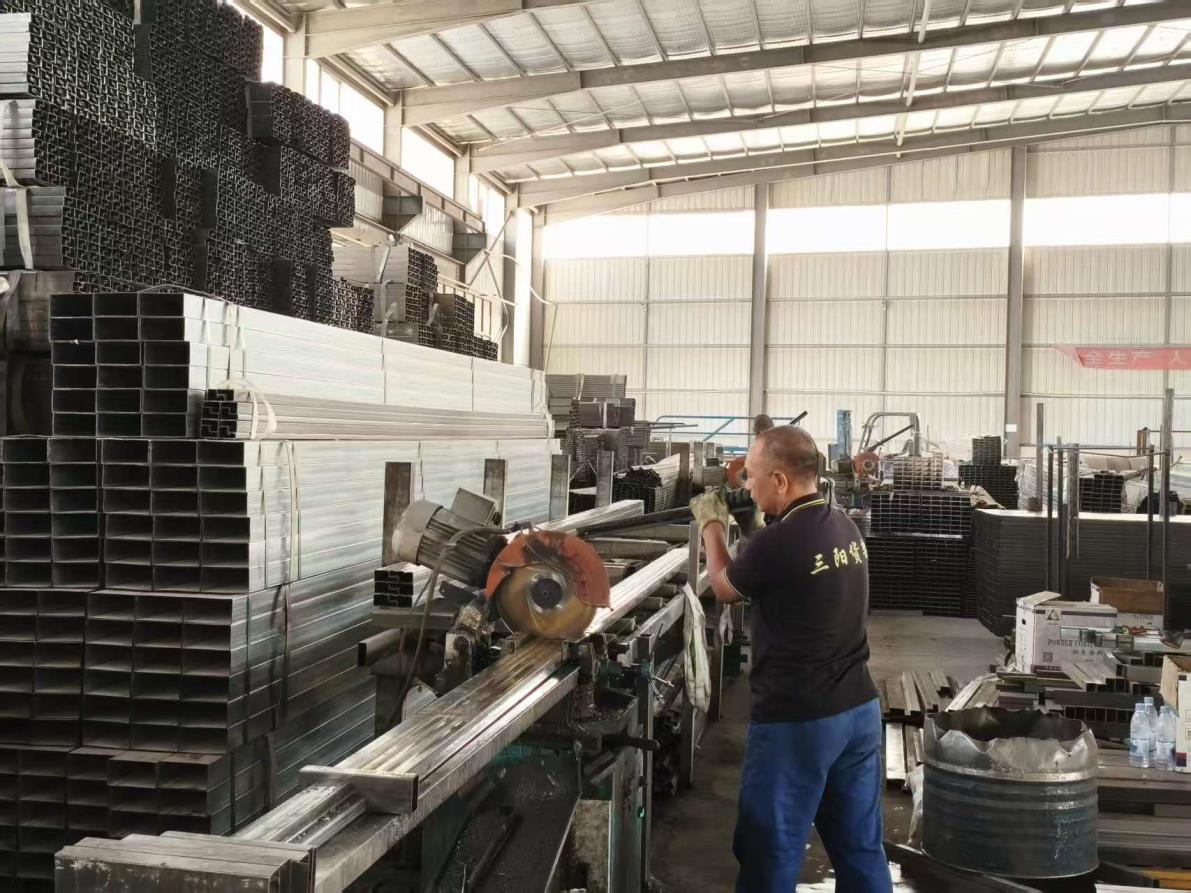
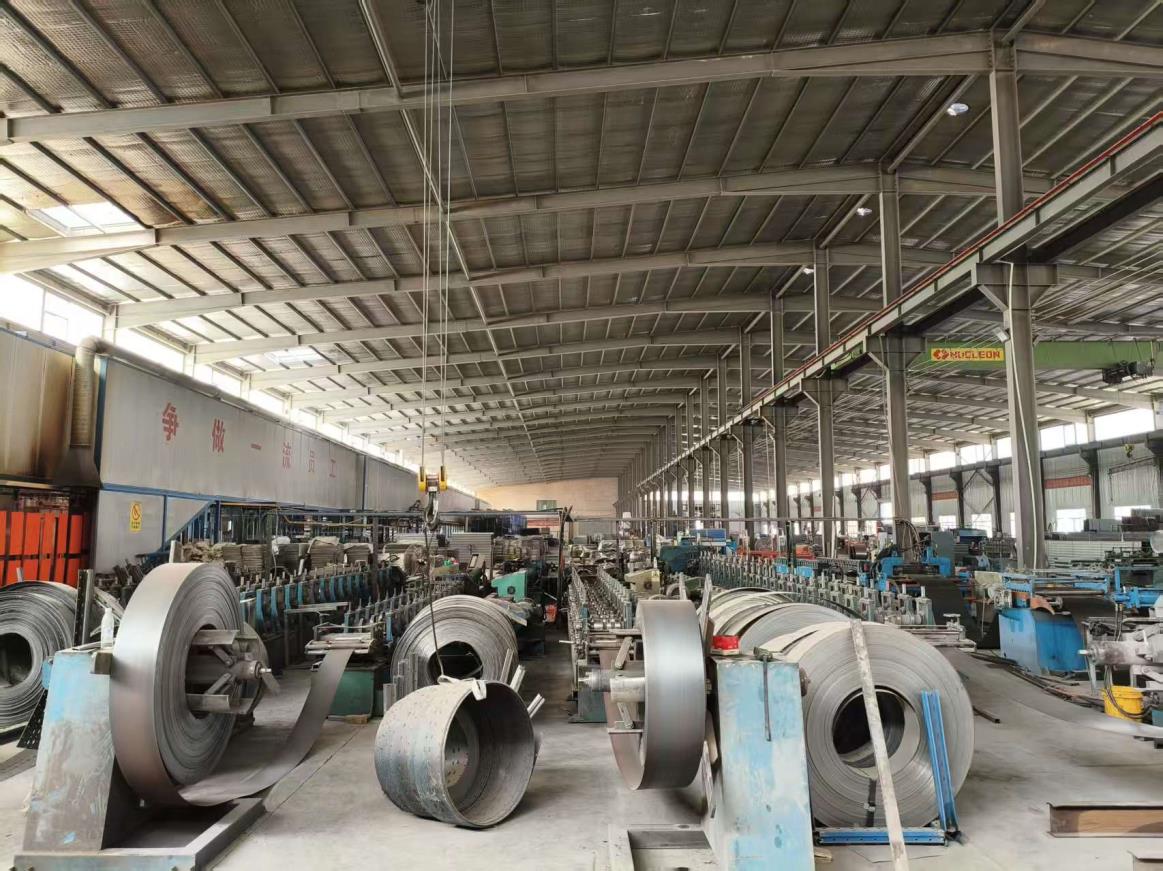
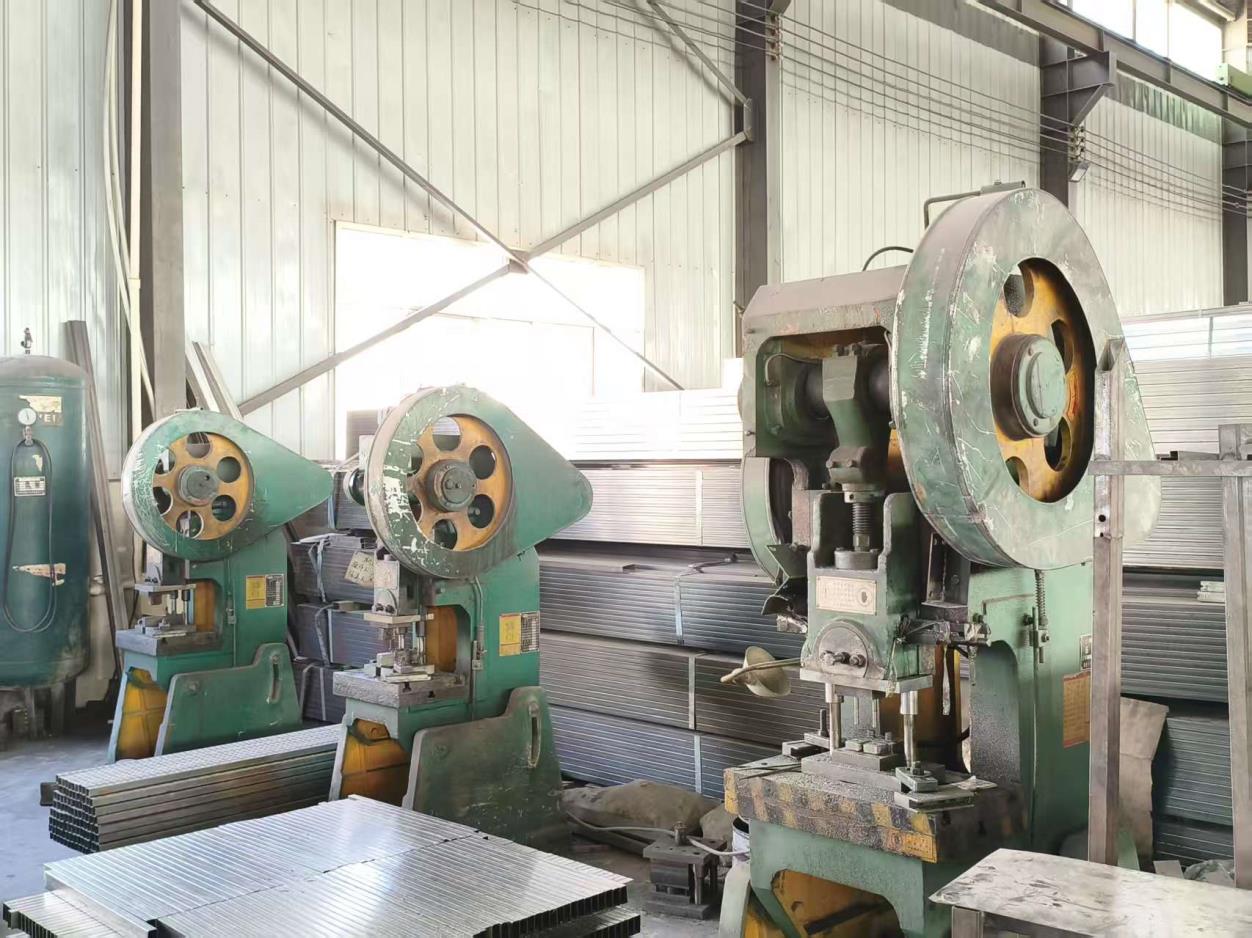
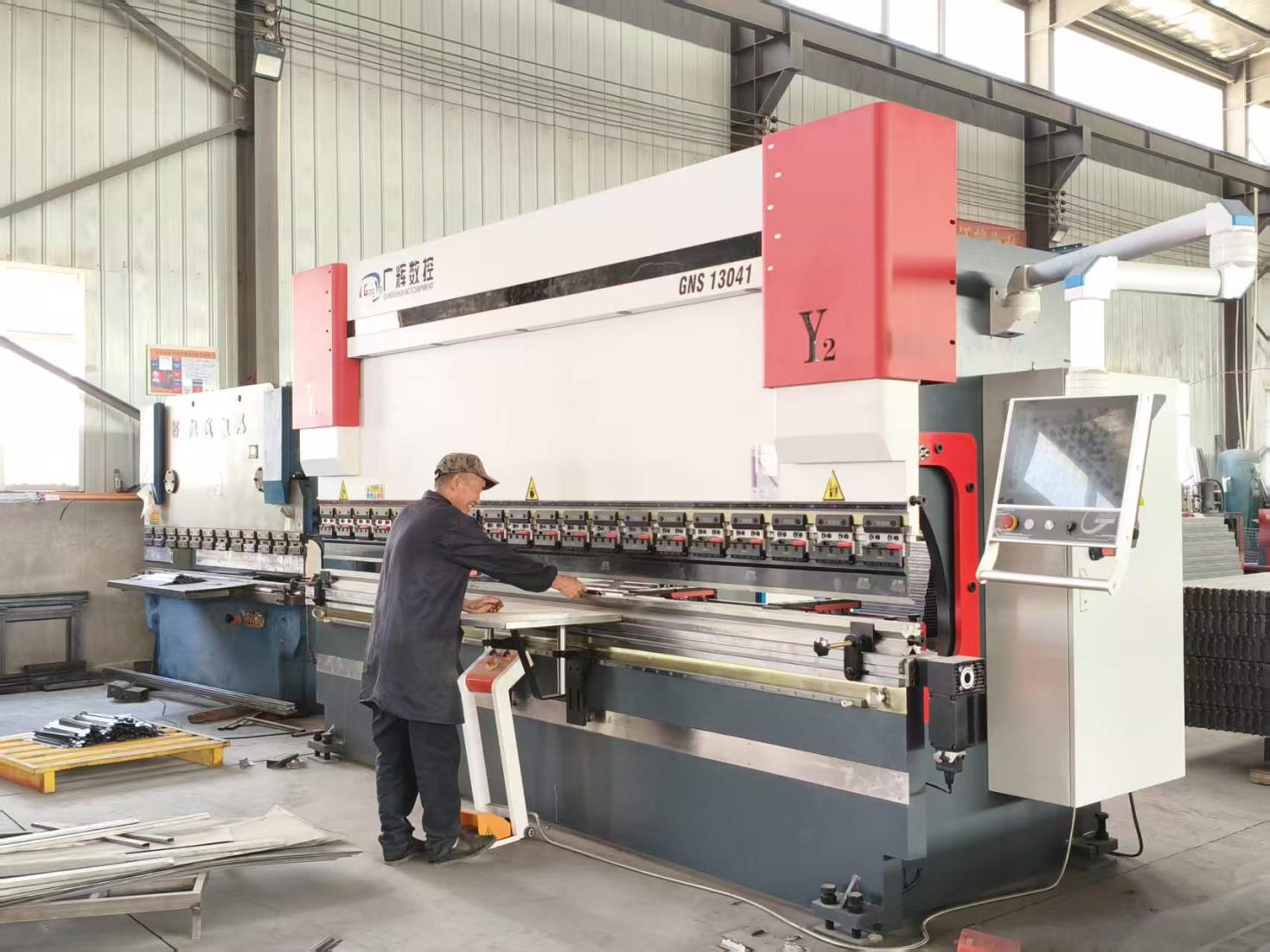
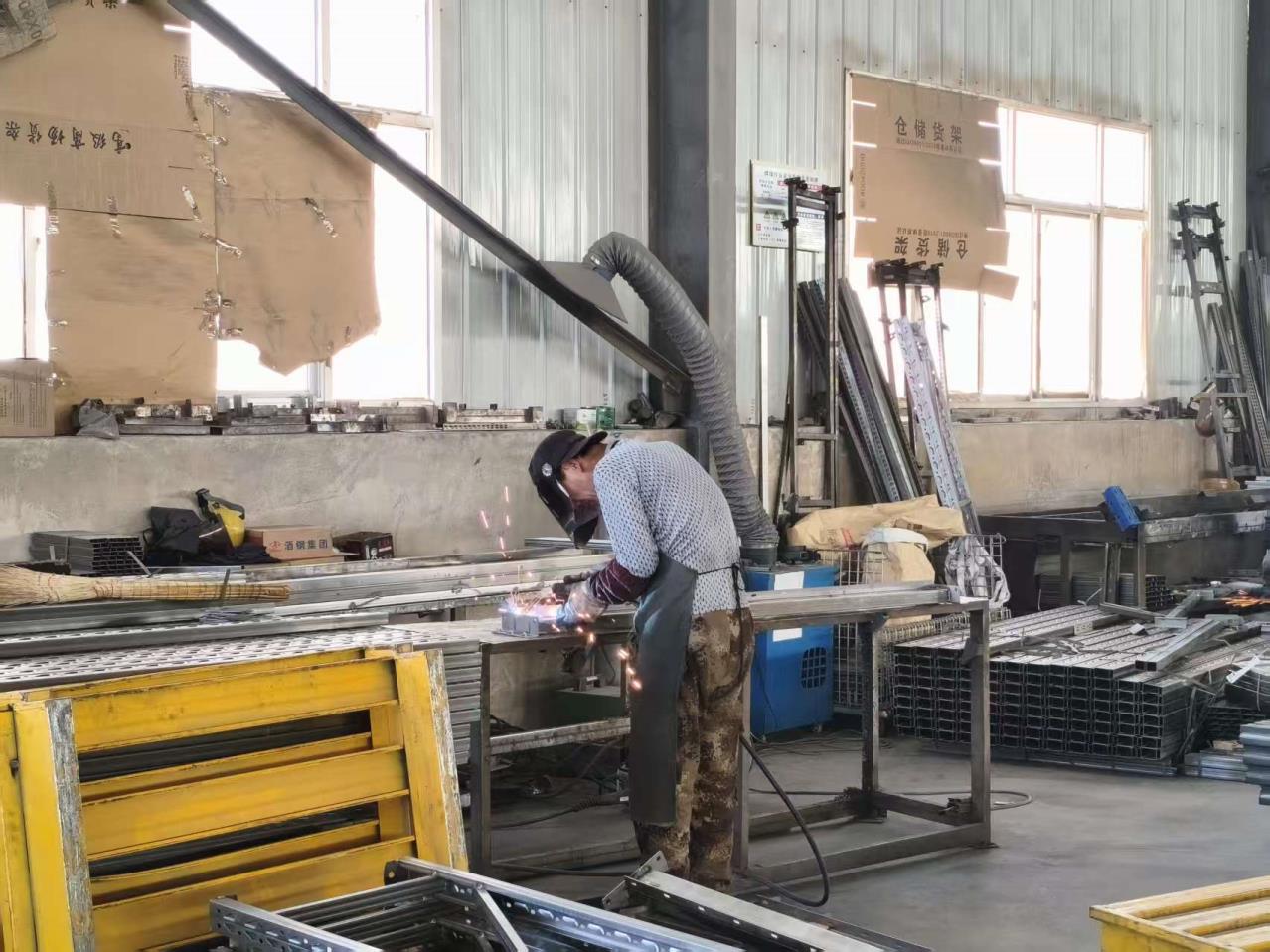
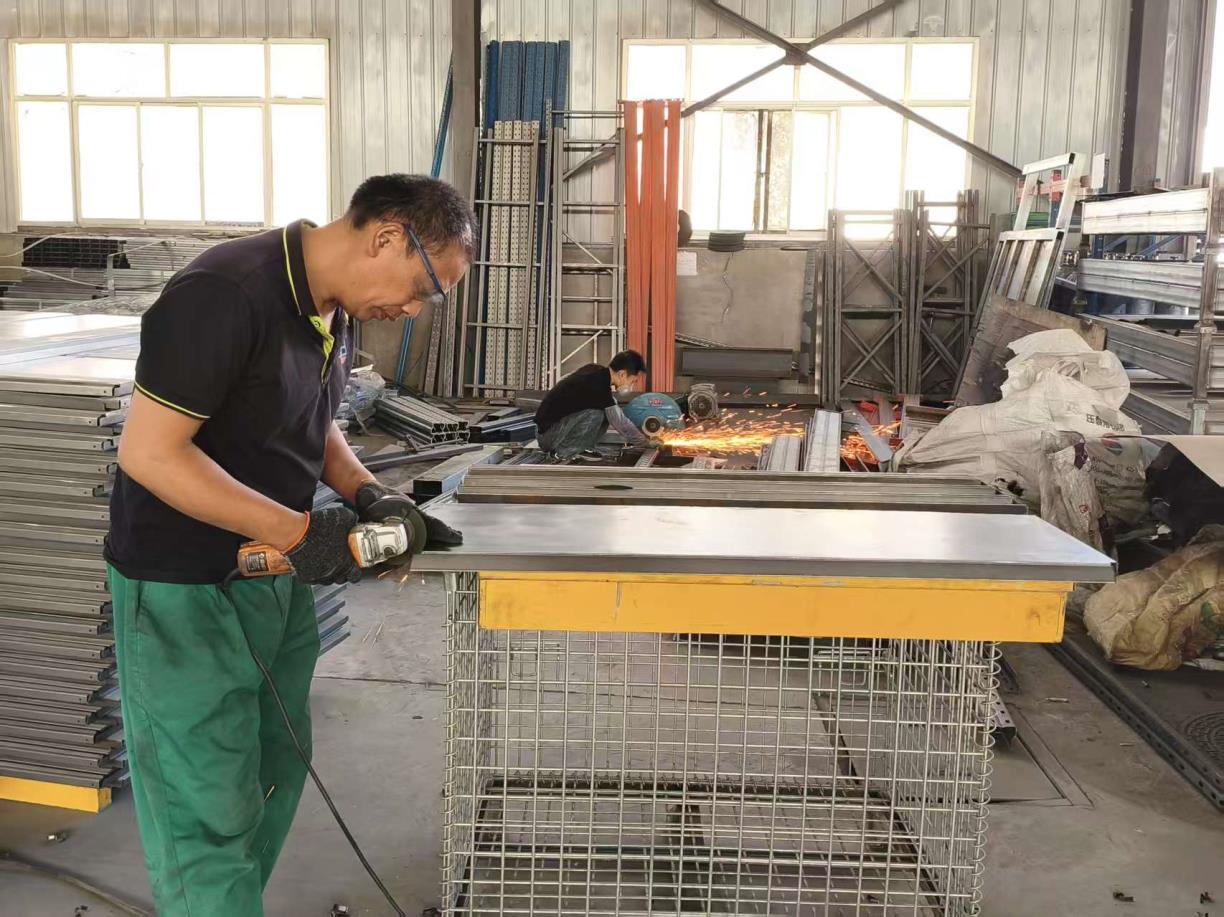
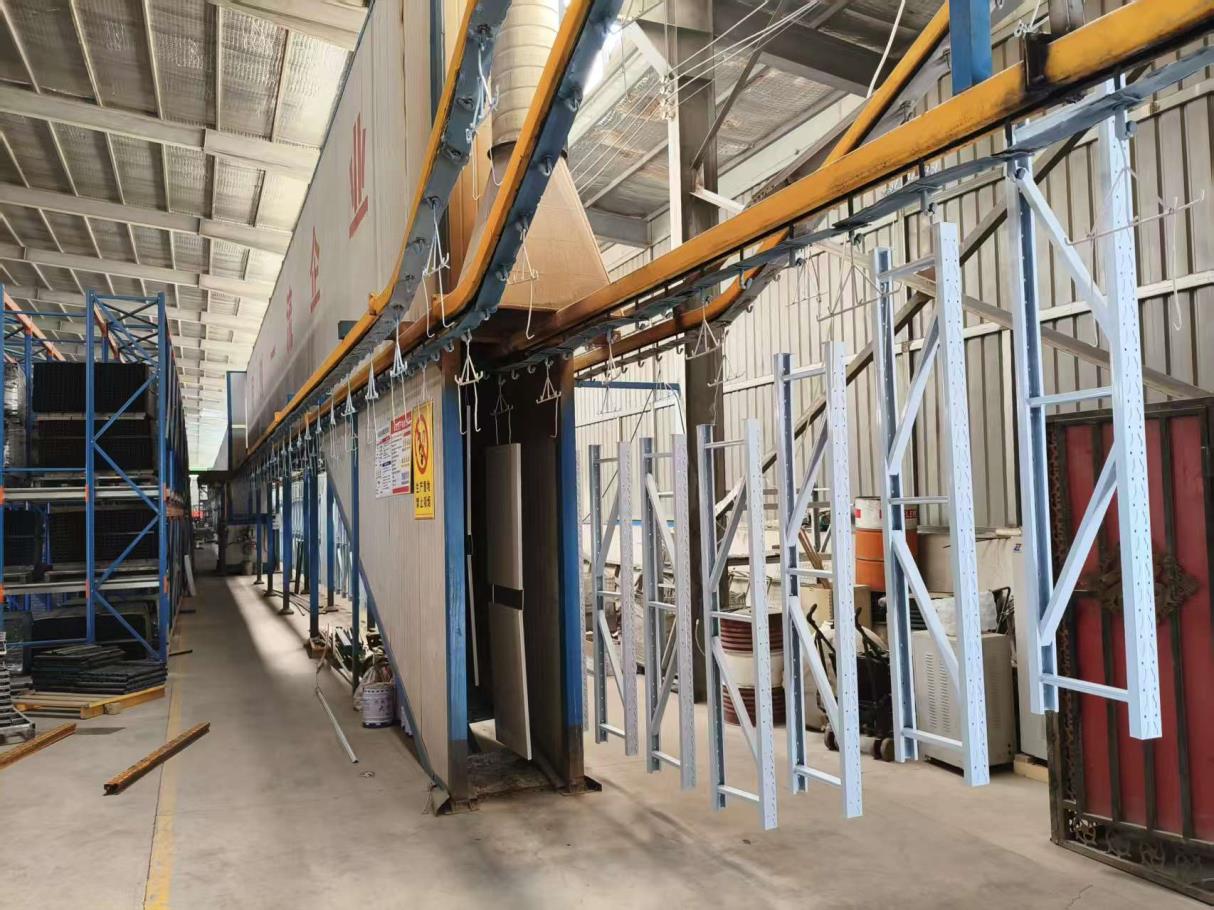
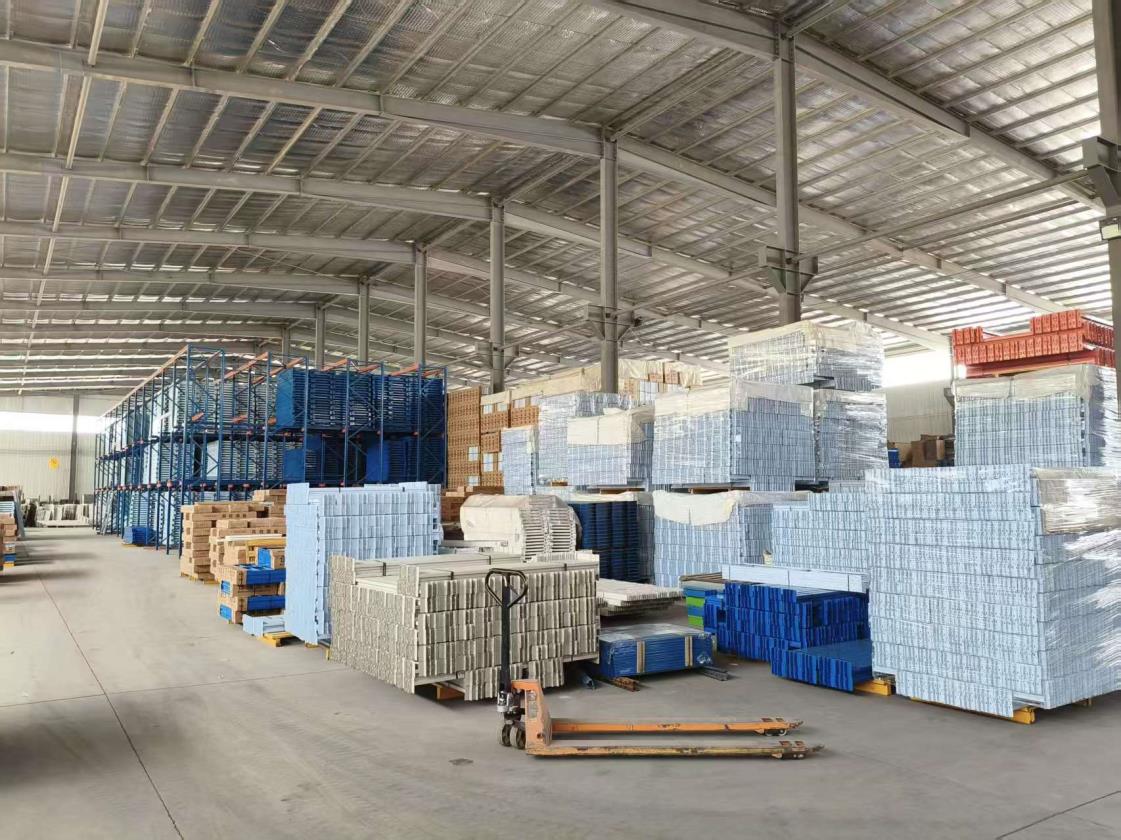
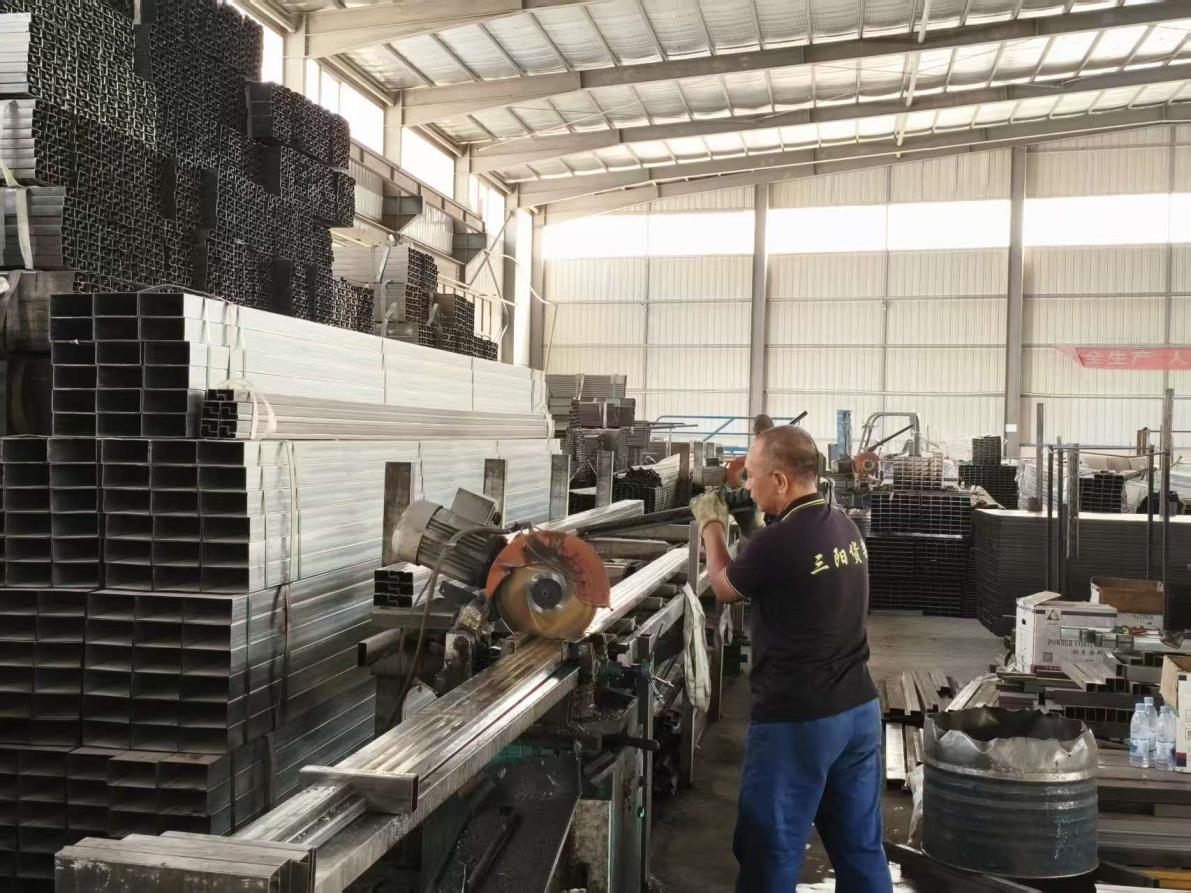
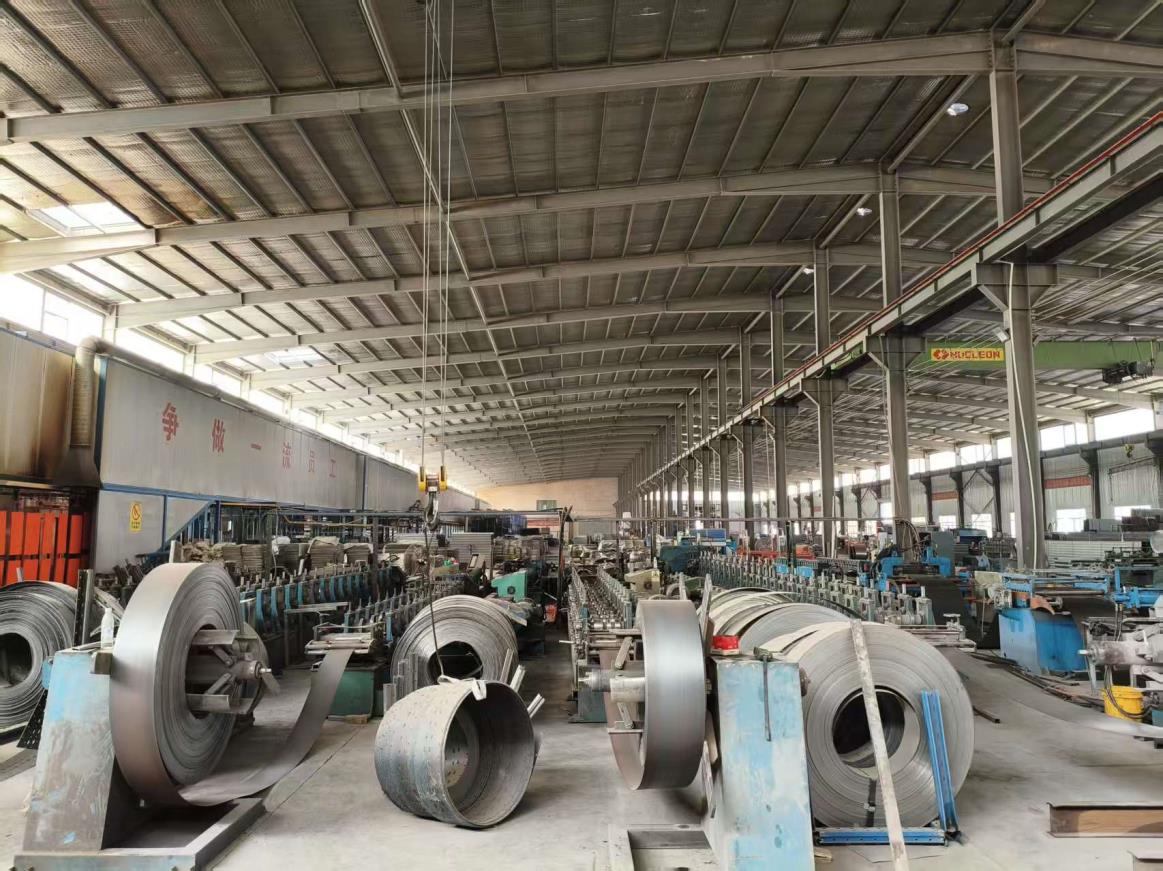
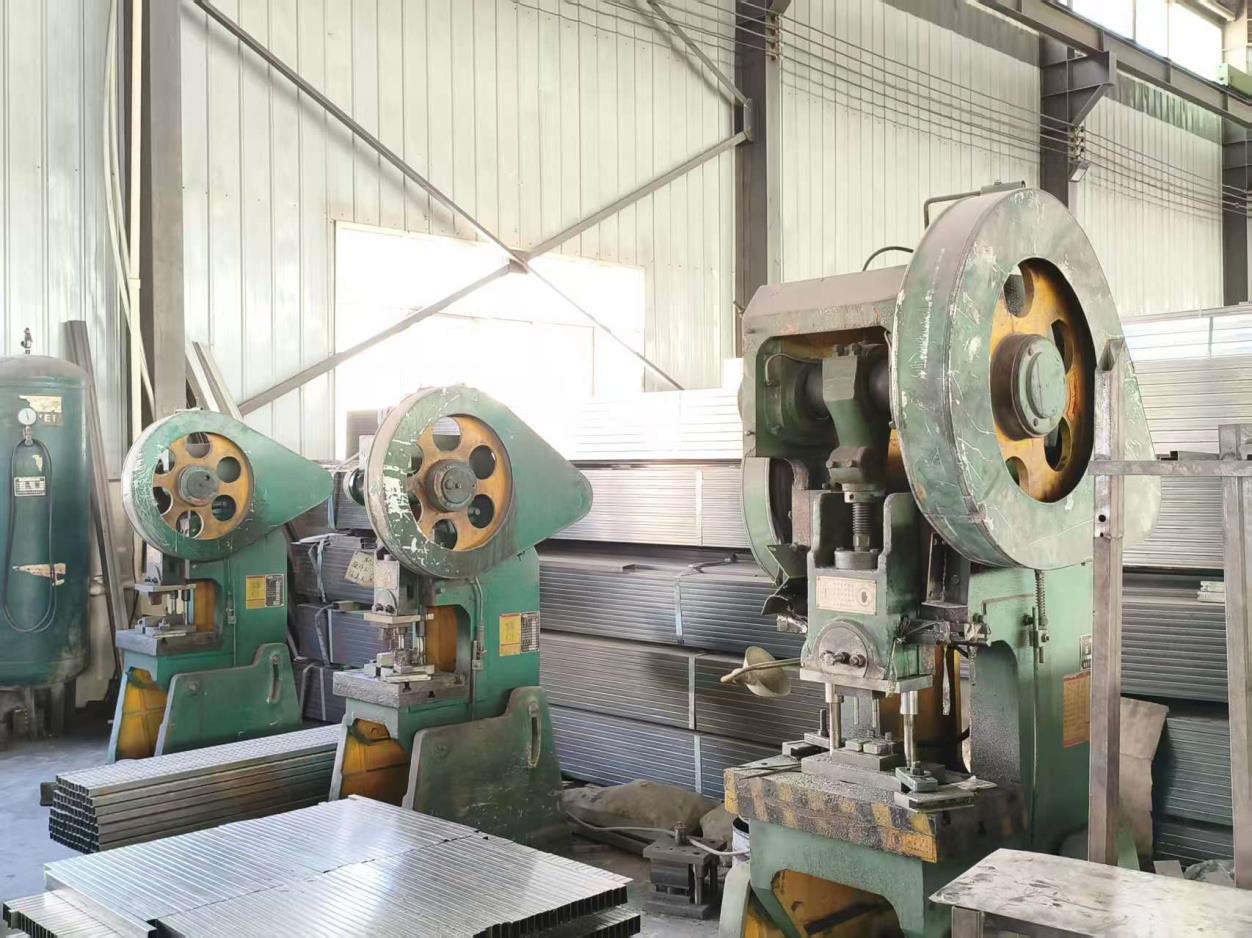
Designed for versatile retail layouts, drugstores, supermarkets, and specialty boutiques.
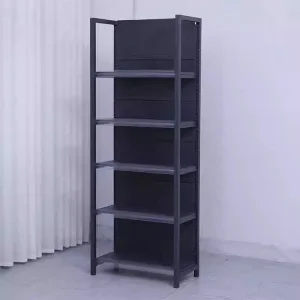
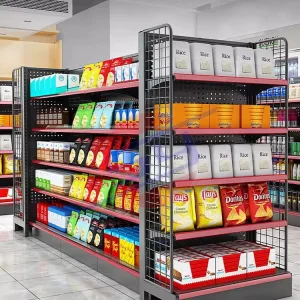
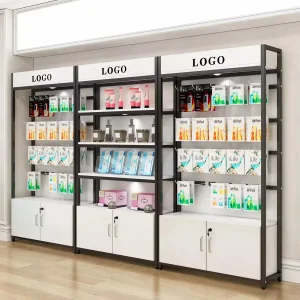
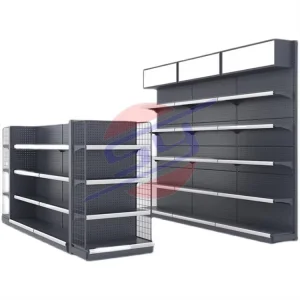
Adapting to shifting consumer behaviors, smart storefront interfaces, and environmental regulations in Japan.
The Japanese consumer landscape places high value on environmental responsibility and ESG transparency. We design our retail displays to minimize environmental impact throughout their lifecycle. Our powder coatings are low-VOC, ensuring no toxic outgassing occurs within closed retail environments.
Modularity for Smart Retail: Modern Japanese retail environments integrate digital signage and electronic shelf labels (ESL). Our shelves include built-in cable management channels and secure bracket configurations to support clean electronics routing without compromising loading limits or clean visual lines.
Additionally, the lightweight nature of our structural sections simplifies shop layout resets, a frequent practice during seasonal retail updates in Japan.
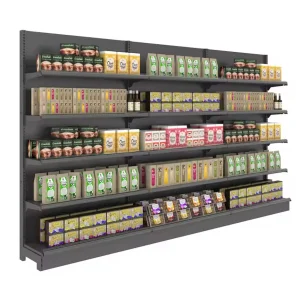
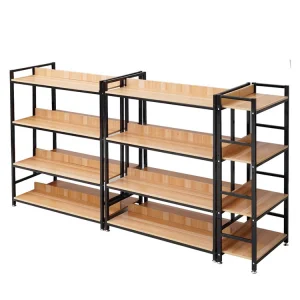
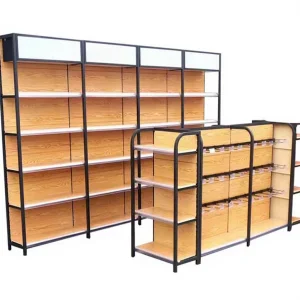
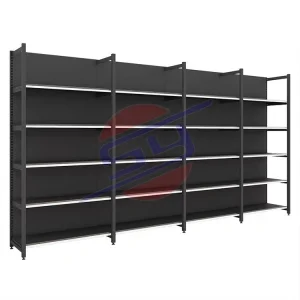
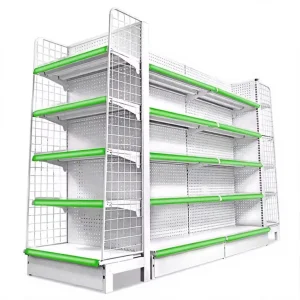
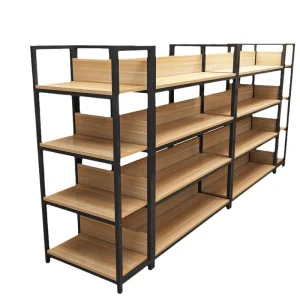
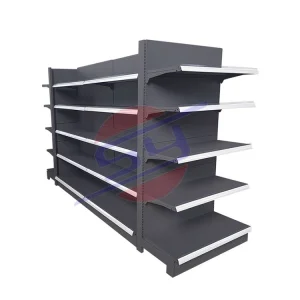
Explore our full line of commercial store racks, metal-wood hybrid units, and heavy warehouse storage systems.
Detailed answers concerning international supply chain mechanics, localized specifications, and shipping compliance for Japan.
Yes. Our engineering designs incorporate critical structural factors to resist localized earth tremors in Japan. We utilize high-yield strength Q235B steel profiles, reinforcing joints with thick structural plate connectors. Anchoring baseplates are prepared for standard chemical capsule anchors, and top-connecting strut options are available to link back-to-back aisles securely under JIS-equivalent earthquake safety assessments.
Absolutely. While standard configurations are available, our 18 R&D engineers specialize in space-optimized custom configurations. We customize shelving heights (1200mm, 1500mm, 1800mm, up to 2400mm) and narrow profile base depths (starting from 300mm) to allow smooth customer traffic flow within constrained commercial layouts.
Our facility is located in Shenzhen, close to major deep-water ports (Yantian and Shekou). Port-to-port ocean cargo transit to major Japanese destinations—including Tokyo, Yokohama, Osaka, and Kobe—typically requires 5 to 7 days. Total lead time, including production, custom container loading, and customs release, averages between 20 and 30 days, depending on custom requirements.
Quality control is managed by our team of 35 full-time QC inspectors. We execute standard testing inspections at three stages: raw steel incoming inspection, inline tolerance validation using high-precision automated jigs, and post-coating checks. Additionally, we run ultrasonic weld testing and regular stress load trials to ensure structural performance complies with FEM and international safety protocols.
We apply a multi-stage electrostatic powder coating line. The steel profiles undergo automated pre-treatment, including zinc phosphate washing and rust-removing pickling. This is followed by a thermoset epoxy-polyester powder finish cured at 200°C. This process provides resistance to mechanical wear and moisture, making the units suitable for coastal retail regions.
Yes, we provide 3D CAD design services free of charge. Retail operators and procurement managers can submit their floor plans (DWG or PDF formats). Our engineering team will compile layout configurations, optimize aisle-to-shelf clearances, and provide a 3D visual walkthrough to verify merchandise densities before production begins.
 Sanyang Racking