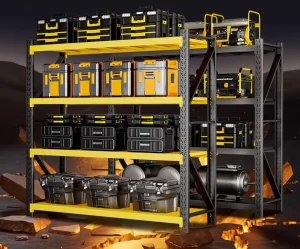
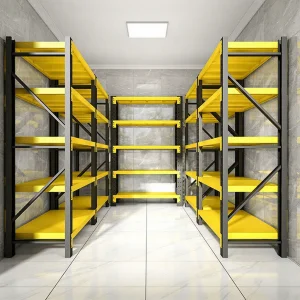
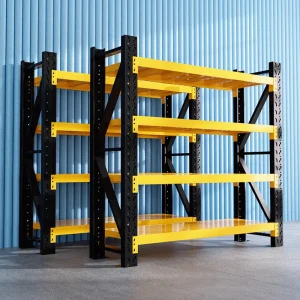
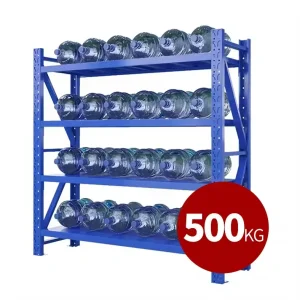
As the second-largest economy in ASEAN, Thailand has firmly positioned itself as a critical logistical and manufacturing epicenter. The Thai government's ambitious Eastern Economic Corridor (EEC) development plan spanning Chonburi, Rayong, and Chachoengsao provinces has catalyzed a massive surge in advanced manufacturing, automotive assembly, electronics, and petrochemical industries. These highly sophisticated sectors require optimized physical supply chains, making state-of-the-art warehouse management systems and high-density racking structural engineering imperative.
Furthermore, the metropolitan clusters of Bangkok, Samut Prakan, and Pathum Thani have witnessed an unprecedented growth spike in e-commerce fulfillment centers and third-party logistics (3PL) providers. Crucial cold chain infrastructures are expanding to support Thailand’s leading global position in agricultural exports, seafood processing, and ready-to-eat foodstuffs. In these varied applications, selecting the appropriate structural racking system directly impacts floor utilization, picker productivity, safety compliant operations, and capital expenditure amortisation.
Designing and installing structural warehouse rack solutions in Thailand demands rigorous localized customization:
Worldwide logistics has entered an era of rapid transition. Factors like localized supply chain reshoring, volatile transport rates, and the integration of automated guided vehicles (AGVs) have forced modern enterprises to rethink classical warehouse mechanics. To counter rising real estate costs and fluctuating demand, companies require storage hardware that is highly customizable, modular, and dynamic.
Globally, procurement managers look beyond basic physical configurations. The priority is selecting partners capable of offering total lifecycle support: from initial conceptual design, computer-aided engineering modeling, structural safety calculation under local building codes, to logistics execution and ultimate commissioning. Racking systems are no longer treated as simple iron structures, but as integral components of a facility's high-speed mechanical throughput system.
When purchasing complex pallet and cantilever racking structures on a global scale, multinational buyers analyze distinct technological parameters:
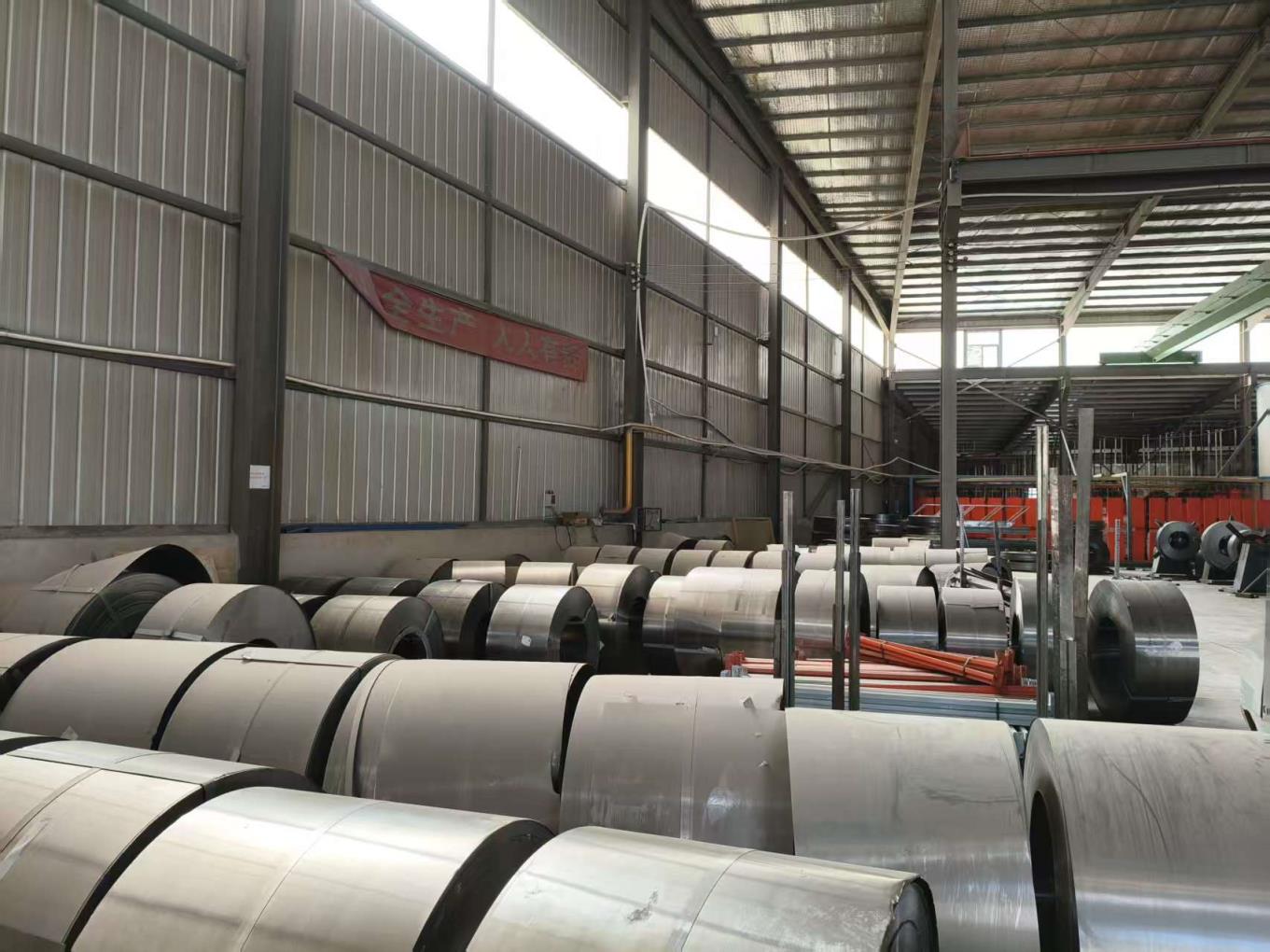
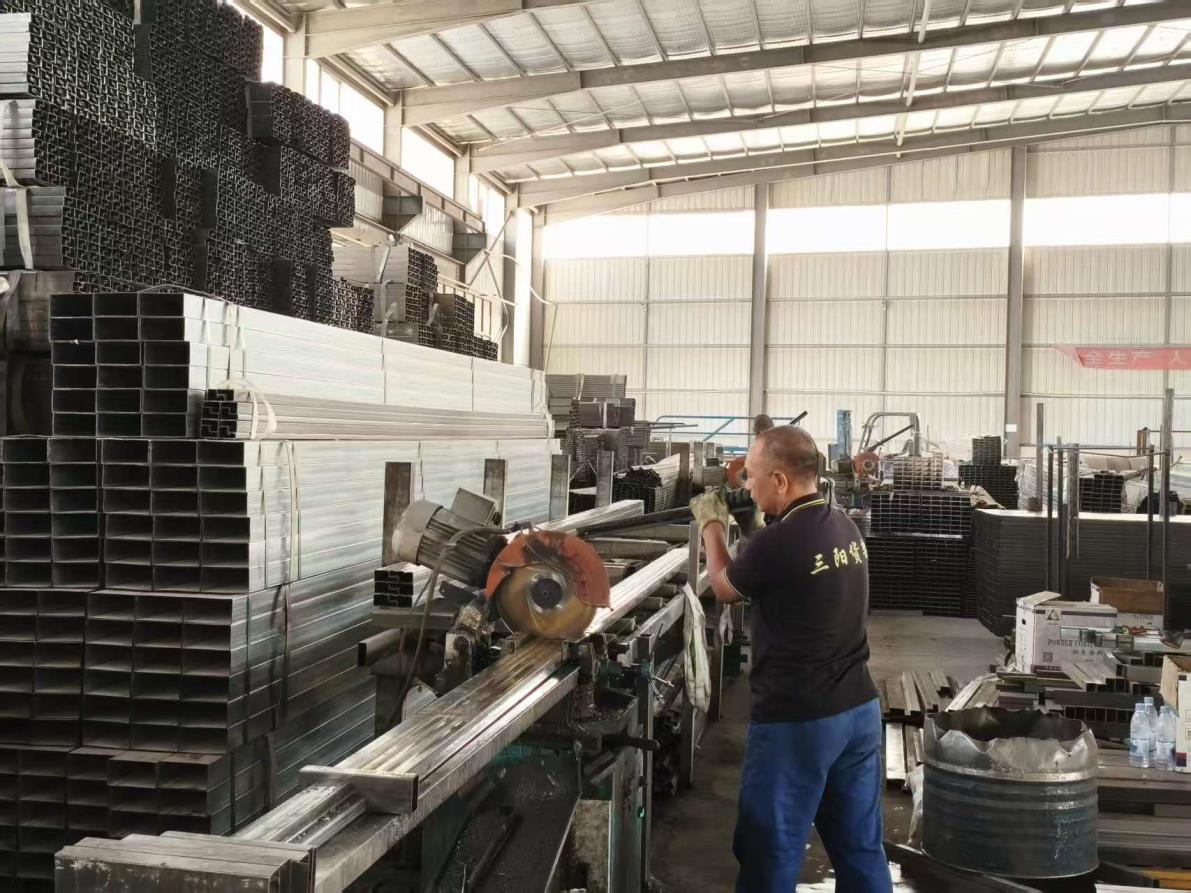
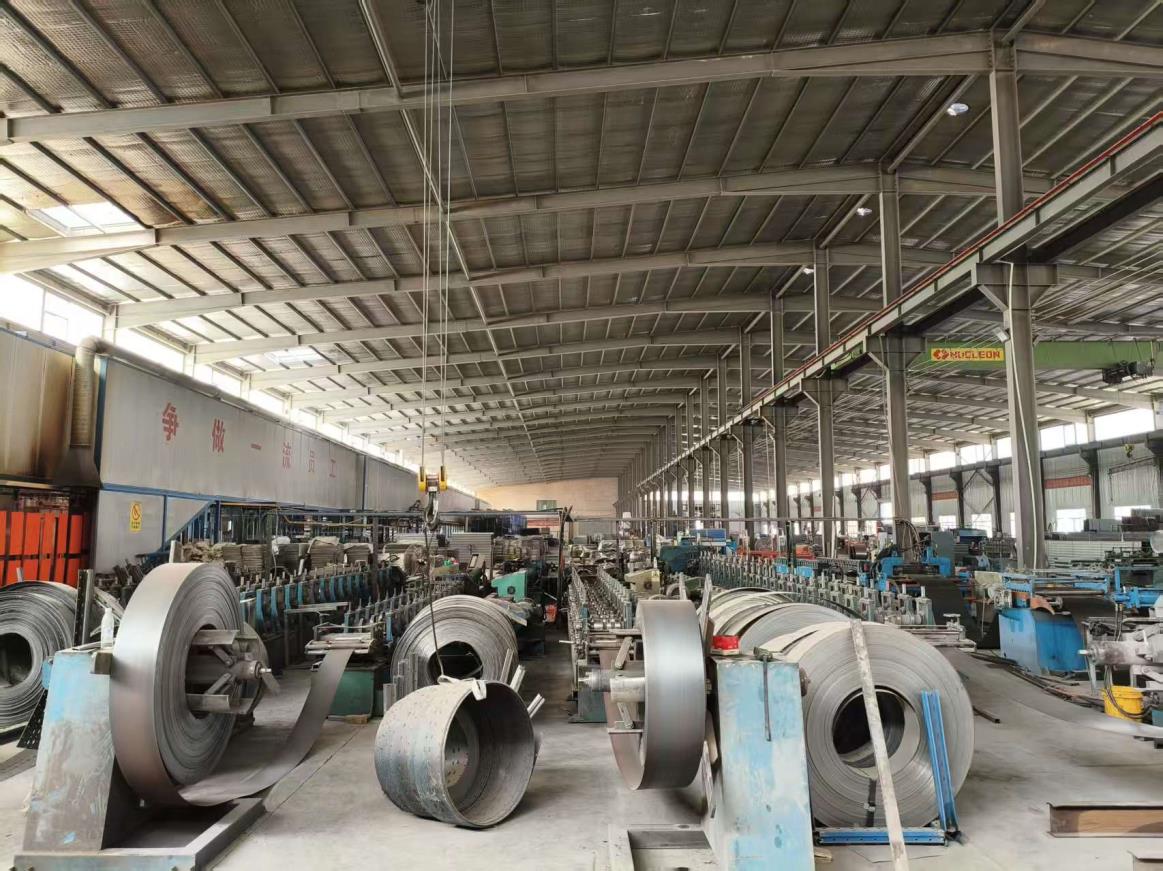
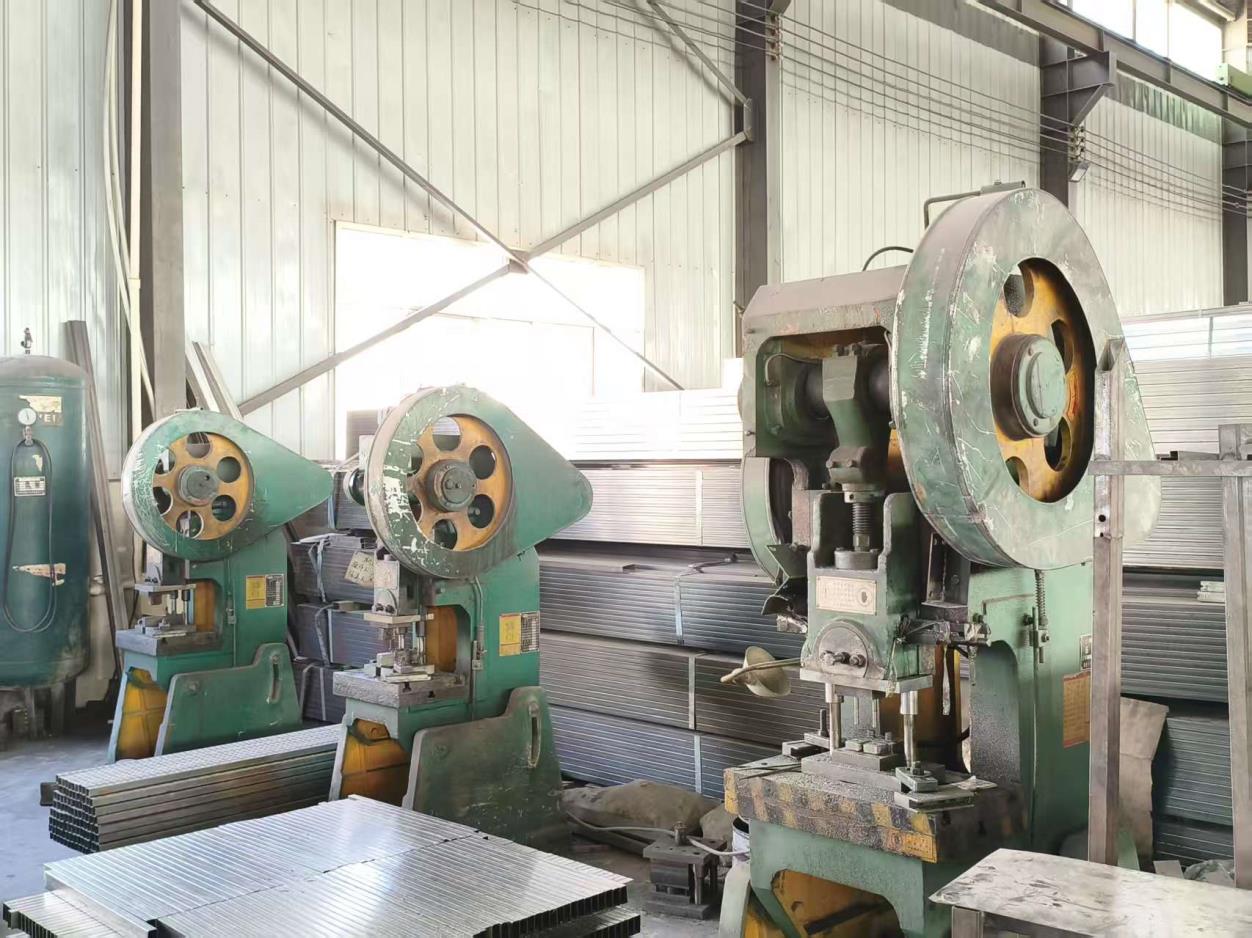
Established in 2015, Shenzhen Sanyang Storage Equipment Manufacturing Co., Ltd. is a leading manufacturer specializing in heavy-duty industrial pallet racking, warehouse shelving systems, and automated material handling solutions. Located in Shenzhen, our modern facility spans a total building area of 38,000 m², equipped with advanced automated roll-forming machines, laser cutters, and robot welding lines.
With over 12 years of industry experience and 8 years of active export experience, Sanyang has expanded its international footprint, achieving an annual export revenue of $28 million USD. Our main overseas markets cover North America, Western Europe, Southeast Asia, and the Middle East, primarily serving global logistics hubs, e-commerce fulfillment centers, third-party logistics (3PL) providers, and large manufacturing enterprises.
Quality and precision are at the core of our operations. Supported by 35 full-time QC inspectors, we implement rigorous quality assurance protocols using ultrasonic weld flaw detection, coating thickness testing, and heavy-load stress tests to ensure strict compliance with ISO9001 and international FEM/ANSI safety standards. Backed by a strong OEM/ODM background and a robust network of 1,200 supply chain partners, we offer highly customizable options—ranging from custom dimensions and load capacities to specialized powder coatings and seismic-resistant structural designs.
Innovation drives our continuous growth. Our team of 18 R&D engineers focuses on developing high-density and automated storage systems, successfully launching 65 new products last year alone. Sanyang remains dedicated to providing safe, space-saving, and cost-effective storage solutions for our global clientele.
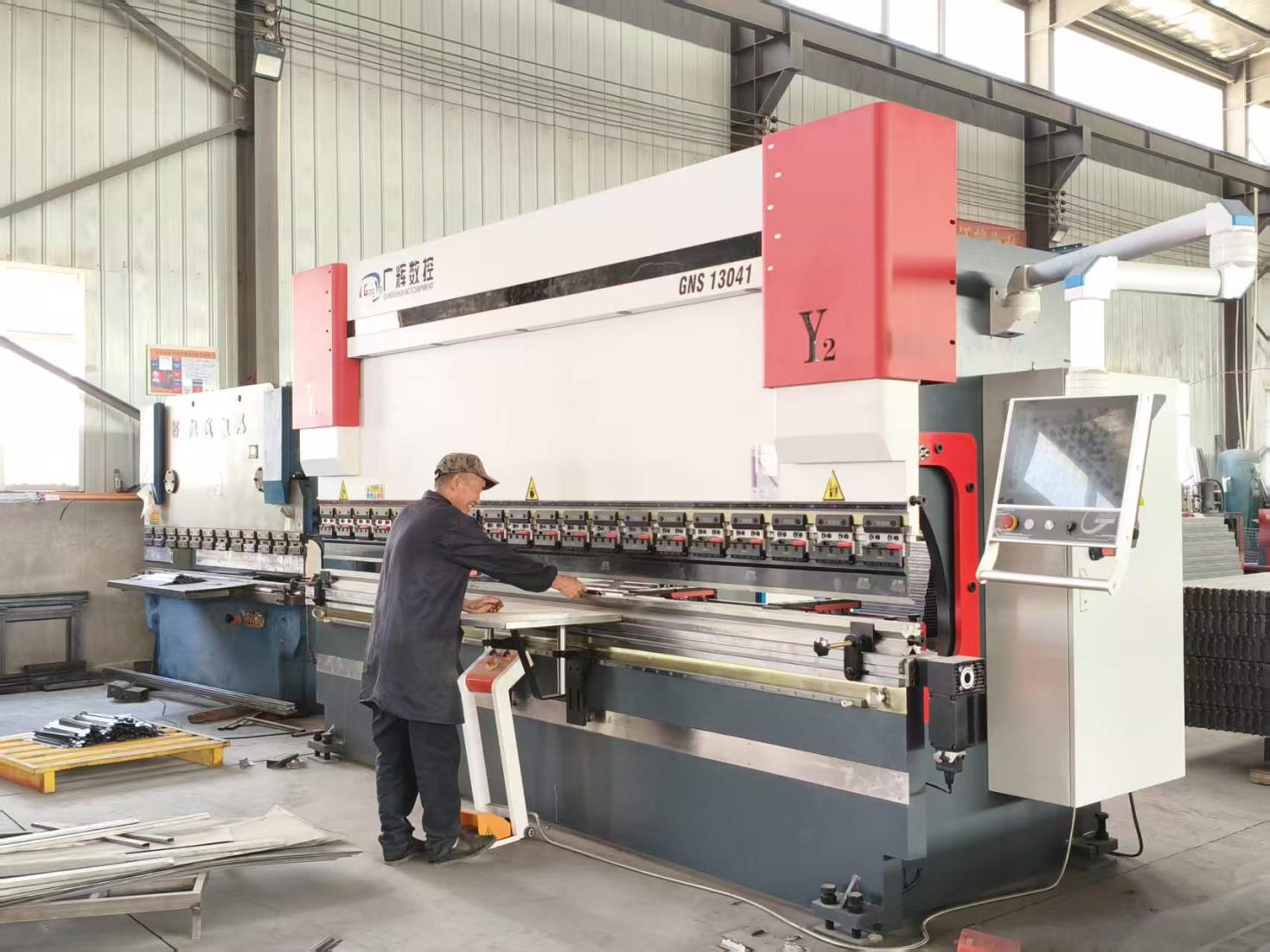
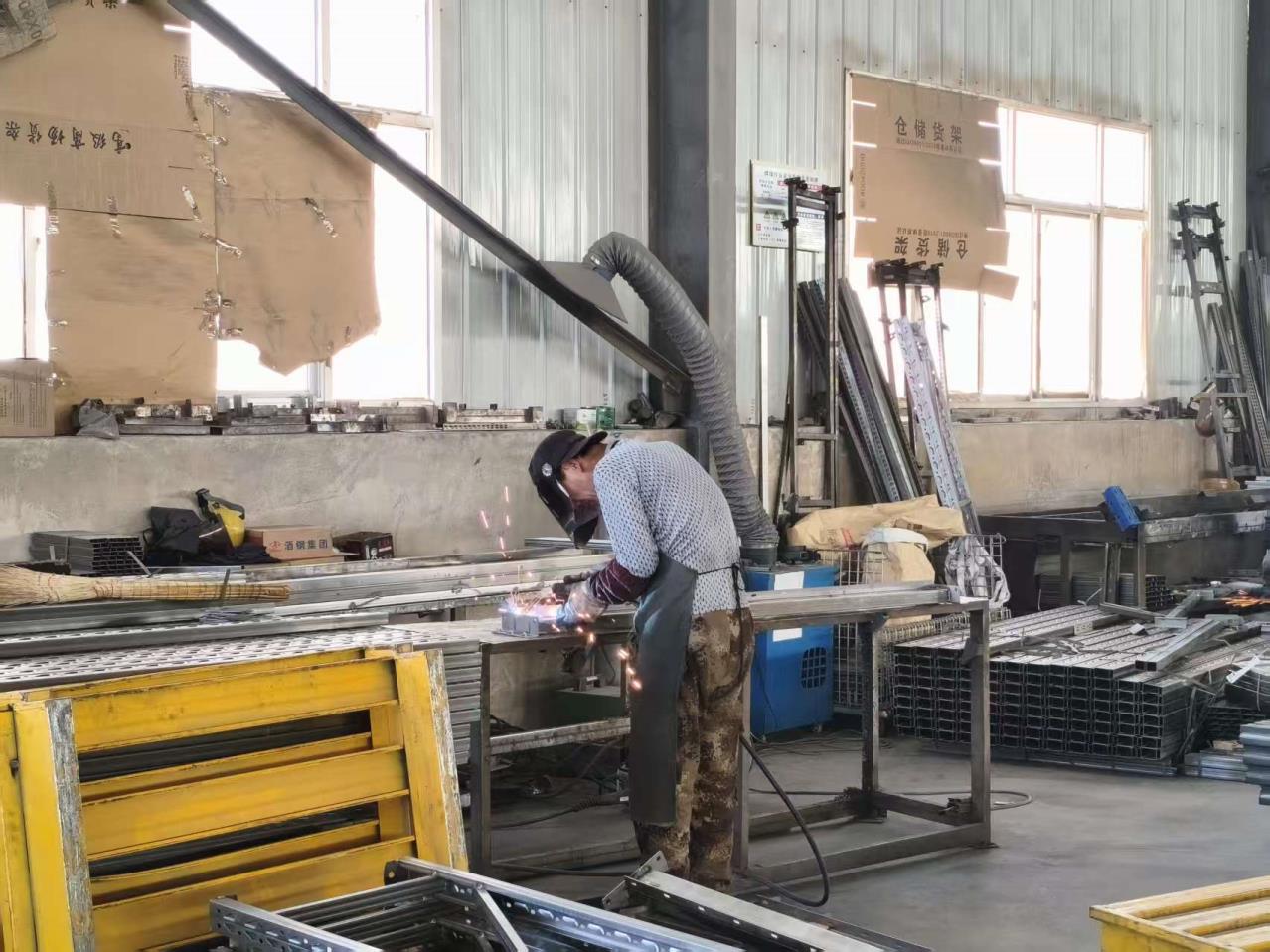
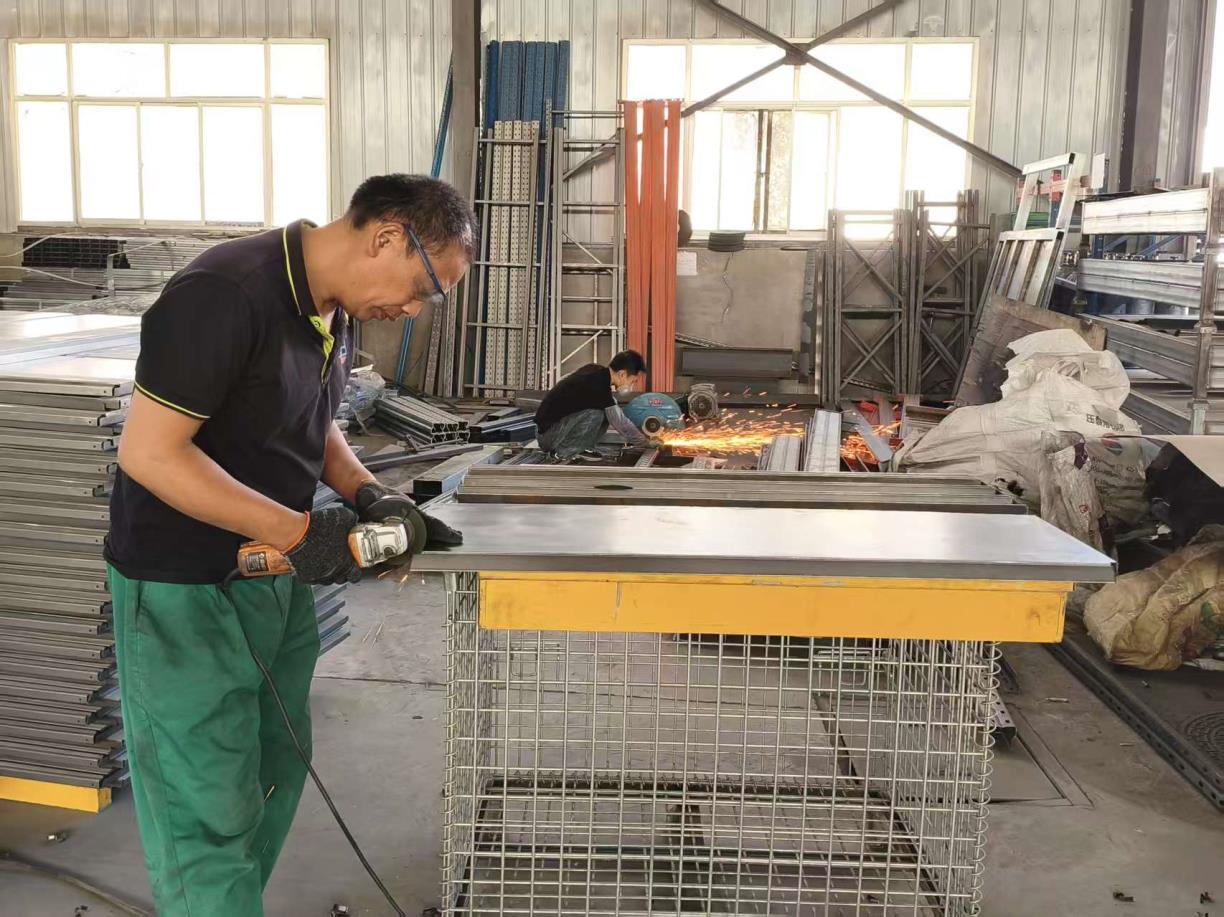
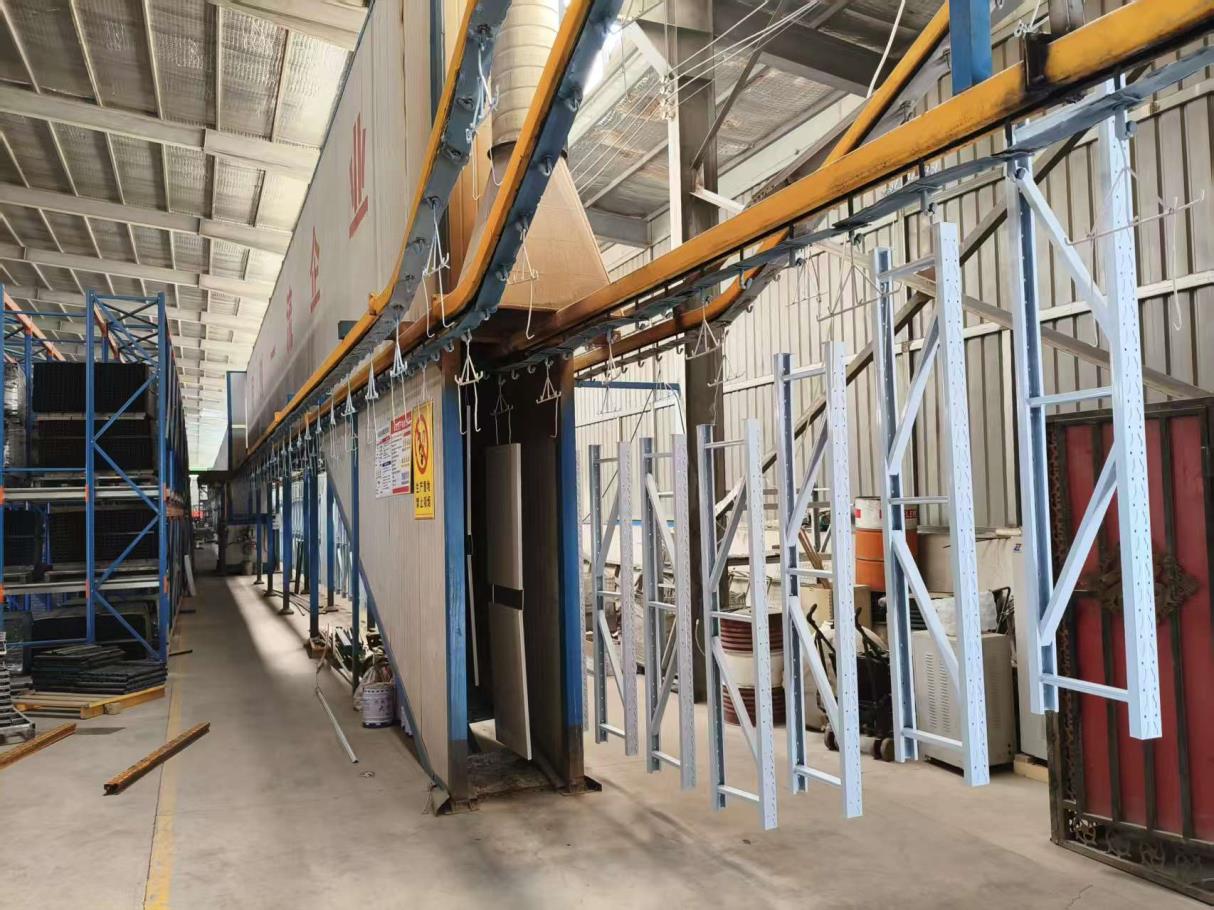
From raw material handling to structural verification, we control every step to guarantee maximum product quality and structural integrity.
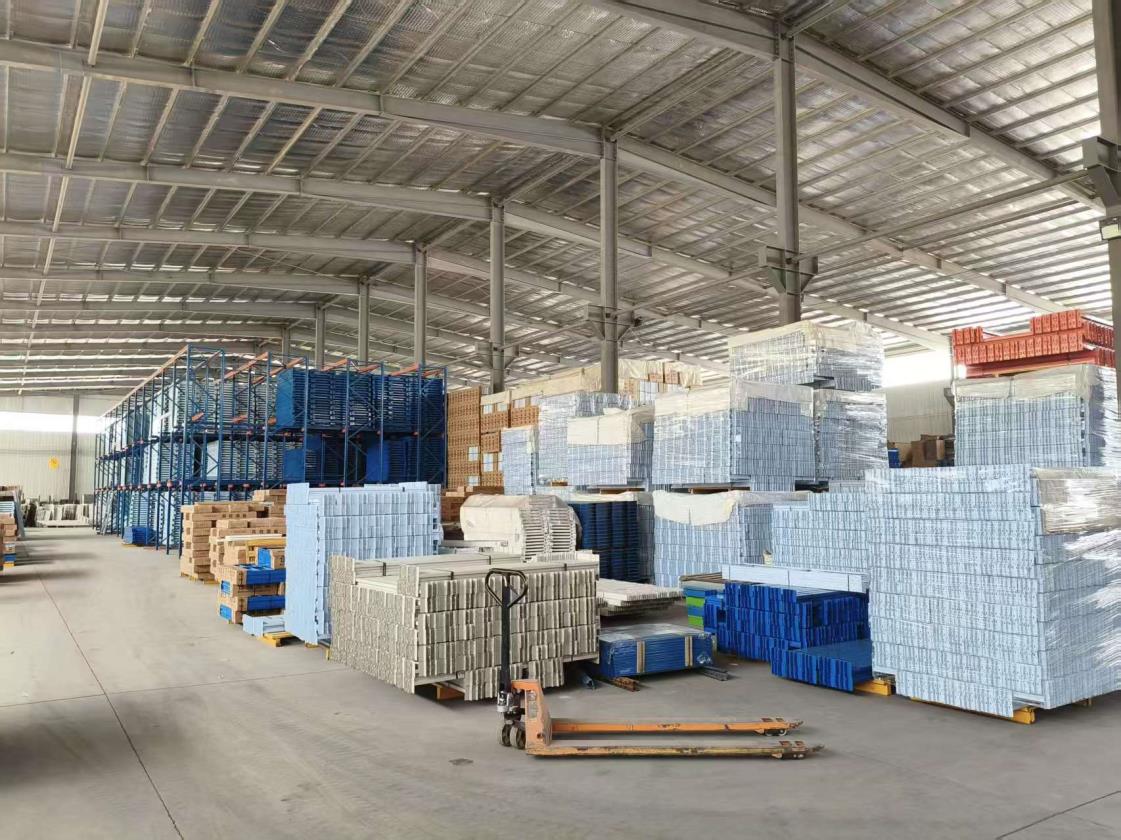
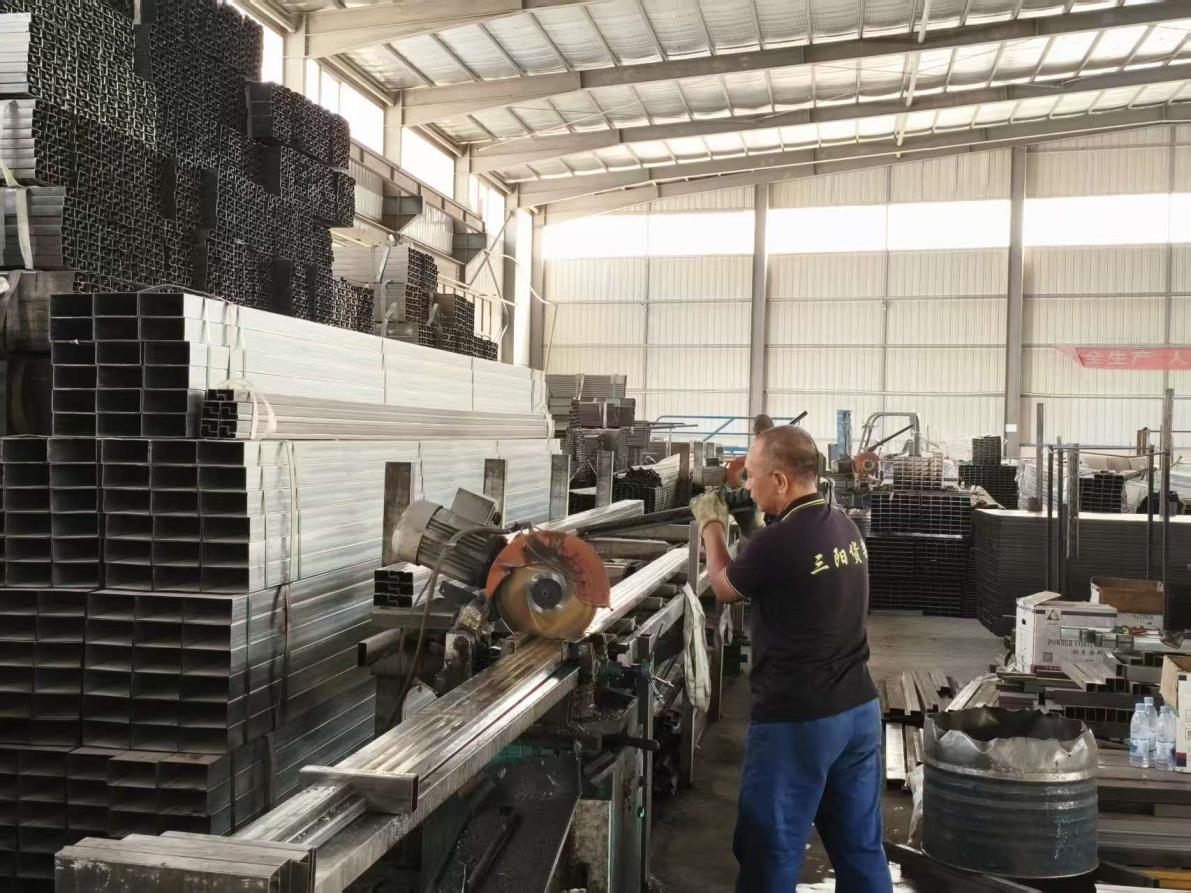
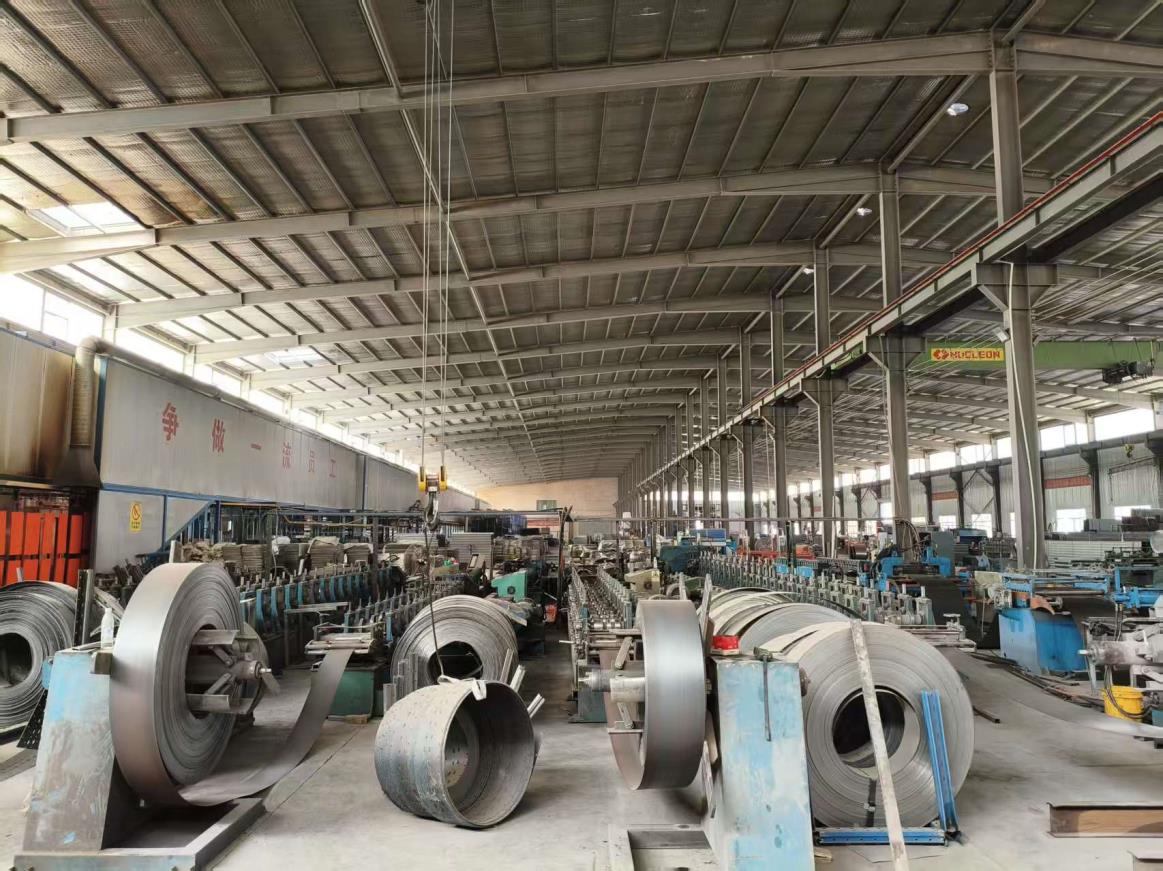
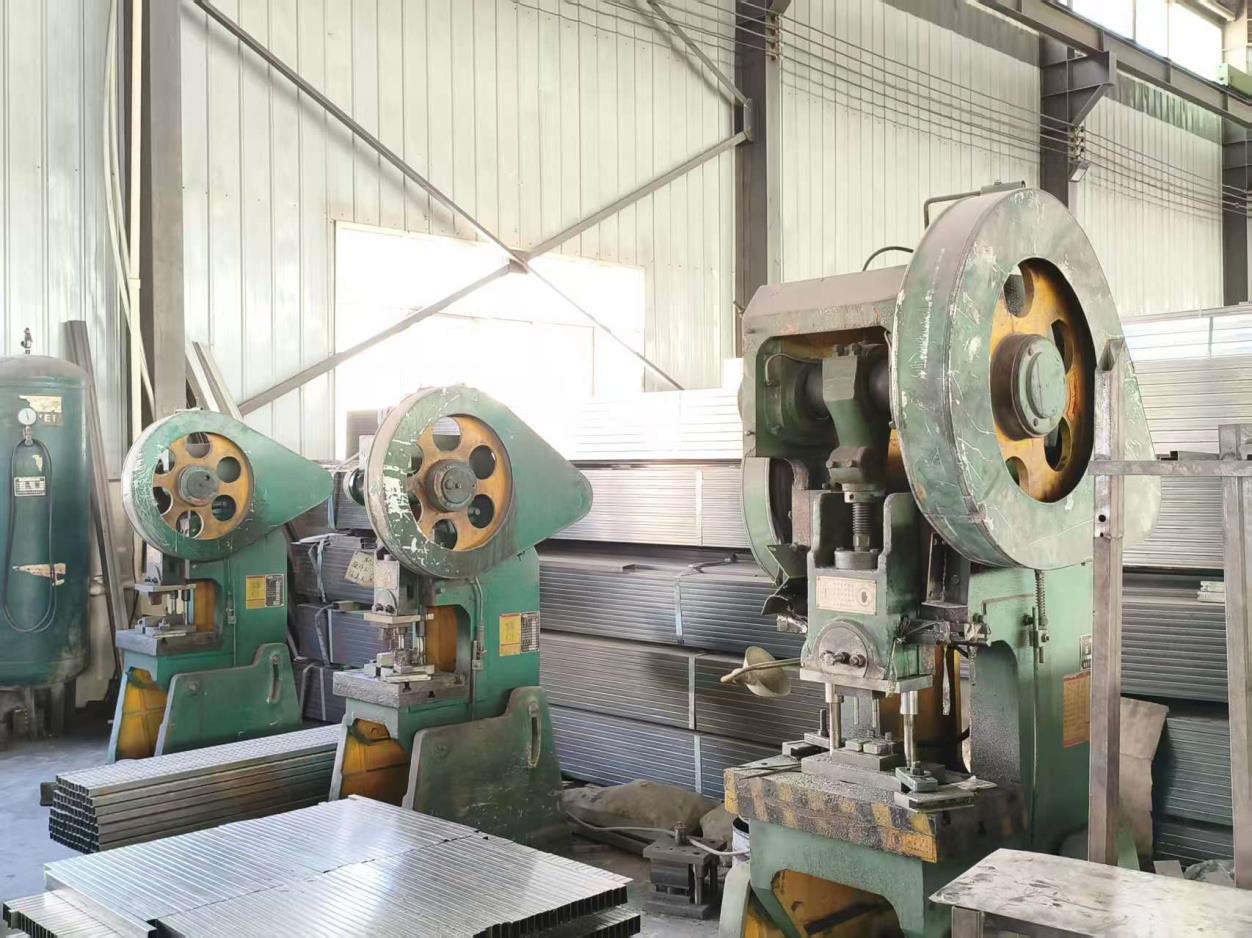
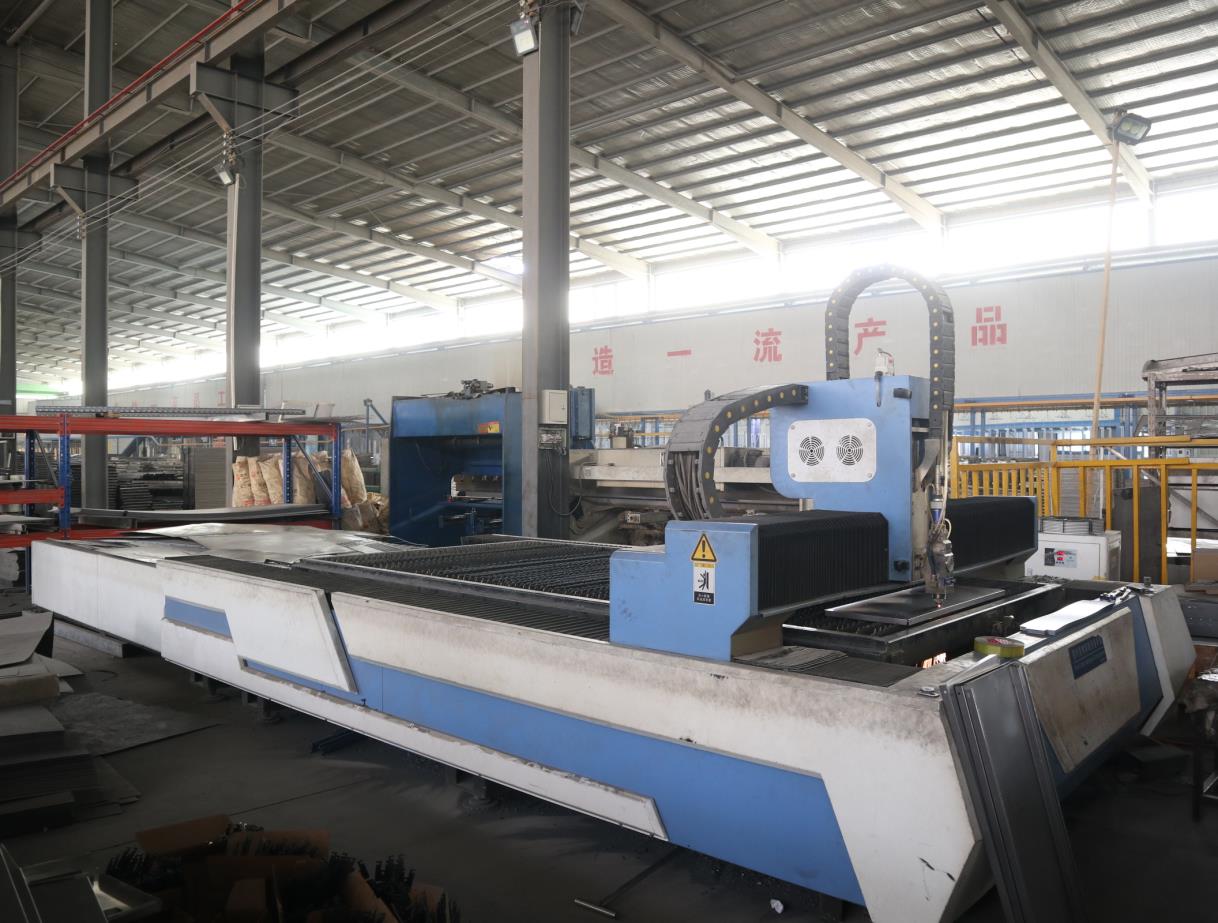
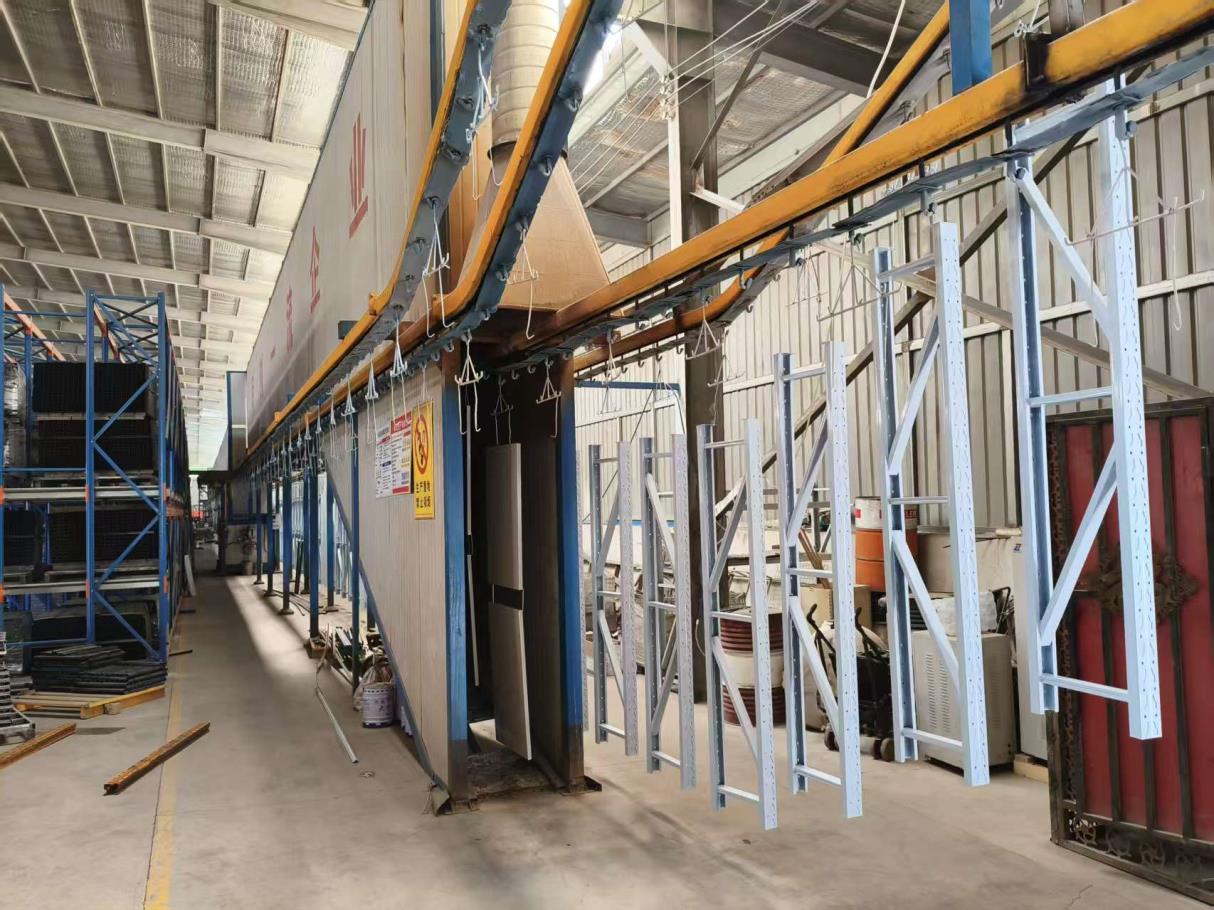
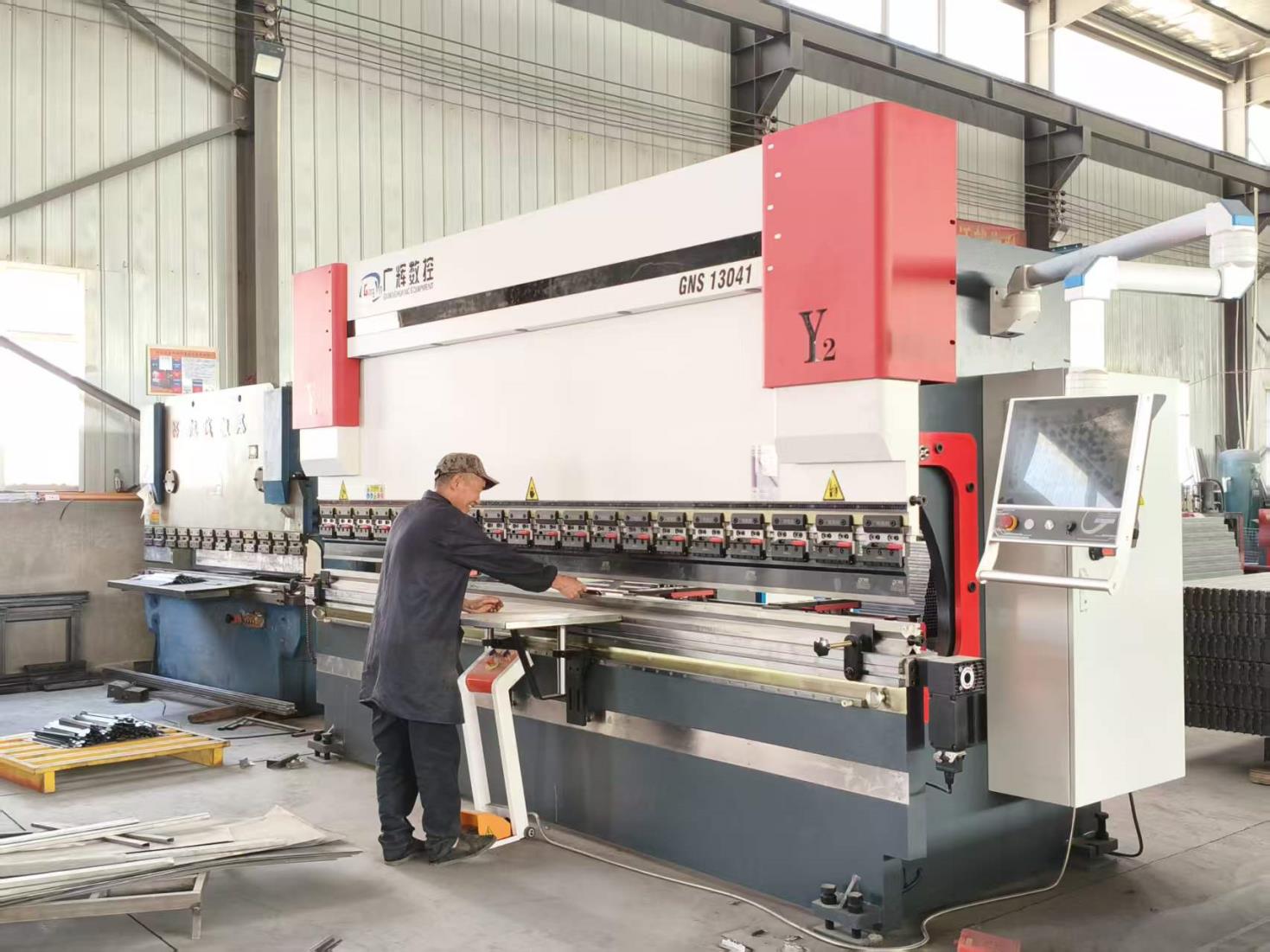
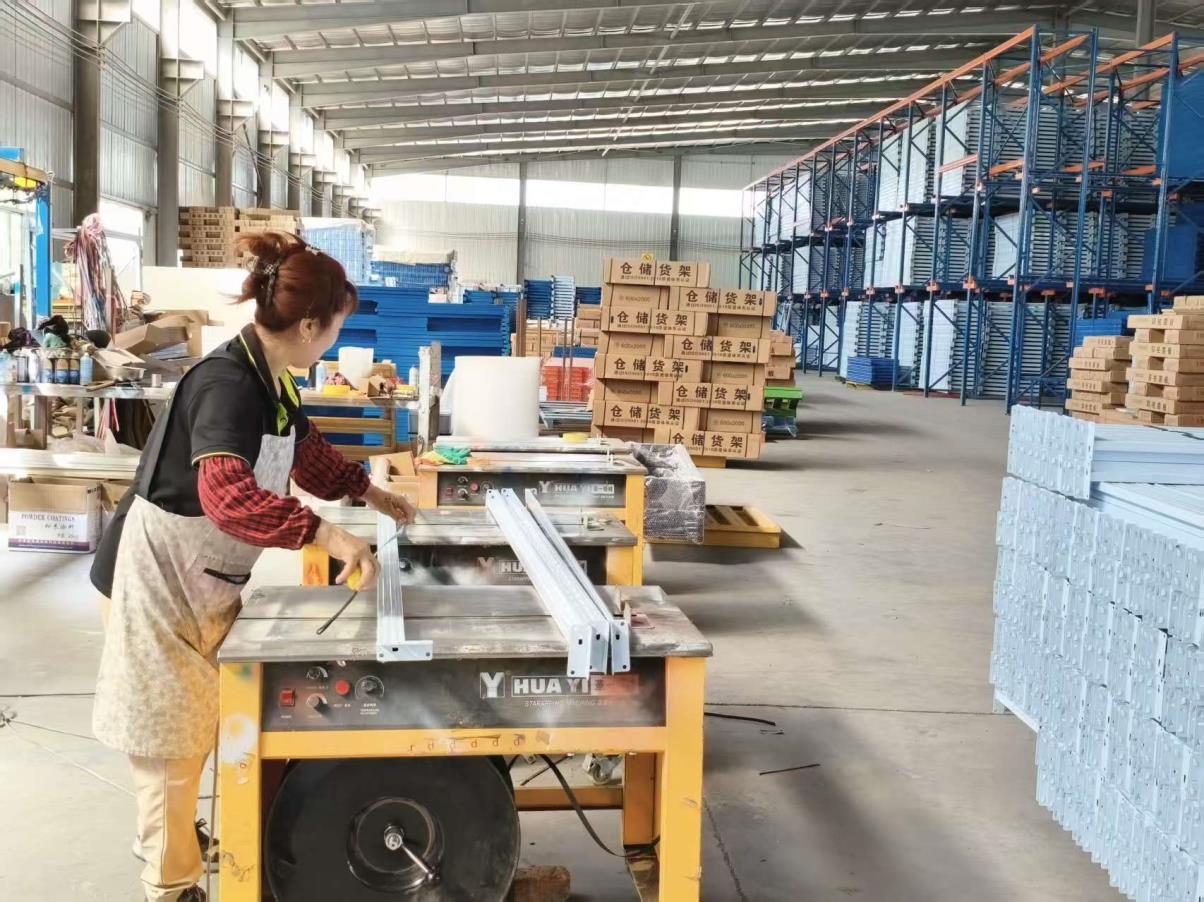
Procuring raw industrial equipment from Chinese manufacturers like Sanyang yields distinct operational advantages for Thai companies. The close commercial ties between the two countries, combined with optimized shipping lanes, create a highly cost-efficient procurement environment.
1. Unmatched Production Scale and Speed: Operating out of Shenzhen, the manufacturing heart of high-tech production, Sanyang leverages a robust ecosystem of over 1,200 raw steel suppliers and material fabricators. This proximity enables swift material sourcing and fast lead times. Sanyang's continuous cold rolling mills and automated robotic welding cells produce custom racking components faster than regional competitors, cutting production schedules significantly.
2. Direct Shipping Lanes and Duty Exemptions: Shipments from the Port of Shenzhen or Port of Guangzhou to Thailand's major ports, including Laem Chabang and Bangkok Port, take only 5 to 7 days in transit. Under regional free trade agreements, Thai businesses can import industrial racking products with reduced or zero customs duties, keeping import costs low.
3. Advanced QC and Certification Protocols: Local manufacturers often lack the testing facilities to verify load capacity limits. Sanyang features a testing protocol driven by 35 full-time QC inspectors. Racks undergo ultrasonic weld flaw detection, destructive load stress testing, and chemical analysis, meeting strict global standards (ANSI, ISO9001, FEM 10.2.02) and ensuring reliable long-term safety.
| Racking Parameter | Standard Local Offerings | Sanyang Engineered Specifications | Thai Operational Benefit |
|---|---|---|---|
| Steel Grade | Low grade carbon steel | High-strength Q235B / Q355B Steel | Higher load capacity, thinner profiles, less deadweight |
| Anti-Corrosion Finish | Basic spray paint (15-30μm) | Electrostatic Epoxy Powder Coating (60-80μm) | Protects against humidity, extends life in cold storage |
| Seismic Resistance | Not structurally rated | Designed for Zone 1 & 2A seismic acceleration | Compliance with local safety regulations |
| Manufacturing Tolerances | +/- 1.5mm standard variance | Precise CNC variance control (+/- 0.5mm) | Ensures smooth integration with AS/RS crane systems |
Cold storage facilities (handling food and seafood products) require corrosion-resistant, high-density designs to minimize refrigeration space. Sanyang recommends Drive-in or Radio Shuttle systems using hot-dip galvanized finishes or specialized low-temperature powder coatings to prevent steel embrittlement and rust at sub-zero temperatures.
Under free trade agreements between China and ASEAN, importers can secure significant tariff reductions or complete exemptions by presenting a Form E Certificate of Origin. Sanyang provides full documentation, including the Certificate of Origin, bills of lading, and packaging lists, to ensure smooth customs clearance at Thai ports.
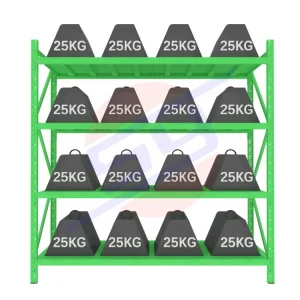
We use FEM 10.2.02 and RMI standards to calculate loading limits. Every rack project undergoes structural stress simulations during design, followed by physical weight tests to confirm loading capacity. We supply load capacity placards for each system to ensure safe operation limits are clearly visible.
Production averages 15 to 25 days depending on the size and customization of the order. Ocean shipping from Shenzhen to Laem Chabang takes between 5 and 7 days. This allows for total delivery to your site in Thailand within 4 to 5 weeks from order confirmation.
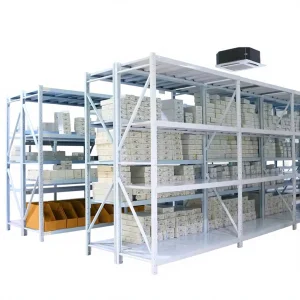
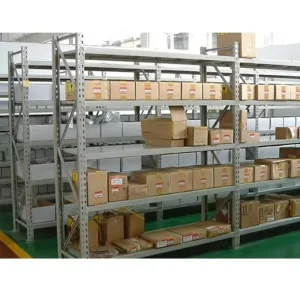
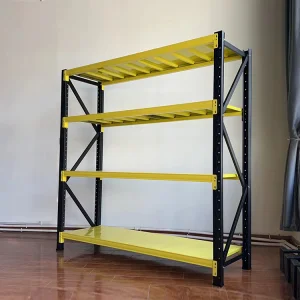
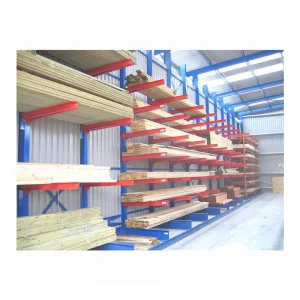
Consult with our engineering team today. We provide full 2D layout drawings, 3D structural CAD modeling, and seismic stress analysis tailored to your specific facility dimensions and load requirements in Thailand.
Send Inquiry Now Sanyang Racking