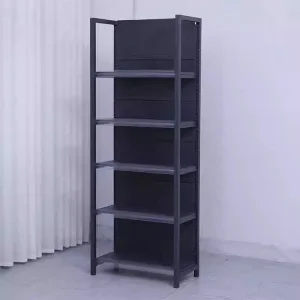
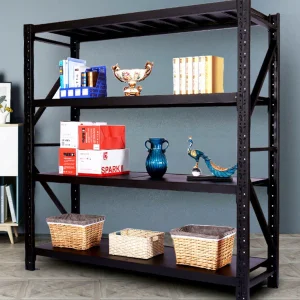
Engineered to optimize structural safety, load carrying capacities, and floor utilization ratios in accordance with global standards.
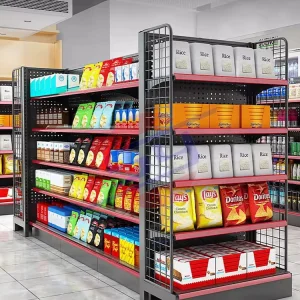
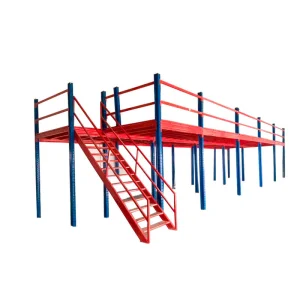
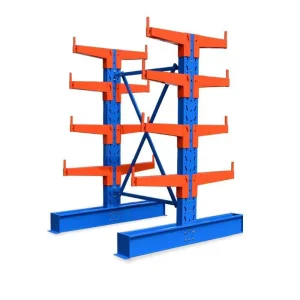
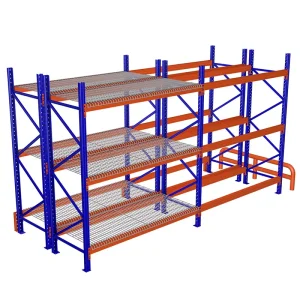
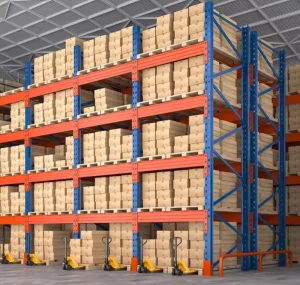
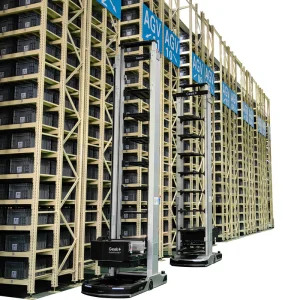
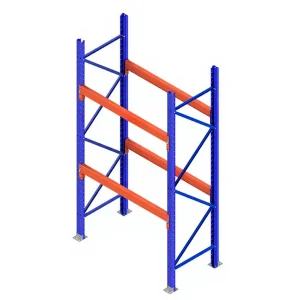
In today's highly dynamic global trade and manufacturing landscape, conventional storage systems are shifting towards automated paradigms. Modern industrial storage is no longer merely a structural assembly of steel racks; it operates as a multi-dimensional, cyber-physical logistics engine. Automated Storage and Retrieval Systems (ASRS) act as the backbone of this transformation, optimizing floor utilization ratios by up to 400% and elevating handling accuracy rates to over 99.9%.
Selecting an industrial racking and automated storage supplier requires evaluating more than just raw material pricing. Enterprise buyers prioritize safety validation, structural reliability under load cycles, seismic performance calculations, and adherence to strict regulatory frameworks. Shenzhen Sanyang Storage Equipment Manufacturing Co., Ltd. develops heavy-duty material handling structures aligned with the Machinery Directive 2006/42/EC and structural codes like EN 15620 and FEM 10.2.02.
"CE marking signifies that an ASRS complies with rigorous safety, health, and environmental standards within the European Economic Area. This compliance is essential for high-throughput automated installations."
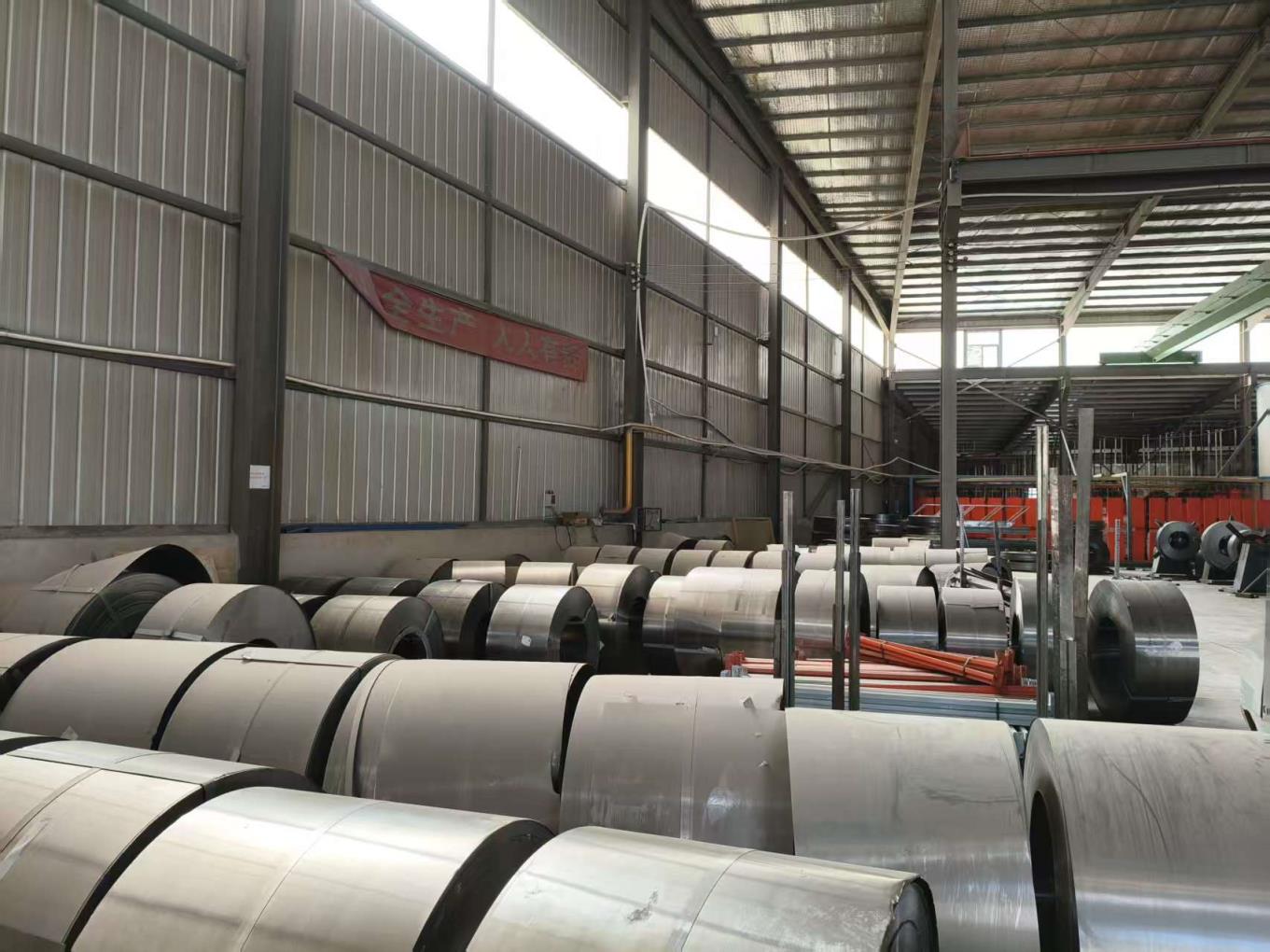
We design, manufacture, and integrate three primary classes of automated systems configured for varying load profiles, cycle dynamics, and high-density parameters.
Engineered for heavy palleted inventories weighing between 500kg and 3,500kg per position. Features rugged storage structures stretching up to 45 meters high.
Tailored for high-speed small-item picking. Handles plastic totes, cartons, and small bins weighing between 10kg and 150kg with micro-millimeter precision.
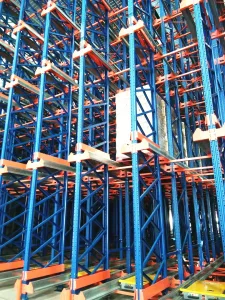
Semi or fully automated high-density systems utilizing smart shuttle carriers to move cargo within deep storage lanes.
Rigorous structural safety assessment under standard FEM 10.2.02, Eurocode 3 structural design rules, and Machinery Directive 2006/42/EC.
A key risk in tall rack structures is vertical deflection and dynamic load instability during high-speed crane acceleration or seismic activity. Sanyang's engineering department uses advanced Finite Element Analysis (FEA) software to model structural behavior under load distributions, wind forces, and seismic acceleration.
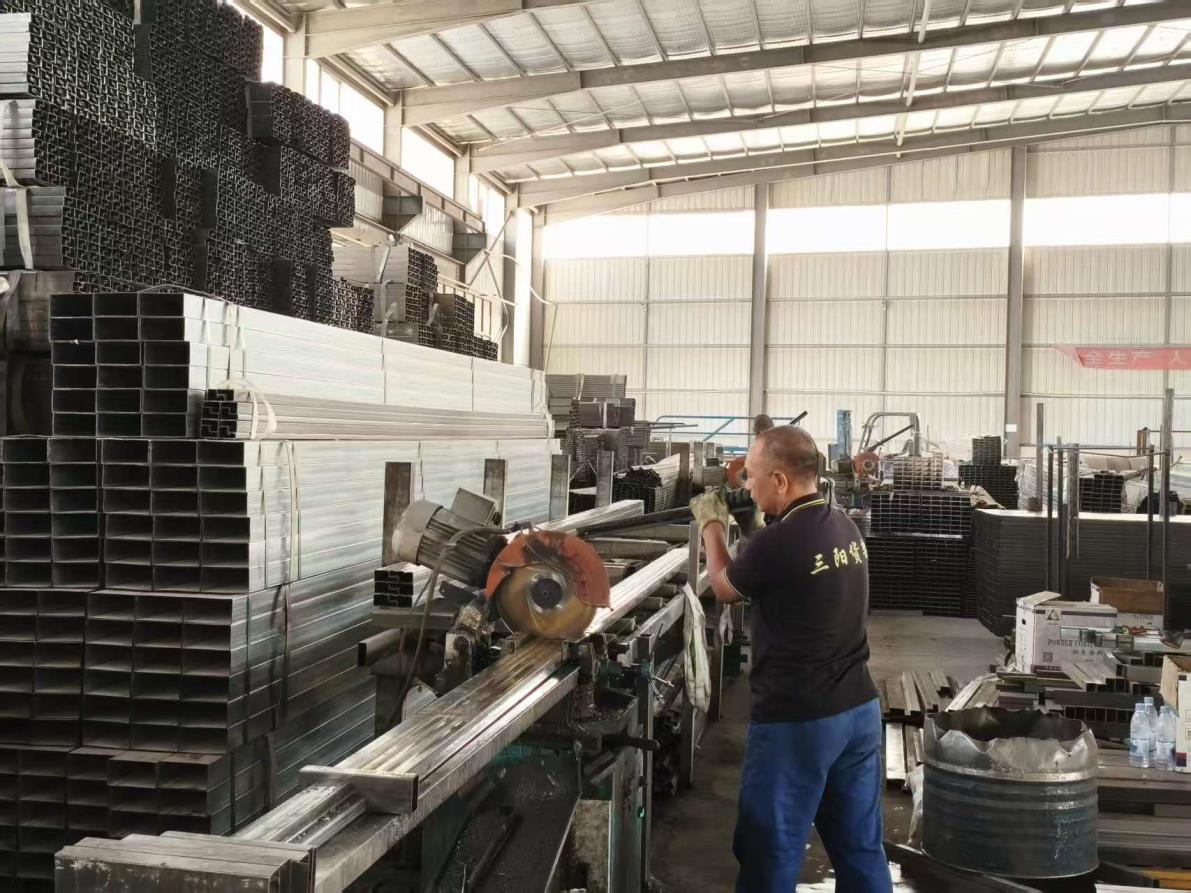
All structural steel uprights, baseplates, and beams are roll-formed using premium, certified raw steel. The high-precision manufacturing line utilizes laser cutting and automated welding to maintain a horizontal frame tolerance profile tighter than the EN 15620 Class 100/200 standard. This precision prevents crane collision risks and ensures long-term operational uptime.
Our CE-certified racking and storage layouts are engineered to meet the unique throughput, sanitation, temperature, and tracking requirements of varied sectors.
Providing galvanized, corrosion-resistant rack structures engineered for sub-zero environments down to -30°C. Optimized structural design supports optimal air flow and cooling efficiency.
High-speed shuttle layouts and mini-load systems configured for continuous inventory cycles, rapid turnaround times, and high order-picking accuracy.
Clean-room compatible storage solutions with dust protection profiles, accurate batch management, and strict compliance with FDA/GMP sanitation standards.
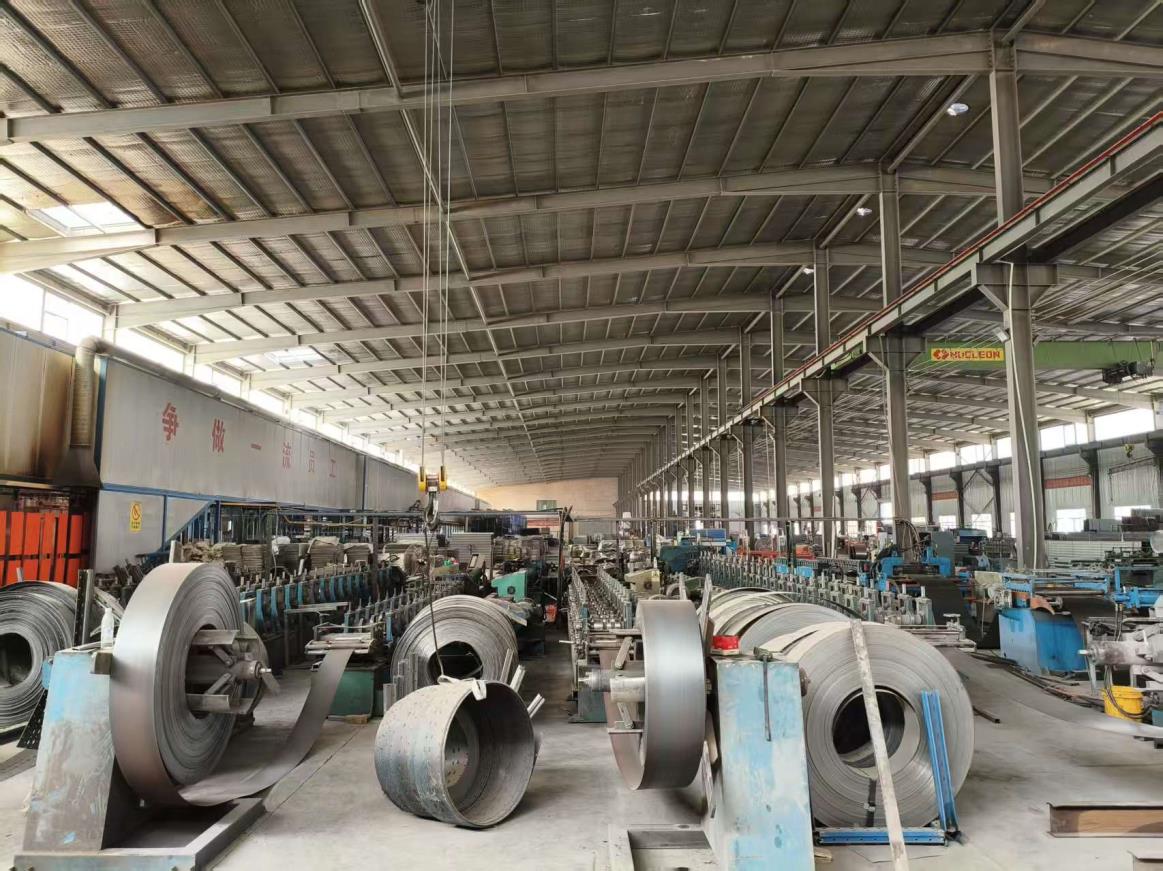
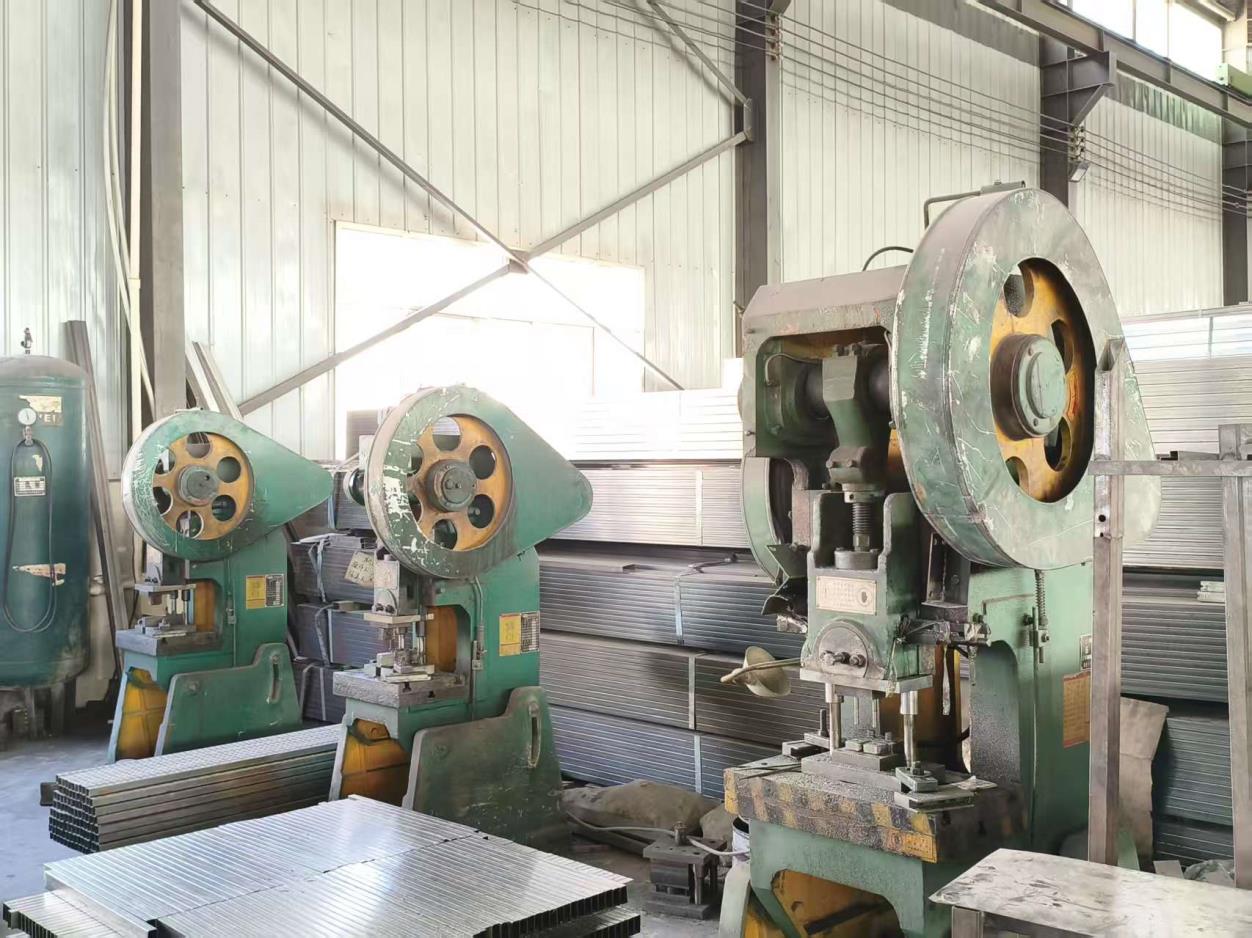
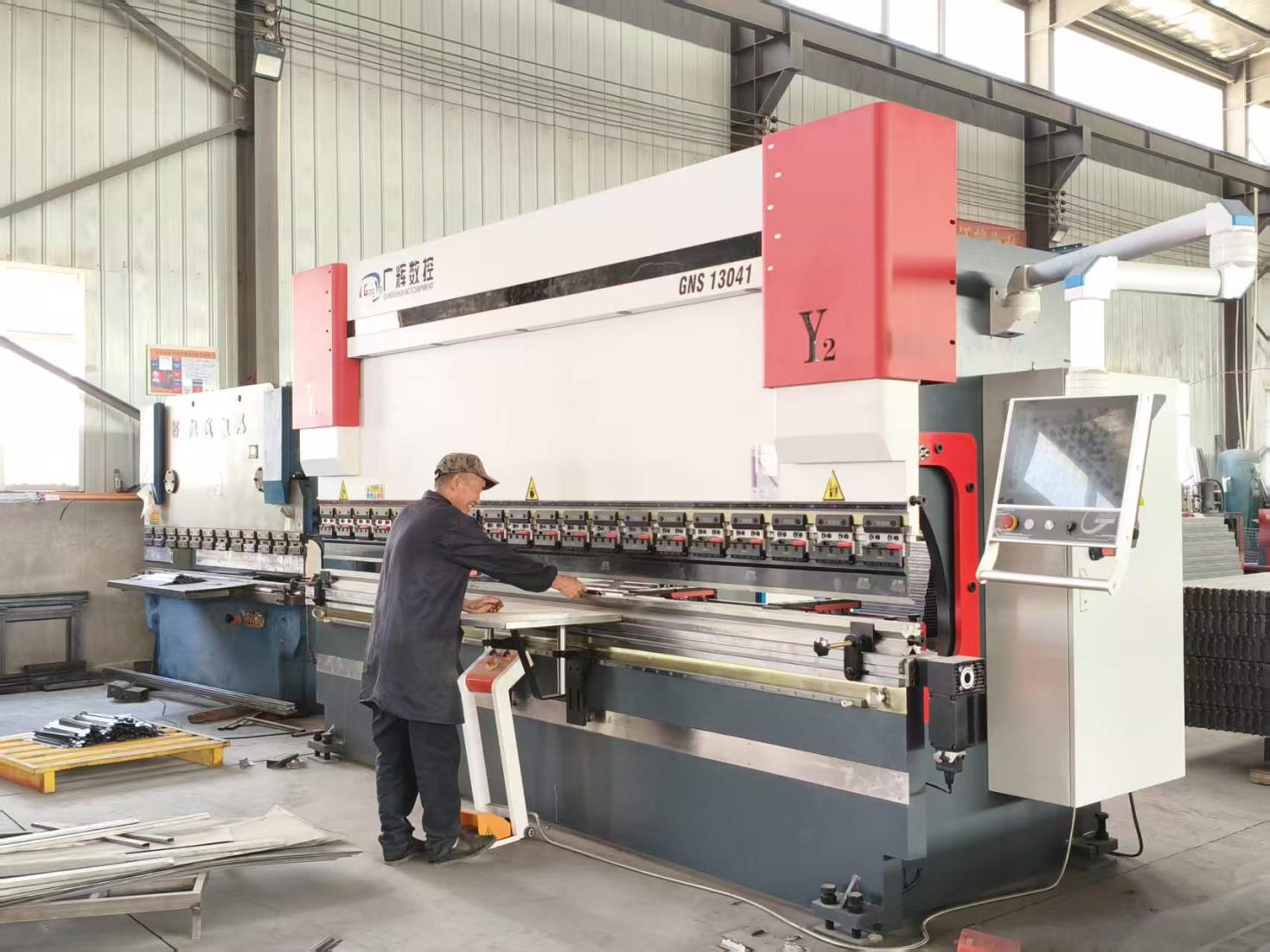
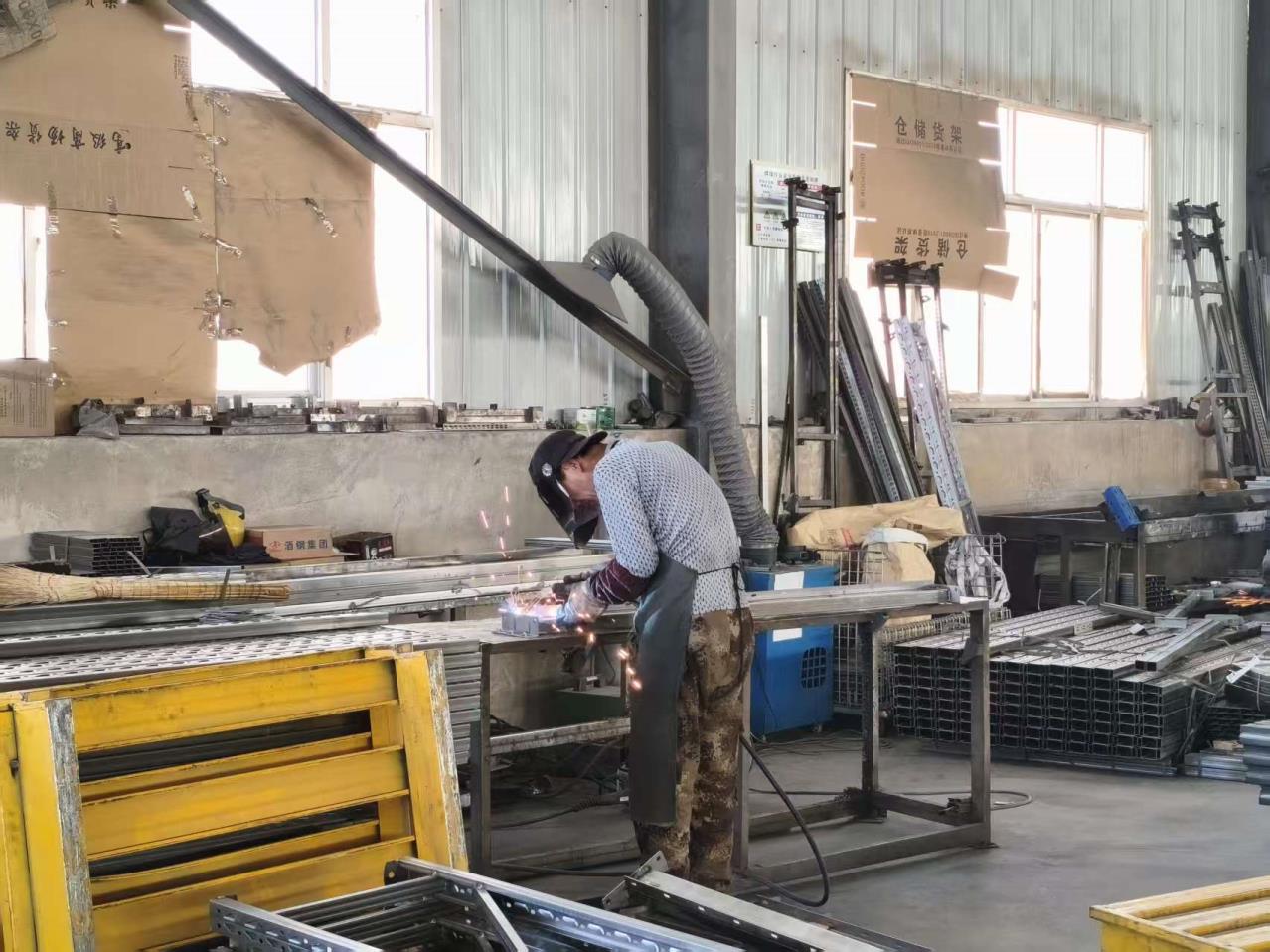
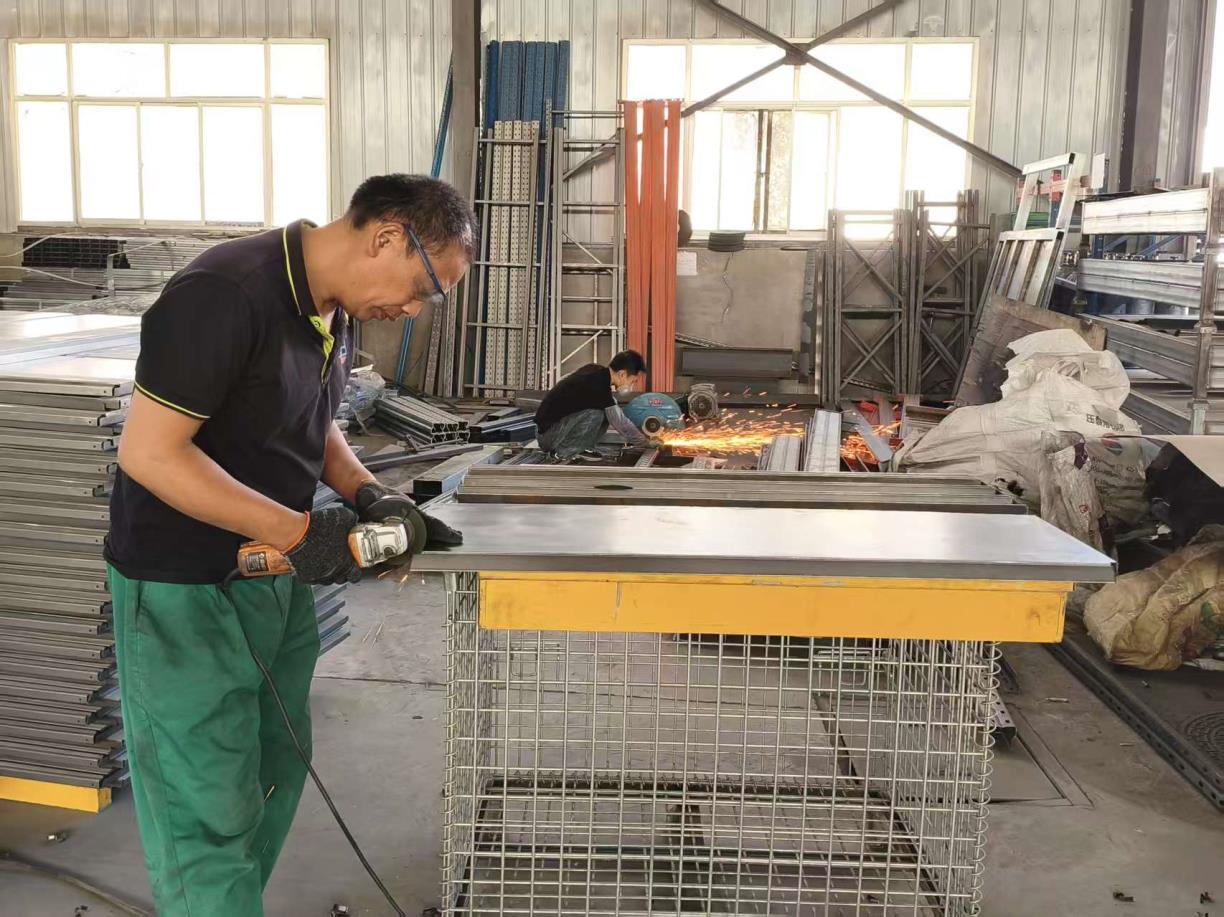
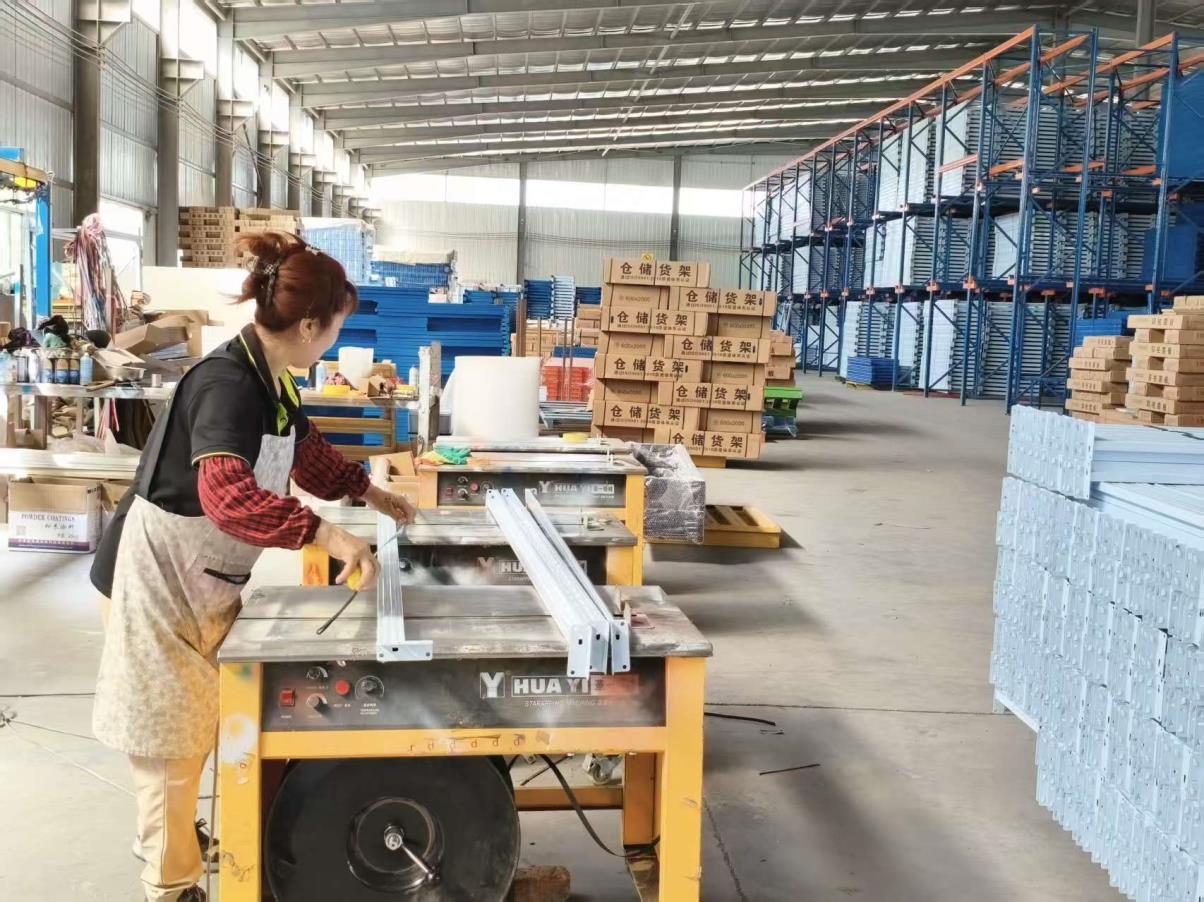
Sanyang operates a modern 38,000 m² manufacturing facility in Shenzhen, China. By deploying automated CNC laser cutters, high-precision roll-forming lines, and robotic welding stations, we maintain tight production tolerances and scale output to meet large international contracts.
Quality control is integrated at every phase of production. Our team of 35 full-time QC inspectors performs rigorous testing protocols, including ultrasonic weld flaw detection, powder coating thickness checks, and heavy-load stress tests. Over 1,200 supply chain partners support our flexible supply chain, sourcing certified raw materials and structural steel to maintain consistent lead times.
Our team of 18 R&D engineers focuses on high-density automated racking designs and dynamic shuttle systems, introducing new product designs to address evolving warehouse requirements.
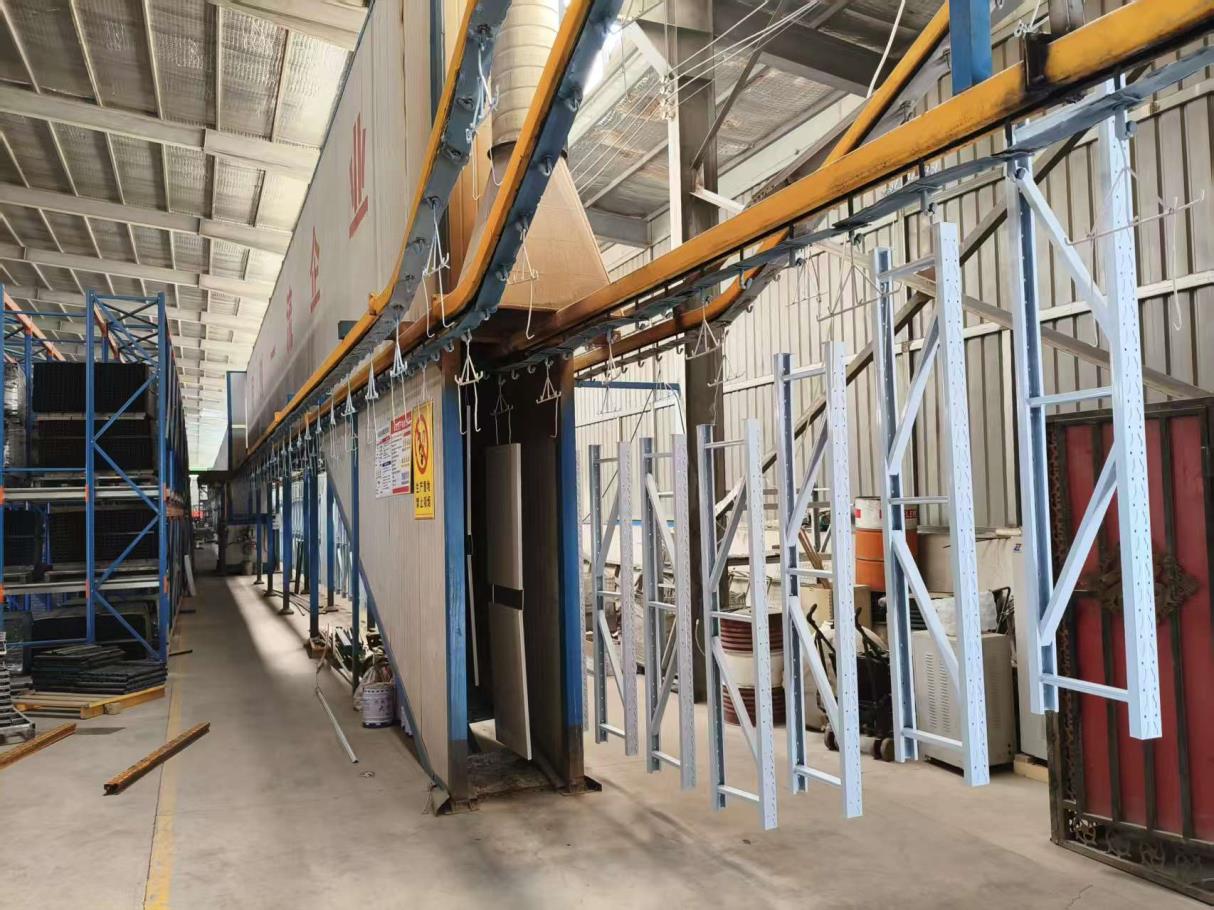
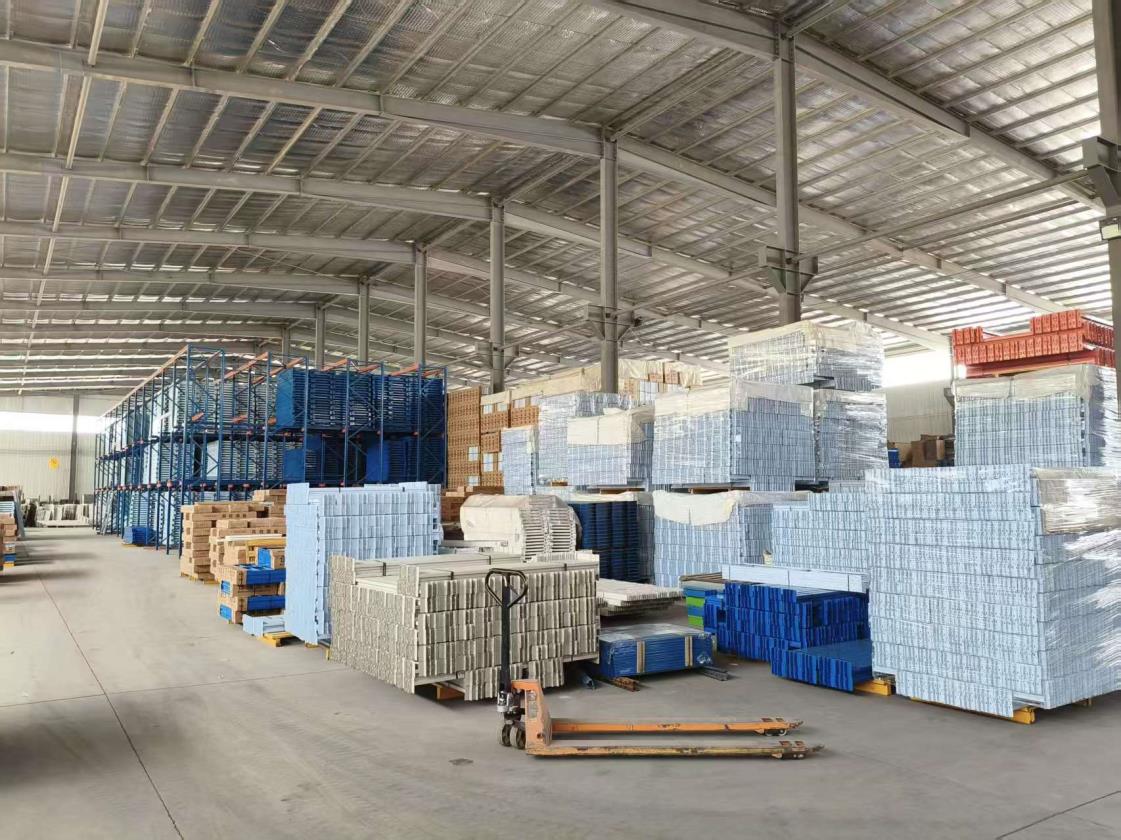
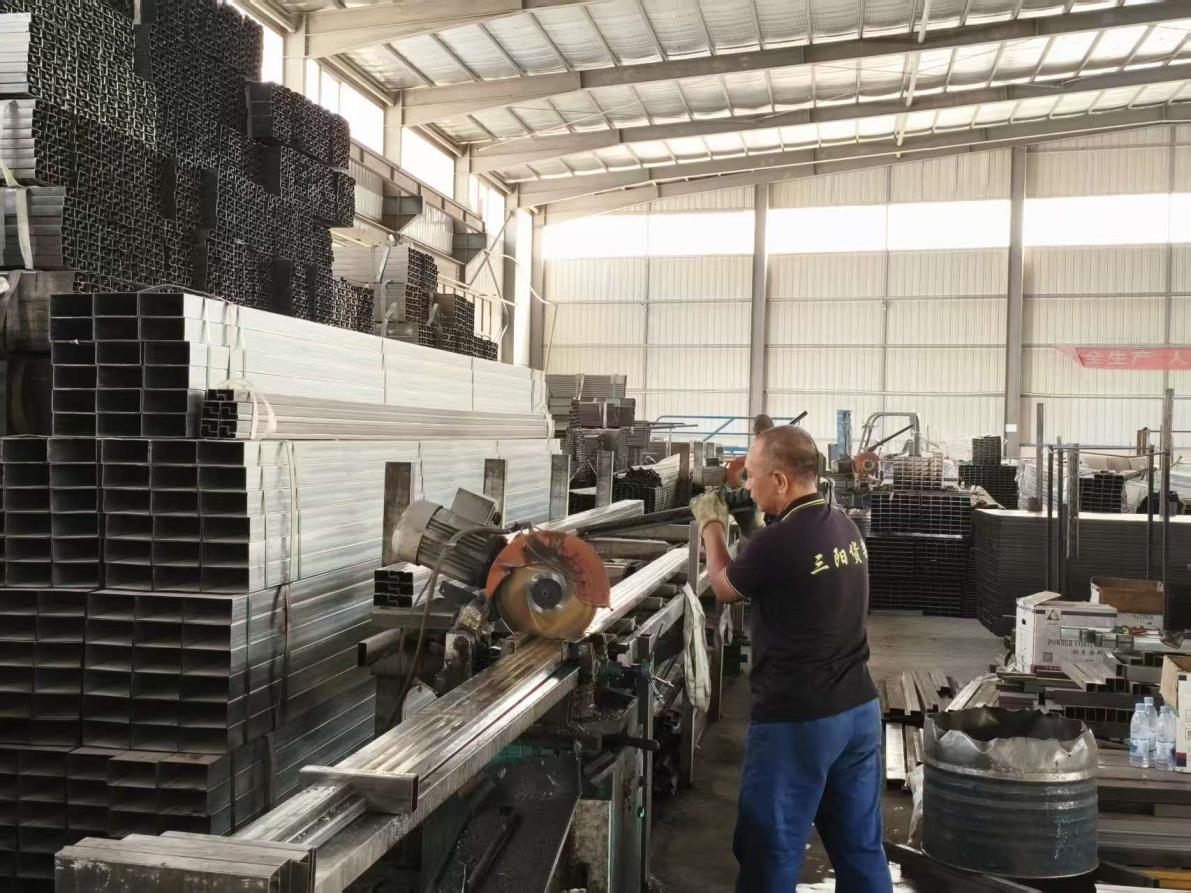
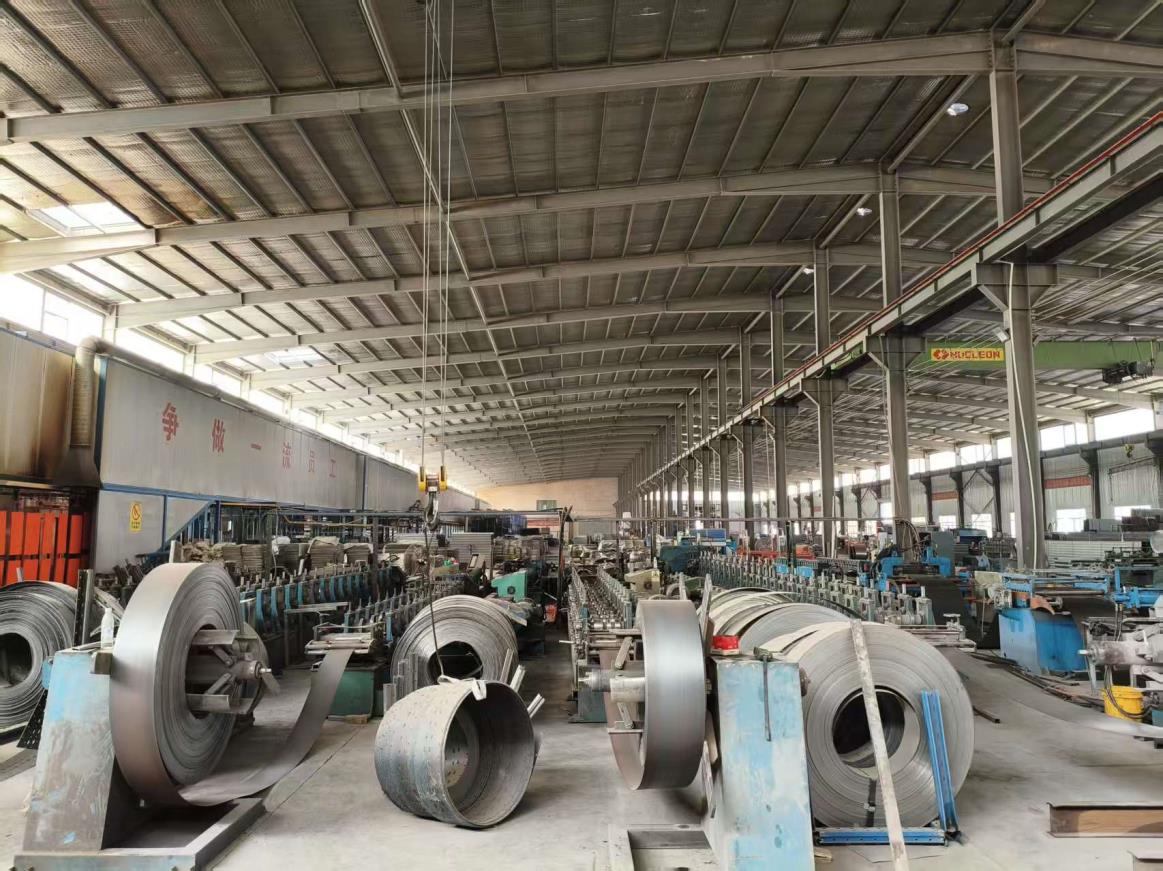
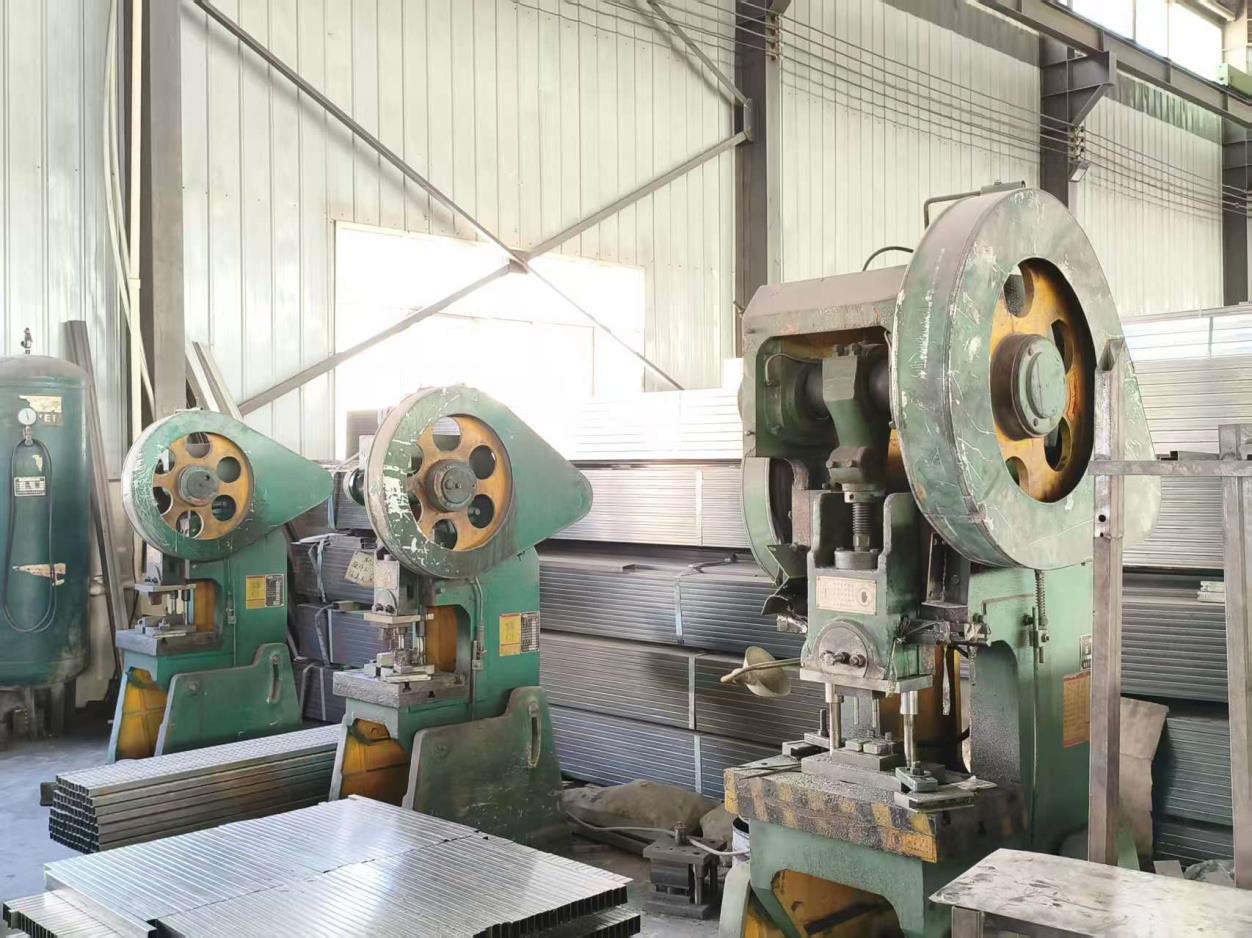
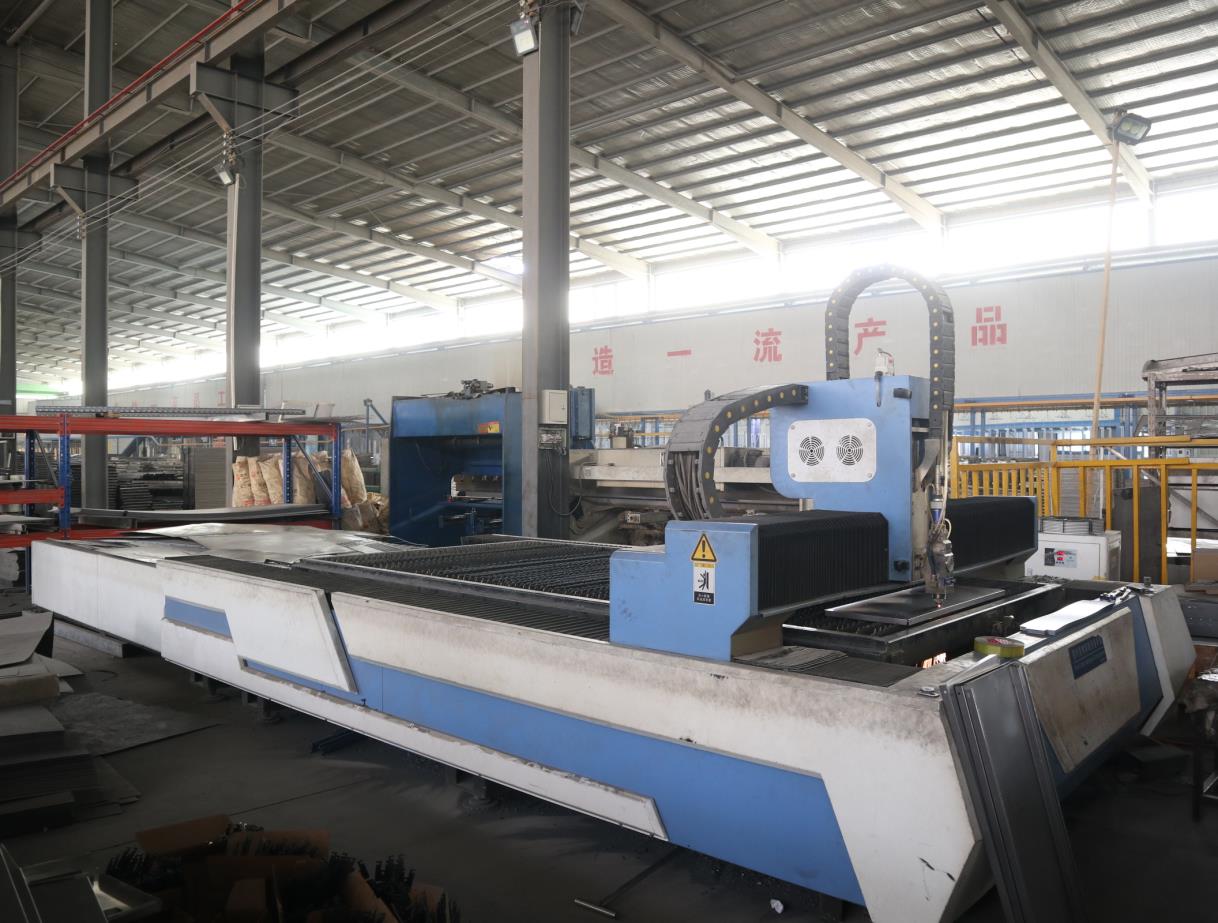
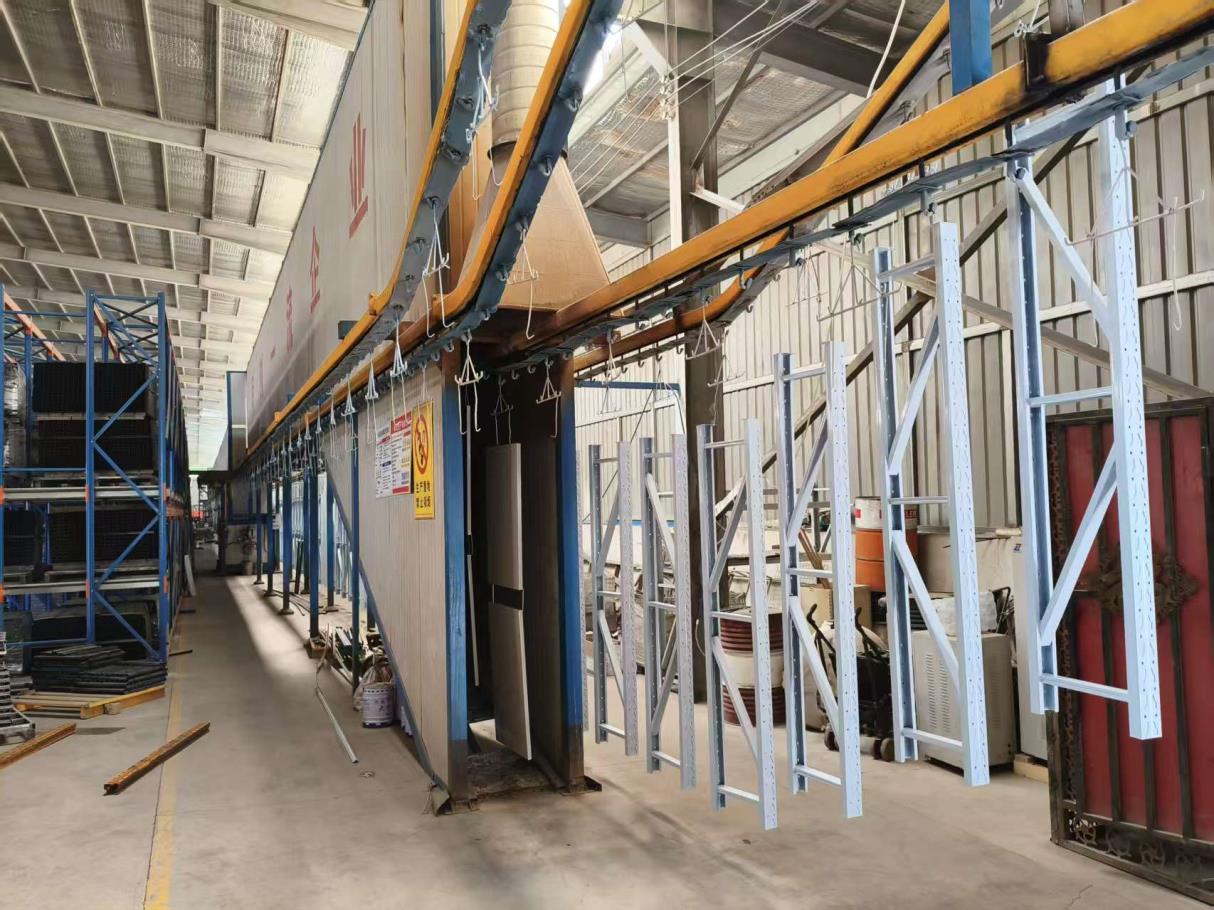
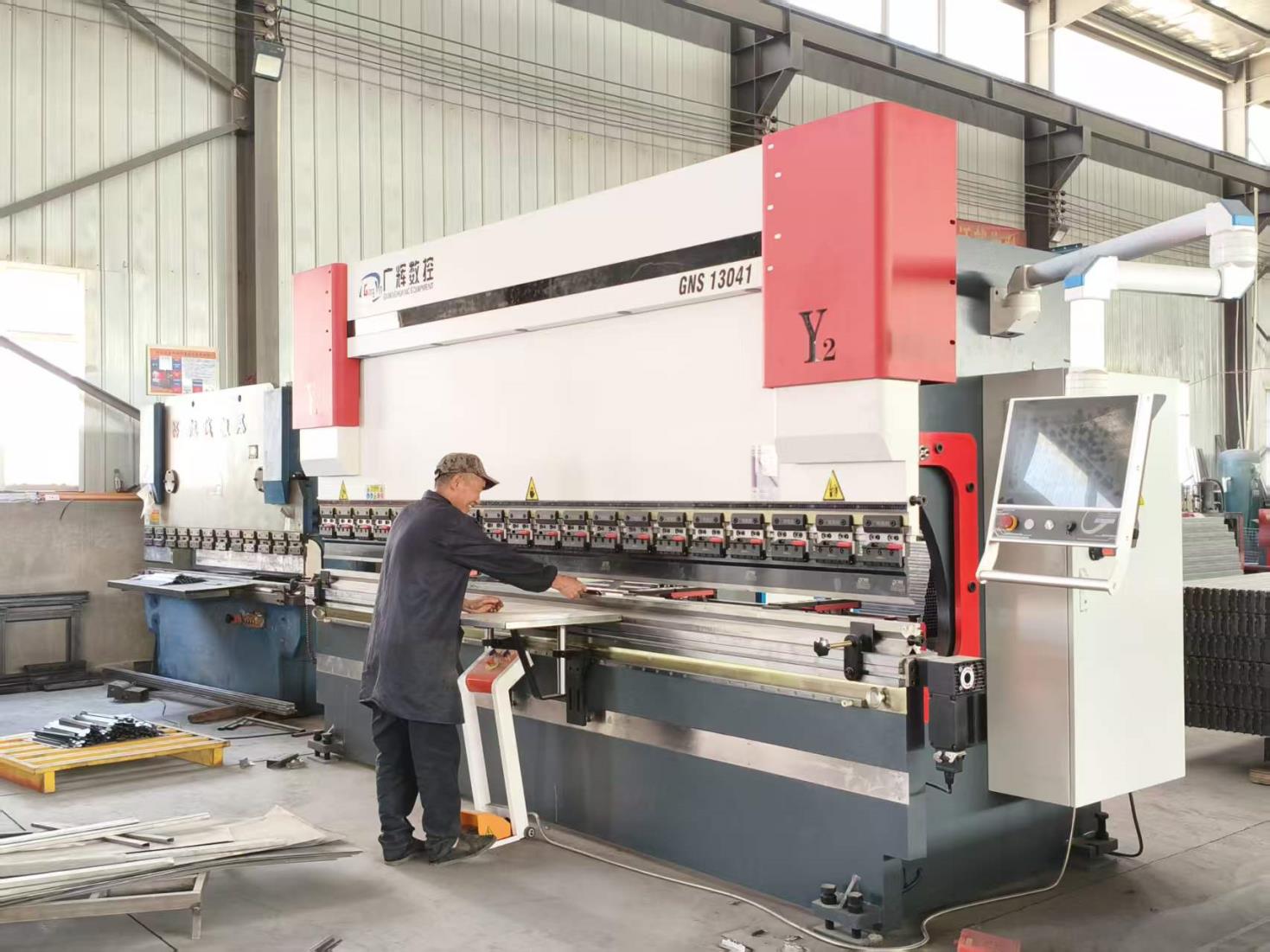
A key metrics breakdown helping global logistics buyers evaluate structural safety, lead time mitigation, and lifetime operational costs.
| Procurement Challenge | Critical Success Metrics | Sanyang Strategic Solution | Direct TCO Impact |
|---|---|---|---|
| Structural Conformity & Safety | FEM 10.2.02, EN 15512 codes, CE Marking compliance | Certified structural calculations with FEA modeling & Q355B high-yield structural steel. | Minimizes structural failure risks and reduces insurance premium costs. |
| Space Optimization Ratios | Volumetric utilization improvement percentages | Custom automated high-density configurations (double deep, mini-load, drive-in systems). | Lowers warehouse storage footprint overhead costs. |
| Supply Chain Lead Times | Delivery predictability & transport scheduling | Managed through 1,200 supply chain partnerships and automated manufacturing in Shenzhen. | Improves inventory planning accuracy and project deployment speed. |
| Corrosion & Lifetime Wear | Salt spray resistance test hours, powder coating durability | Pre-treated electrostatic powder coating line with average thickness of 80 to 120 microns. | Extends system service lifespan and reduces structural maintenance costs. |
The next generation of intralogistics systems will focus on closer integration between structural components and control software. Standard static racking systems are evolving into smart, responsive structures. We are developing storage frames with integrated IoT sensor arrays to support real-time weight distribution monitoring, structural load warning alerts, and automated alignment checks.
As mobile robots like Autonomous Mobile Robots (AMRs) and Automated Guided Vehicles (AGVs) become more common, racking systems must adapt. Future storage designs will feature unified interfaces that allow rack structures, automated shuttle fleets, crane mechanisms, and AMRs to communicate directly with WCS (Warehouse Control System) software. This integration reduces cycle latency and enables dynamic routing adjustments.
Sanyang's technology roadmap focuses on developing modular, lightweight racking systems using high-strength steel profiles. These structures are designed to lower material consumption while supporting faster assembly, helping global operators reduce installation times and project complexity.
Exporting automated storage systems globally requires rigorous compliance with local building codes, fire safety rules, and labor protection regulations. We design systems to comply with regional requirements, including FM Global standards for sprinkler placement, European EN codes for rack layout tolerances, and local seismic criteria.
We work with certified local engineering partners in North America, Western Europe, and the Middle East to support project delivery. This local network provides on-site structural validation, assists with permitting, and coordinates professional installation services.
From initial project layouts through manufacturing, shipping, installation, and commissioning, we provide full support documentation. This includes detailed structural calculations, material test certificates, and clear maintenance guidelines to ensure safe operation.
Answers to common structural safety, specification, and certification questions for heavy-duty storage projects.
Providing scalable warehouse configurations to support logistics efficiency and organize SKU inventories.
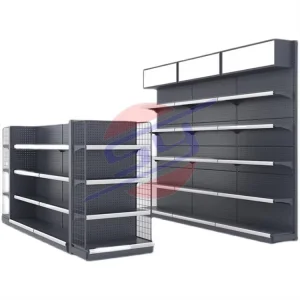
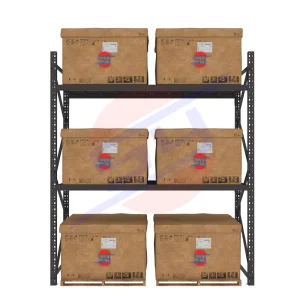
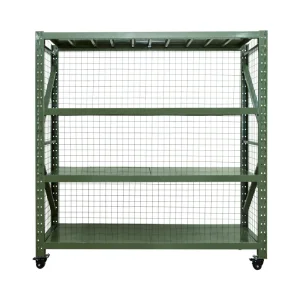
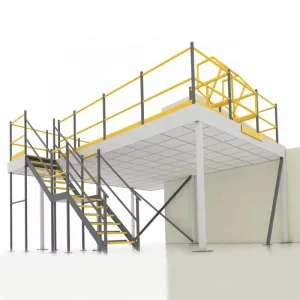
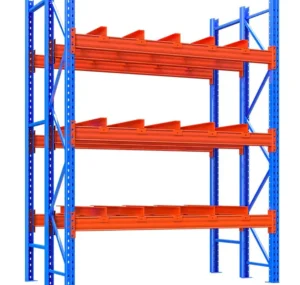
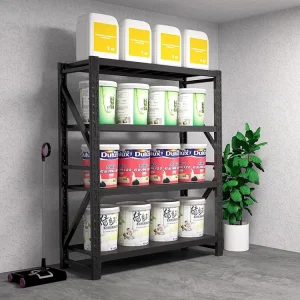
 Sanyang Racking