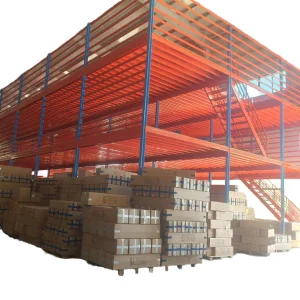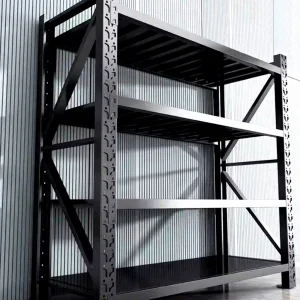
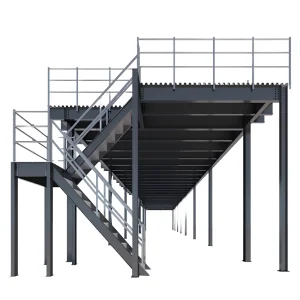
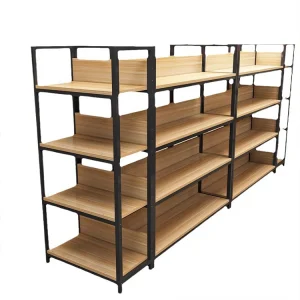
How structural steel supply chains, state-of-the-art cold-forming, and strict engineering compliance merge to deliver unmatched industrial storage efficiency.
In the contemporary landscape of global logistics, third-party logistics (3PL) providers, e-commerce distribution centers, and massive manufacturing operations require optimized floor space utilization and swift throughput. Pallet storage is no longer viewed as simple passive metal shelving. It is designed as a dynamically simulated, high-strength structural asset capable of integrating with automated guided vehicles (AGVs), stacker cranes, and automated shuttle networks.
China has established itself as the global epicentre for high-precision pallet racking manufacturing. Leveraging massive localized integrations of structural steel coil production, robotized CNC manufacturing centers, and high-performance powder coating lines, China-based manufacturers like Sanyang Storage offer unprecedented customizability and structural safety parameters. By keeping the manufacturing ecosystem vertically integrated, global purchasers gain structural systems engineered specifically to combat local seismic criteria, floor loading constraints, and corrosive ambient environments.
Shenzhen Sanyang Storage Equipment Manufacturing Co., Ltd.
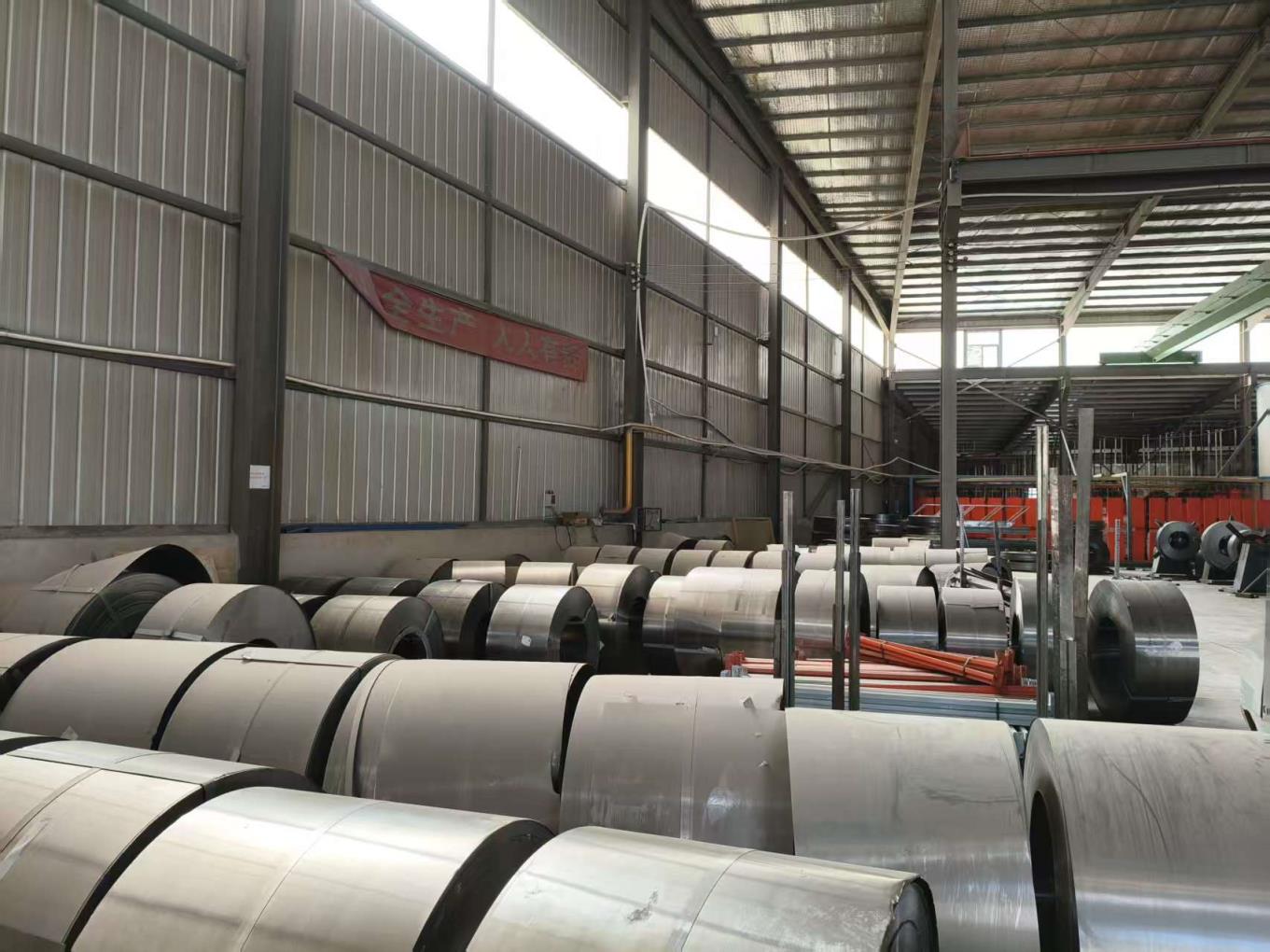
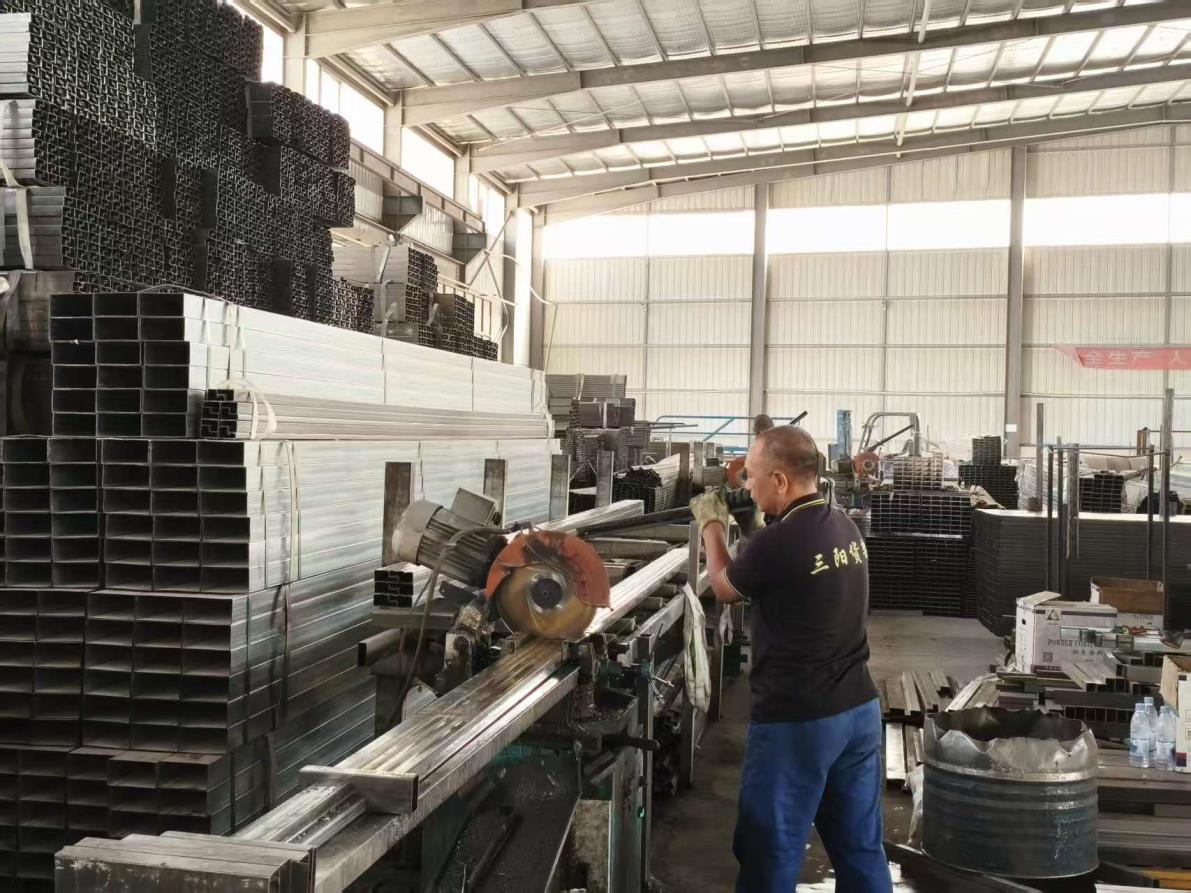
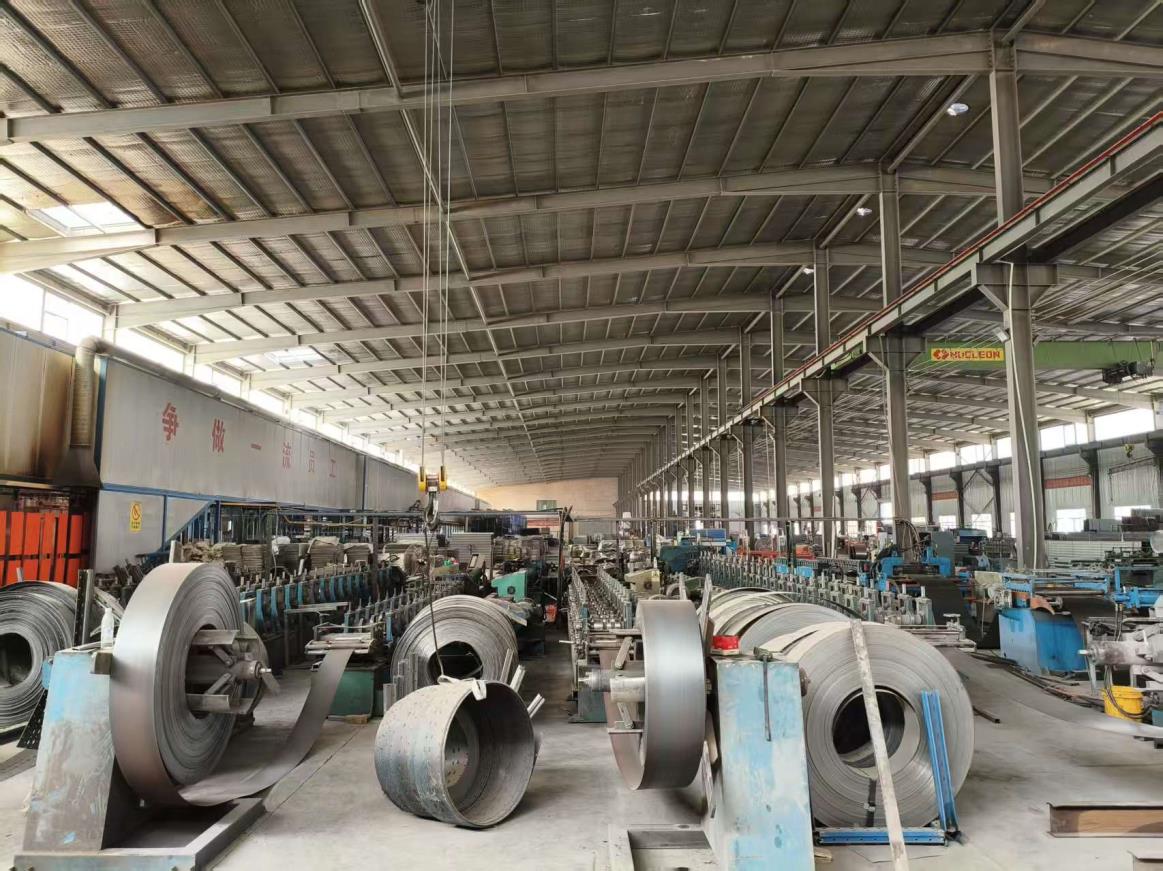
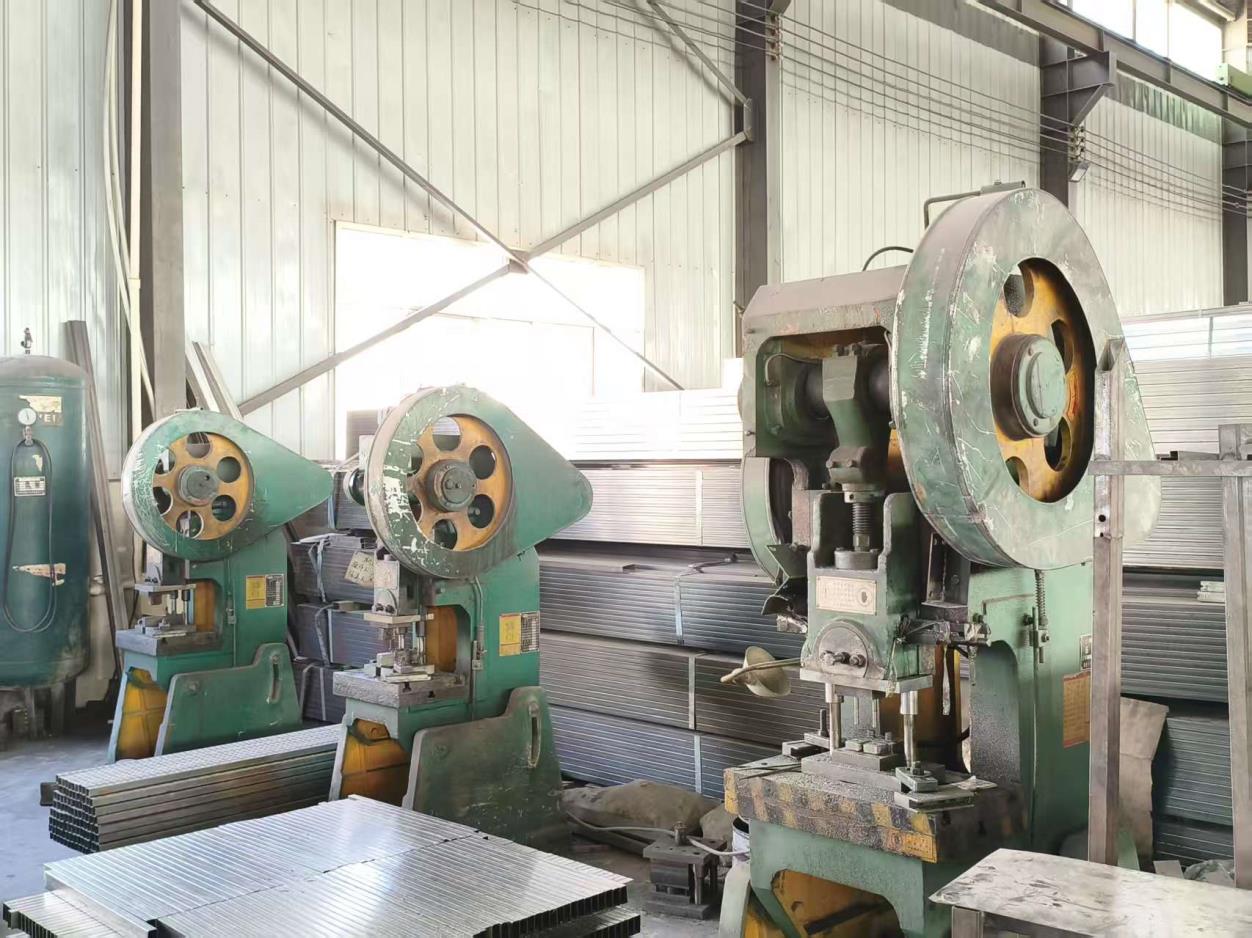
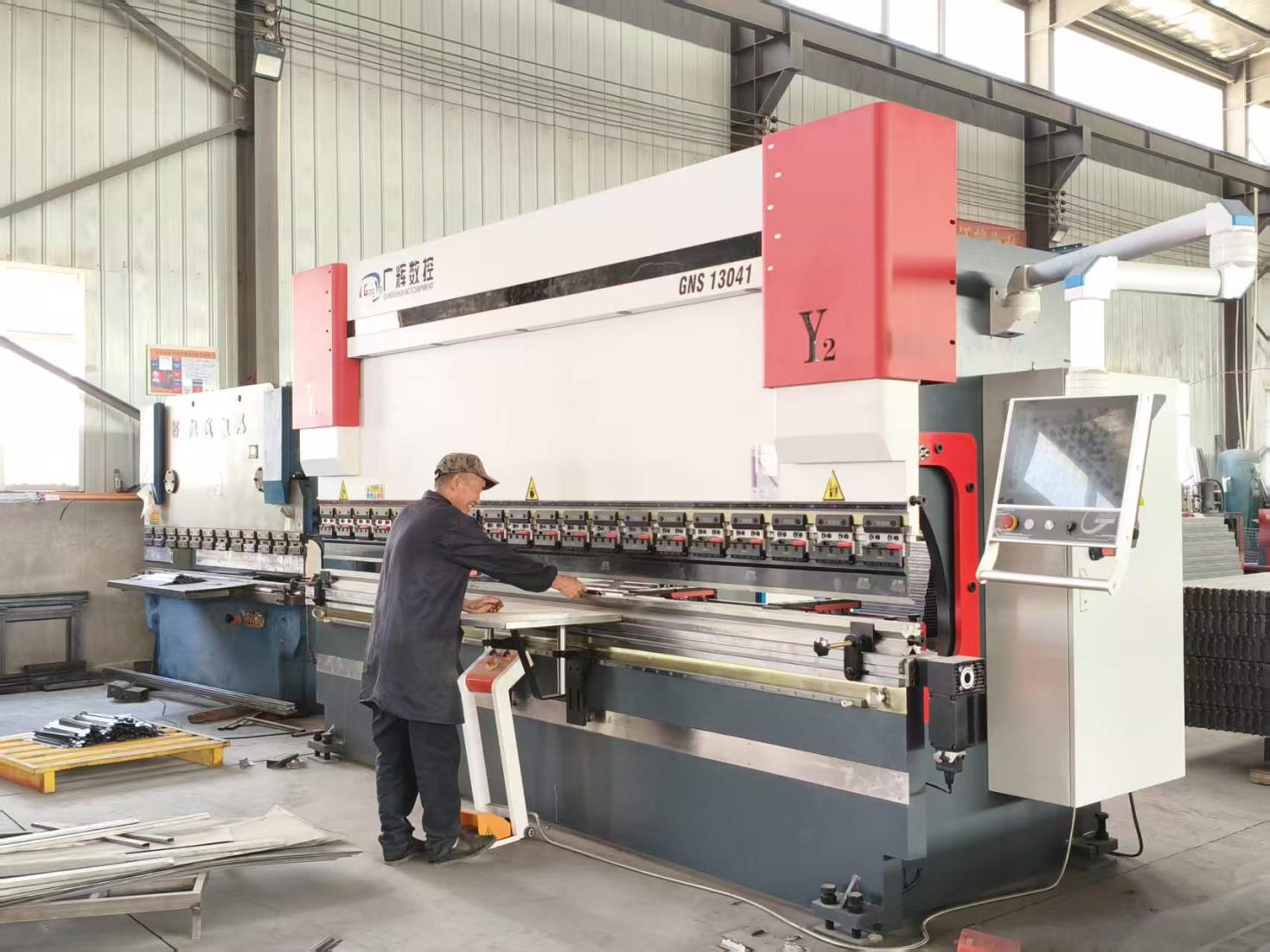
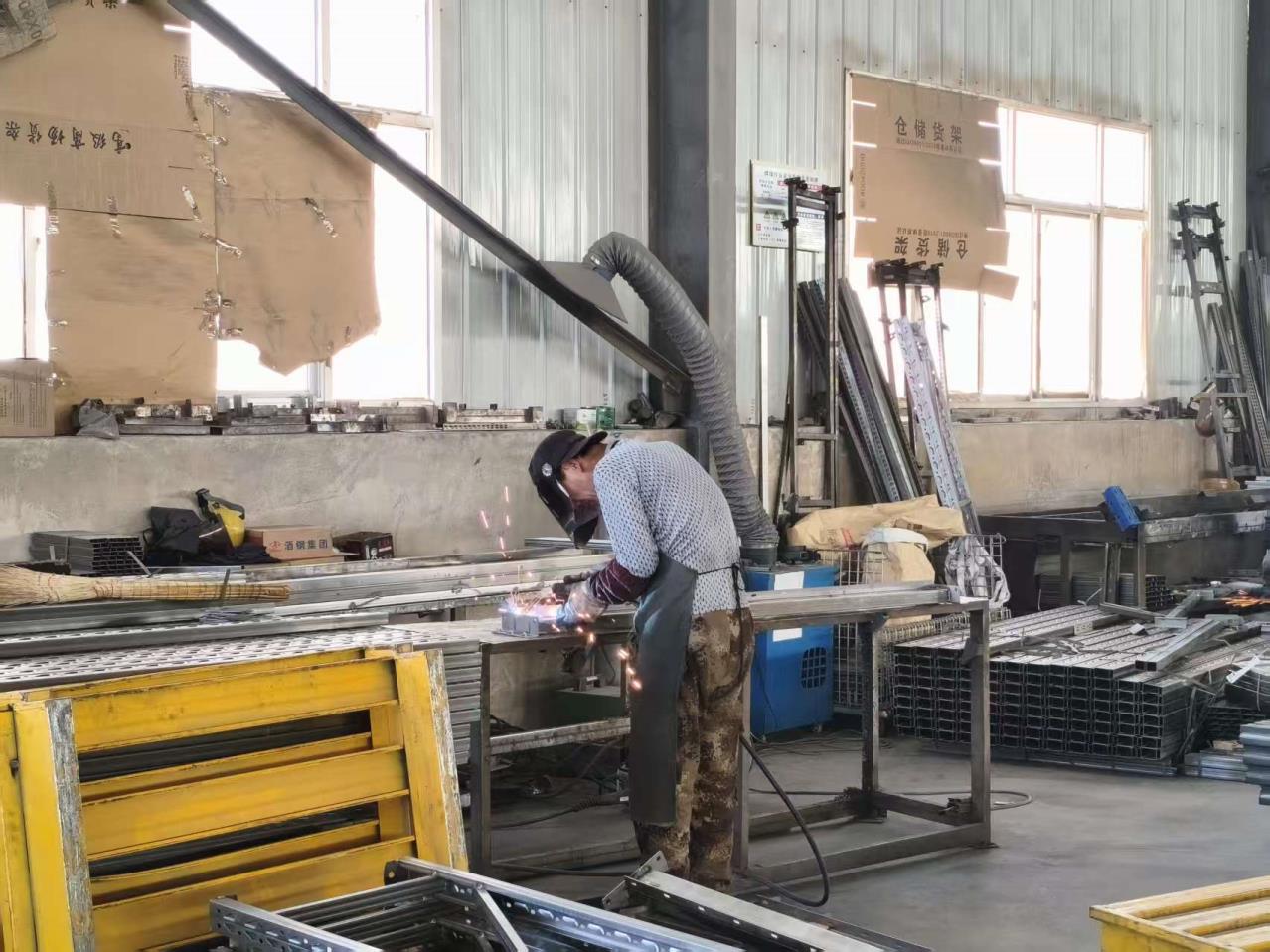
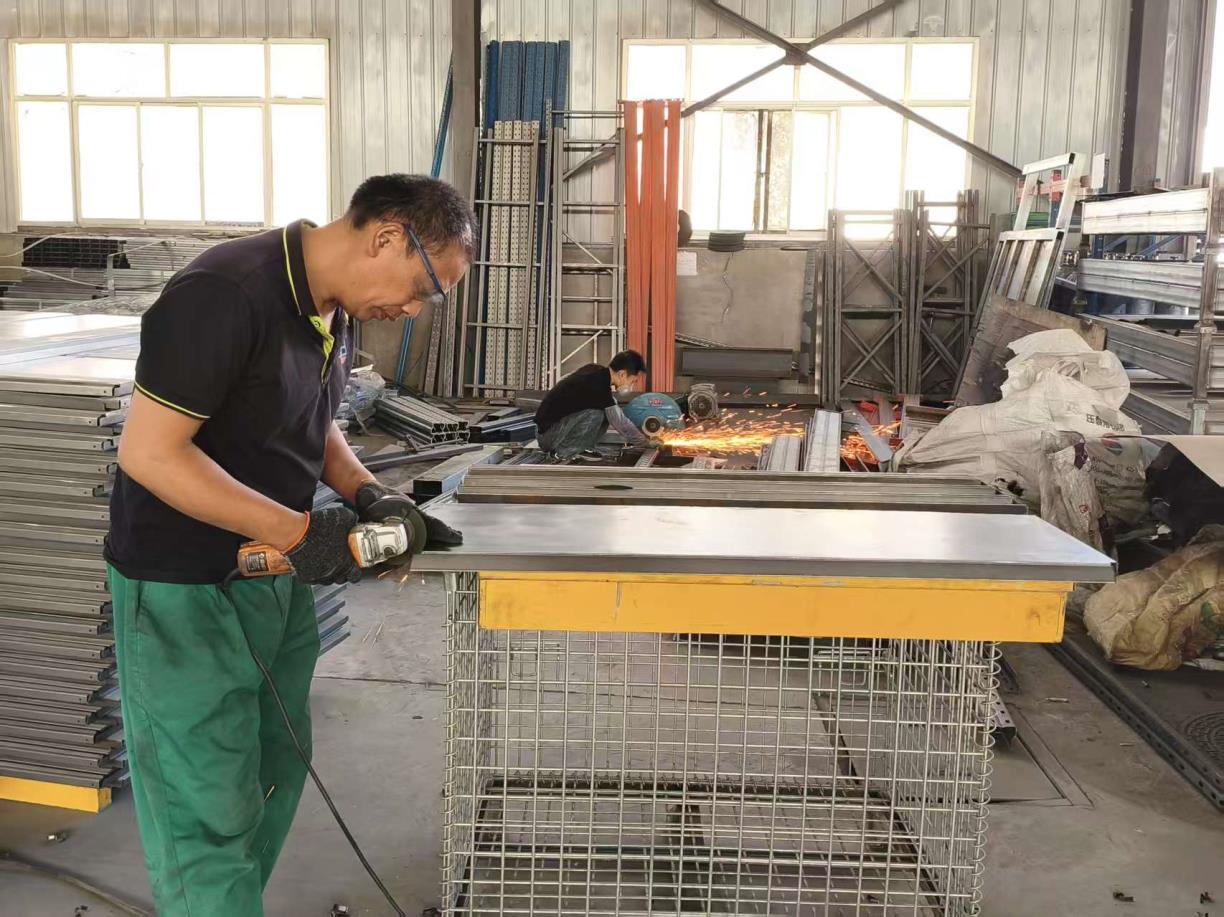
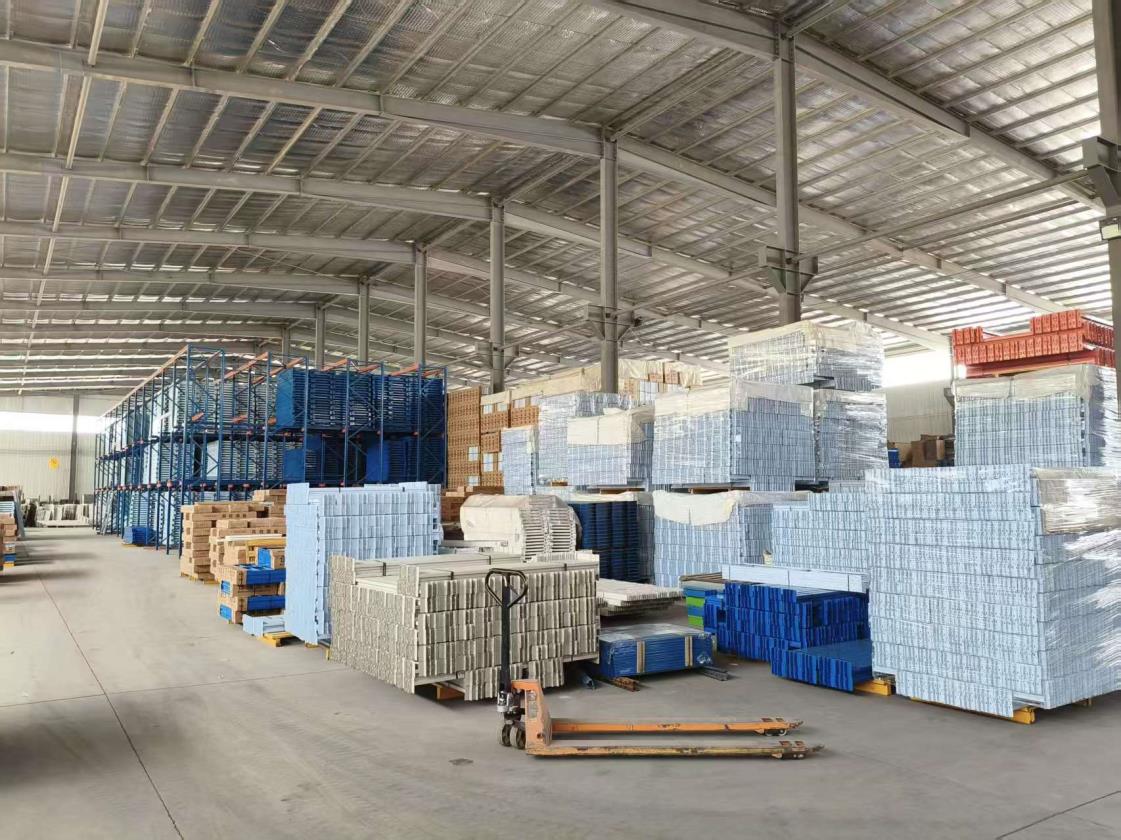
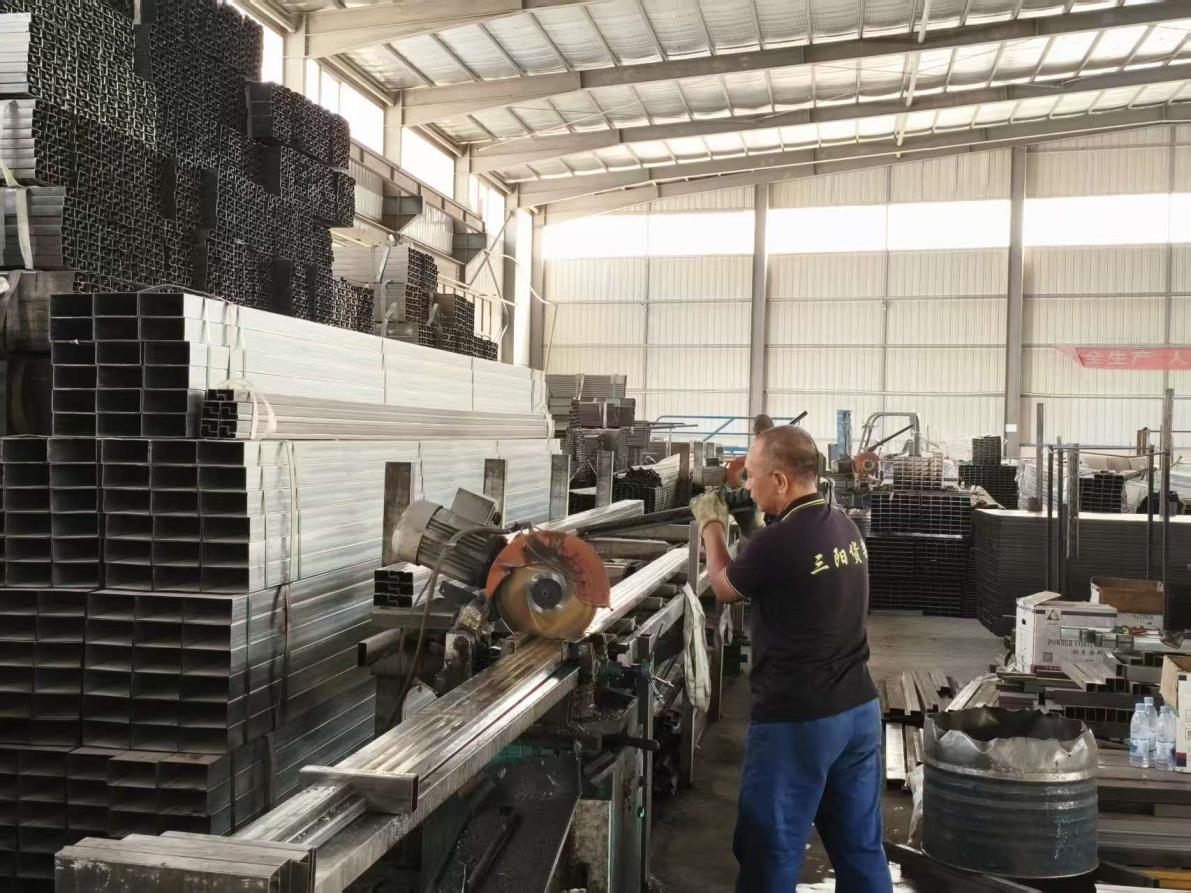
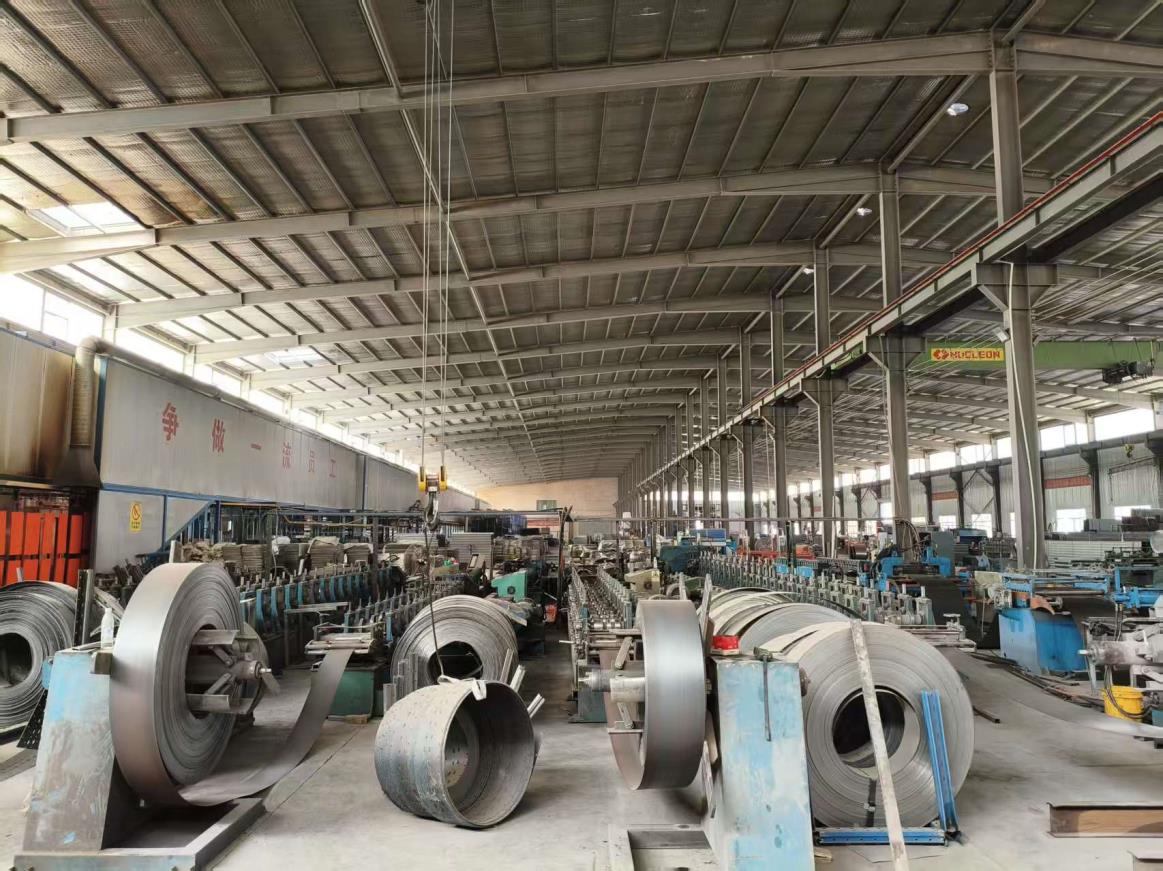
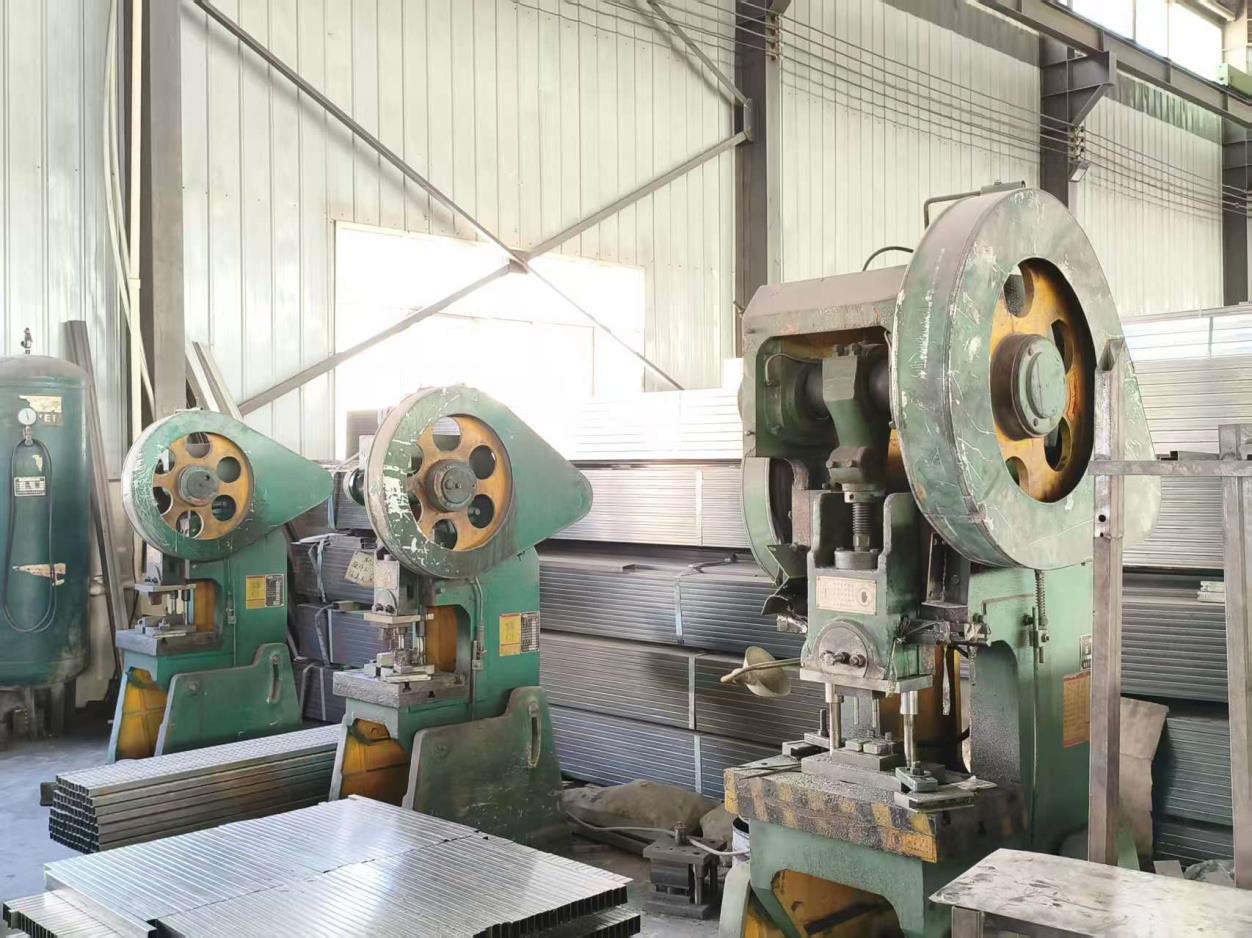
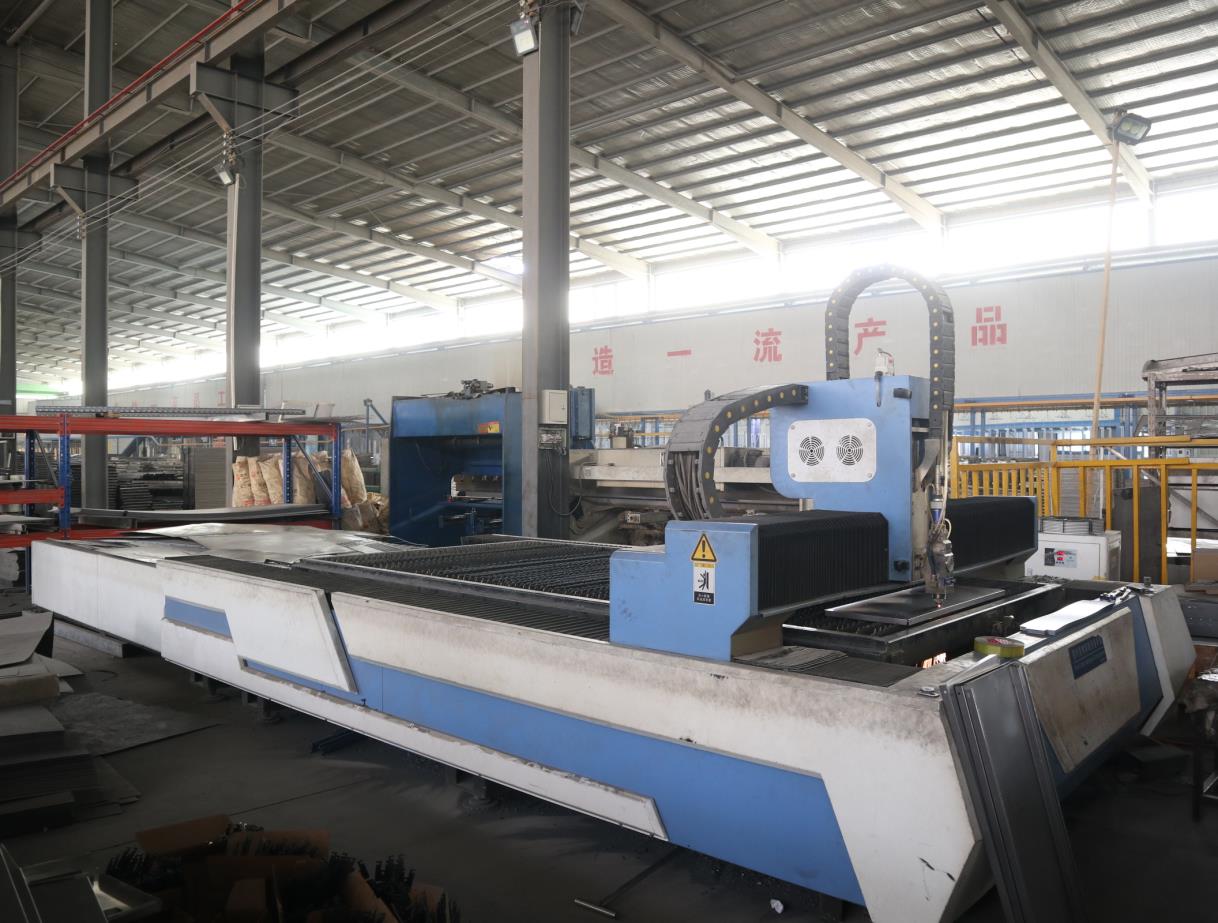
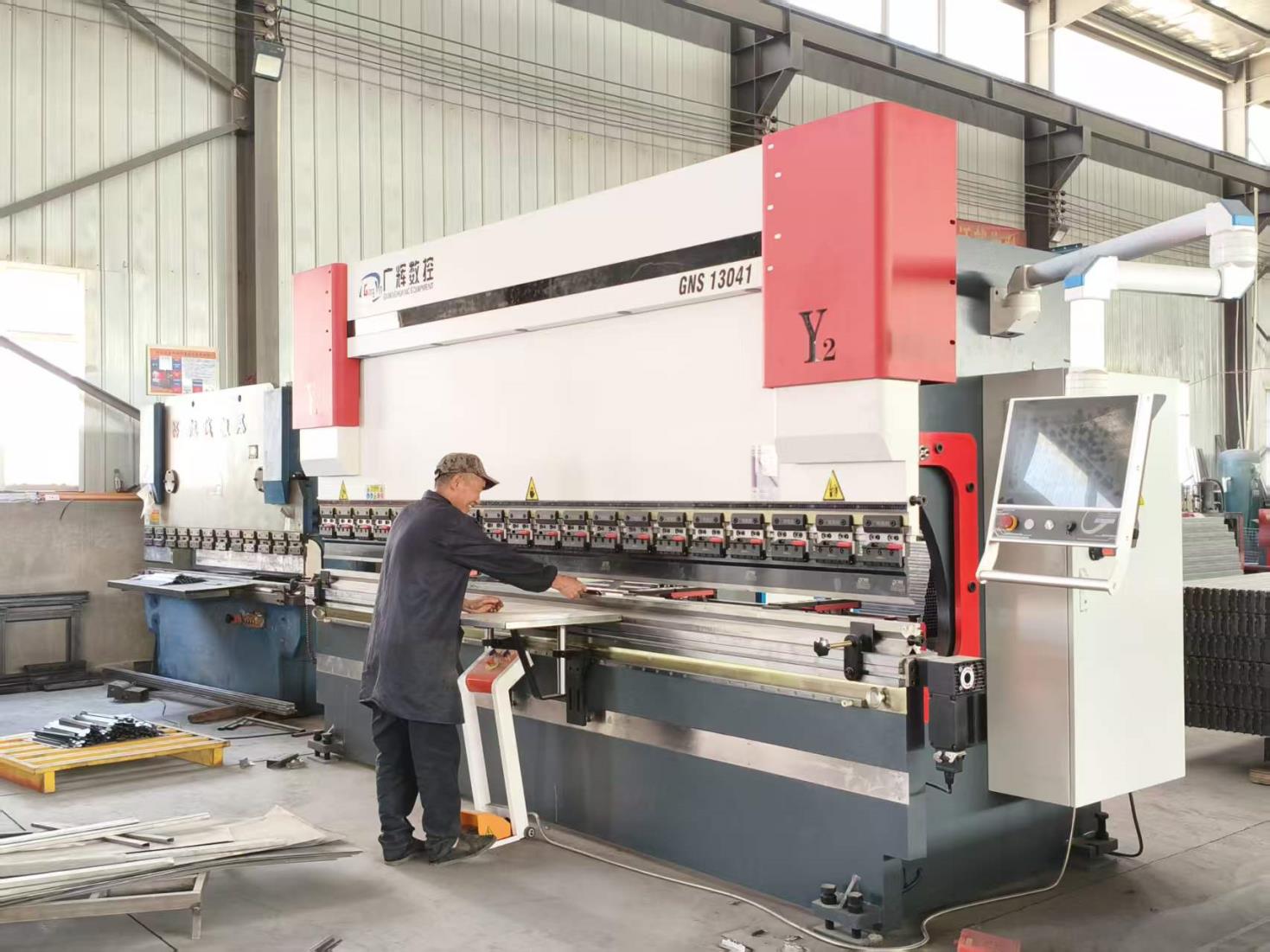
Established in 2015, Shenzhen Sanyang Storage Equipment Manufacturing Co., Ltd. is a leading manufacturer specializing in heavy-duty industrial pallet racking, warehouse shelving systems, and automated material handling solutions. Located in Shenzhen, our modern facility spans a total building area of 38,000 m², equipped with advanced automated roll-forming machines, laser cutters, and robot welding lines.
With over 12 years of industry experience and 8 years of active export experience, Sanyang has expanded its international footprint, achieving an annual export revenue of $28 million USD. Our main overseas markets cover North America, Western Europe, Southeast Asia, and the Middle East, primarily serving global logistics hubs, e-commerce fulfillment centers, third-party logistics (3PL) providers, and large manufacturing enterprises.
Quality and precision are at the core of our operations. Supported by 35 full-time QC inspectors, we implement rigorous quality assurance protocols using ultrasonic weld flaw detection, coating thickness testing, and heavy-load stress tests to ensure strict compliance with ISO9001 and international FEM/ANSI safety standards. Backed by a strong OEM/ODM background and a robust network of 1,200 supply chain partners, we offer highly customizable options—ranging from custom dimensions and load capacities to specialized powder coatings and seismic-resistant structural designs.
Innovation drives our continuous growth. Our team of 18 R&D engineers focuses on developing high-density and automated storage systems, successfully launching 65 new products last year alone. Sanyang remains dedicated to providing safe, space-saving, and cost-effective storage solutions for our global clientele.
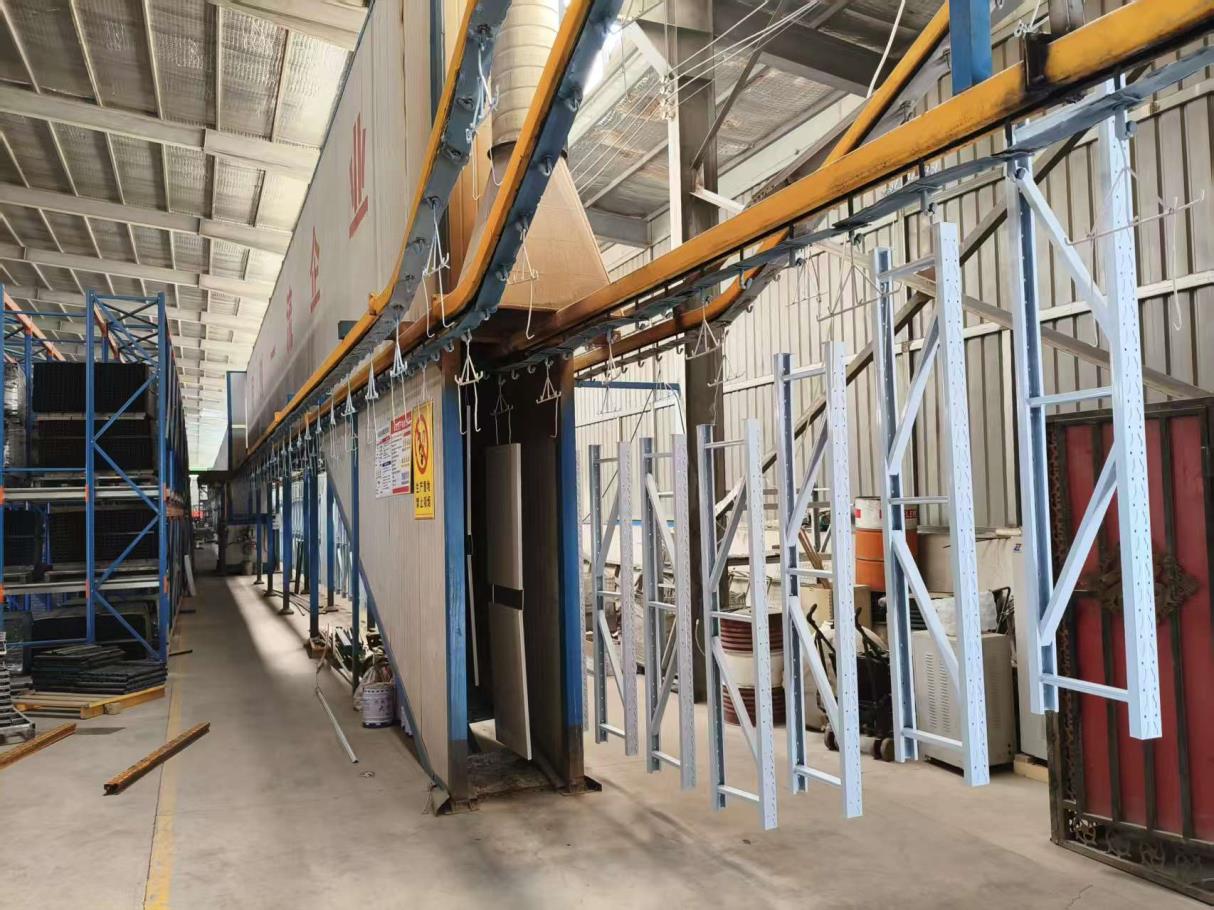
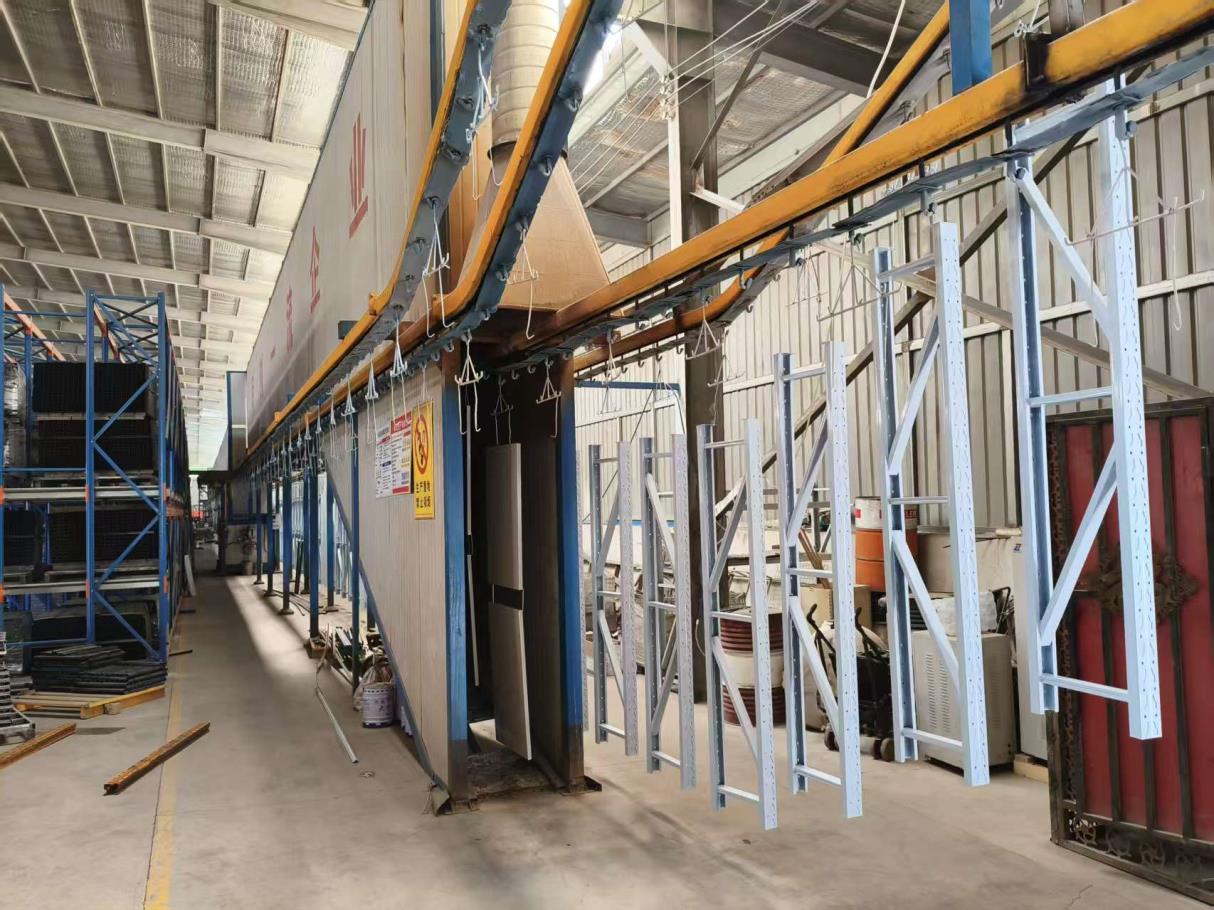
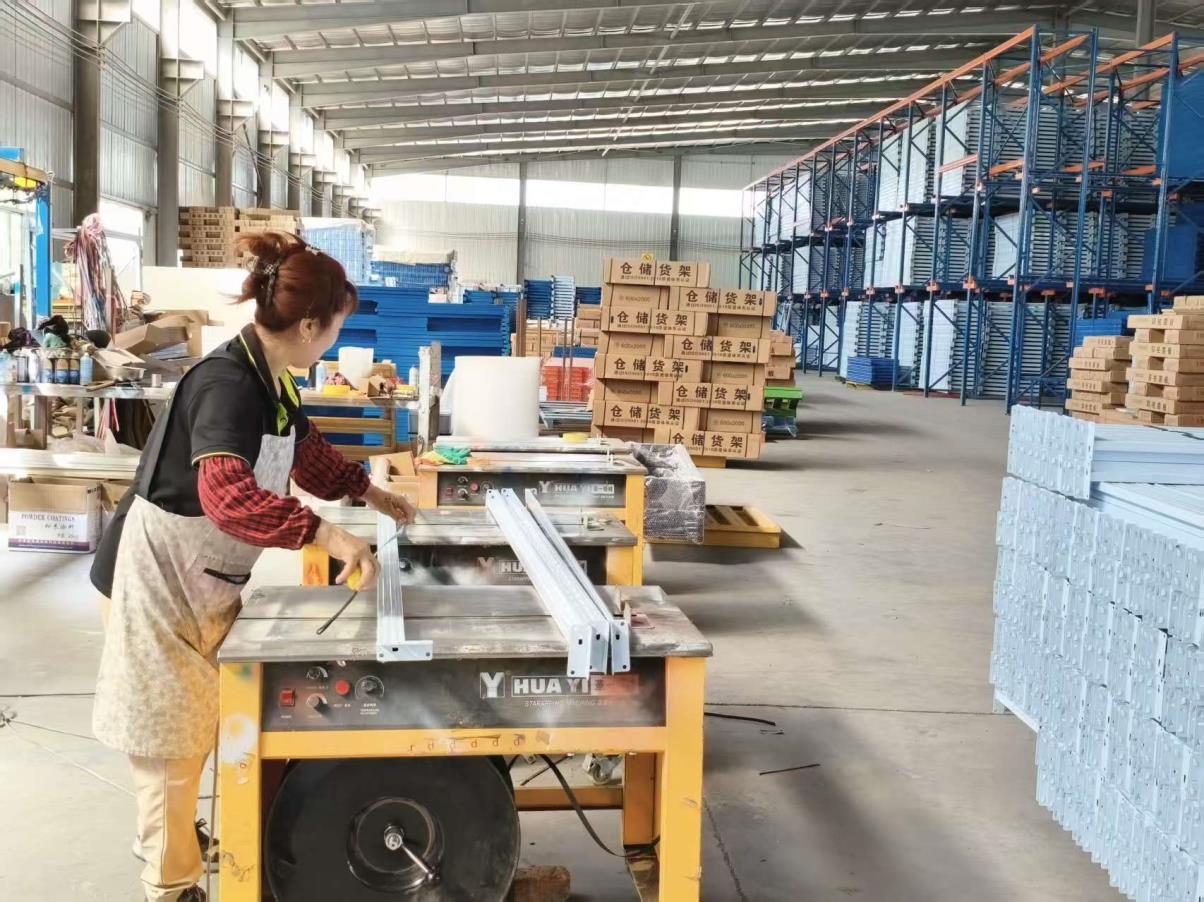
Every step of our process, from raw structural steel procurement to final electrostatic powder coating and inspection, is executed under strict quality management systems.
Adapting to Industry 4.0, Smart Logistics, and Globalized Safety Mandates.
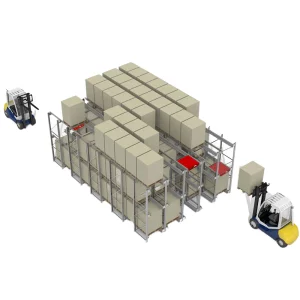
Modern distribution warehouses are transitioning from manual selective racking to dynamic Pallet Runner and Shuttle Racking platforms. These configurations reduce the necessity for forklift drive-in aisles, maximizing cubic space efficiency by up to 80% while significantly boosting worker safety and system throughput speeds.
Global logistics managers demand racking structures that comply exactly with EN 15512 (European standards) and RMI MH16.1 (North American specifications). Sanyang's products undergo finite element analysis (FEA) to withstand high wind loads, seismic movements, and potential mechanical impacts from forklifts.
In cold storages and chemical warehousing, standard paint will degrade. Our electrostatically applied thermo-curing powder coatings provide dense, uniform barriers against humidity, chemical exposure, and abrasion, prolonging structural lifecycle and structural safety.
Answering technical, structural, and procurement questions to support global engineering and supply chain managers.
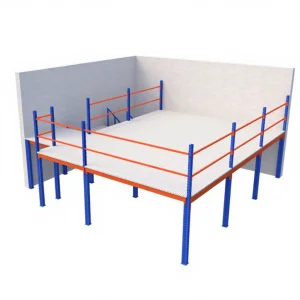
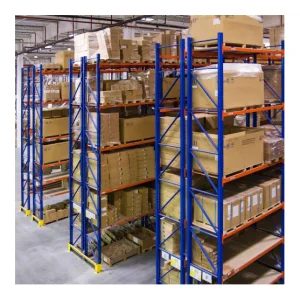
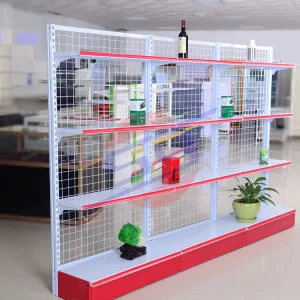
 Sanyang Racking