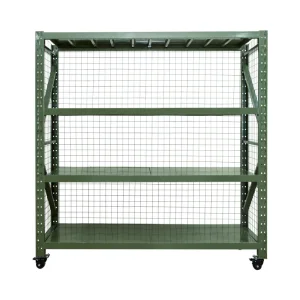
In the era of dynamic global logistics networks and micro-fulfillment paradigms, selecting structural warehousing hardware is no longer merely a procurement exercise. It is a critical variable in engineering operational efficiency, workplace safety, and bottom-line stability. As supply chains adapt to sudden market shifts and demands for rapid throughput, the structural reliability of transport racks and pallet configurations serves as the foundational infrastructure supporting these operations.
Shenzhen Sanyang Storage Equipment Manufacturing Co., Ltd. (Sanyang) represents the vanguard of engineering precision in material handling structures. Established in 2015 in the technological cluster of Shenzhen, Sanyang is structured around the principles of material durability, custom seismic designs, and high-density volumetric efficiency. Spanning a modern manufacturing footprint of 38,000 m², Sanyang combines automated raw material processes with highly specialized structural engineering designs to export top-tier systems across North America, Western Europe, Southeast Asia, and the Middle East. With an annual export valuation exceeding $28 million USD, our products conform to stringent global manufacturing standards, including FEM/ANSI guidelines and ISO 9001 regulations.
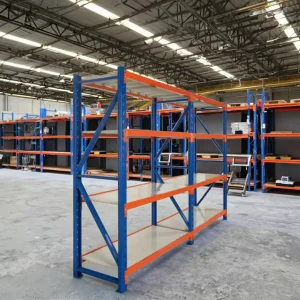
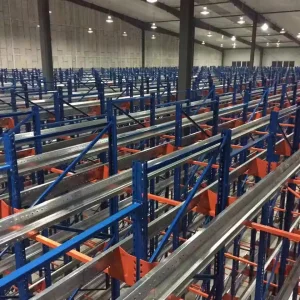
Industrial transport racks and heavy-duty storage assemblies are essential components of high-throughput supply chains. As urban land valuations continue to rise, warehouses are expanding vertically, requiring storage frames that can withstand immense static and dynamic loads. High-density structures must balance maximum spatial density with unimpeded selective retrieval capabilities.
Furthermore, modern warehouses are shifting from purely static configurations to dynamic systems like automated radio shuttle cars and semi-automated drive-in racks. These systems require precise manufacturing tolerances. Even a variance of a few millimeters in frame straightness or beam alignment can cause automated systems to stall, leading to system-wide bottlenecks. Sanyang addresses these challenges by using cold-rolled structural steel, robotic precision welding, and advanced layout simulations to ensure every component integrates seamlessly into complex logistics frameworks.
Our production floor combines automated machinery with manual quality audits. Explore the step-by-step process of turning structural raw steel into high-density industrial racking systems.
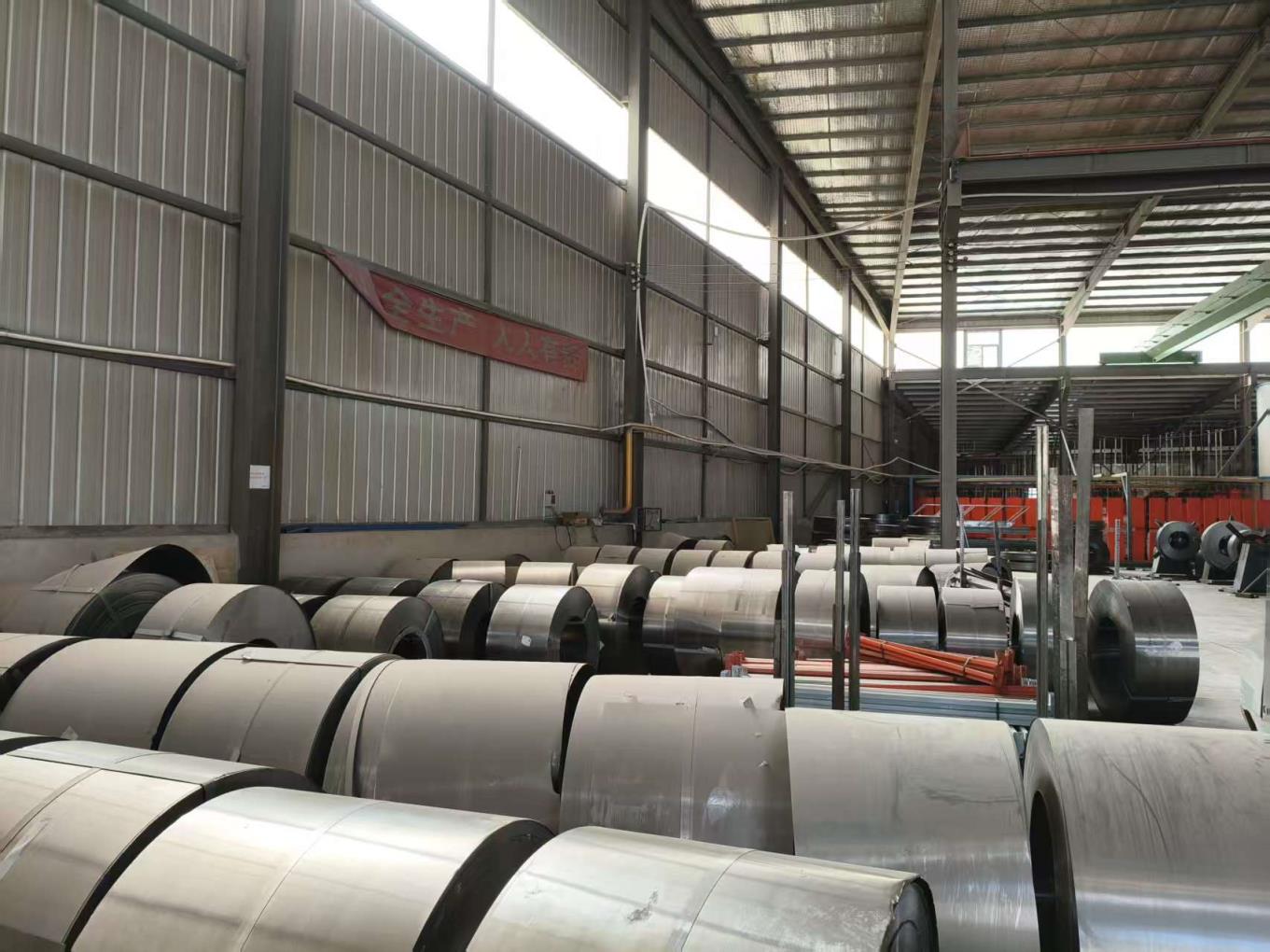
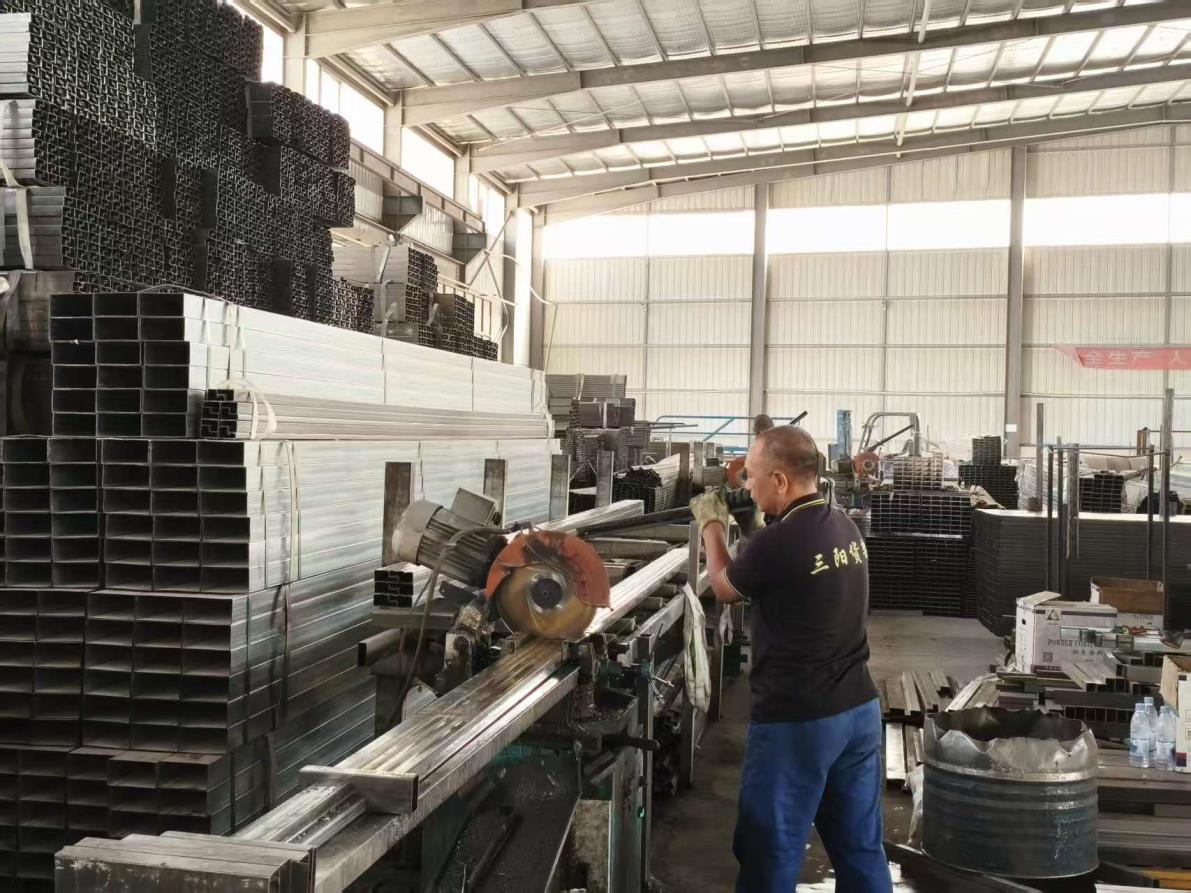
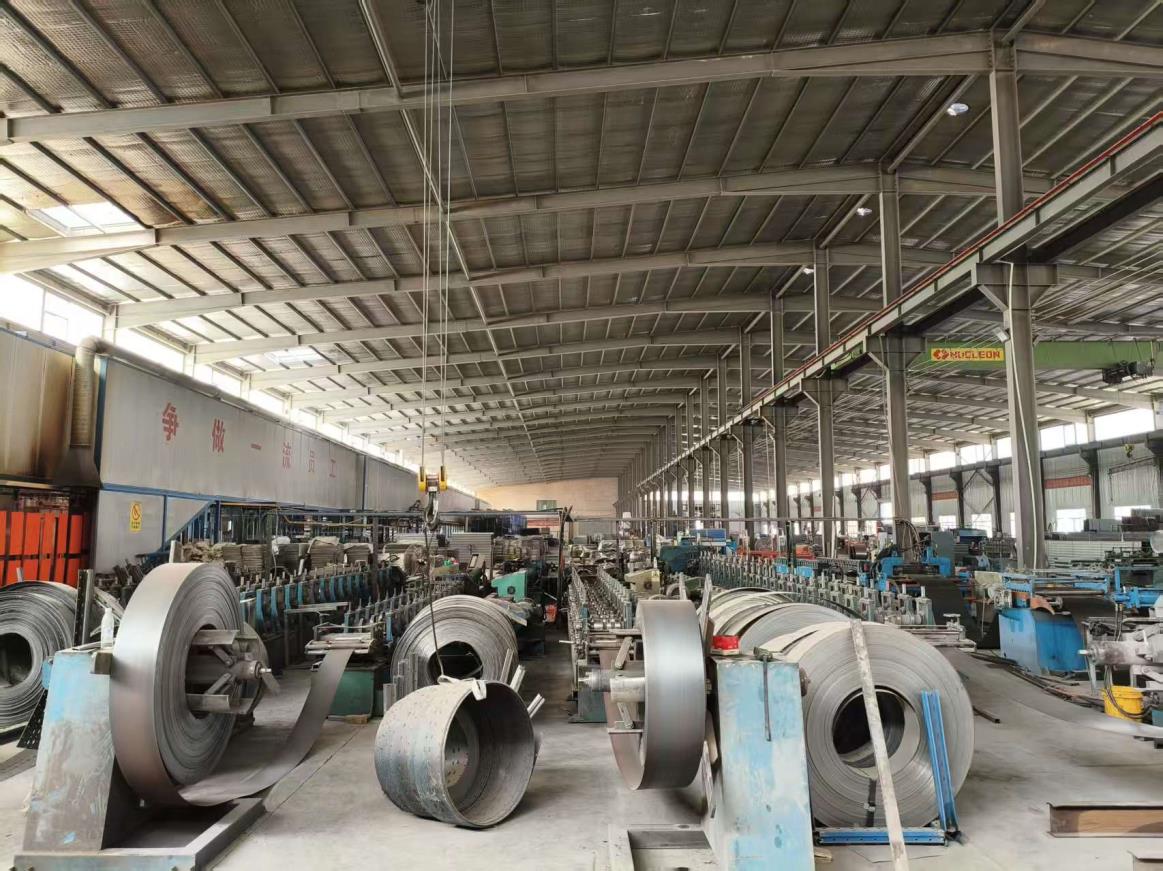
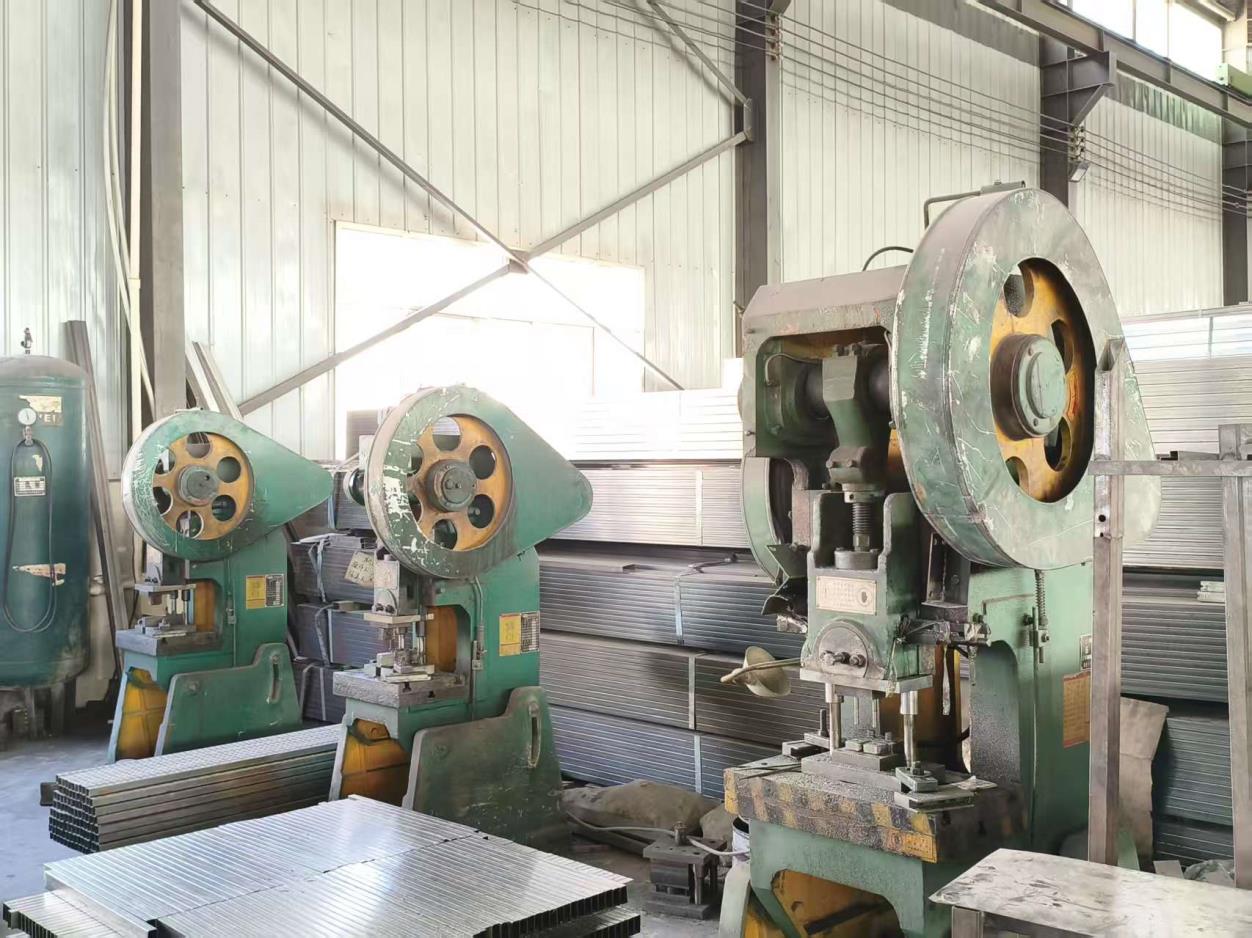
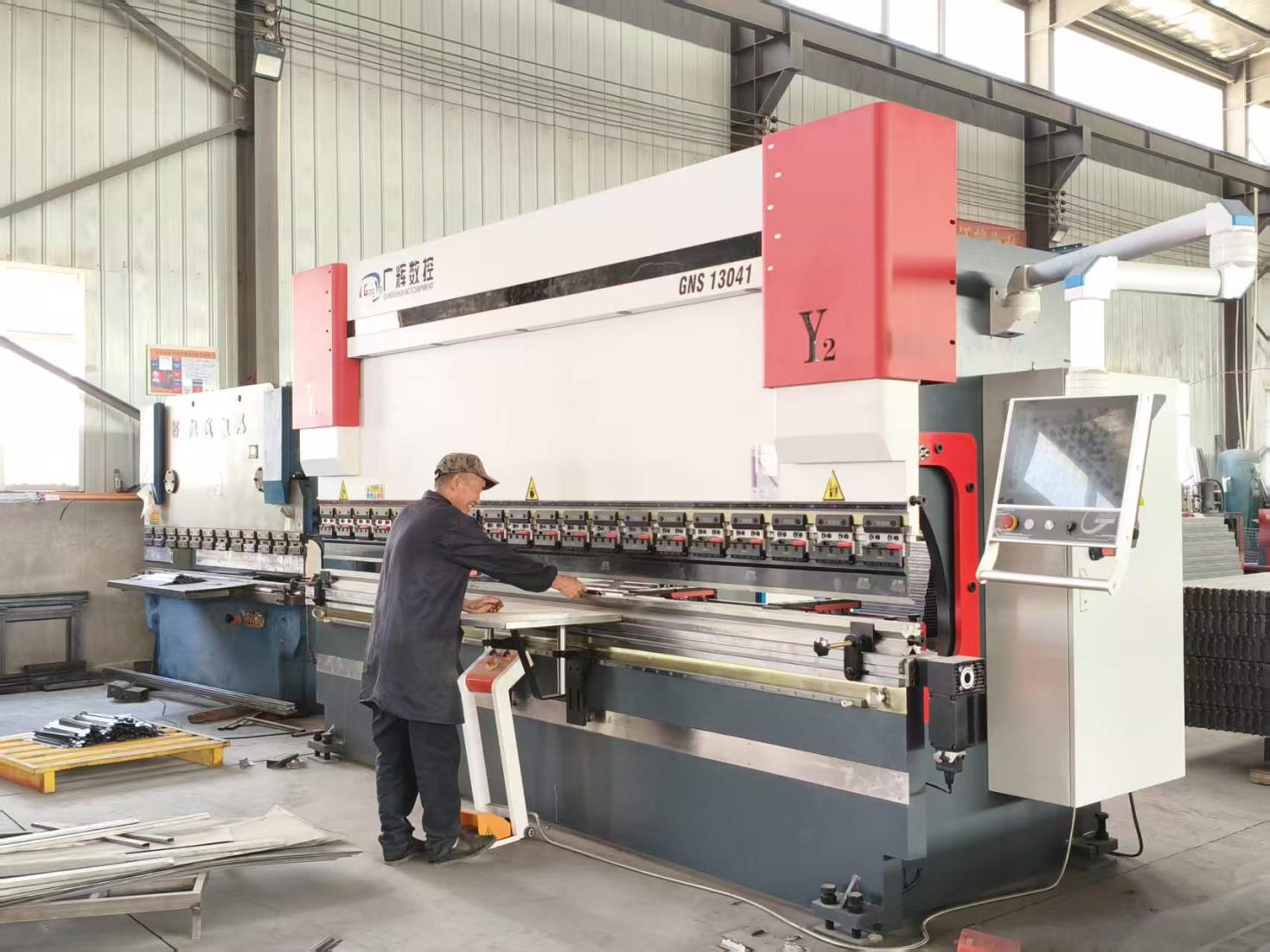
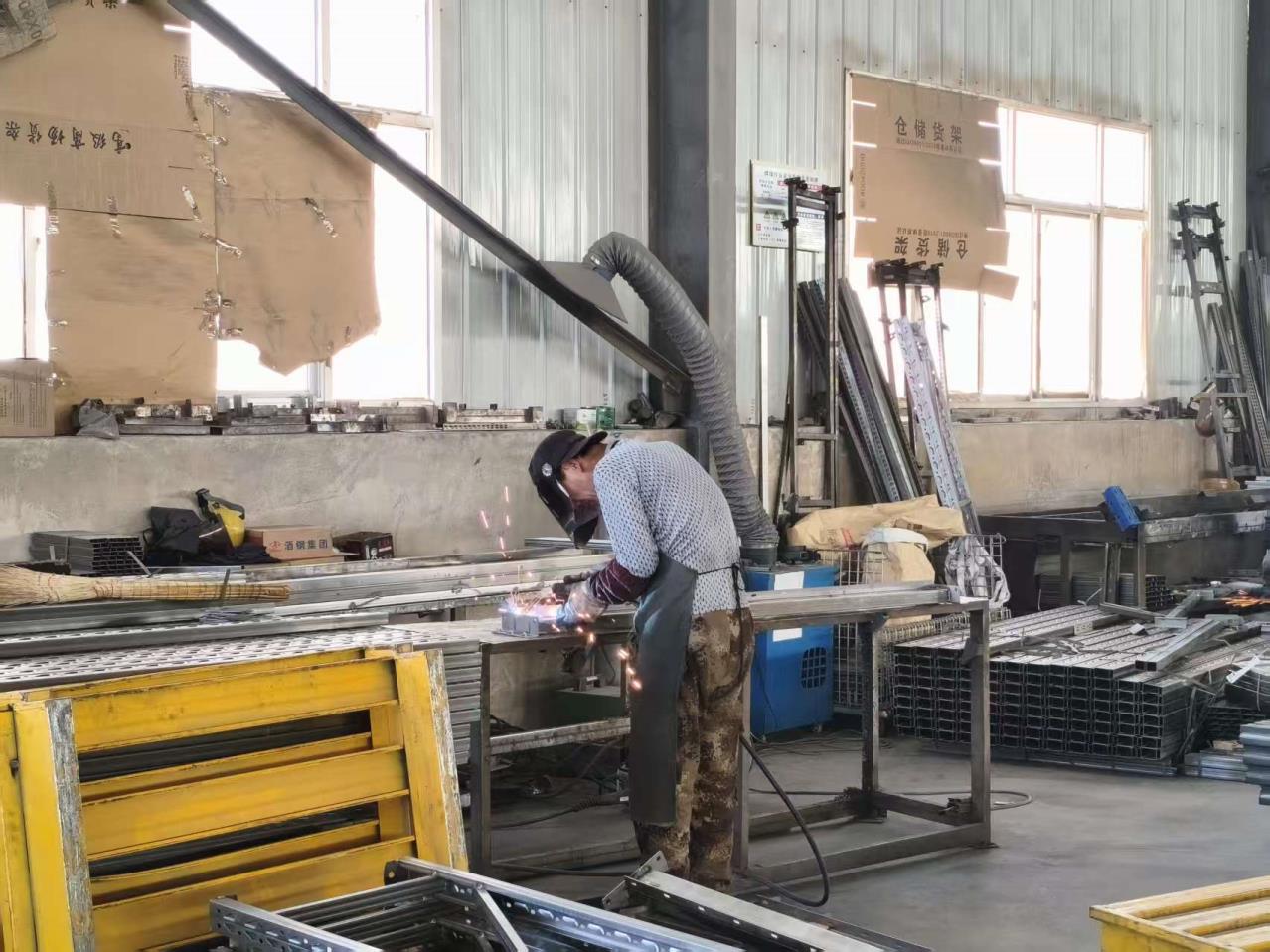
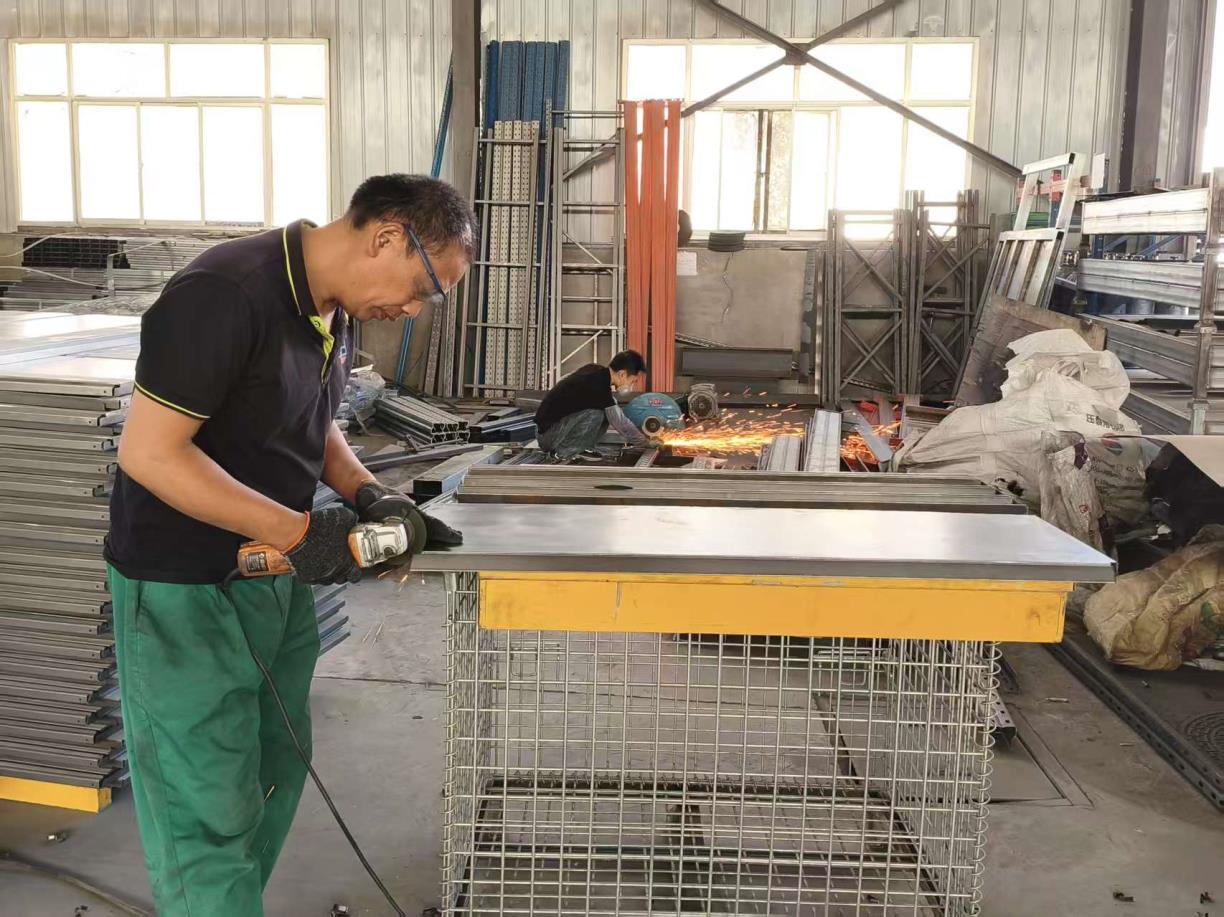
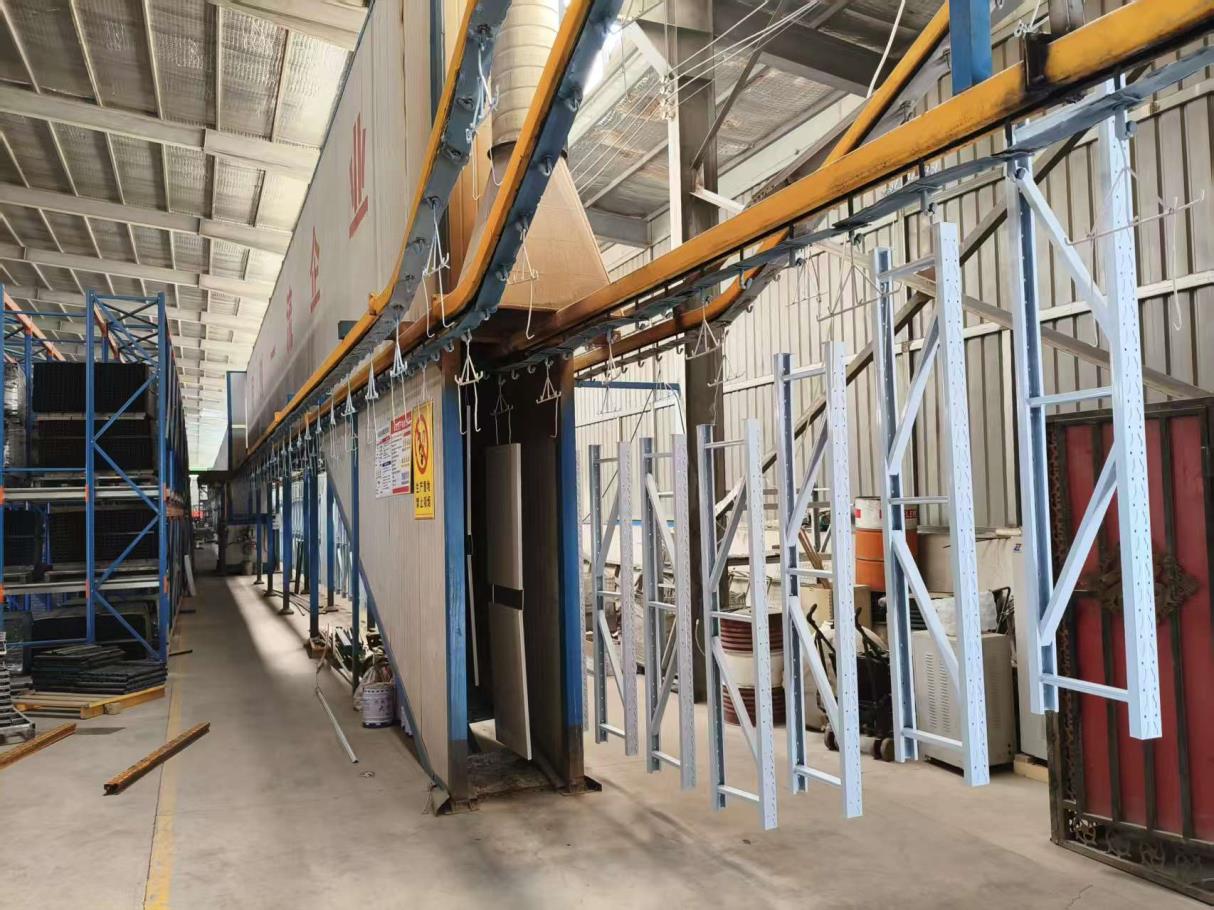
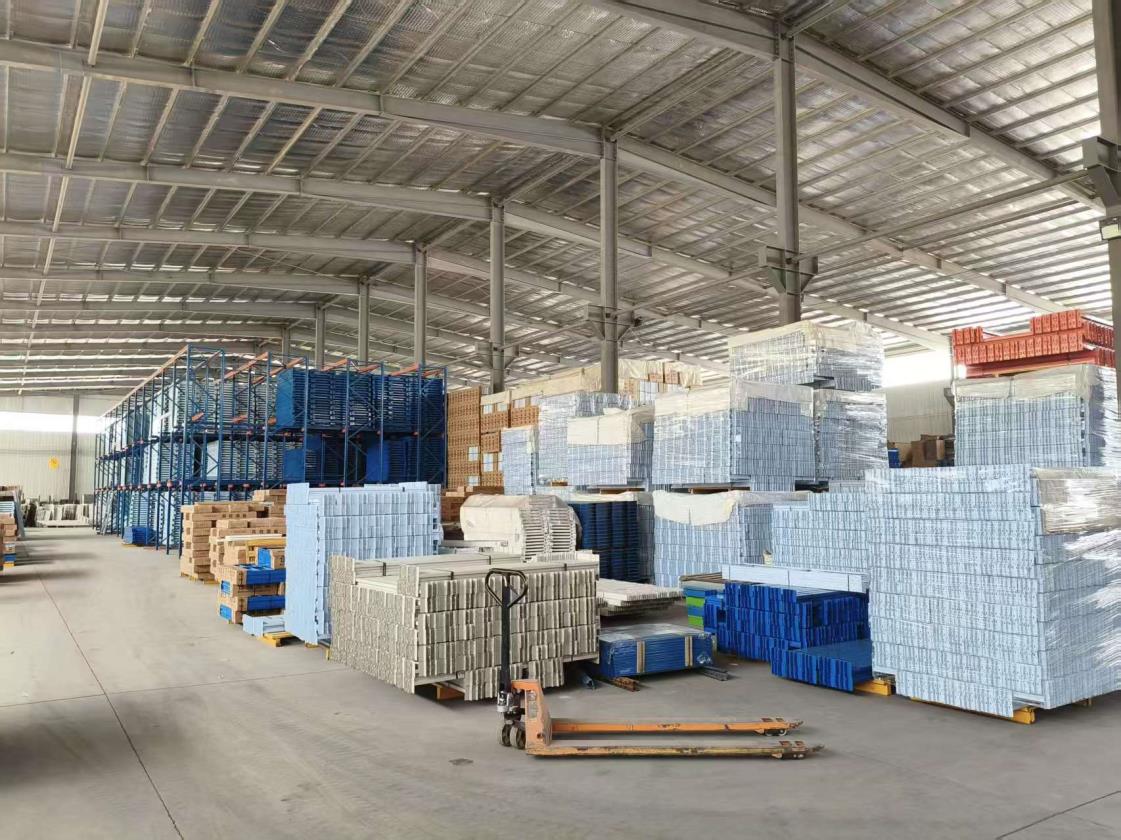
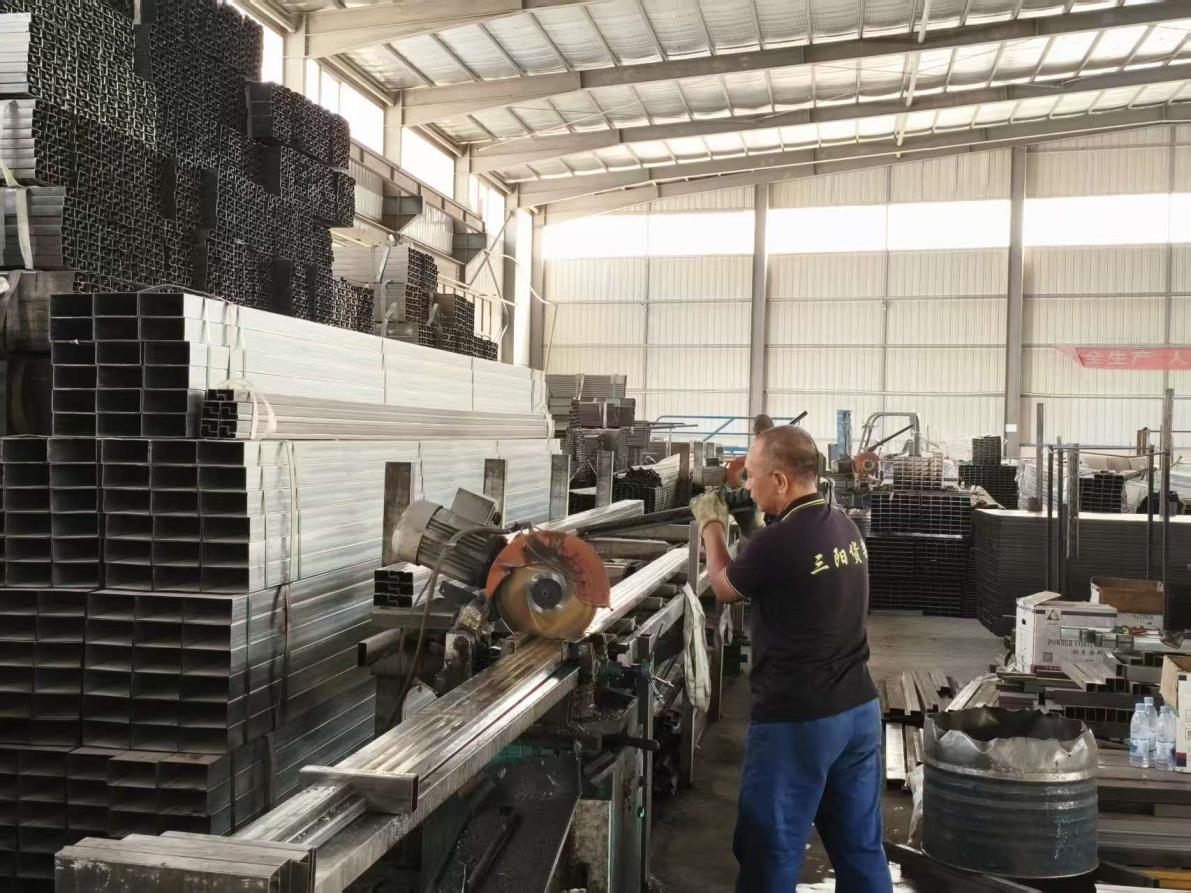
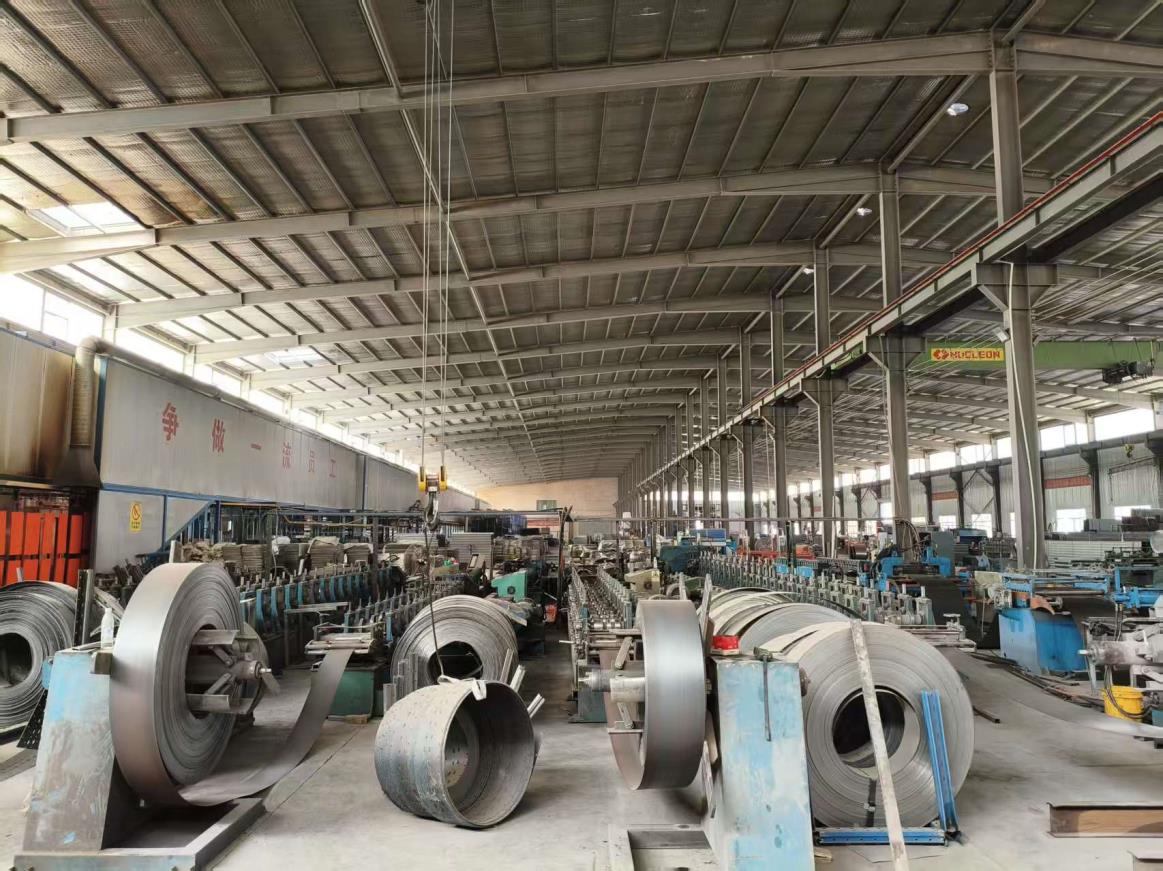
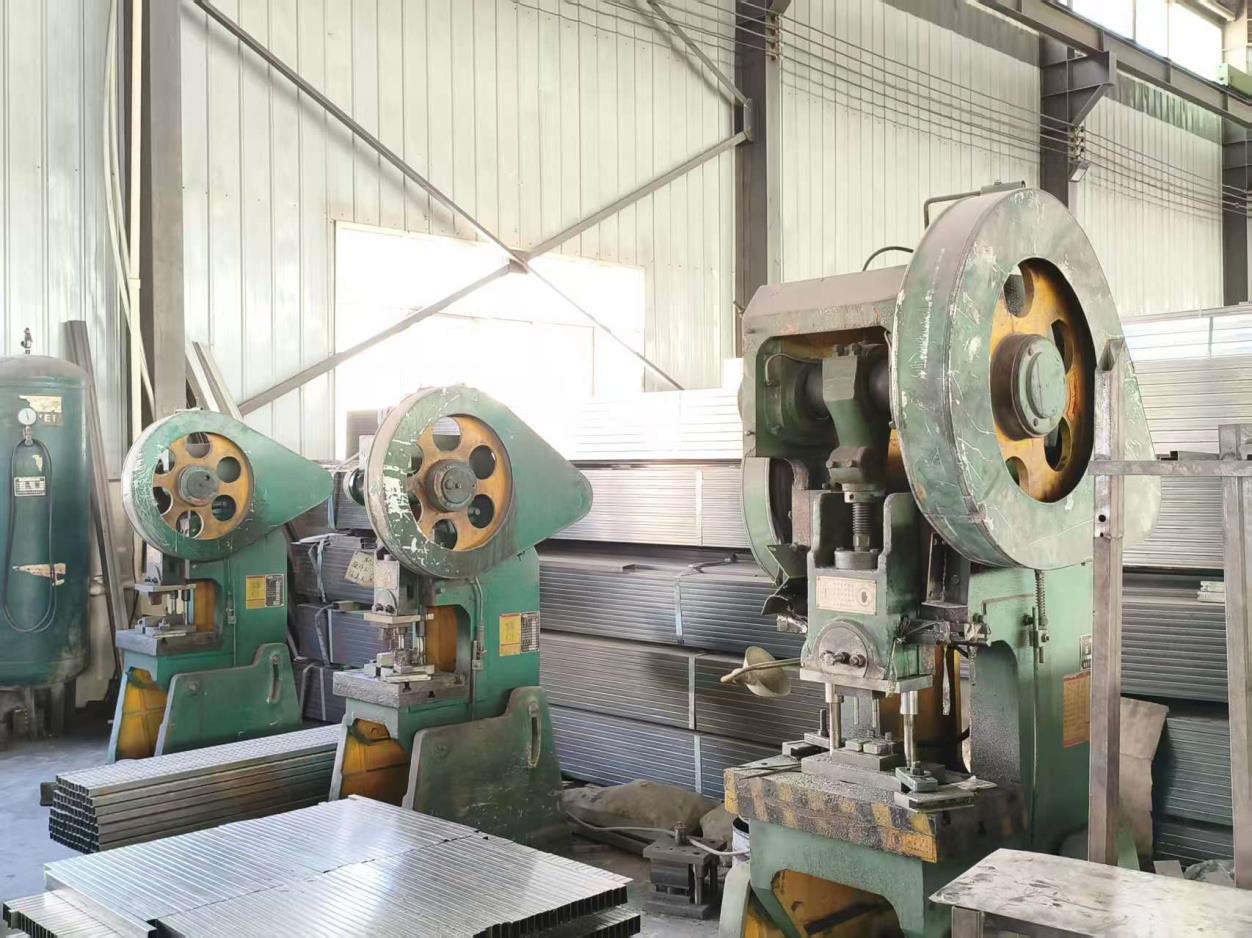
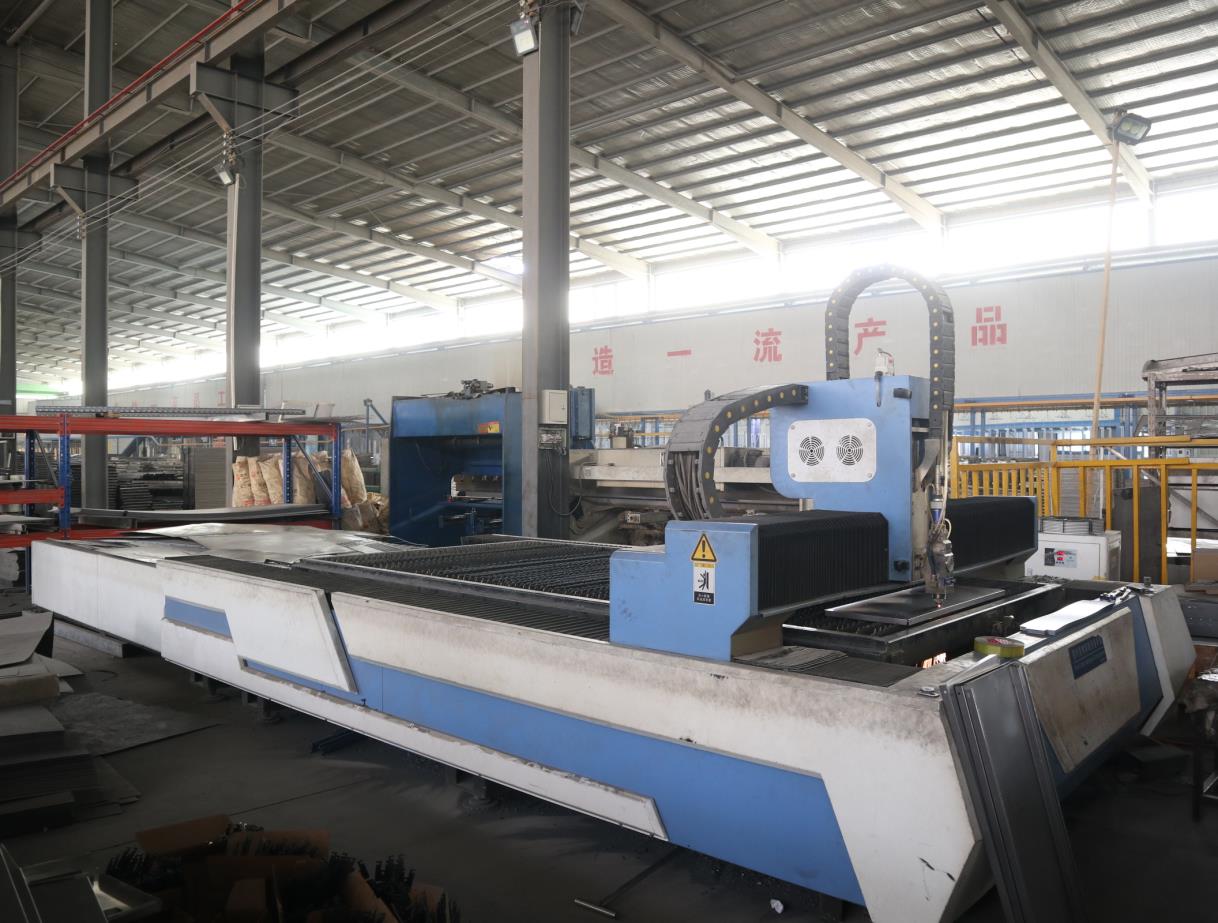
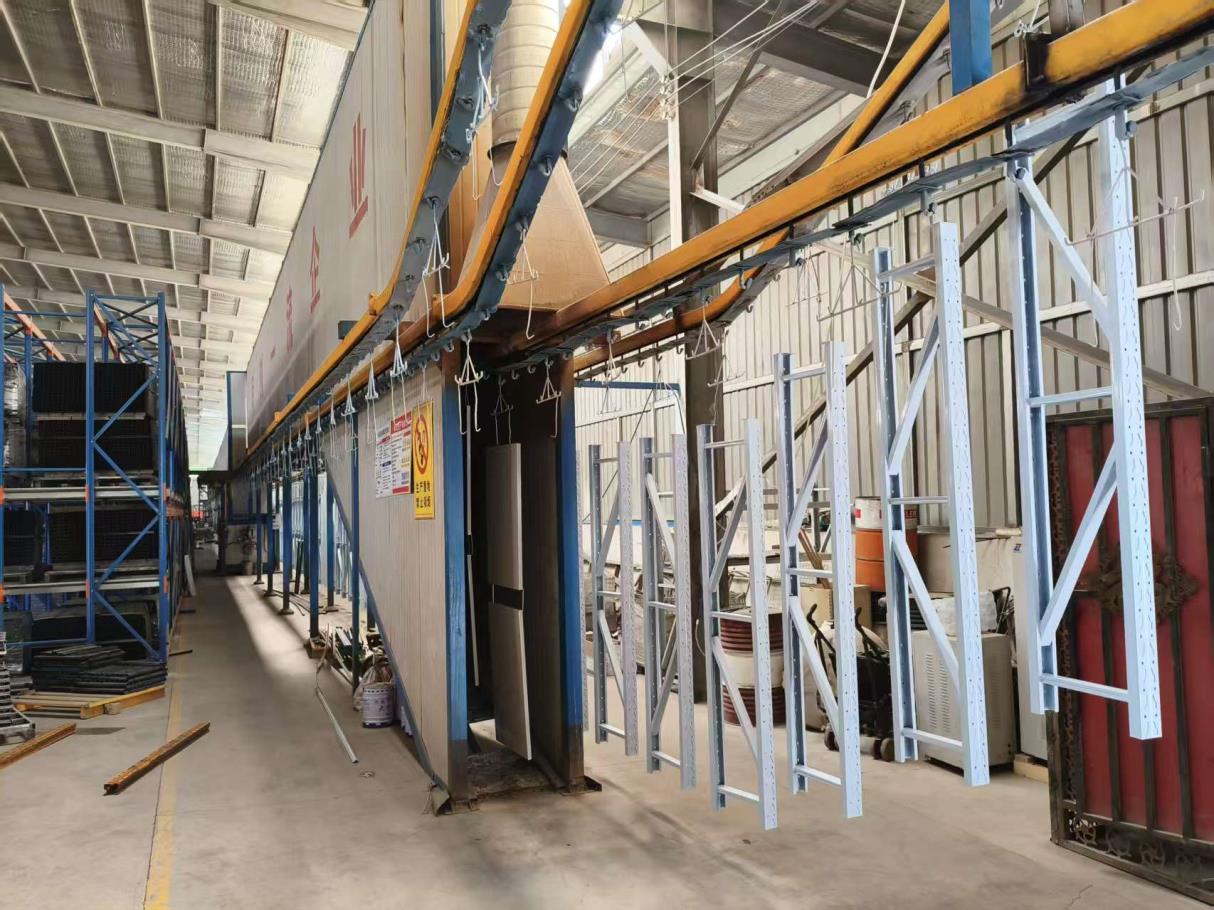
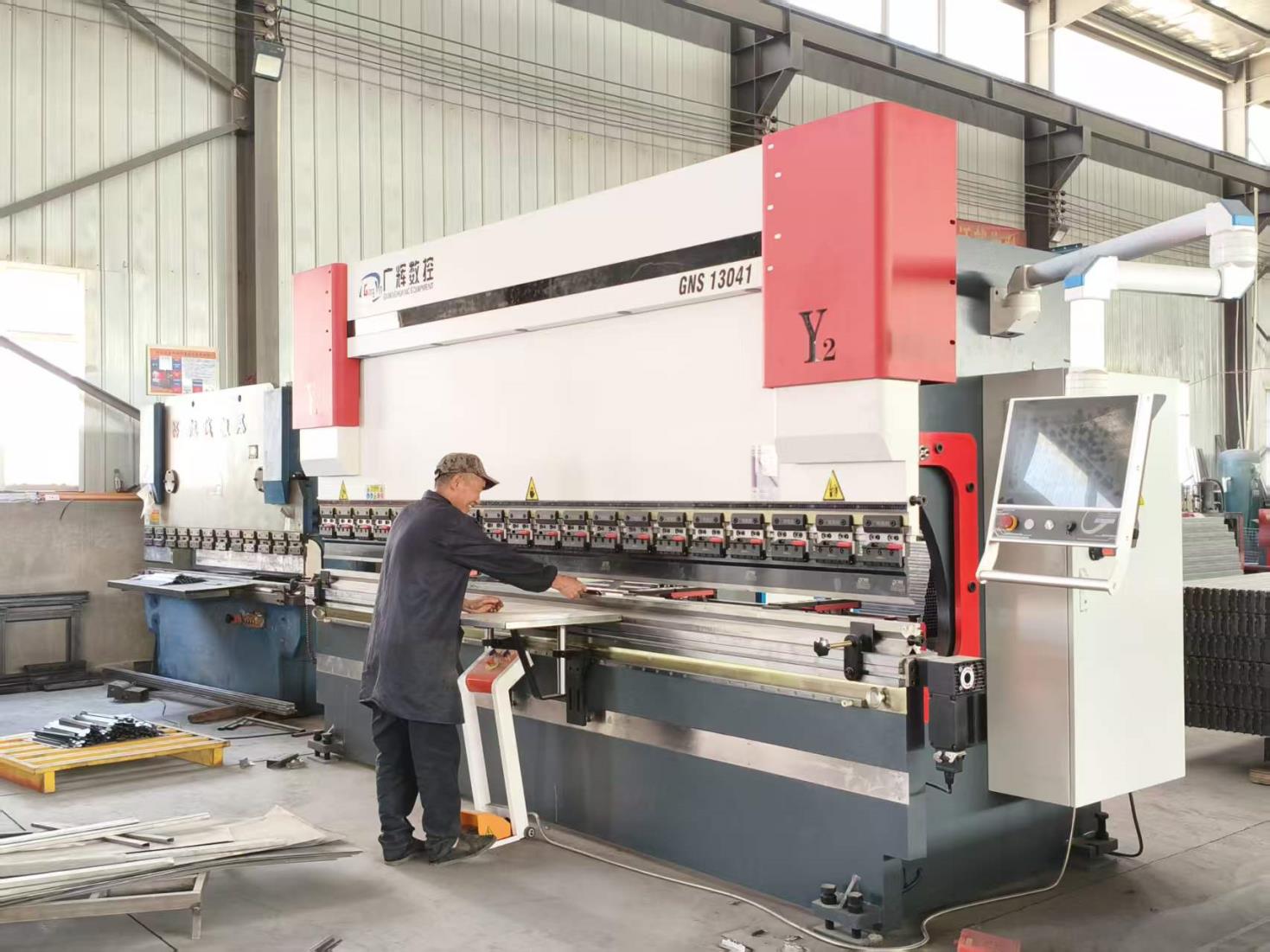
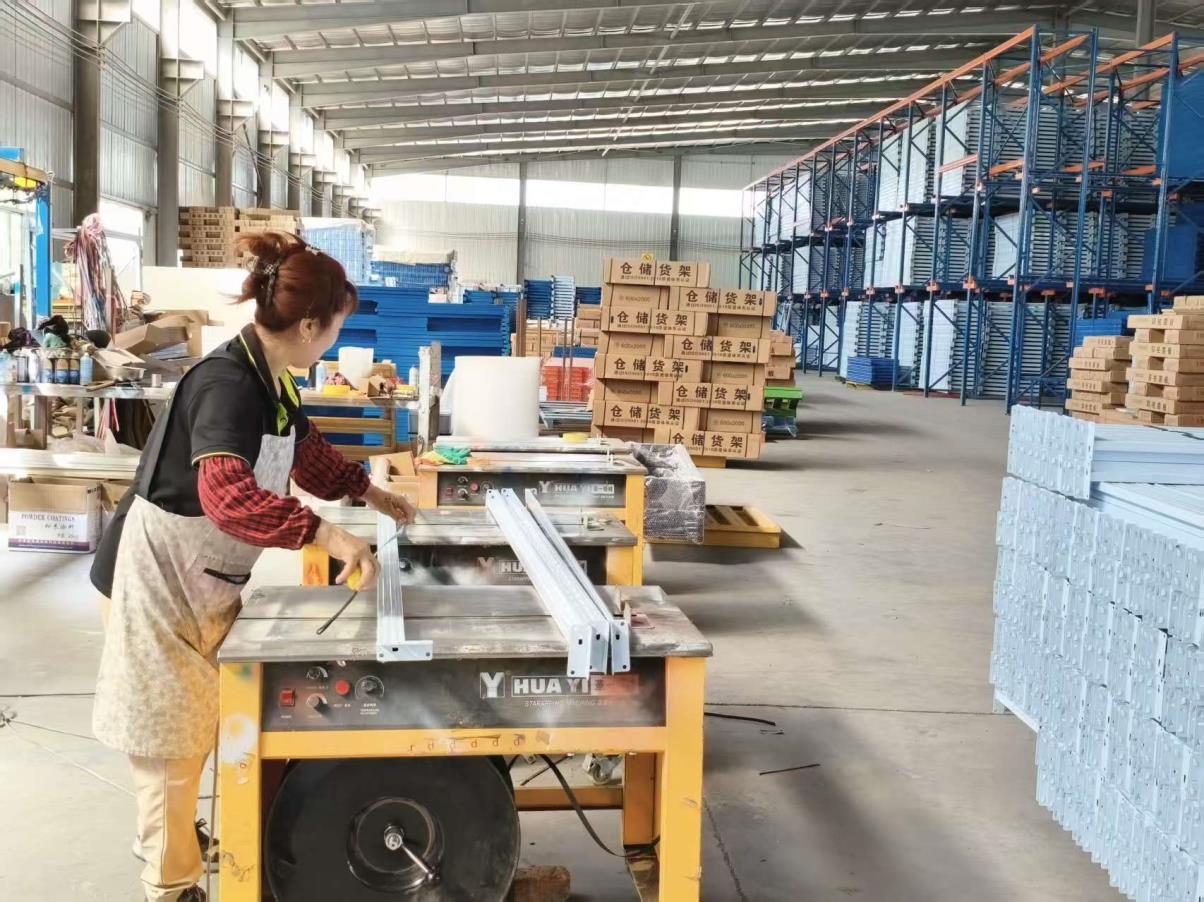
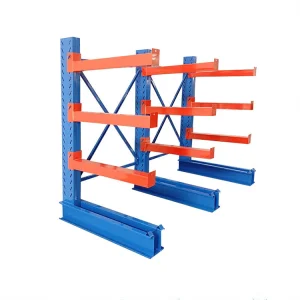
Our engineering department utilizes high-grade steel (Q235B and Q345B) to ensure excellent yield strength and elastic deformation thresholds. Structural parts, such as upright frames, box beams, and cantilevers, are sized using Finite Element Analysis (FEA). This allows us to simulate loading conditions, thermal stresses in cold storage environments, and seismic activities.
By optimizing roll-formed geometric profiles (including custom tear-drop, hexagonal, and multi-bend profiles), Sanyang minimizes overall material weight while maintaining load-bearing capacity. The mechanical integrity of our systems is verified through physical test procedures. These include testing structural connections, beam connectors, and floor anchorage details under ultimate load conditions.
For industrial environments, raw steel must be protected from oxidation and mechanical wear. Sanyang uses an automated electrostatic powder-coating line to apply epoxy-polyester coatings. These are cured under monitored temperature windows to guarantee high adhesion and impact strength.
For highly corrosive chemical facilities or humid port environments, we provide hot-dip galvanized finishes. These coatings create a thick zinc barrier that protects structural steel from corrosion, even when exposed to outdoor environmental hazards.
Safety is our primary concern. We employ a team of 35 full-time QC inspectors who utilize non-destructive testing (NDT) methodologies, such as ultrasonic weld flaw detection and magnetic particle testing, to inspect welded joints. Sanyang verifies the thickness of coatings with magnetic digital gauges and conducts load tests to ensure structural elements perform safely under tension and compression.
Operating across international borders requires strict compliance with varying engineering codes. In North America, Sanyang products conform to ANSI MH16.1 (Specification for the Design, Testing and Utilization of Industrial Steel Storage Racks) and comply with local municipal codes for seismic design categories D, E, and F. In Europe, our designs meet the requirements of FEM 10.2.02, which dictates safe deflection limits and dynamic factor tolerances for automated warehouse systems.
Furthermore, our manufacturing processes are ISO 9001 certified, and our products carry the CE mark, ensuring compliance with European safety regulations. By collaborating with international logistics networks and freight forwarders, we design our racking and transport components to pack efficiently into standard ISO shipping containers. This minimizes shipping costs and reduces the risk of in-transit damage.
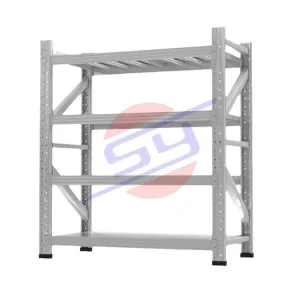
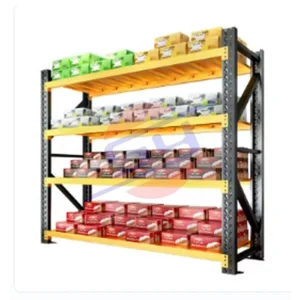
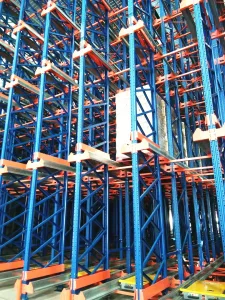
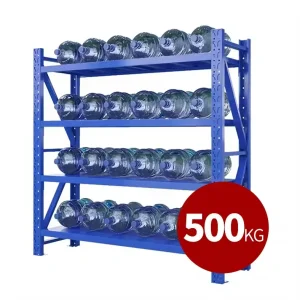
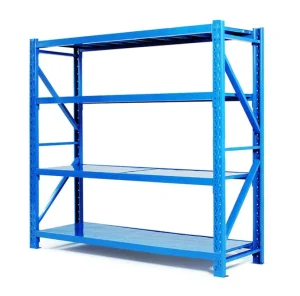
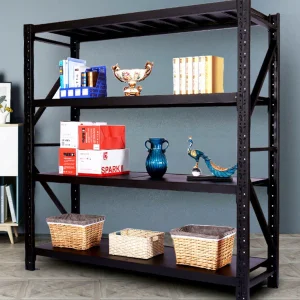
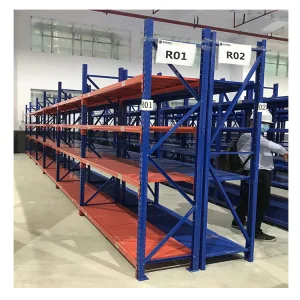
 Sanyang Racking