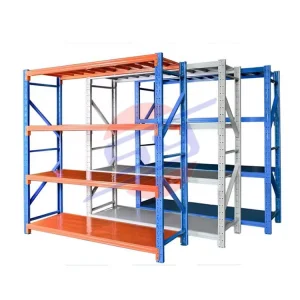
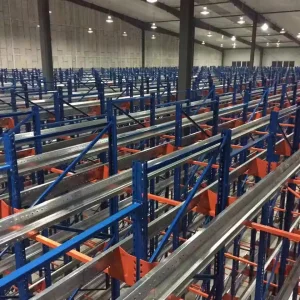
High-load capacities and structural integrity complying with global safety standards. Selected industrial storage frameworks from Sanyang.
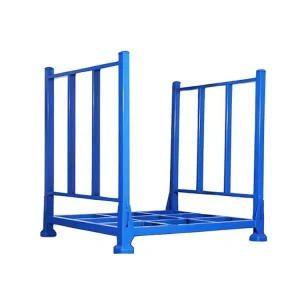
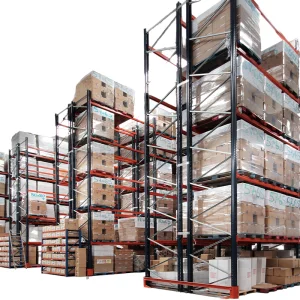
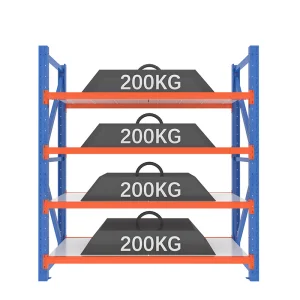
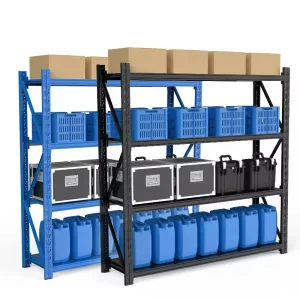
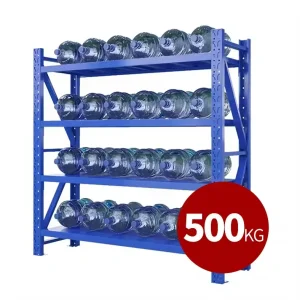
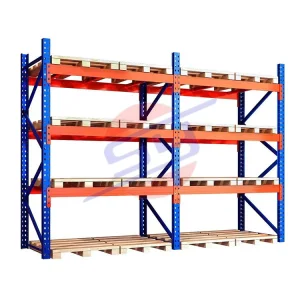
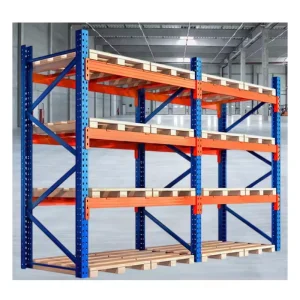
An analysis of market dynamics, engineering adaptations, and spatial efficiency imperatives driving the storage industry.
The global commerce sector has entered a hyper-dynamic phase, characterized by omnichannel supply chains, automated order processing, and a continuous push for footprint consolidation. In this ecosystem, the humble shelving unit and the complex pallet rack are no longer static assets; they are active components of system throughput. Structural steel and cold-formed profile shelving represent a primary structural subsystem of modern commercial buildings.
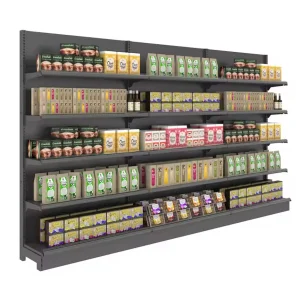
Historically, retail spaces focused on aesthetic presentation, whereas logistics terminals valued load durability. Modern supply chain operations have merged these roles, giving rise to hybrid-density retail spaces and micro-fulfillment centers. Modern retail environments are increasingly adopting heavy-duty architectures to hold dense buffer inventory directly in the front-of-house, a layout trend popularized by club stores and big-box operations. Consequently, raw material processing and mechanical engineering tolerances in steel fabrication must adapt to meet elevated dynamic and static loading criteria.
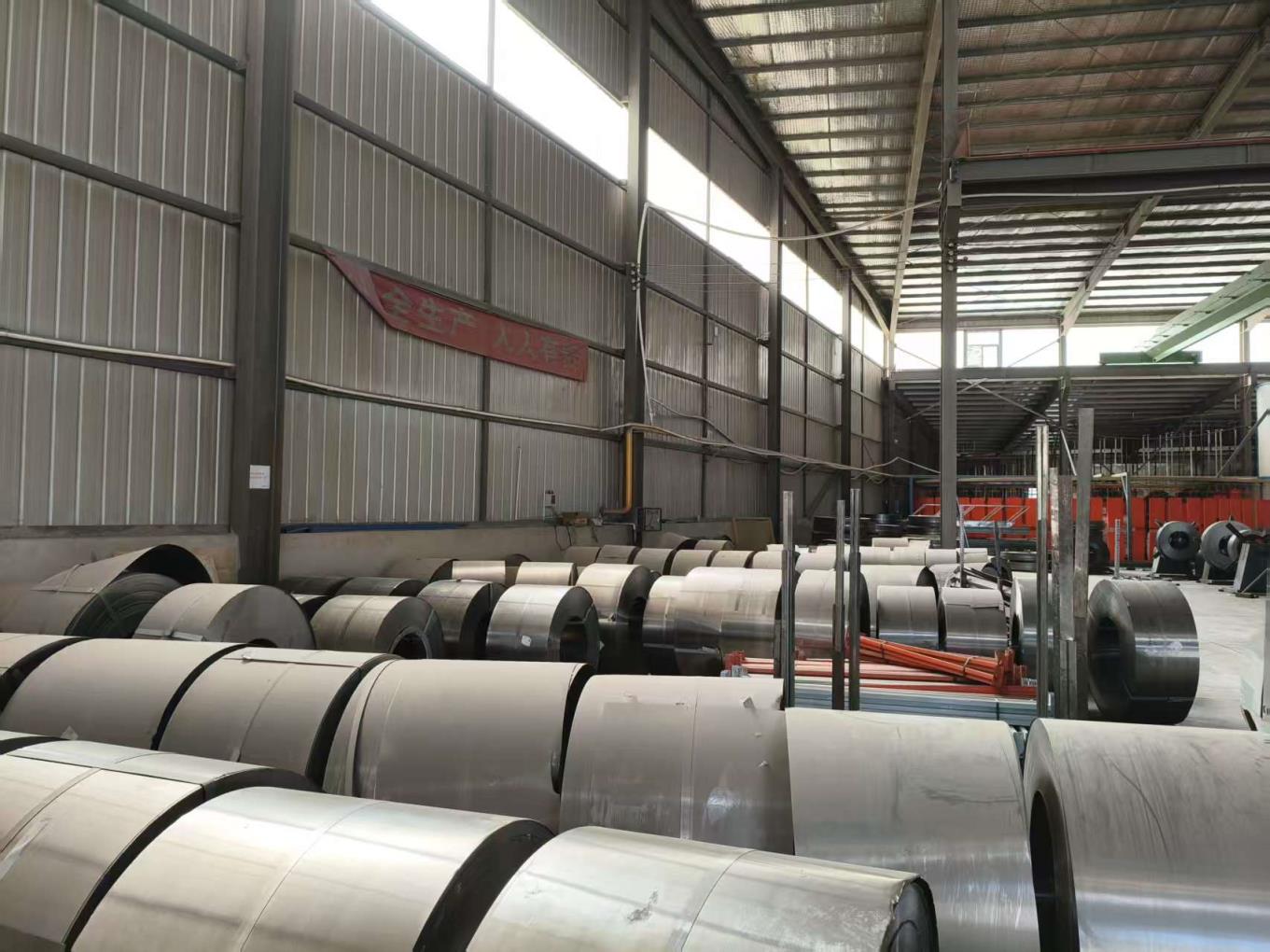
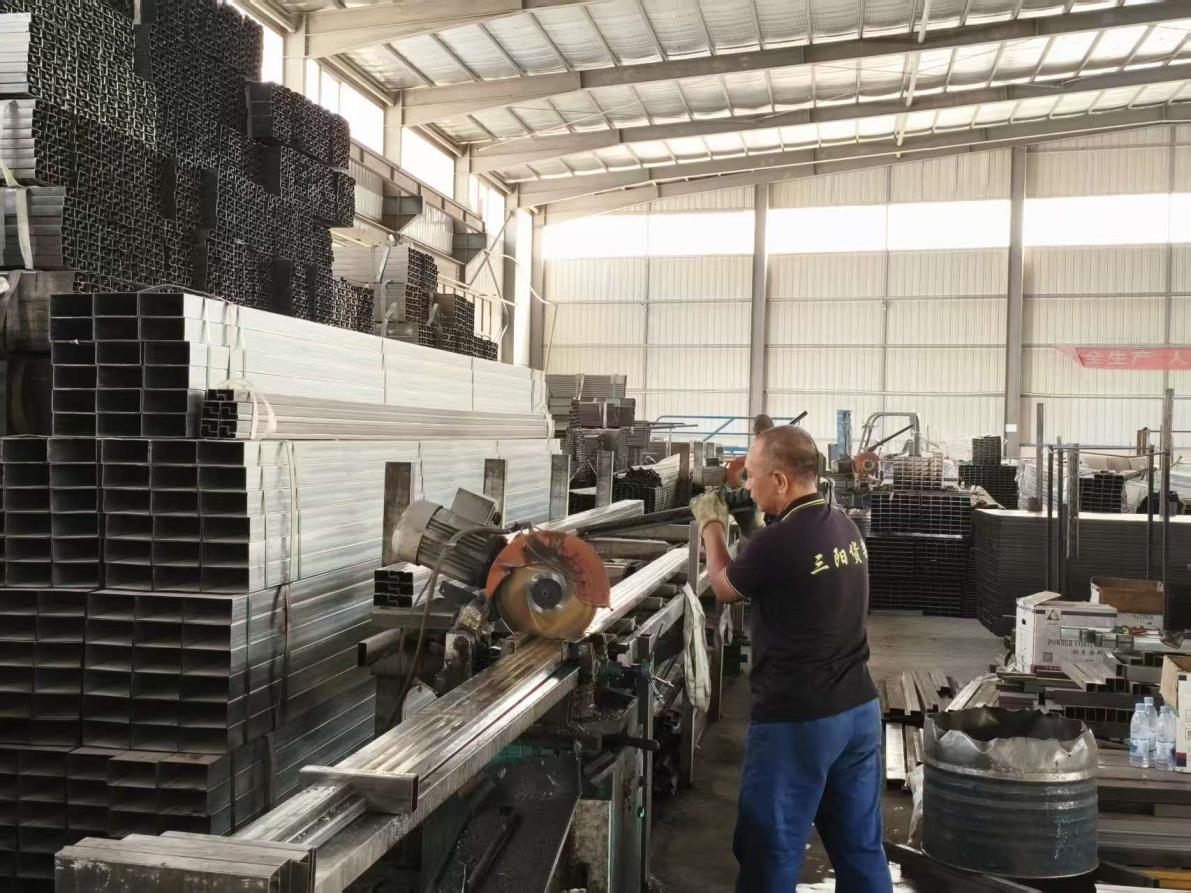
Utilizing high-tensile Q235B and Q345B steel grades ensures robust elastic recovery limits and yield strength values. Structural profiles are cold-formed to optimize load-to-weight ratios.
Structural assemblies feature custom-engineered column base plates, cross-bracing configurations, and heavy-duty frame designs designed to resist horizontal acceleration loads during seismic events.
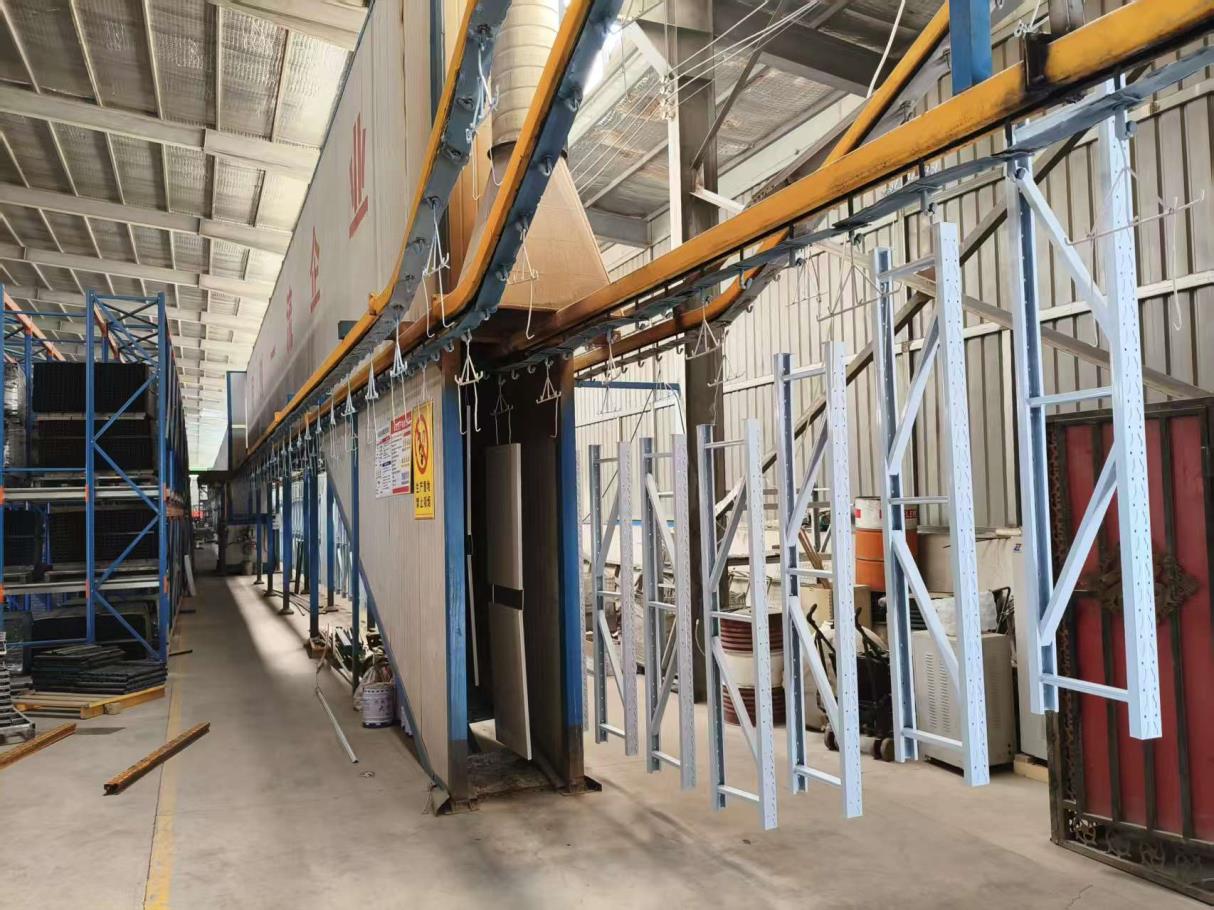
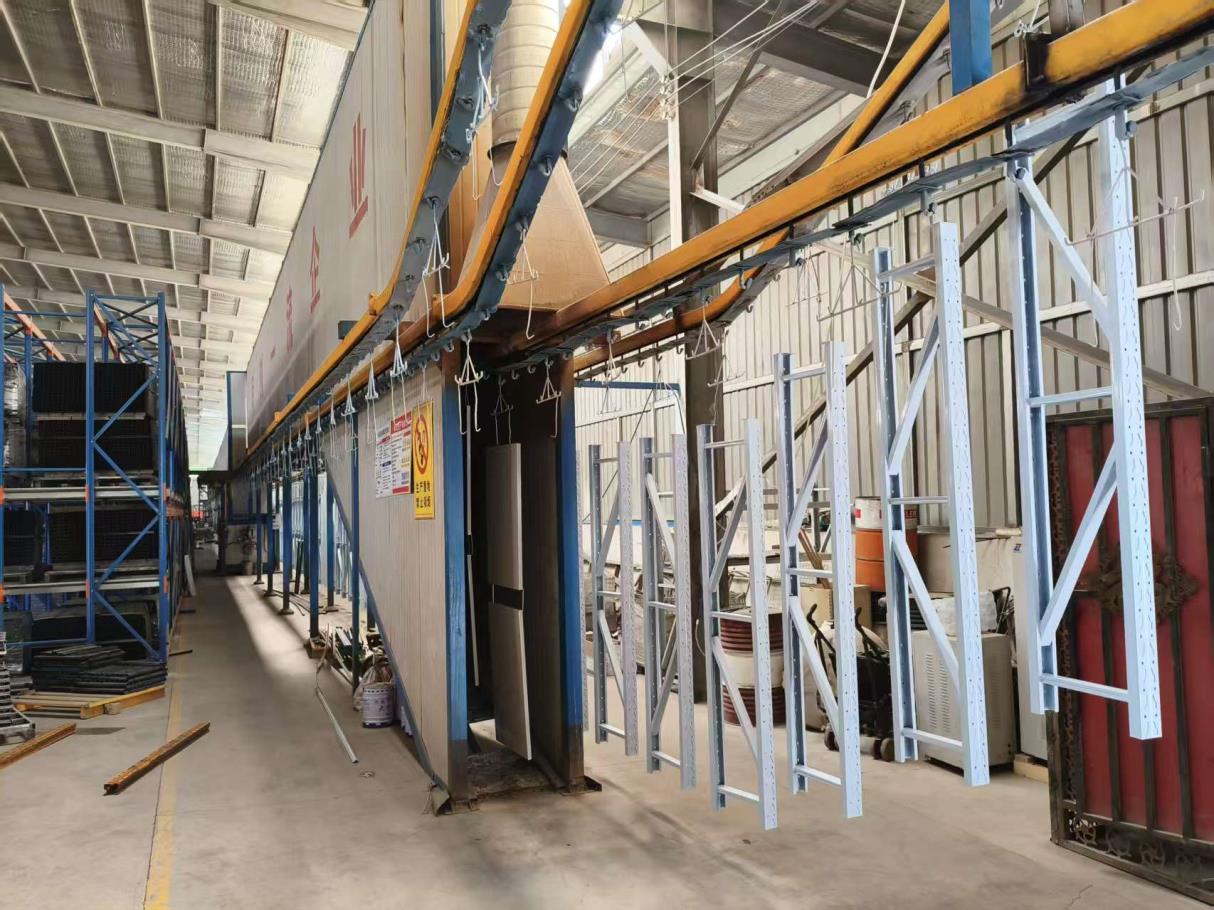
Multi-stage electroplating and advanced thermoset powder coatings provide robust protection against abrasion, mechanical impacts, and environmental corrosion in high-humidity or cold storage zones.
Delivering high-capacity, space-optimized, and structurally certified metal storage solutions globally.
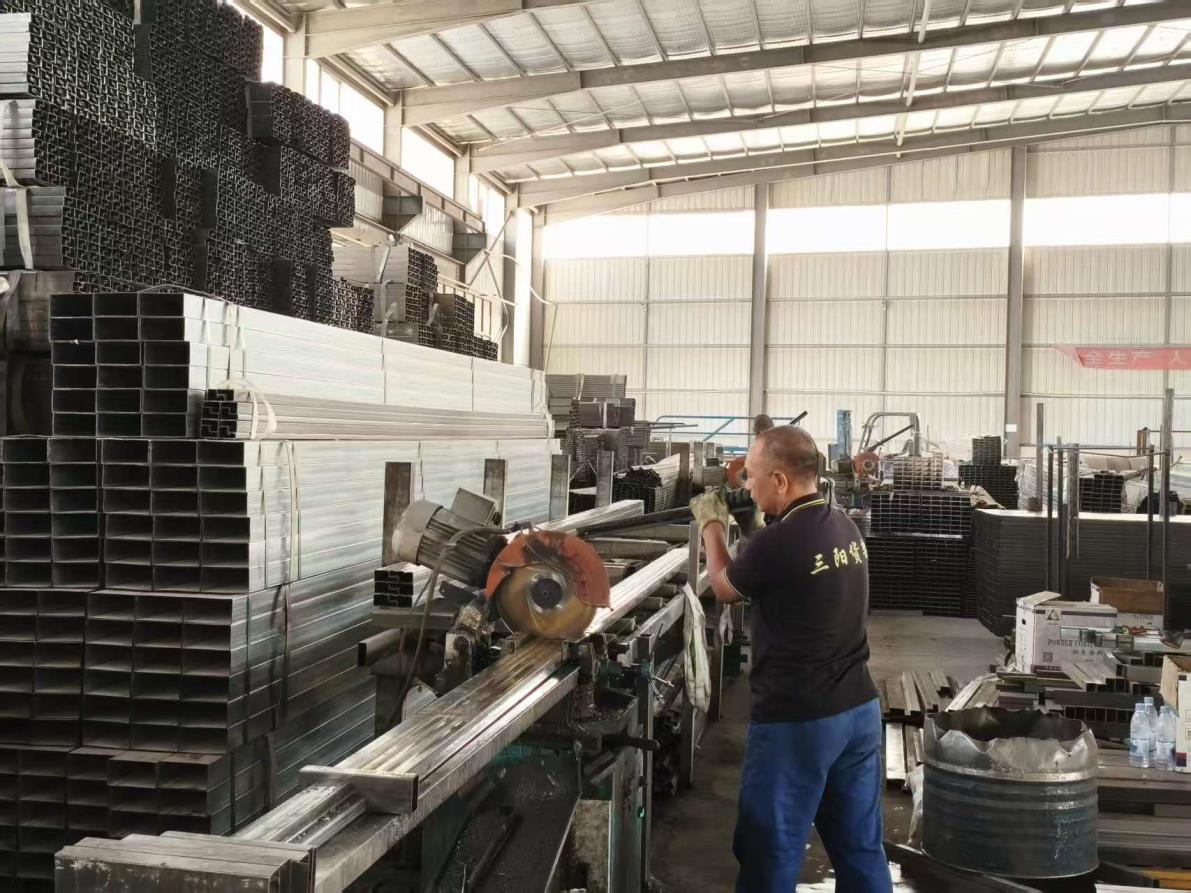
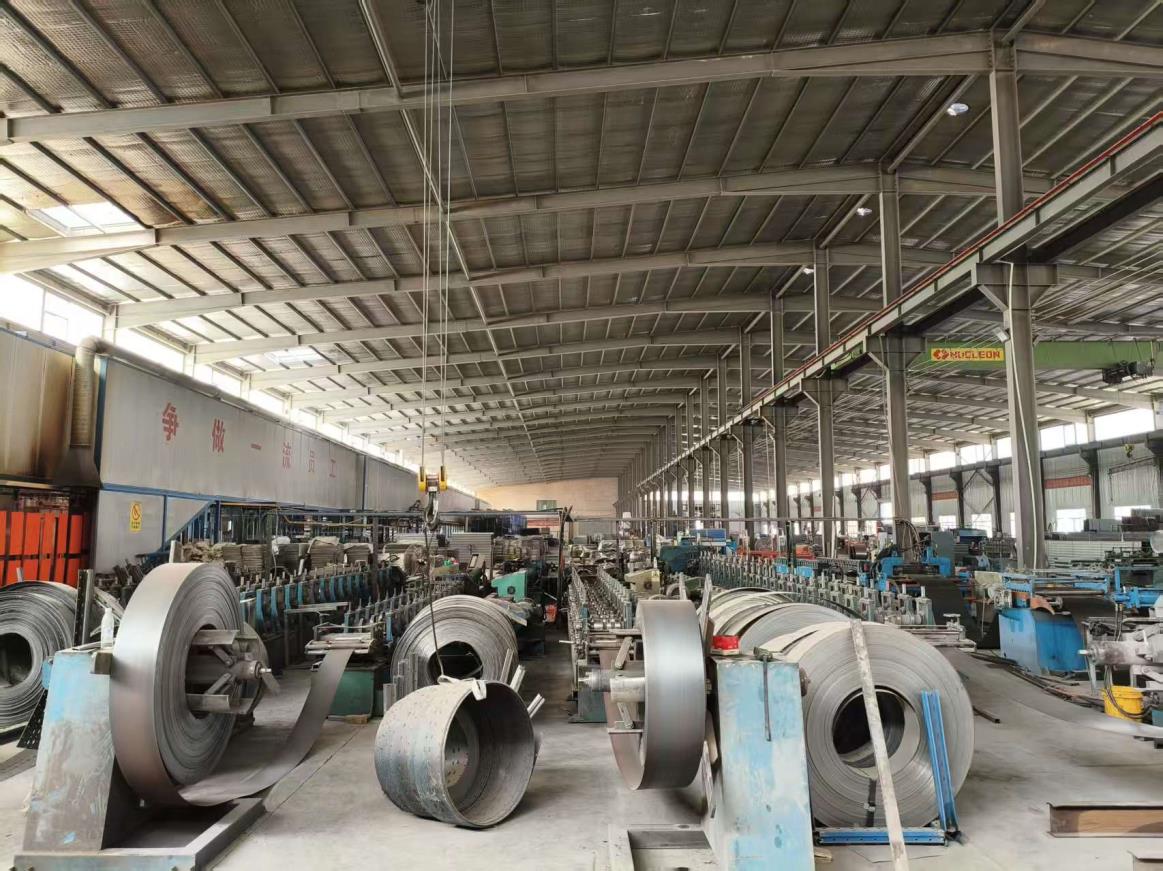
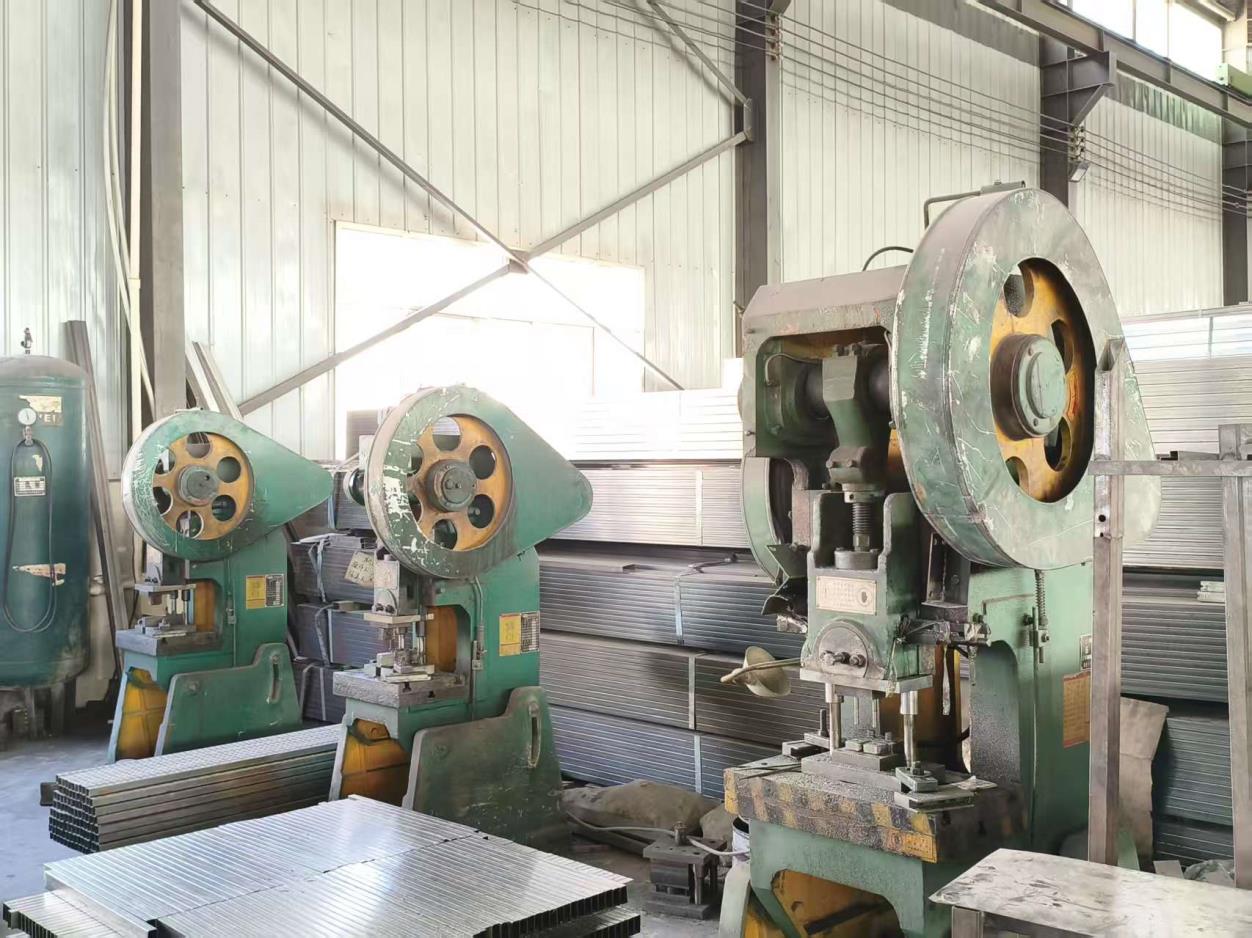
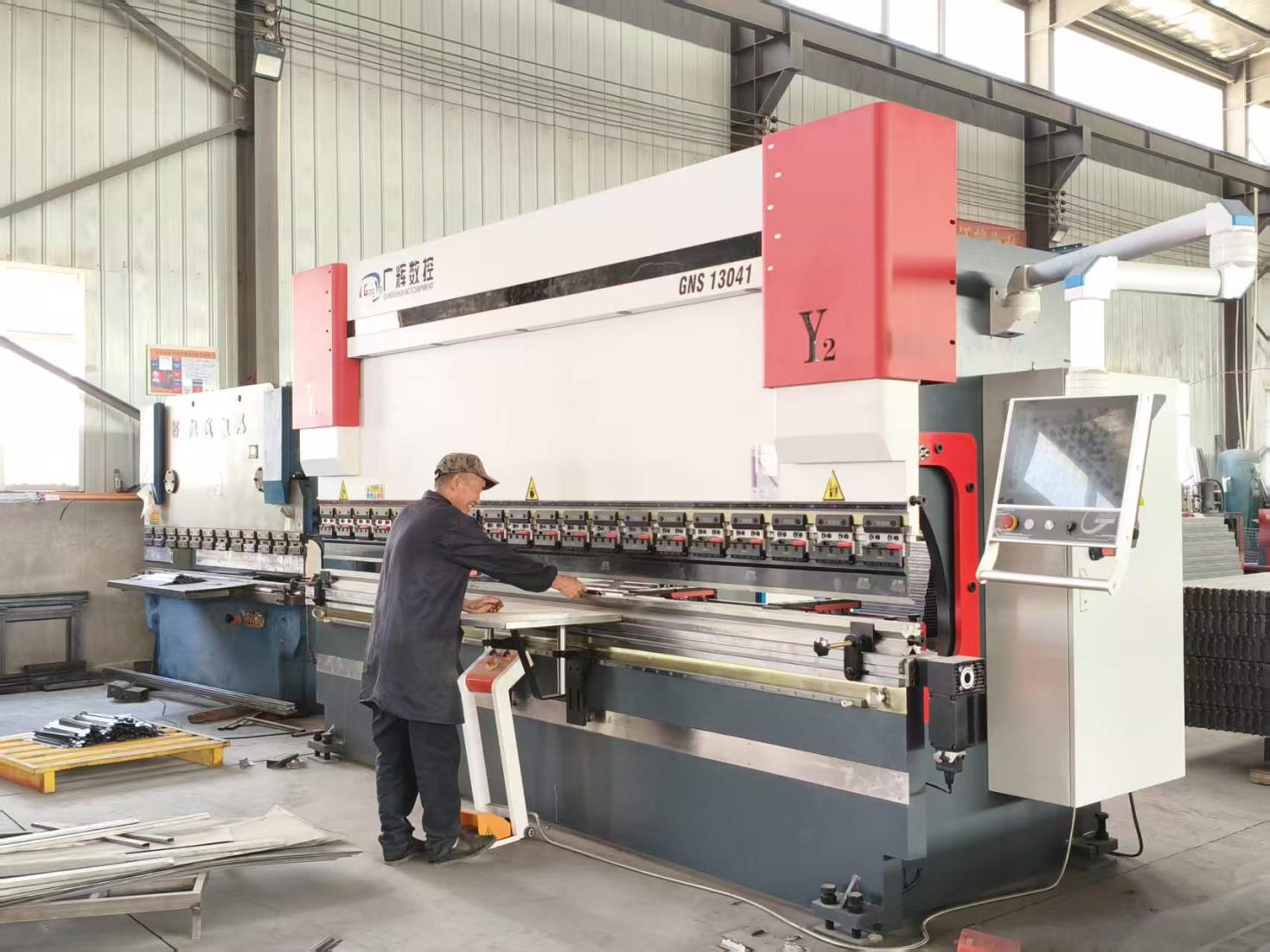
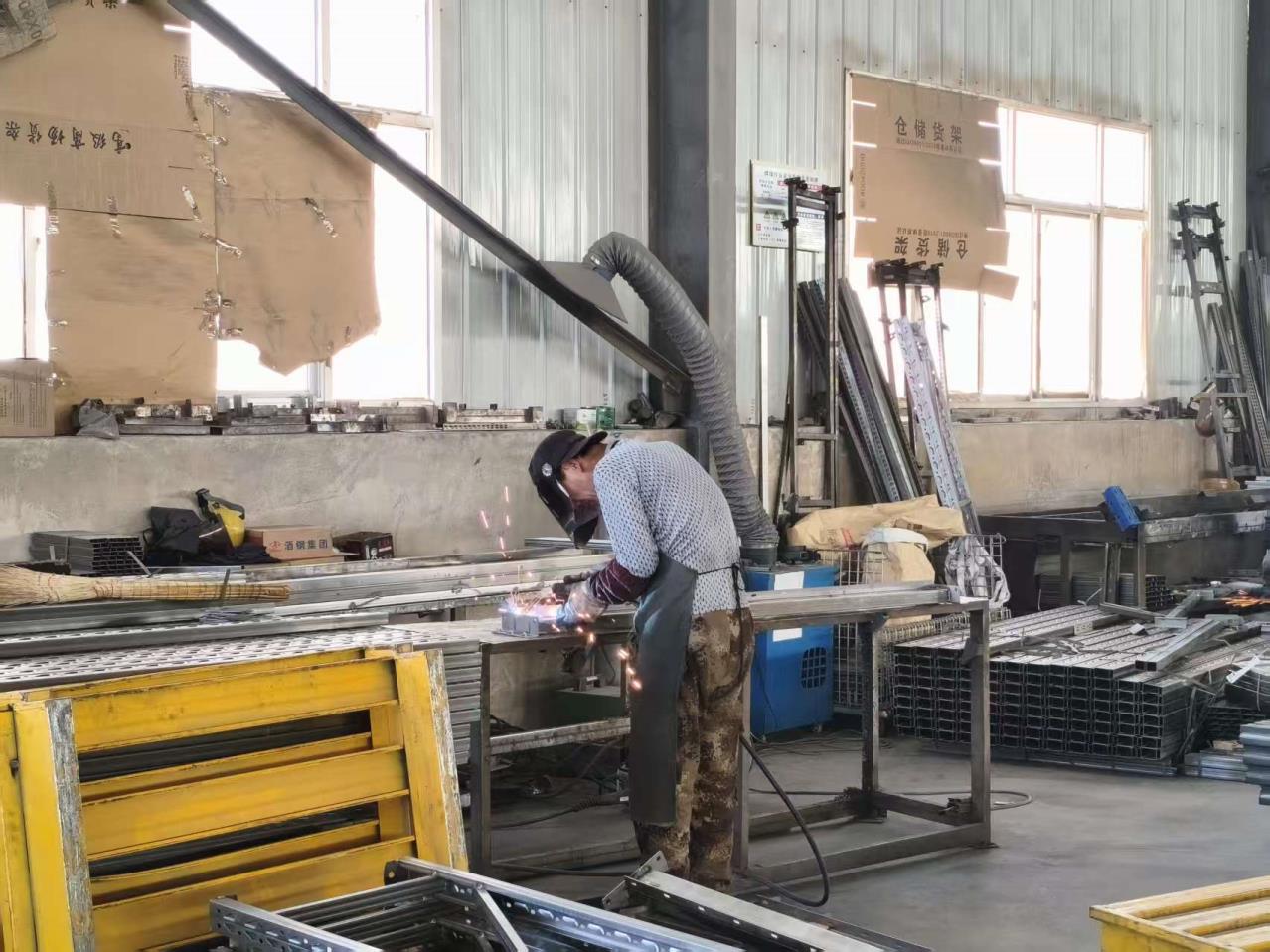
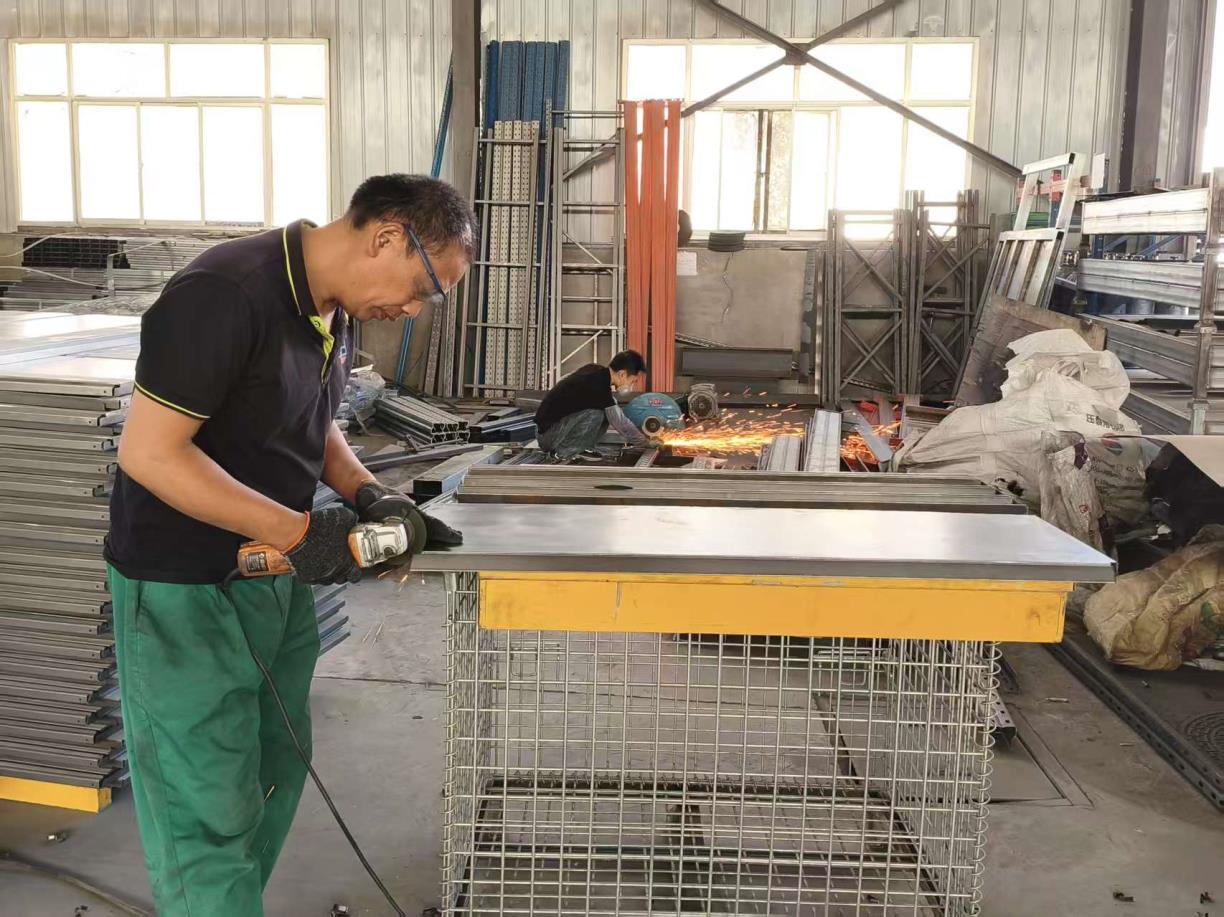
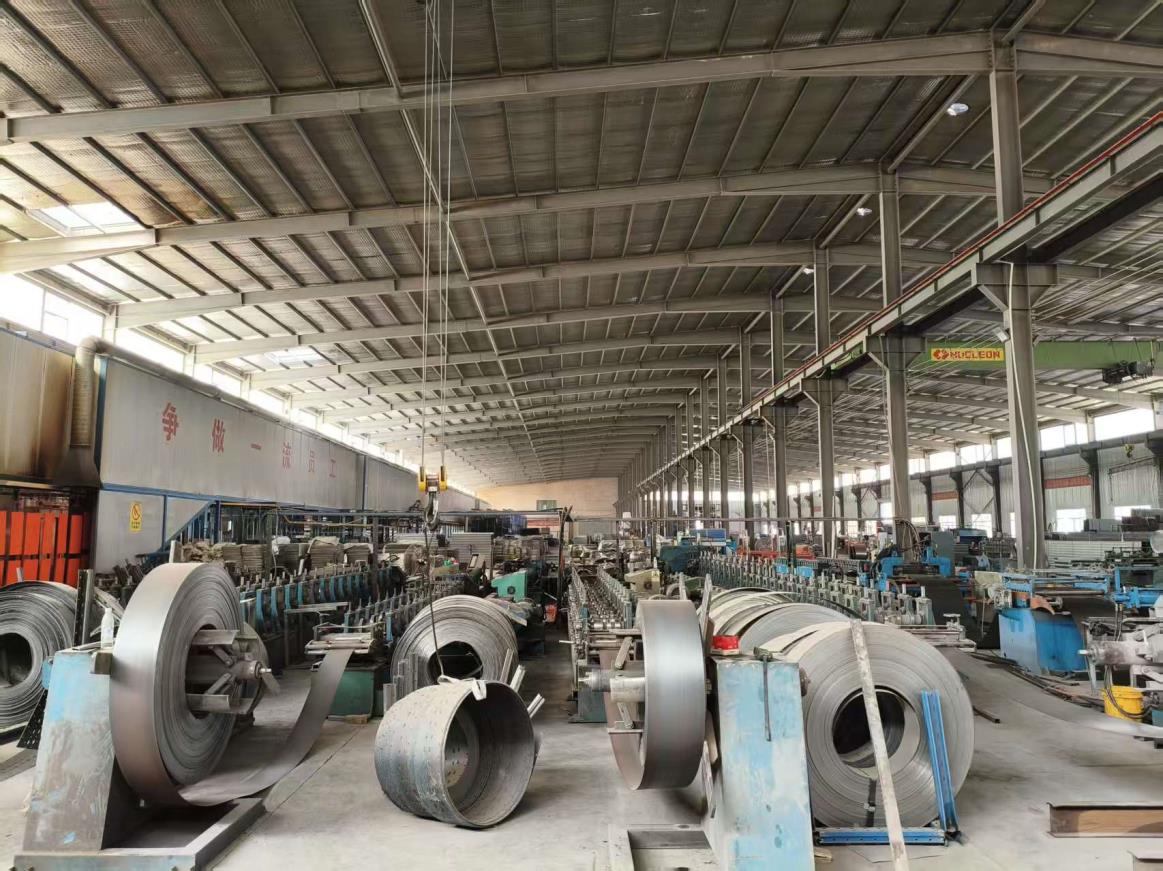
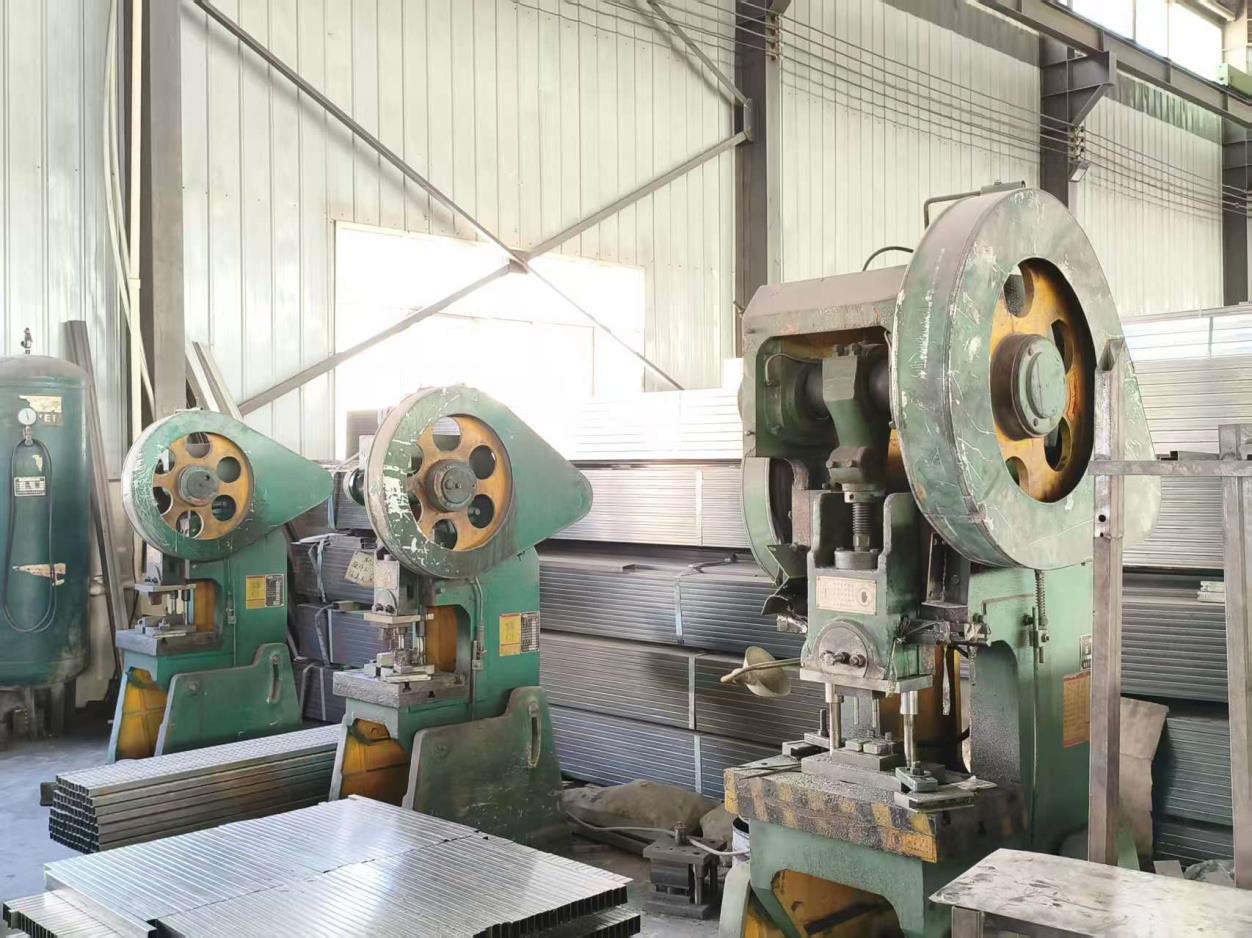
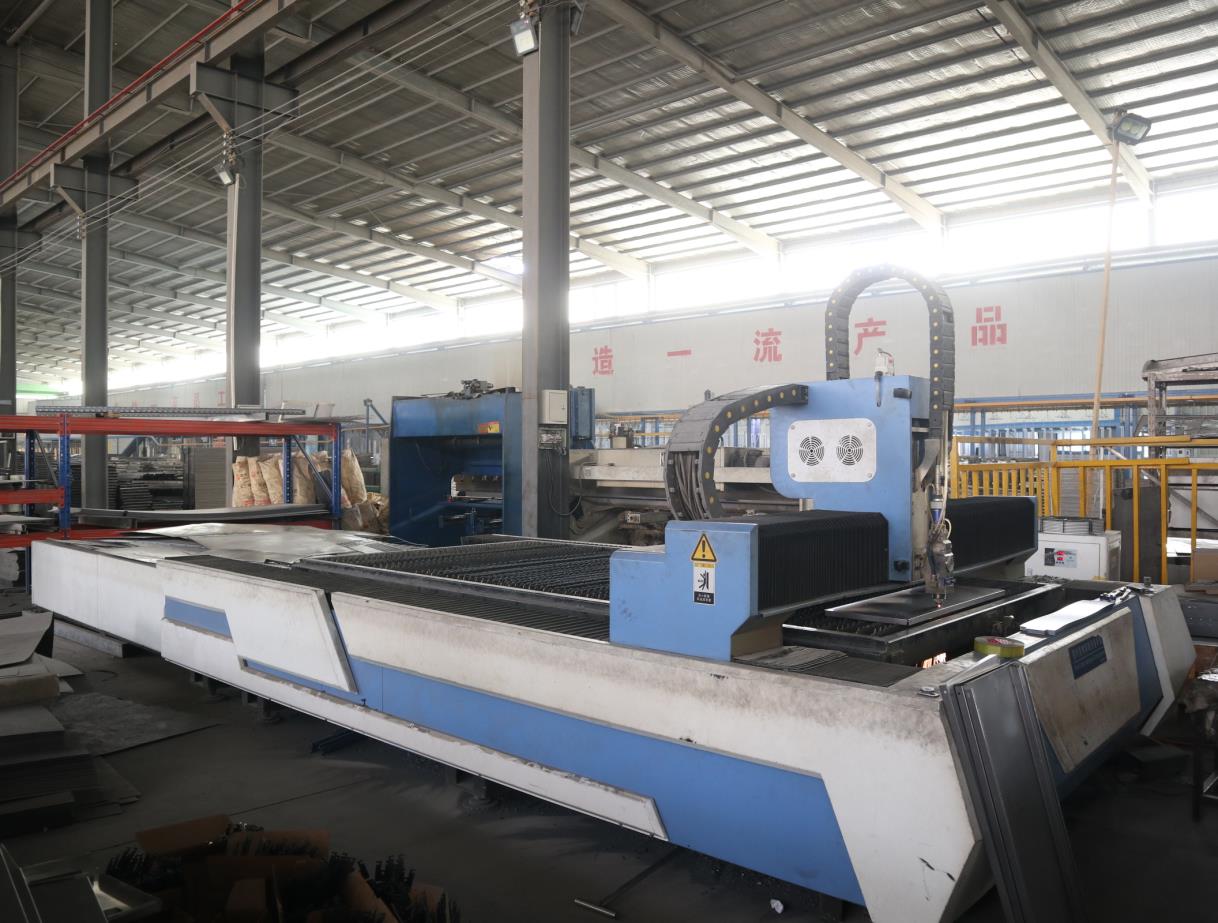
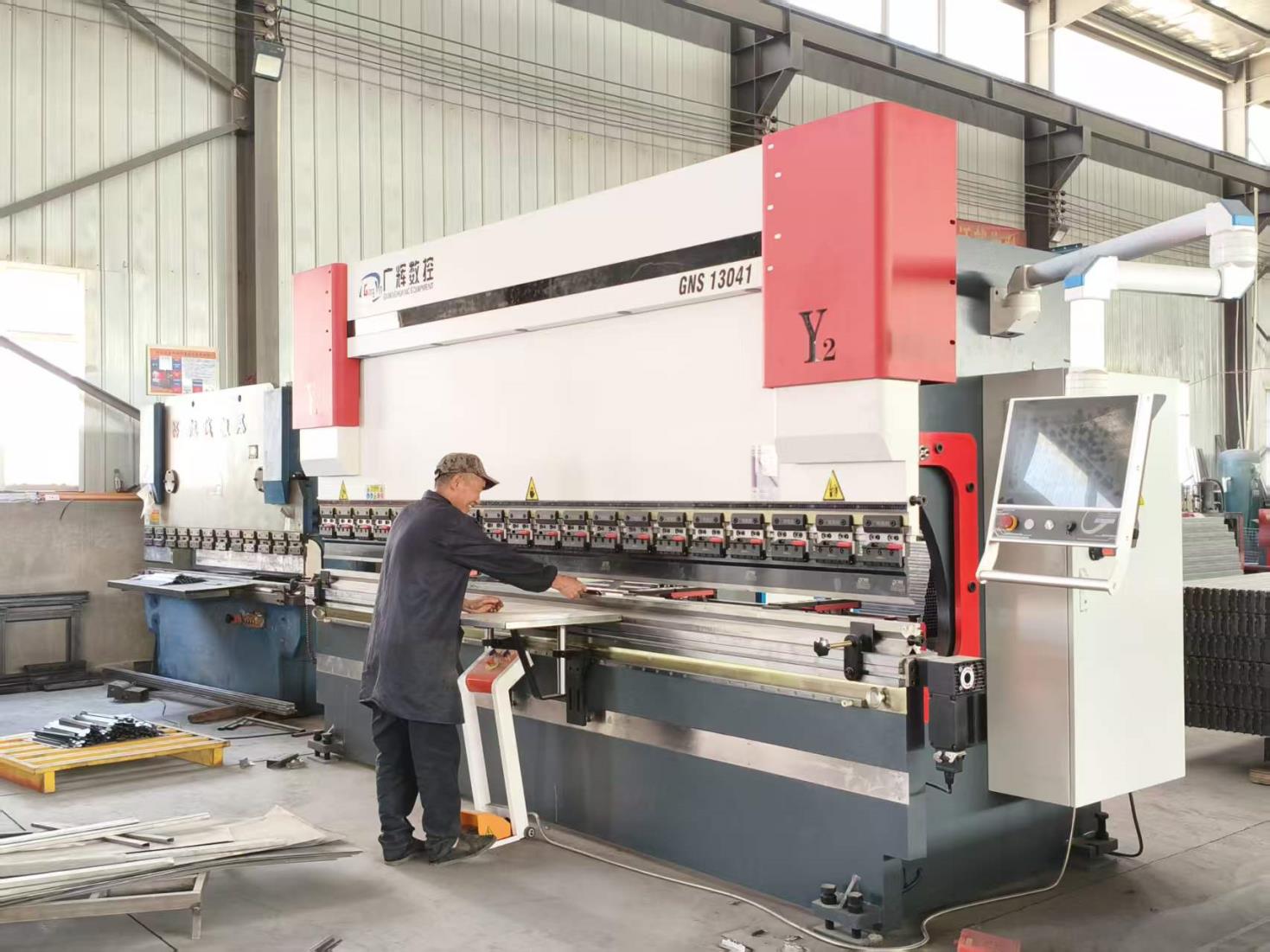
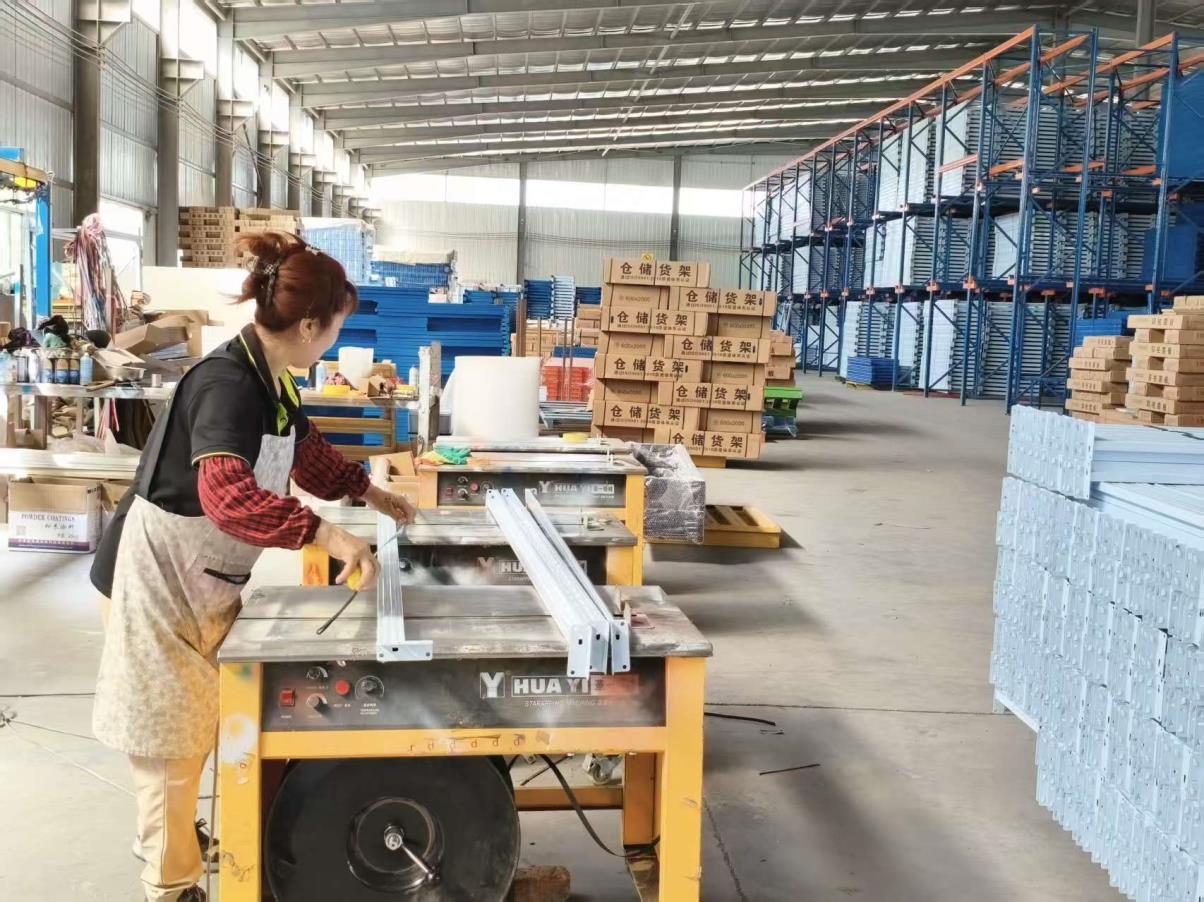
Established in 2015, Shenzhen Sanyang Storage Equipment Manufacturing Co., Ltd. is a leading manufacturer specializing in heavy-duty industrial pallet racking, warehouse shelving systems, and automated material handling solutions. Located in Shenzhen, our modern facility spans a total building area of 38,000 m², equipped with advanced automated roll-forming machines, laser cutters, and robot welding lines.
With over 12 years of industry experience and 8 years of active export experience, Sanyang has expanded its international footprint, achieving an annual export revenue of $28 million USD. Our main overseas markets cover North America, Western Europe, Southeast Asia, and the Middle East, primarily serving global logistics hubs, e-commerce fulfillment centers, third-party logistics (3PL) providers, and large manufacturing enterprises.
Quality and precision are at the core of our operations. Supported by 35 full-time QC inspectors, we implement rigorous quality assurance protocols using ultrasonic weld flaw detection, coating thickness testing, and heavy-load stress tests to ensure strict compliance with ISO9001 and international FEM/ANSI safety standards. Backed by a strong OEM/ODM background and a robust network of 1,200 supply chain partners, we offer highly customizable options—ranging from custom dimensions and load capacities to specialized powder coatings and seismic-resistant structural designs.
Innovation drives our continuous growth. Our team of 18 R&D engineers focuses on developing high-density and automated storage systems, successfully launching 65 new products last year alone. Sanyang remains dedicated to providing safe, space-saving, and cost-effective storage solutions for our global clientele.
Fully compliant with FEM 10.2.02 (European Racking Standards) and ANSI/RMI MH16.1 specifications for industrial safety and mechanical performance.
Components are designed for high stability, utilizing Finite Element Analysis (FEA) to verify structural integrity under complex loading conditions.

Technological integrations, automation-ready structures, and ecological goals shaping supply chain layouts.
The contemporary supply chain is undergoing a significant transformation. Warehousing facilities are evolving from simple storage properties into high-performance distribution centers. The growth of retail warehousing systems is driven by several key global trends:
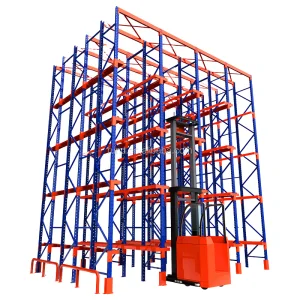
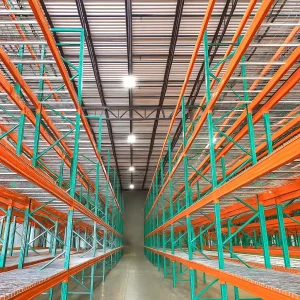
Conventional selective pallet racks are increasingly being integrated into hybrid systems that incorporate shuttle cars, automated guided vehicles (AGVs), and AS/RS stacker cranes. This integration requires high manufacturing tolerances. The straightness of upright frames, the deflection curves of box beams under full load, and the alignment of guide rails must be maintained within precise millimeter ranges. Variations can lead to sensor malfunctions, operational downtime, or automated shuttle collisions. Sanyang’s continuous investment in automated cold-rolling and CNC bending machines ensures consistent alignment for high-density, automated environments.
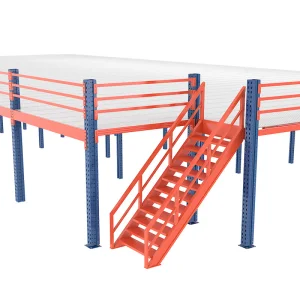
With real estate costs rising in metropolitan areas, distribution hubs must maximize vertical density. The development of heavy-duty steel mezzanine platforms and multi-tier picking structures allows operations to expand storage capacity vertically without altering their physical footprint. Industrial multi-tier platforms leverage unused vertical space, offering load ratings from 300 kg/m² up to 1,500 kg/m² to support heavy industrial operations and automated sortation machinery.
Environmental standards such as RoHS and REACH restrict the use of heavy metals in metal coatings. Modern manufacturers are transitioning to eco-friendly, lead-free TGIC-free polyester powder coatings. Sanyang's automated electrostatic painting line produces a surface that stands up to physical abrasion while minimizing VOC output during production. This makes these shelving systems suitable for commercial food processing facilities, medical distribution networks, and public retail spaces.
Custom shelving configurations designed to meet specific vertical challenges and performance environments.
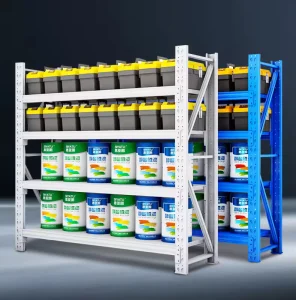
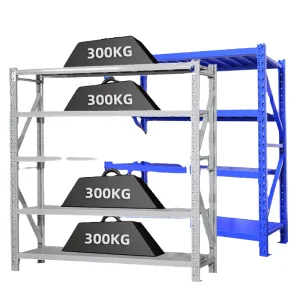
Characterized by high SKU counts and intense picking cycles. Adjustable, boltless steel racking and multi-tier selective pallet systems allow for quick shelf reconfiguration. These configurations adapt to changing product dimensions while maintaining structural safety.
Sub-zero cold chain facilities require specialized steel grades with reliable low-temperature impact resistance. Raw material selection must resist low-temperature embrittlement, and powder coatings must remain stable down to -40°C.
Industrial applications requiring high load capacities benefit from heavy-duty structural steel cantilever systems, double-deep racking, and reinforced upright profiles. These configurations help protect high-value machinery parts and heavy industrial tooling.
Sanyang’s engineering team analyzes localized operational data—such as floor slab load limits, mechanical material handling equipment profiles, regional seismic conditions, and inventory rotation targets—to build customized storage layouts that optimize space and safety.
From inert structural steel frames to connected, data-enabled smart logistics systems.
The future of warehousing is moving toward smart, connected systems. Racking structures are evolving to integrate directly with Warehouse Management System (WMS) networks. Key developments in our engineering pipeline include:
Frequently asked questions regarding material selection, international structural standards, customization options, and logistics management.
From modular light-duty display shelves to automated, high-density radio shuttle configurations.

 Sanyang Racking