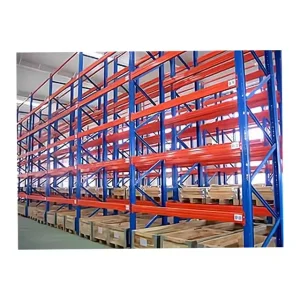
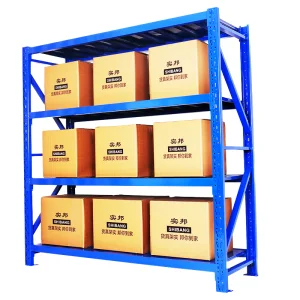
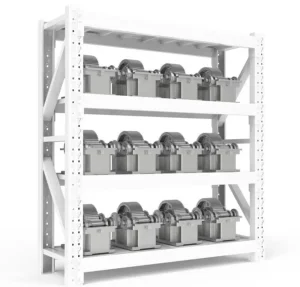
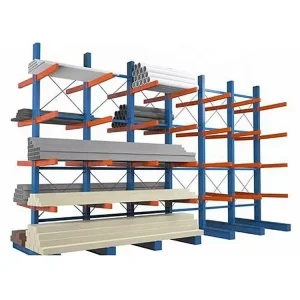
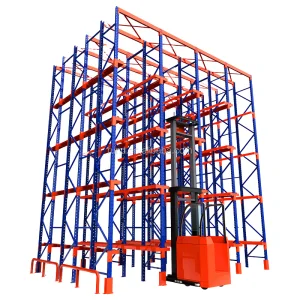
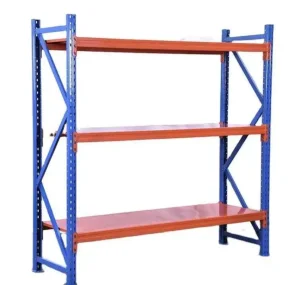
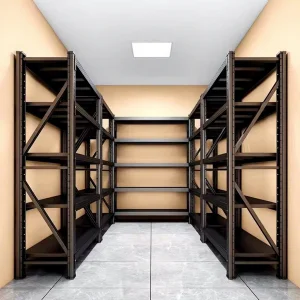
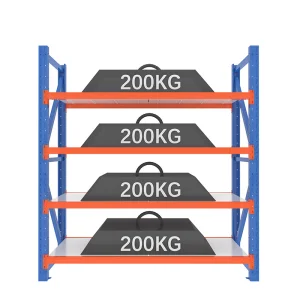
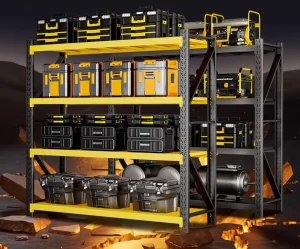
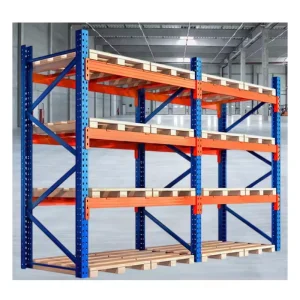
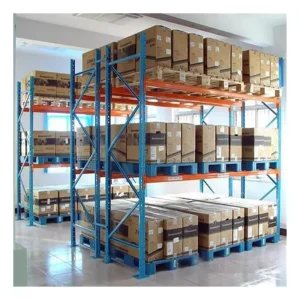
Explore our top-tier adjustable structures, cold-rolled storage systems, and heavy-duty configurations engineered for high density storage.
Understanding material science developments and supply chain demands driving structural integration in modern intralogistics.
Modern global logistics networks demand systems that maximize spatial volumetric density, scale weight-bearing metrics, and sustain harsh environments. Carbon steel (primarily grades such as Q235B and Q355B) has long been the backbone of structural racking. However, structural and chemical challenges arise when standard metals are deployed in extreme environments such as sub-zero automated cold chains, deep-freeze storage hubs, and corrosive battery electrolyte production lines.
To overcome structural fatigue, oxidation, and excessive physical deadweights, industrial engineering has ushered in the era of Composite Racking Systems. By structurally integrating reinforced composites (such as high-tensile fiberglass components, carbon fiber matrices, and engineered polymers) with cold-rolled steel structures, next-generation racks deliver unprecedented elasticity, flexural modulus, and anti-corrosive properties.
The rapid growth of Automated Storage and Retrieval Systems (AS/RS), operating at high velocities and high payloads, leaves no margin for structural tolerances. Standard steel structures are susceptible to deflection and dynamic vibrations, which can disrupt photoelectric sensors and rack-climbing shuttles. Integrating composite sections offers a structural damping ratio up to 3 times greater than raw carbon steel, allowing rapid kinetic stabilization during shuttle transits.
Comparing the performance variables of composite hybrid structures against traditional carbon steel racking.
| Performance Criterion | Traditional Q235B/Q355B Steel | Engineered Composite-Steel Hybrids | Strategic Advantage |
|---|---|---|---|
| Strength-to-Weight Ratio | Standard (~78.5 kN/m³) | High (~45-55 kN/m³ equivalent) | Reduces floor loading stress |
| Corrosion Resistance | Requires galvanized / powder coatings | Inherent resistance to acids, salts, & dampness | Lower TCO in extreme environments |
| Dynamic Vibration Damping | Low damping capacity; transmits shock | High structural damping; rapid stabilization | Optimized for high-speed AS/RS |
| Thermal Expansion Coeff. | High linear variance under thermal shock | Minimal expansion/contraction in low temps | Ideal for Cold Chain (-40°C) |
| Seismic Resistance Index | Vulnerable to structural fatigue limits | Elastic recovery minimizes frame cracking | Seismic Zone Certified |
Learn about our state-of-the-art facility, R&D breakthroughs, and manufacturing capabilities built over a decade of industry leadership.
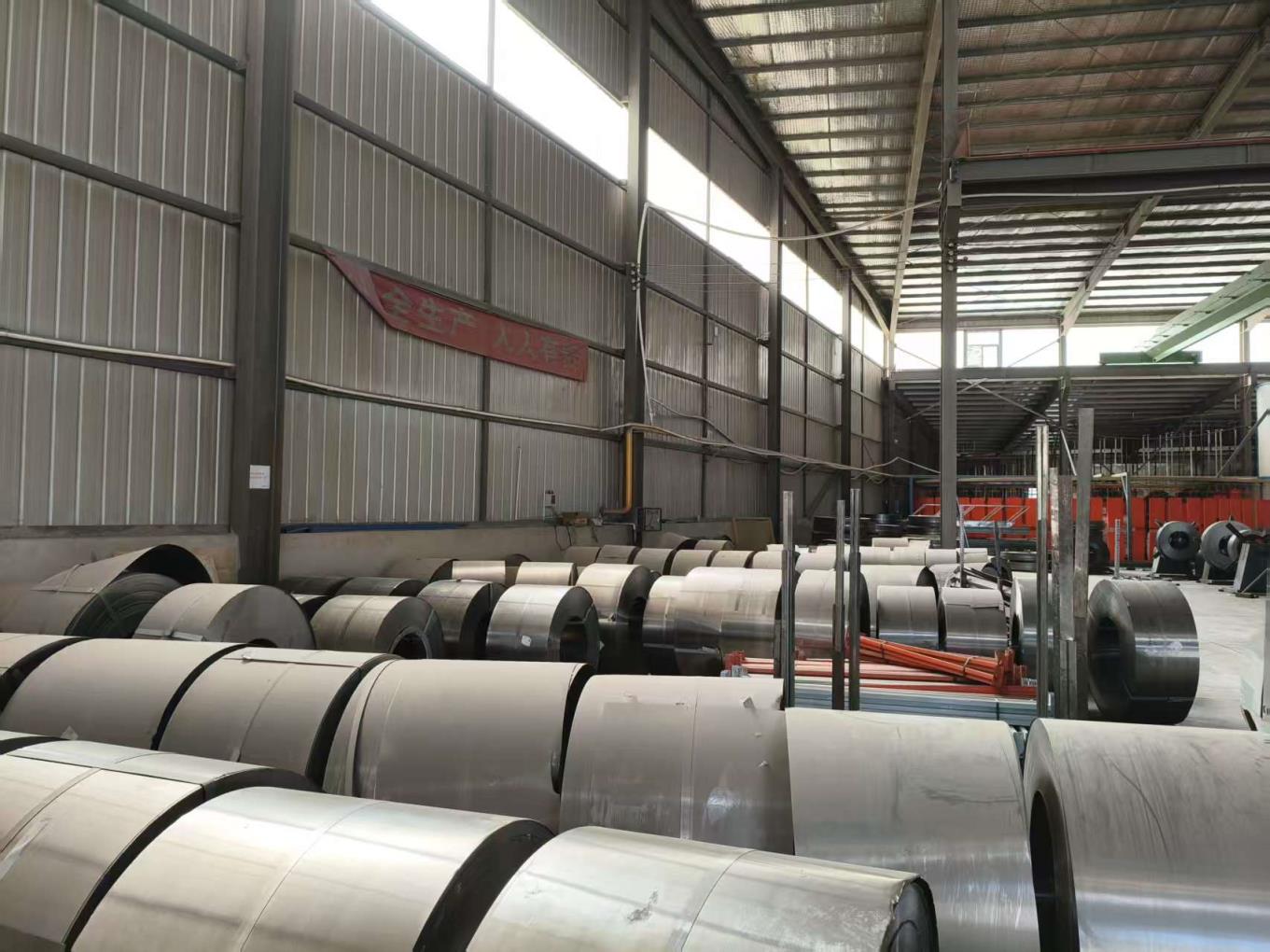
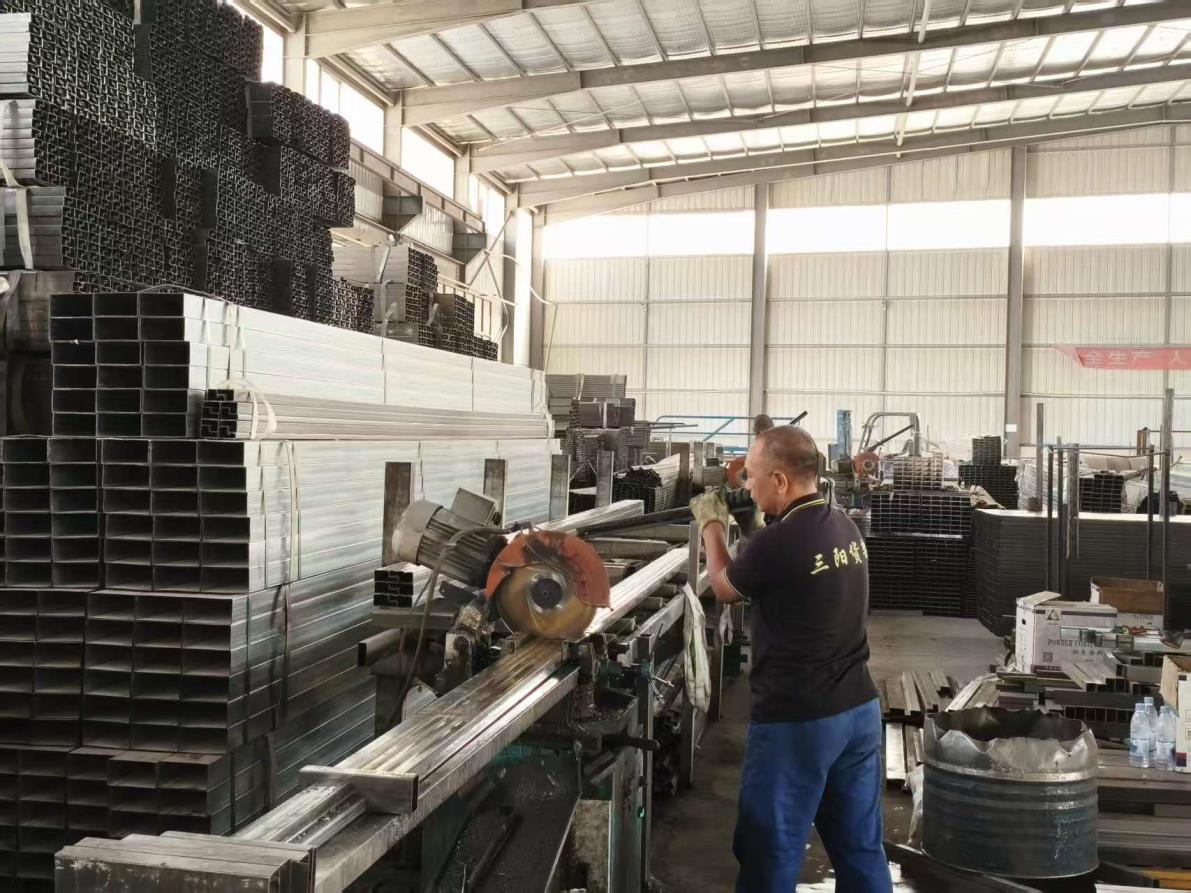
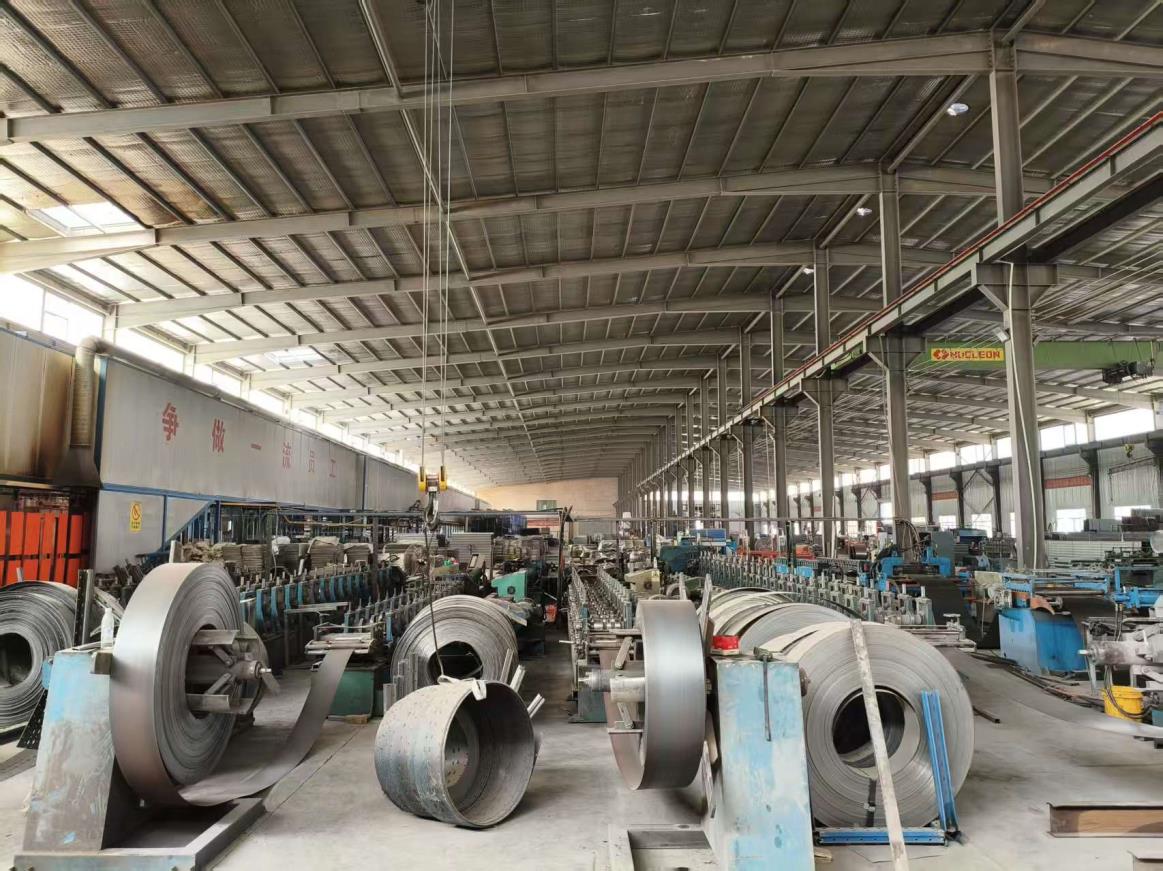
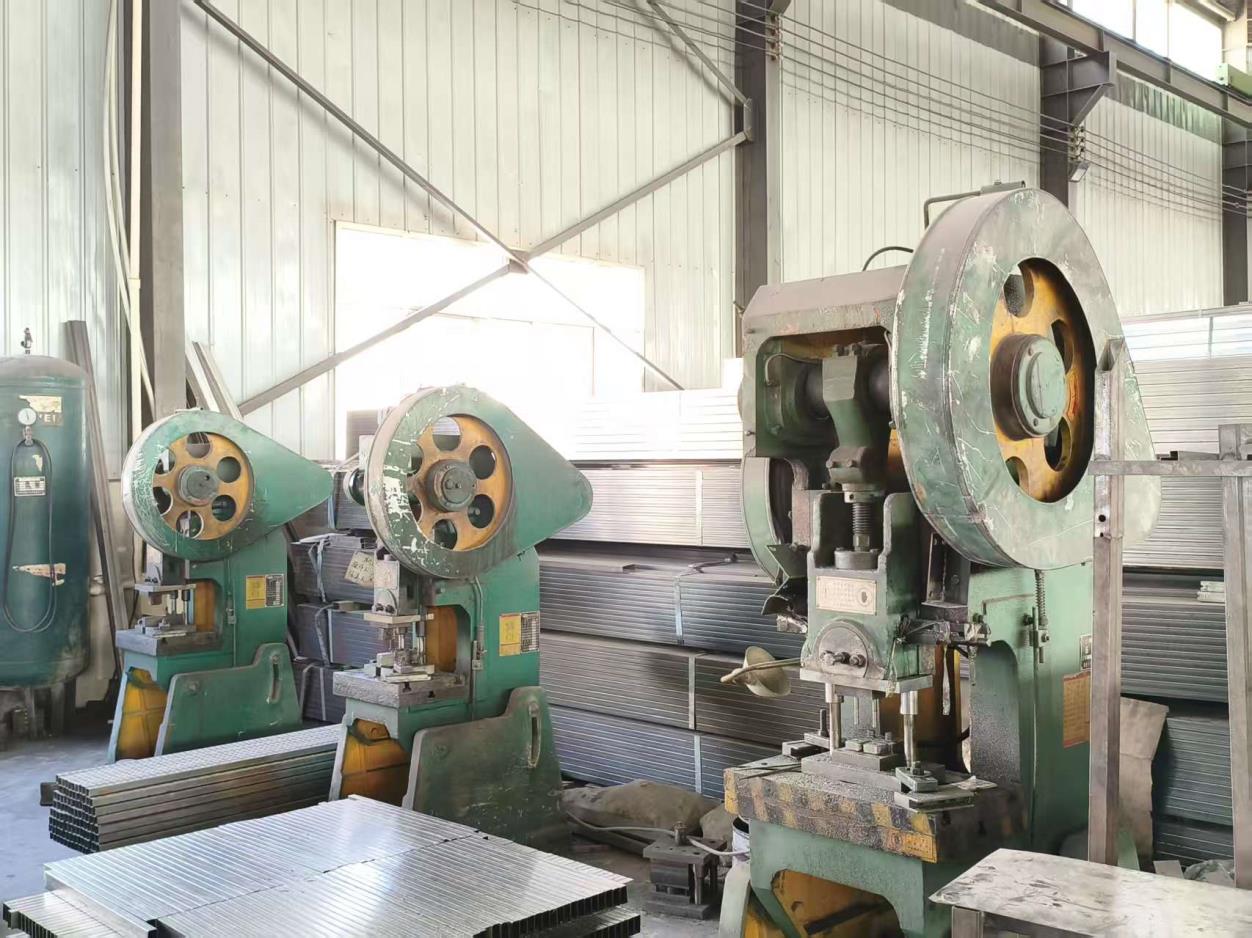
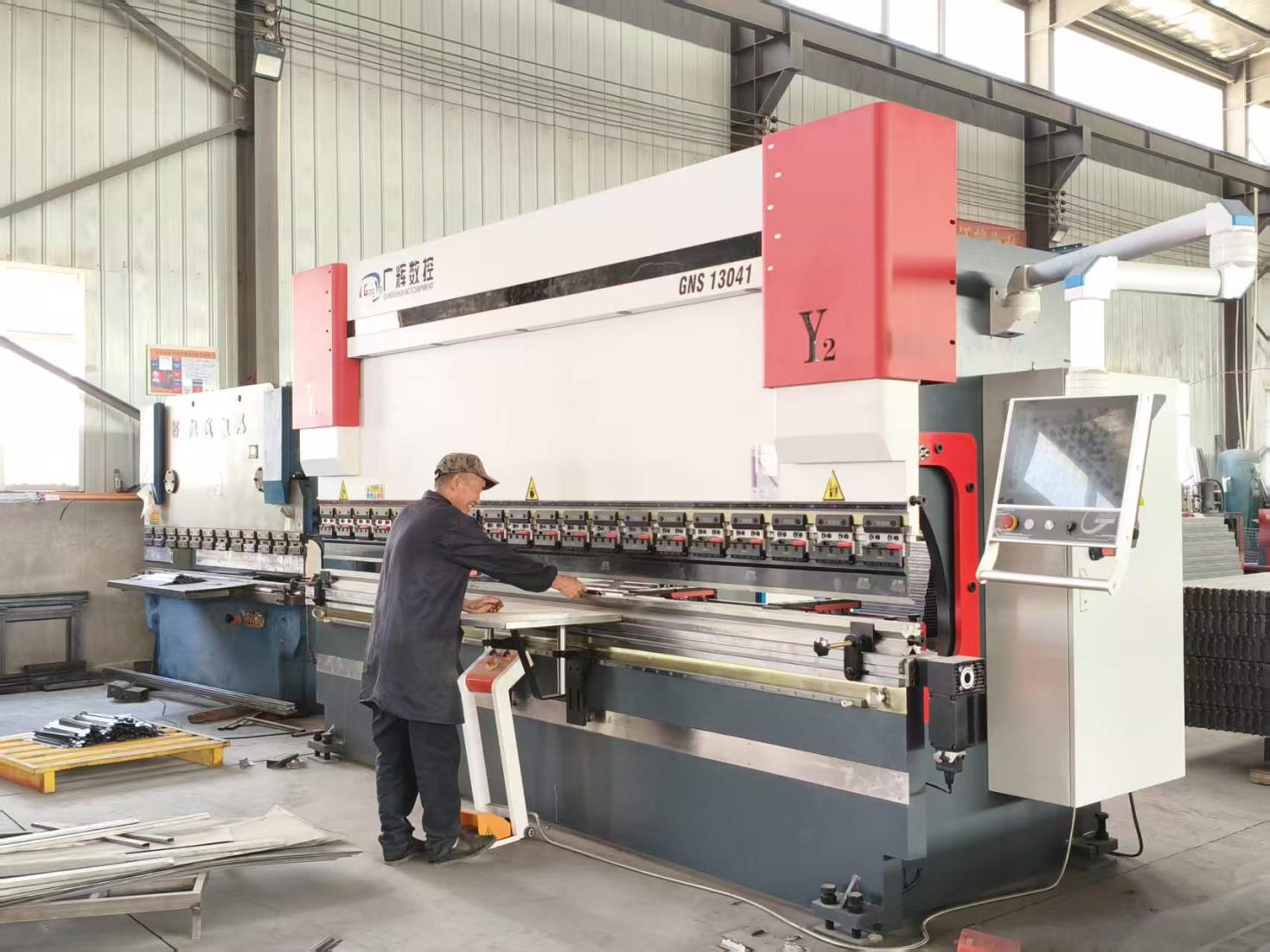
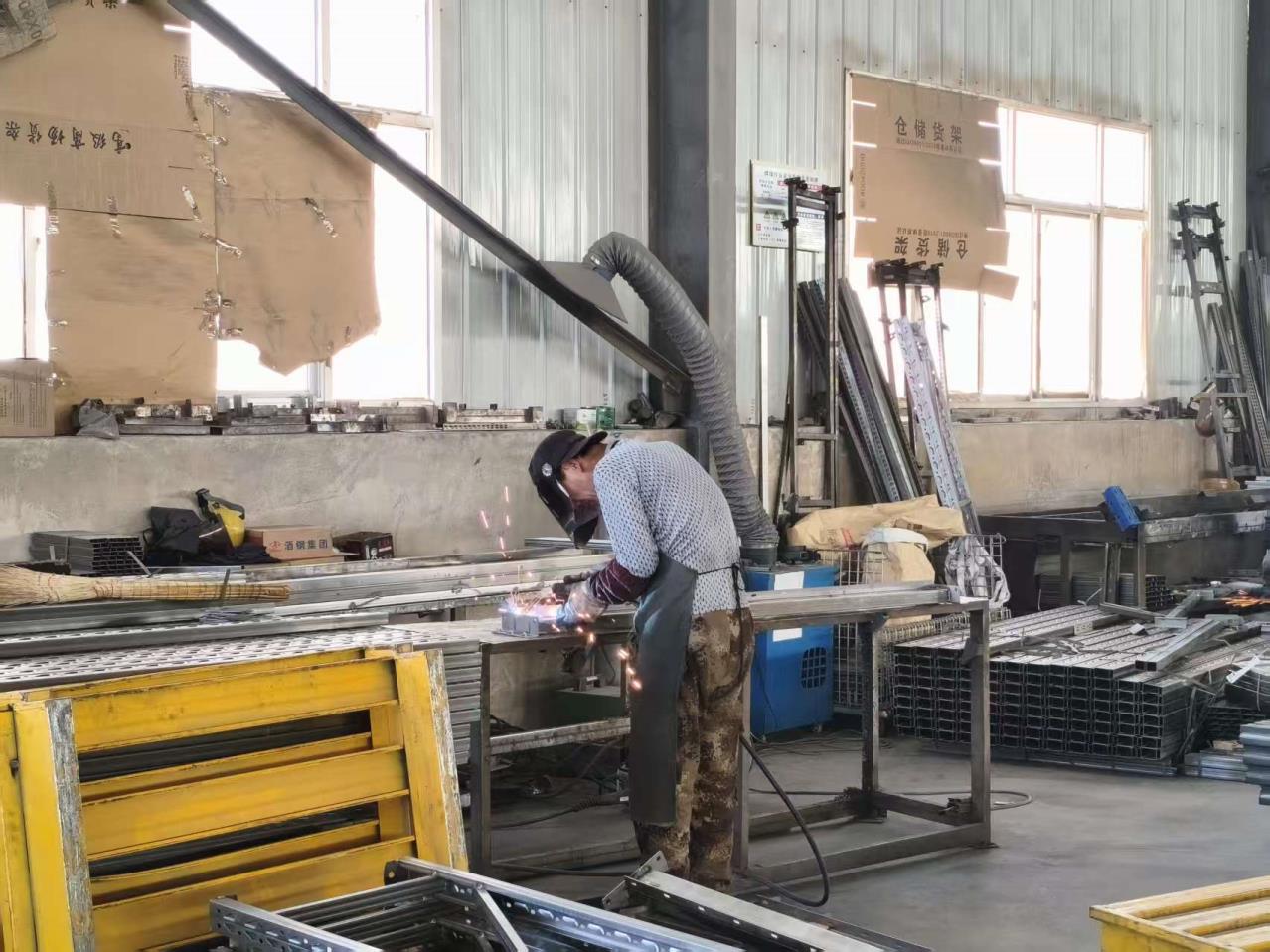
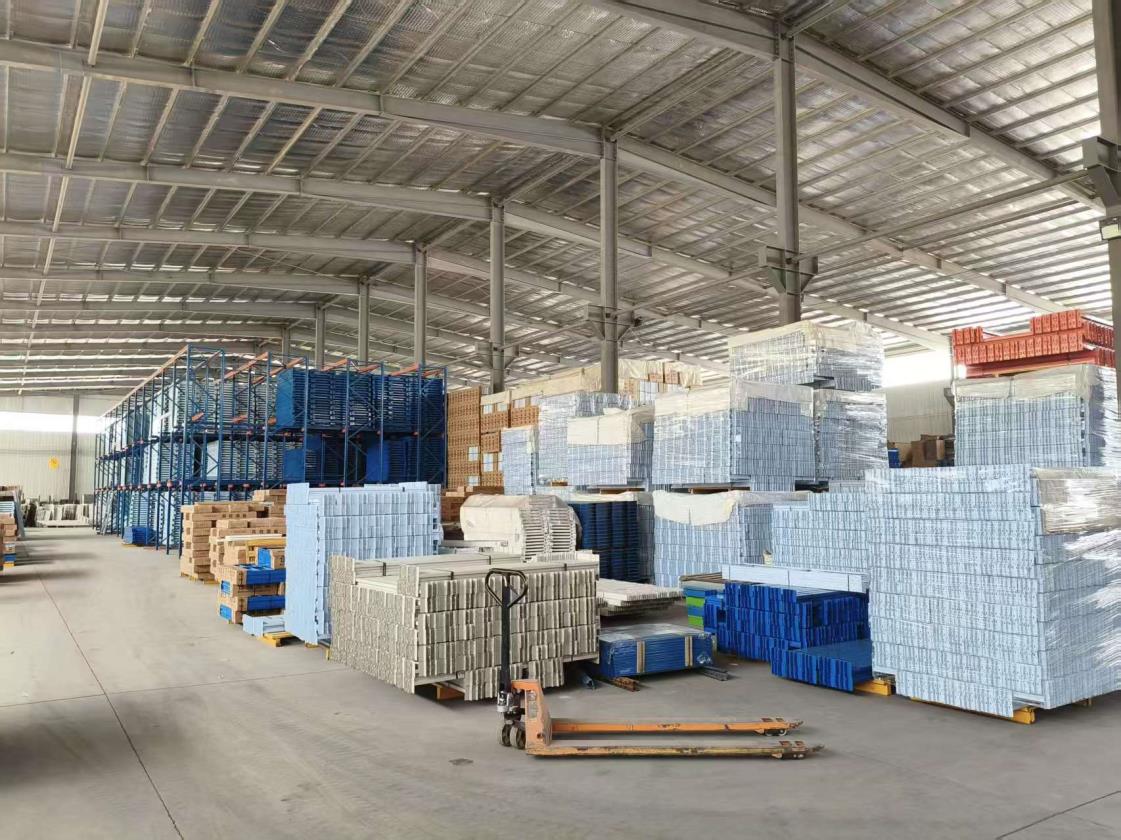
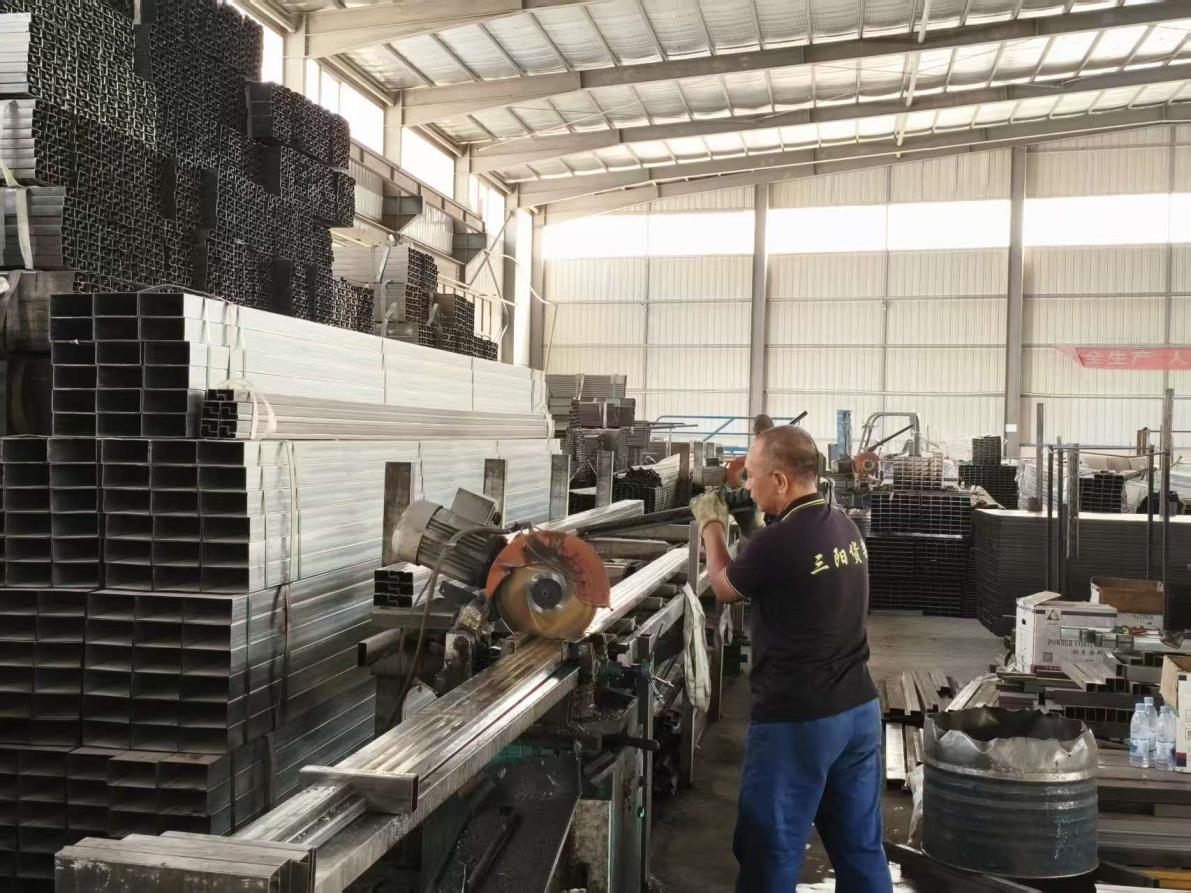
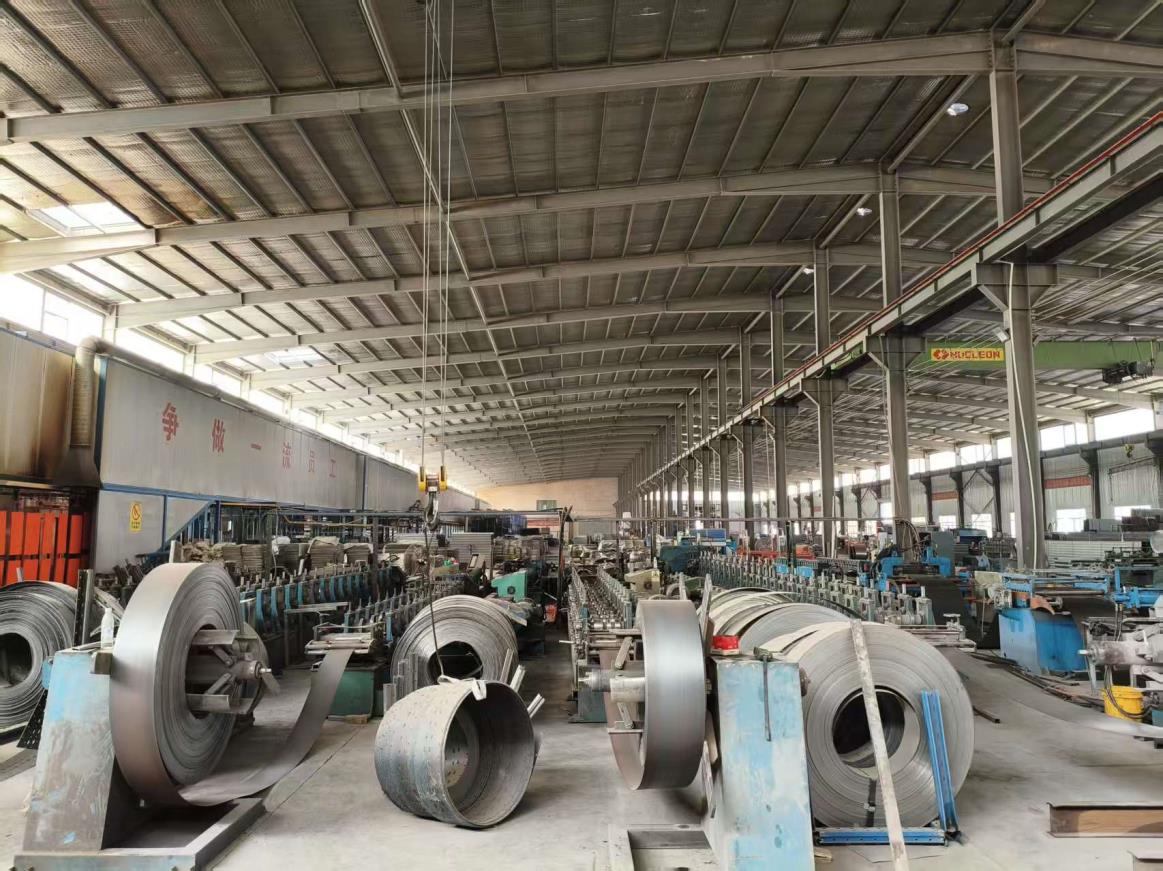
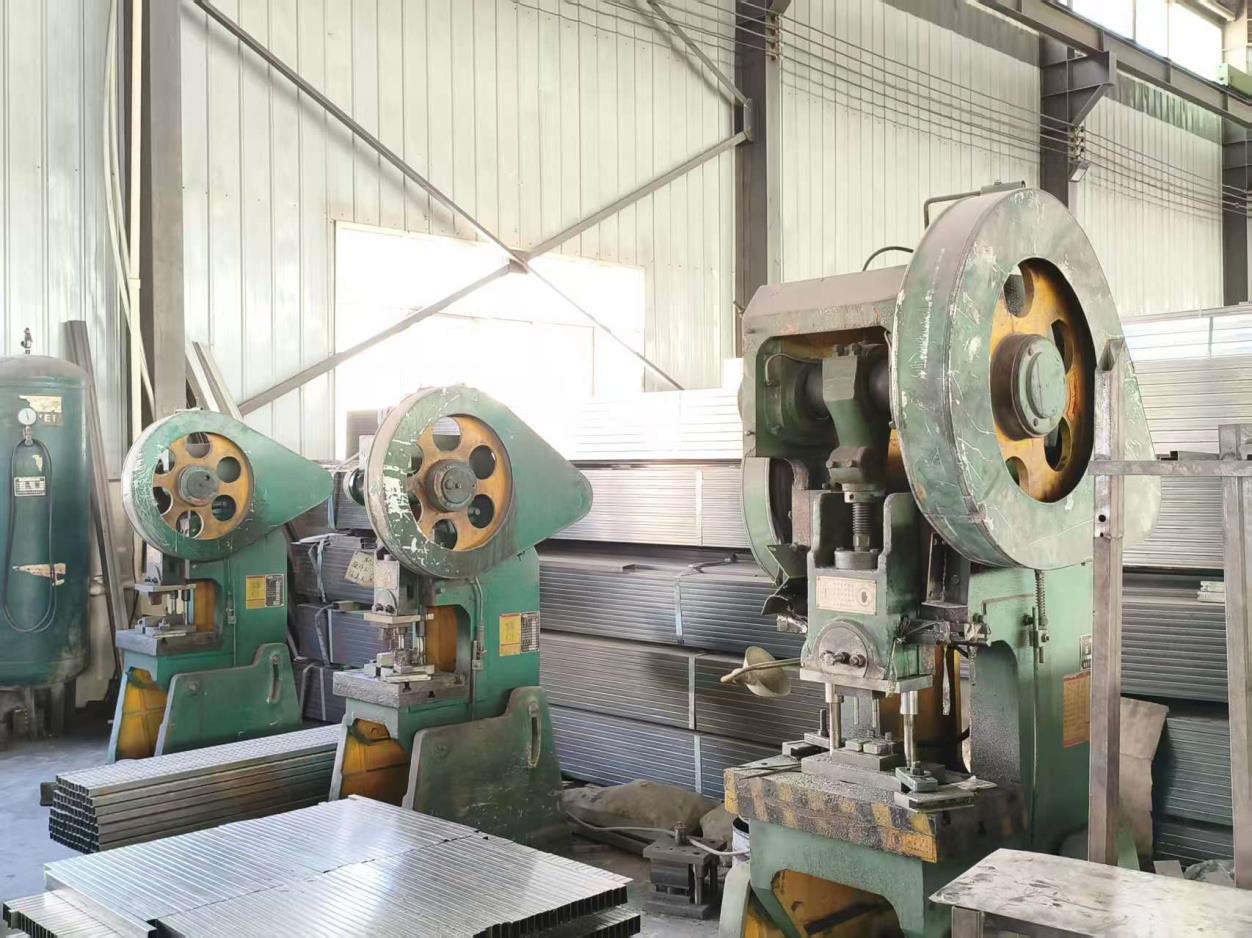
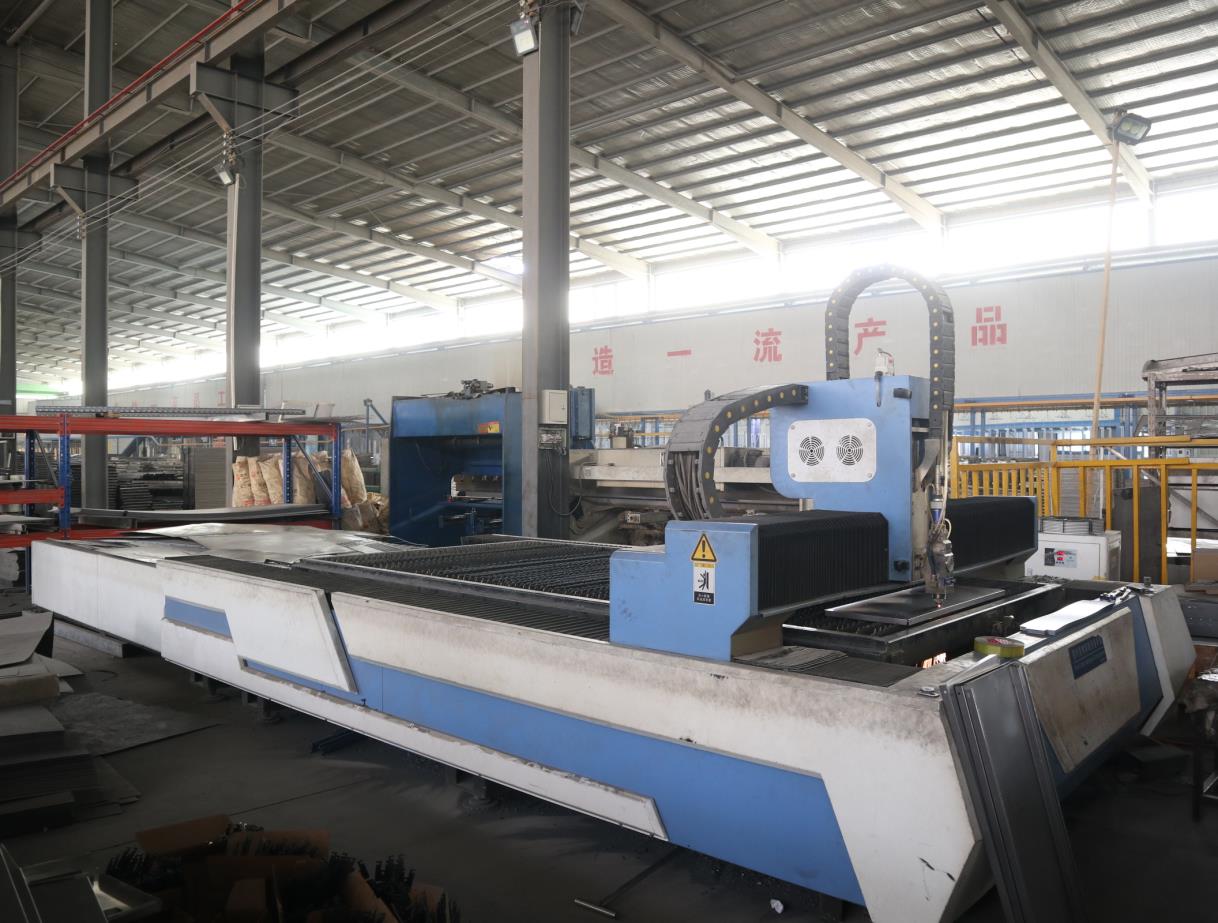
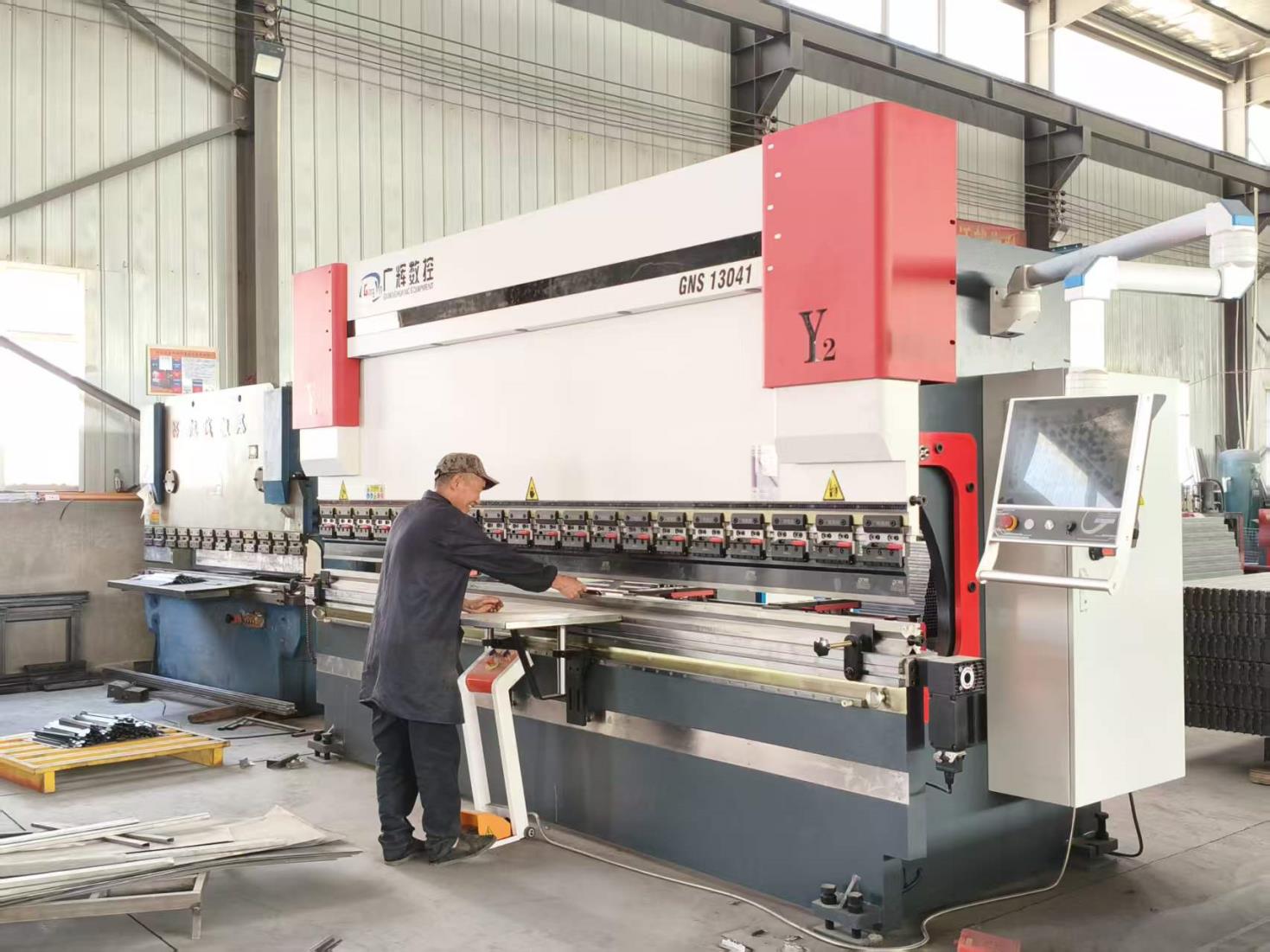
Established in 2015, Shenzhen Sanyang Storage Equipment Manufacturing Co., Ltd. is a leading manufacturer specializing in heavy-duty industrial pallet racking, warehouse shelving systems, and automated material handling solutions. Located in Shenzhen, our modern facility spans a total building area of 38,000 m², equipped with advanced automated roll-forming machines, laser cutters, and robot welding lines.
With over 12 years of industry experience and 8 years of active export experience, Sanyang has expanded its international footprint, achieving an annual export revenue of $28 million USD. Our main overseas markets cover North America, Western Europe, Southeast Asia, and the Middle East, primarily serving global logistics hubs, e-commerce fulfillment centers, third-party logistics (3PL) providers, and large manufacturing enterprises.
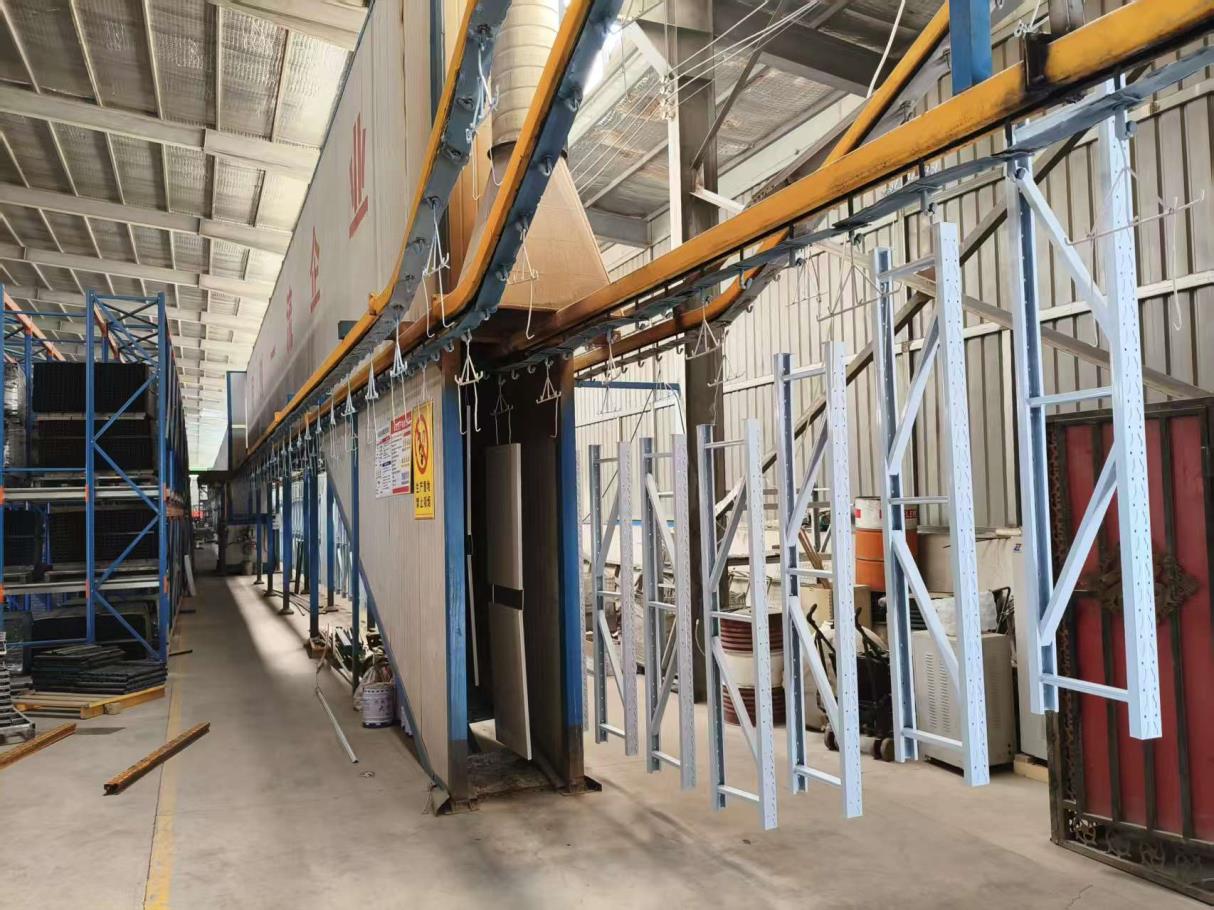
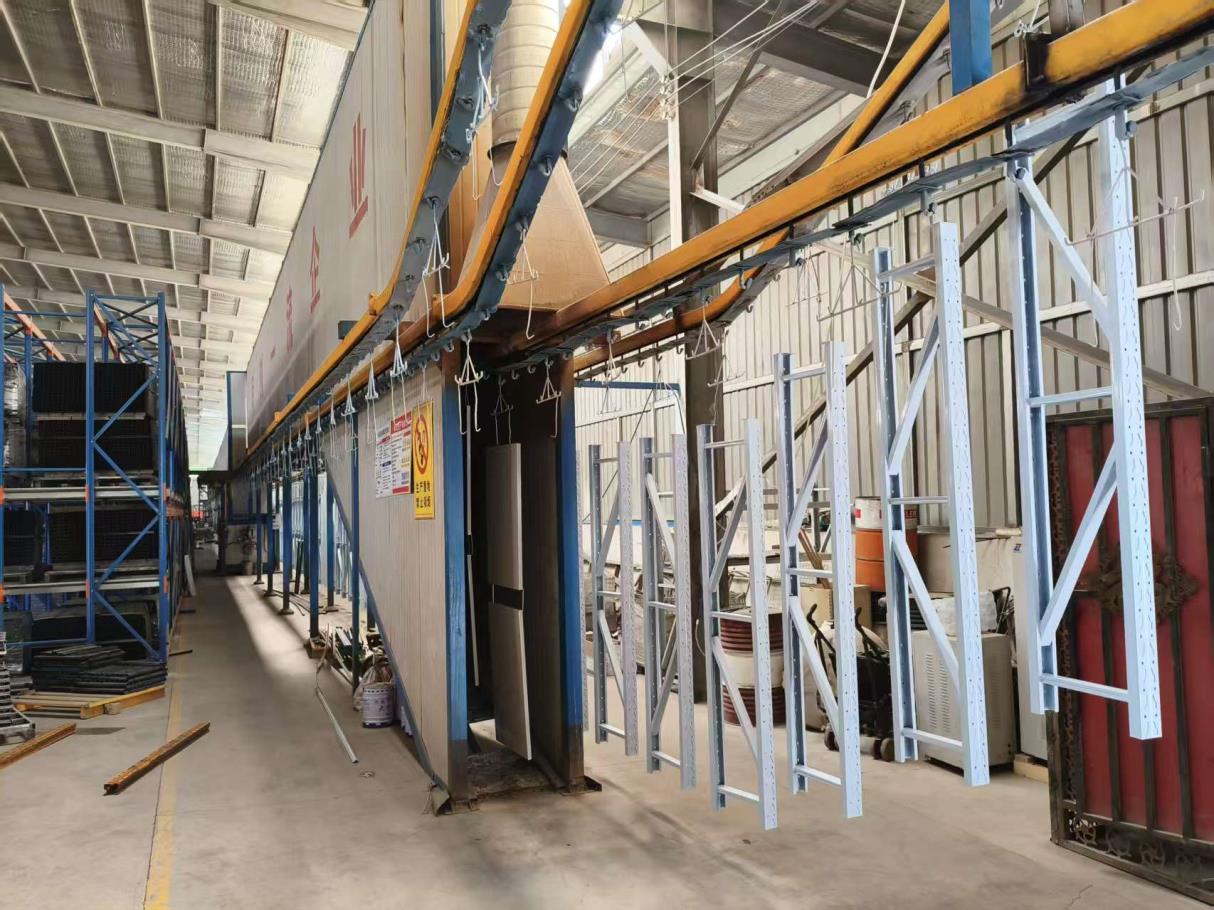
Quality and precision are at the core of our operations. Supported by 35 full-time QC inspectors, we implement rigorous quality assurance protocols using ultrasonic weld flaw detection, coating thickness testing, and heavy-load stress tests to ensure strict compliance with ISO9001 and international FEM/ANSI safety standards. Backed by a strong OEM/ODM background and a robust network of 1,200 supply chain partners, we offer highly customizable options—ranging from custom dimensions and load capacities to specialized powder coatings and seismic-resistant structural designs.
Innovation drives our continuous growth. Our team of 18 R&D engineers focuses on developing high-density and automated storage systems, successfully launching 65 new products last year alone. Sanyang remains dedicated to providing safe, space-saving, and cost-effective storage solutions for our global clientele.
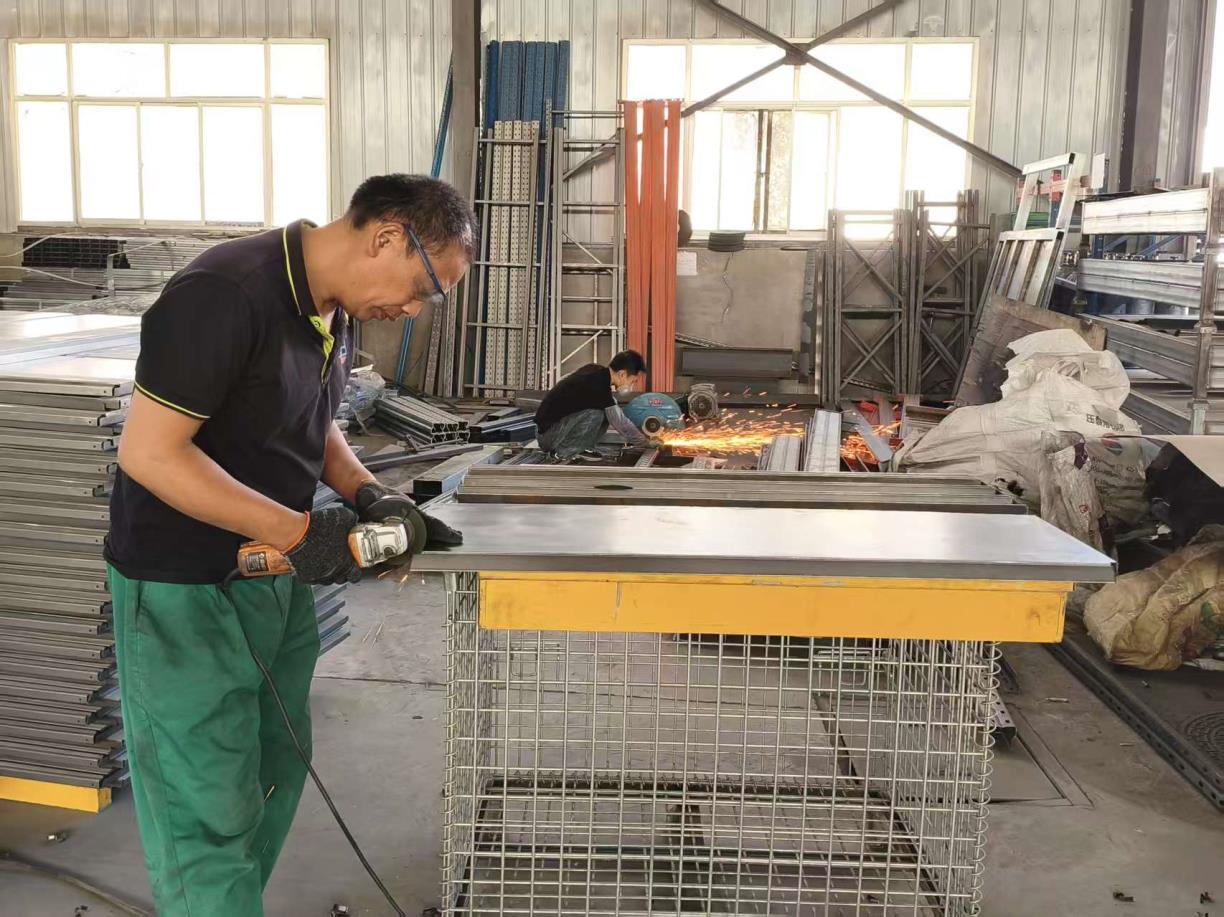
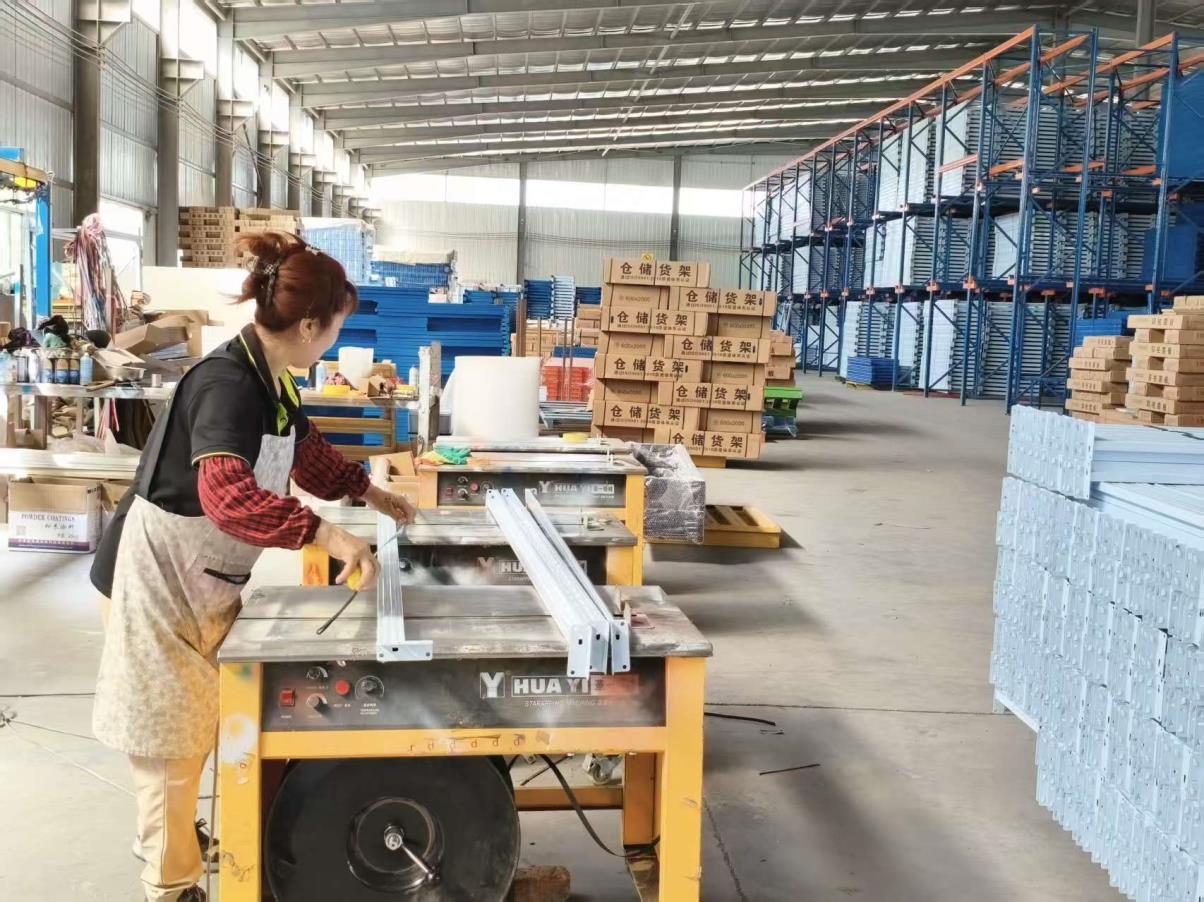
Step-by-step documentation of our engineering execution, ensuring structural load integrity at every point.
Optimizing your storage infrastructure with tailored engineering and supply chain solutions.
Engineered for cold storage facilities down to -40°C. Resists brittle fractures and reduces thermal contractive stress.
Constructed with high-grade composites to withstand acid, alkaline, and saline environments, preventing oxidation.
Precision vertical tolerances that integrate with crane interfaces and autonomous robotic shuttles.
Leading structural evolution through smart sensing technologies and sustainable materials.
As the material handling sector transitions toward intelligent systems, Sanyang is integrating sensor technologies directly into our composite and steel uprights. The next generation of industrial racking will serve as more than passive steel frames; it will act as an active, data-driven node within the smart warehouse ecosystem.
Rigorous verification protocols and testing stages that ensure structural safety and regulatory compliance.
At Shenzhen Sanyang, safety and reliability are our top priorities. Every layout pattern, raw material batch, and welded joint undergoes testing to verify compliance with national and international standards. Our manufacturing processes adhere to quality and safety regulations:
Answers to common structural design questions from warehouse engineers and procurement managers.
Composite-steel hybrids leverage the lightweight properties and corrosion resistance of composite polymers alongside the structural rigidity of steel. This combination provides weight reductions, vibration damping for robotic shuttles, and resistance to environmental moisture, acids, and chemical oxidation.
Our team of 18 R&D engineers uses Finite Element Analysis (FEA) to simulate load distributions, seismic forces, and structural fatigue. Physical load-stress testing is then performed by our QC team in our facility to verify safety margins before shipping.
Yes, we provide full OEM/ODM customization. We can adjust heights, vertical spacing, bay configurations, and load capacities (ranging from 50 kg to over 5,000 kg per bay) based on your inventory requirements and facility layouts.
Our storage systems are manufactured in compliance with ISO9001, FEM 10.2.02, and ANSI MH16.1 structural safety guidelines, ensuring compliance for regulatory checks and facility insurance requirements.
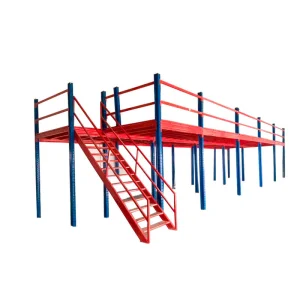
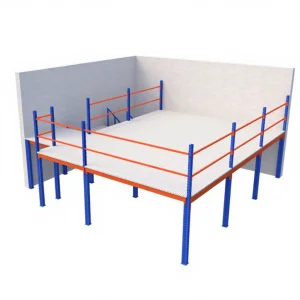
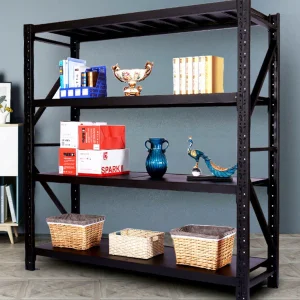
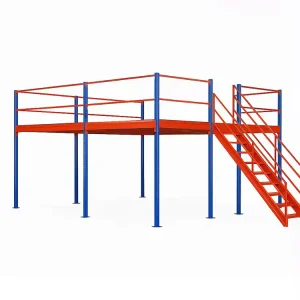
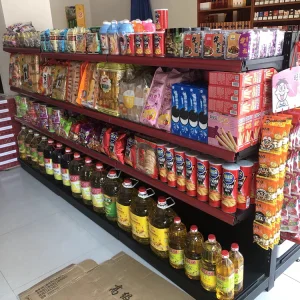
Explore our additional industrial options, including multi-tier mezzanines, boltless shelving, and retail configurations.
 Sanyang Racking