Explore our highly-engineered industrial storage frameworks, designed for maximum vertical capacity, seismic resilience, and corrosion-free lifetime cycles.
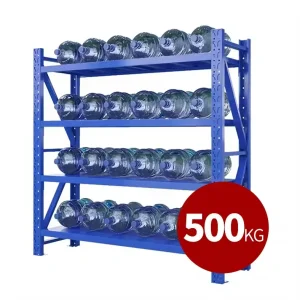
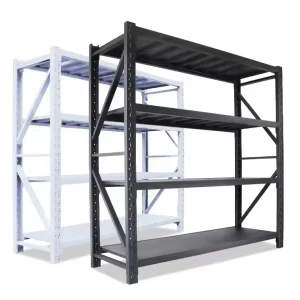
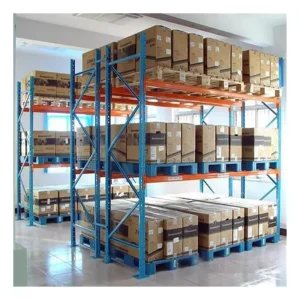
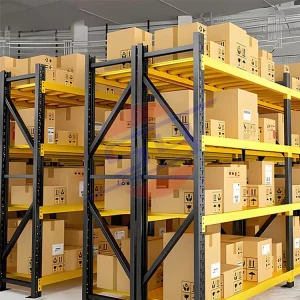
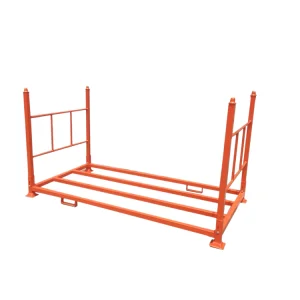
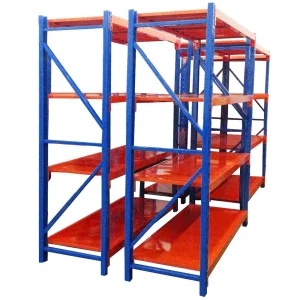
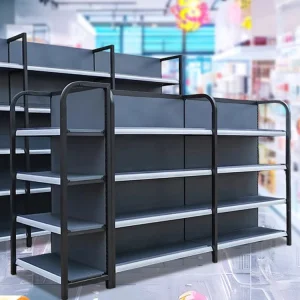
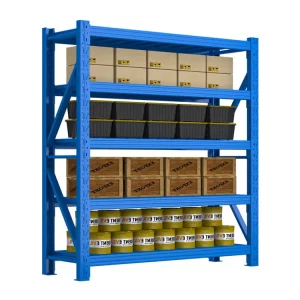
Deconstructing structural hanging solutions, warehouse density optimization, and macro supply chain efficiency metrics.
In modern supply chain orchestration, spatial efficiency is no longer a luxury but an absolute operational imperative. Rapid e-commerce development, third-party logistics (3PL) expansion, and just-in-time manufacturing models have pushed warehousing infrastructure to its limits. This shift has placed high-density storage solutions, particularly hanging racks, stacking frames, and multi-tier cantilever systems, at the core of efficient industrial layout planning.
Globally, industrial real estate costs have risen over 34% in metropolitan logistics hubs. This reality forces operators to look upward, leveraging the vertical volume of their warehouses. The term "hanging racks" historically referred to garments-on-hangers (GOH) retail systems. However, in today's industrial design language, it covers complex overhead structures, elevated storage arrays, specialized cable reel suspensions, and heavy-duty stacking frames that isolate fragile loads while maximizing vertical cubic capacity.
The global demand for high-strength steel racking systems is driven by three main factors:
An inside look at Shenzhen Sanyang Storage Equipment's advanced processes and production capabilities.
Established in 2015, Shenzhen Sanyang Storage Equipment Manufacturing Co., Ltd. is a leading manufacturer specializing in heavy-duty industrial pallet racking, warehouse shelving systems, and automated material handling solutions. Located in Shenzhen, our modern facility spans a total building area of 38,000 m², equipped with advanced automated roll-forming machines, laser cutters, and robot welding lines.
With over 12 years of industry experience and 8 years of active export experience, Sanyang has expanded its international footprint. Our main overseas markets cover North America, Western Europe, Southeast Asia, and the Middle East, primarily serving global logistics hubs, e-commerce fulfillment centers, third-party logistics (3PL) providers, and large manufacturing enterprises.
Quality and precision are at the core of our operations. Supported by 35 full-time QC inspectors, we implement rigorous quality assurance protocols using ultrasonic weld flaw detection, coating thickness testing, and heavy-load stress tests to ensure strict compliance with ISO9001 and international FEM/ANSI safety standards. Backed by a strong OEM/ODM background and a robust network of 1,200 supply chain partners, we offer highly customizable options—ranging from custom dimensions and load capacities to specialized powder coatings and seismic-resistant structural designs.
Innovation drives our continuous growth. Our team of 18 R&D engineers focuses on developing high-density and automated storage systems, successfully launching 65 new products last year alone. Sanyang remains dedicated to providing safe, space-saving, and cost-effective storage solutions for our global clients.
Sanyang's automated manufacturing process relies on precision machinery and high-grade structural steel (typically Q235B or Q355B grades) to guarantee structural safety under heavy load pressures.
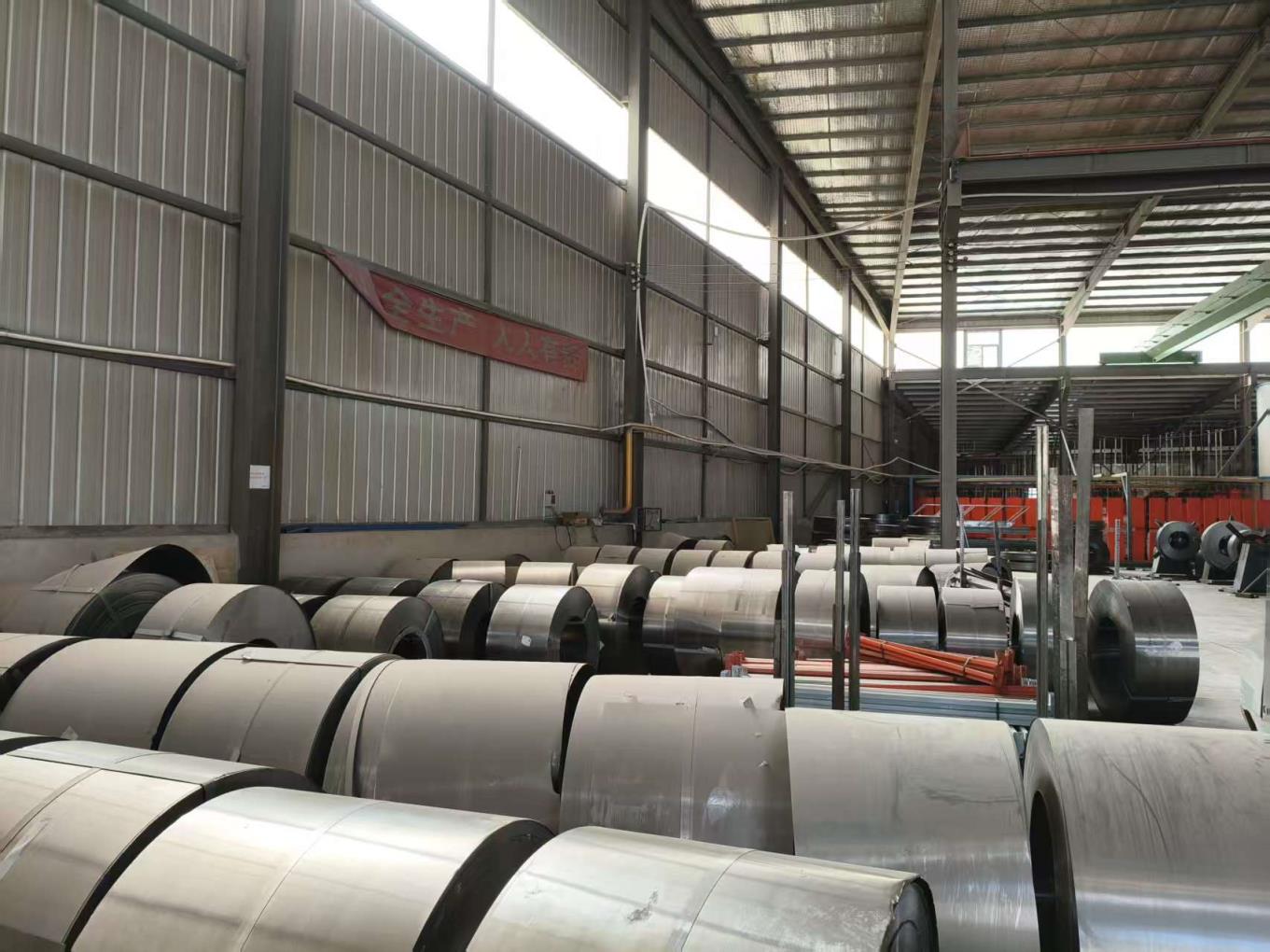
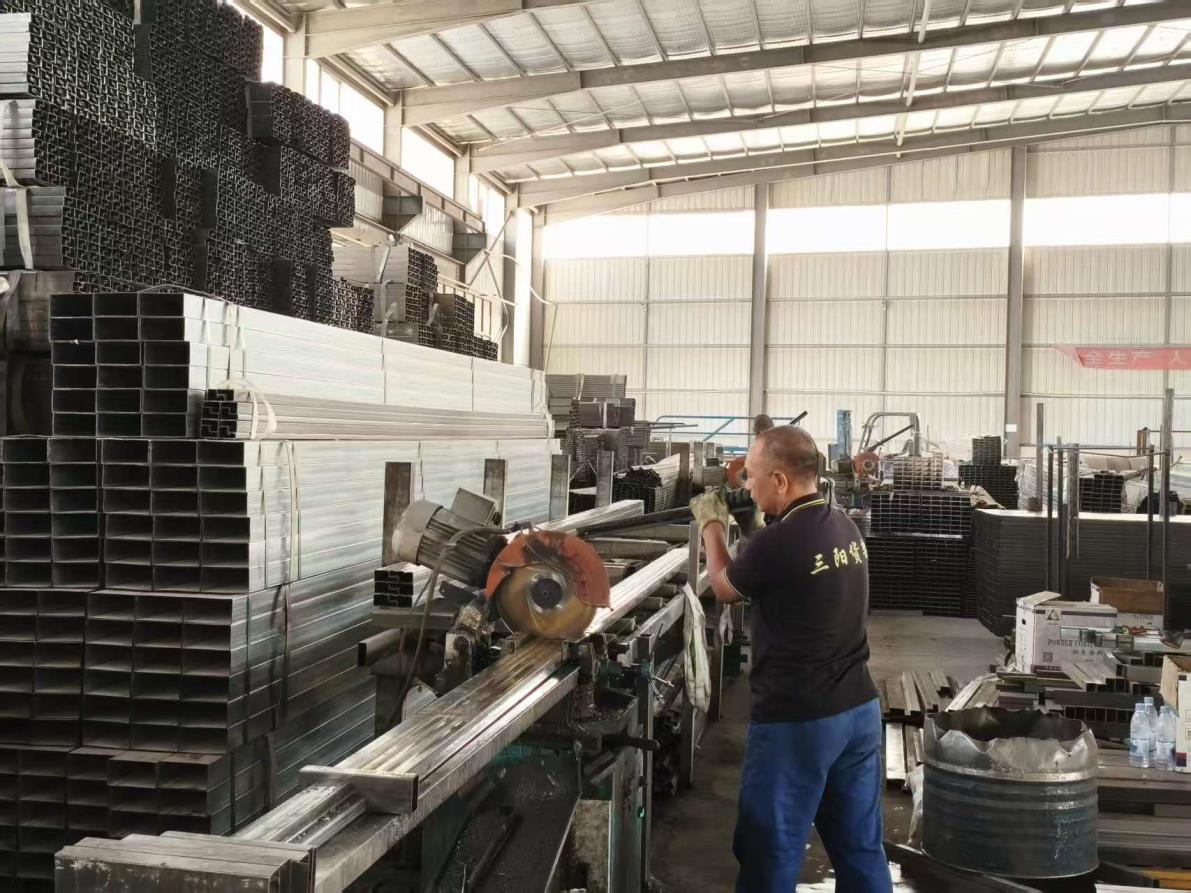
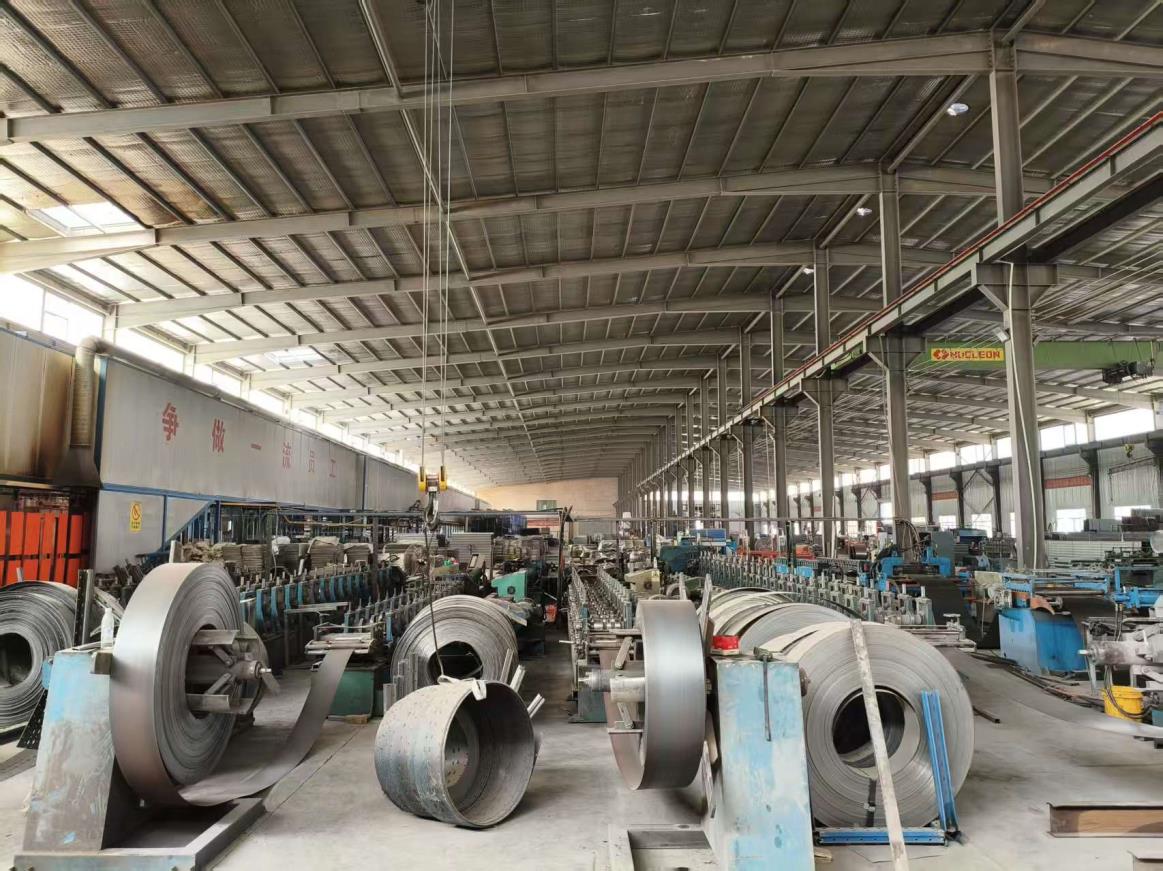
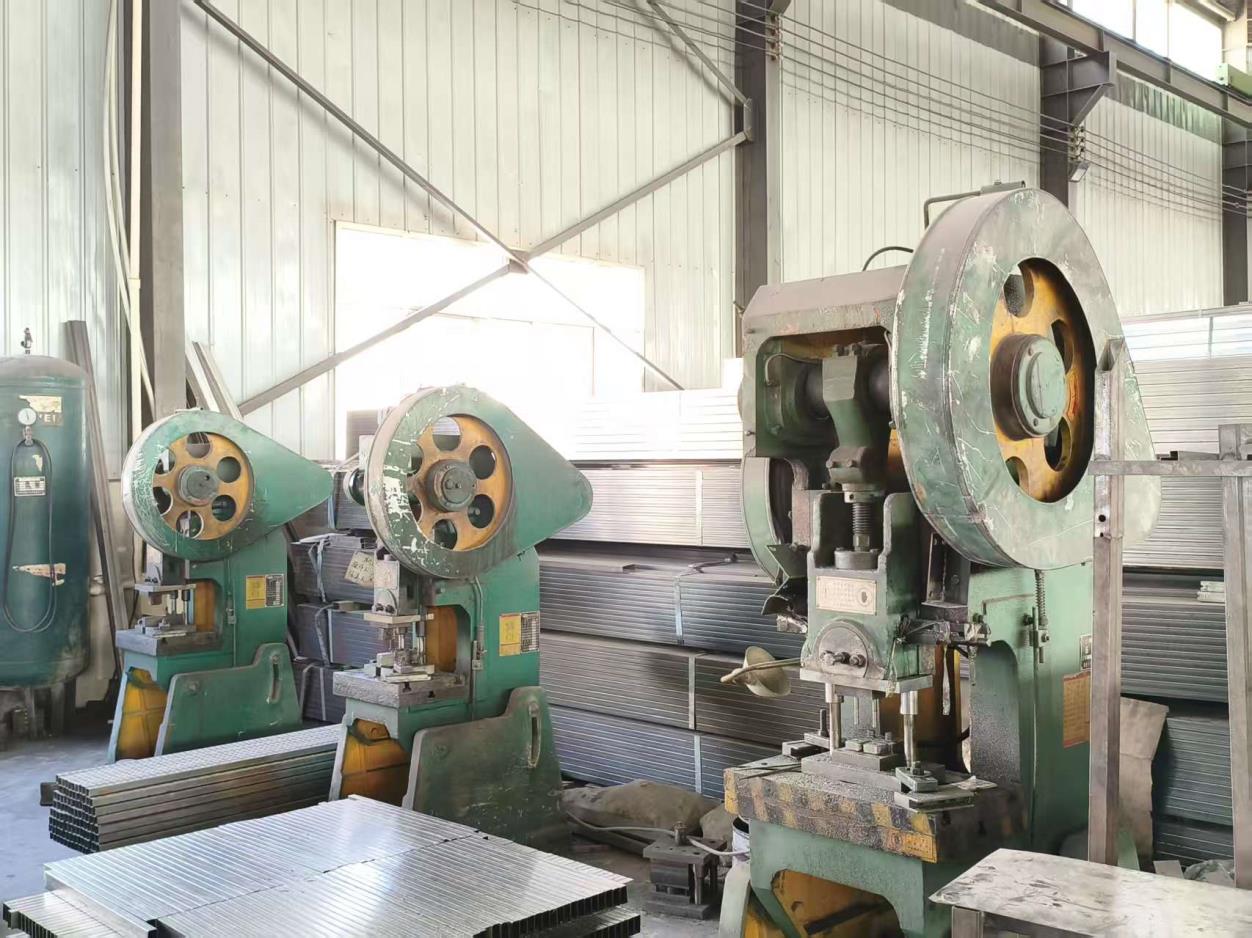
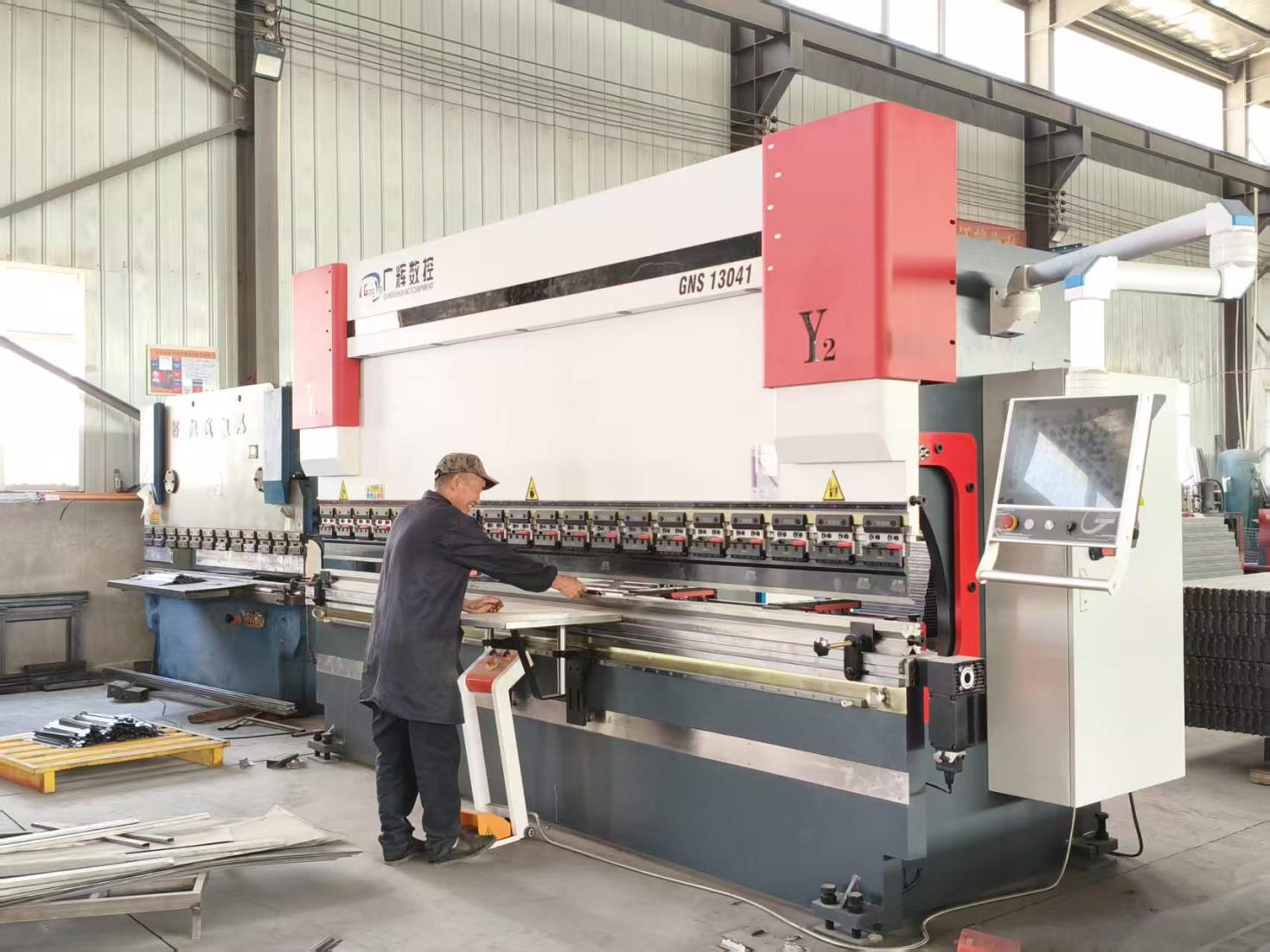
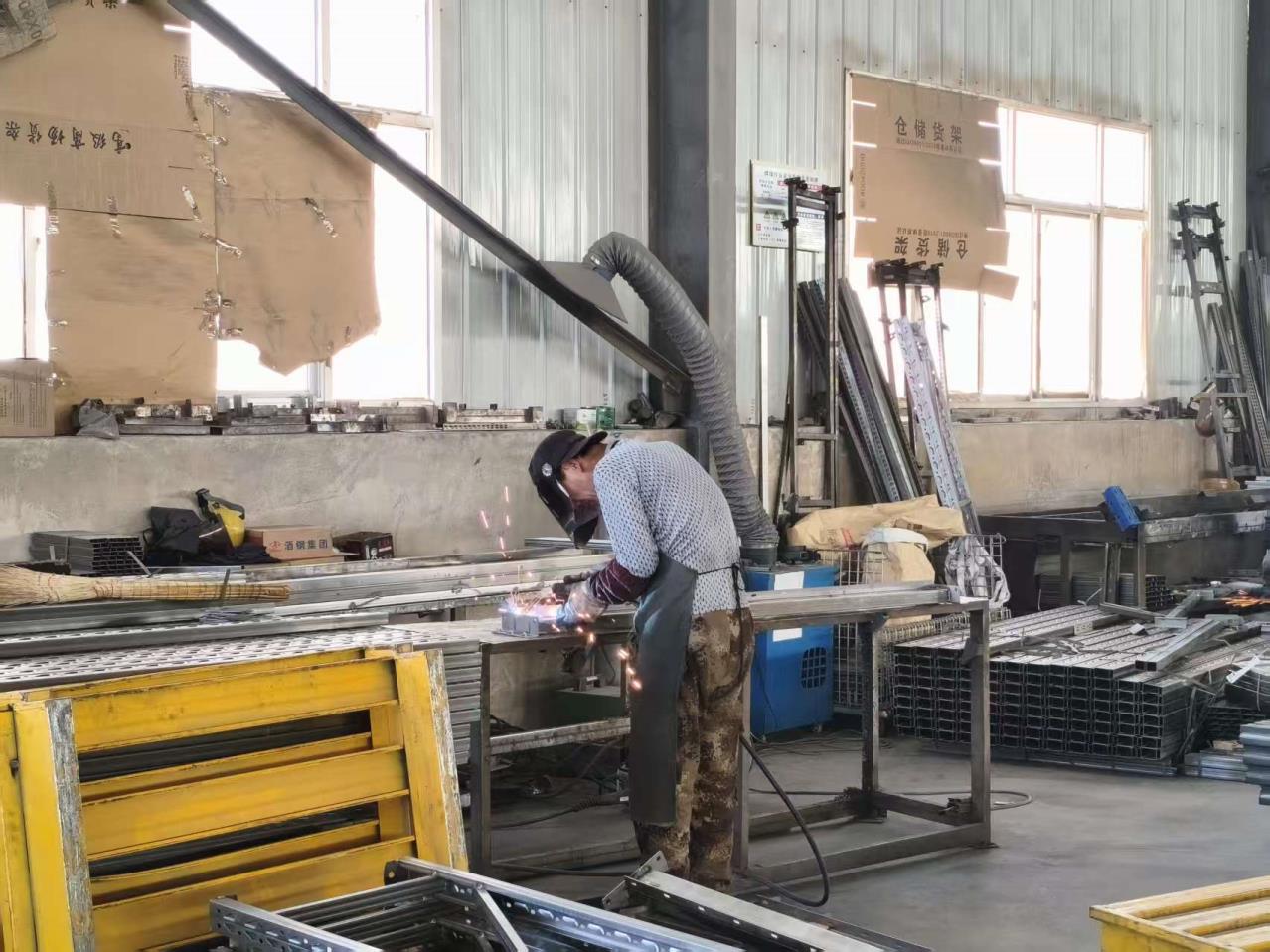
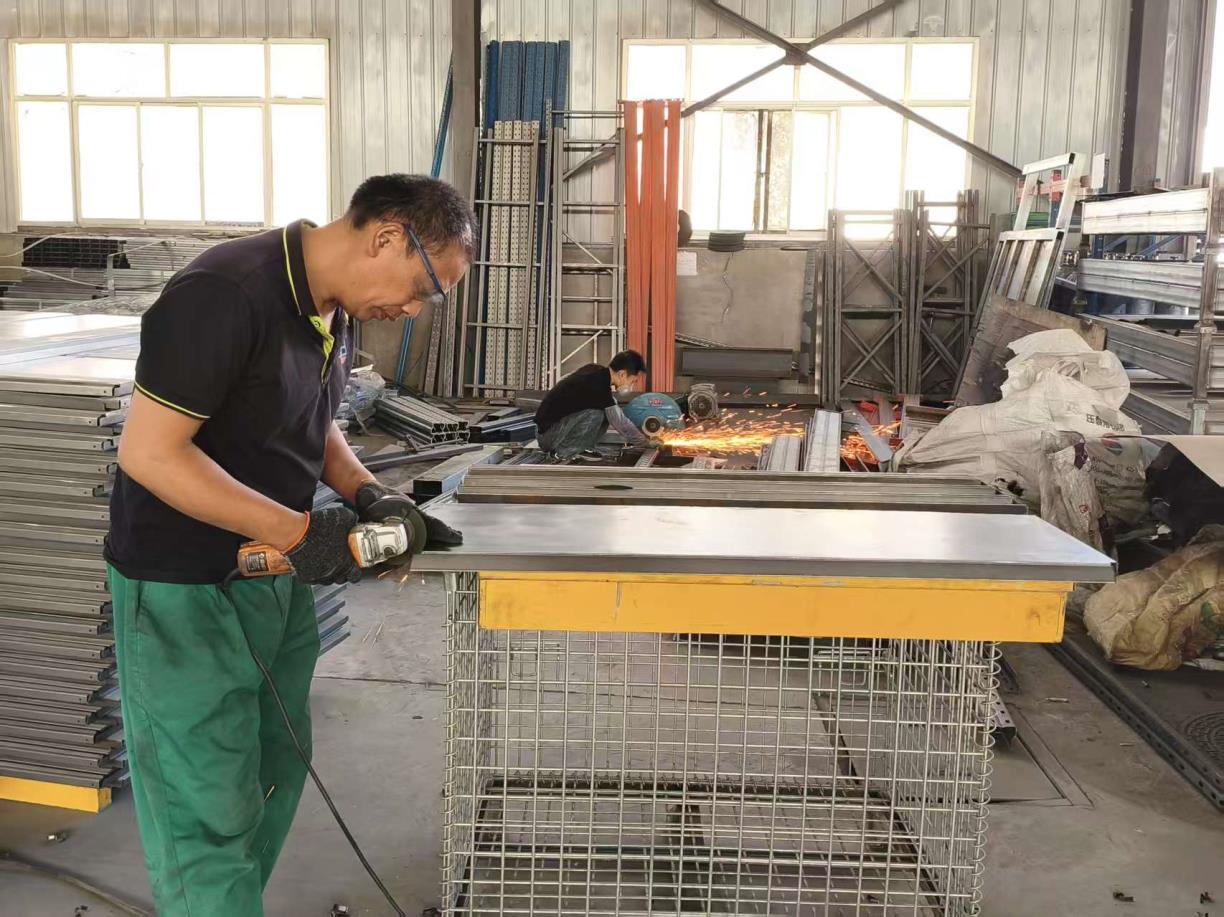
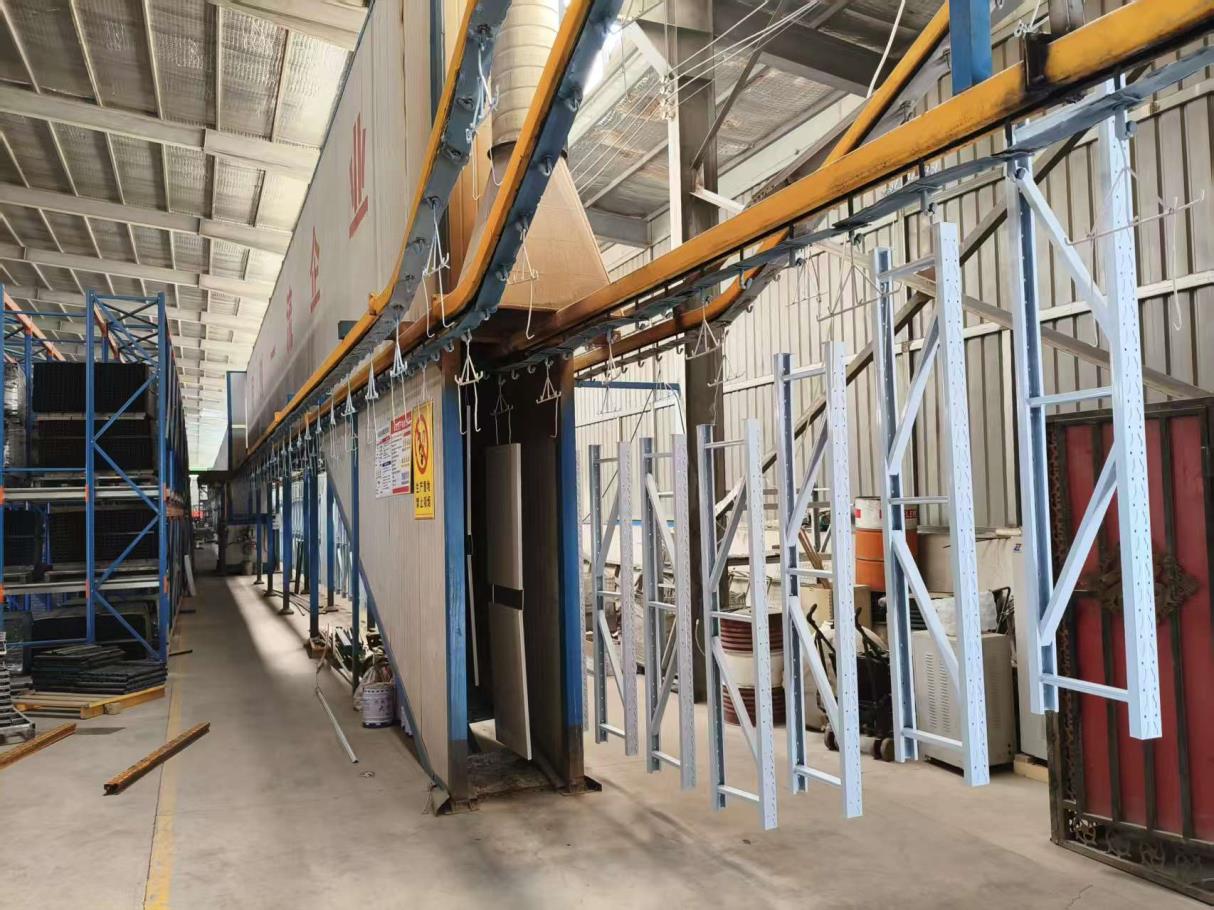
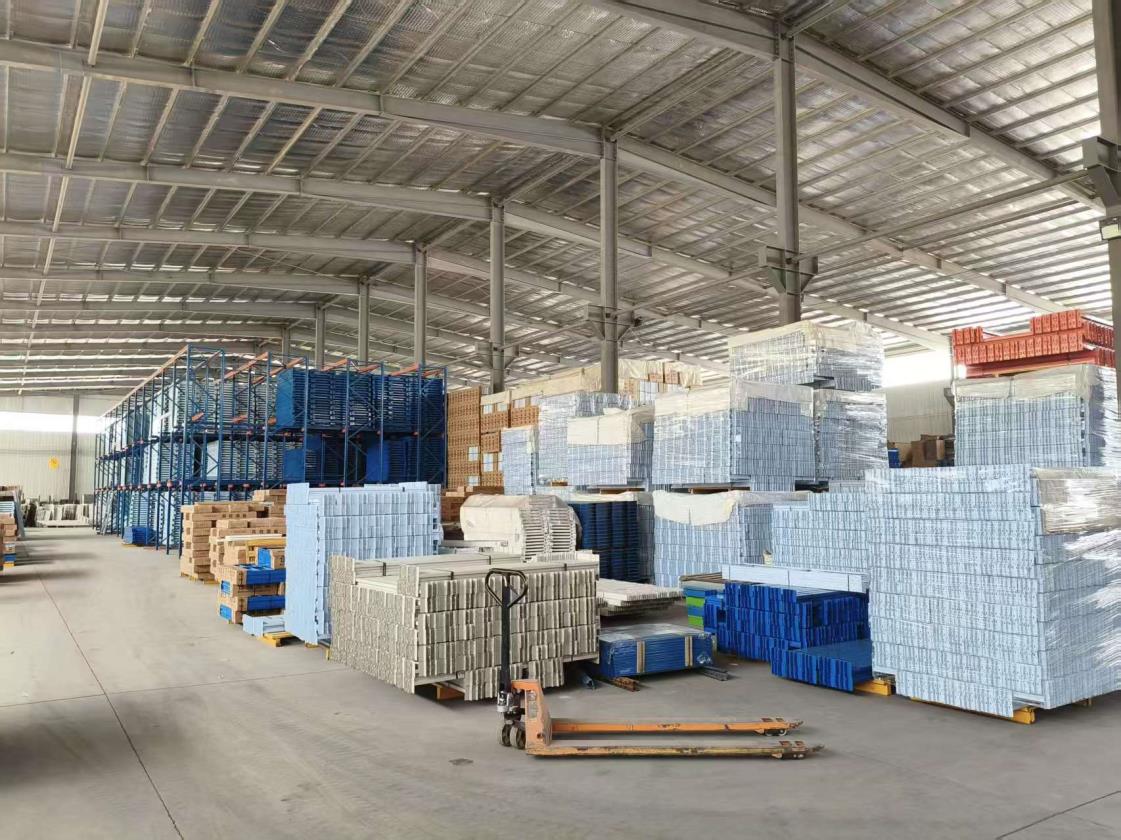
To maintain our position as a leading global manufacturer, we have invested in heavy industrial equipment. This specialized hardware guarantees precise dimensions, smooth stamping, clean cut edges, and uniform powder coatings that protect structural surfaces from moisture and atmospheric decay.
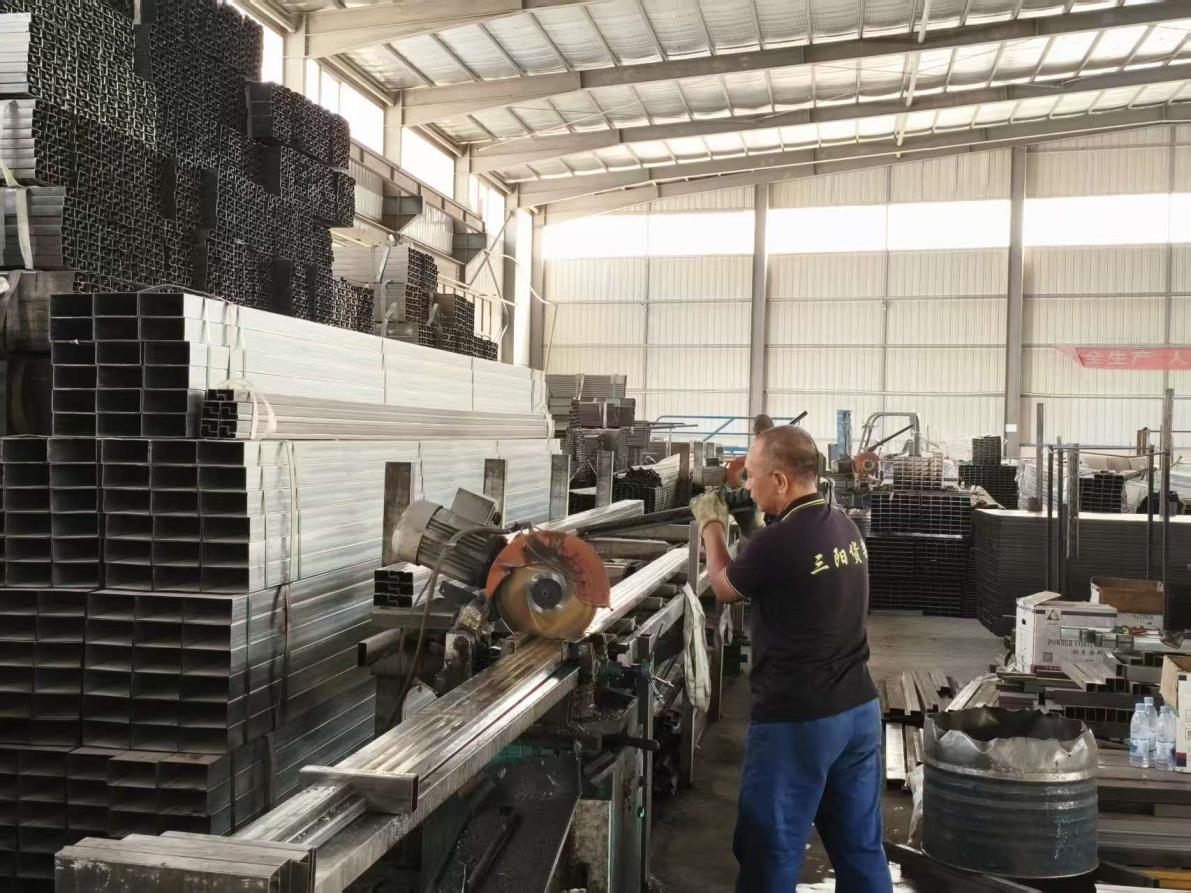
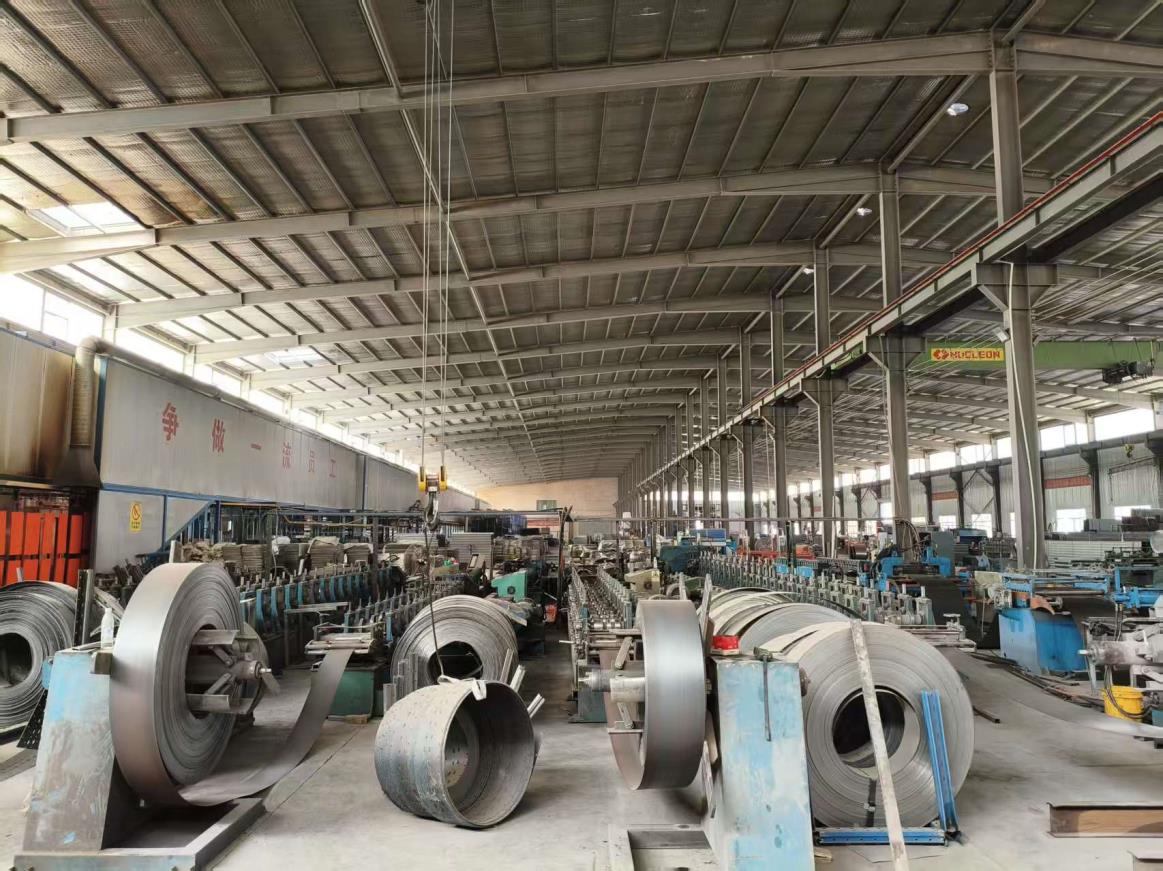
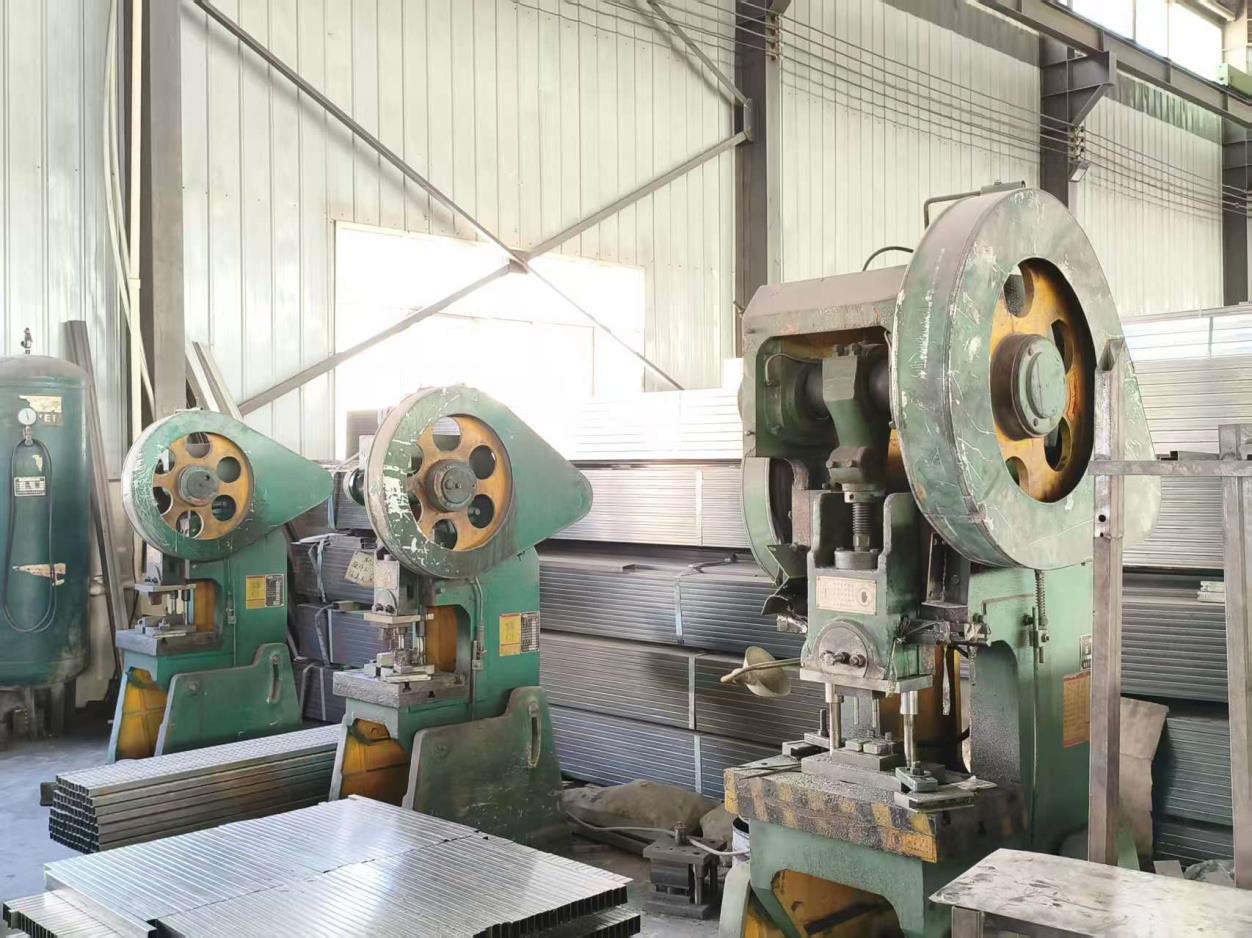
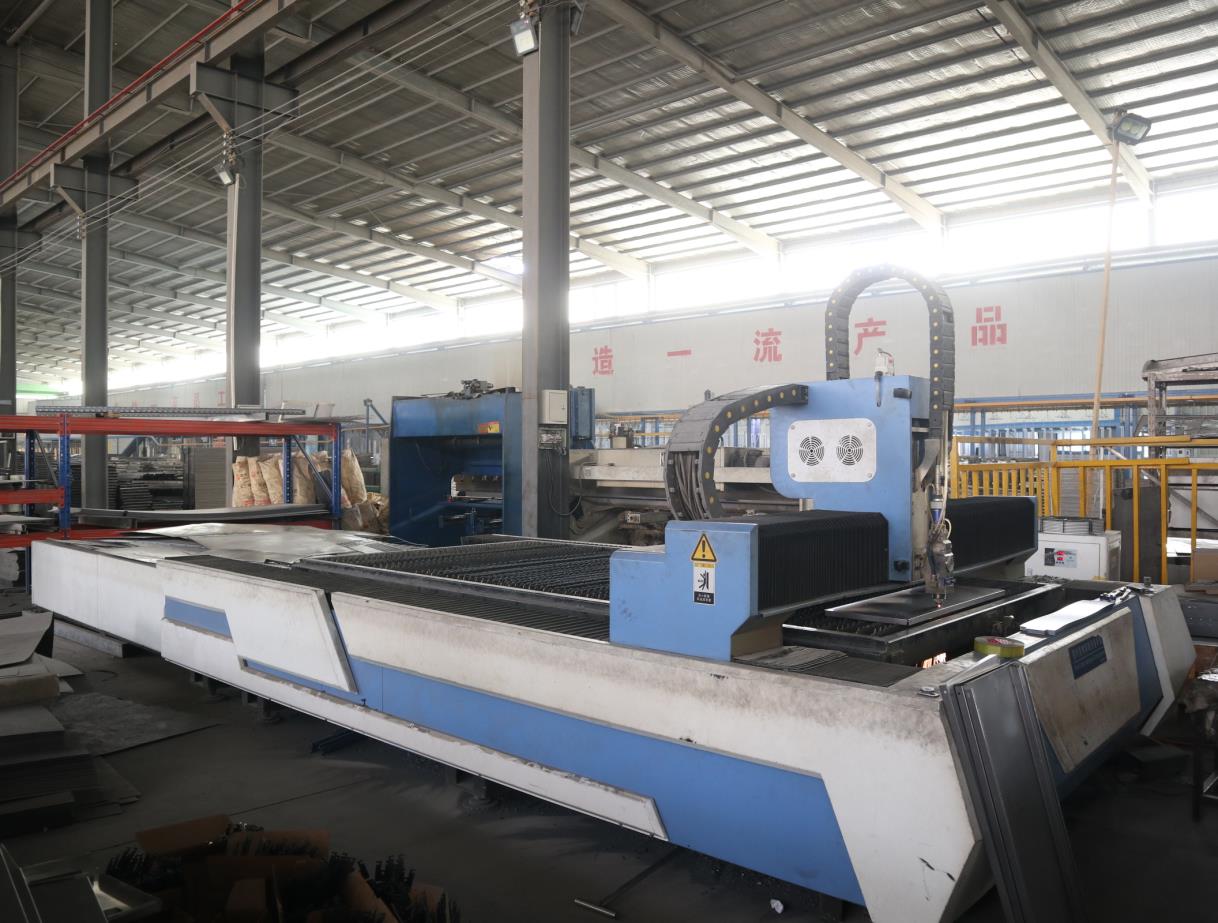
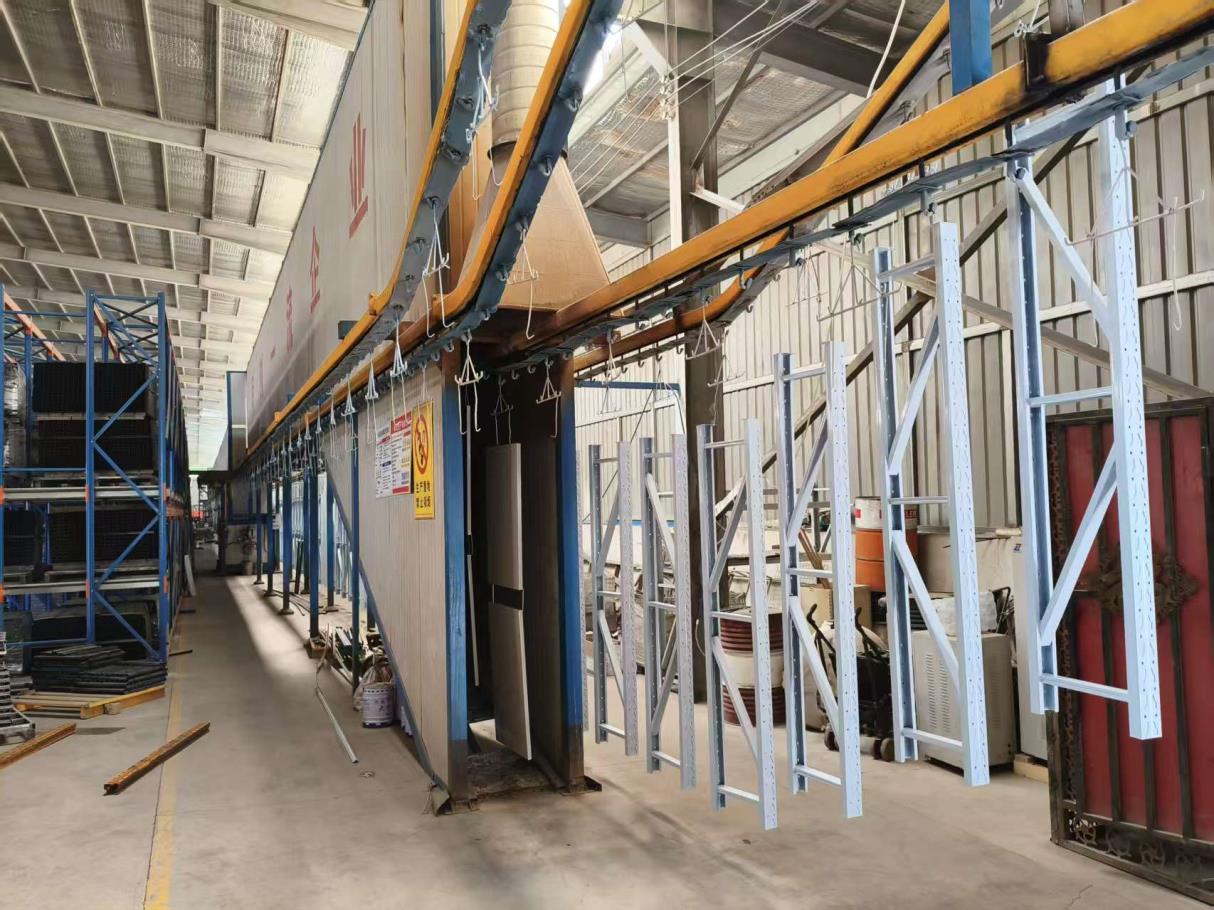
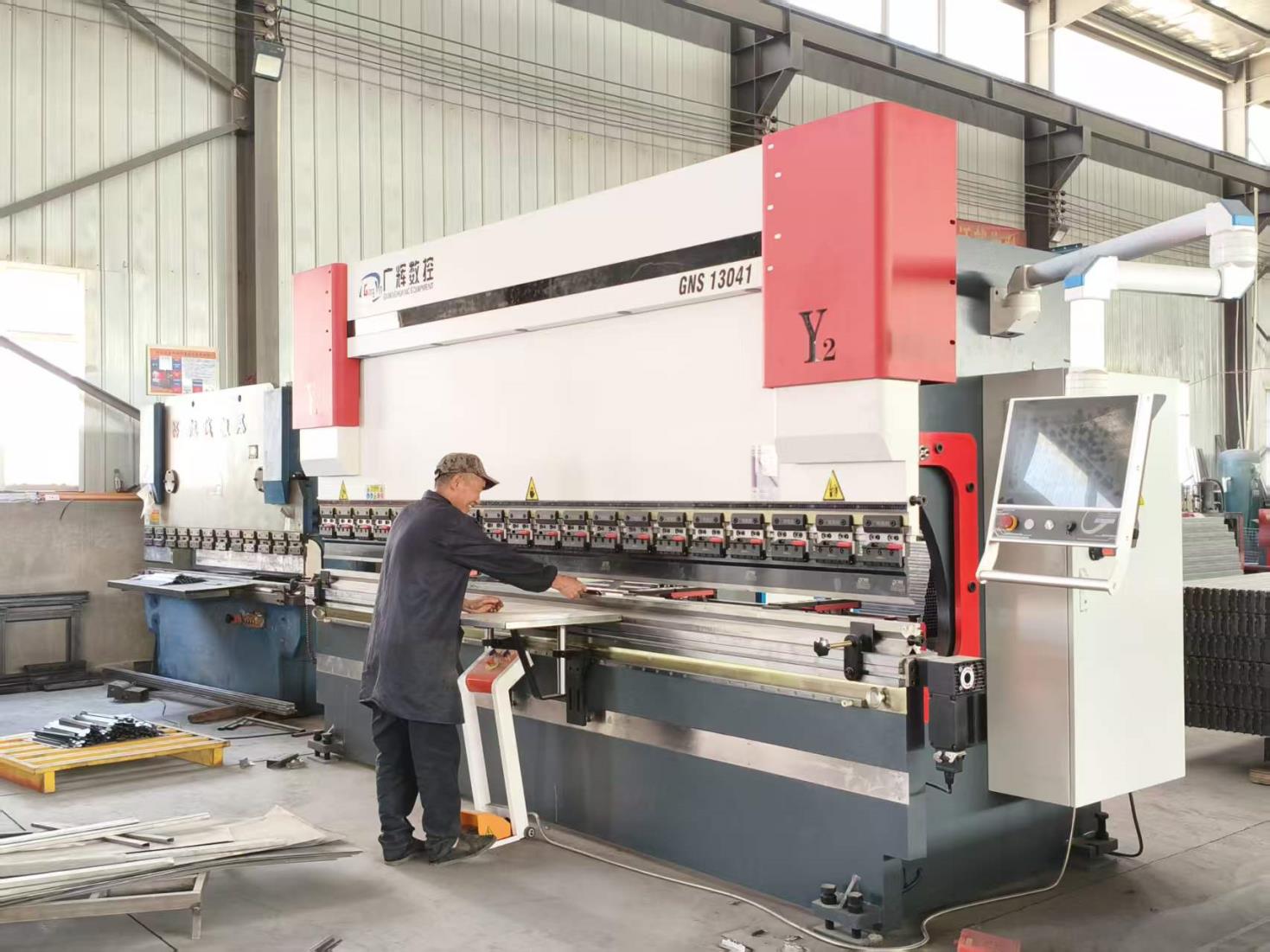
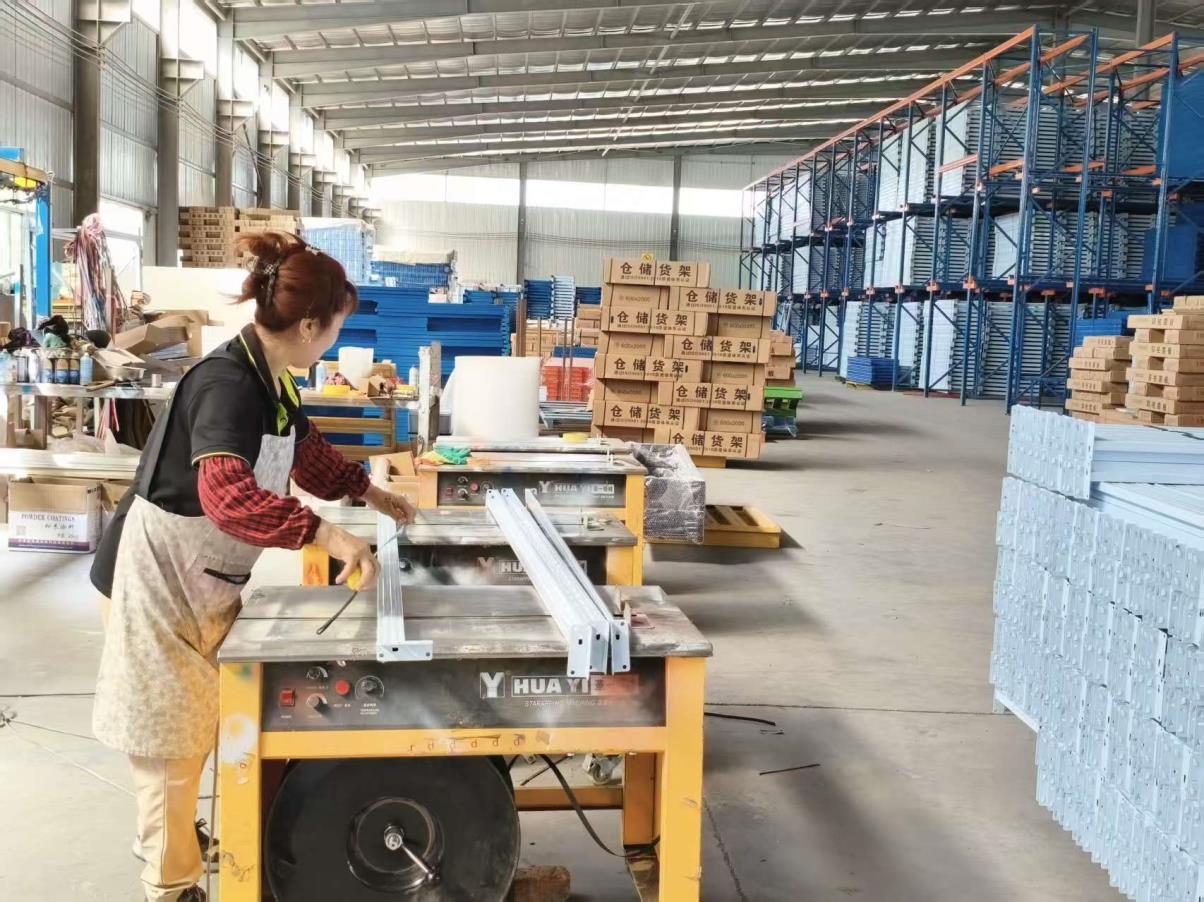
How localized industrial ecosystems, integrated supply chains, and automated machinery create a global cost-to-quality advantage.
The global logistics industry depends on Chinese industrial manufacturing to meet its racking and shelving needs. This positioning is built on deep structural advantages that go beyond lower labor costs. In Shenzhen and surrounding Southern China industrial zones, the entire raw material supply chain is concentrated within a two-hour radius.
Our facility has direct access to primary steel processing mills, cutting down on transportation logistics and material degradation. Over the last decade, we have transitioned from manual metal forming to fully automated, digitally controlled lines. This integration yields distinct operational benefits:
| Operational Parameter | Sanyang Automated Facilities (China) | Typical Western Manufacturing Centers | Impact on Procurement Cost & Quality |
|---|---|---|---|
| Direct Steel Access | Bulk procurement of Q355B coils directly from local mills | Imported raw coils or regional middle-tier distributors | 15–20% reduction in raw material acquisition costs |
| Tooling & Upright Profiling | Multi-profile roll forming with on-the-fly adjustable dies | Single-profile static mills with high setup changeover downtime | Shortened production lead times for custom specifications |
| Welding Precision | Multi-axis robotic arms with automated seam tracking | Manual or semi-automatic GMAW operators | Consistent structural weld strength and minimized failure risks |
| Pre-Treatment / Coating | 12-stage chemical hot-dip washing, phosphate coating, & powder curing | Standard liquid painting or simplified dry powder application | High resistance to humidity and salt spray (ideal for ocean shipping) |
Additionally, Sanyang's integration with 1,200 supply chain partners allows us to source high-grade fasteners, anchor bolts, wire decking panels, and specialized transport pallets quickly. This keeps our lead times tight even during seasonal demand spikes.
Analyzing how diverse environmental and operational profiles influence storage design across continents.
Fulfillment centers in regions like California, Texas, and Ontario face high parcel volumes and skyrocketing land costs. To maximize vertical space, facilities require multi-tier mezzanine layouts paired with heavy-duty structural steel shelving. These racks must be designed to withstand high forklift impact risks. Sanyang provides customized, thick-column profiles with integrated column guards and impact-resistant baseplates, complying with RMI (Rack Manufacturers Institute) guidelines.
Western European logistics facilities, particularly in Germany, the Netherlands, and France, focus heavily on automation and safety. High-density storage requires tight tolerances in upright straightness and beam deflection limits. Using our computerized CNC roll-forming lines, Sanyang supplies selective beam-type systems and semi-automatic shuttle racking structures that fit seamlessly with AGV (Automated Guided Vehicle) scanners, meeting European EN and FEM standards.
In food, beverage, and seafood processing hubs across Vietnam, Indonesia, and Thailand, warehouses operate in humid conditions and low-temperature cold storage rooms down to -30°C. Standard powder coatings can chip, crack, and rust under these conditions. Sanyang addresses this with heavy-duty hot-dip galvanized finishes and specialized outdoor-grade thermosetting powder coatings. These treatments prevent oxidation, keeping operations hygienic and structurally sound.
A structured guide for procurement officers and logistics executives seeking direct supplier agreements.
Purchasing high-capacity industrial shelving systems requires careful consideration of structural safety and long-term viability. A failure in a heavy-duty rack system can lead to inventory loss, business interruption, and serious safety hazards. Global buyers should evaluate suppliers using this 4-step framework:
1. Material Certification: Insist on Mill Test Certificates (MTC) showing the chemical and physical properties of the steel. Make sure the yield strength matches the load calculations.
2. Finish Quality: Verify the powder coating process. The dry film thickness (DFT) must be consistently measured. It should range between 60 to 90 microns, and pass cross-hatch adhesion tests to prevent premature peeling.
3. Seismic Calculations: Ask for Finite Element Analysis (FEA) reports calculated for your specific installation zip code, especially when planning high-rise racking installations in seismic zones.
4. Logistical Packaging: Make sure the supplier uses heavy-duty wrapping, steel-channel pallet bases, and corner protectors. This keeps long, heavy steel uprights from bending or scraping during sea transit.
How AI integration, structural carbon reduction, and smart logistics are shaping the future of global warehousing.
Looking ahead, static iron and steel shelving is evolving into smart, responsive hardware. High-density radio shuttle racks are now integrated with Warehouse Control Systems (WCS). These systems use sensors to track rack load distributions and monitor structural changes in real time.
At the same time, carbon footprint reduction is becoming a key factor in global supply chain decisions. Major European and North American buyers prioritize manufacturers who use energy-efficient powder curing ovens, source recycled structural steel, and optimize packaging materials. Sanyang is actively reducing its carbon footprint by upgrading its painting lines and implementing green manufacturing processes.
Answers to common technical, regulatory, and mechanical questions from procurement engineers and warehouse designers.
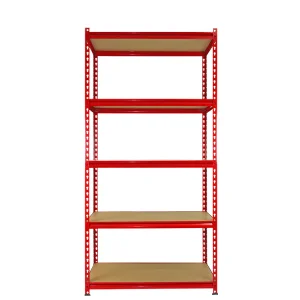
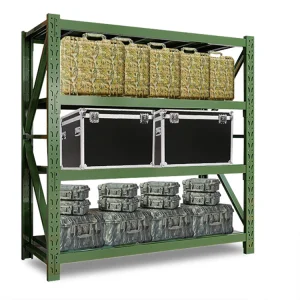
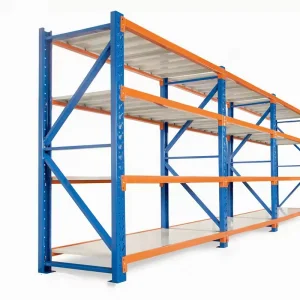
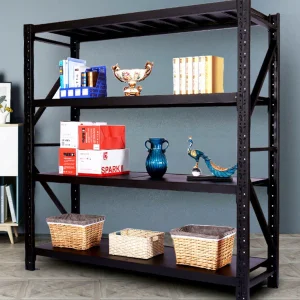
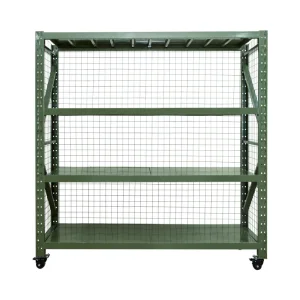
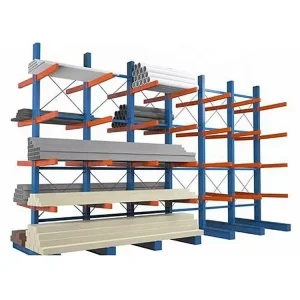
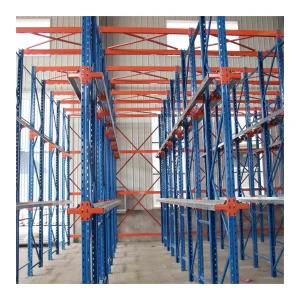
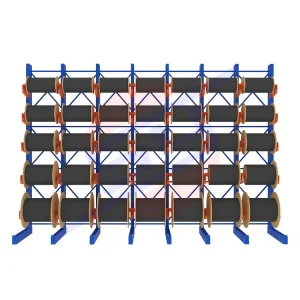
Explore our highly specialized heavy-duty racks, cantilever frames, and automated shuttle systems designed for industrial storage.
 Sanyang Racking