WHITE PAPER & PROCUREMENT GUIDE 2025

Top 10 Mixed-Use Racks Manufacturers & Factories

Engineering-grade storage solutions, global compliance, and end-to-end industrial supply chains for automated warehouses.

Mixed-Use Racks: The Backbone of Modern Multi-Channel Fulfillment

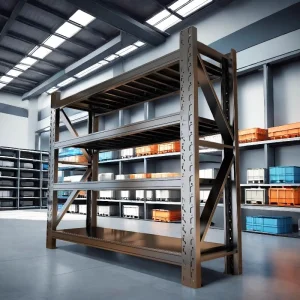
As global distribution networks pivot towards hybrid storage demands—where palletized storage, split-case picking, e-commerce fulfillment, and automated workflows coexist—traditional selective racks fall short. Mixed-Use Racking Systems have emerged as the standard infrastructure for supply chain efficiency.

Modern third-party logistics (3PL) providers and manufacturing hubs face the pressure of shrinking order cycle times. Instead of operating distinct zones for bulk storage and order picking, hybrid systems merge heavy-duty structural steel frames with dynamic flow channels, radio shuttles, and light-duty shelving inserts. This consolidation minimizes forklift travel distance, optimizes vertical clearance, and drives square-footage productivity up by 35% to 50%.

"The core architectural priority for contemporary logistics planners is structural versatility. A mixed-use rack configuration must adapt seamlessly from high-load bulk storage to fast-pick automated lanes without requiring complete frame replacements."

However, procuring these complex systems globally introduces significant compliance challenges. Buyers must navigate regional steel grades, localized seismic zone calculation codes, and varied safety certifications. Working with an OEM/ODM manufacturer capable of engineering customizable racks that meet both the European FEM specifications and the American RMI/ANSI standards is crucial to preventing expensive logistics delays.

Shenzhen Sanyang Storage Equipment: Enterprise Profile & Capabilities

Direct access to production and design capabilities is essential for sourcing high-volume storage layouts. Shenzhen Sanyang Storage Equipment Manufacturing Co., Ltd. represents the next tier of advanced steel fabrication and intelligent engineering.
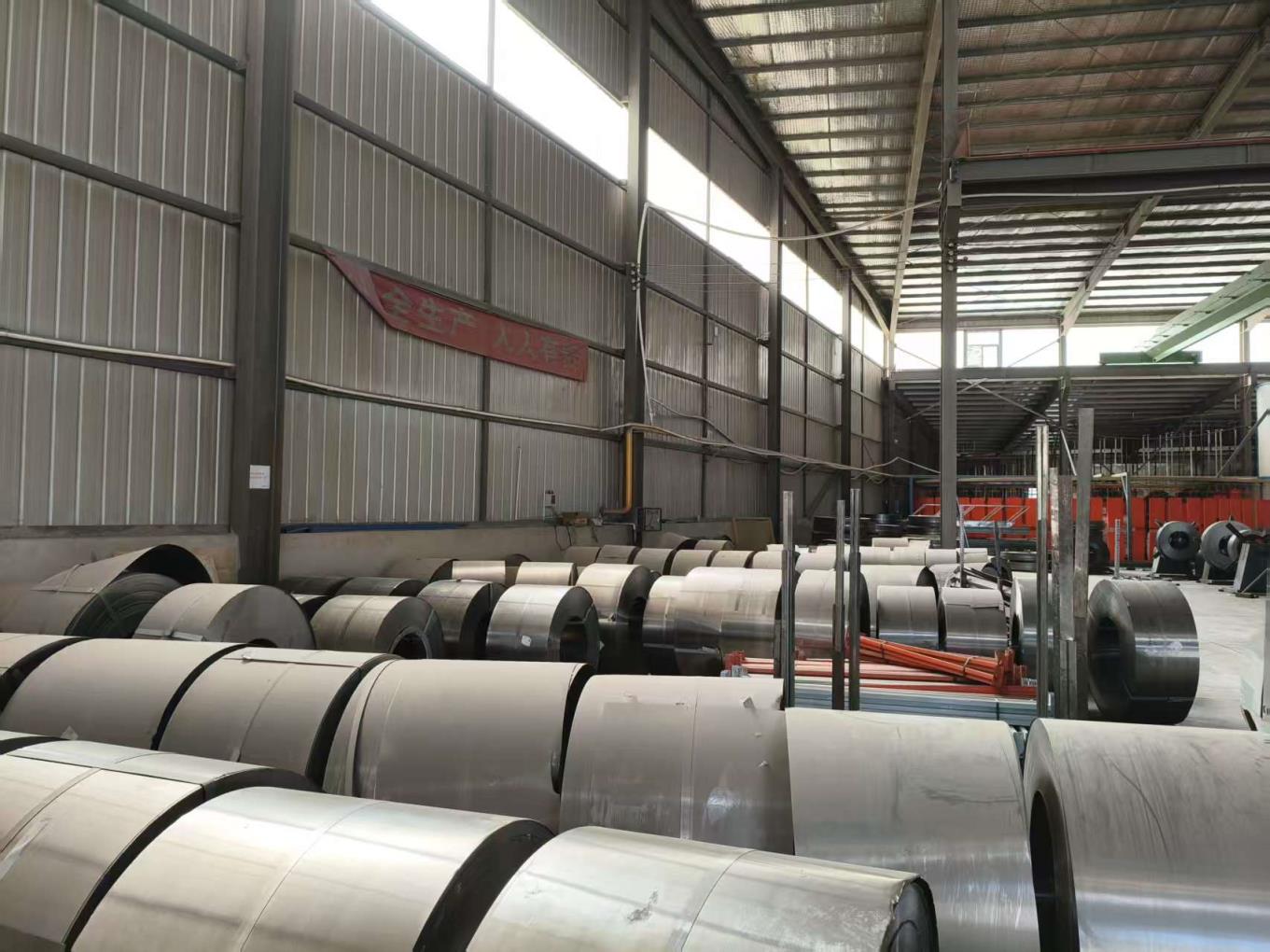
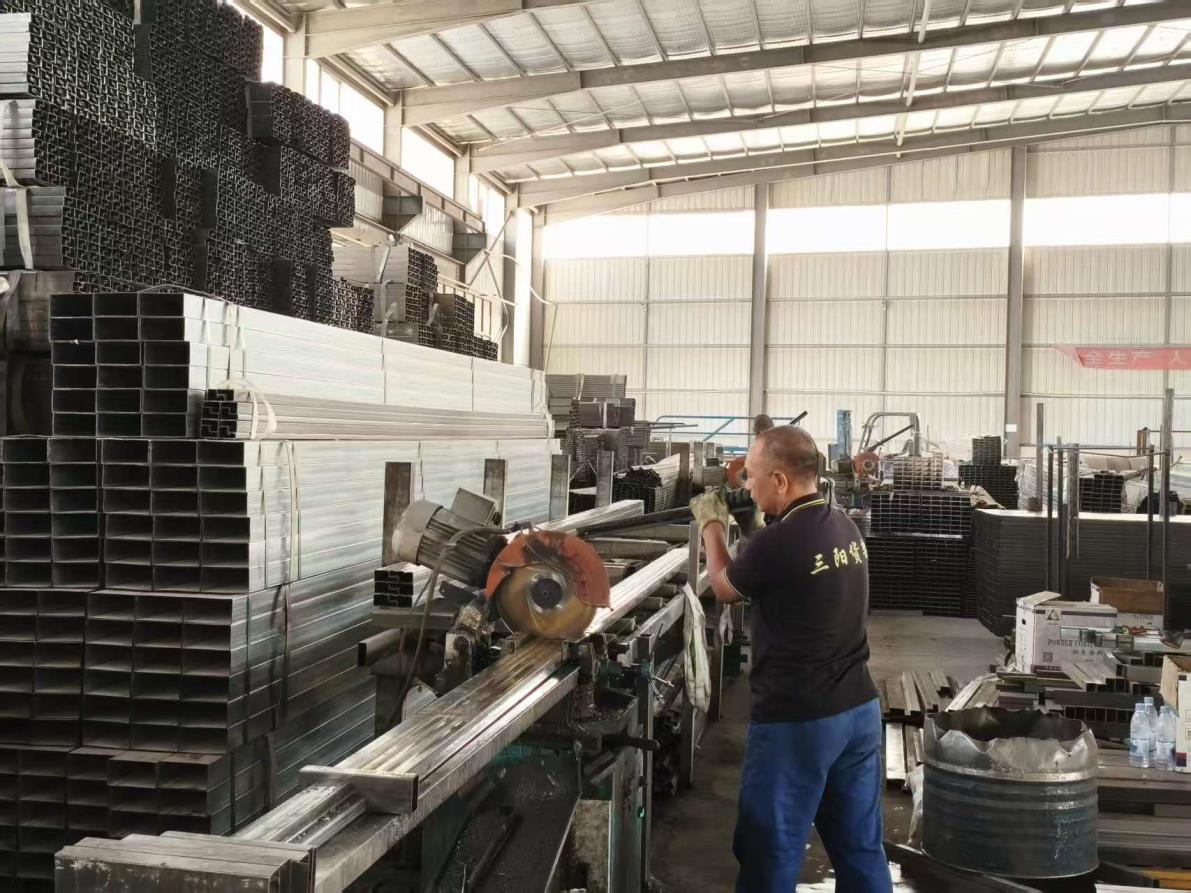
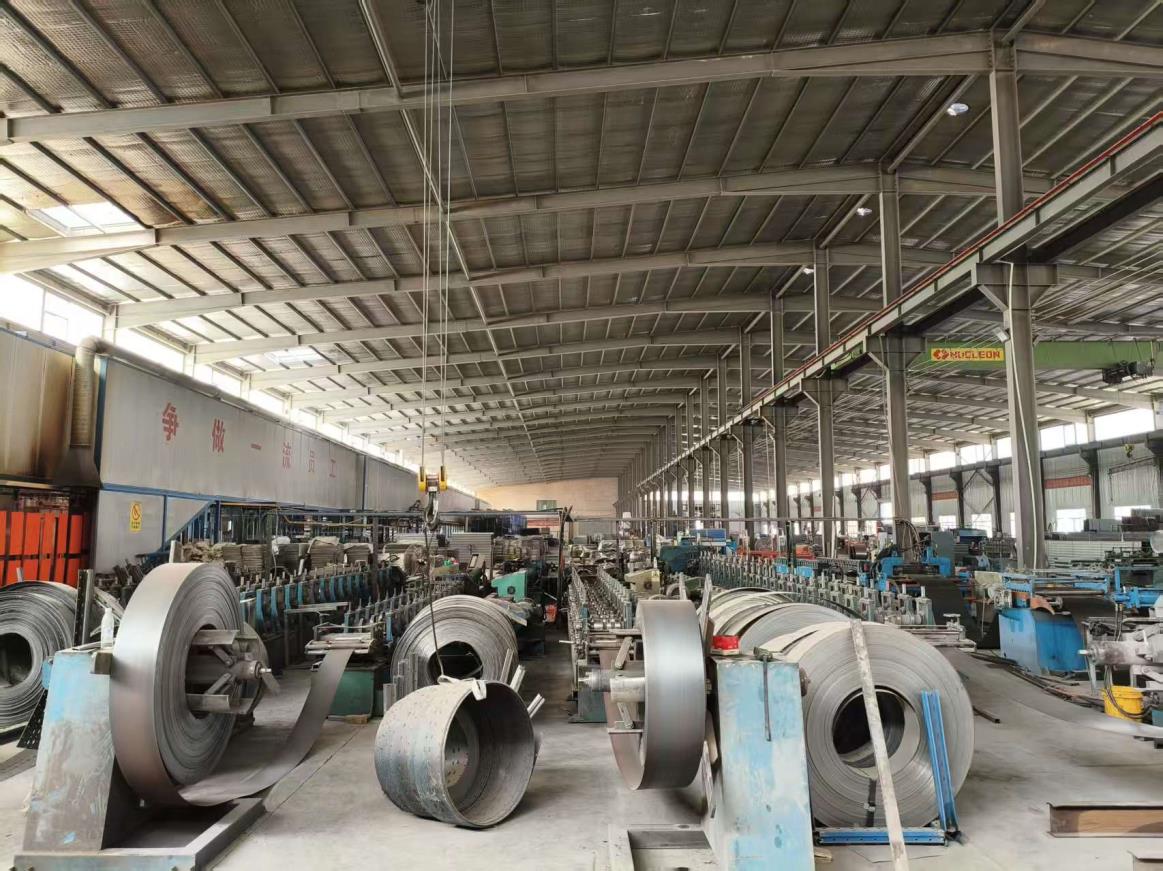
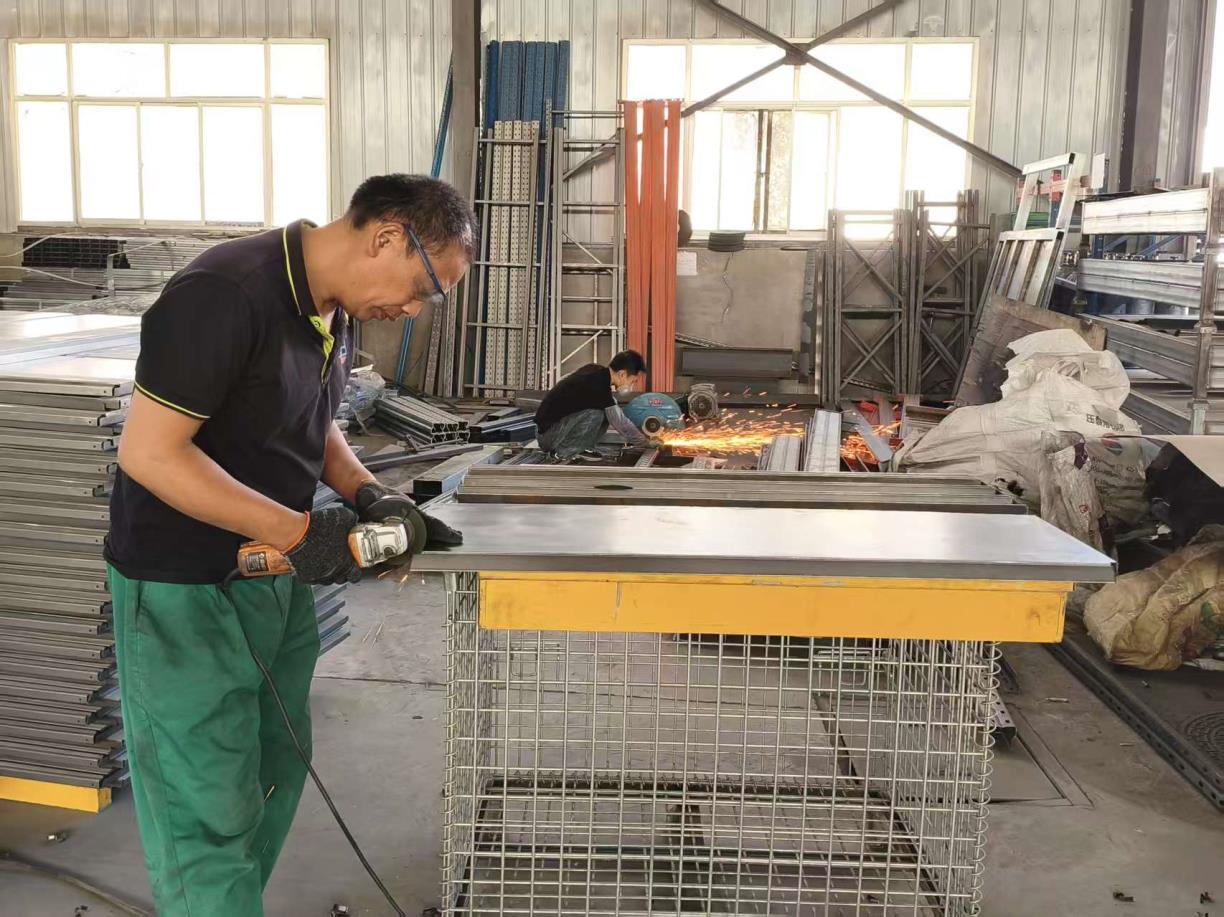
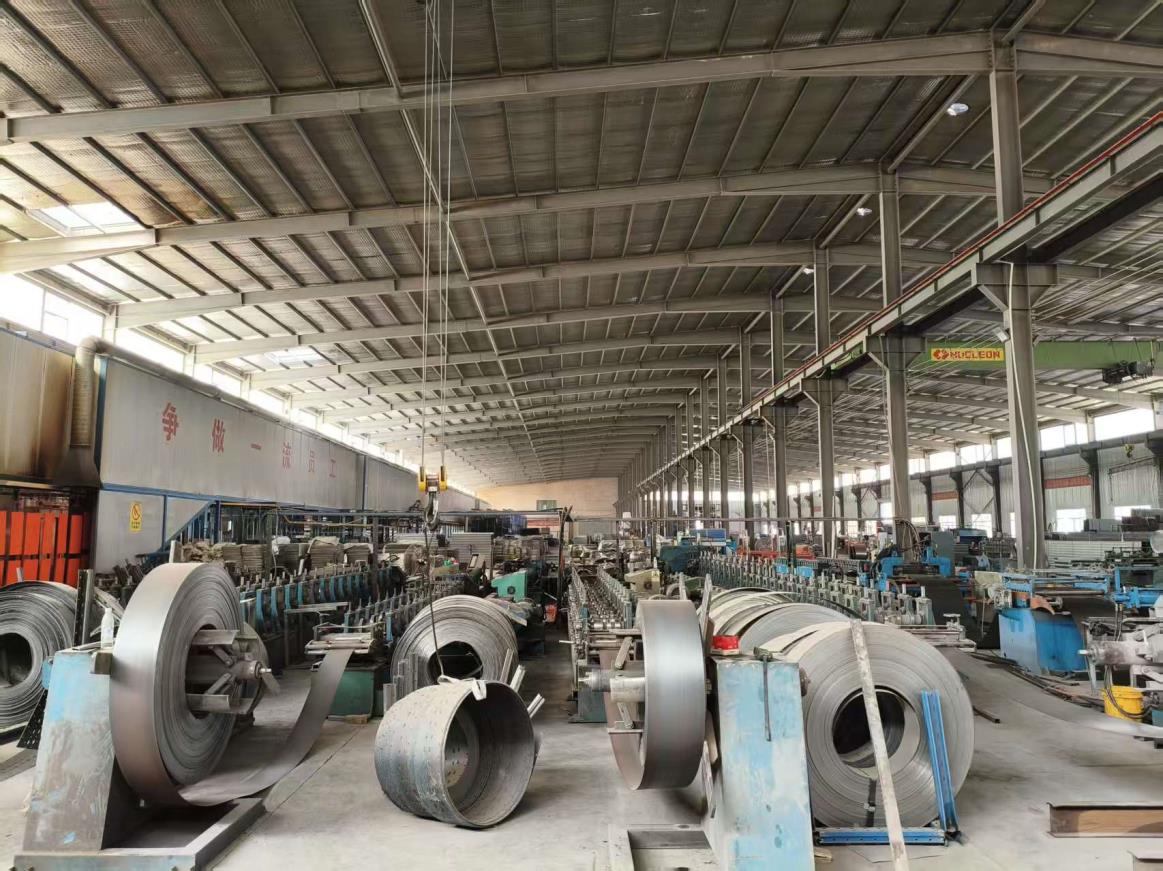
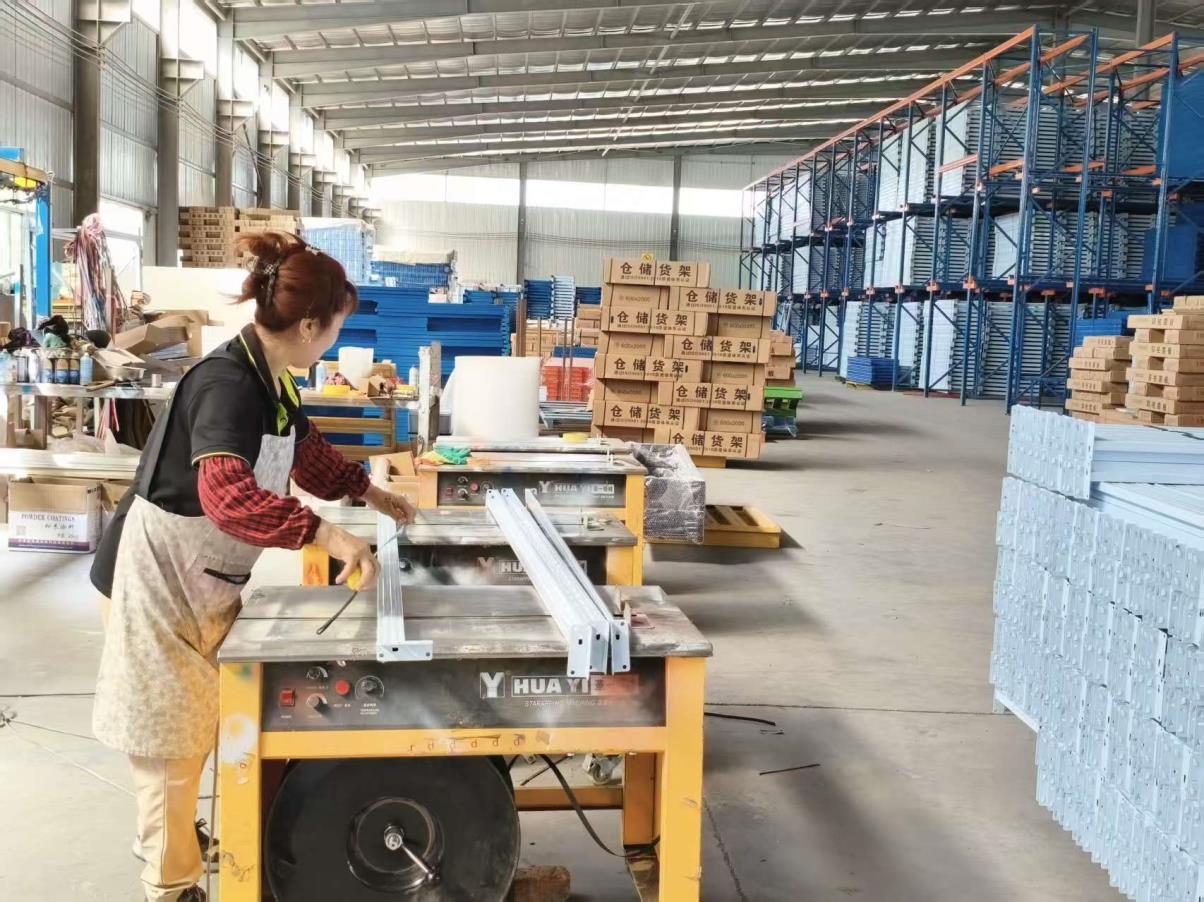
Established in 2015, Shenzhen Sanyang Storage Equipment Manufacturing Co., Ltd. is a leading manufacturer specializing in heavy-duty industrial pallet racking, warehouse shelving systems, and automated material handling solutions. Located in Shenzhen, our modern facility spans a total building area of 38,000 m². The production floor is equipped with state-of-the-art automated roll-forming machines, precision laser cutters, and high-tolerance robotic welding lines to ensure absolute batch consistency.
With over 12 years of industry experience and 8 years of active export experience, Sanyang has expanded its international footprint, achieving an annual export revenue of $28 million USD. Our main overseas markets cover North America, Western Europe, Southeast Asia, and the Middle East, primarily serving global logistics hubs, e-commerce fulfillment centers, third-party logistics (3PL) providers, and large-scale manufacturing plants.

Advanced Industrial Fabrication Process

Raw Material
Raw Material
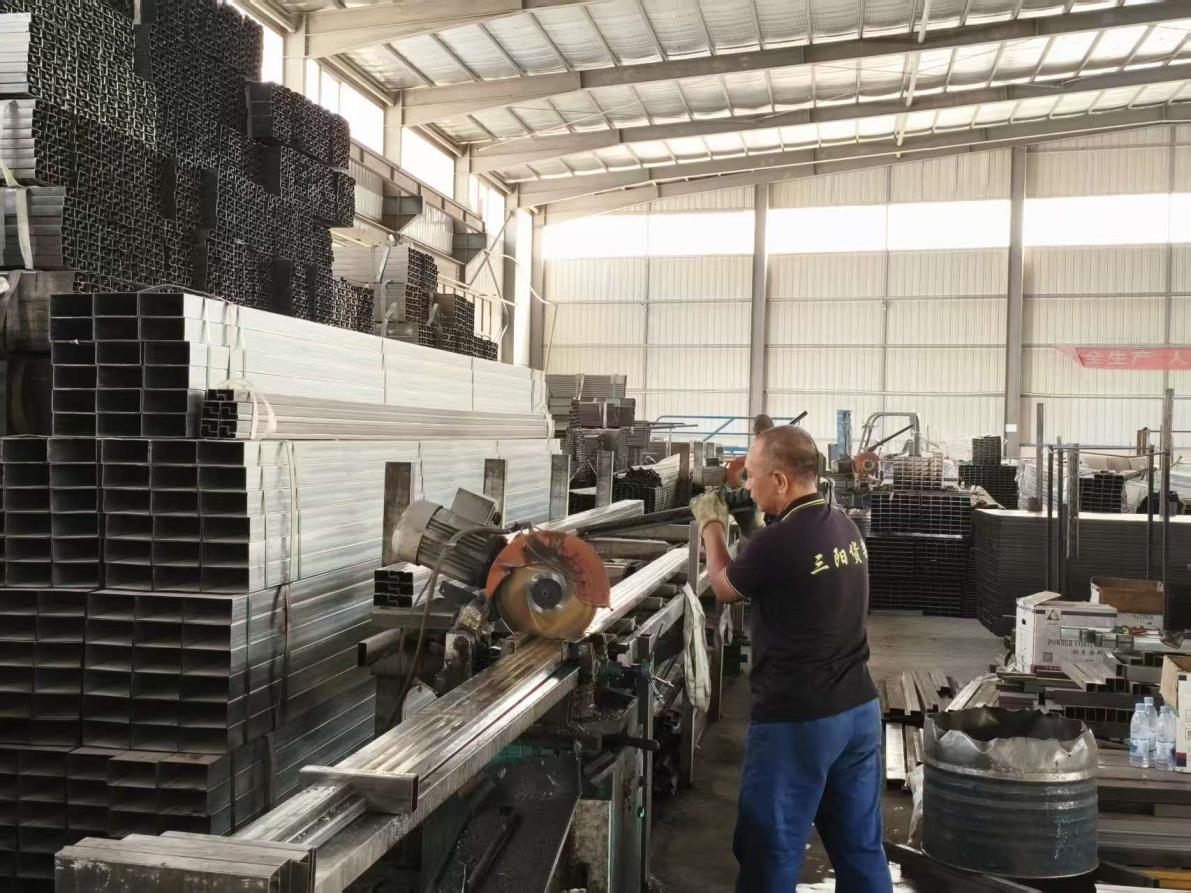
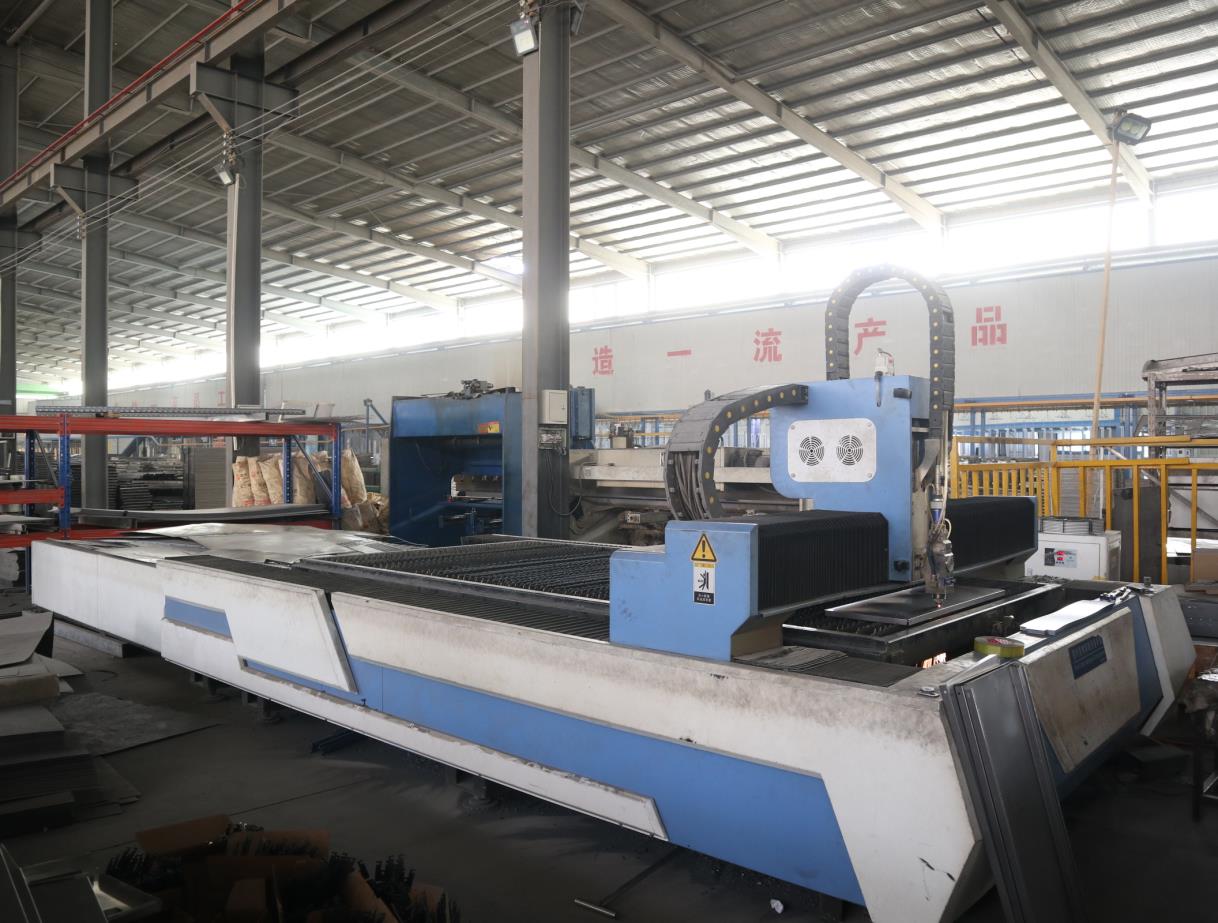
Cutting
Cutting
Cold Rolling
Cold Rolling
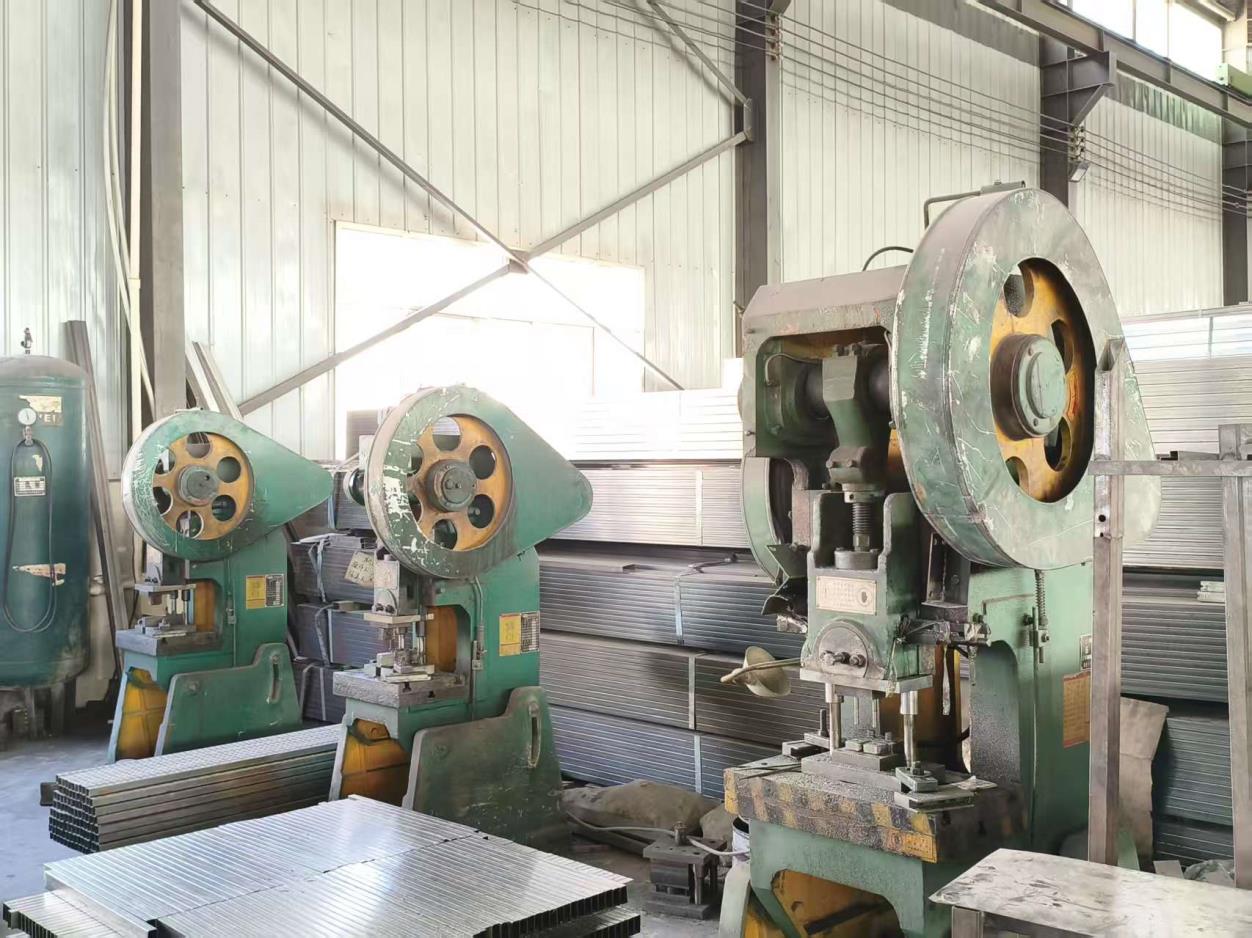
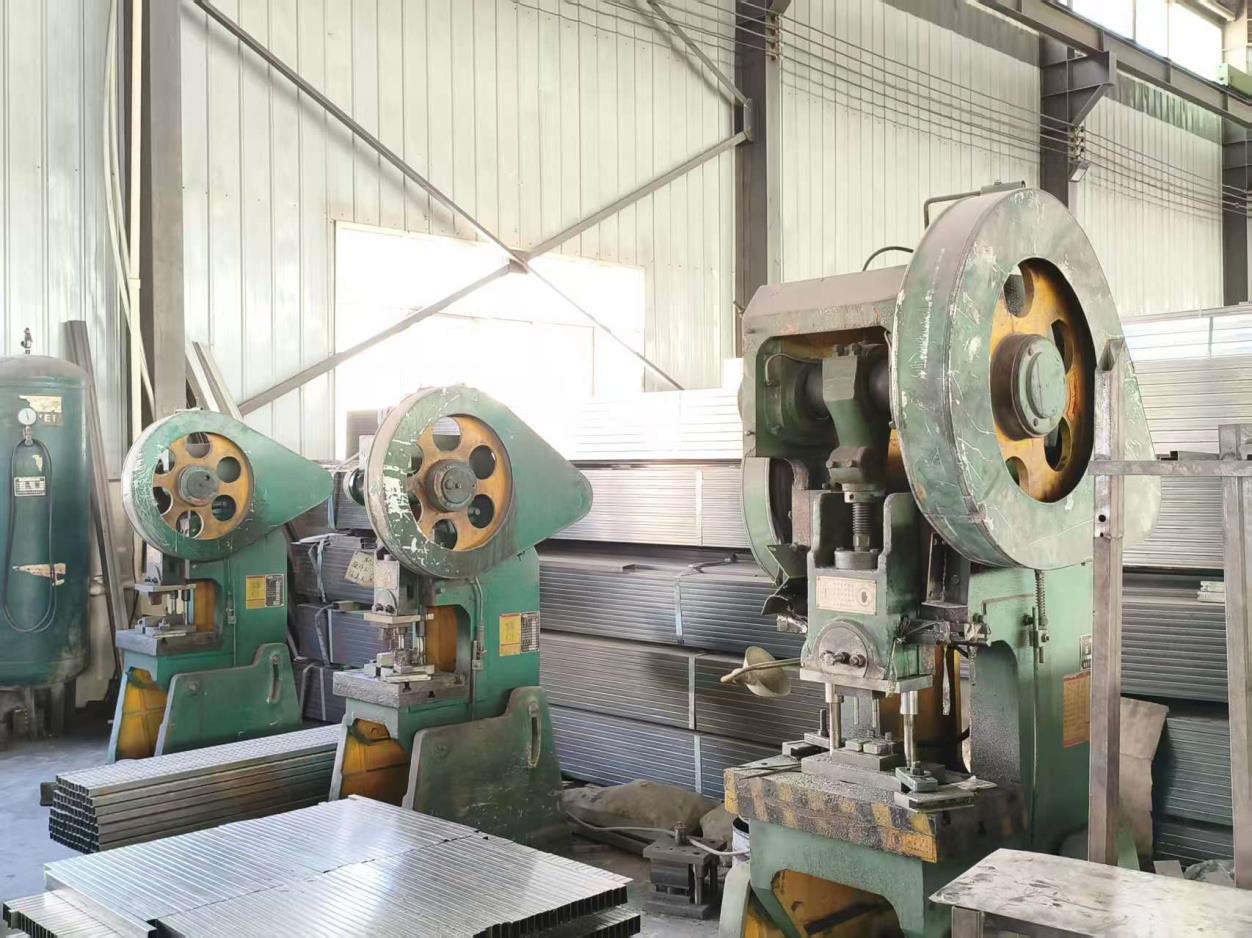
Punching
Punching
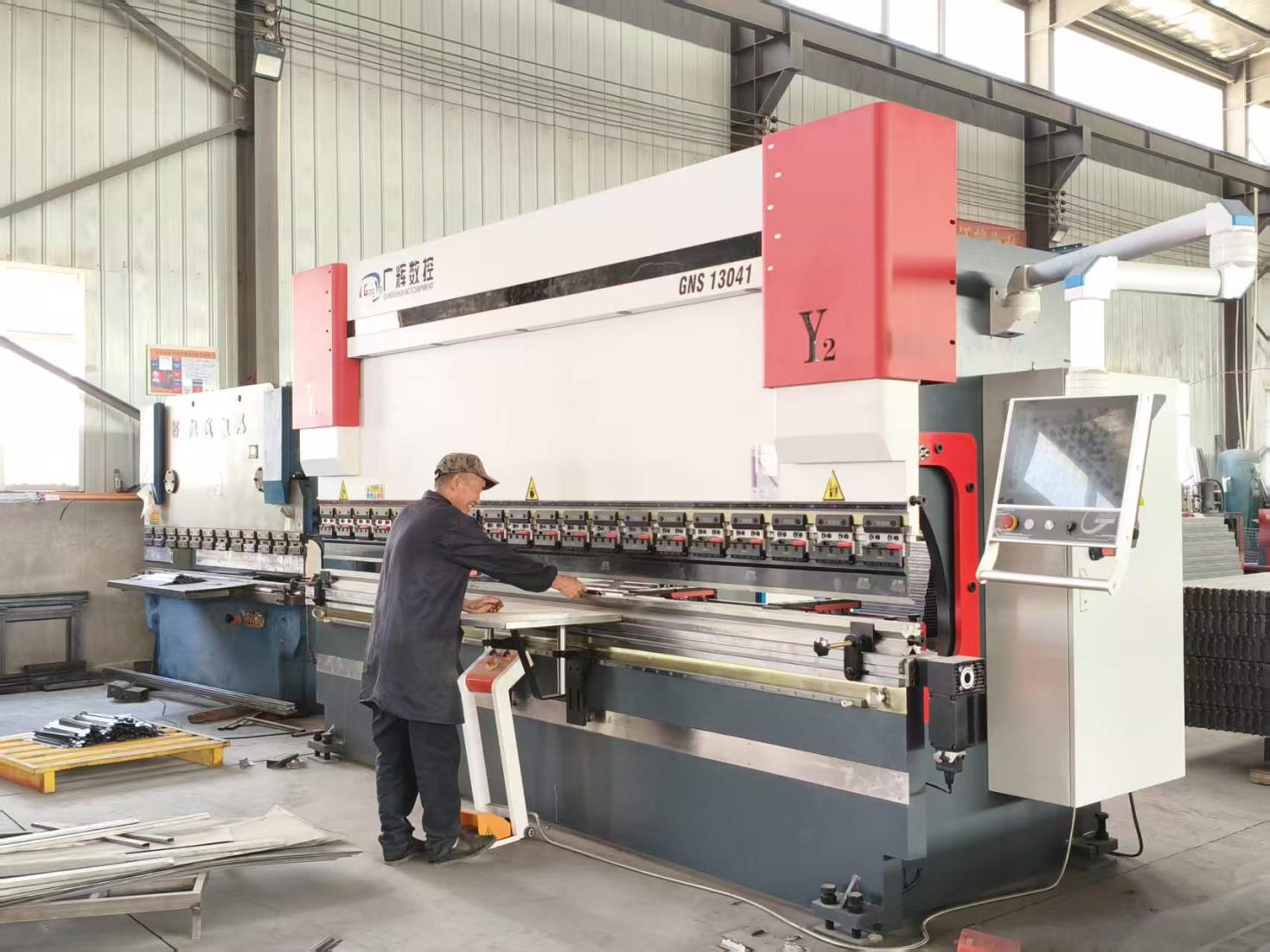
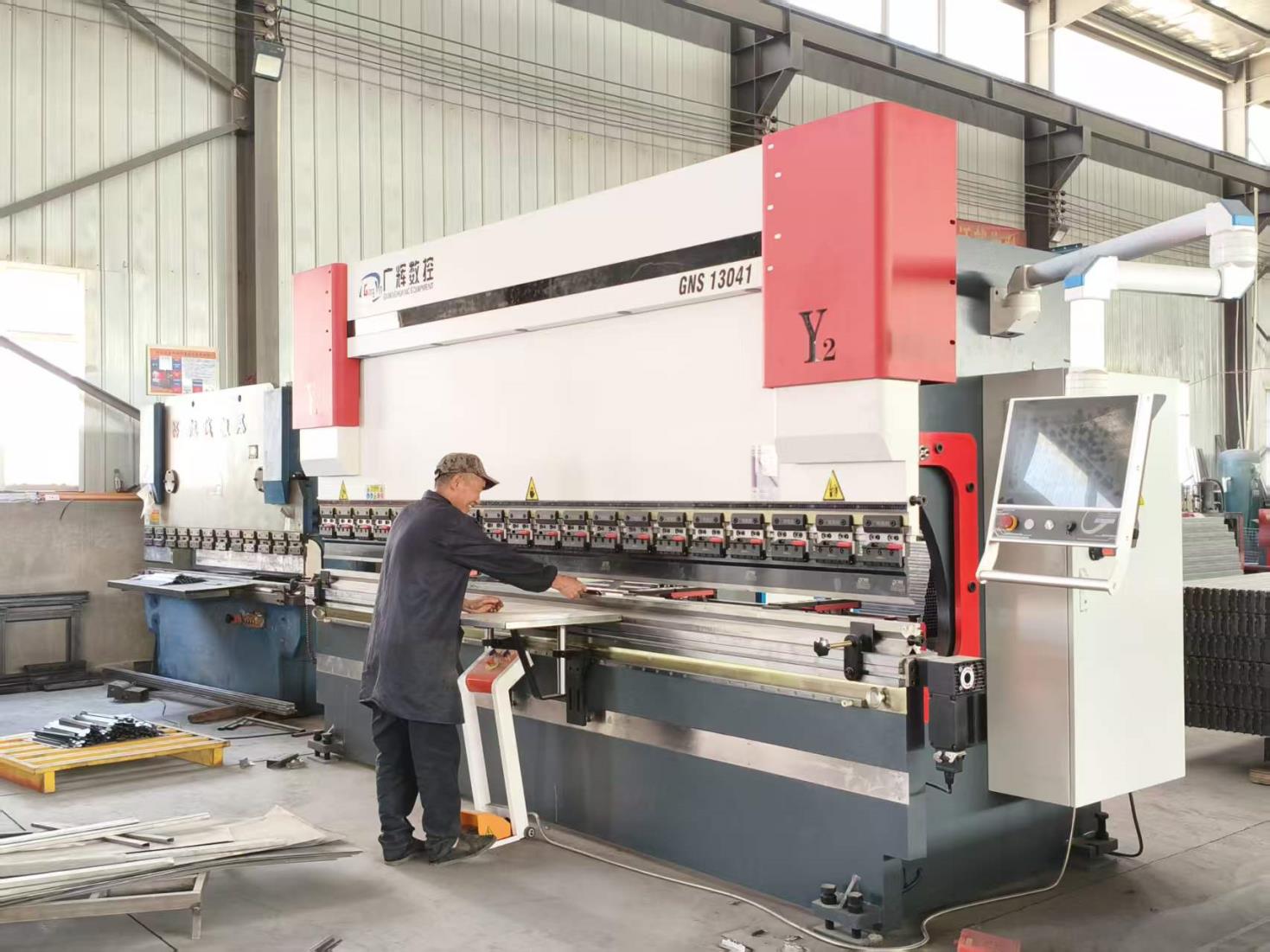
Bending
Bending
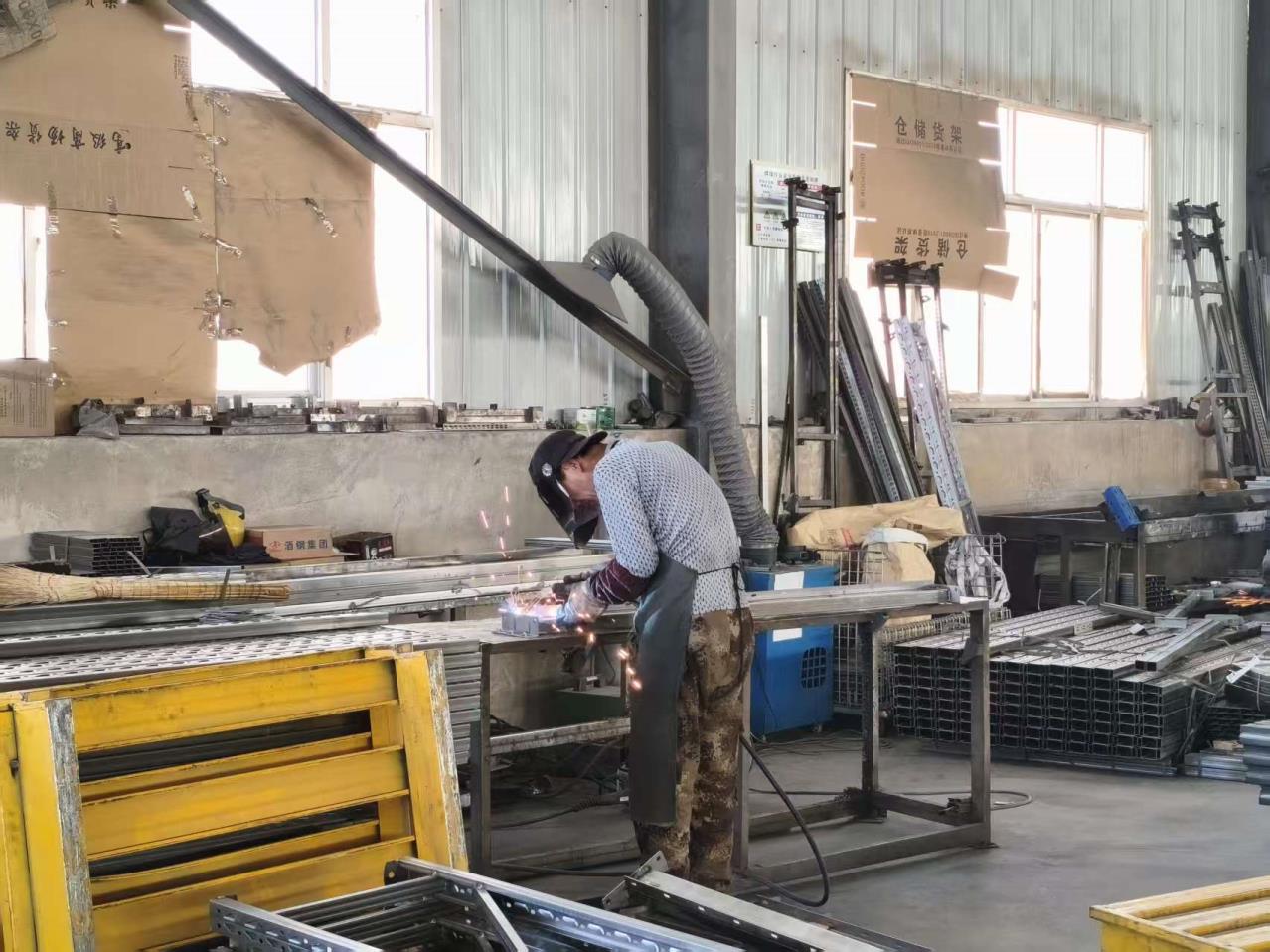
Welding
Welding
Polishing
Polishing
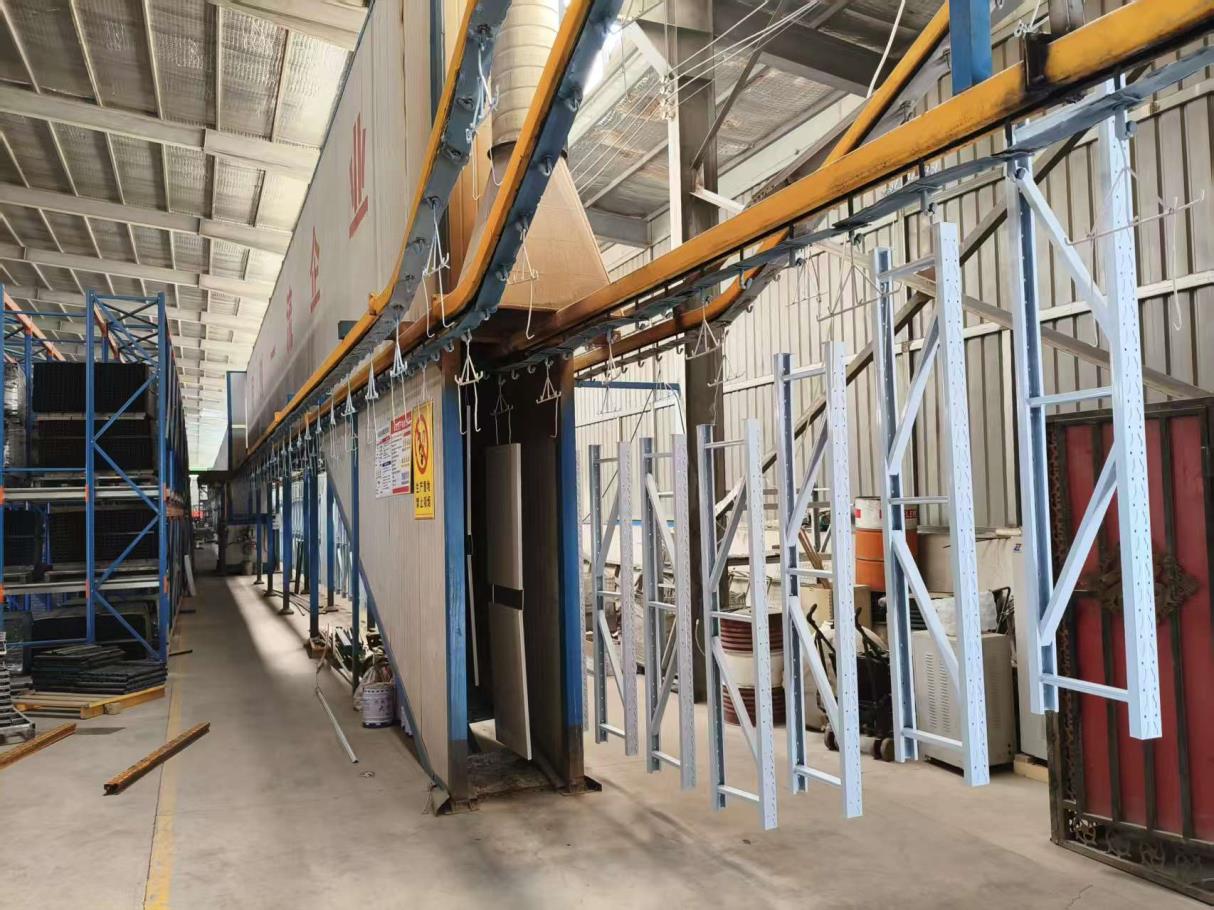
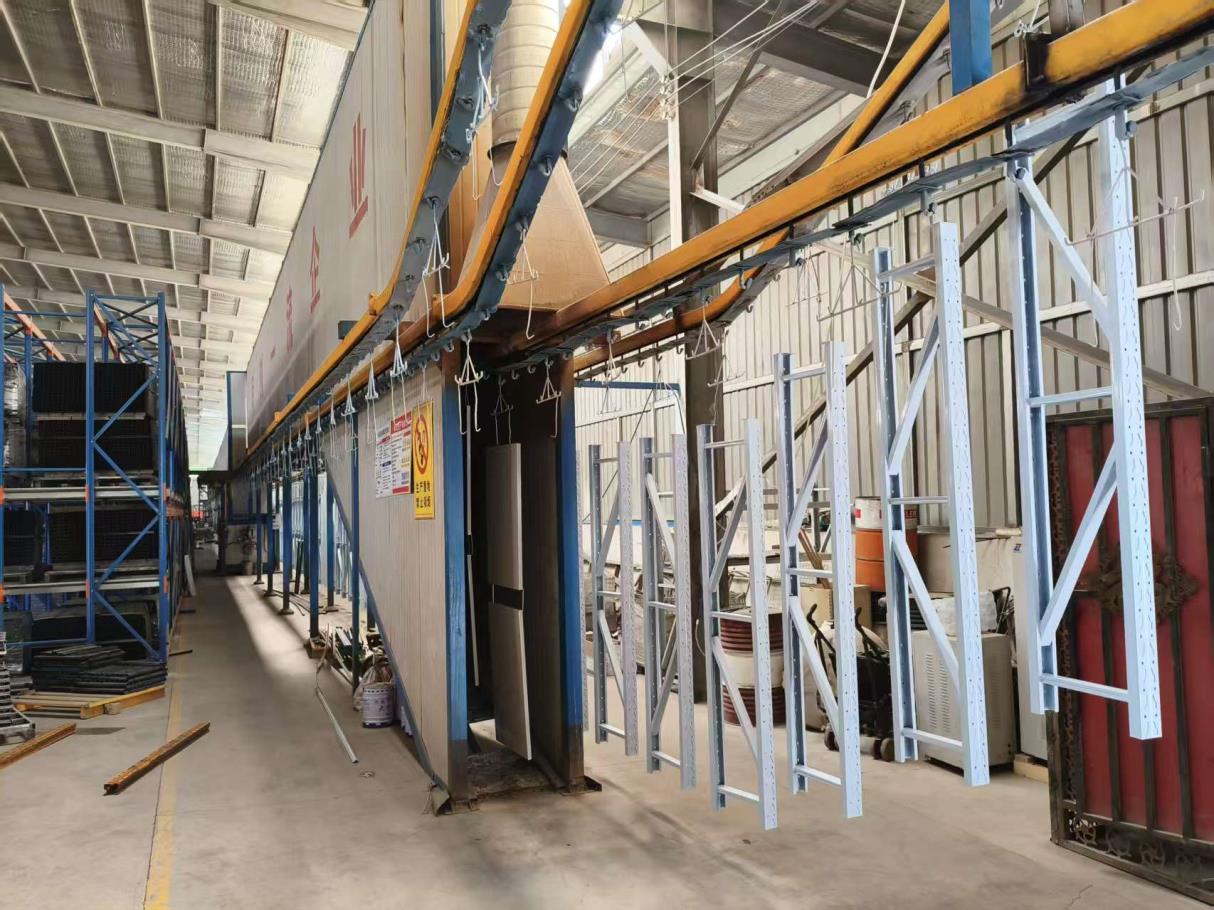
Painting
Painting
Warehouse
Warehouse
Cutting Machine
Cutting Machine
Cold Rolling Machine
Punching Machine
Punching Machine
Laser Cutting Machine
Laser Cutting
Painting Line
Painting Line
Bending Machine
Bending Machine
Inspection
Strict Inspection

The Strategic Advantages of China's Racking Supply Chain

Procuring structural equipment from specialized Chinese hubs like Shenzhen and Guangdong provides key operational advantages that ensure lower total cost of ownership (TCO) and rapid project execution.

Integrated Raw Material Access

Direct integration with domestic Chinese steel mills allows factories like Sanyang to source high-grade Q235B and Q355B structural steel at scale. This safeguards bulk orders against global raw material fluctuations.

High-Automation Production Facilities

By using automated punching machines and high-speed cold-rolling equipment, Chinese manufacturers run continuous cycles. This reduces lead times for high-volume racking installations by up to 35% compared to regional regional fabricators.

Vast Supply Chain Ecosystem

Sanyang's established ecosystem of 1,200 supply chain partners allows for the immediate custom sourcing of specialized components, from high-tensile hardware configurations to custom dynamic flow-deck rollers.

38,000 m²
Modern Production Facility
$28M USD
Annual Export Revenue
35 Full-Time
Quality Assurance Inspectors
1,200+
Supply Chain Partners

Seismic Engineering, Compliance & Safety Standards

Industrial warehouse storage frames are structural engineering systems. A structural failure can lead to severe business disruption and liability. High-quality manufacturers ensure that compliance is verified by third-party protocols.

At Sanyang, quality and precision are at the core of our manufacturing processes. Supported by 35 full-time QC inspectors, we implement rigorous quality assurance protocols throughout the entire fabrication cycle. Our team conducts ultrasonic weld flaw detection, powder coating thickness testing, and heavy-load stress tests to ensure strict compliance with ISO9001 and international safety standards, including the FEM (European Federation of Materials Handling) 10.2.02 and ANSI/RMI MH16.1 specifications.
For sites located in seismically active regions—such as parts of North America or coastal Southeast Asia—custom calculation analysis is mandatory. Sanyang’s structural engineering team uses finite element analysis (FEA) to simulate dynamic loads. We adjust gauge thickness, upright profiles, and footplate sizes to match local building codes. This ensures that every racking layout is safe and compliant with regional regulations.

High-Performance Applications & Industry Scenarios

Modern mixed-use racking configurations are used across a wide range of demanding commercial and industrial sectors.

Cold Storage & Cold Chain Logistics

Operating in environments down to -30°C requires high-strength carbon steel that resists low-temperature brittleness. Combined with CE-certified automated shuttle lines, these setups maximize storage density and lower energy costs per pallet position.

E-Commerce Fulfillment Centers

E-commerce hubs process items ranging from small parts to bulk goods. Integrated shelving setups combine heavy-duty pallet storage on upper levels with pick-ready carton flow lanes below, making hand-picking faster and safer.

High-Density 3PL Warehousing

Third-party logistics providers need to adapt to changing client inventory types. Adjustable boltless connections and modular rack configurations allow operators to quickly modify layouts to suit new products.

Technological Trends Reshaping the Racking Industry

Industrial storage systems are evolving from passive metal structures into active, semi-automated components of the digital supply chain.

Several key trends are driving the next generation of logistics infrastructure:
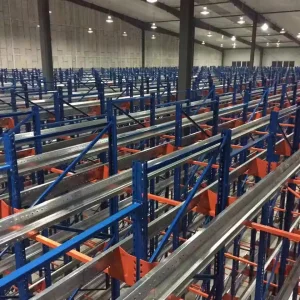
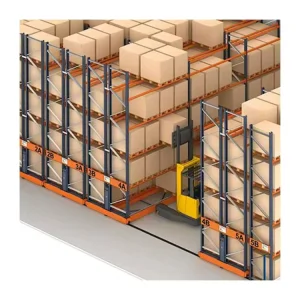
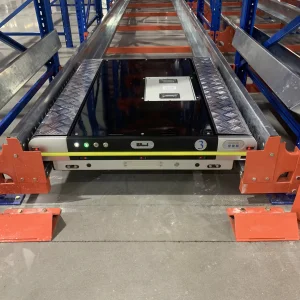
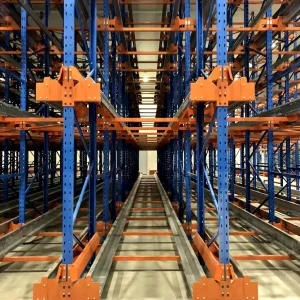
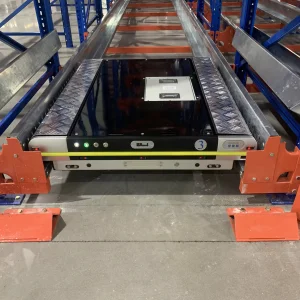
1. High-Density Automation Integration: Selective racking configurations are increasingly being replaced by automated options. System layouts that combine pallet runners and two-way radio shuttles allow operations to increase storage density and utilize vertical space up to 24 meters high.
2. Smart Racking and IoT Sensors: Heavy-duty rack structures are beginning to incorporate real-time monitoring sensors. These units detect frame deflection, forklift impact loads, and uneven weight distribution, sending alerts to prevent structural failure.
3. Eco-Friendly Powder Coatings: Industrial coatings are shifting toward zero-VOC, heavy-metal-free thermosetting powders. This helps global logistics brands meet carbon-reduction goals while maintaining high resistance to corrosion and wear.

Frequently Asked Questions (FAQ)

Crucial answers for global procurement professionals, structural planners, and sourcing managers.

How do you verify the load-bearing safety of custom racking systems?
Every custom racking design undergoes Finite Element Analysis (FEA) to calculate stress distribution and safety margins. During production, samples are subjected to heavy-load stress tests, and welds are checked using ultrasonic testing to ensure conformity with FEM 10.2.02 and ANSI MH16.1 specifications.
What steel grades are used, and can you provide rust protection for cold storage?
We use high-grade structural steel, primarily Q235B and Q355B (equivalent to ASTM A36 and Grade 50). For cold-chain environments (down to -30°C), we apply specialized low-temperature powder coatings or hot-dip galvanized finishes to prevent rust and surface degradation.
What is the typical manufacturing lead time for large-scale warehouse layouts?
Standard warehouse racking structures are typically fabricated within 25 to 35 days from the final engineering drawing approval. Large, complex automated shuttle systems may require 40 to 50 days to allow for structural testing and controls integration.
Do you support customized configurations (OEM/ODM)?
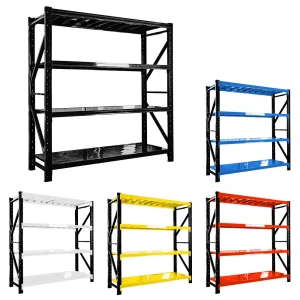
Yes. Backed by our 18 R&D engineers, we specialize in OEM/ODM services. We customize dimensions, structural profiles, frame load capacities, powder coat colors, and seismic-resistant configurations to meet specific project demands.