Explore our industrial range of engineering-grade warehouse structural systems and custom display units.
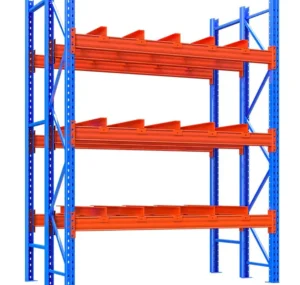
Modern industrial distribution centers operate in high-velocity cycles. With forklift speeds and payload capacities steadily increasing, structural storage components are subjected to dynamic loads and inadvertent collisions. Impact Racks are designed specifically to mitigate localized shear, column bucking, and catastrophic structural failure caused by mechanical operations. By utilizing Q235B high-tensile hot-rolled steel and incorporating reinforced impact plates, these rack configurations absorb and redistribute force vectors away from vulnerable joint connections.
Equipped with specialized heavy-gauge deflector guards and low-profile base plates that dissipate dynamic shock energy, reducing forklift collision damage by up to 65% compared to light-duty roll-formed options.
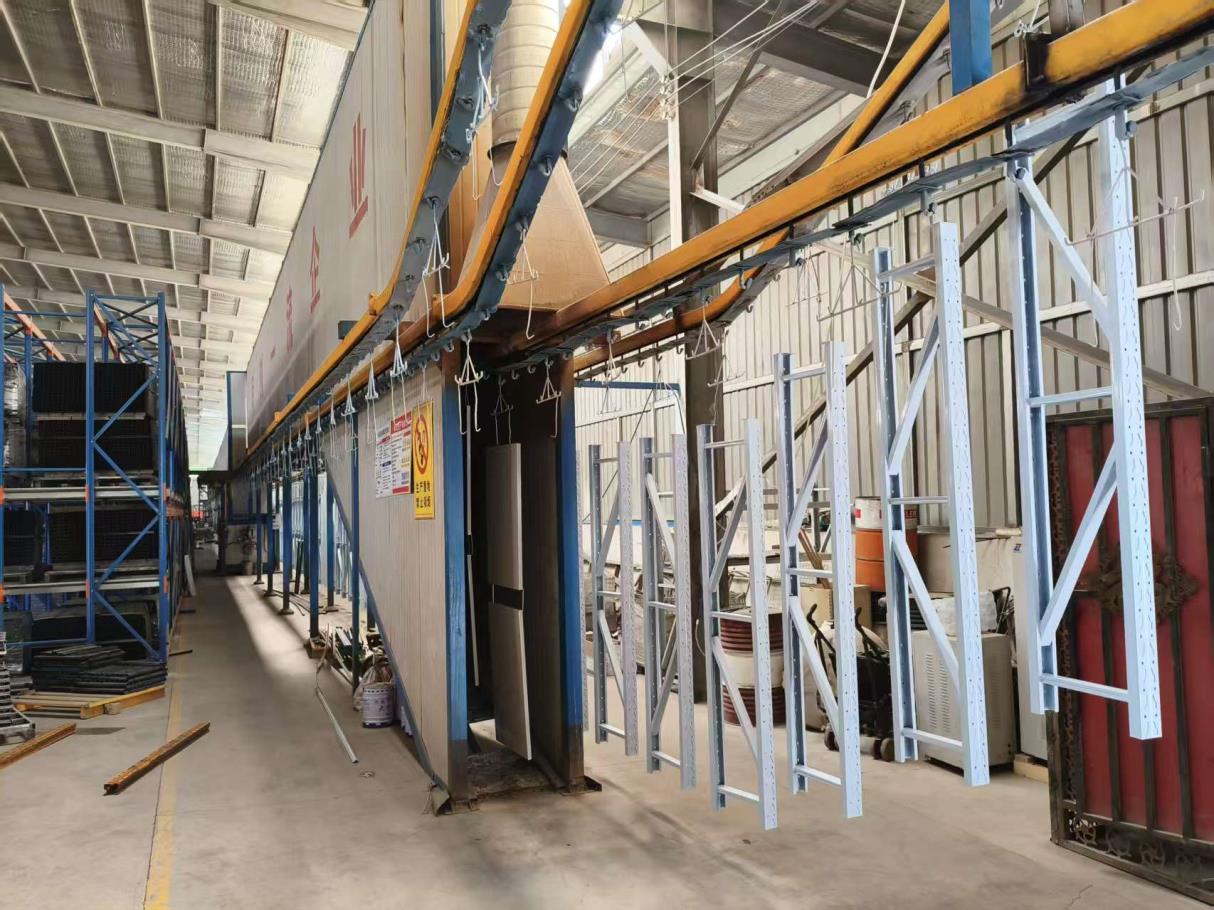
The implementation of multi-layer corrosion-resistant powder coatings coupled with structural steel ensures optimal chemical stability, maintaining structural integrity across intense temperature variables (from ambient logistics to cold storage).
With an adaptive team of 18 R&D engineers, we execute tailored designs from variable height levels to complex seismic configurations, satisfying precise local safety codes across major international markets.
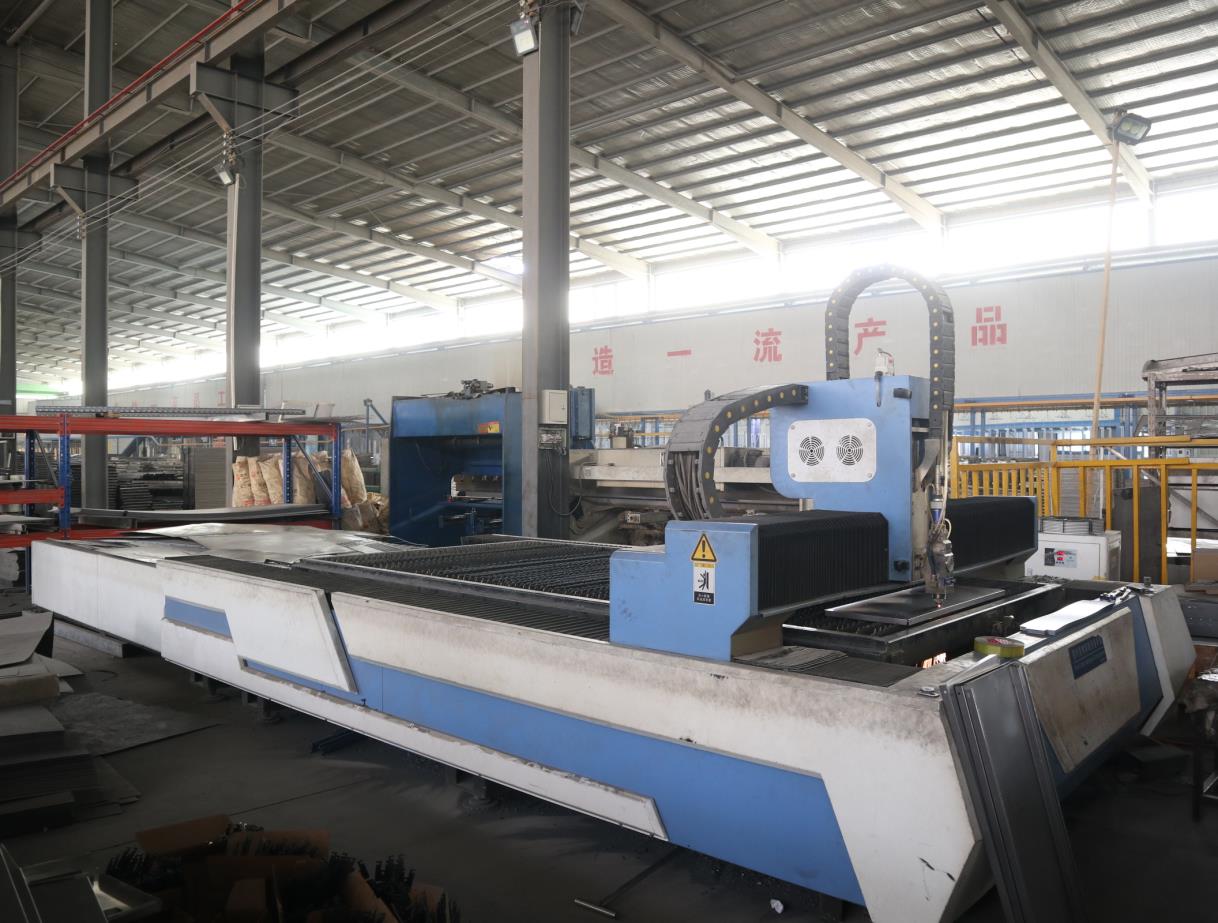
Established in 2015, Shenzhen Sanyang Storage Equipment Manufacturing Co., Ltd. has developed into a premier force in heavy-duty industrial pallet racking, warehouse shelving systems, and automated material handling infrastructure. Operationally situated in Shenzhen, China, our advanced facility covers a total building footprint of 38,000 m², incorporating cutting-edge roll-forming technology, precision laser processing, and automated robotic welding cells.
With over 12 years of industry experience and 8 years of dedicated export execution, we have strategically scaled our global presence, producing an annual export value of $28 million USD. Our components support logistics hubs, cold chain distributions, and automated e-commerce sorting spaces in North America, Western Europe, Southeast Asia, and the Middle East.
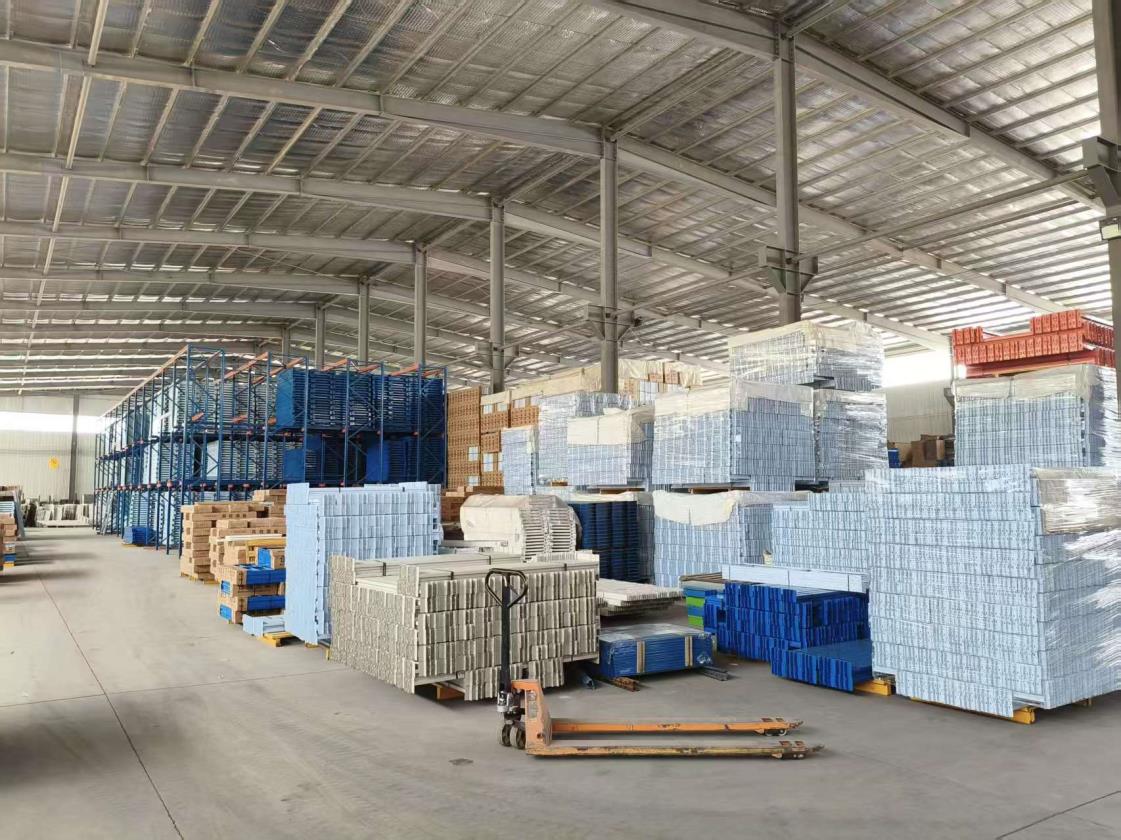
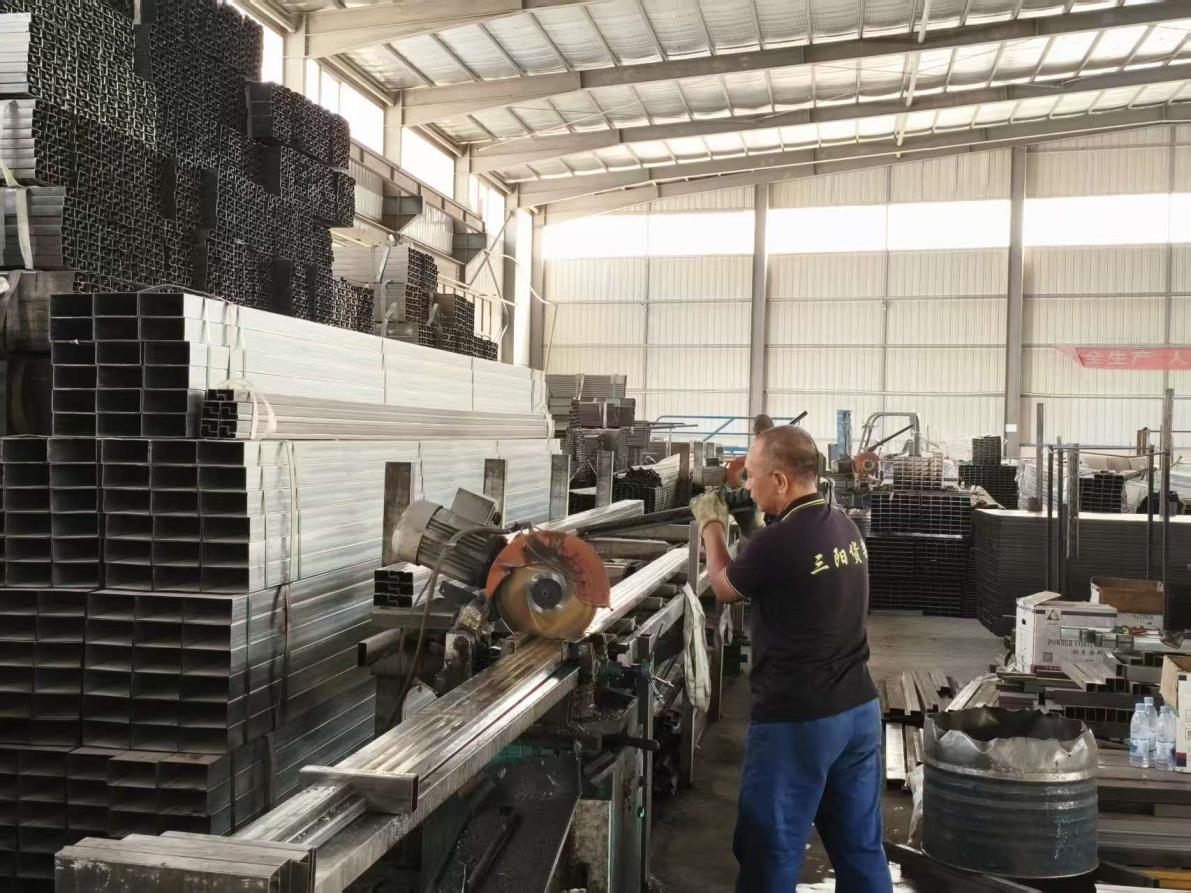
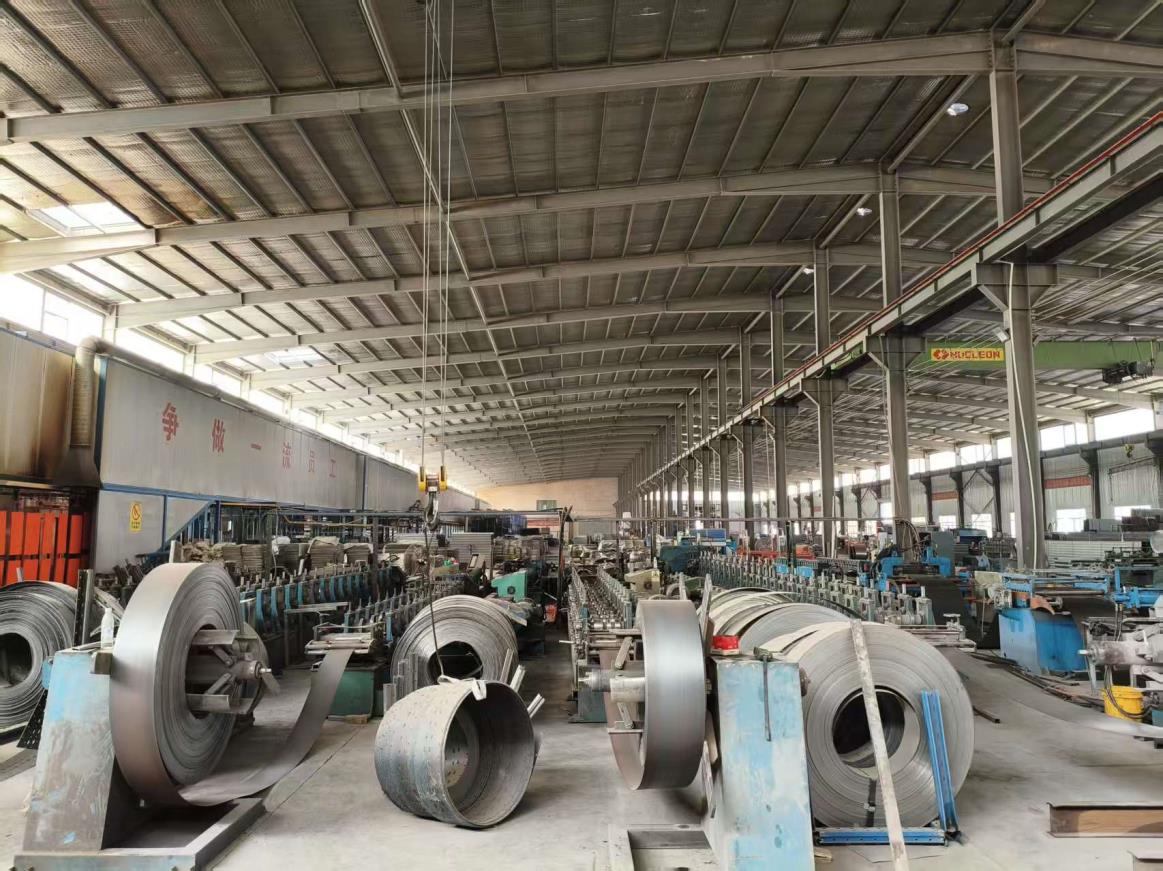
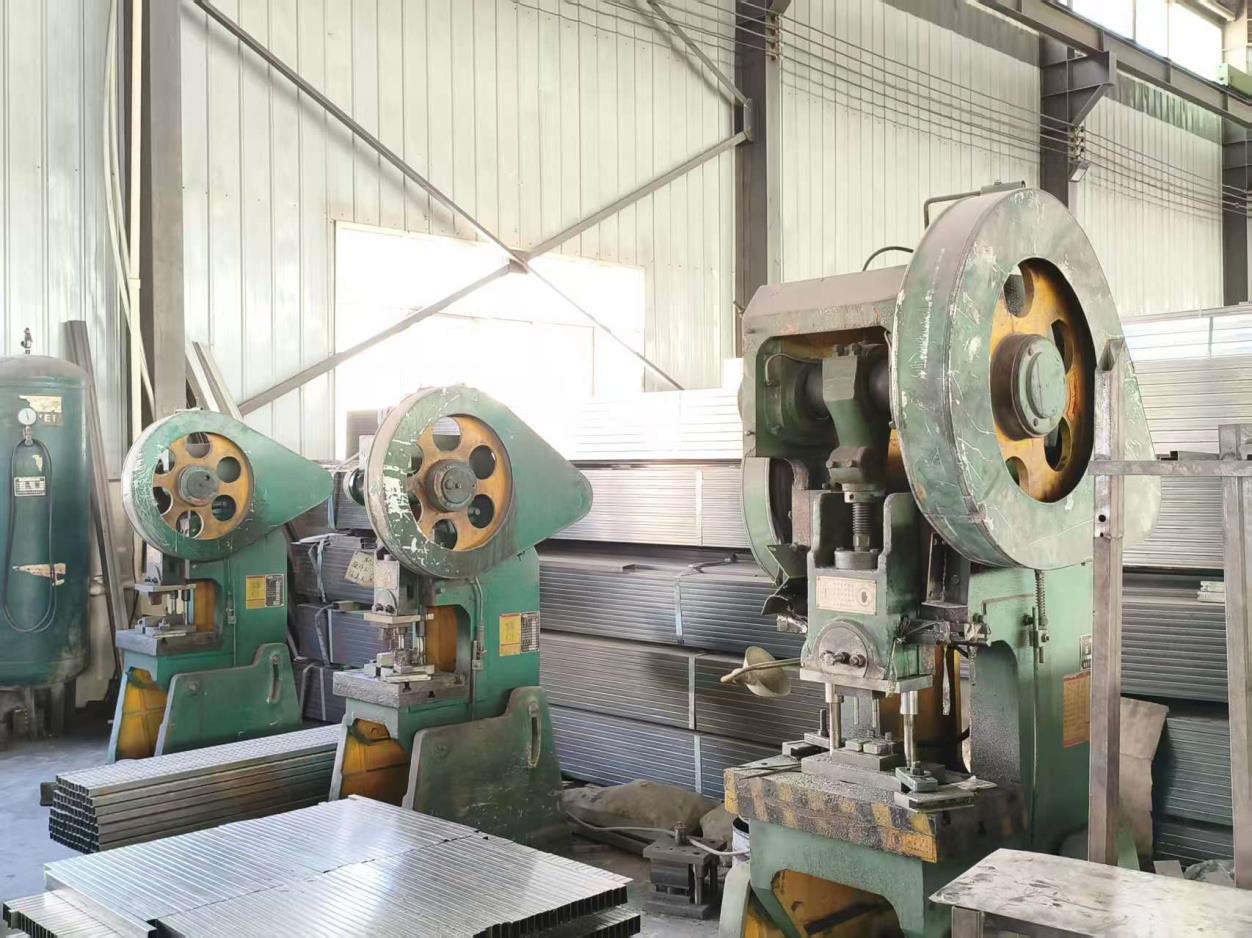
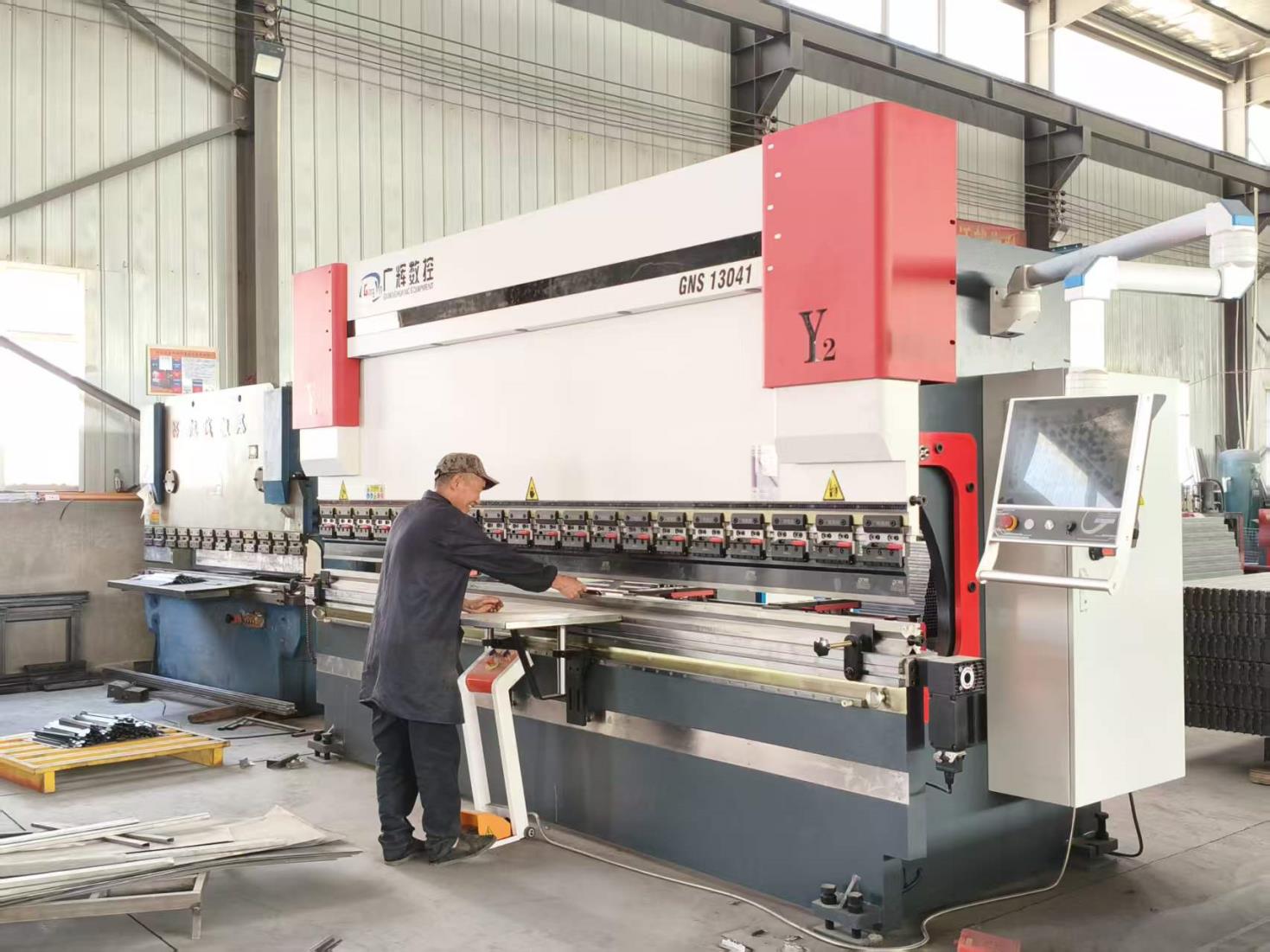
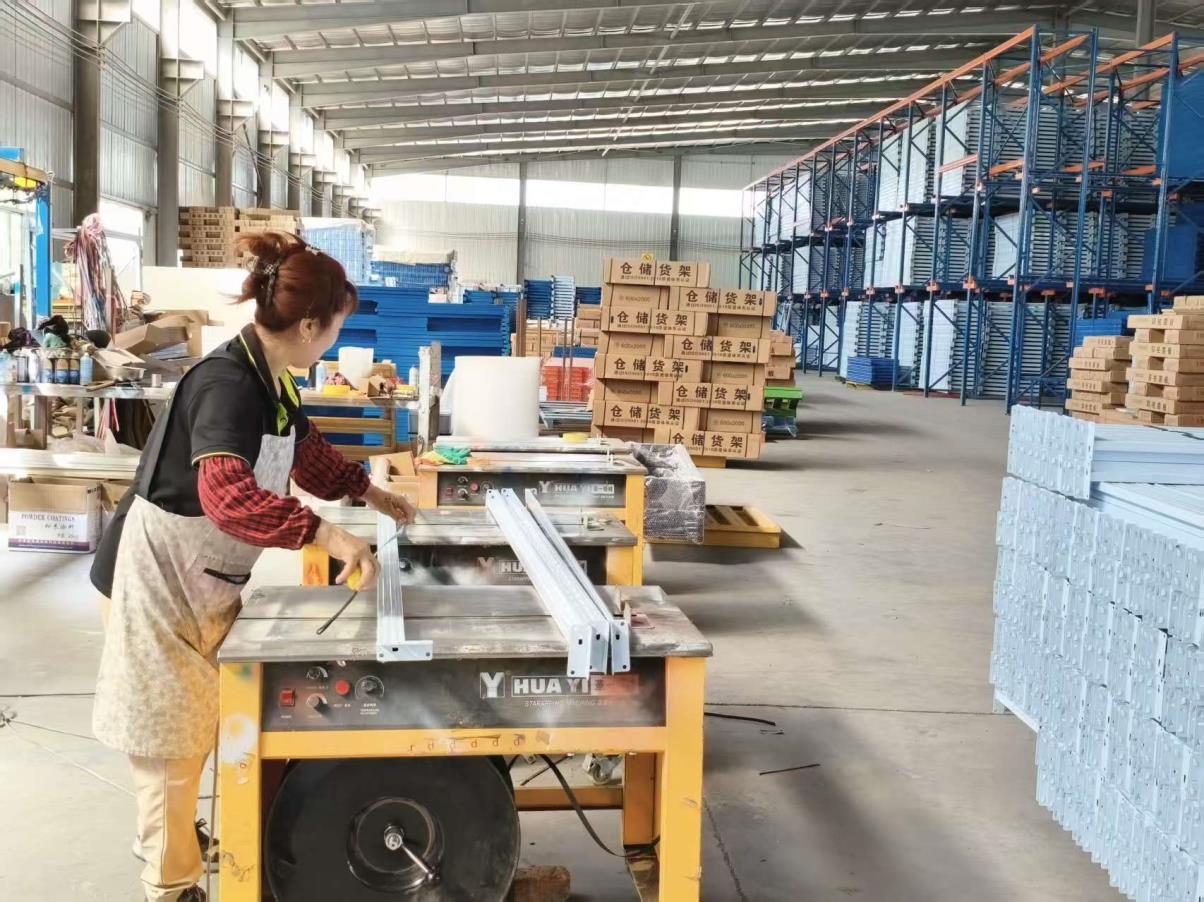
Every dynamic racking component is monitored through 16 stages of fabrication. Below is a detailed view of our smart production infrastructure:
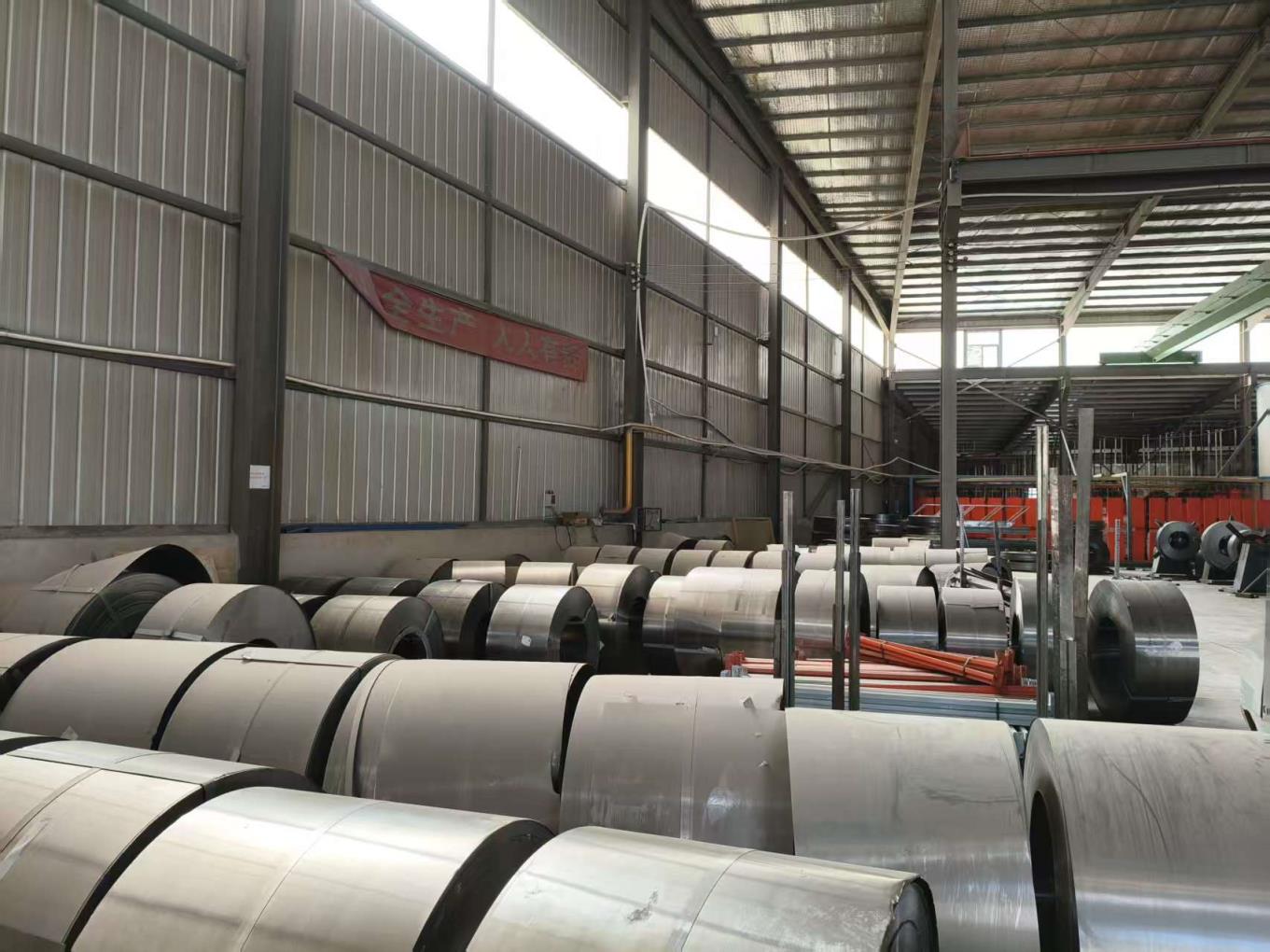
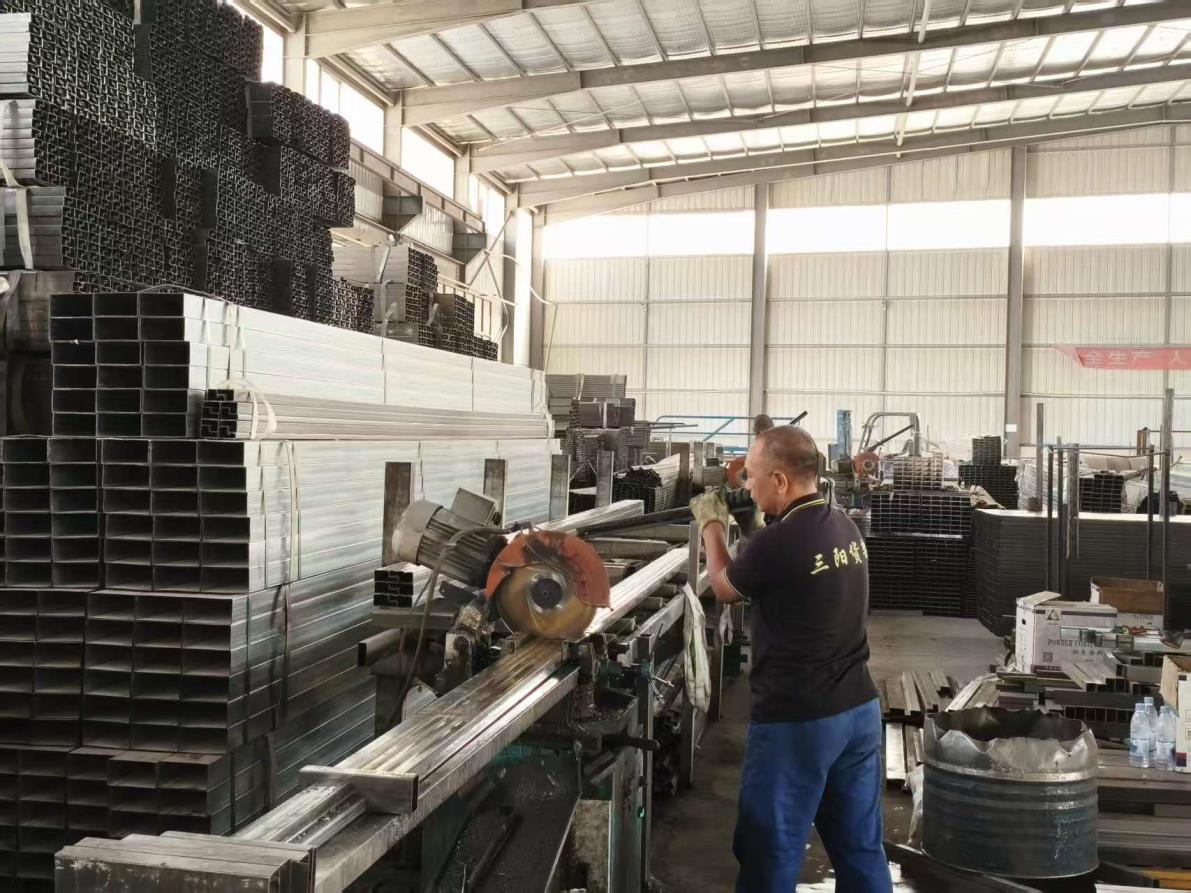
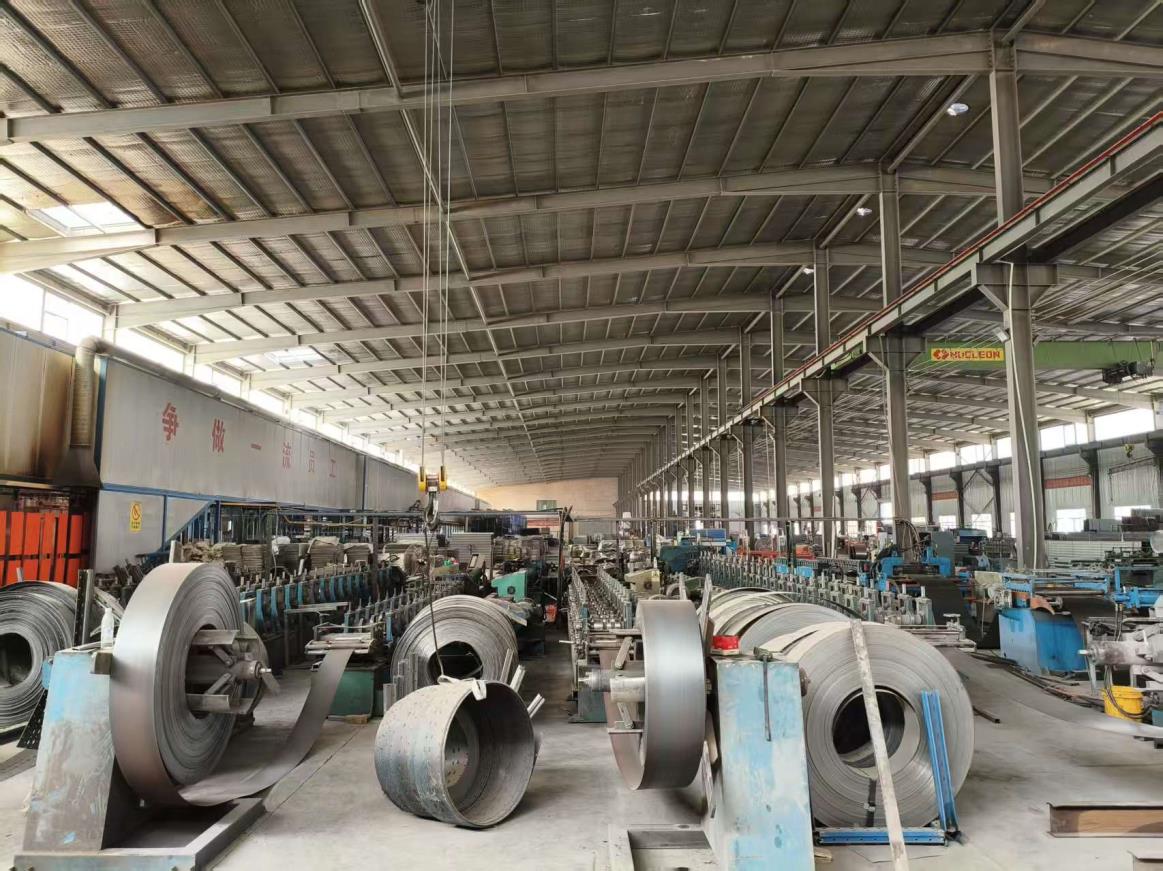
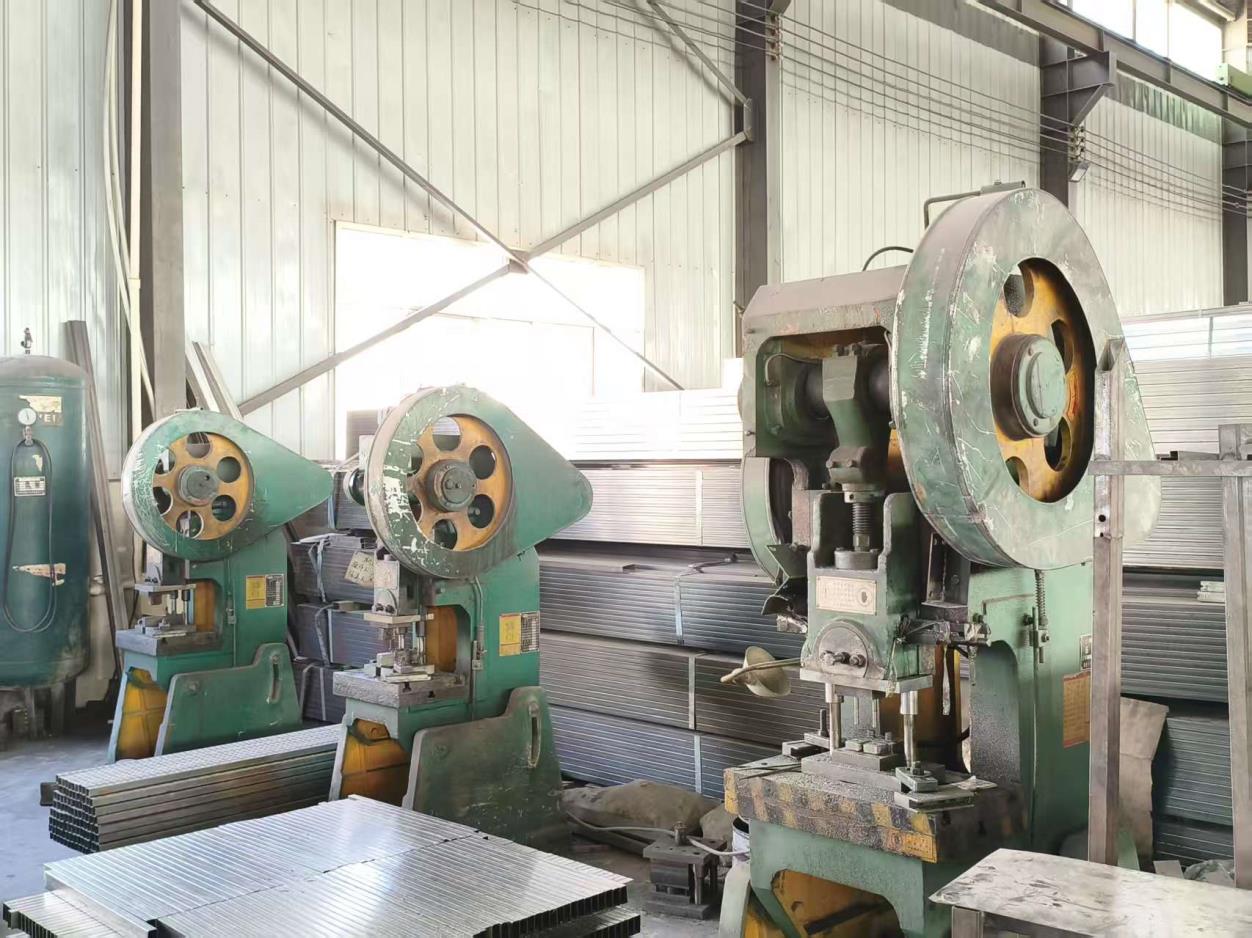
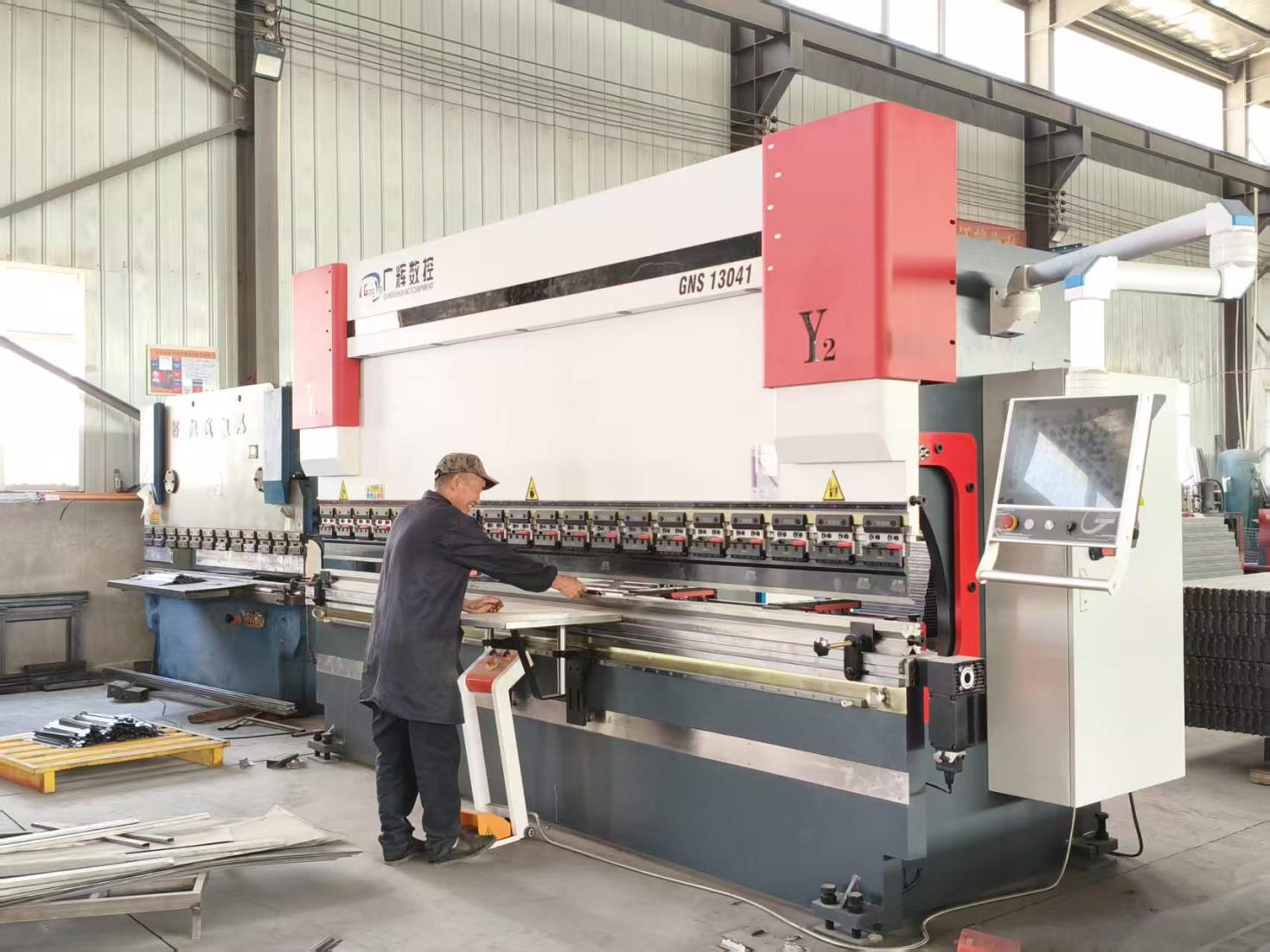
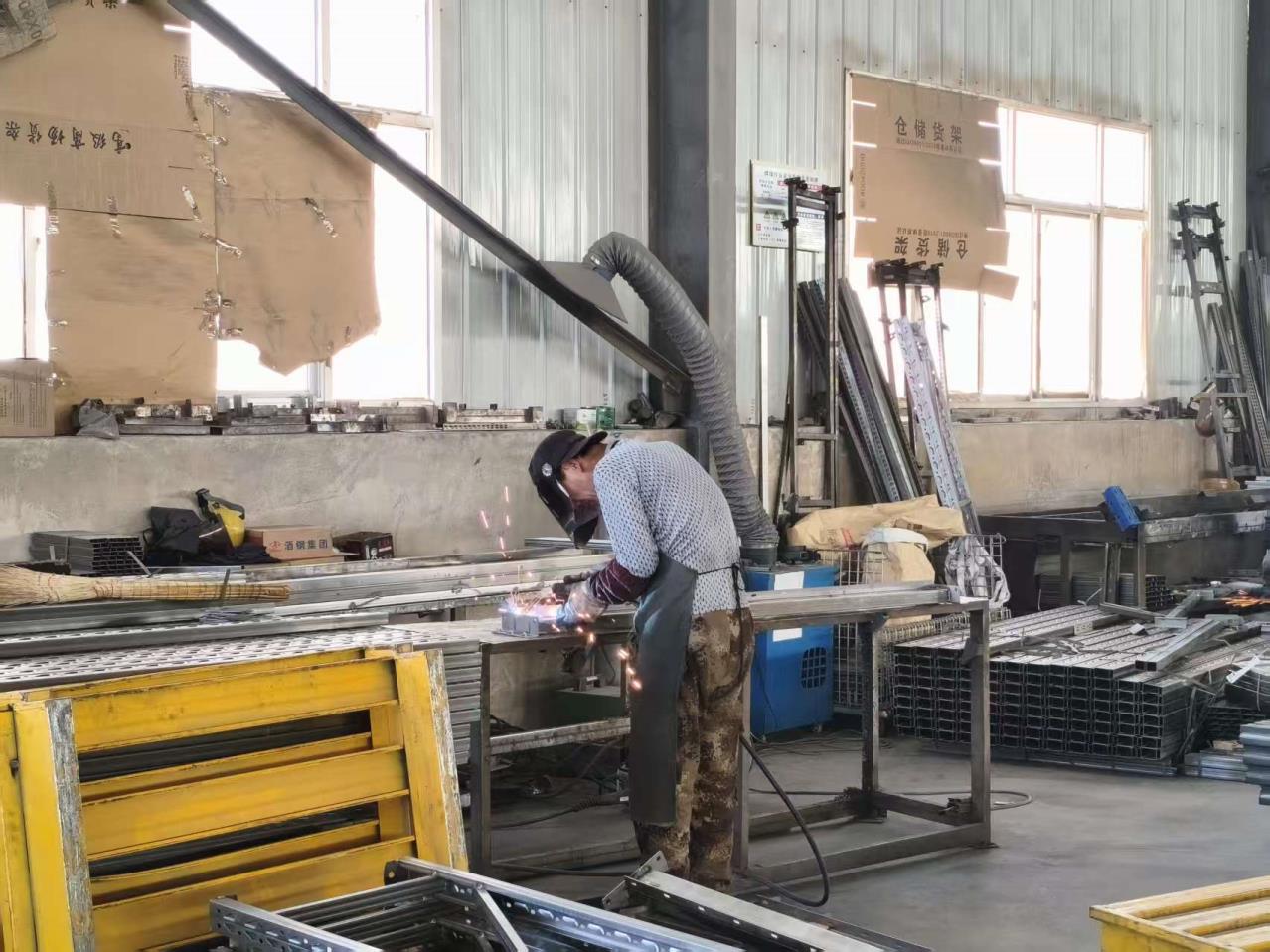
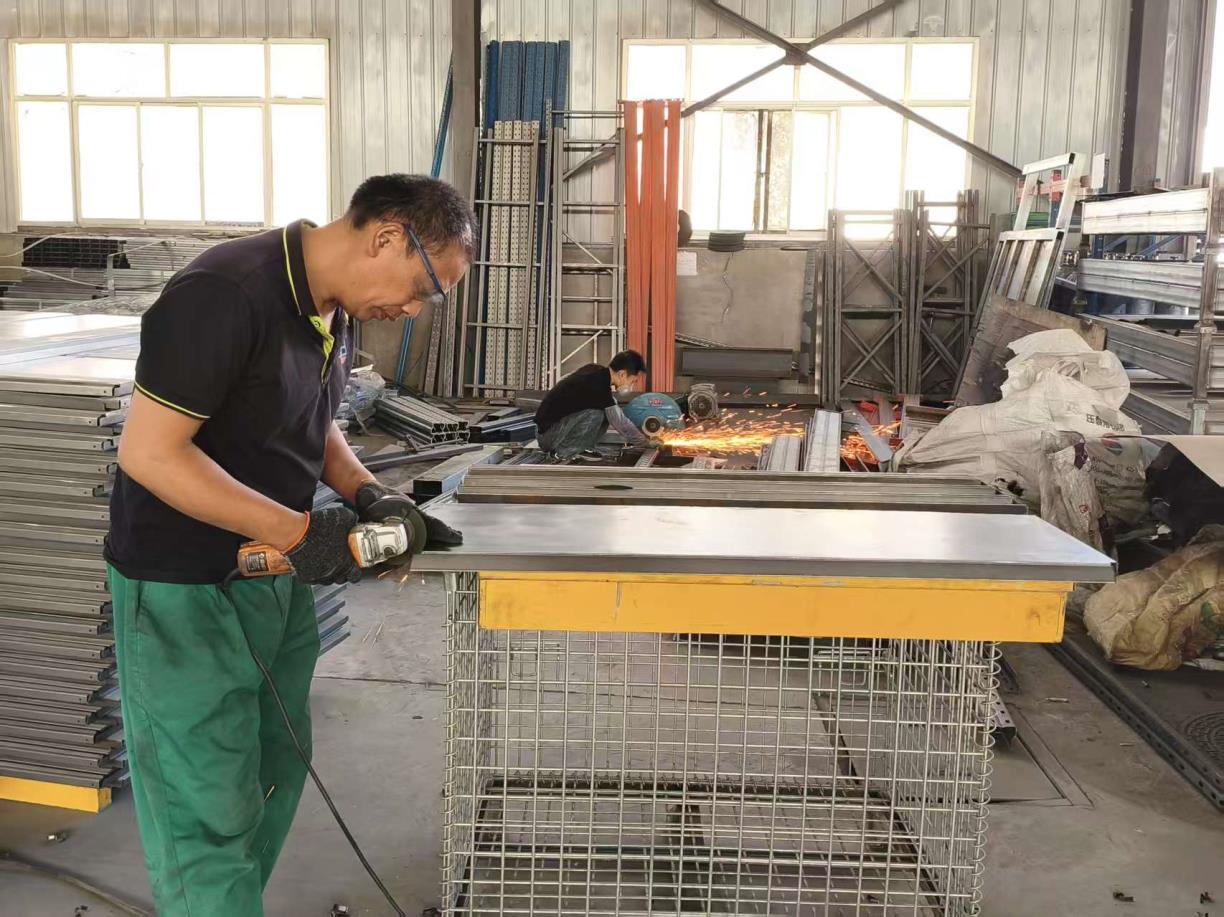
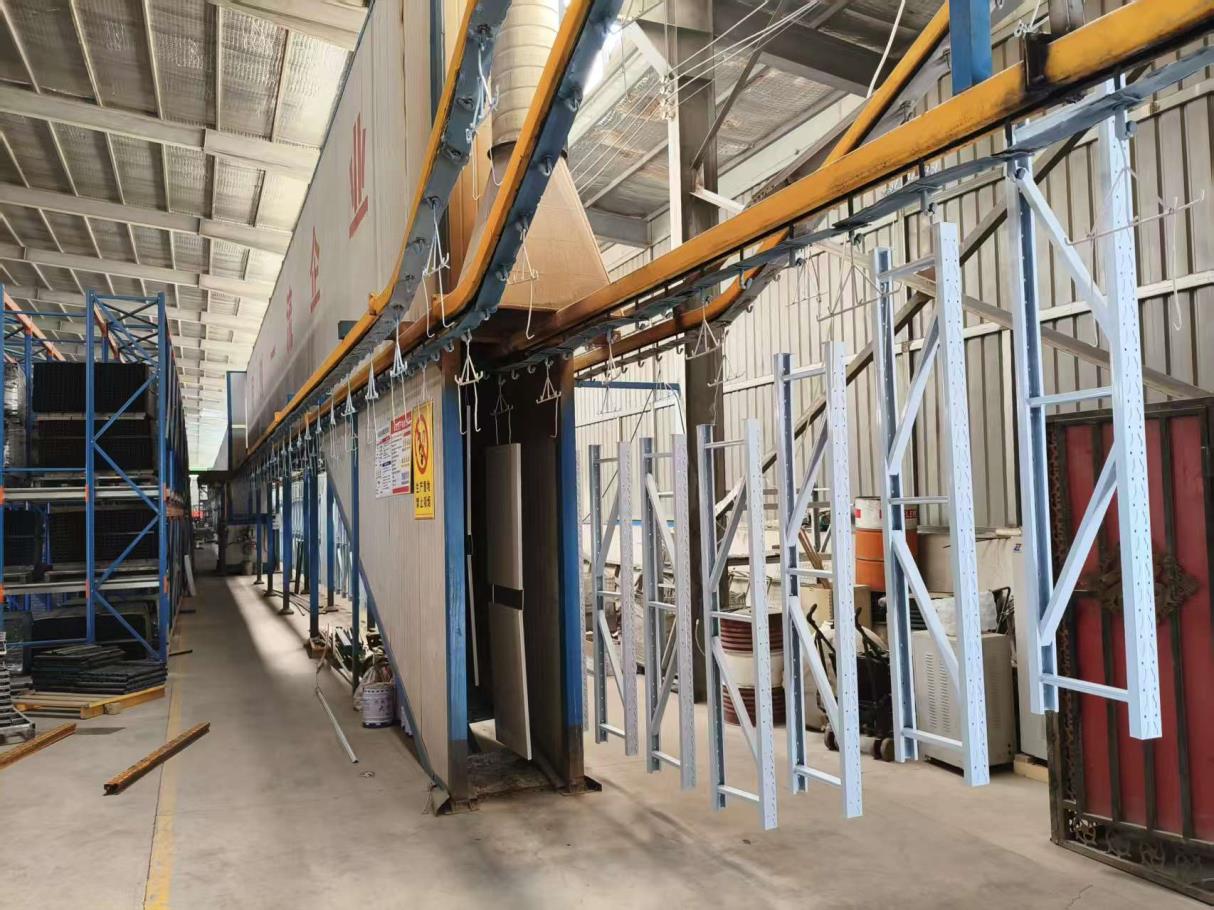
As logistics margins compress, global warehouse developers must optimize capital expenditure without compromising mechanical safety factors. Sourcing from Sanyang's Shenzhen facility provides structural advantages designed for long-term operational resilience:
Strategically linked to 1,200 local supply chain partners, we source raw, certified Q235B structural carbon steel directly. This bulk purchasing power insulates global clients from structural steel market price fluctuations while ensuring consistent yield strengths.
Our quality department is staffed by 35 full-time QC inspectors. Before shipping, we conduct ultrasonic weld flaw detection, digital coating thickness measurements, and heavy-load stress tests, ensuring structural compliance with FEM and ANSI safety parameters.
Situated in Shenzhen's primary maritime corridor, our facility has streamlined highway access to Yantian and Shekou ports. This cuts domestic transport lead times, limits secondary handling damage, and lowers transpacific freight charges.
Impact-resistant storage systems are no longer a generic commodity; modern enterprise clients demand application-specific load dynamics. Sanyang delivers macro-level storage engineering for specialized applications worldwide:
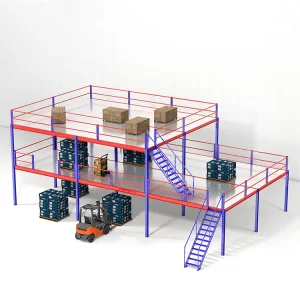
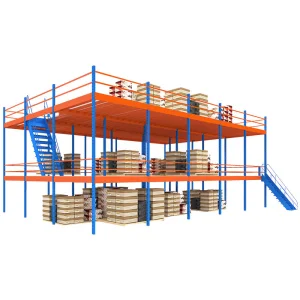
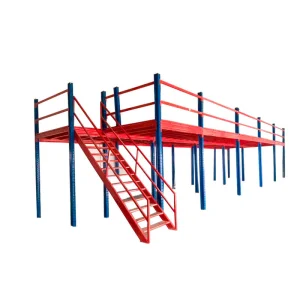
High-density, multi-tier mezzanine racks engineered to support heavy vertical dynamic picking pathways. These configurations are designed to optimize vertical space (floor-to-ceiling heights exceeding 12 meters) while integrating impact-prone loading docks with heavy steel guards to withstand constant forklift operations.
Steel structures are susceptible to hydrogen embrittlement under sub-zero thermal stress. We utilize low-temperature treated Q235B structural alloys and frost-resistant powder formulations. This prevents micro-cracks and maintains load-carrying capacities in temperatures down to -30°C.
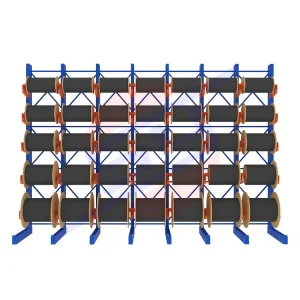
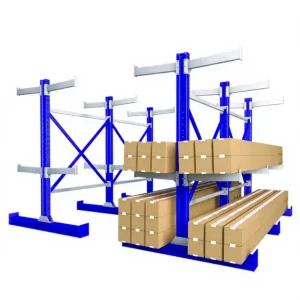
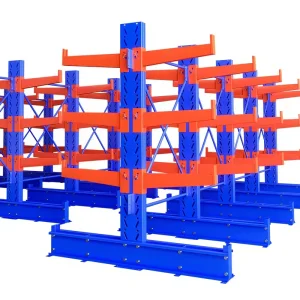
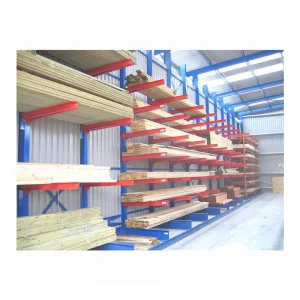
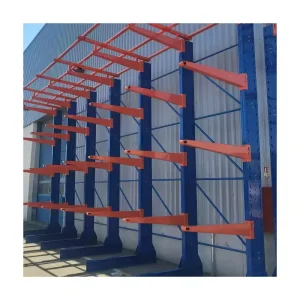
Heavy manufacturing units require customizable single-sided and double-sided cantilever columns. By utilising variable arm layouts, our heavy cantilever racks process structural steel bars, industrial piping, and raw lumber securely, preventing roll-off accidents and vertical structural deformation.
Automated high-position systems demand exceptionally tight manufacturing tolerances. Our robotic laser cutting and cold rolling systems guarantee straightness tolerances of less than 1/1000 over vertical column heights. This facilitates smooth integration with automated crane systems and automated guided vehicles (AGVs).
Driven by AI adoption, land cost increases, and strict occupational safety regulations, warehouse infrastructure technology is transitioning toward high-density automation and real-time stress monitoring.
Conventional pallet racking systems are being upgraded to high-density shuttle racking systems. These designs utilize multi-directional automated shuttles to navigate the interior structures of the rack, maximizing spatial density by up to 80% compared to standard layouts.
High-end distribution hubs are testing electronic load sensors and strain gauges integrated into rack uprights. These real-time diagnostics alert management to structural overloading or forklift impacts, allowing preventative repairs and avoiding warehouse floor accidents.
Eco-conscious enterprises require zero-VOC (Volatile Organic Compounds) powder finishes. Standard zinc electroplating is being replaced by environmentally friendly, highly protective electrostatic thermosetting powder formulations, minimizing ecological footprints.
Before issuing requests for proposals (RFPs) for warehouse rack structures, procurement managers should evaluate five engineering metrics to secure high safety and lifespan values:
Technical information on engineering standards, manufacturing processes, and customization options.
Review our specialized mezzanine floor, cantilever, and custom industrial steel shelving solutions.
 Sanyang Racking