Pre-engineered structural and boltless modular storage rack configurations designed to optimize space utilization.
How the alignment of global logistics corridors and local supply chains drives modern high-density warehouse racking demands.
In the era of dynamic global supply chains, industrial operations are undergoing a structural shift. The convergence of e-commerce expansion, third-party logistics (3PL) outsourcing, and localized distribution networks has compelled industrial operators to look beyond simple storage structures. Modern warehouse racks manufacturers are now viewed as strategic intralogistics partners. Globally, warehouses are transforming from cost-center transit hubs into high-throughput operations where vertical space utilization directly impacts bottom-line performance.
Central Asia, spearheaded by the economic acceleration of Uzbekistan, stands at the center of this transformation. Historically a core axis of the ancient Silk Road, the region is positioning itself as a transit corridor connecting China, Europe, South Asia, and the Middle East. Through major infrastructure projects like the China-Kyrgyzstan-Uzbekistan (CKU) railway, Uzbekistan is rapidly developing into a multimodal logistics powerhouse. As manufacturing, pharmaceutical distribution, and agricultural cold chains experience double-digit annual growth, the demand for sophisticated, seismic-engineered pallet racking has shifted from a premium upgrade to a foundational requirement.
Uzbekistan's economic strategy under the national development plans focuses heavily on the expansion of Special Economic Zones (SEZs) like the Tashkent SEZ, Angren, and Navoi. These zones act as regional manufacturing hubs for automotive parts, textiles, dry goods, electronics, and agricultural processing. However, the physical constraints of conventional warehouses present a challenge to growth: land acquisition cost, high heating and cooling expenditures during extreme seasonal shifts (ranging from over 40°C in summer to below -15°C in winter), and the necessity of storing high-density inventories.
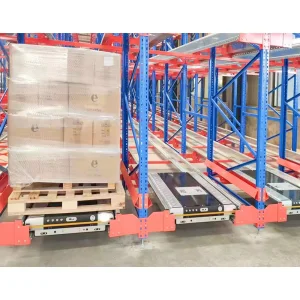
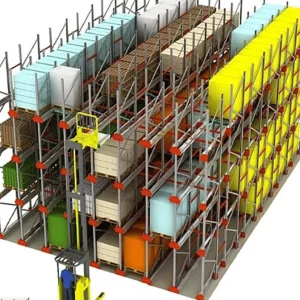
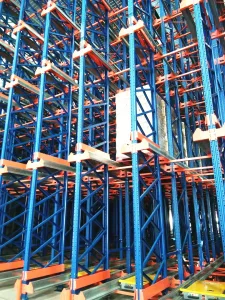
To mitigate these challenges, companies are adopting modern racking solutions. Implementing multi-level industrial mezzanine structures, heavy-duty drive-in systems, and automated radio shuttle systems allows logistics managers in Tashkent and Samarkand to increase storage capacity by up to 80% within their existing warehouse footprint. This transition reduces per-pallet operational costs, optimizing energy efficiency in climate-controlled environments and temperature-sensitive food and cold chain warehouses.
Ensuring compliance with Uzbekistan KMK standards and international FEM / ANSI guidelines.
When selecting a warehouse racks manufacturer serving Uzbekistan, engineering capability must be the primary evaluation metric. Central Asia is a seismically active region; the cities of Tashkent and Samarkand lie within active tectonic fault lines. Industrial storage installations must be engineered to withstand lateral seismic accelerations, preventing catastrophic rack collapses that threaten both life safety and inventory security.
At Shenzhen Sanyang Storage Equipment, our structural engineers leverage advanced finite element method (FEM) analysis software to simulate dynamic load cases under local seismic coefficients (KMK 2.01.07-97 "Loads and Impacts" and KMK 2.01.03-96 "Construction in Seismic Regions"). Our racking upright profiles are designed with distinct multi-bend geometries, utilizing cold-rolled high-tensile steel (equivalent to Q235B and Q355B grades) to deliver superior ductility and yield strength.
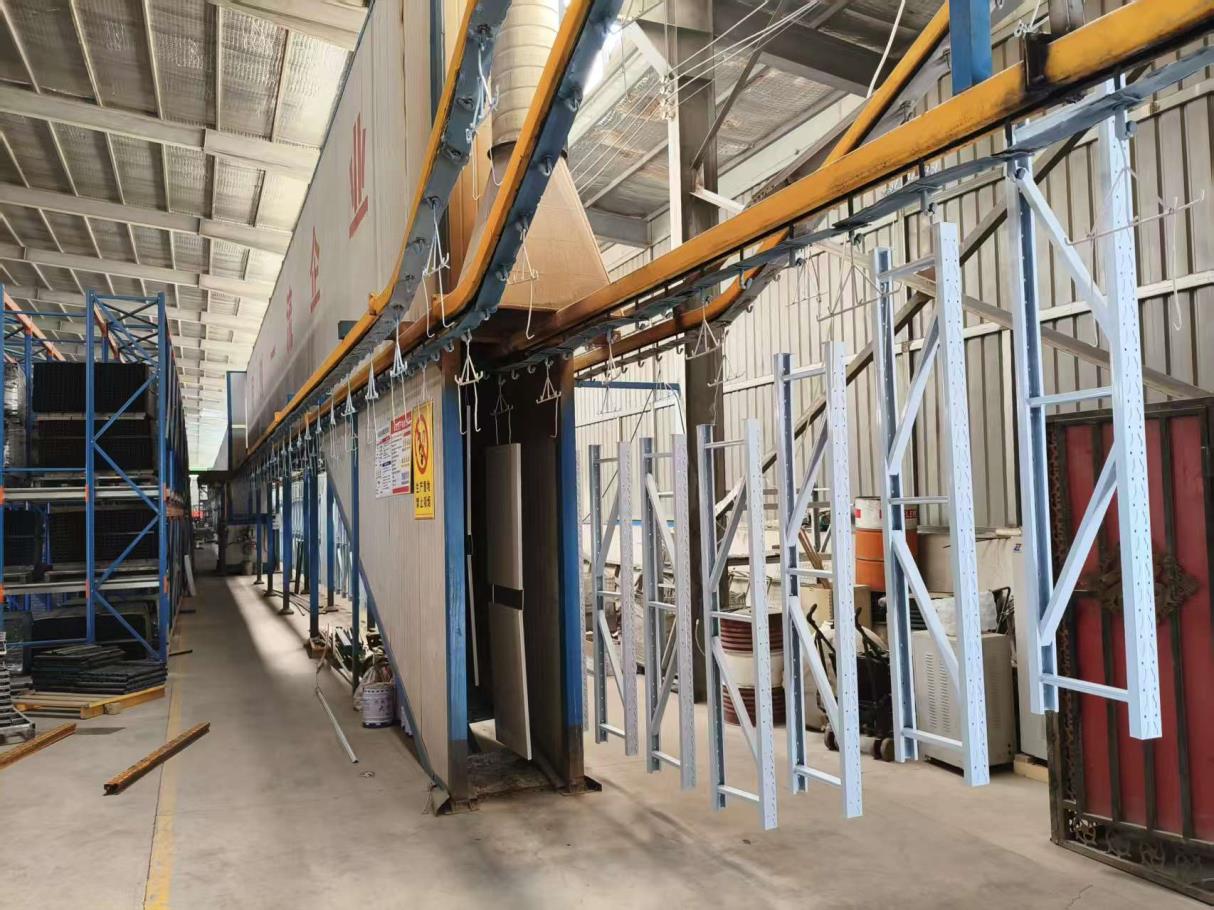
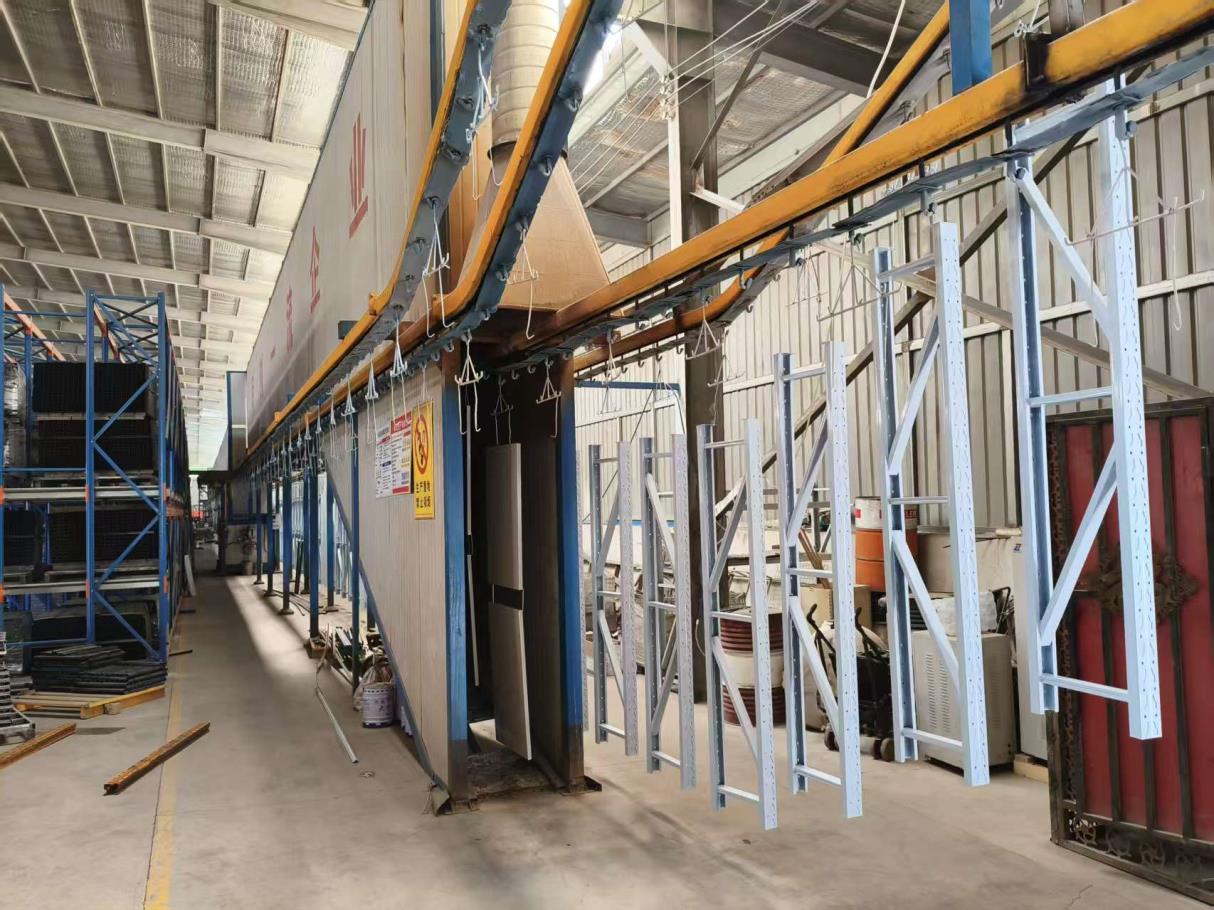
Uzbekistan's continental climate is characterized by significant temperature fluctuations. Without robust surface pre-treatment, temperature shifts can cause condensation to accumulate inside hollow upright profiles and beam connections, resulting in premature sub-surface rust. Sanyang resolves this issue through a specialized multi-stage electrostatic powder coating process:
Optimizing transit times and customs workflows from Shenzhen to Tashkent and regional industrial zones.
For an Uzbek logistics enterprise or multinational industrial firm, procurement extends beyond the physical product; it involves managing complex international logistics. Sanyang maintains a dedicated export logistics team that coordinates seamless shipping routes through established land and multimodal corridors:
Multimodal Transit Routes: We leverage the cost-efficient overland rail routes via Alashankou/Korgas into Kazakhstan, continuing onward directly to Tashkent. This minimizes transport damage risk and avoids the long transit delays associated with traditional maritime shipping to landlocked Central Asia.
Customs Documentation and DDP/FOB Options: Operating in Uzbekistan requires meticulous documentation to navigate customs procedures under Uzbek State Standards (Uzstandart). Sanyang provides a complete documentation package, including CE declarations, certificates of origin, material mill certificates, packing lists, and detailed technical drawings. We offer flexible incoterms, from FCA/FOB to direct DDU/DDP delivery to your warehouse site.
Professional Local Installation Supervision: A racking system is only as safe as its installation quality. Sanyang bridges the geographical gap by providing complete engineered installation drawings and step-by-step video manuals. For large-scale projects in Tashkent, Samarkand, and the Fergana Valley, we can dispatch bilingual project managers or collaborate with certified local millwrights to oversee vertical alignment tolerances, anchor torque checks, and final loading inspections prior to sign-off.
Custom-engineered racking layouts adapted to regional agricultural, manufacturing, and distribution sectors.
Uzbekistan is a major global cotton and textile manufacturer. Modernizing yarn spin mills and textile production lines requires heavy-duty racking systems designed for dense, heavy fabric rolls. Standard pallet racking, structural drive-in racking, and high-density gravity flow racks are recommended to support yarn spool pallets weighing up to 1,500kg, utilizing First-In, First-Out (FIFO) inventory rotation.
Preserving fresh agricultural produce for export demands energy-efficient cold storage. By utilizing Sanyang's Automated Radio Shuttle Racking Systems in cold rooms, operators maximize storage density. This design reduces the volume of air that requires refrigeration, minimizing thermal loss and energy costs while maintaining access to all storage channels.
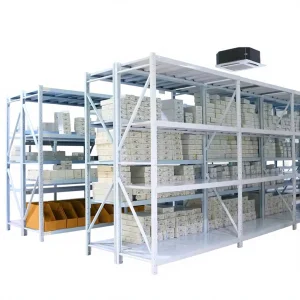
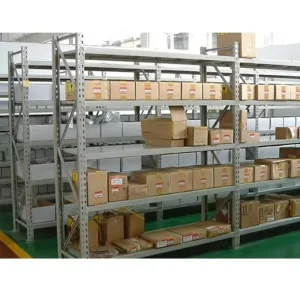
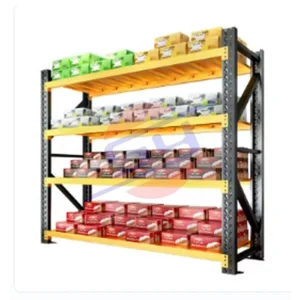
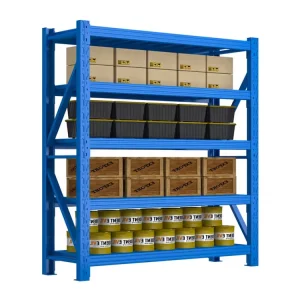
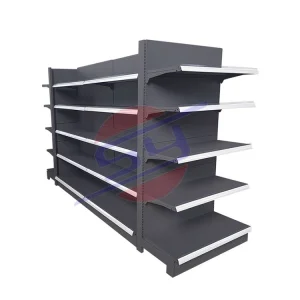
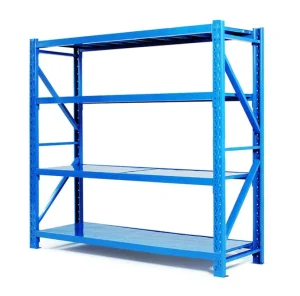
With an established domestic automotive assembly sector, Uzbekistan's tier-1 suppliers require precise material storage. We design and install multi-tier pick modules and medium-duty steel shelving units. These configurations accommodate high SKU counts and small-parts picking, improving cycle times and picking efficiency.
The rapid expansion of local e-commerce networks like Uzum Market demands high-density, multi-category fulfillment centers. Sanyang supplies heavy-duty pallet racking integrated with wire mesh decking, dynamic carton flow shelves, and vertical mezzanine structures. This versatile design allows operators to manage bulk pallet stock and hand-pick parcels within a single facility.
A leading global manufacturer of heavy-duty industrial storage racks and automated material handling systems.
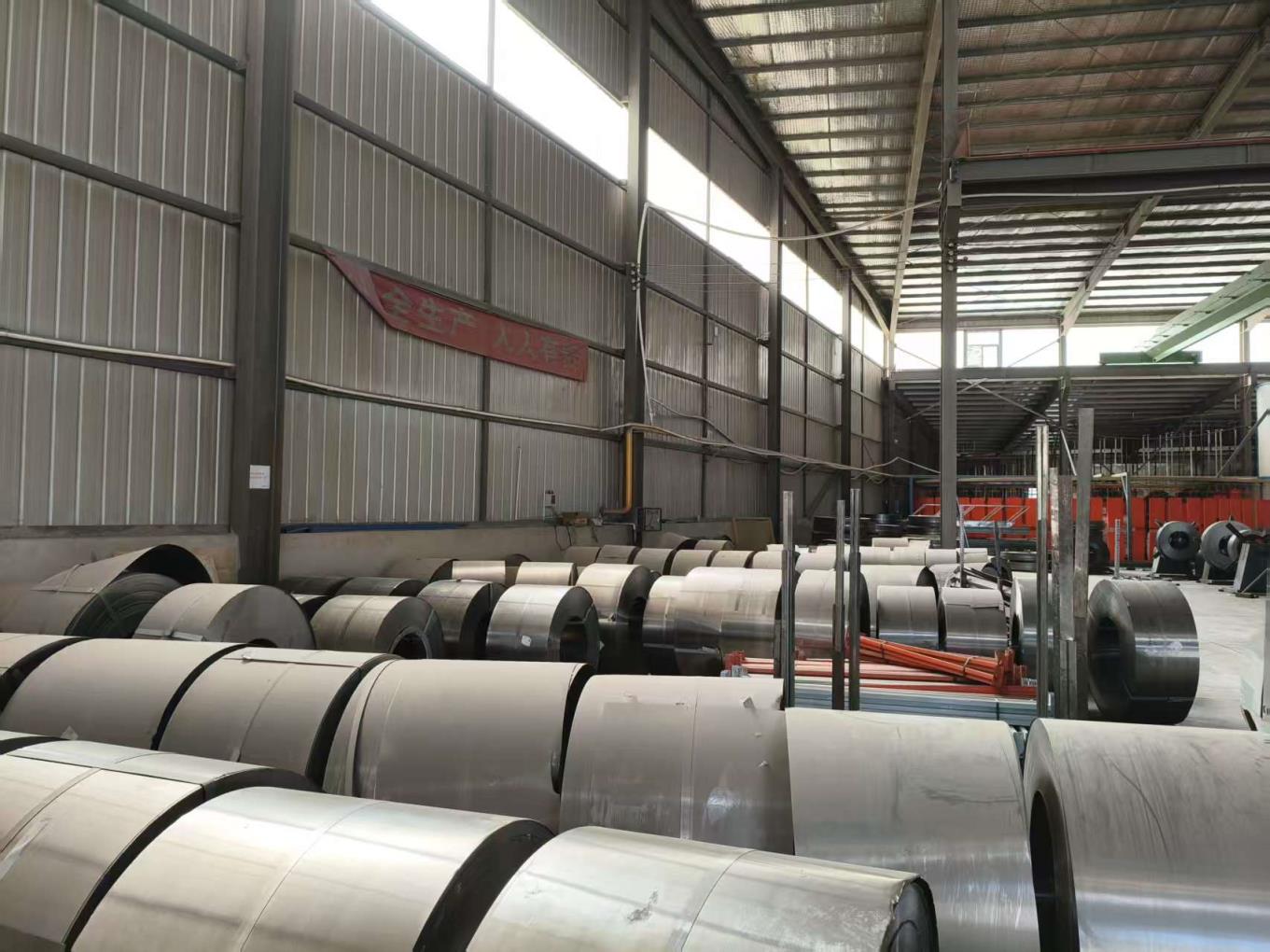
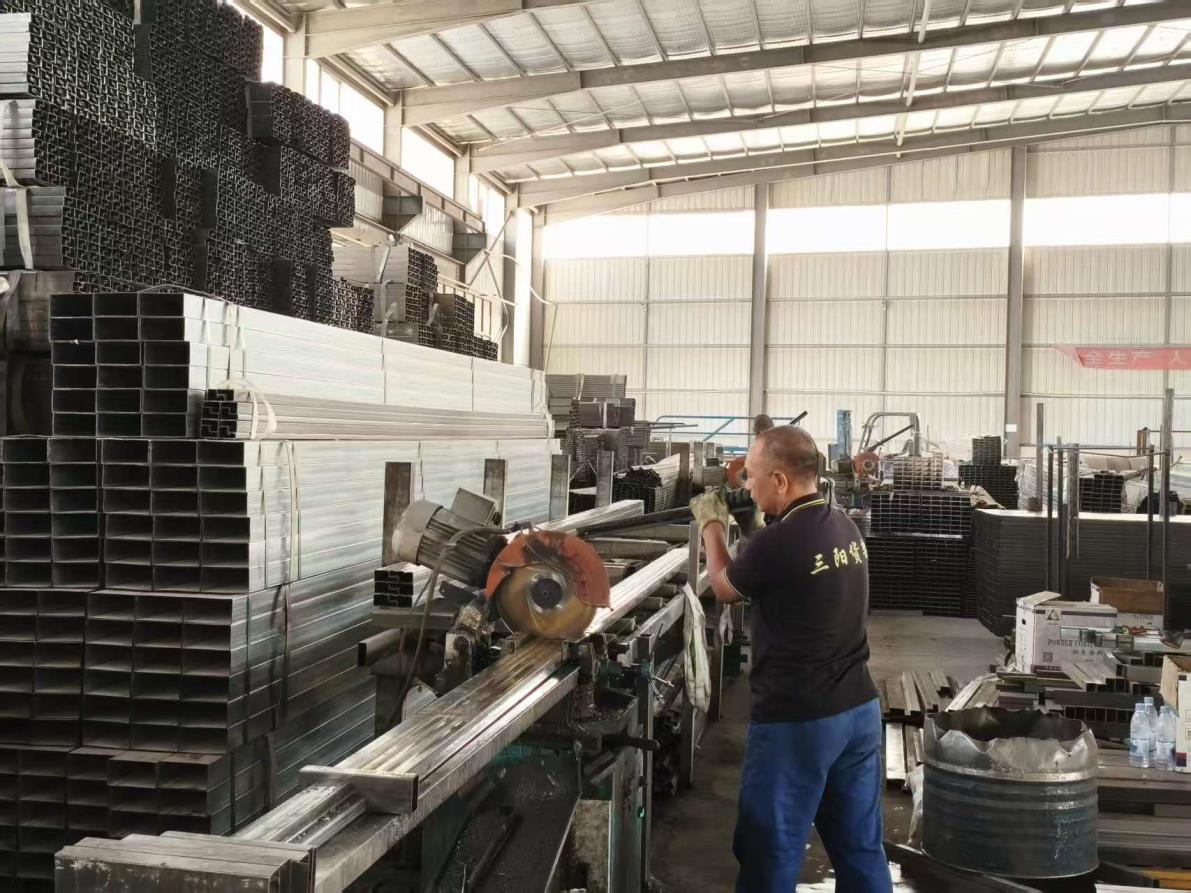
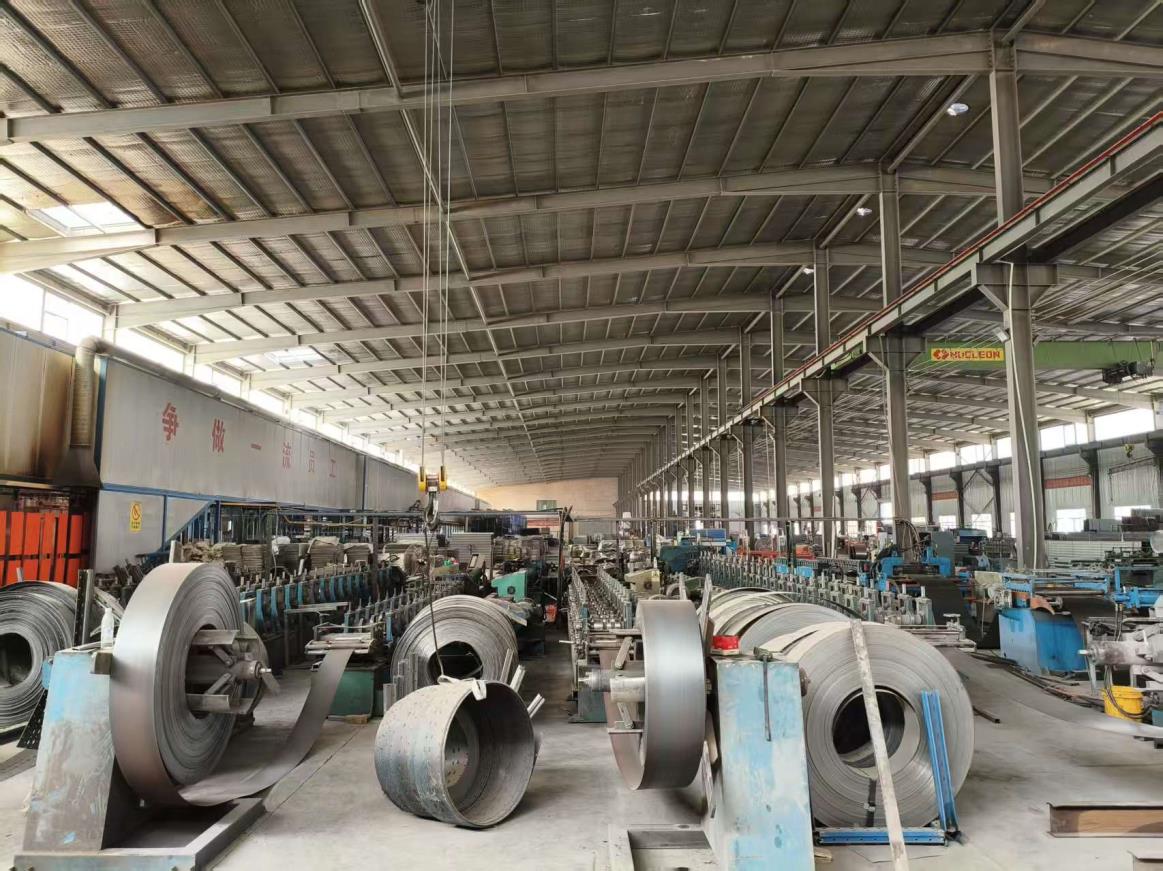
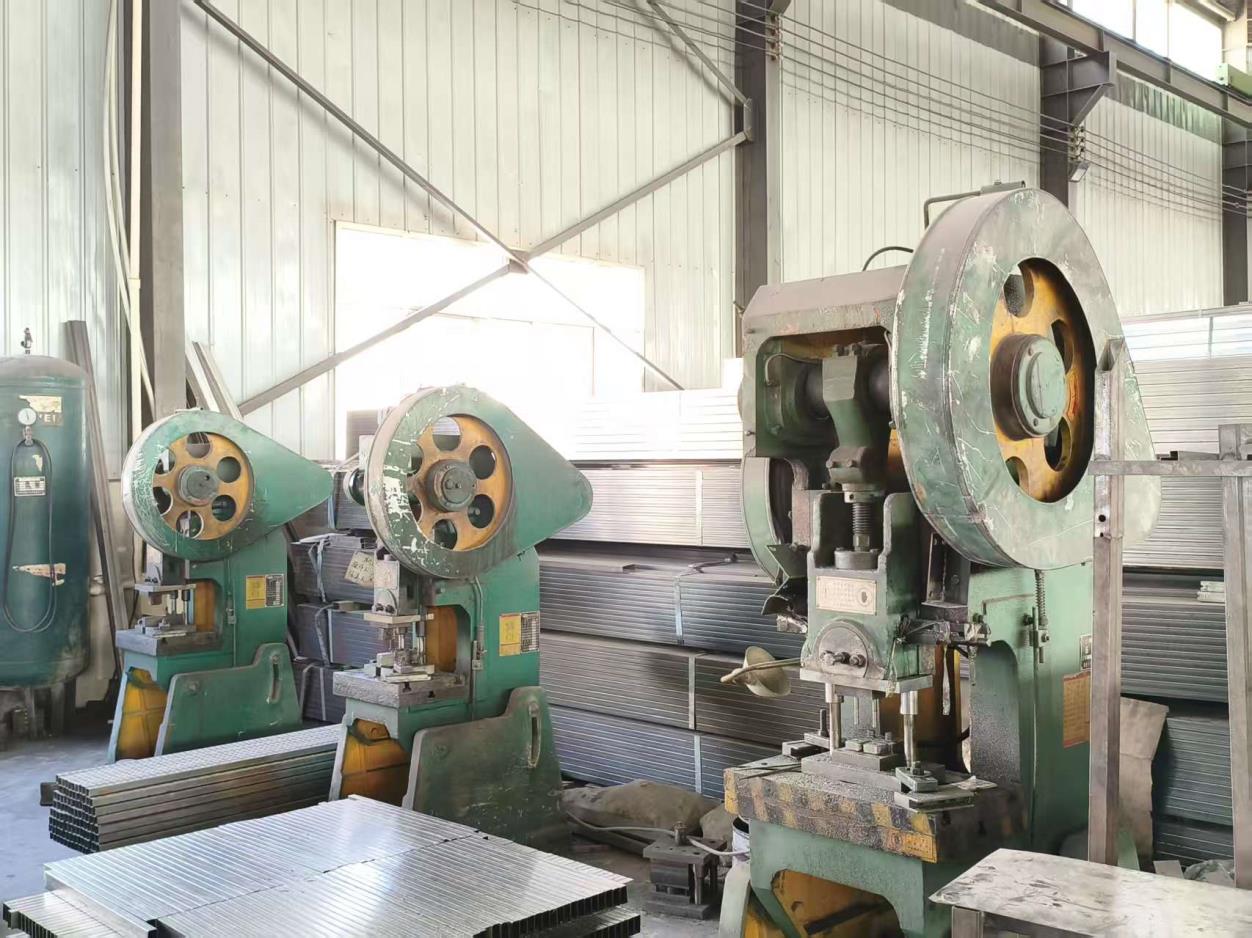
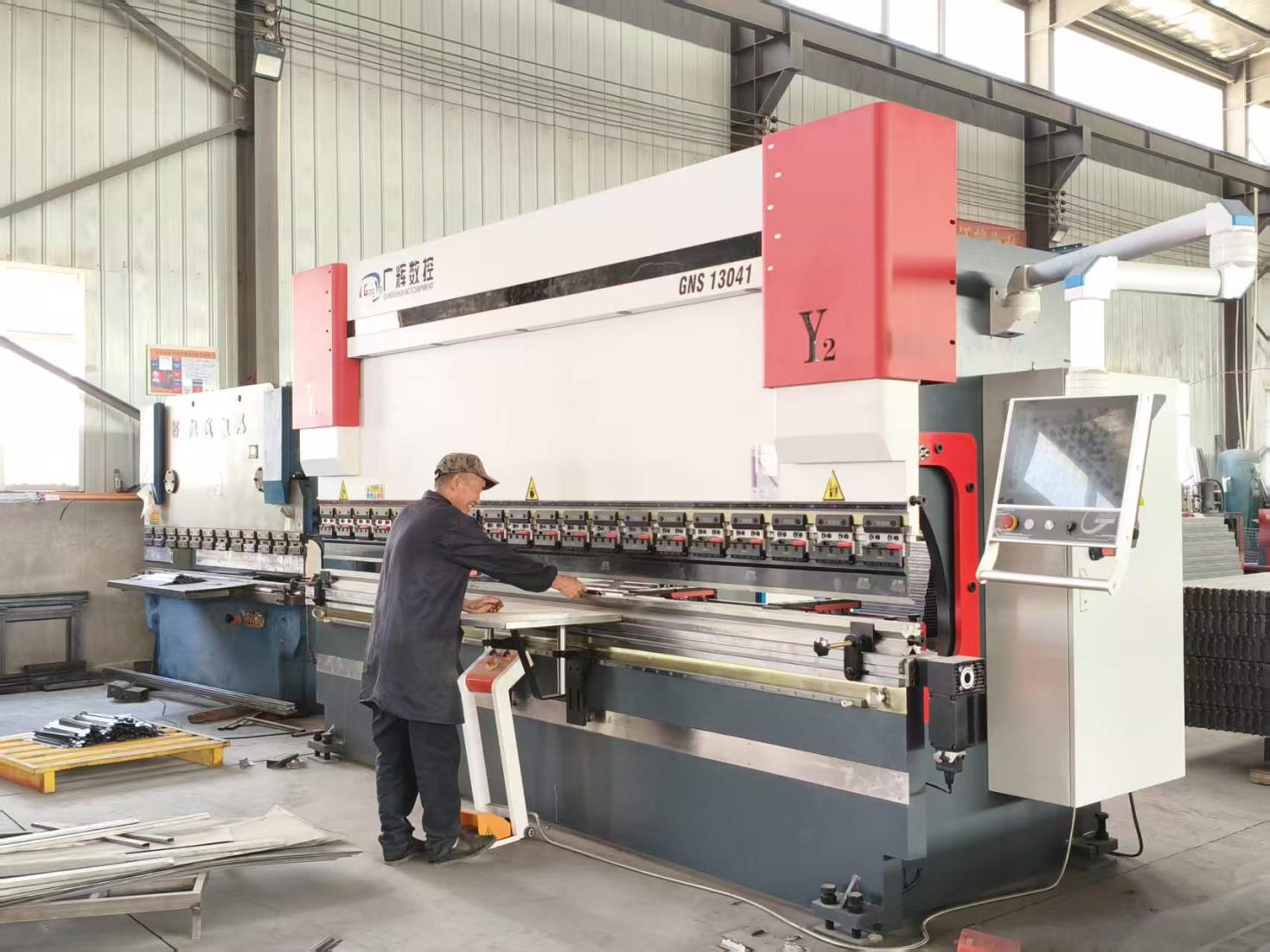
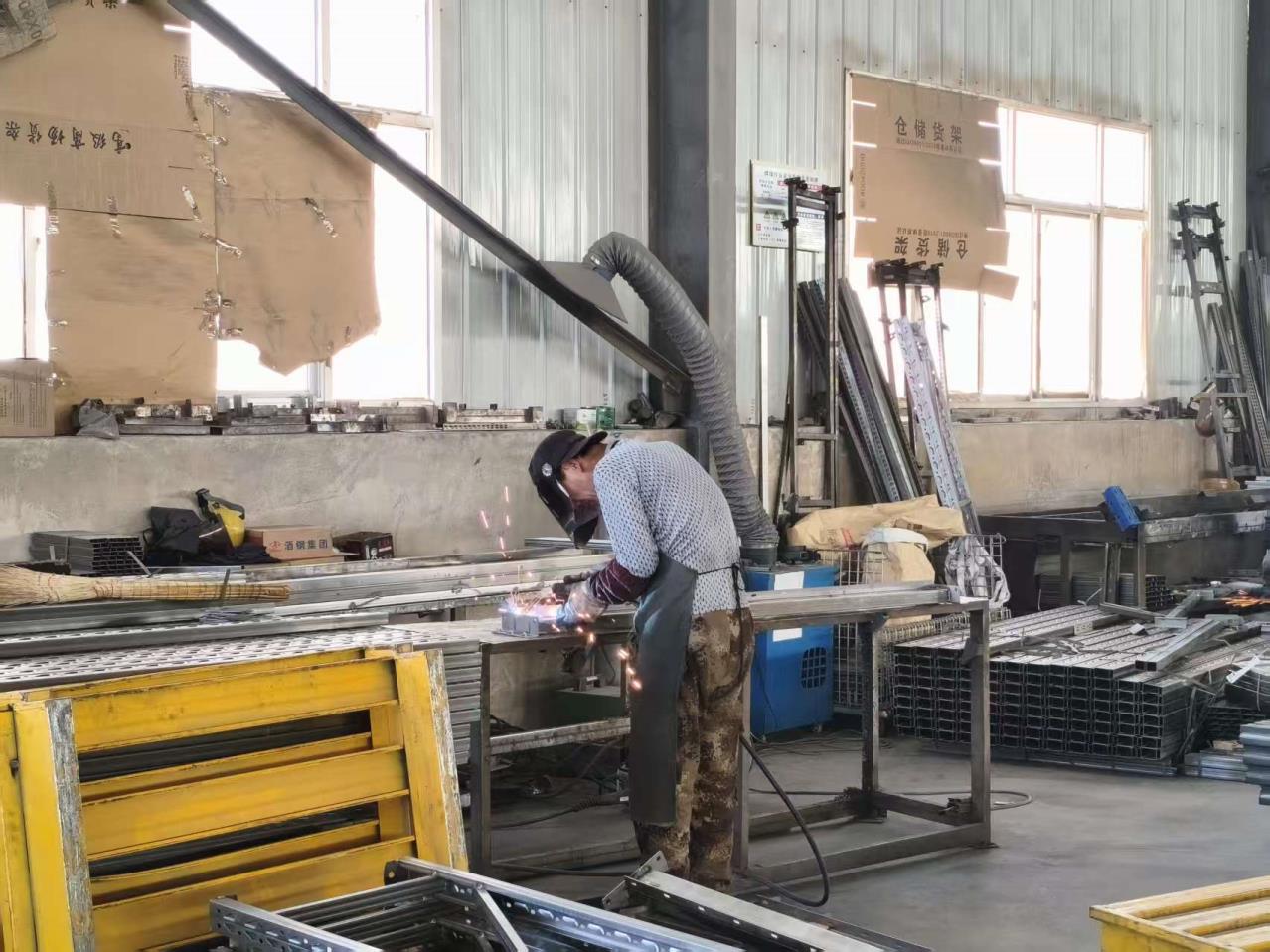
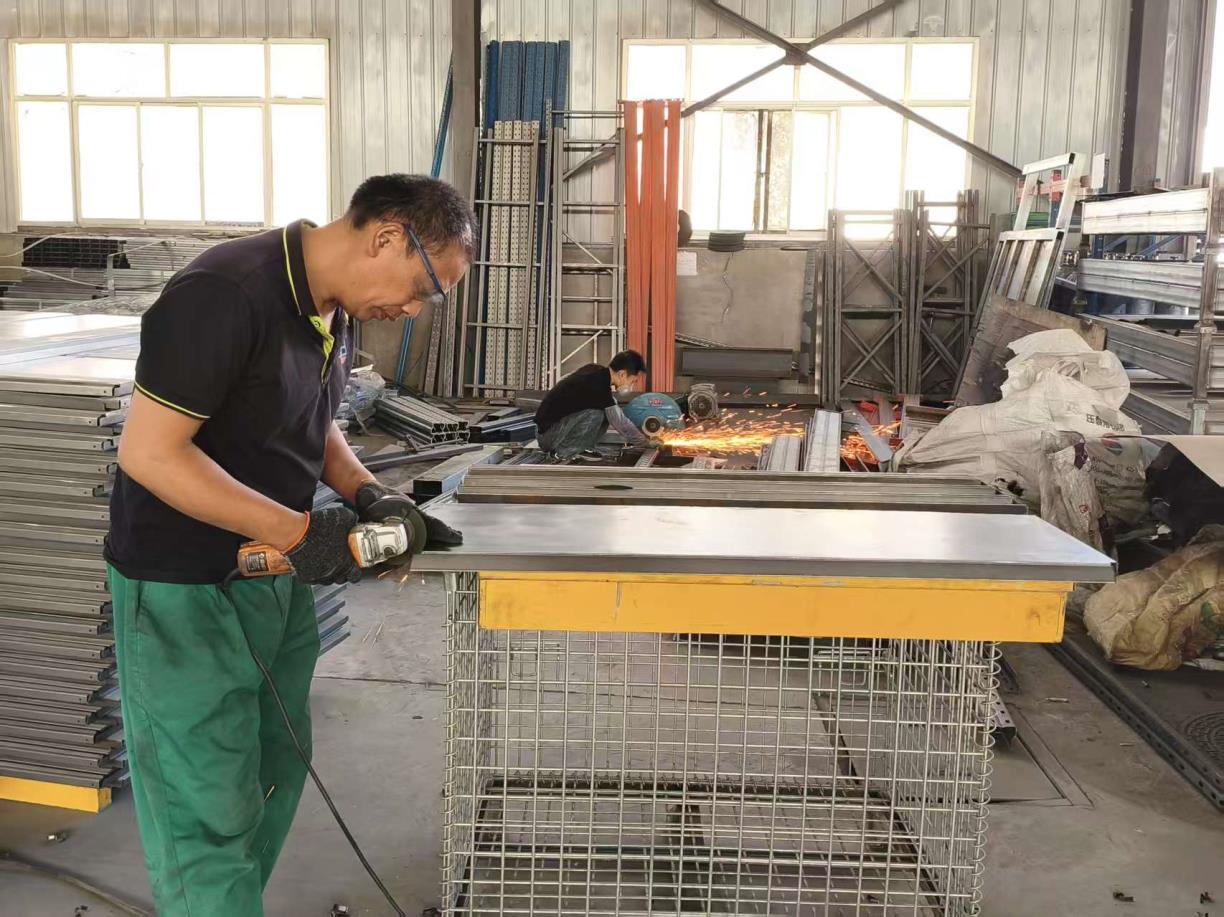
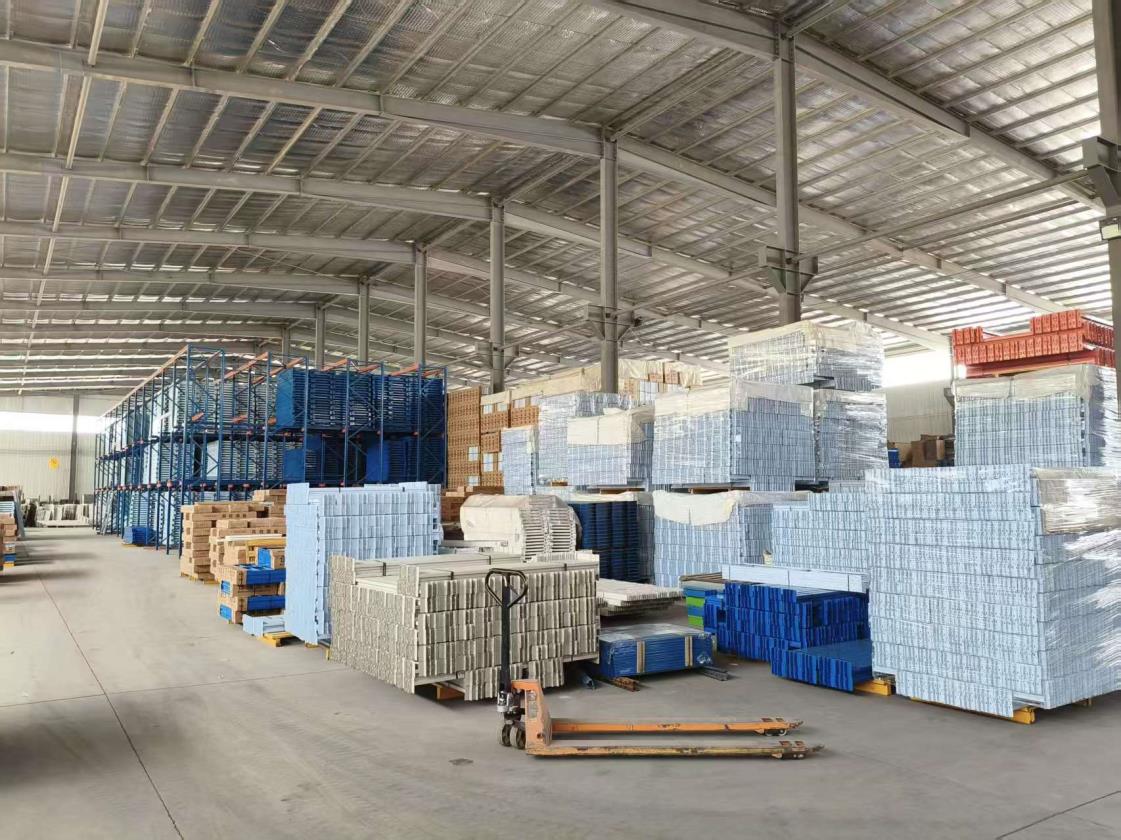
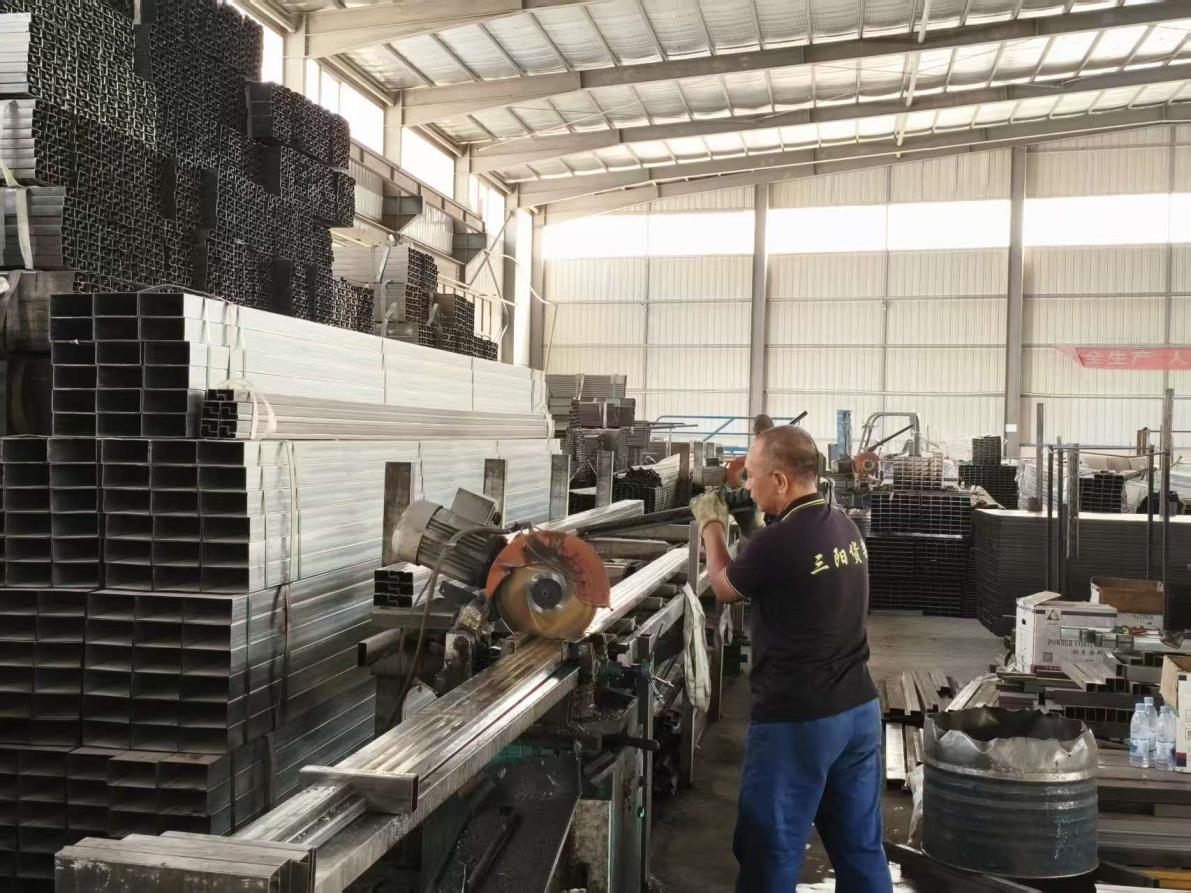
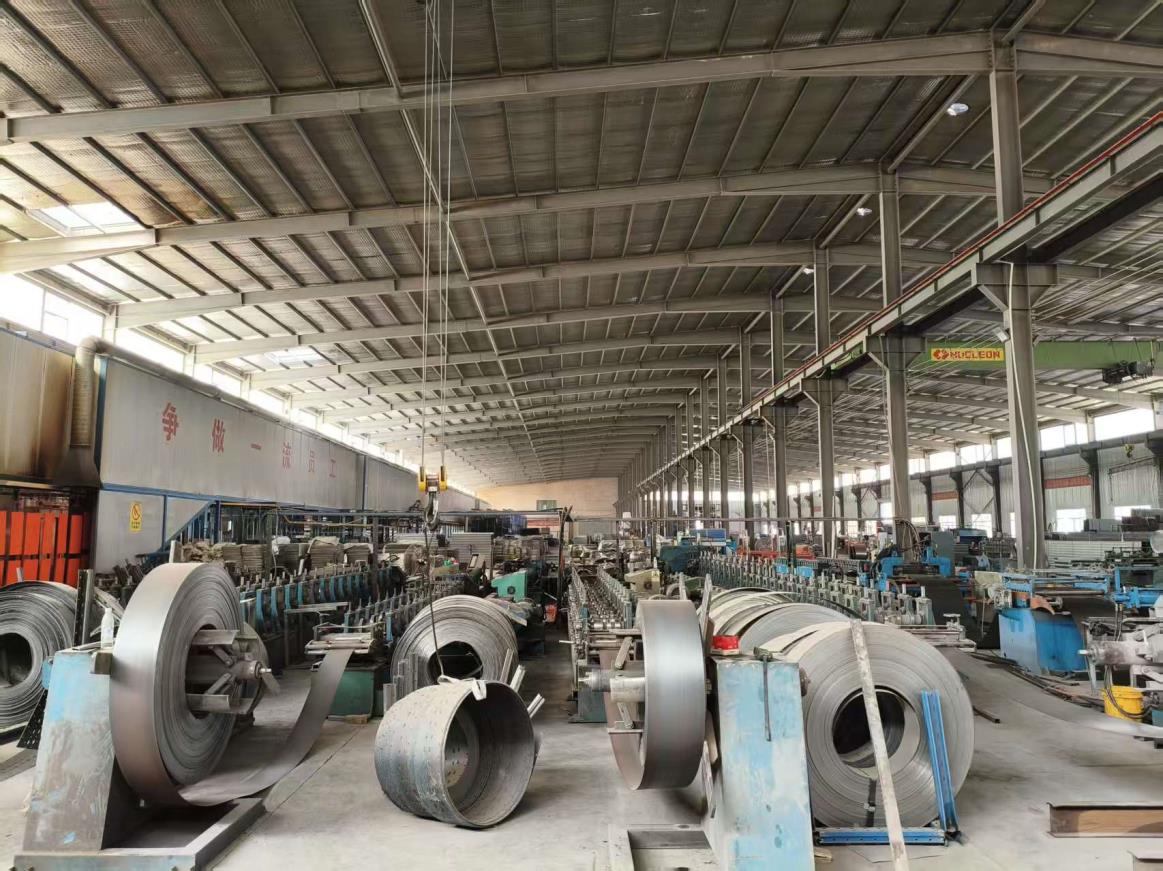
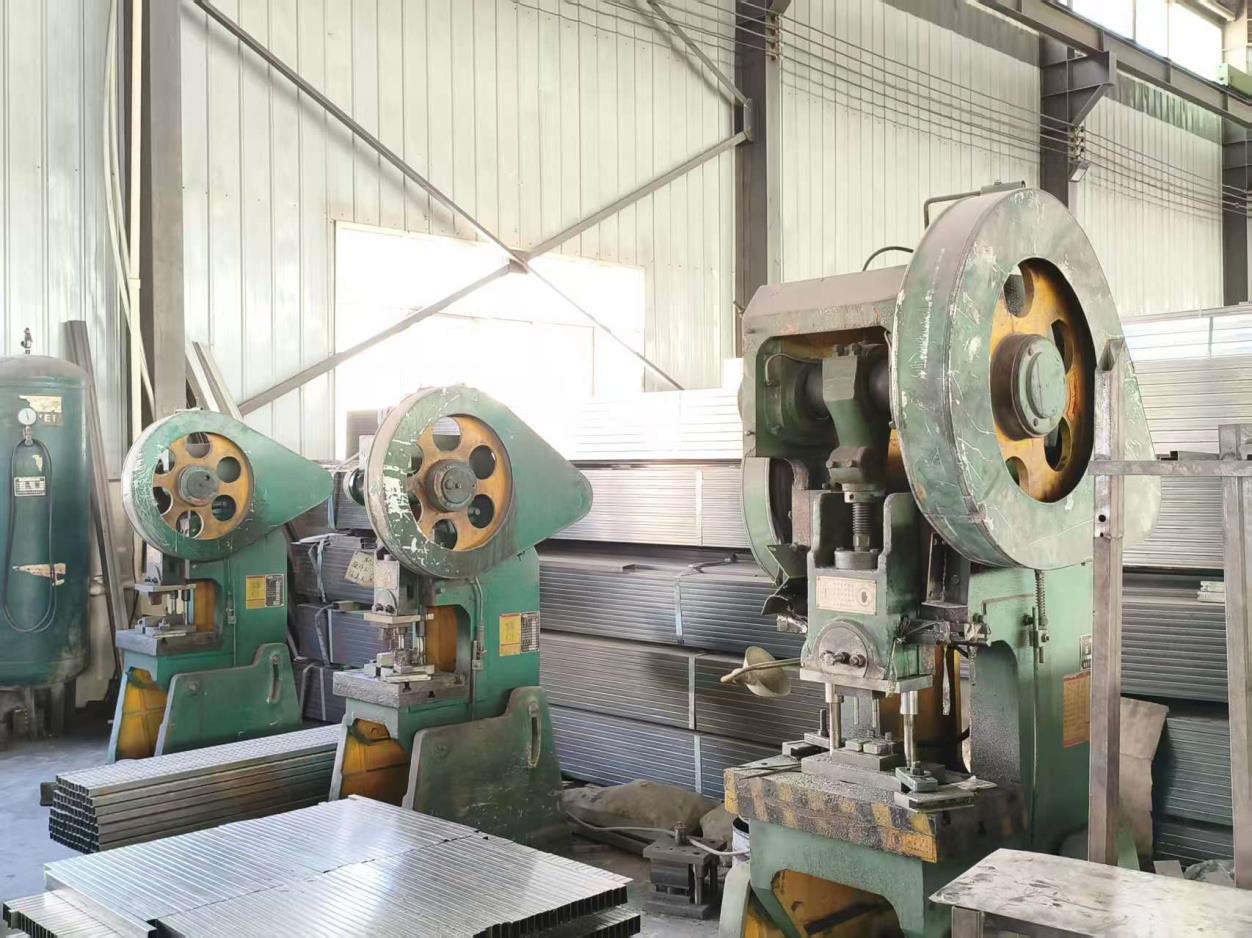
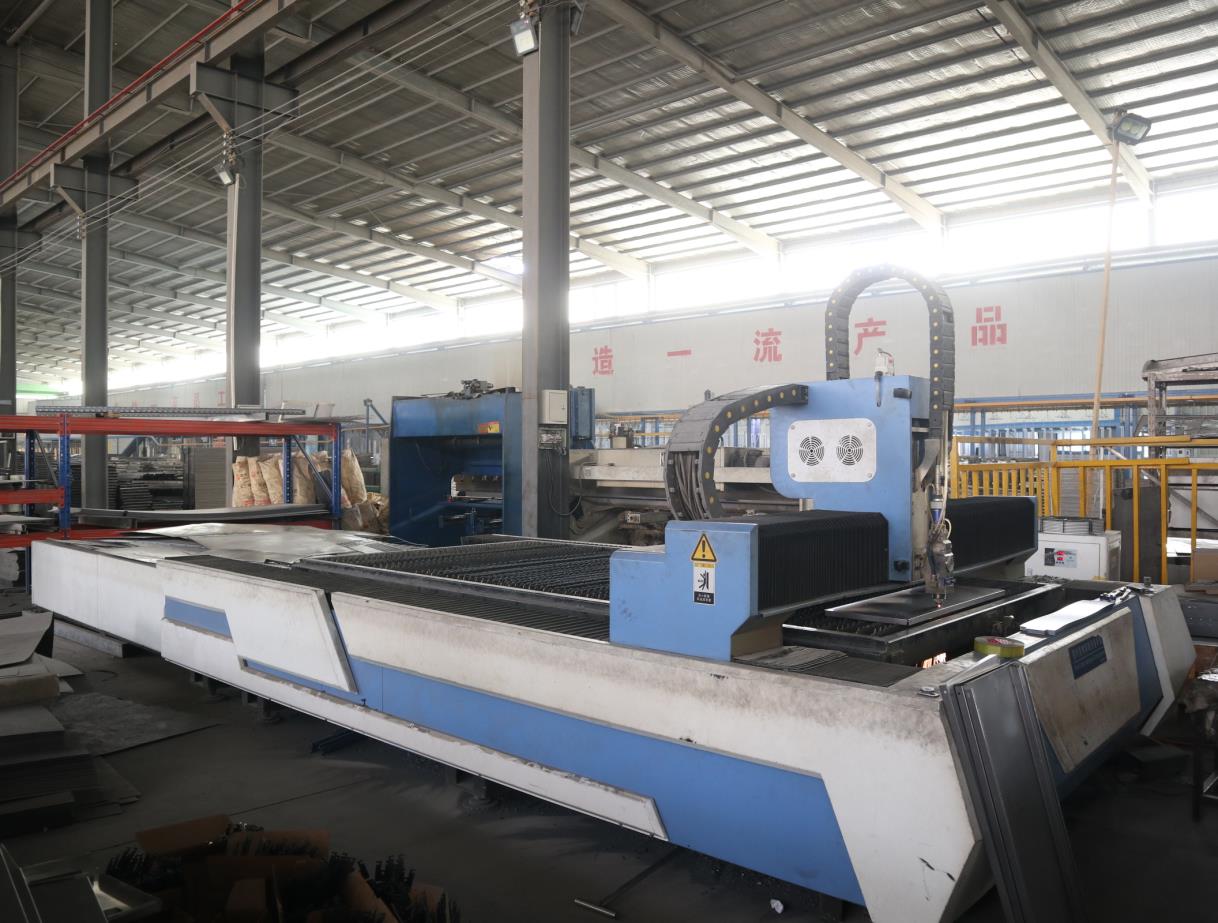
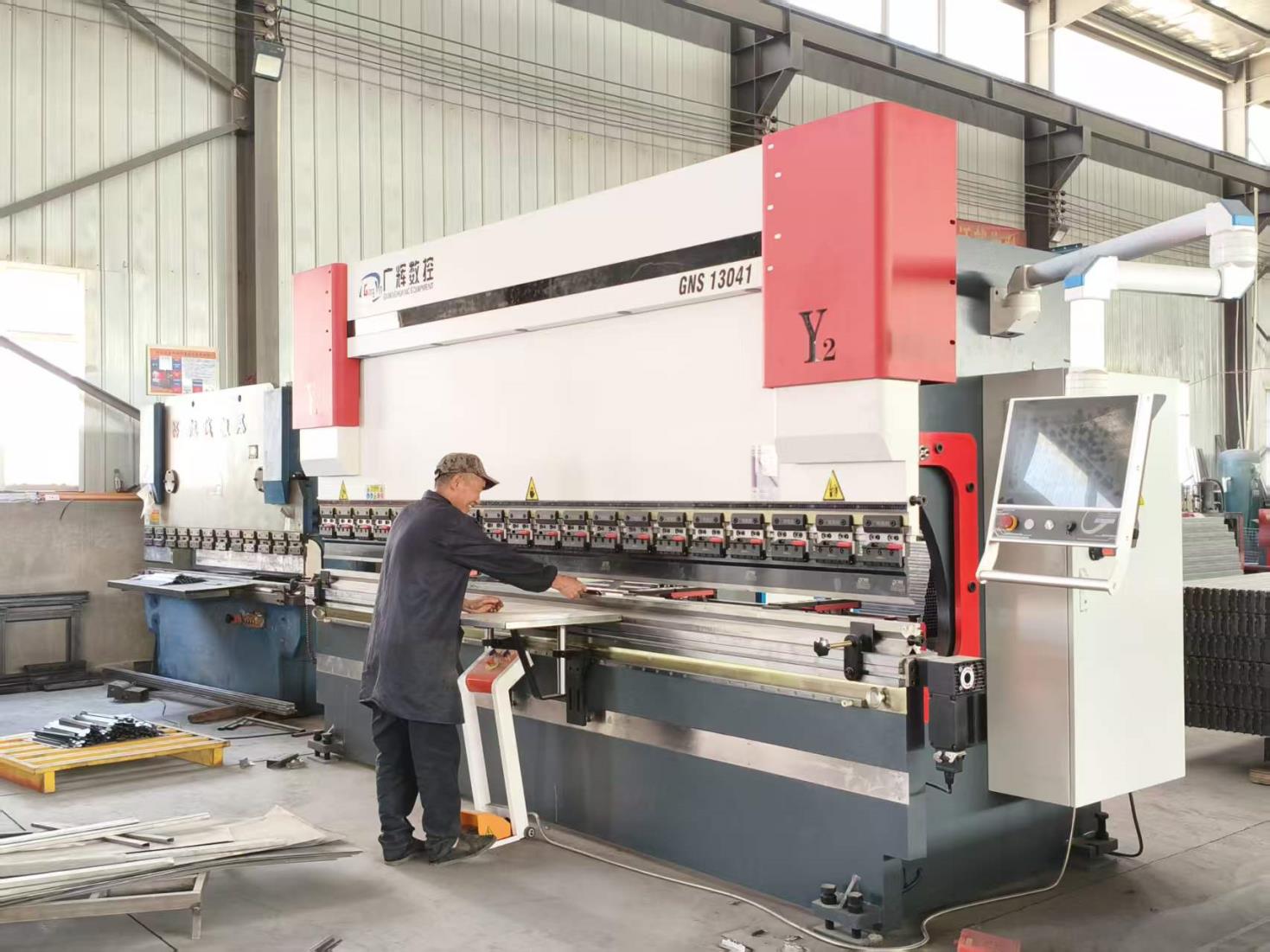
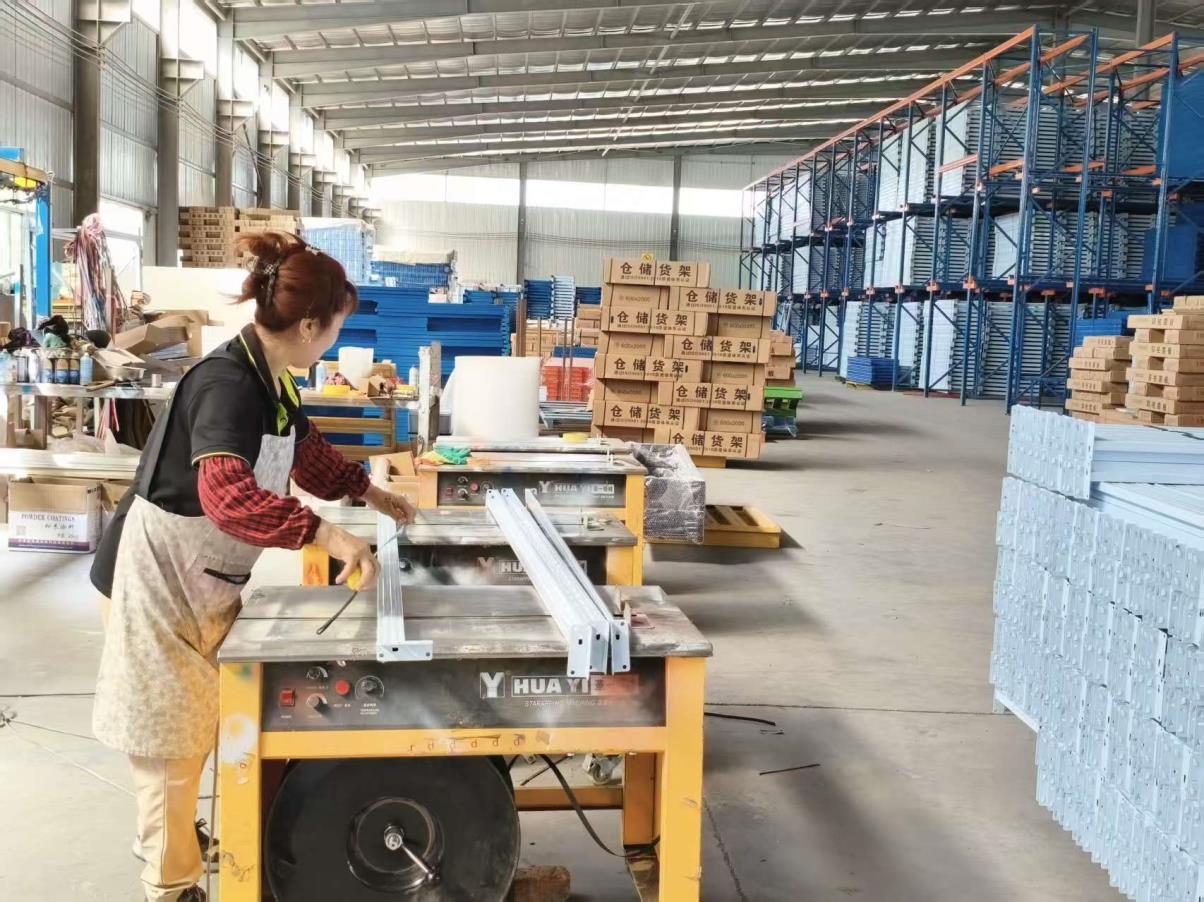
Established in 2015, Shenzhen Sanyang Storage Equipment Manufacturing Co., Ltd. is a leading manufacturer specializing in heavy-duty industrial pallet racking, warehouse shelving systems, and automated material handling solutions. Located in Shenzhen, our modern facility spans a total building area of 38,000 m², equipped with advanced automated roll-forming machines, laser cutters, and robot welding lines.
With over 12 years of industry experience and 8 years of active export experience, Sanyang has expanded its international footprint, achieving an annual export revenue of $28 million USD. Our main overseas markets cover North America, Western Europe, Southeast Asia, and the Middle East, primarily serving global logistics hubs, e-commerce fulfillment centers, third-party logistics (3PL) providers, and large manufacturing enterprises.
Quality and precision are at the core of our operations. Supported by 35 full-time QC inspectors, we implement rigorous quality assurance protocols using ultrasonic weld flaw detection, coating thickness testing, and heavy-load stress tests to ensure strict compliance with ISO9001 and international FEM/ANSI safety standards. Backed by a strong OEM/ODM background and a robust network of 1,200 supply chain partners, we offer highly customizable options—ranging from custom dimensions and load capacities to specialized powder coatings and seismic-resistant structural designs.
Innovation drives our continuous growth. Our team of 18 R&D engineers focuses on developing high-density and automated storage systems, successfully launching 65 new products last year alone. Sanyang remains dedicated to providing safe, space-saving, and cost-effective storage solutions for our global clientele.
Sanyang's focus on integrating automation and smart software to drive efficiency.
Warehousing is evolving beyond static steel frames. The future of global logistics centers on dynamic, software-driven fulfillment hubs. Sanyang is positioning itself at the leading edge of this shift. Over the next three to five years, our R&D efforts are focused on integrating automated storage and retrieval systems (AS/RS), computerized warehouse management system (WMS) control nodes, and sensor-based inventory tracking systems.
For operations in Uzbekistan, this tech roadmap offers concrete advantages:
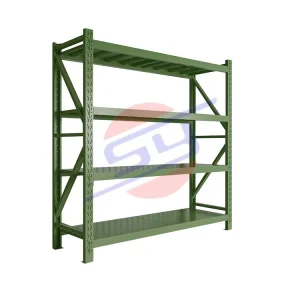
Explore our complete range of certified storage racking systems, including heavy-duty pallet racks, automated radio shuttle bays, and modular accessories.
Essential technical and logistical answers for project planners and facility managers.
 Sanyang Racking