Engineered for maximum space utilization and automated material handling workflows
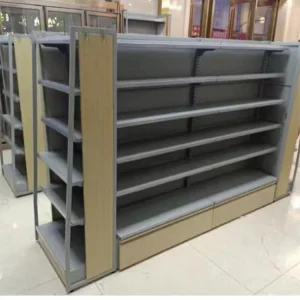
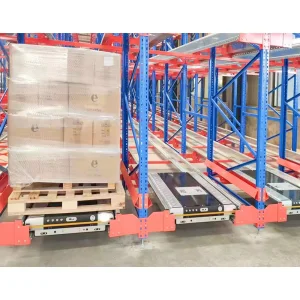
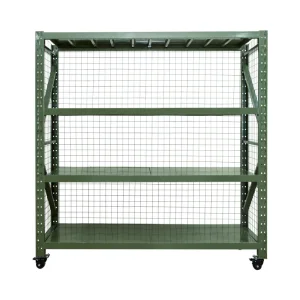
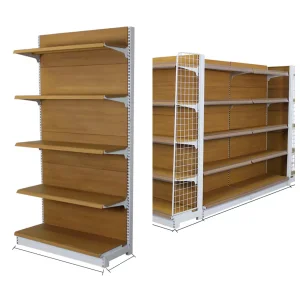
In modern industrial storage, the demand for smart, space-efficient, and robust metal containment systems has surged. Global logistics nodes, regional distribution facilities, and high-velocity e-commerce operations require high-density stackable steel containers to handle heavy structural loads under dynamic operational conditions. High-quality stackable containers and structured racking systems prevent structural failure, streamline forklift retrieval paths, and scale warehouse storage capacity.
Industrial logistics systems are moving beyond basic static layouts. Advanced cold storage facilities, automotive manufacturing parts depots, and chemical processing zones require high-yield strength steel structures. By applying specialized geometric profiles, structural engineers can construct vertical racking that supports extreme dynamic loads. Selecting the right stackable design prevents steel deformation under high thermal stress and continuous automated transport cycles.
Designing stackable steel racks relies on key structural factors: steel yield stress, dynamic load deflection ratios, and rust protection coatings. Sanyang Storage leverages engineering techniques such as finite element analysis (FEA) to verify load-carrying capabilities. Using Q235B and Q345B steel grades ensures that racking components retain structural integrity during high-impact loading and seismic events.
Established in 2015, Shenzhen Sanyang Storage Equipment Manufacturing Co., Ltd. is a leading manufacturer specializing in heavy-duty industrial pallet racking, warehouse shelving systems, and automated material handling solutions. Located in Shenzhen, our modern facility spans a total building area of 38,000 m², equipped with advanced automated roll-forming machines, laser cutters, and robot welding lines.
With over 12 years of industry experience and 8 years of active export experience, Sanyang has expanded its international footprint, achieving an annual export revenue of $28 million USD. Our main overseas markets cover North America, Western Europe, Southeast Asia, and the Middle East, primarily serving global logistics hubs, e-commerce fulfillment centers, third-party logistics (3PL) providers, and large manufacturing enterprises.
Innovation drives our continuous growth. Our team of 18 R&D engineers focuses on developing high-density and automated storage systems, successfully launching 65 new products last year alone. Sanyang remains dedicated to providing safe, space-saving, and cost-effective storage solutions for our global clientele.
Supported by 35 full-time QC inspectors, we implement rigorous quality assurance protocols using ultrasonic weld flaw detection, coating thickness testing, and heavy-load stress tests to ensure strict compliance with ISO9001 and international FEM/ANSI safety standards. Backed by a strong OEM/ODM background and a robust network of 1,200 supply chain partners, we offer highly customizable options—ranging from custom dimensions and load capacities to specialized powder coatings and seismic-resistant structural designs.
Inside our state-of-the-art facility: Step-by-step production flow from raw steel to certified warehouse solutions
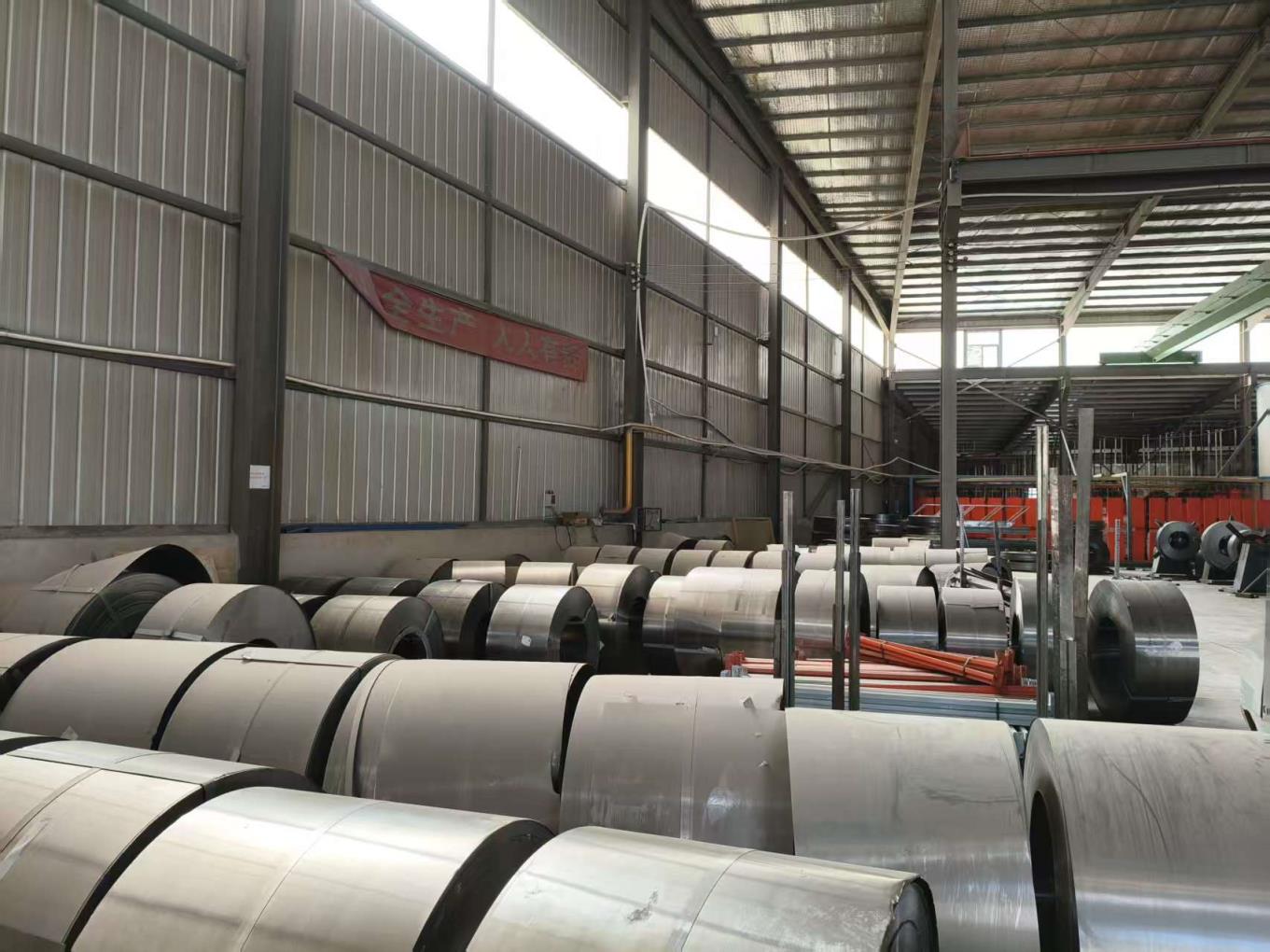
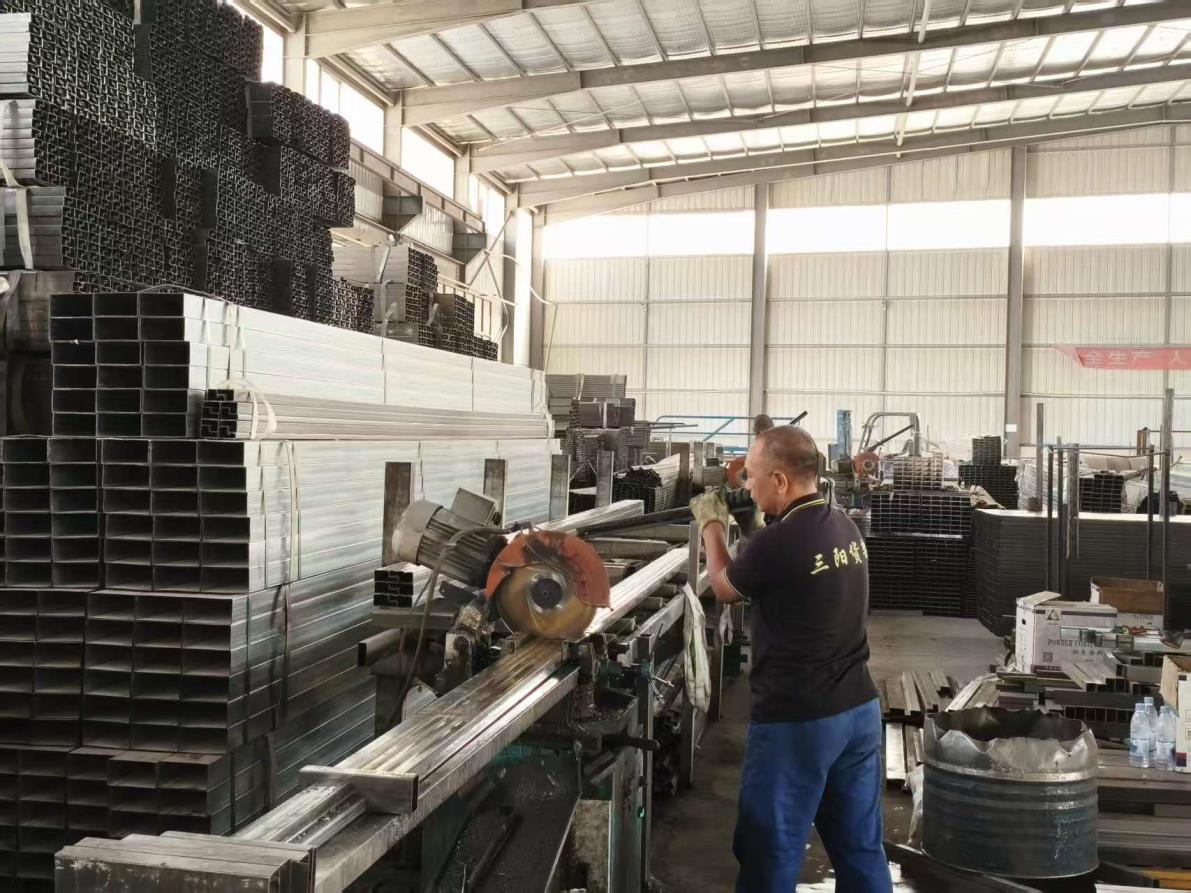
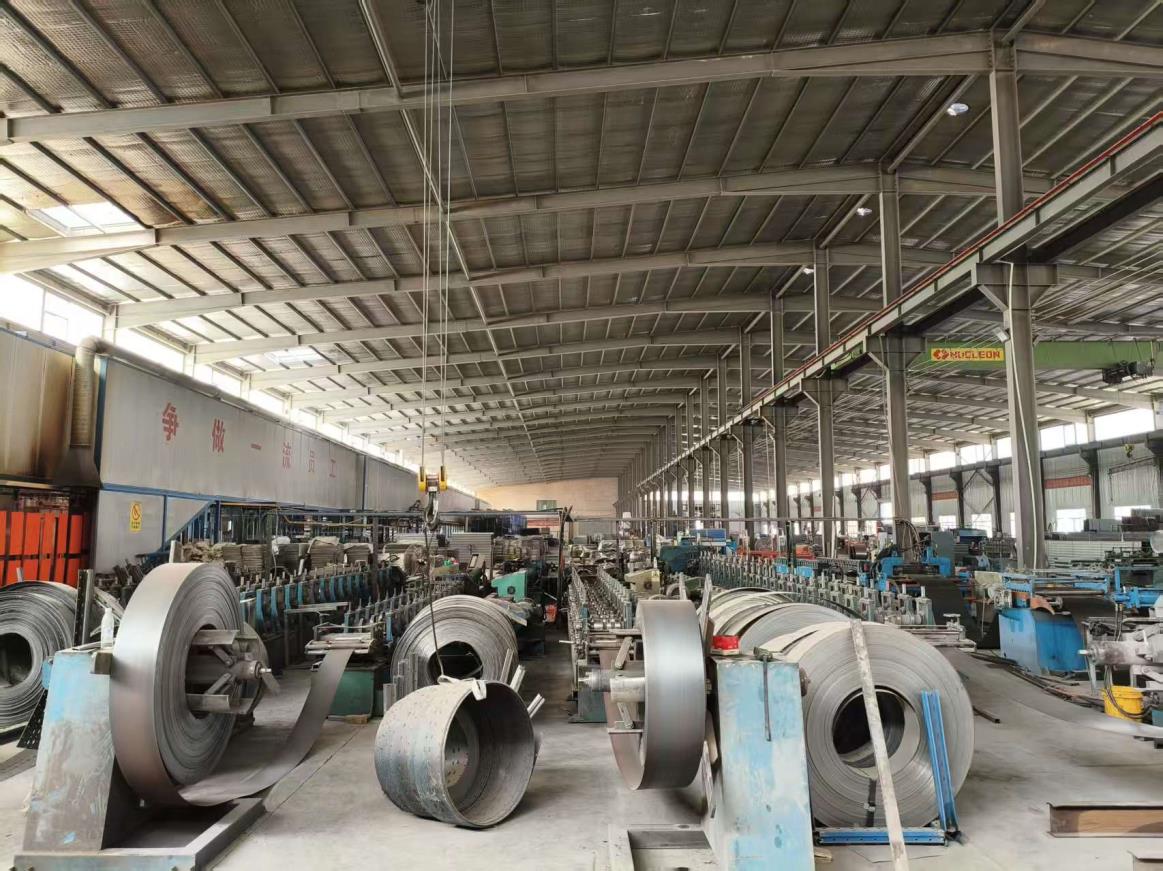
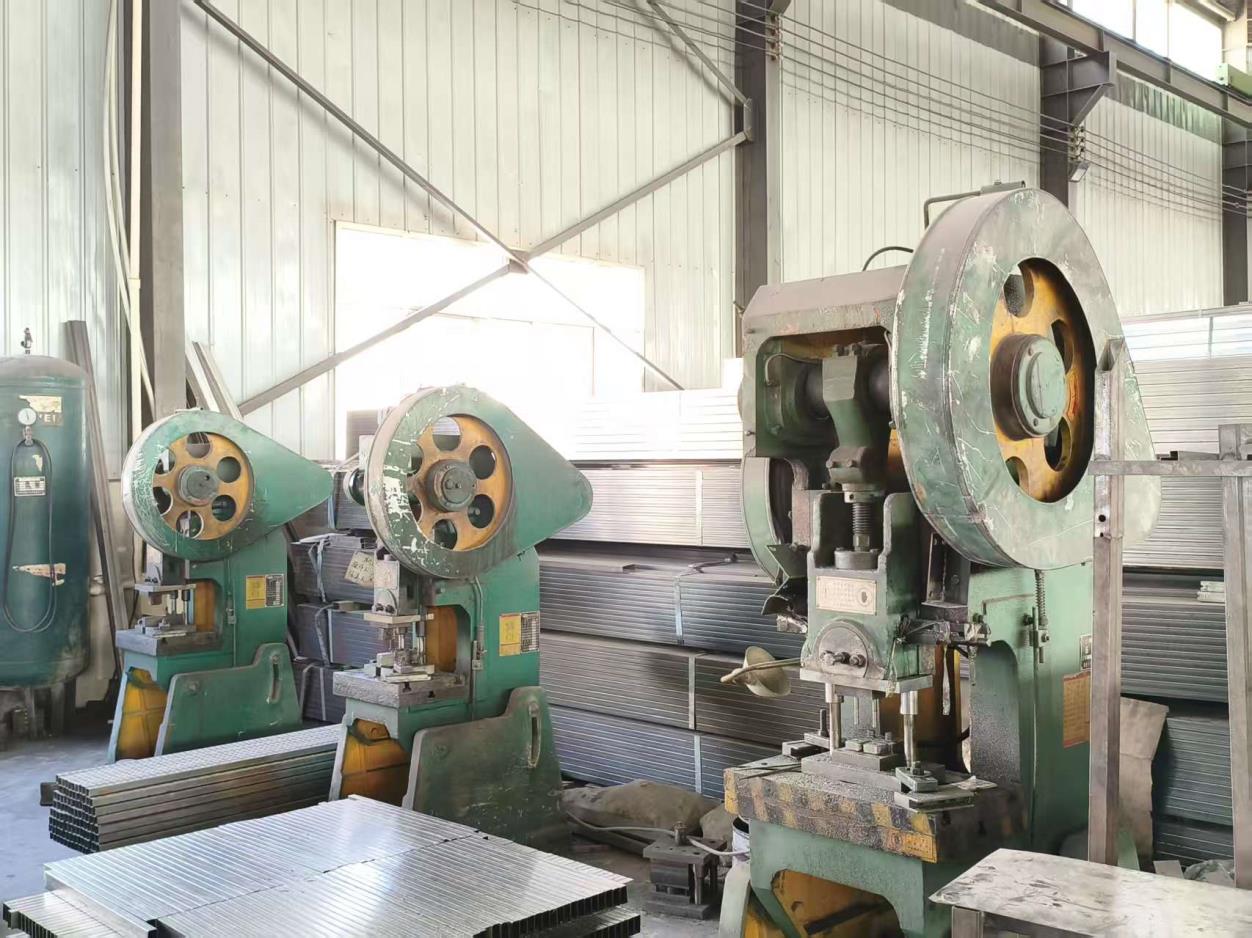
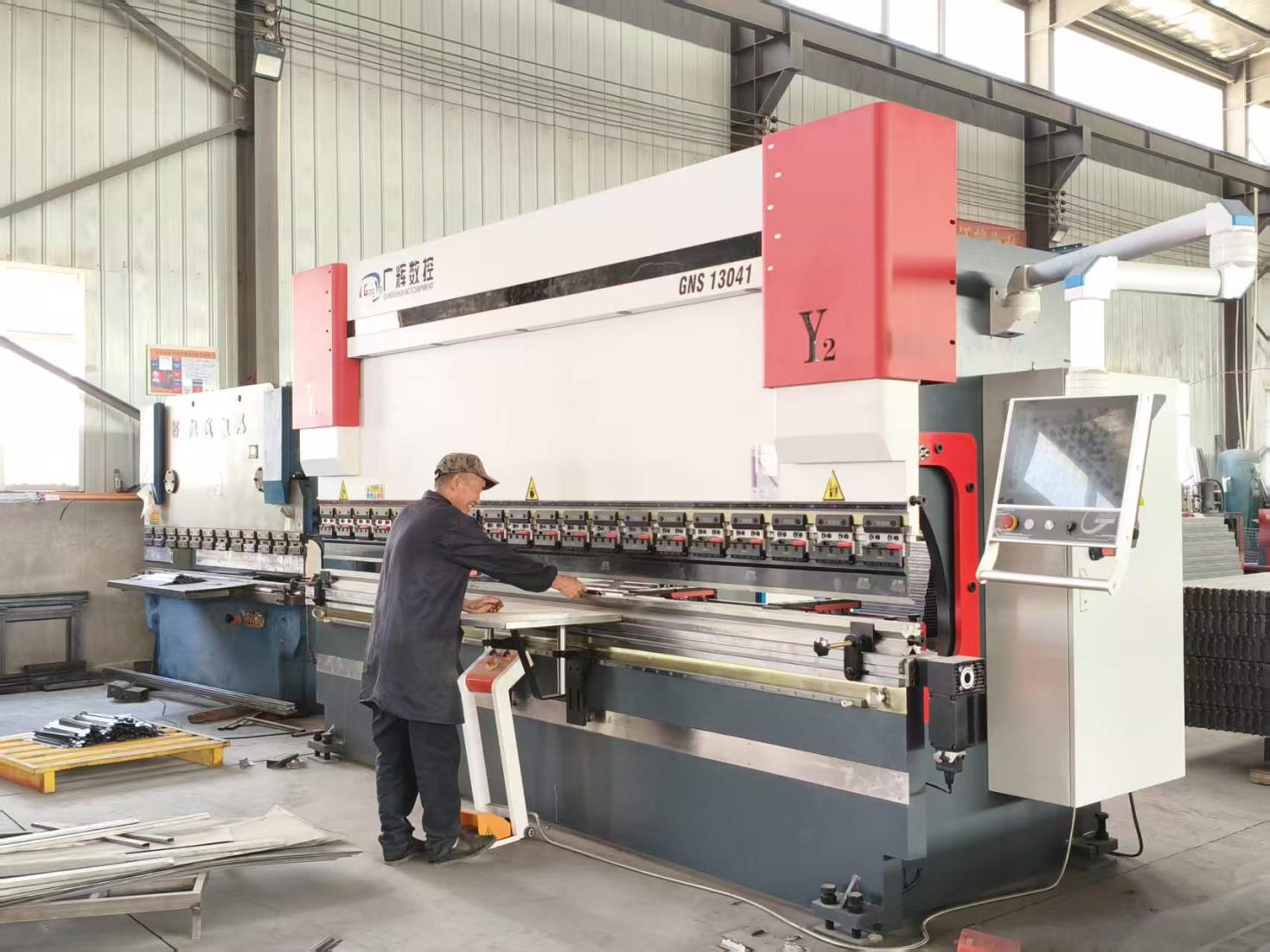
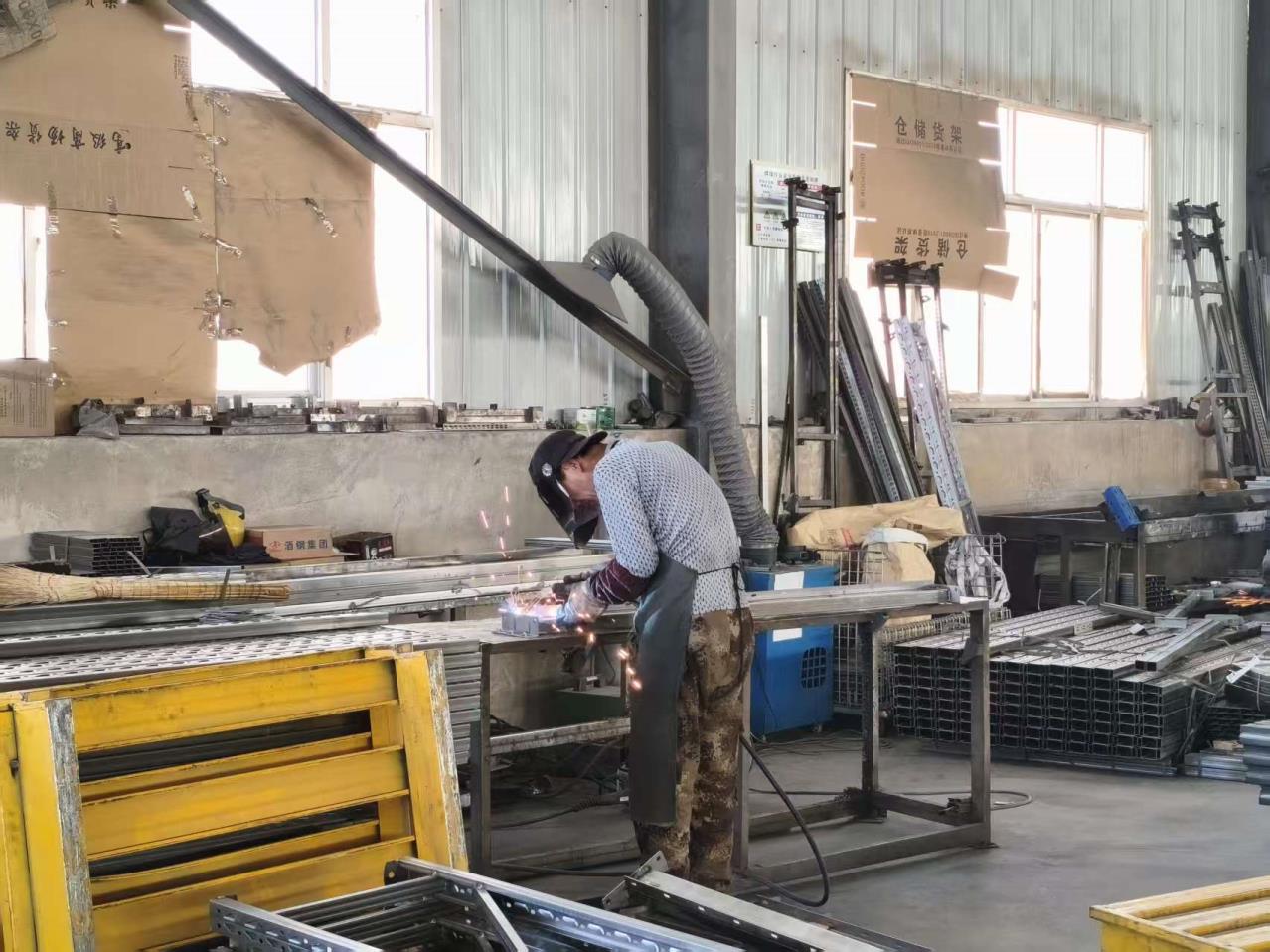
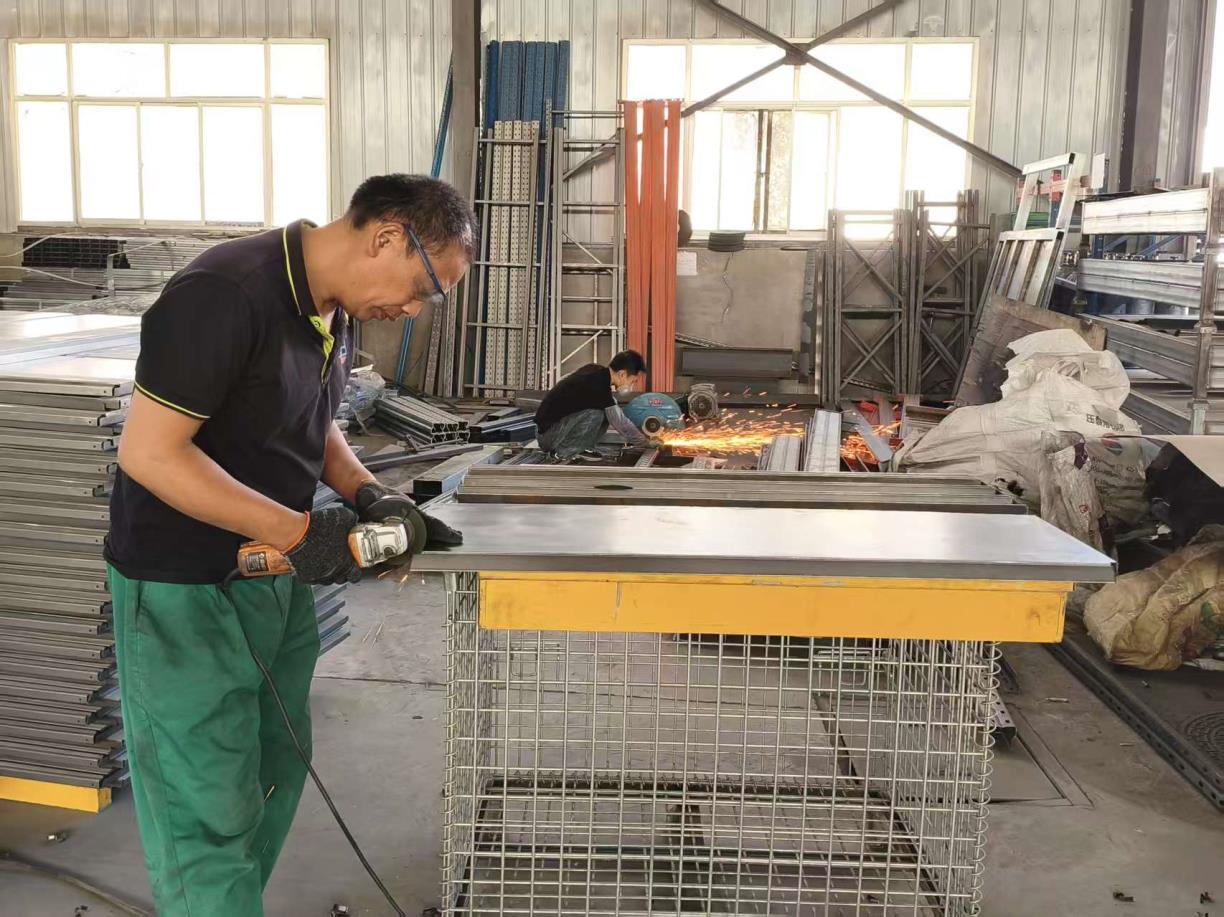
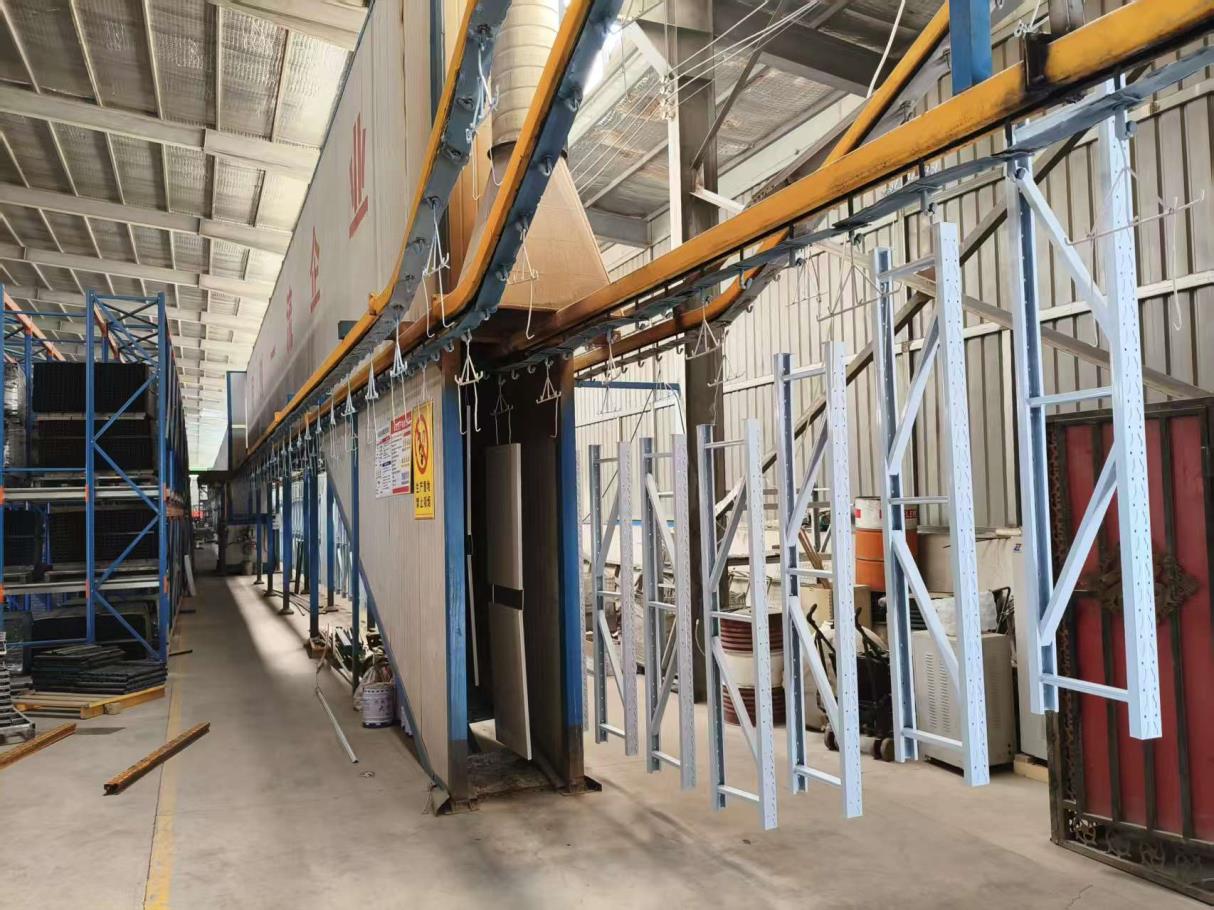
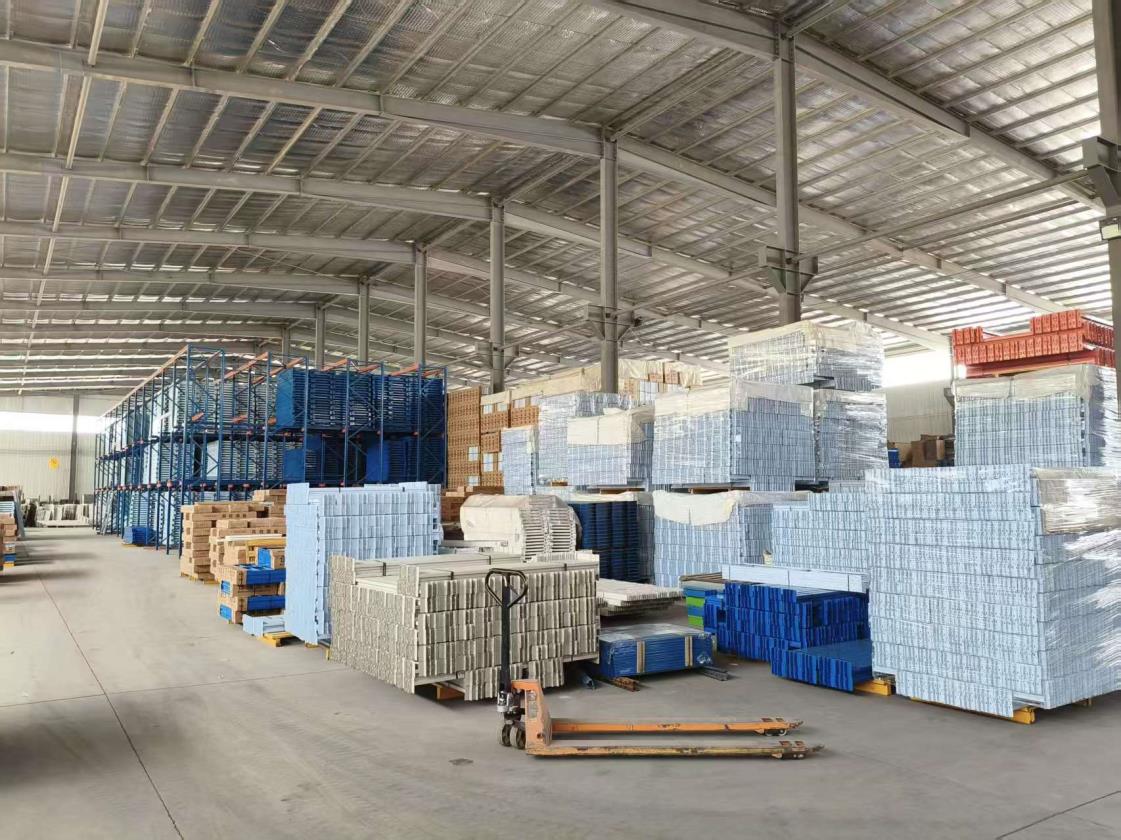
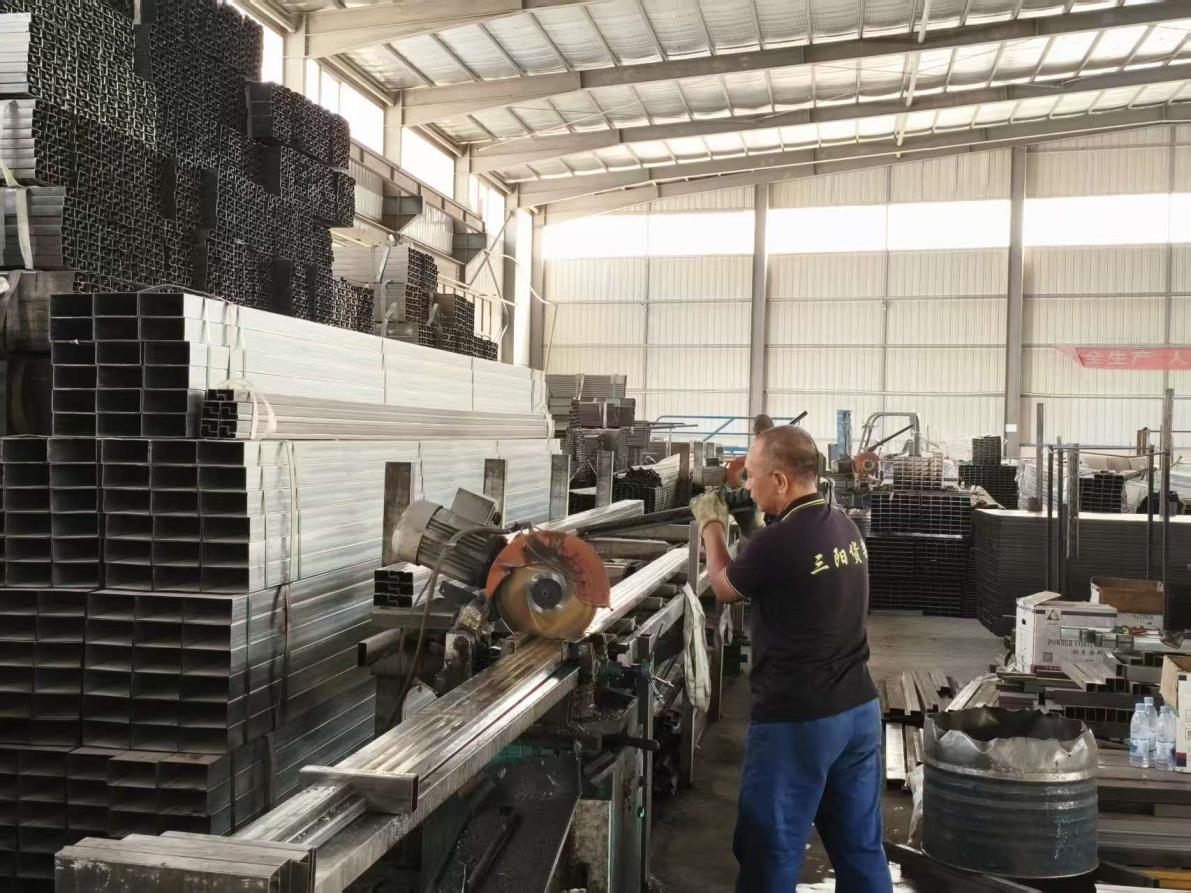
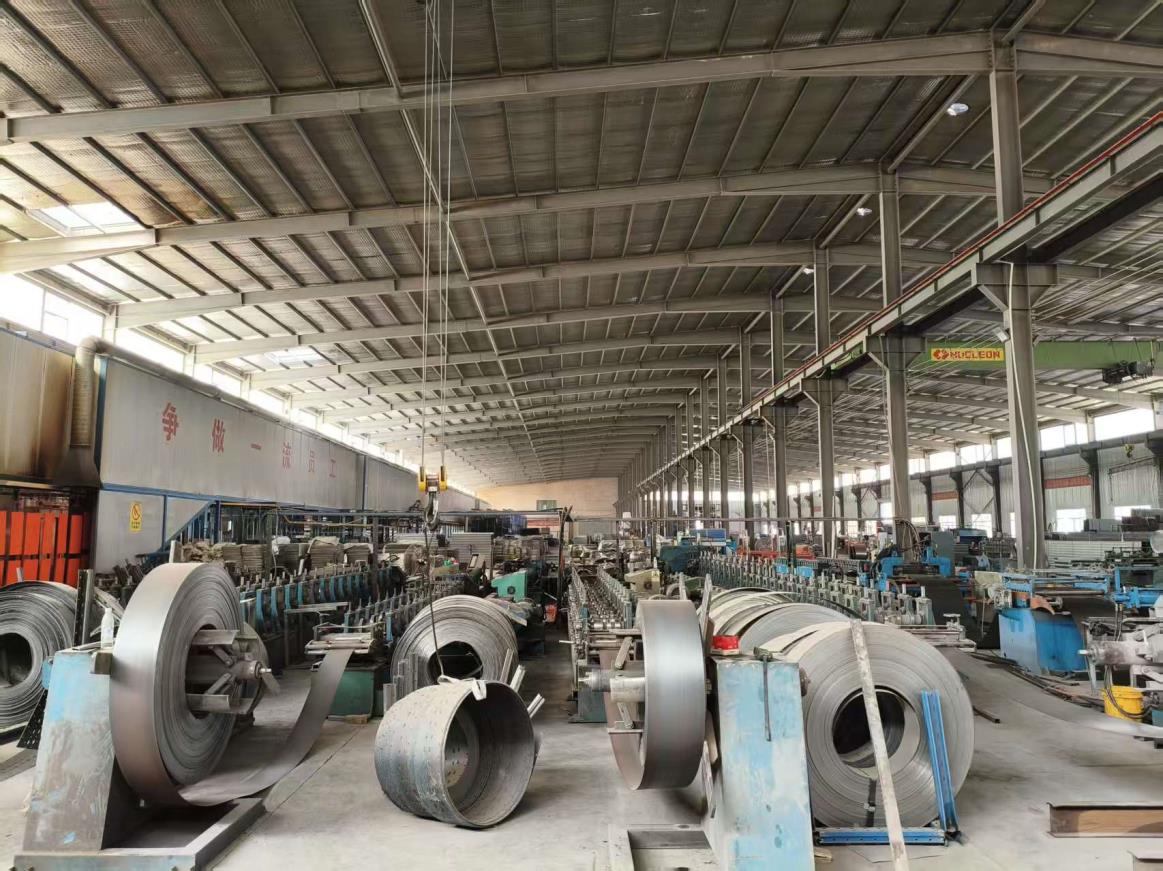
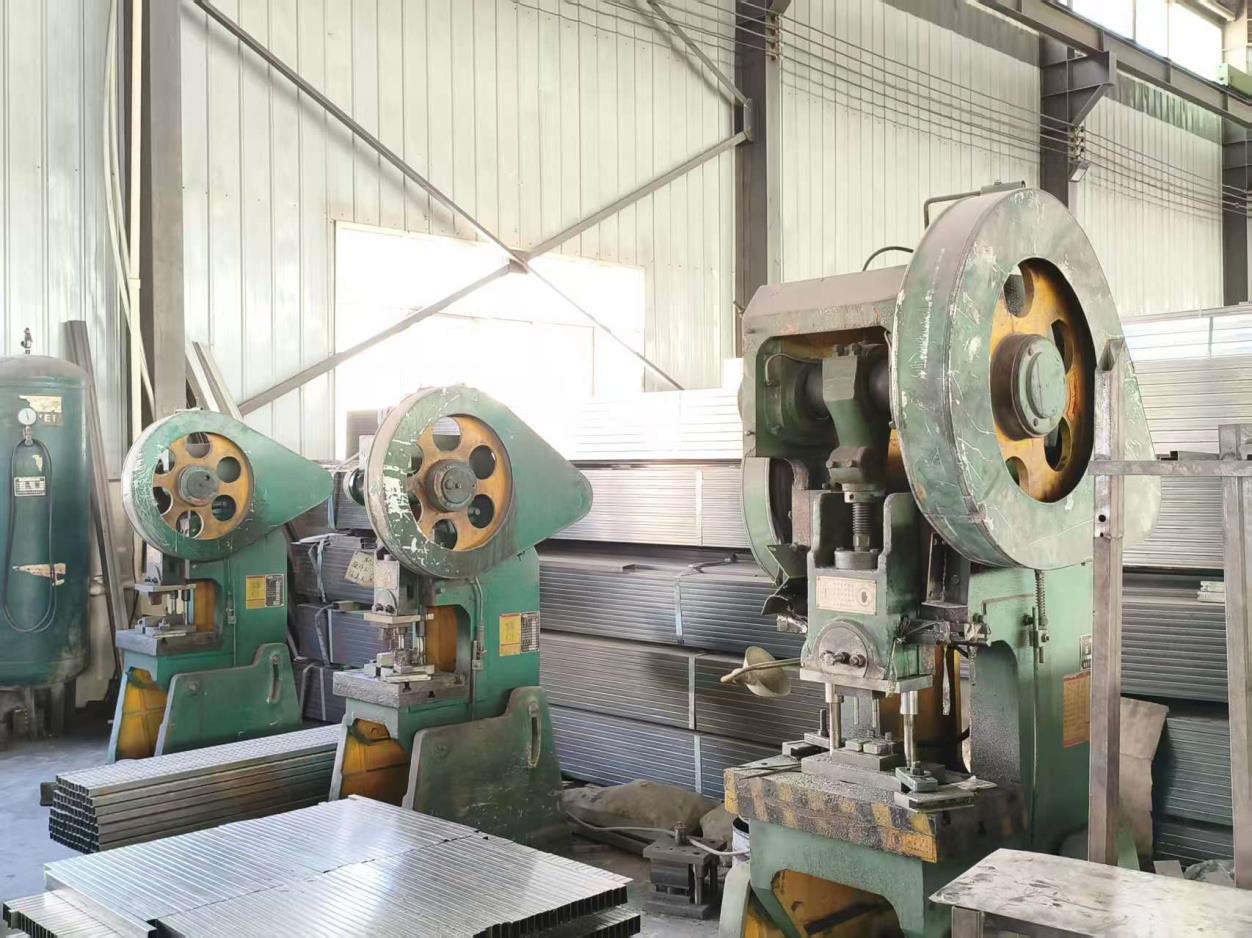
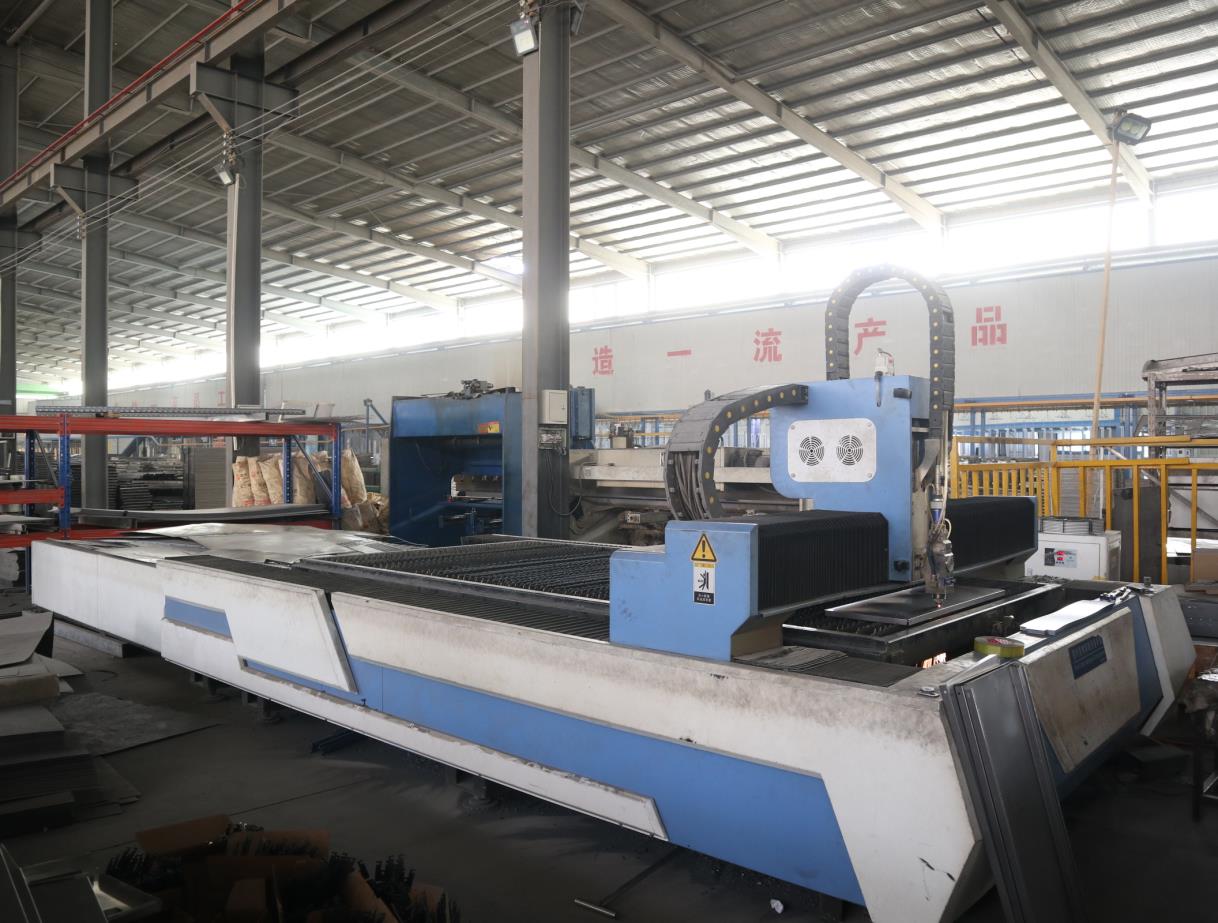
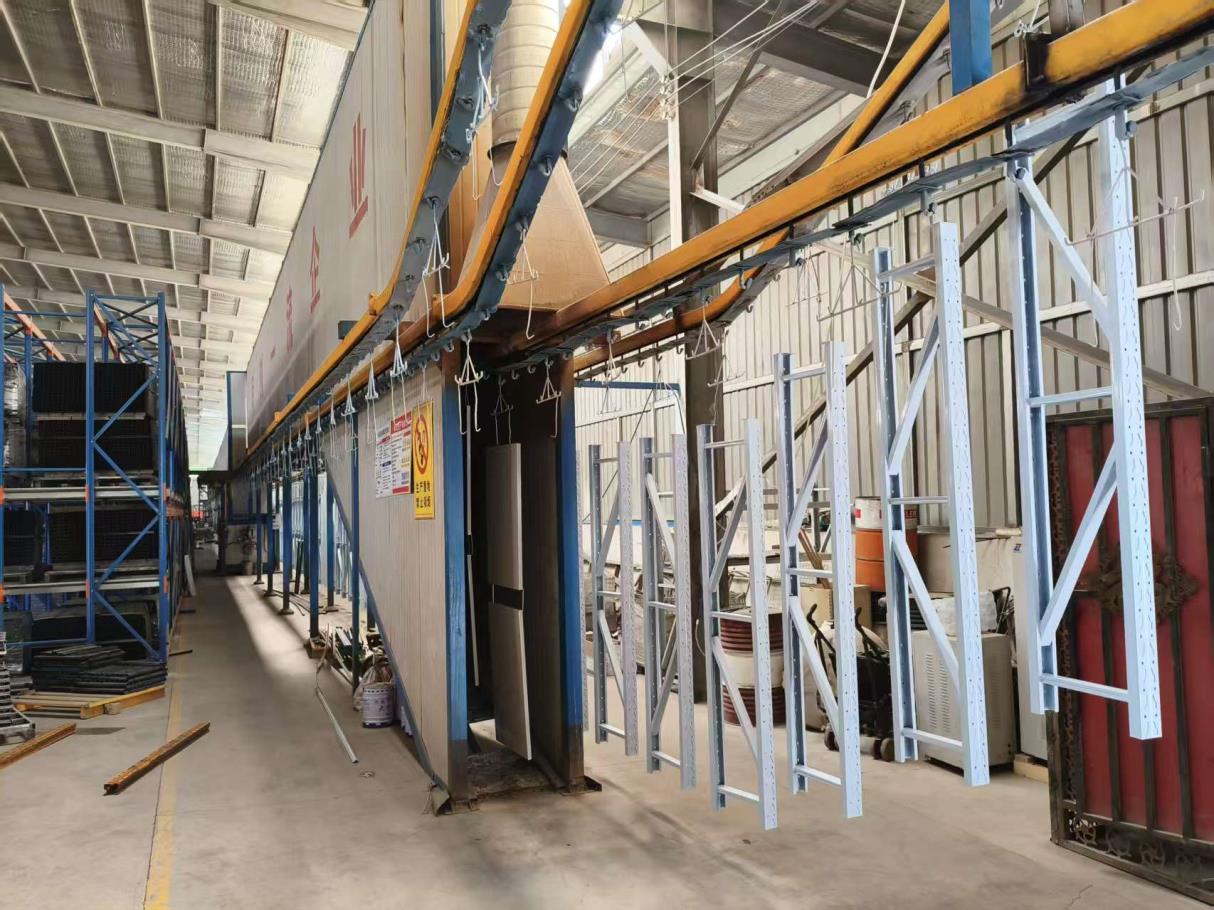
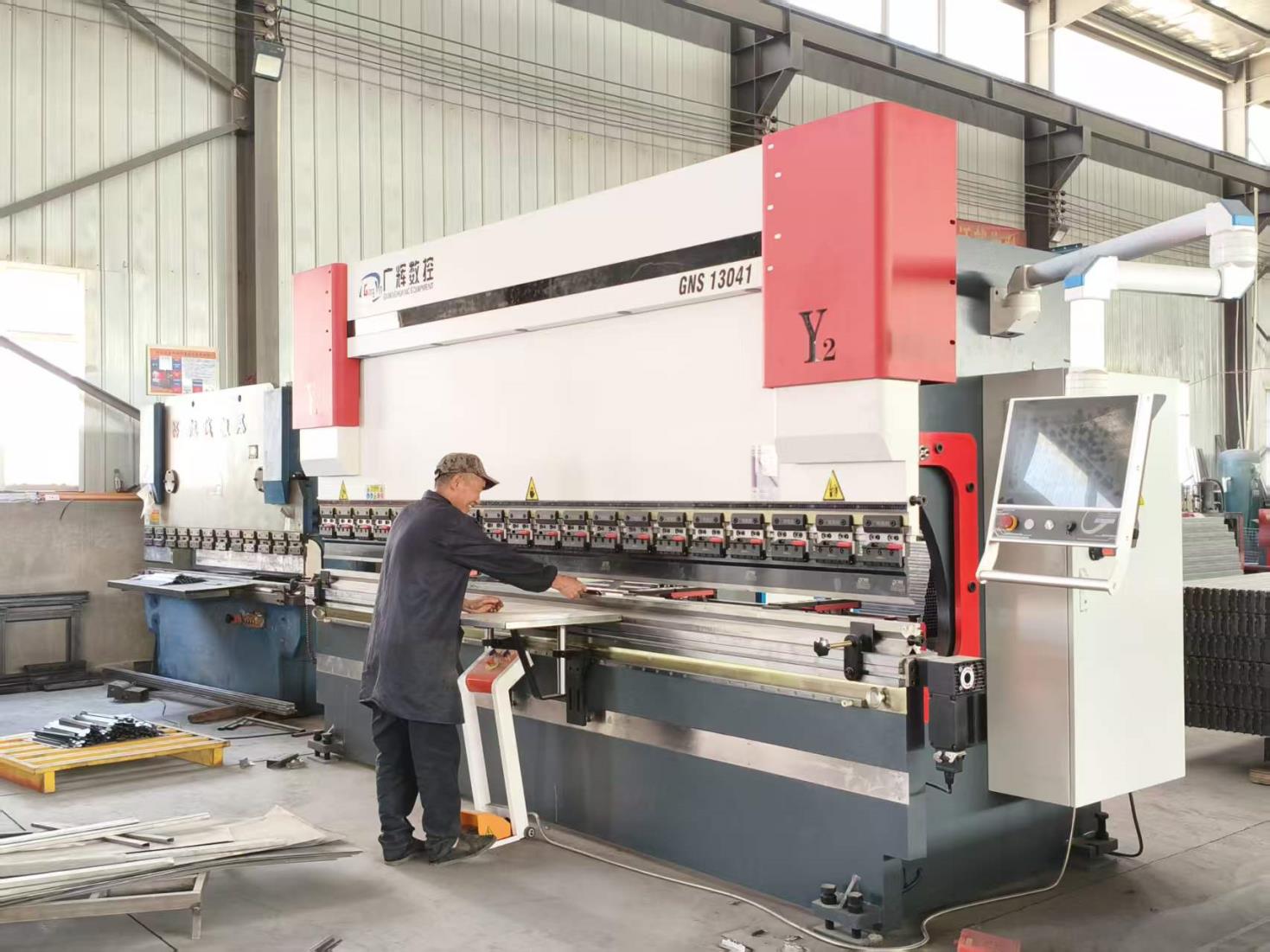
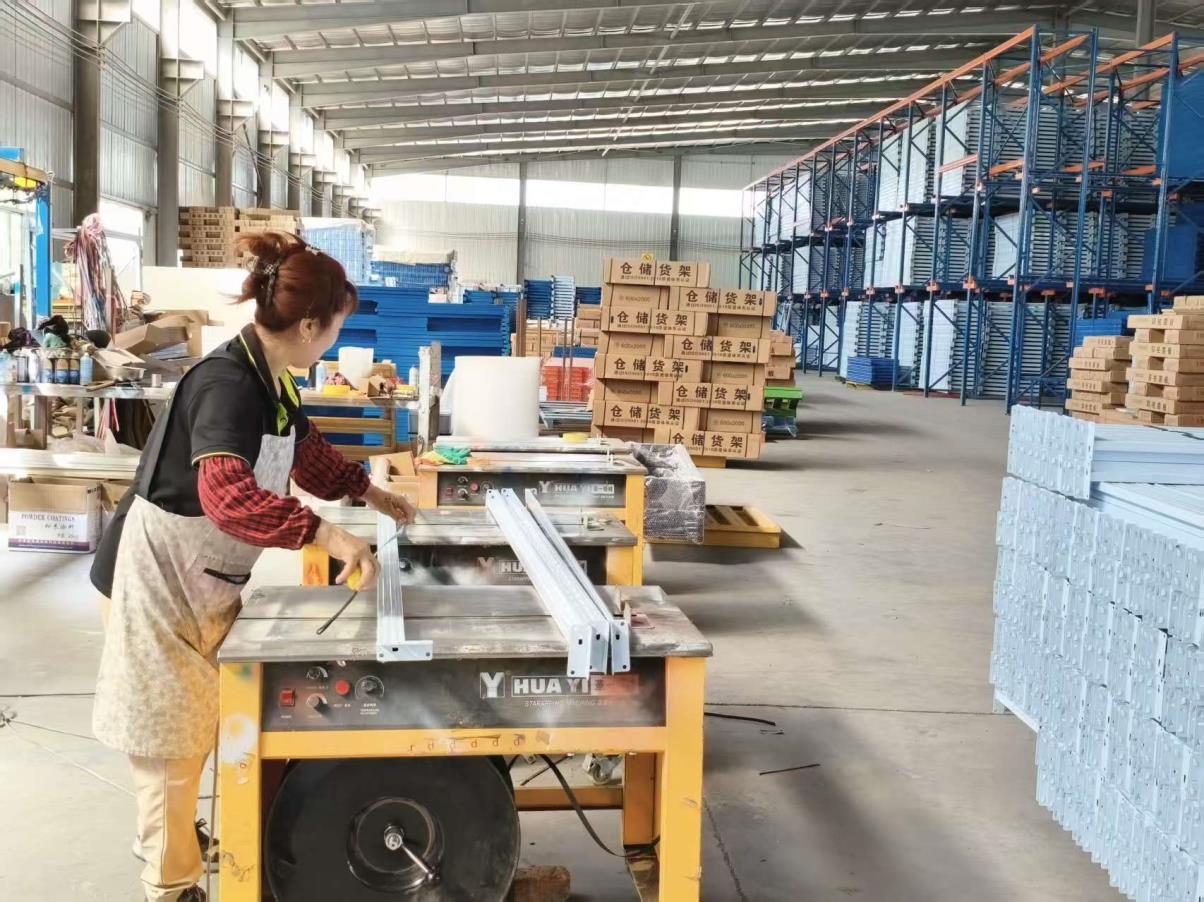
Industrial storage products demand strict quality standards for raw materials and structural profiles. At Sanyang, we utilize high-quality carbon steel sheets that undergo a multi-stage manufacturing process to guarantee mechanical load capacity. Cold-formed profiles are processed to ensure dimensional uniformity across every upright, beam, and support brace.
| Racking Type | Material Grade | Standard Load Capacity (UDL) | Surface Finish | Industry Standards |
|---|---|---|---|---|
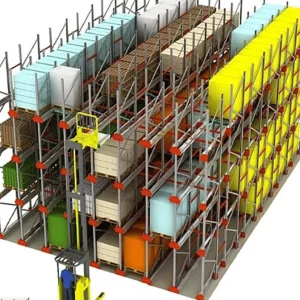
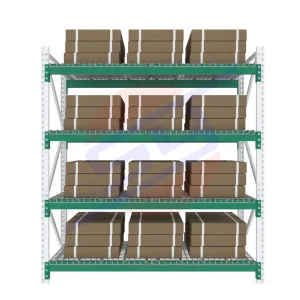
| Radio Shuttle System | Q355B Structural Steel | 1,000 - 1,500 kg / Pallet | Electrostatic Epoxy Powder Coat | FEM 10.2.02, RMI, CE |
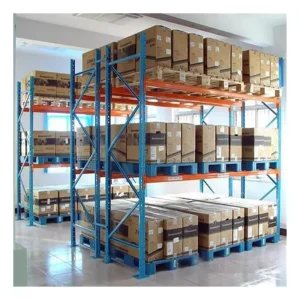
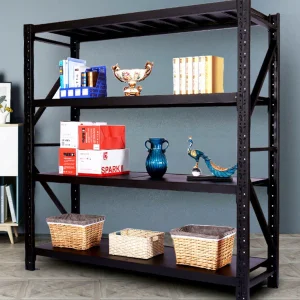
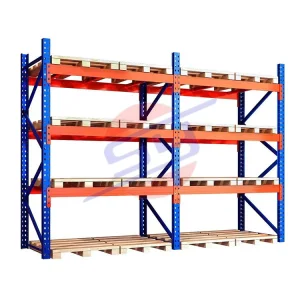
| Heavy-Duty Pallet Racking | Q235B Carbon Steel | 1,000 - 4,000 kg / Level | Zinc Galvanized / Powder Coated | ANSI MH16.1, ISO9001 |
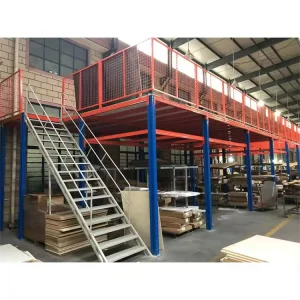
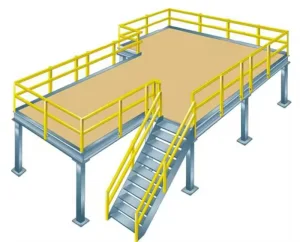
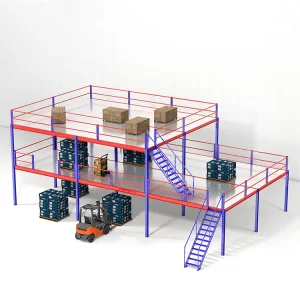
| Multi-Tier Mezzanine Floor | H-Beam & Q235B Steel Plates | 300 - 1,000 kg / m² | AkzoNobel Powder Coat | EN 1993 (Eurocode 3) |
| Stackable Containers / Racks | Heavy Steel Tubing & Wire Mesh | 800 - 1,200 kg / Unit | Hot-Dip Galvanized / Painted | ISO 1461, AISI |
To ensure high durability in diverse and challenging conditions—ranging from high-humidity coastal ports to -30°C cold rooms—all Sanyang metal parts undergo rigorous surface treatment. Standard pickling processes remove mill scale and oxide layers, followed by a multi-stage phosphate conversion wash to optimize coating adhesion. Electrostatic epoxy powder coating is then cured under controlled oven temperatures to form a durable layer resistant to chemical corrosion, impact damage, and surface scratching.
Customizing storage configurations is key to handling specific industry workflows and inventory requirements. Here is how stackable containers and heavy-duty racking systems are deployed across major industrial sectors:
High-density multi-tier mezzanine floors and automated radio shuttle systems allow logistics operators to maximize vertical clearance space. This design handles complex inventory variants (SKUs) and accommodates high throughput and daily order fulfillment cycles.
Heavy, irregularly shaped components require highly durable, custom stackable container racks. Sanyang's customizable wire-mesh stackable containers keep heavy automotive components secure, avoiding transit damage and streamlining production line staging.
Operating in temperatures below freezing requires specialized materials. Our low-temperature powder-coated and hot-dip galvanized steel racking systems resist cold-induced brittleness, ensuring long-term structural safety under freezing conditions.
The warehousing and logistics industry is transitioning from static manual storage systems to automated, high-density environments. Integrated rack-supported buildings, multi-shuttle warehouse operations, and IoT-enabled industrial containers represent the next phase of warehousing evolution. Automated Storage and Retrieval Systems (AS/RS) depend on highly precise structural racking to maintain safe and efficient automated operations.
At Shenzhen Sanyang, our R&D team designs racking profiles to support high-speed robotic shuttle operations. By manufacturing components with high precision tolerances and robust structural support, we ensure seamless compatibility with automated guided vehicles (AGVs) and high-speed cranes. Modern manufacturing plants benefit from reduced operational footprint and significantly higher order processing speeds.
Expert answers regarding structural design, customization options, and global safety compliances
We primarily use premium quality carbon steel grades Q235B and Q345B/Q355B, sourced from major domestic steel mills. Q345B steel is selected for high-load columns and beams in radio shuttle and multi-tier mezzanine projects to ensure reliable mechanical strength under heavy structural stress.
Our engineering team performs Finite Element Analysis (FEA) to simulate load distribution and physical stress on the structure. Additionally, our QA team conducts physical stress-testing, weld inspections, and deflection measurements to verify the design capacity meets safety standards before mass production.
Yes. We design and engineer structures to meet local seismic conditions in accordance with international FEM 10.2.02 and ANSI MH16.1 specifications. This includes structural adjustments such as thickened base plates, heavy-duty floor anchoring, and reinforced cross-bracing patterns.
For cold storage facilities (down to -30°C), we recommend hot-dip galvanized steel or specialized low-temperature powder coatings. These treatments protect against moisture condensation and prevent surface rusting without cracking or peeling under low-temperature conditions.
Yes. Our automated storage racking systems and radio shuttle tracks are designed with tight physical tolerances, high rail alignment precision, and robust support columns. This ensures smooth operations for shuttle platforms, automated cranes, and AGV integration.
Heavy-duty structural storage configurations tailored to customized warehousing demands
 Sanyang Racking