Engineered for Boston's Harsh Cold Chains and Demanding Distribution Hubs
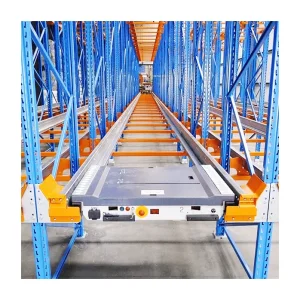
The Greater Boston industrial market—stretching from the inner core of Route 128 to the outer logistics corridors of Interstate 495—is facing unprecedented spatial and structural transitions. Driven by the dense concentrations of biopharmaceutical hubs, advanced manufacturing, and regional e-commerce distribution centers, industrial real estate vacancy rates in New England remain historically low while lease rates command a premium. For industrial operators in municipalities like Chelsea, Quincy, Waltham, and Worcester, maximizing volumetric storage capacity is no longer merely an option; it is a critical operational mandate.
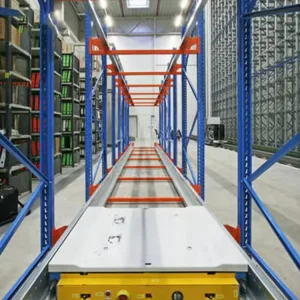
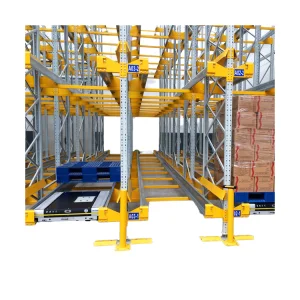
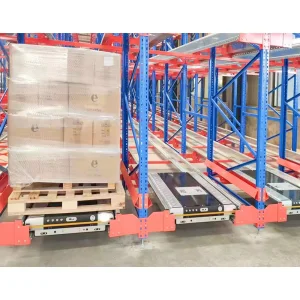
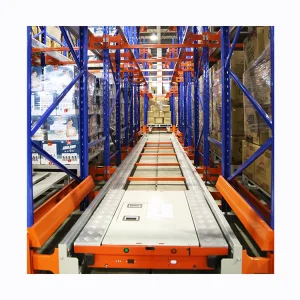
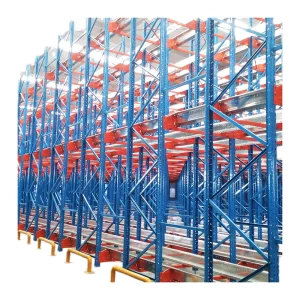
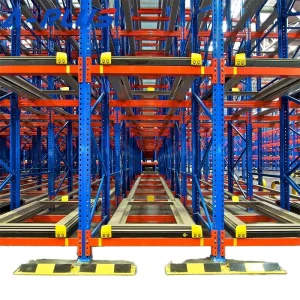
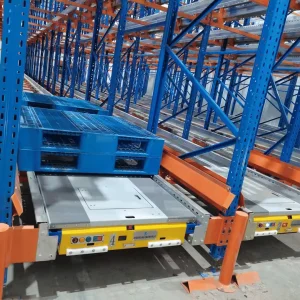
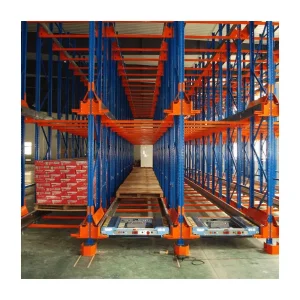
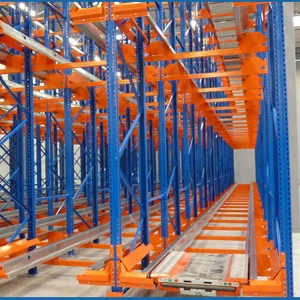
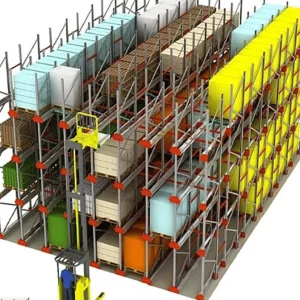
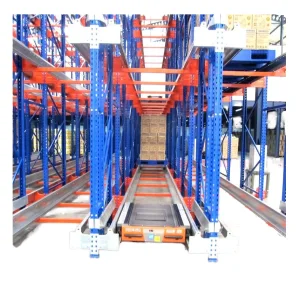
Conventional selective pallet racking systems require extensive aisle space, which consumes up to 50-60% of the overall warehouse floor footprint. With cold storage facility construction costs in Massachusetts escalating rapidly due to stringent thermal efficiency standards and strict environmental zoning laws, logistics managers cannot afford wasted cubic volume. High-density semi-automated or fully automated pallet shuttle rack systems address this structural bottleneck. By replacing traditional forklift access aisles with deep-lane storage tracks navigated by remote-controlled or automated radio shuttles, facilities can increase their storage capacity by up to 80% compared to selective racking configurations.
Furthermore, Boston's geographic location as a key northeastern coastal logistics hub means local suppliers must handle massive cargo volumes originating from the Port of Boston (Conley Terminal) and Logan International Airport. Fast, precise throughput is essential to sustain metropolitan logistics velocity. Implementing modern shuttle rack technology allows high-volume distribution centers to significantly decrease forklift travel time, improve workplace safety, and achieve robust ROI through dramatically reduced operational overhead.
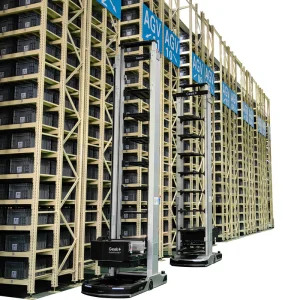
On a global scale, the material handling industry is undergoing a structural transition toward automation. The convergence of labor shortages, volatile fuel costs, and the rapid rise of third-party logistics (3PL) providers has forced a major reassessment of traditional supply chain architectures. Globally, the automated guided vehicle (AGV) and automated storage and retrieval system (ASRS) markets are projected to grow exponentially over the next decade. As key components of these hybrid automated ecosystems, radio shuttle racks provide the transition point between traditional manual operations and completely lights-out automated fulfillment.
In Europe and the Asia-Pacific region, dense urbanization and strict energy efficiency codes have accelerated the adoption of deep-lane shuttle operations. Similarly, in North America, manufacturing and warehousing sectors are actively integrating automated shuttle technologies with Warehouse Management Systems (WMS) and Warehouse Control Systems (WCS). This integration enables real-time inventory tracking, automated FIFO (First-In, First-Out) or LIFO (Last-In, First-Out) order sequencing, and precision batch picking, aligning with the broader transition toward Industry 4.0 paradigms.
Modern Facility Size
Industry Experience
Inspectors Ensuring Safety
Annual Export Value
To assist warehouse engineers and facility directors in making informed capital equipment procurement decisions, it is essential to distinguish between the two primary technical branches of shuttle design: Two-Way Radio Shuttles and Four-Way Shuttle systems.
| Feature / Metric | 2-Way Radio Shuttle System | 4-Way Automated Shuttle System |
|---|---|---|
| Directional Motion | Bi-directional (Forward / Backward along a single rail path) | Omni-directional (Forward, Backward, Lateral left & right) |
| Level Alterations | Requires forklift to manually transport shuttle to different levels | Integrated with vertical elevators for completely autonomous operation |
| Operational Profile | Semi-automated (Ideal for SKU consolidation & batch storage) | Fully automated (Integrated ASRS replacing manual lift trucks) |
| Throughput Dynamic | Medium to high throughput depending on local forklift deployment | Ultra-high throughput driven by multi-vehicle scheduling software |
| Capital Investment (CAPEX) | Lower initial investment; faster deployment timeline | Higher initial investment; optimized for long-term automated efficiency |
Selecting the optimal technical route requires careful evaluation of the facility's SKUs, inventory velocity, and structural constraints. Two-Way systems are ideal for high-density warehouse storage systems with uniform pallet configurations and moderate throughput speeds. Four-Way systems, conversely, represent the cutting edge of industrial smart warehousing, integrating seamlessly with complex WMS/WCS networks to automate dynamic sorting and high-speed distribution, minimizing reliance on manual labor.
Global Engineering Strength & Strict Quality Control Standards
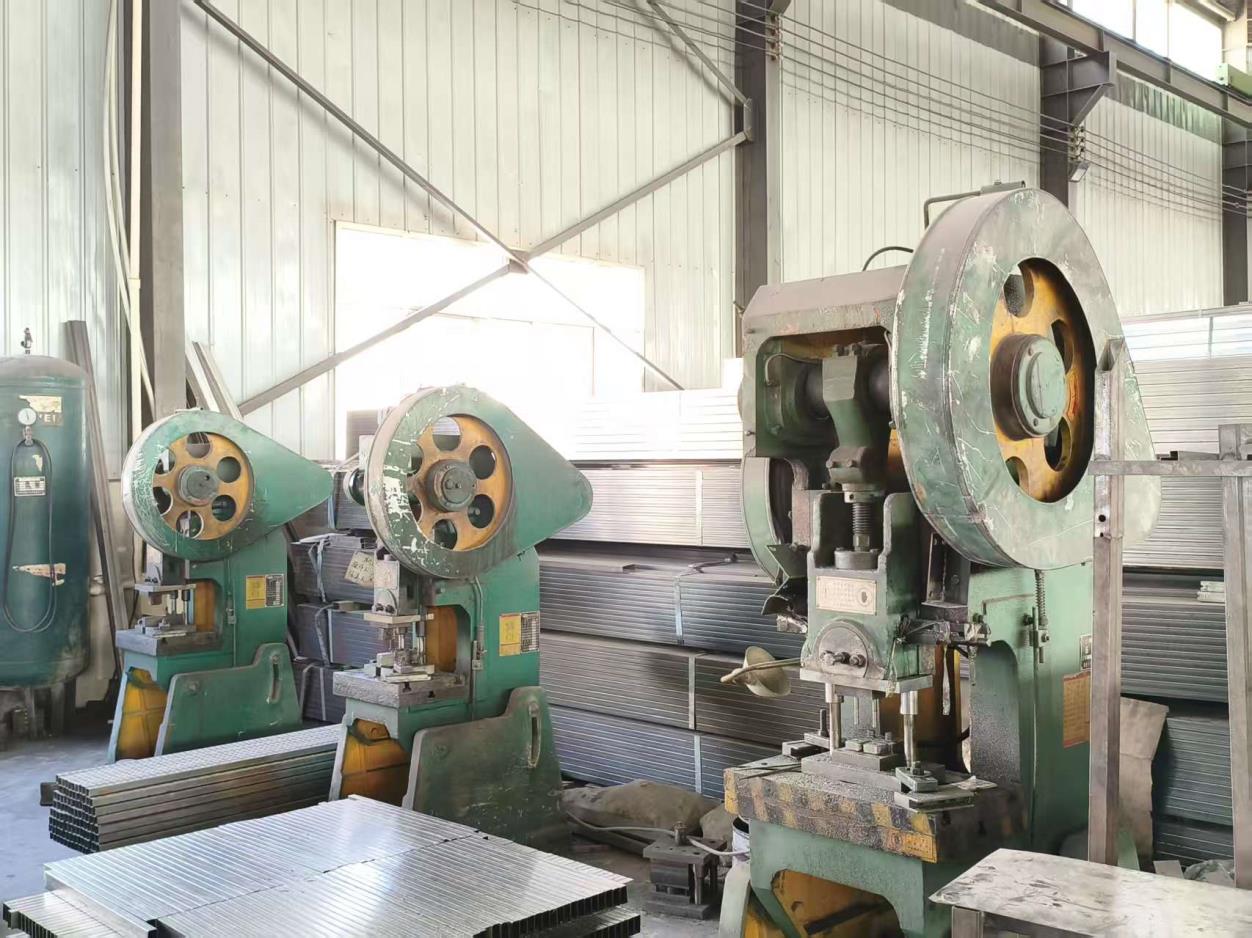
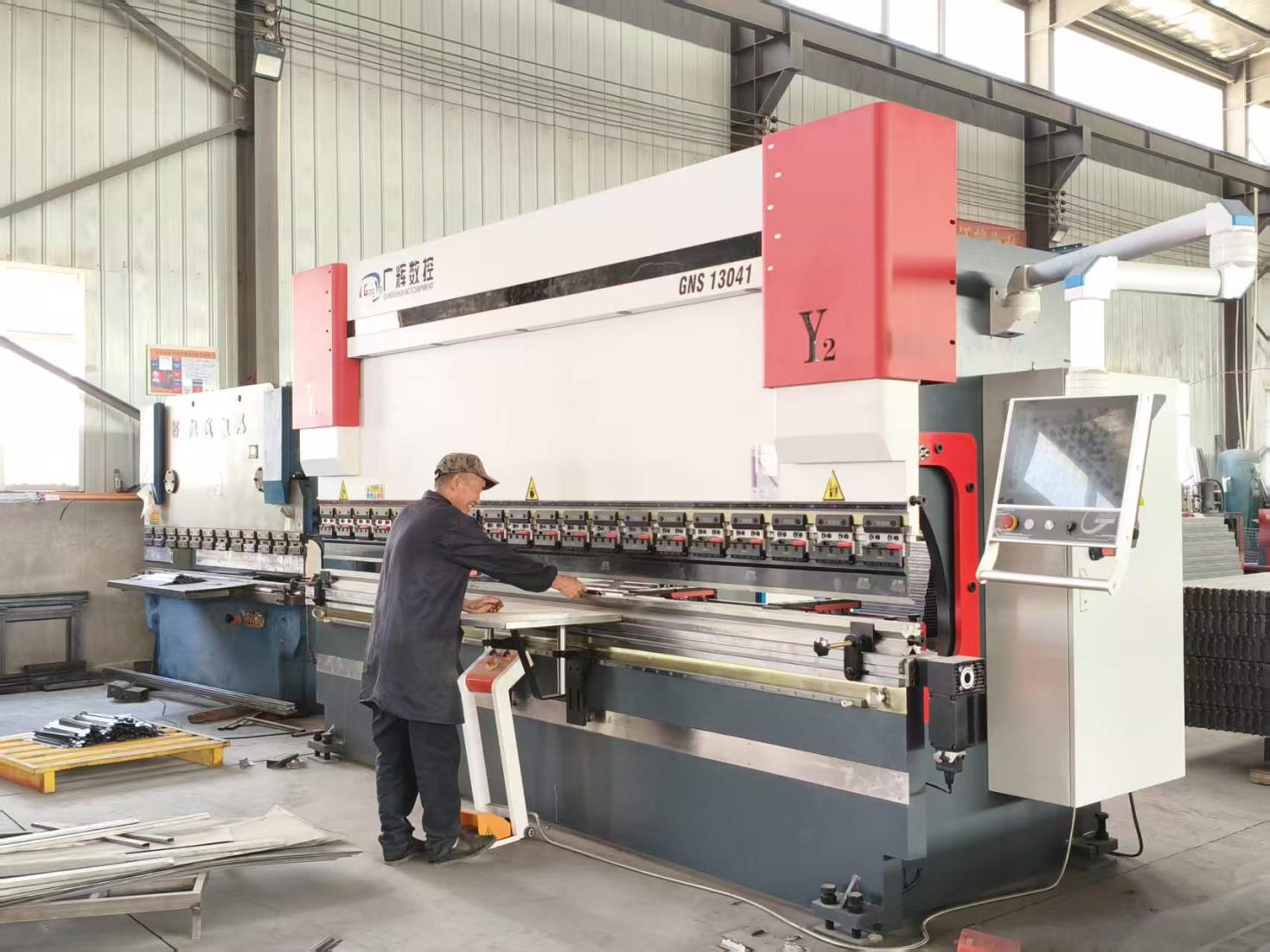
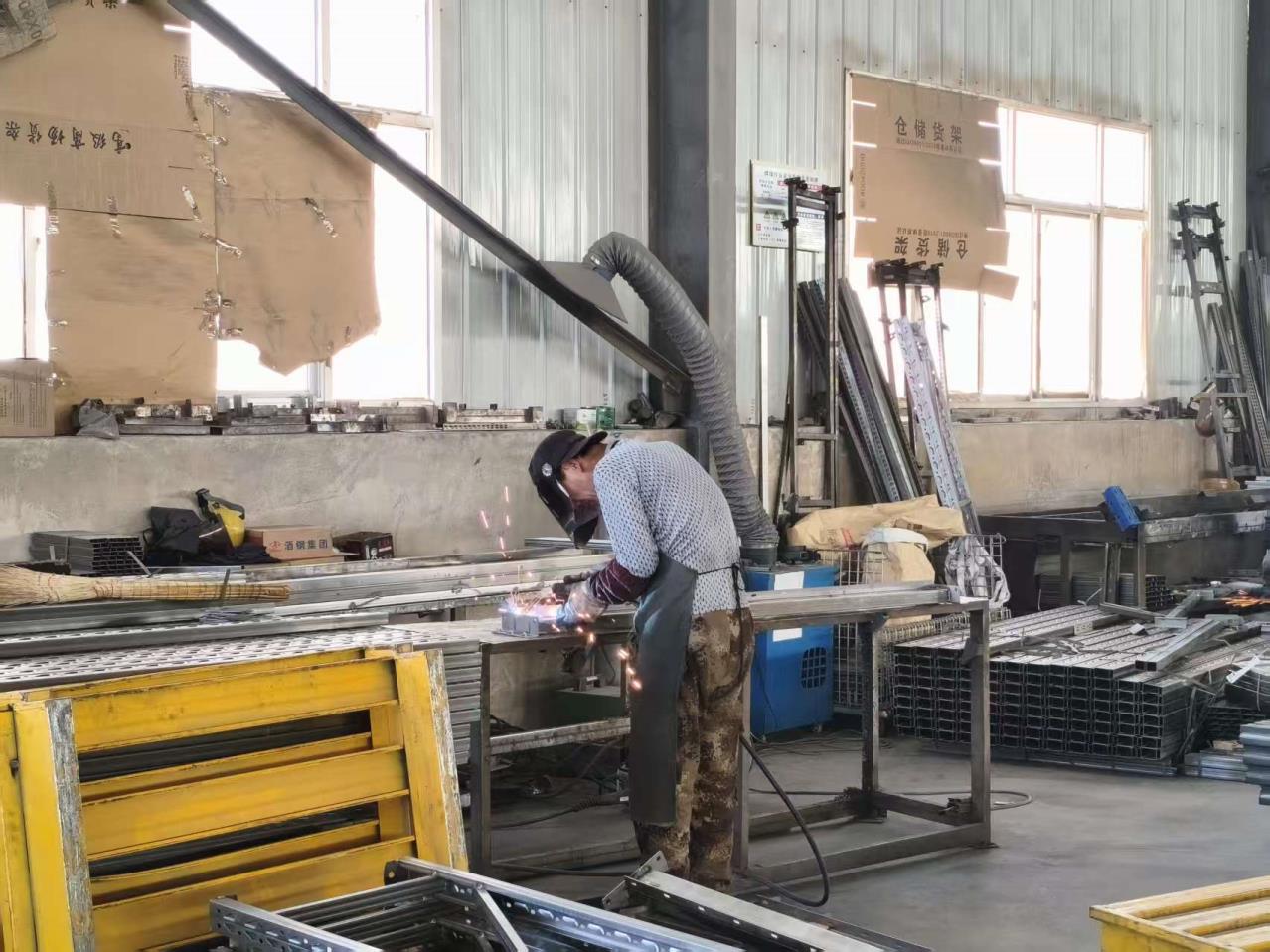
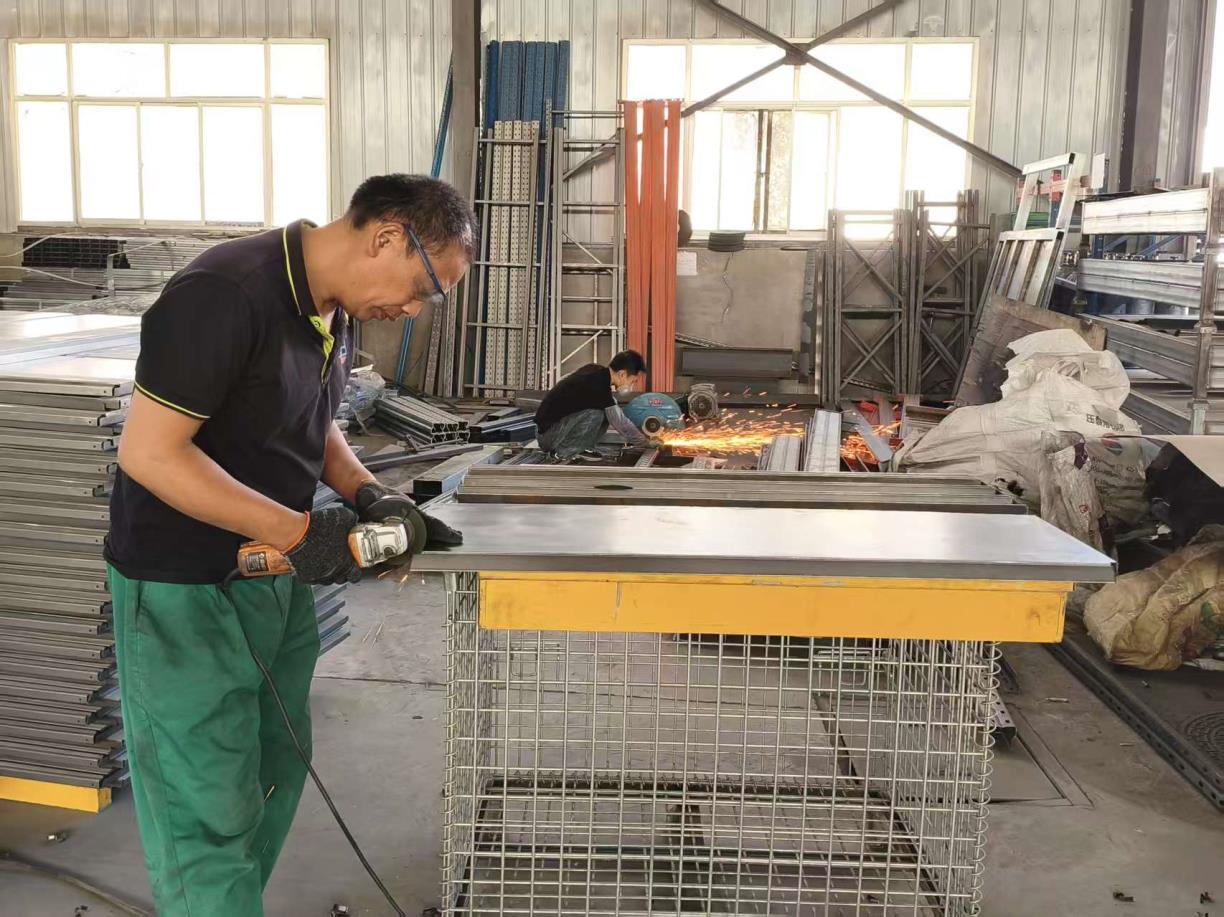
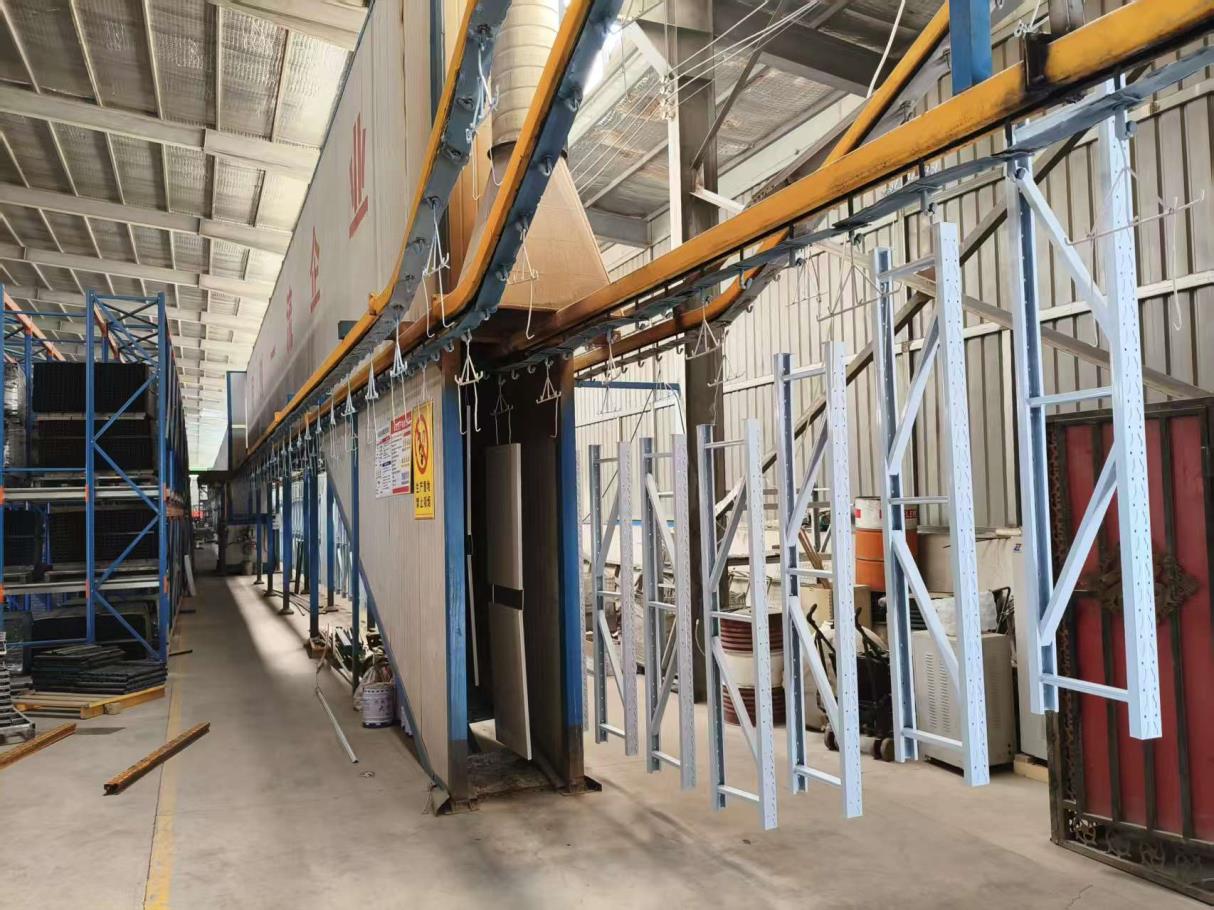
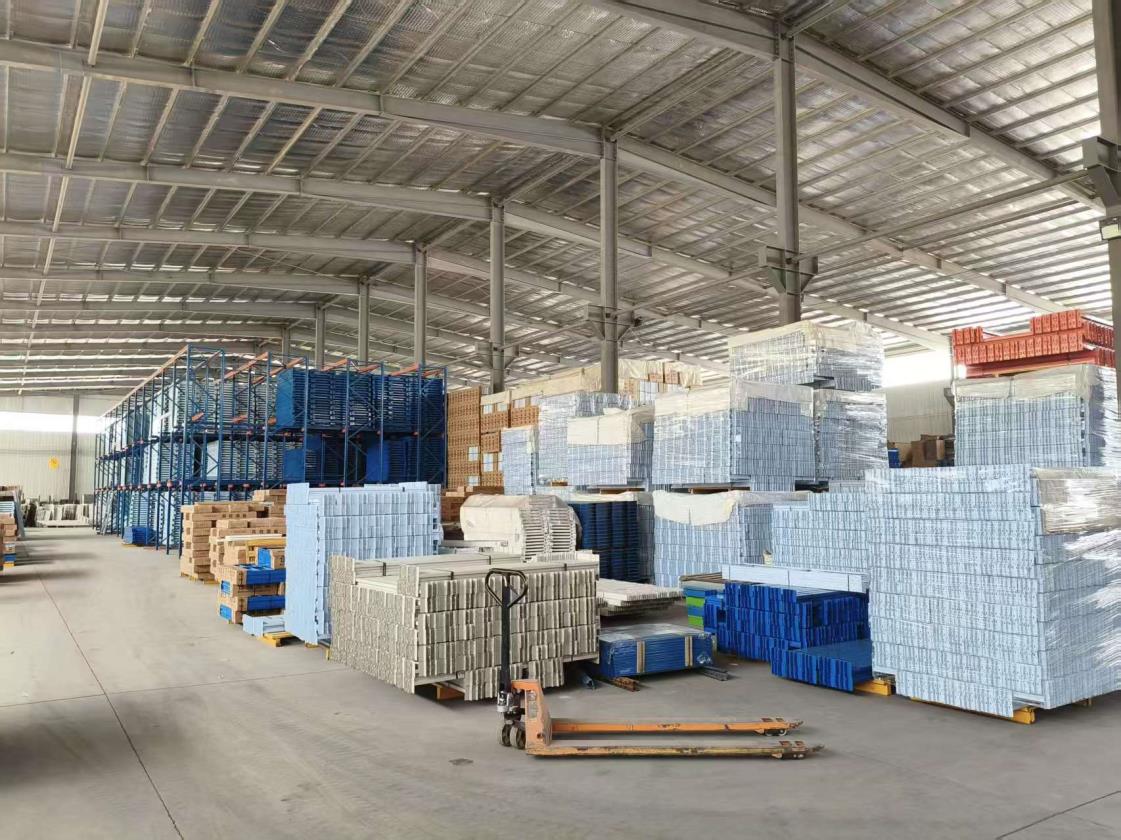
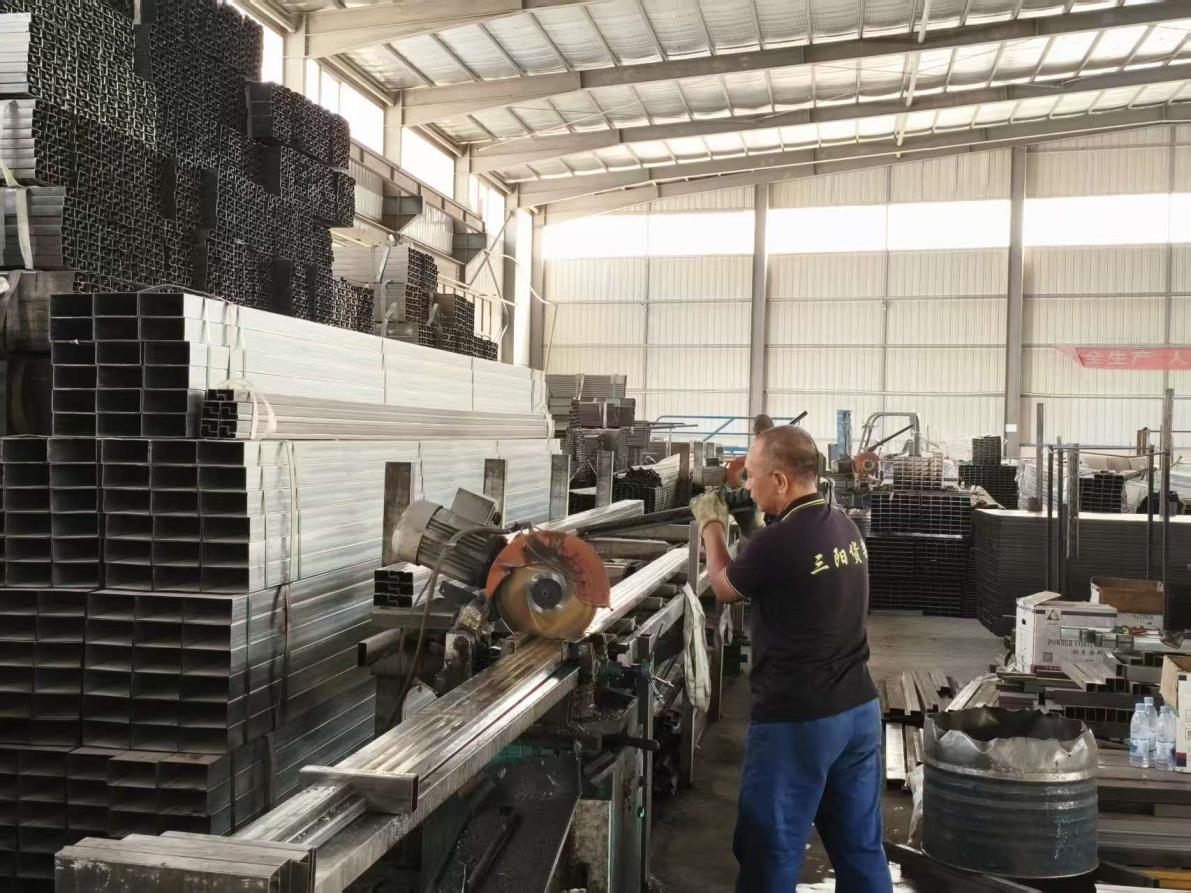
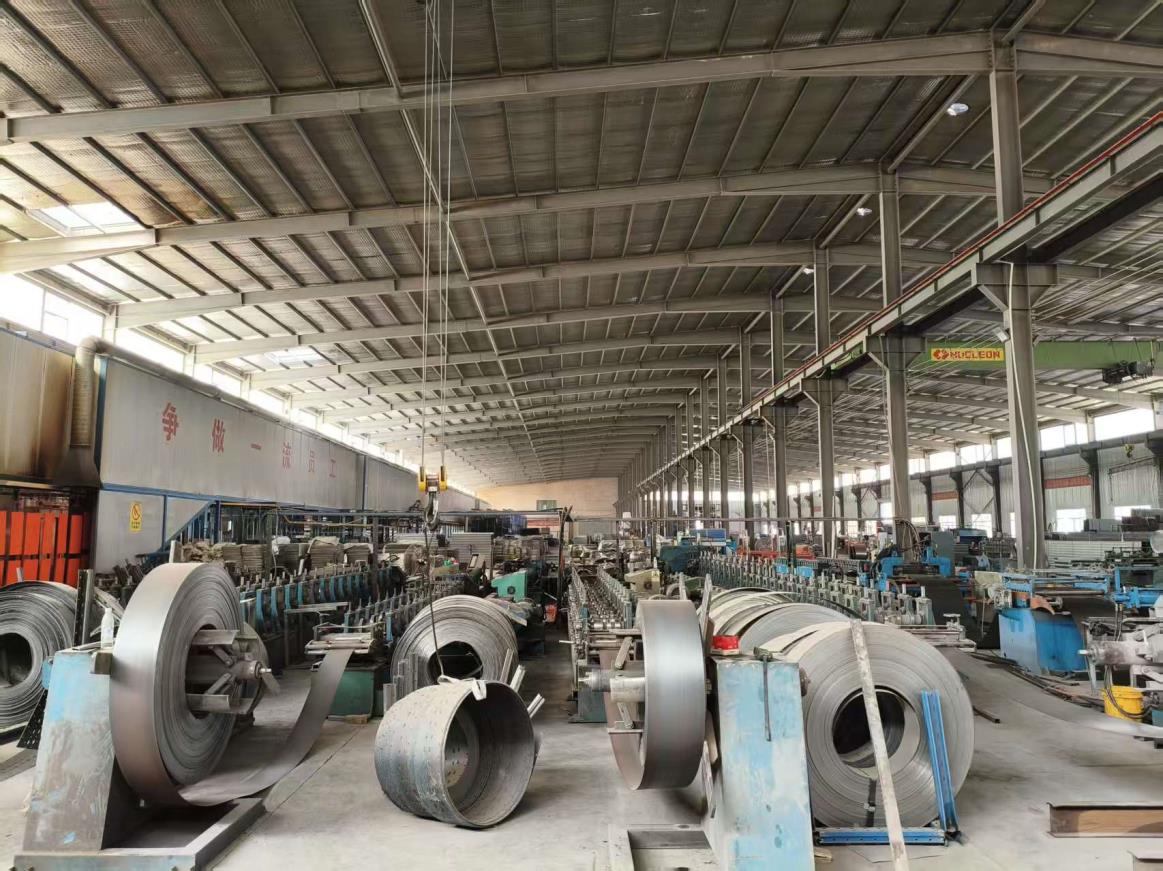
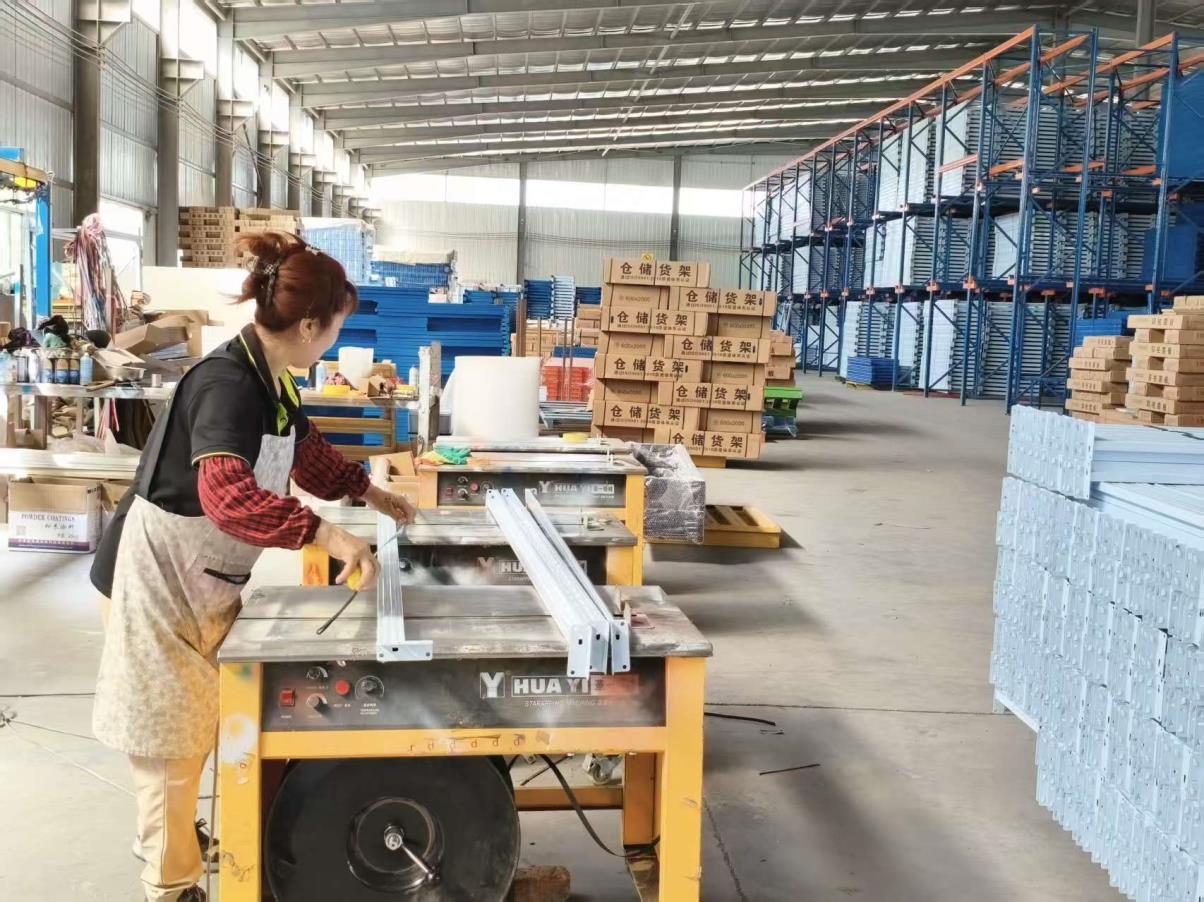
Established in 2015, Shenzhen Sanyang Storage Equipment Manufacturing Co., Ltd. is a leading manufacturer specializing in heavy-duty industrial pallet racking, warehouse shelving systems, and automated material handling solutions. Located in Shenzhen, our modern facility spans a total building area of 38,000 m², equipped with advanced automated roll-forming machines, laser cutters, and robot welding lines.
With over 12 years of industry experience and 8 years of active export experience, Sanyang has expanded its international footprint, achieving an annual export revenue of $28 million USD. Our main overseas markets cover North America, Western Europe, Southeast Asia, and the Middle East, primarily serving global logistics hubs, e-commerce fulfillment centers, third-party logistics (3PL) providers, and large manufacturing enterprises.
Quality and precision are at the core of our operations. Supported by 35 full-time QC inspectors, we implement rigorous quality assurance protocols using ultrasonic weld flaw detection, coating thickness testing, and heavy-load stress tests to ensure strict compliance with ISO9001 and international FEM/ANSI safety standards. Backed by a strong OEM/ODM background and a robust network of 1,200 supply chain partners, we offer highly customizable options—ranging from custom dimensions and load capacities to specialized powder coatings and seismic-resistant structural designs.
Innovation drives our continuous growth. Our team of 18 R&D engineers focuses on developing high-density and automated storage systems, successfully launching 65 new products last year alone. Sanyang remains dedicated to providing safe, space-saving, and cost-effective storage solutions for our global clientele.
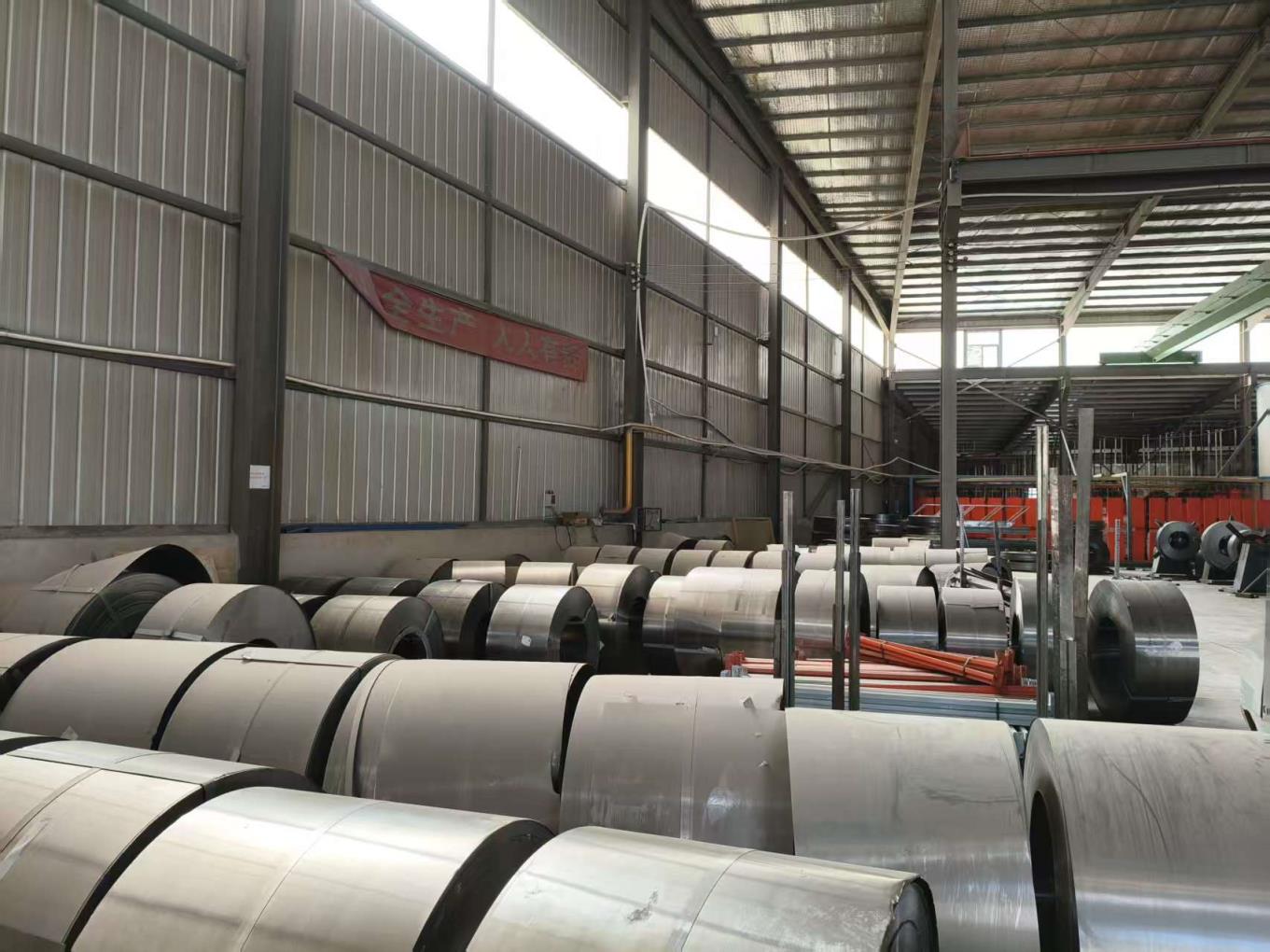
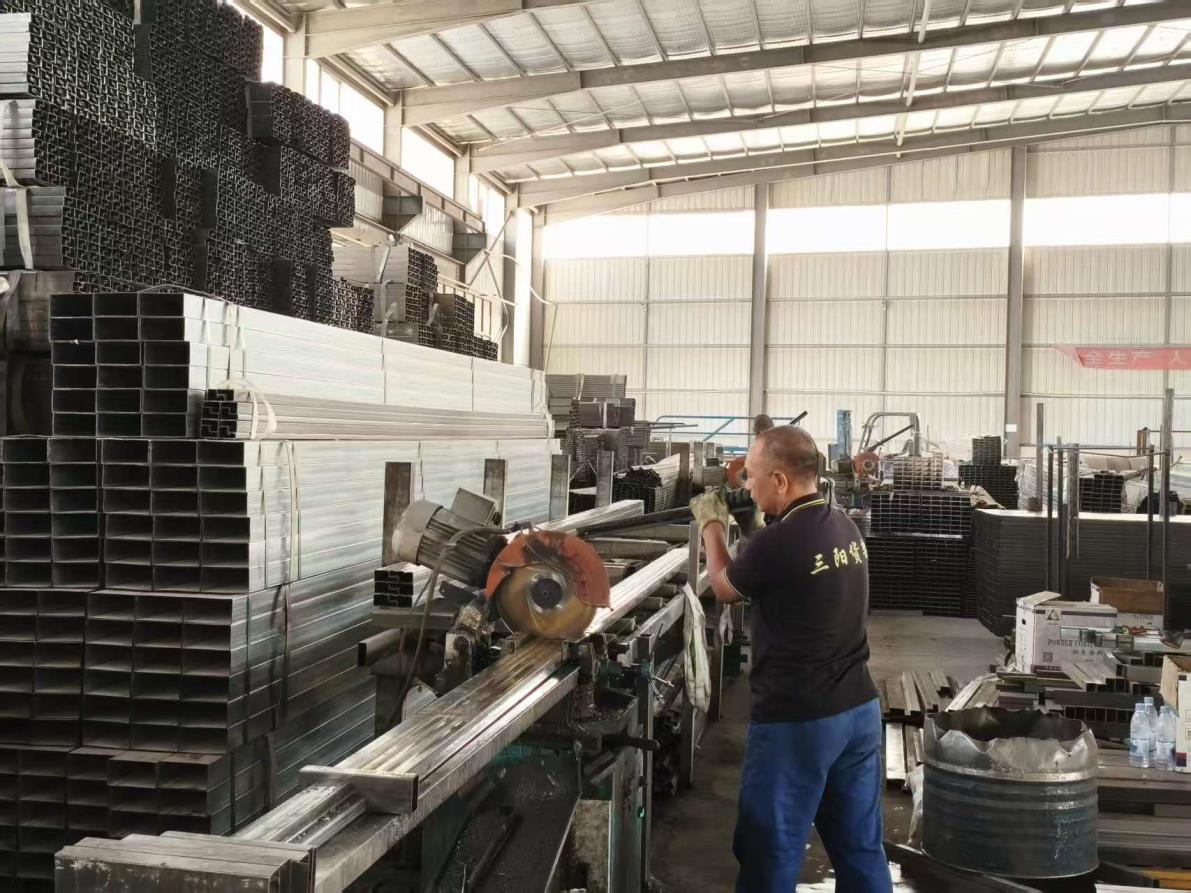
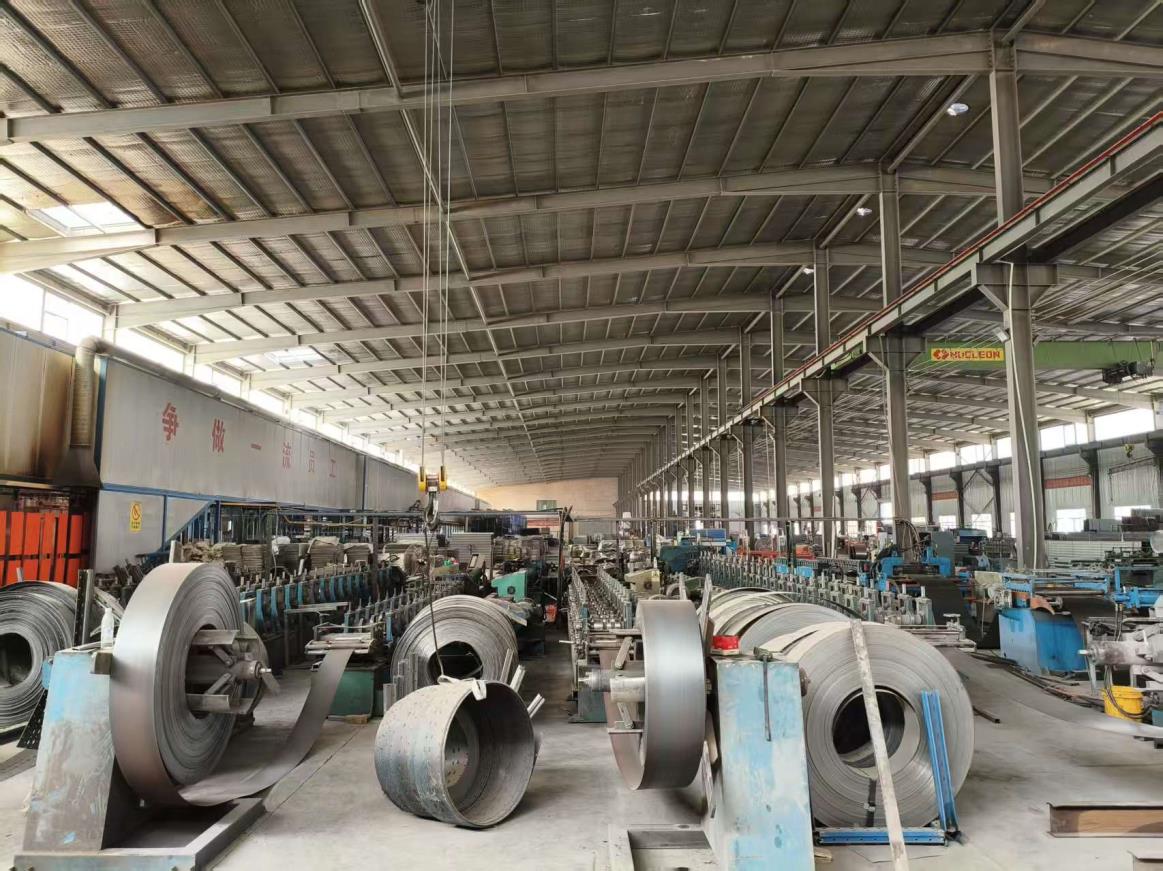
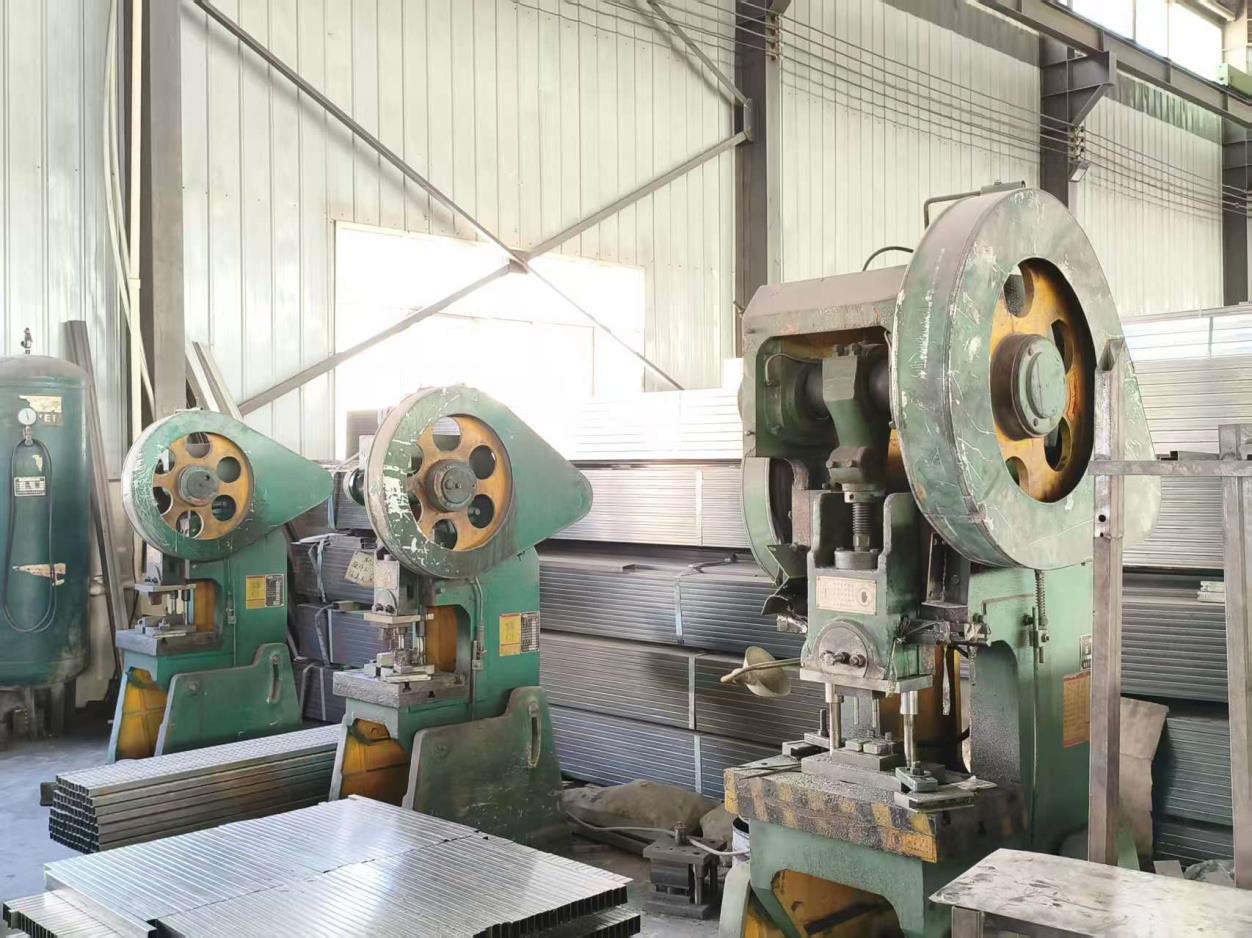
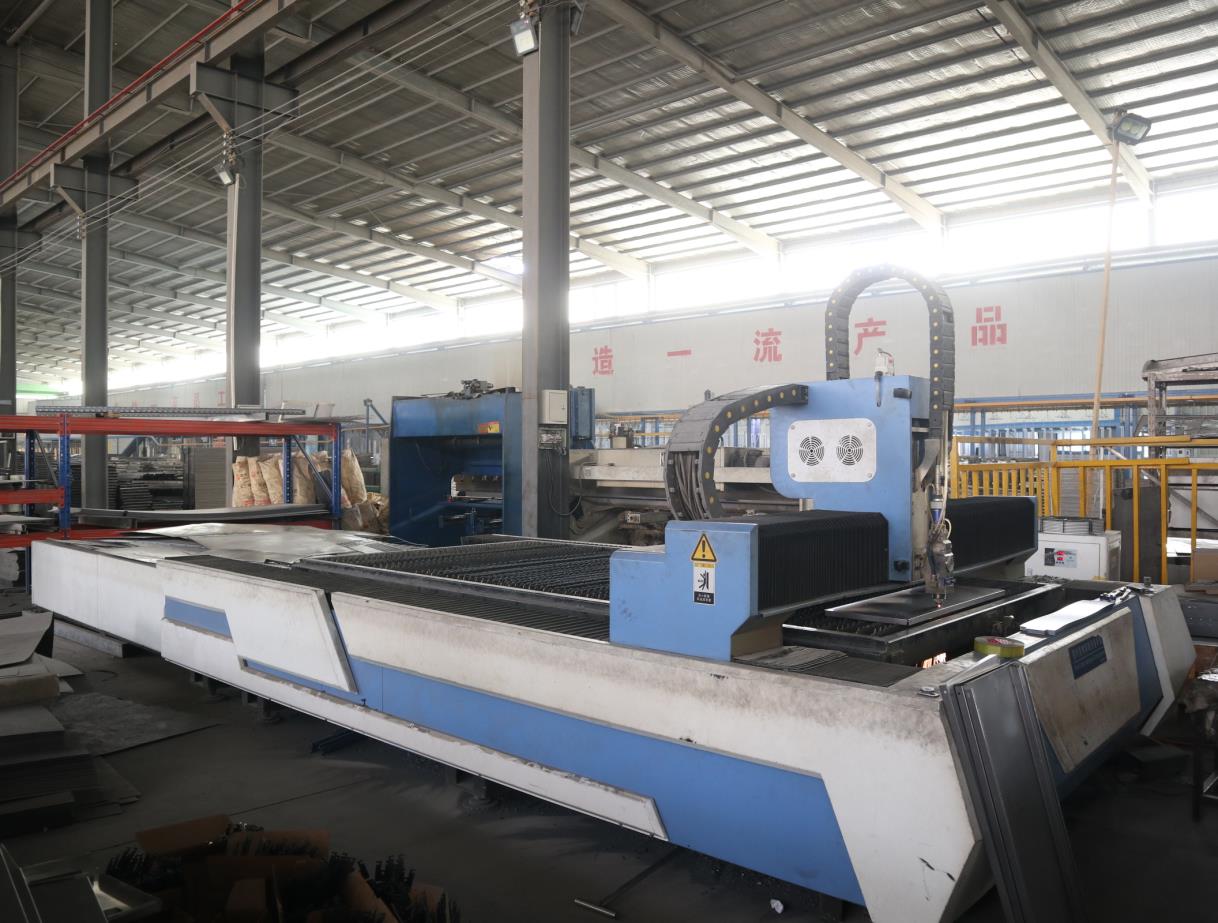
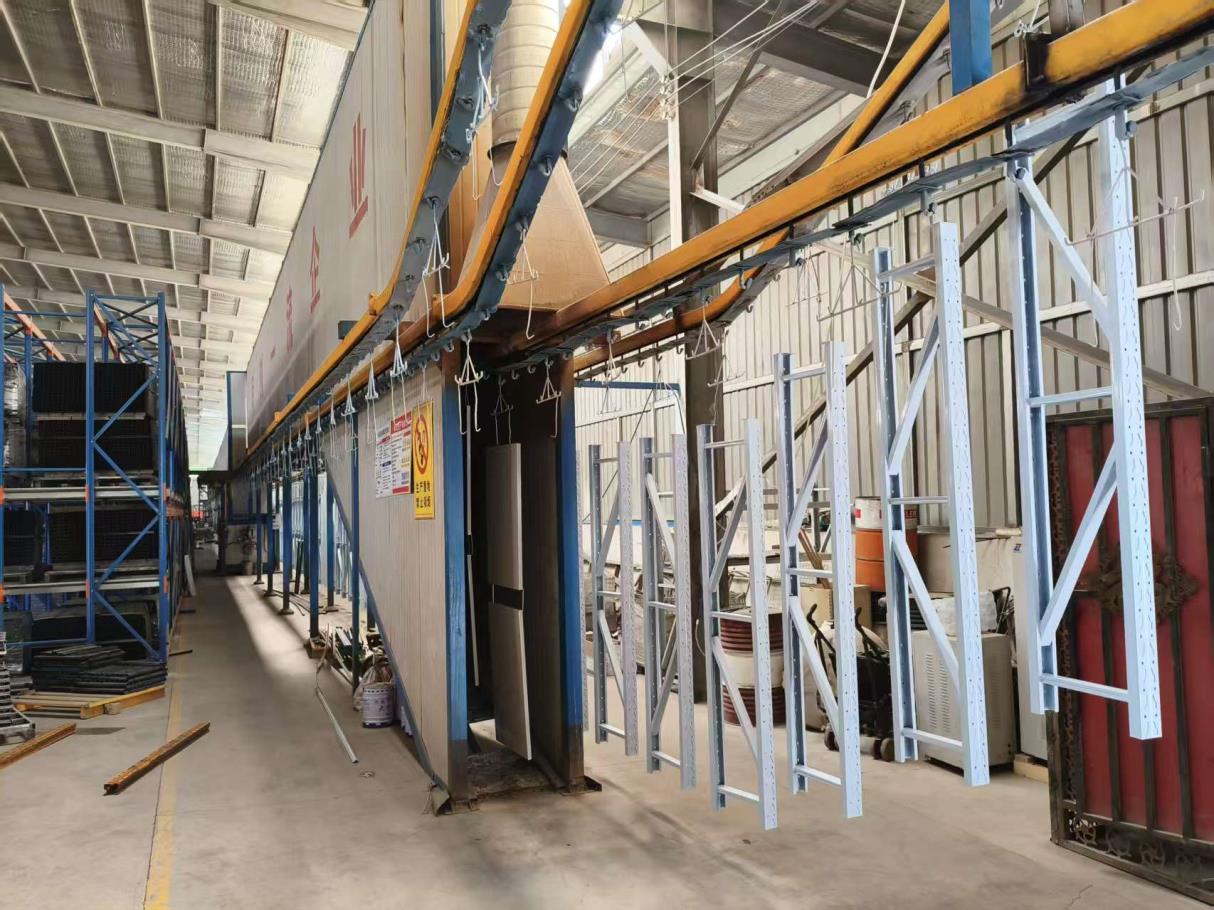
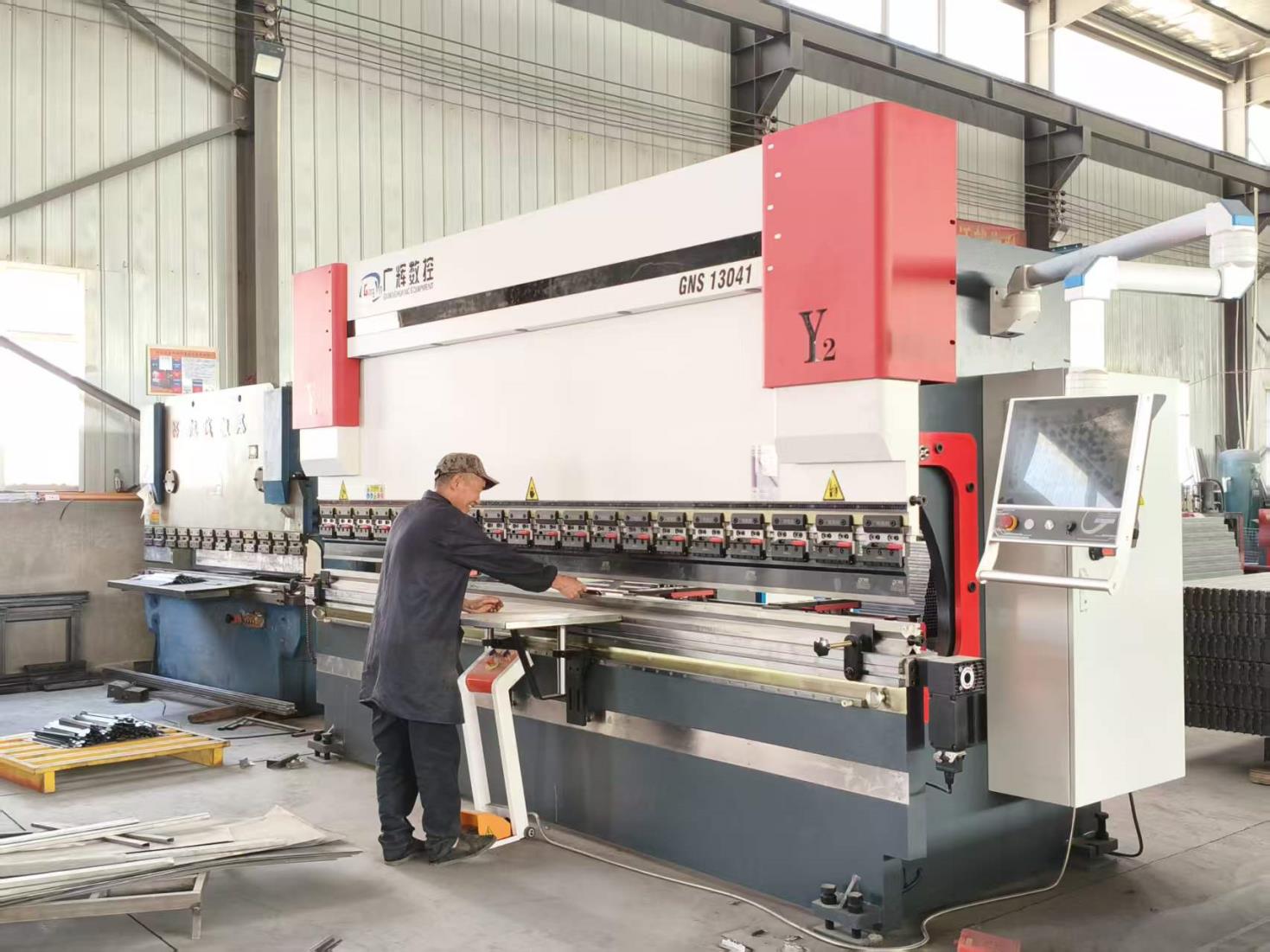
Boston's unique industrial matrix places strict requirements on warehouse structural materials. Two sectors with particularly rigorous specifications are cold chain storage (seafood, frozen produce) and medical technology/pharmaceuticals. Under typical cold storage settings (ambient temperatures ranging from 0°F to -25°F), lower-grade carbon steels are highly susceptible to hydrogen embrittlement. This hazard can lead to micro-fractures under heavy load conditions, compromising warehouse safety.
Shenzhen Sanyang addresses this challenge by utilizing premium-grade Q355B and Q420 structural steel, alloyed with specialized trace elements to maintain exceptional ductility and impact strength in extreme low-temperature environments. Furthermore, our rack structural frames receive a specialized electrostatically applied, corrosion-resistant powder coating. This prevents the moisture buildup and oxidation common in transition zones where hot air meets sub-zero cold storage rooms.
In the biopharmaceutical sector—centered around Kendall Square in Cambridge, Waltham, and Lexington—hygiene and zero-contaminant storage are non-negotiable. Sanyang's shuttle racks can be manufactured using food-grade, easy-to-clean materials and galvanized components to prevent chemical contamination. Our automated design reduces the risk of manual material handling accidents, helping facilities maintain strict FDA compliance while optimizing cleanroom storage footprints.
A modern shuttle racking installation is only as powerful as the software coordinating its movements. Integrating these high-density mechanical structures with enterprise-level ERP and Warehouse Management Systems (WMS) is essential to achieve operational visibility. The radio shuttle car communicates with the control station via secure Wi-Fi or Bluetooth protocols, receiving instructions for rack location retrieval, stack optimization, and real-time inventory counts. With accurate sensor integration, managers can monitor product batch numbers, manufacturing dates, and exact rack shelf coordinates directly from their dashboards, helping eliminate picking errors and dramatically accelerating operational velocity.
Expert Answers on Shuttle Racking Design, Integration, and Engineering Standards
Shuttle racks offer significant advantages over traditional drive-in systems by eliminating the need for forklifts to enter the racking lanes. This greatly reduces forklift collision risks, extends rack life, and enhances overall warehouse safety. Additionally, while drive-in racking is typically restricted to LIFO (Last-In, First-Out), radio shuttle rack systems can support both FIFO (First-In, First-Out) and LIFO storage logic, providing far greater operational flexibility.
Yes, our systems are engineered specifically to operate in temperatures down to -25°C (-13°F) and lower. We utilize high-ductility structural steels (such as Q355D or Q420D) that resist cold temperatures without becoming brittle. The shuttle cars themselves feature low-temperature-grade lithium batteries, specialized low-condensation electronic components, and food-grade synthetic lubricants to ensure continuous, trouble-free operation.
Our engineering department designs systems in strict compliance with RMI (Rack Manufacturers Institute) standards and the International Building Code (IBC) regulations applicable in Massachusetts. We calculate localized seismic parameters to design robust structural elements, including dynamic baseplates, structural bracing configurations, and anchor bolts. This ensures high structural integrity and stability during potential seismic events.
Our standard heavy-duty automated shuttle cars are rated for payloads ranging from 1000kg to 1500kg (approximately 2200 lbs to 3300 lbs). We can also customize structural and drive profiles to manage heavier and off-center loads based on specific client storage requirements.
Comprehensive Automated Racking & High-Density Storage Solutions for Global Logistics Operations
 Sanyang Racking