Engineered to handle extreme maritime-industrial climates, heavy pallet weights, and dynamic logistics environments.
Azerbaijan occupies a critical geopolitical node, bridging Eastern Europe, Central Asia, and the Middle East. With the development of the Trans-Caspian International Transport Route (TITR)—commonly referred to as the Middle Corridor—and the rapid expansion of the Alat Free Economic Zone (FEZ) near the Port of Baku, the nation has evolved from an energy-dependent state into a pivotal regional logistics hub. Transit container traffic across the Caspian Sea has scaled exponentially, mandating a rapid transformation of physical logistics infrastructure.
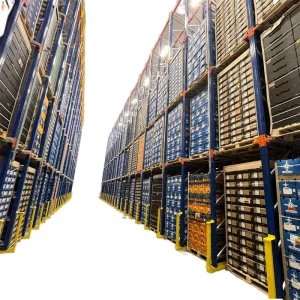
Modern transit demands high-velocity storage systems. Standard static pallet racking is no longer economically viable in industrial hubs like Sumgait, Ganja, and Baku, where land value and warehouse operations demand optimization. In Baku's urban periphery, warehouse construction costs have risen by 35% over the past three years. This makes high-density systems like Radio Shuttle Racks the standard solution for progressive developers seeking optimized warehouse footprints.
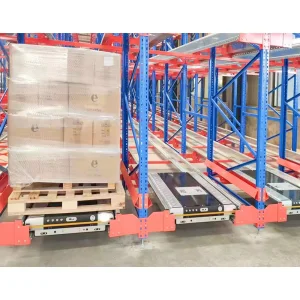
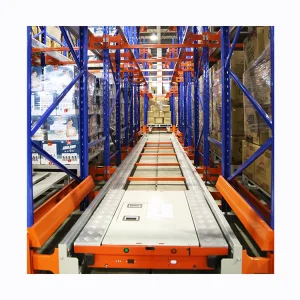
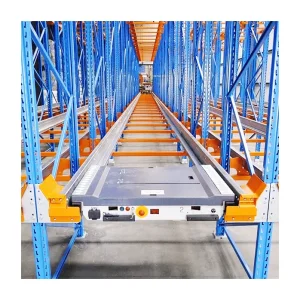
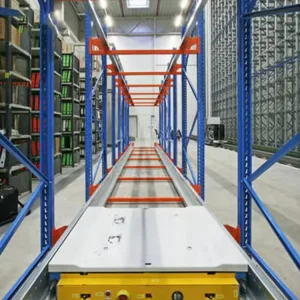
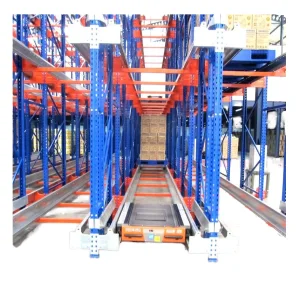
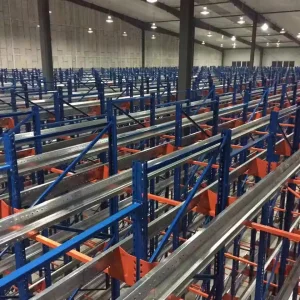
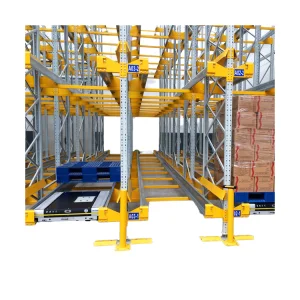
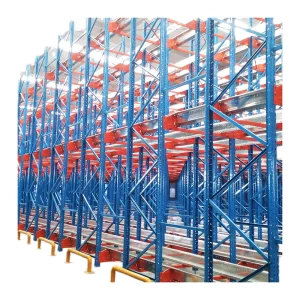
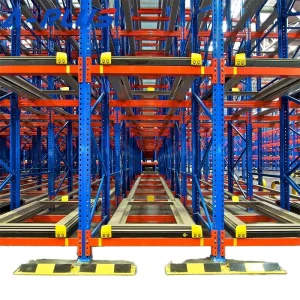
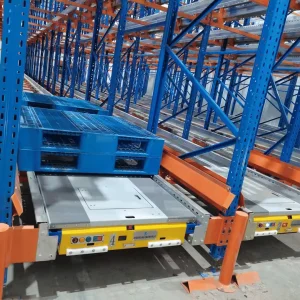
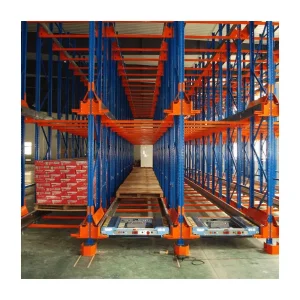
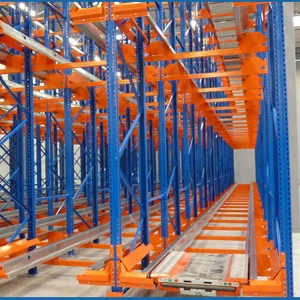
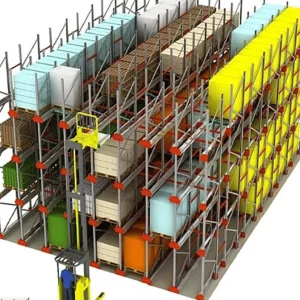
A Radio Shuttle Rack system represents a semi-automated, high-density storage configuration that relies on a self-powered shuttle carriage to run inside support rails. This carriage moves pallets within deep lane structures, eliminating the need for forklift trucks to enter the storage racks. This reduces cycle times and virtually eliminates column damage common with drive-in setups.
For Azerbaijani cold-storage developers—crucial for agricultural exports in Khachmaz and Guba—radio shuttles optimize space utilization in expensive refrigerated environments. By reducing the volume of air needed to be cooled per pallet stored, operational energy consumption is decreased by up to 25% compared to selective racking configurations.
Understanding storage configurations based on efficiency, ROI, and local seismic requirements.
| Storage System Type | Space Utilization Ratio | Pallet Handling Throughput | Azerbaijan Seismic Suitability | Average ROI (Months) | Initial Capex Level |
|---|---|---|---|---|---|
| Radio Shuttle Racking (Sanyang) | Up to 85% | Very High (Semi-Automated) | Excellent (High Elasticity Options) | 14 - 18 Months | Medium-High |
| Standard Drive-In Racks | Up to 70% | Low (Forklift Bottlenecks) | Moderate (Rigid Structure Risk) | 18 - 24 Months | Low-Medium |
| Selective Pallet Racking | Up to 40% | High (Direct Access) | Standard (Highly Dependent on Uprights) | 24+ Months | Low |
| Fully Automated ASRS Crane Systems | Up to 90% | Maximum (Fully Automated) | Excellent (Advanced Engineering Required) | 36 - 48 Months | Very High |
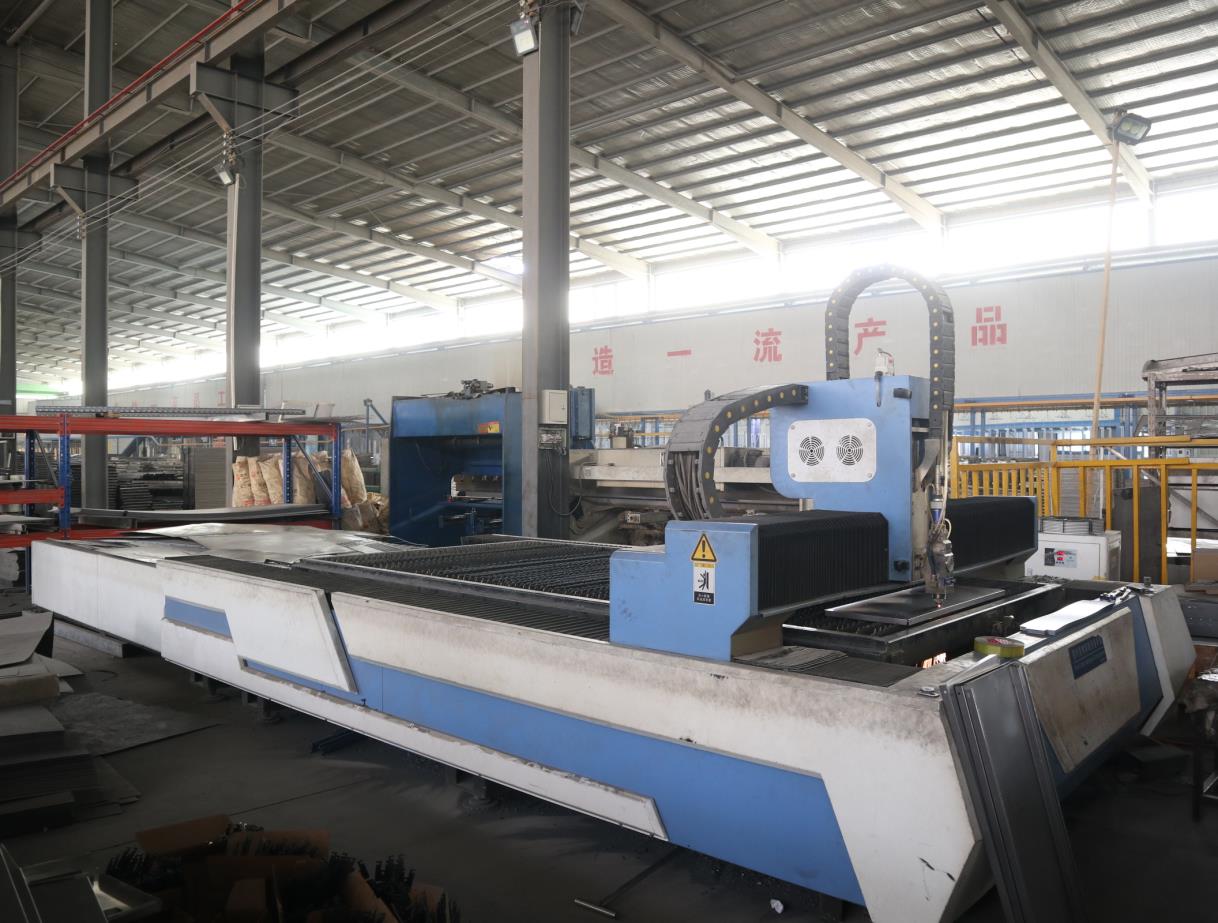
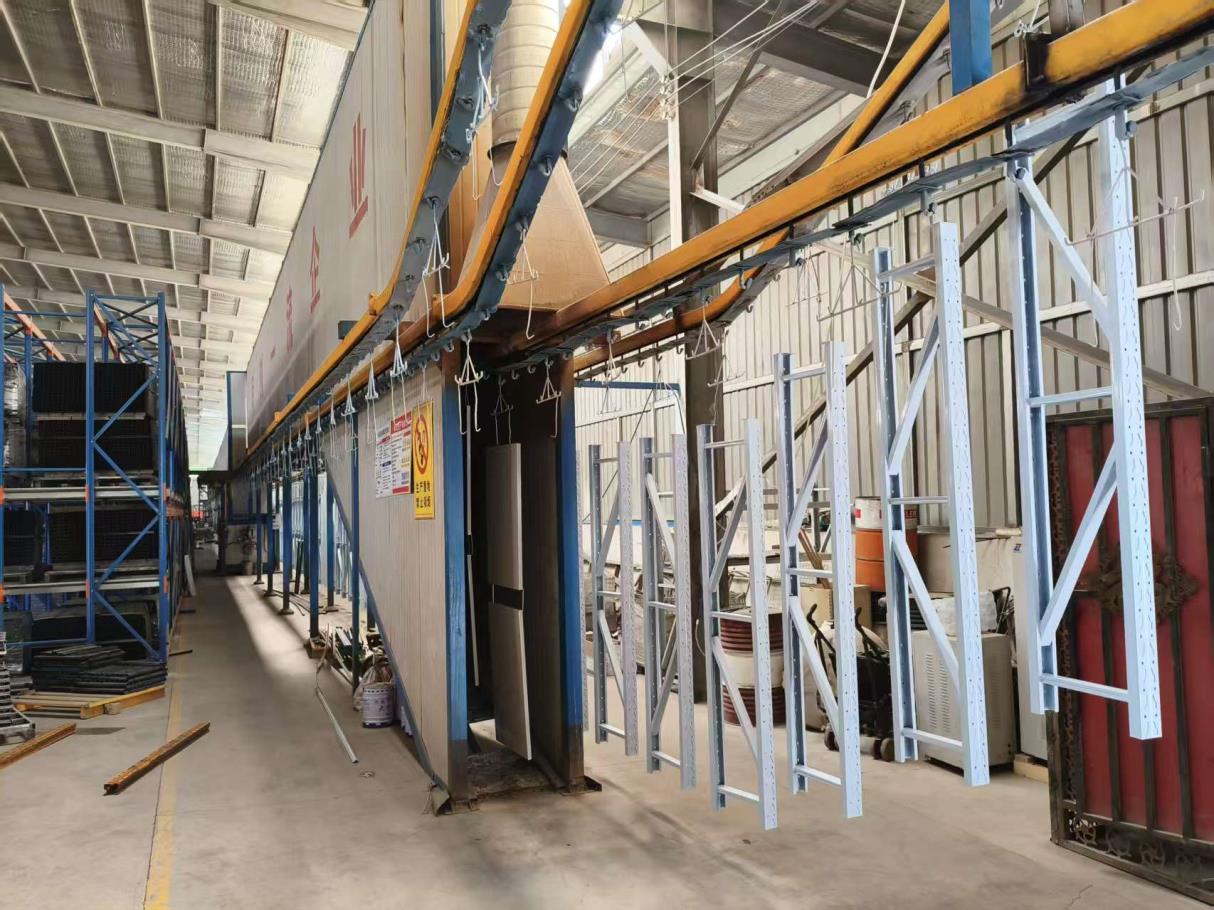
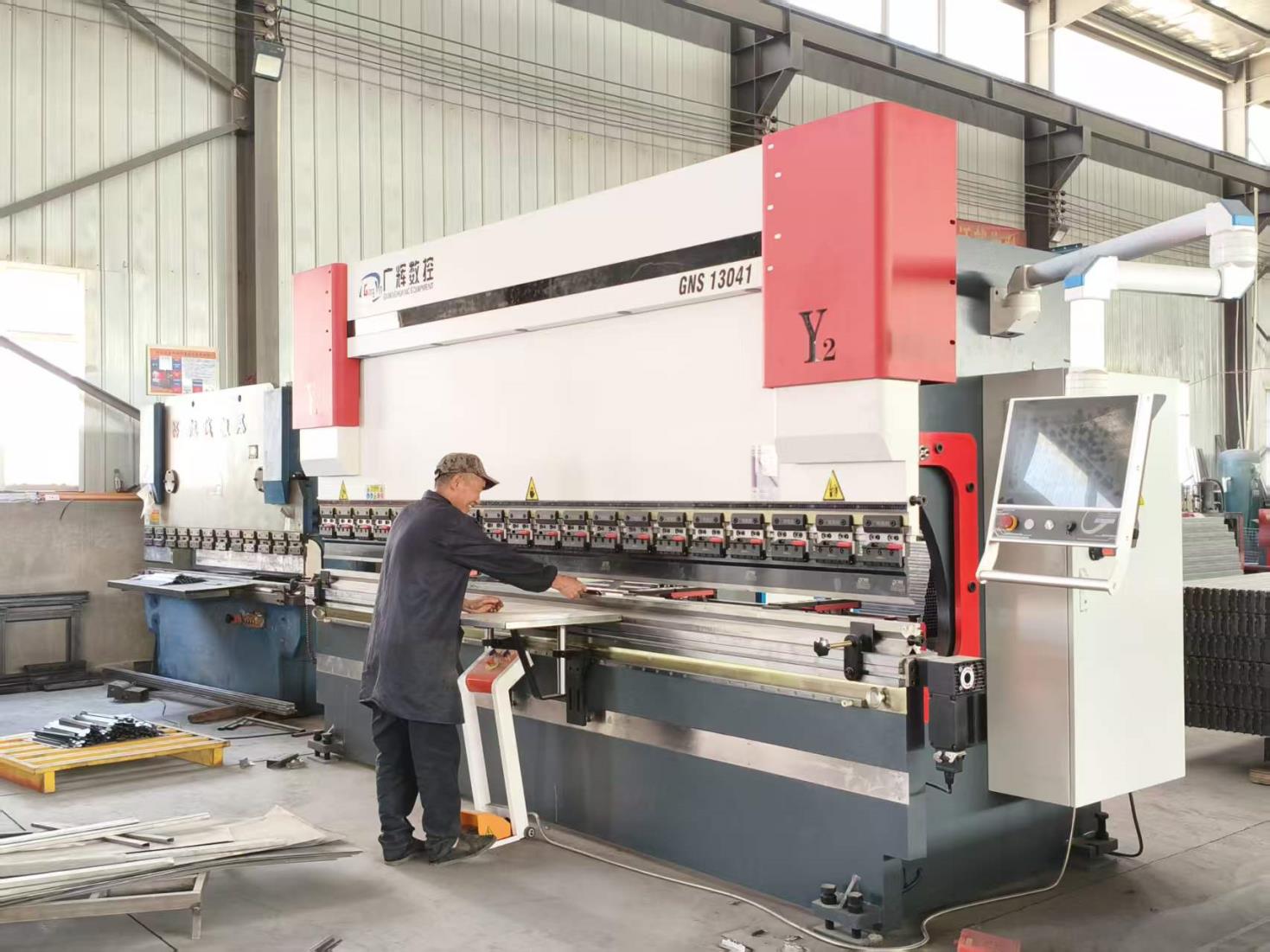
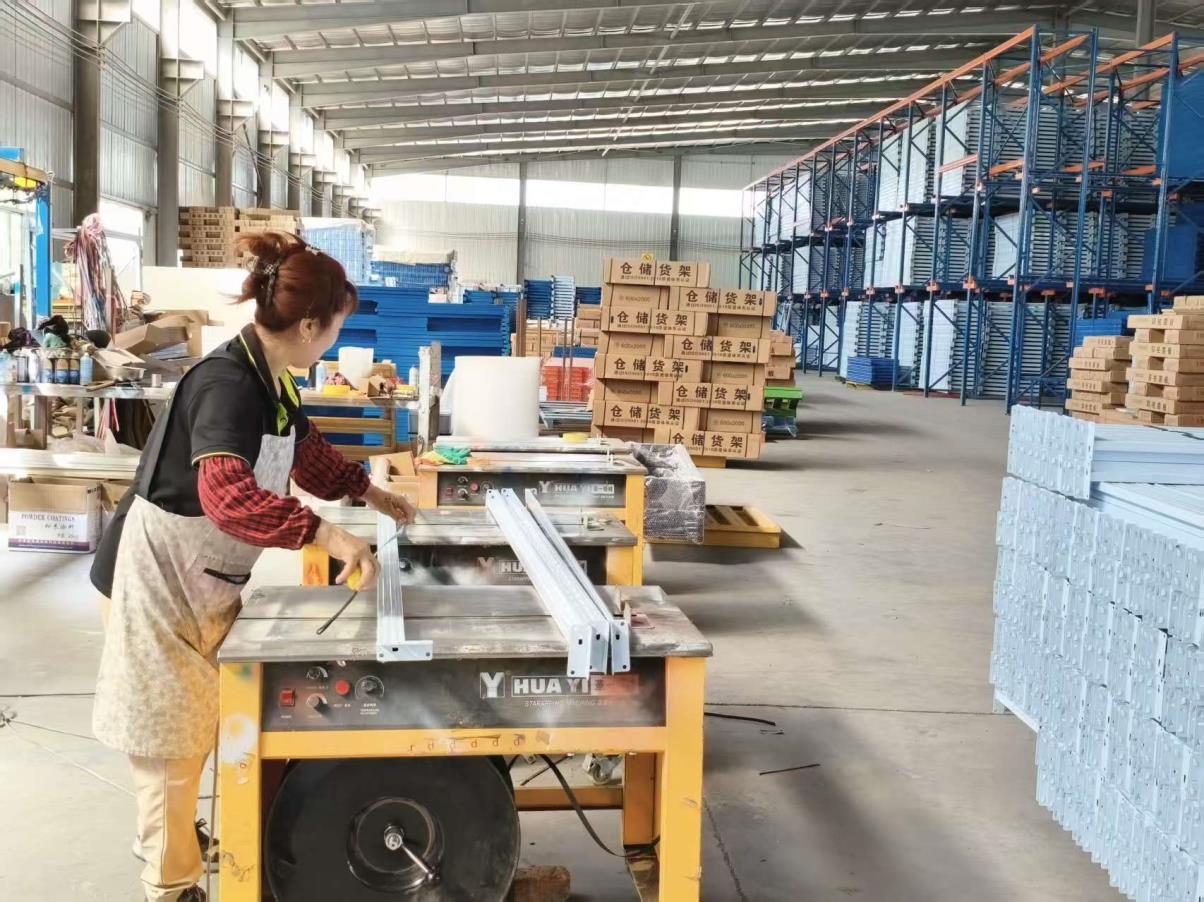
How we build safety, high tolerances, and reliability into every profile using automated machinery.
Established in 2015, Shenzhen Sanyang Storage Equipment Manufacturing Co., Ltd. is a leading manufacturer specializing in heavy-duty industrial pallet racking, warehouse shelving systems, and automated material handling solutions. Located in Shenzhen, our modern facility spans a total building area of 38,000 m², equipped with advanced automated roll-forming machines, laser cutters, and robot welding lines.
Backed by a strong OEM/ODM background and a robust network of 1,200 supply chain partners, we offer highly customizable options—ranging from custom dimensions and load capacities to specialized powder coatings and seismic-resistant structural designs. Innovation drives our continuous growth. Our team of 18 R&D engineers focuses on developing high-density and automated storage systems, successfully launching 65 new products last year alone.
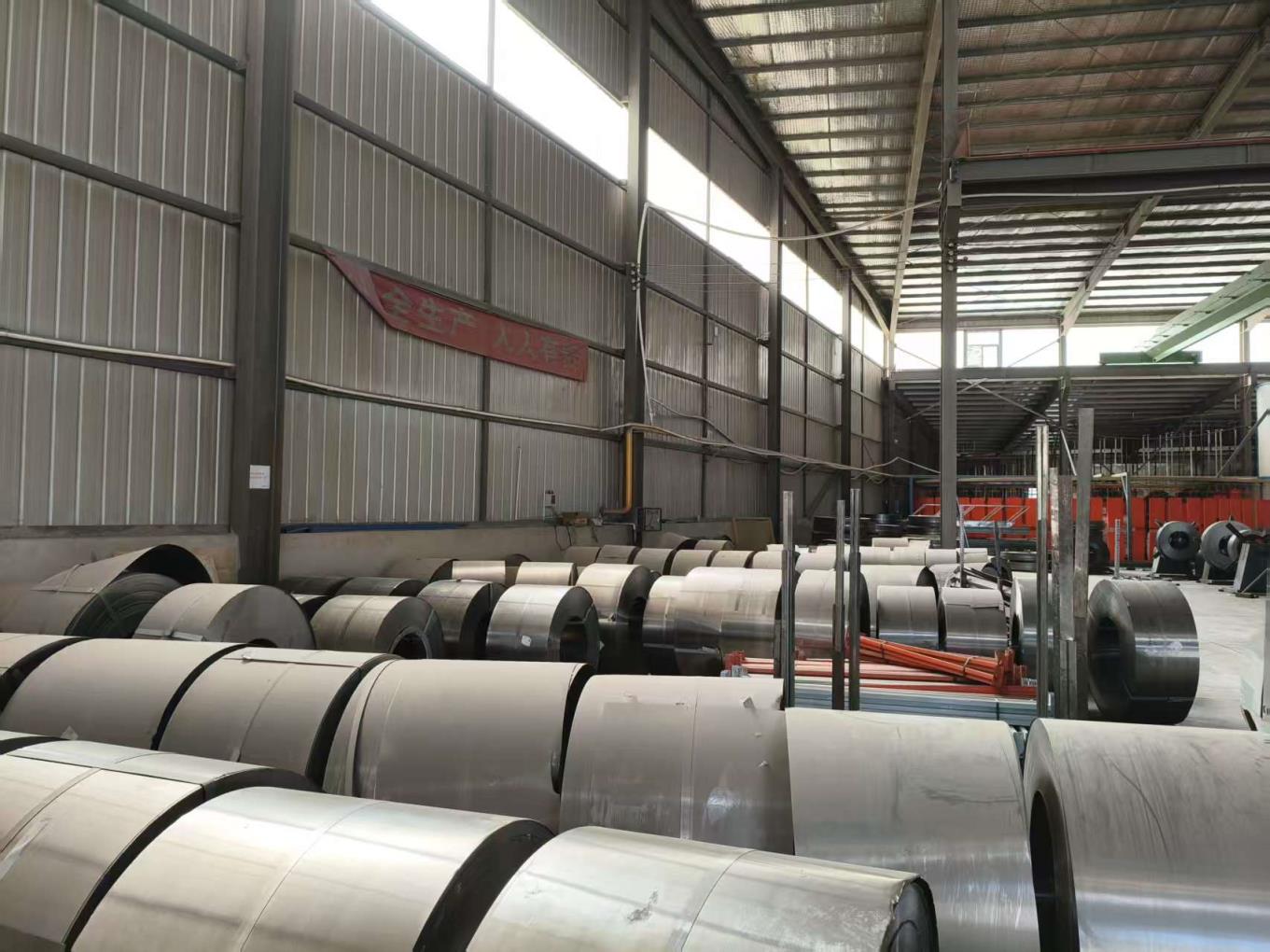
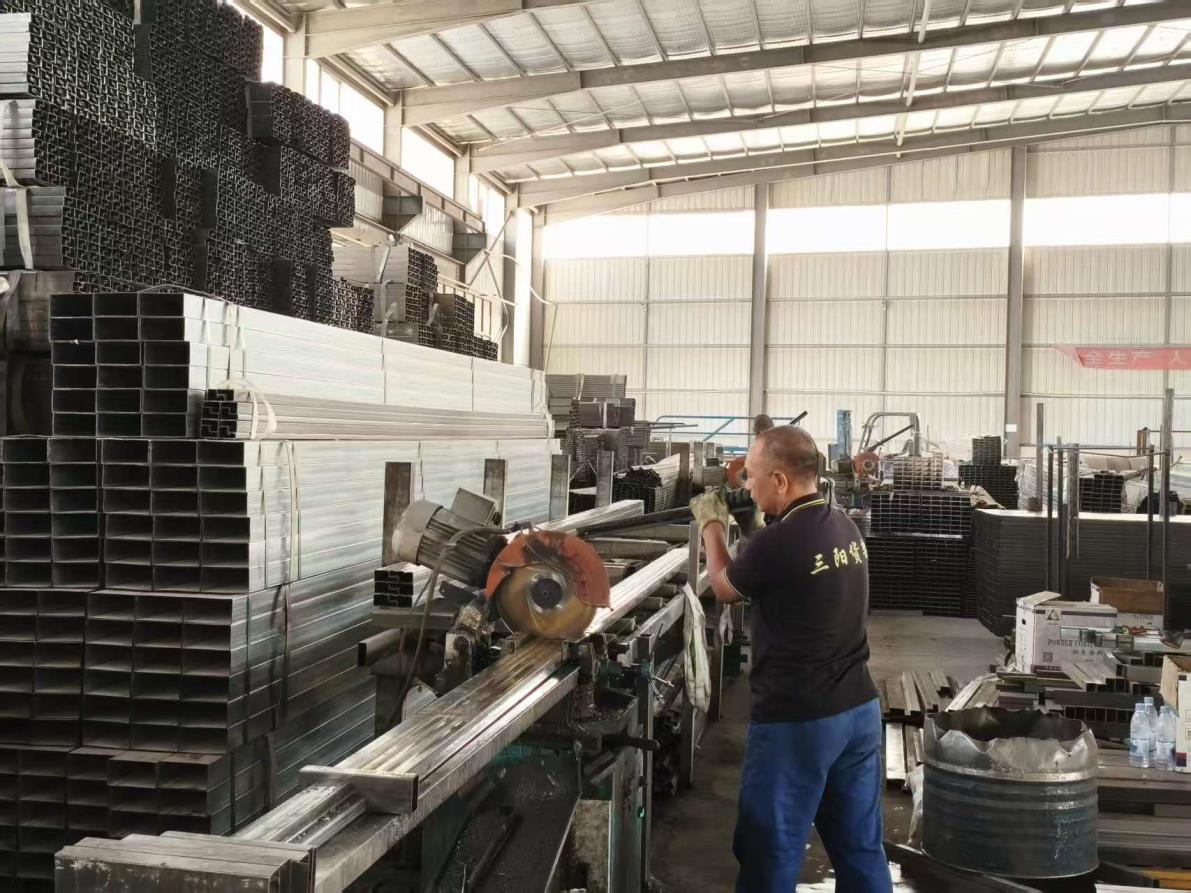
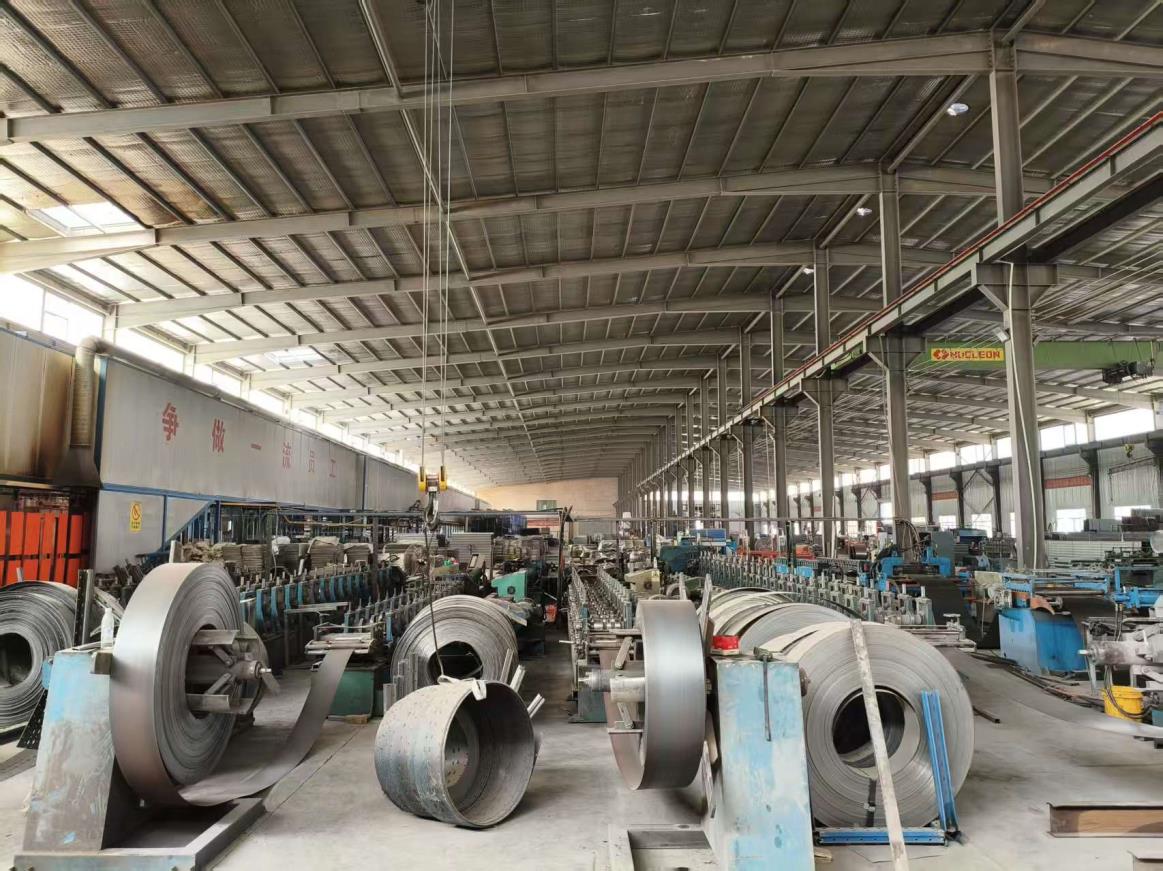
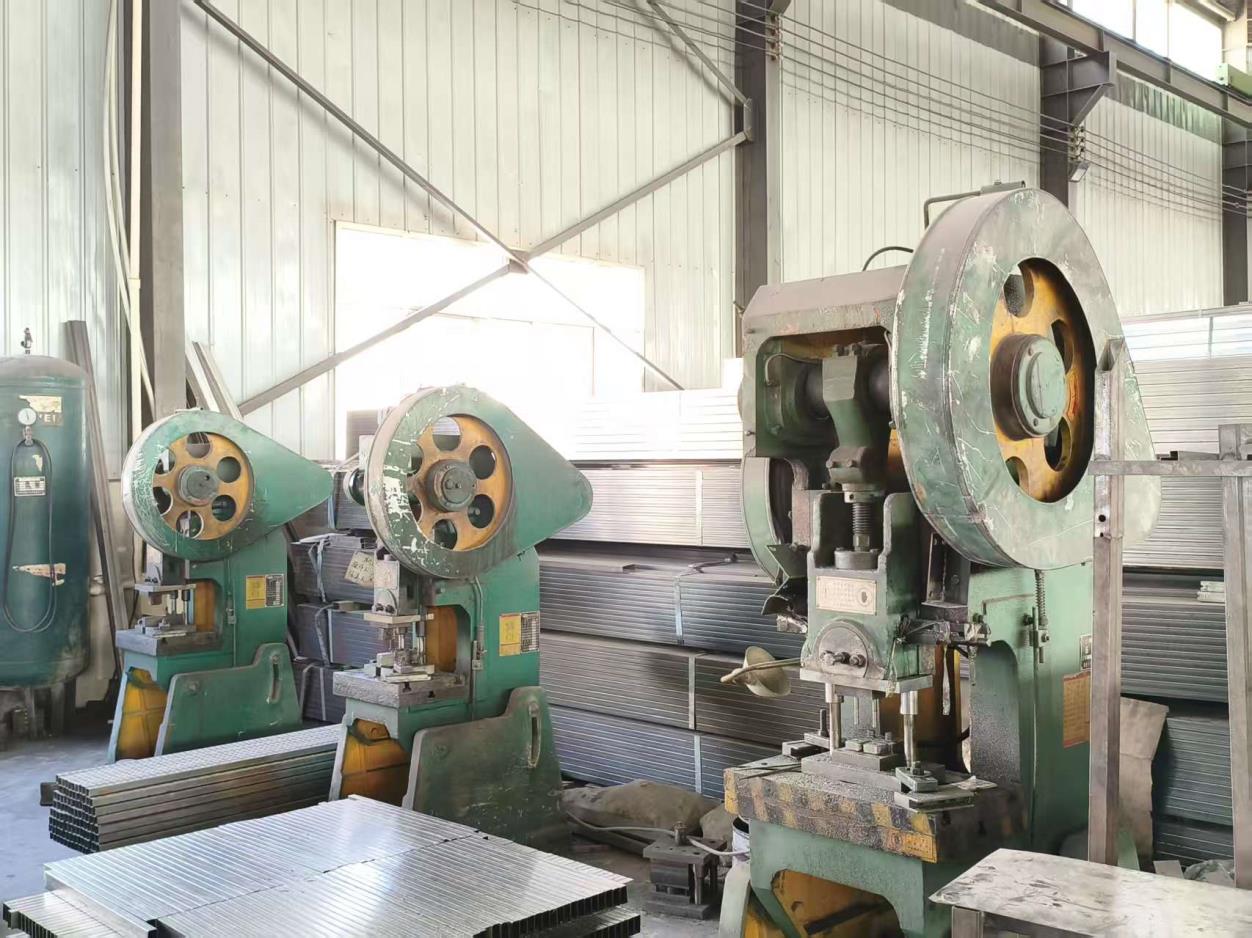
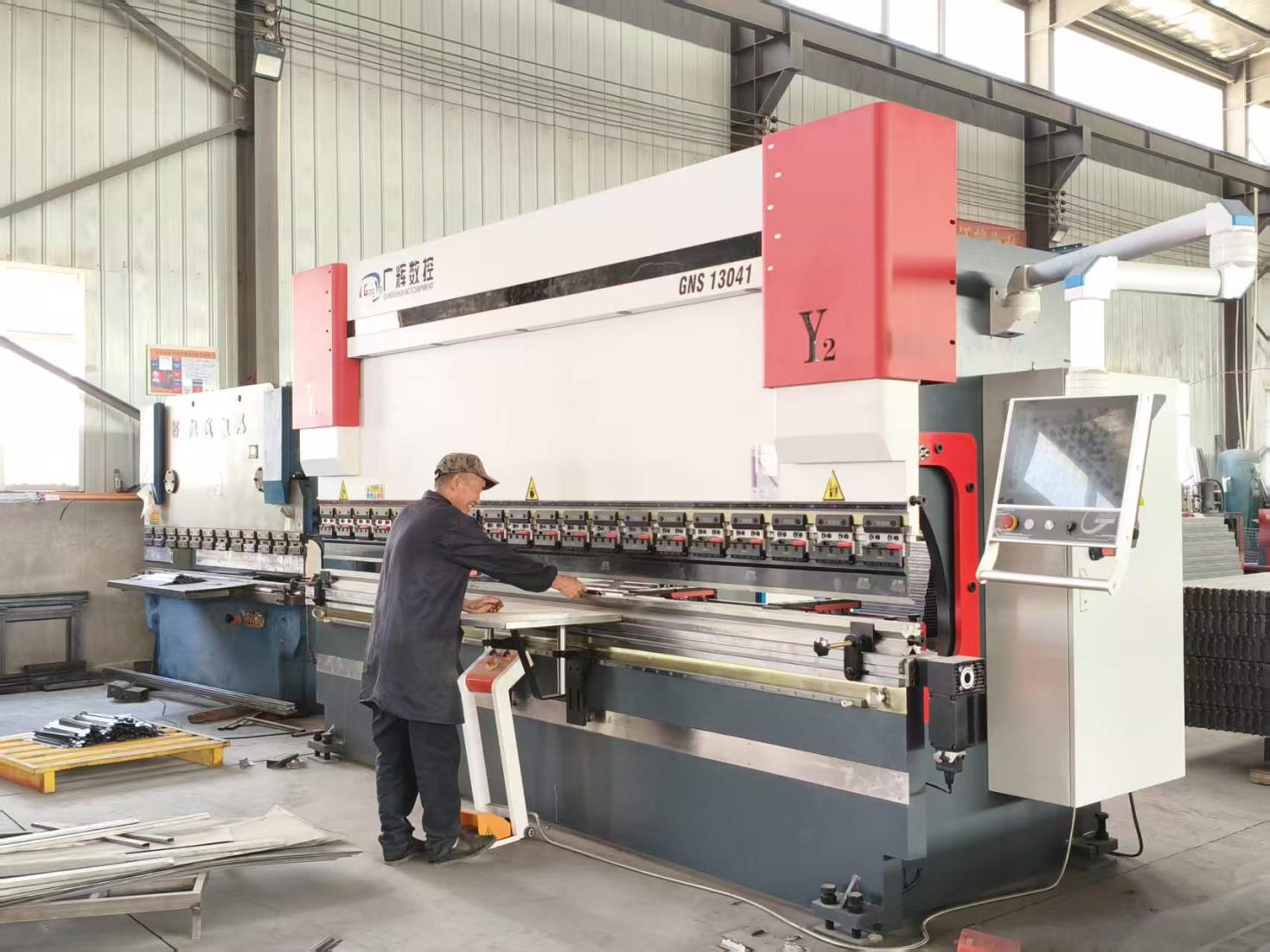
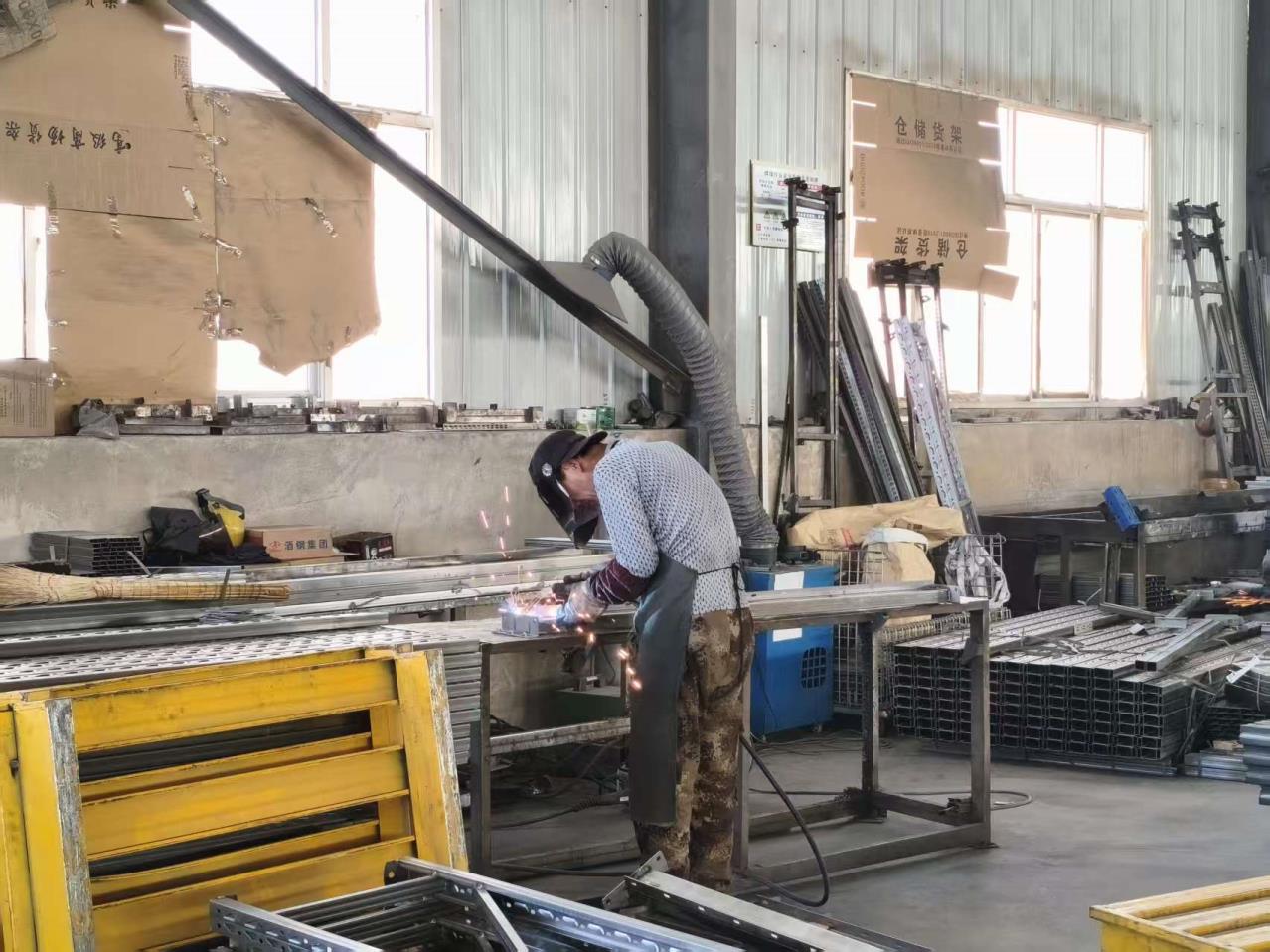
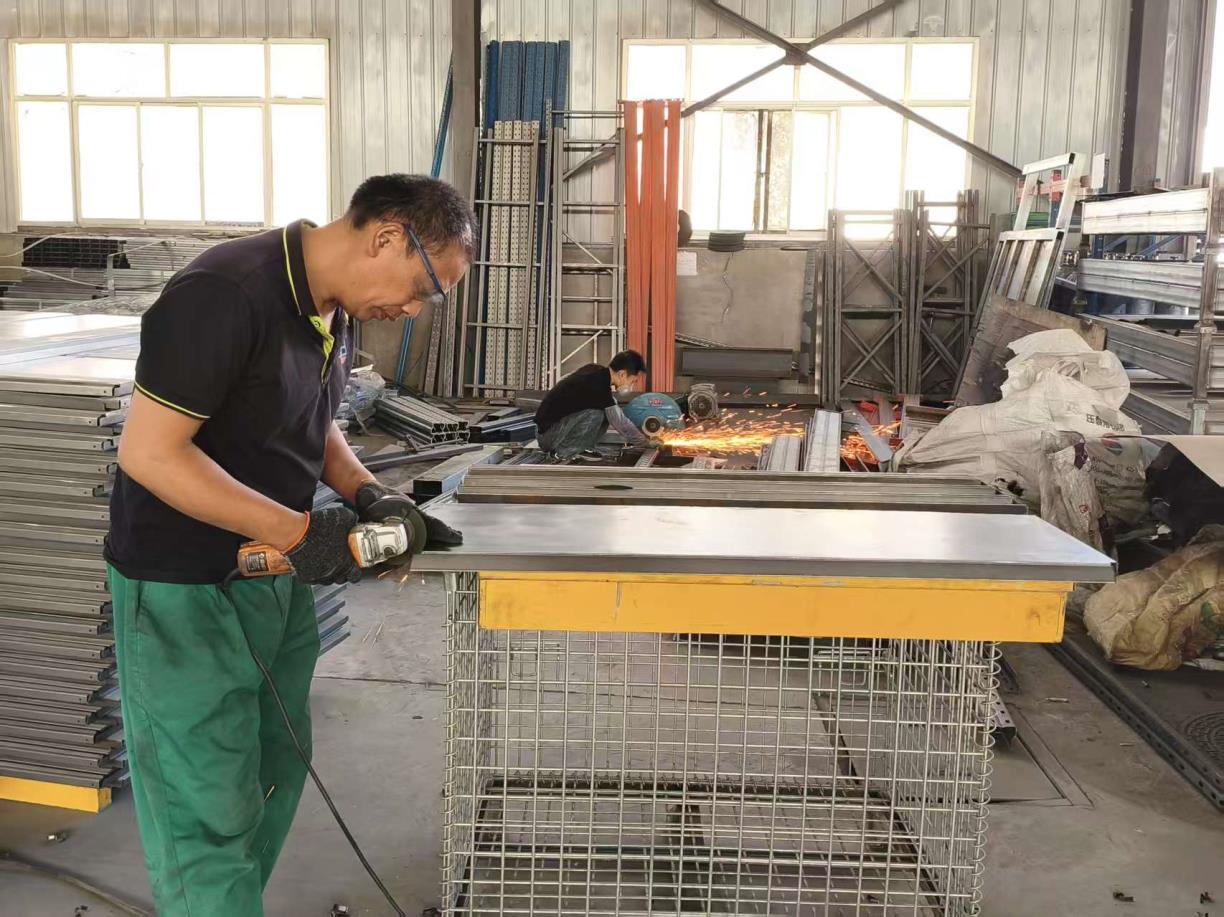
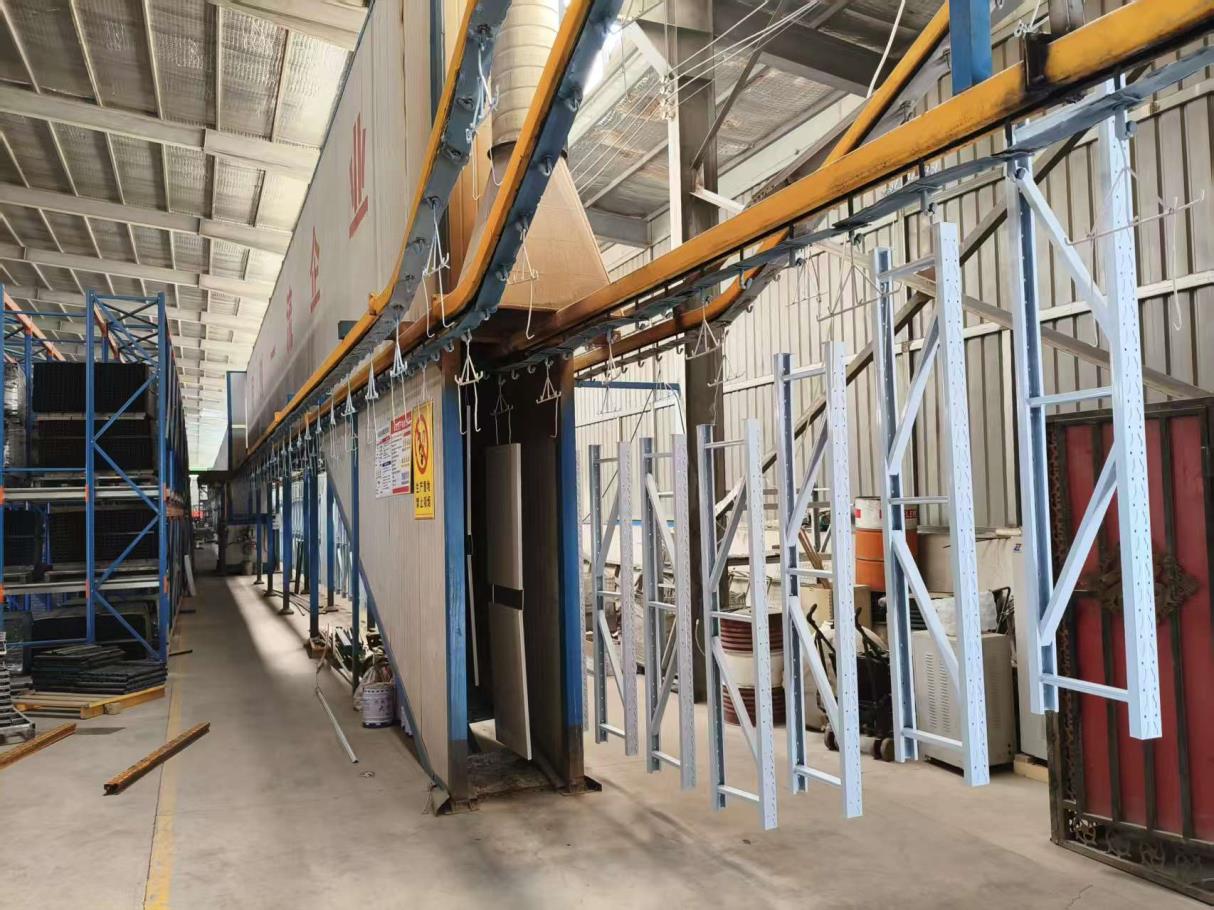
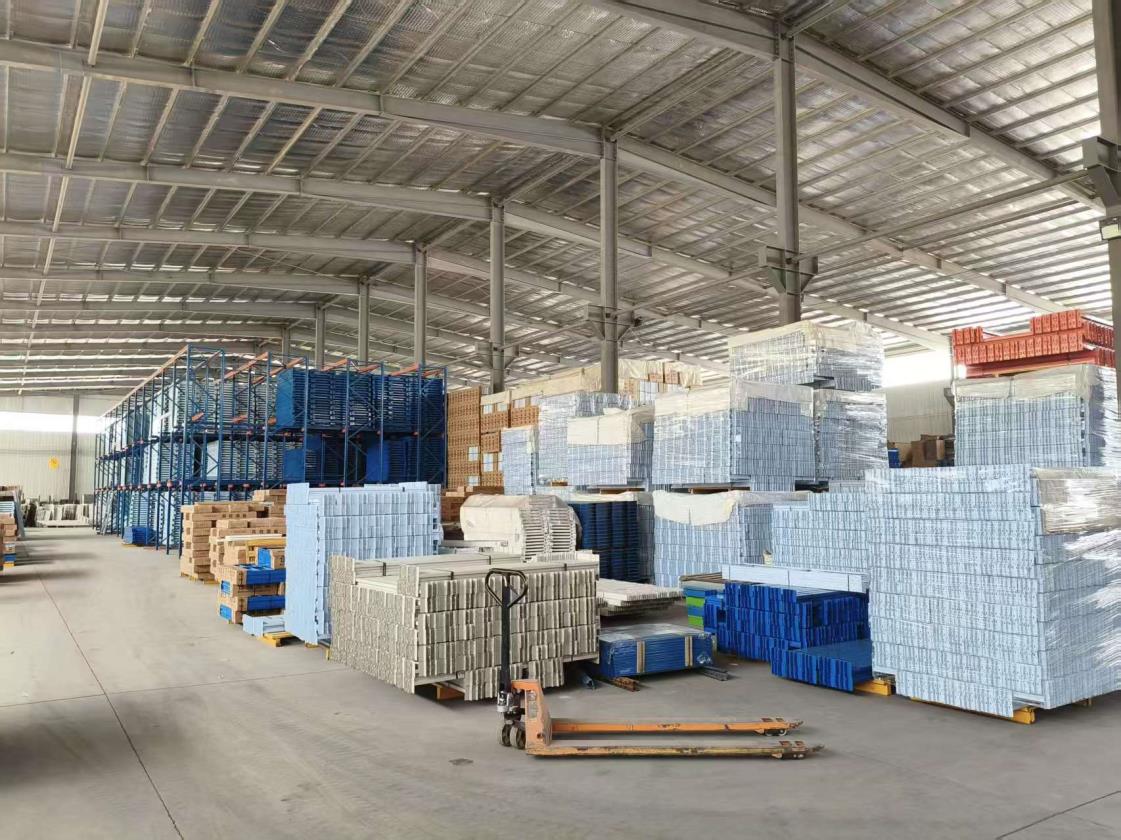
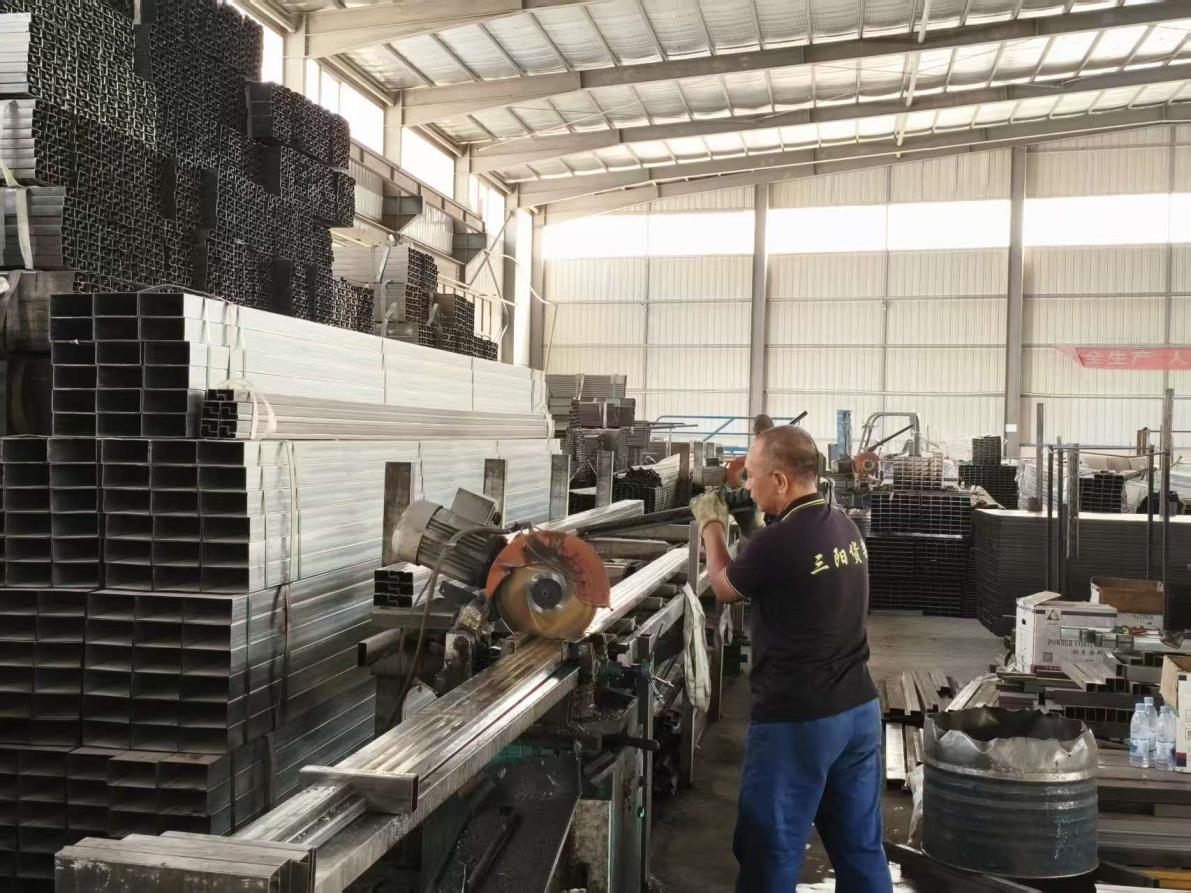
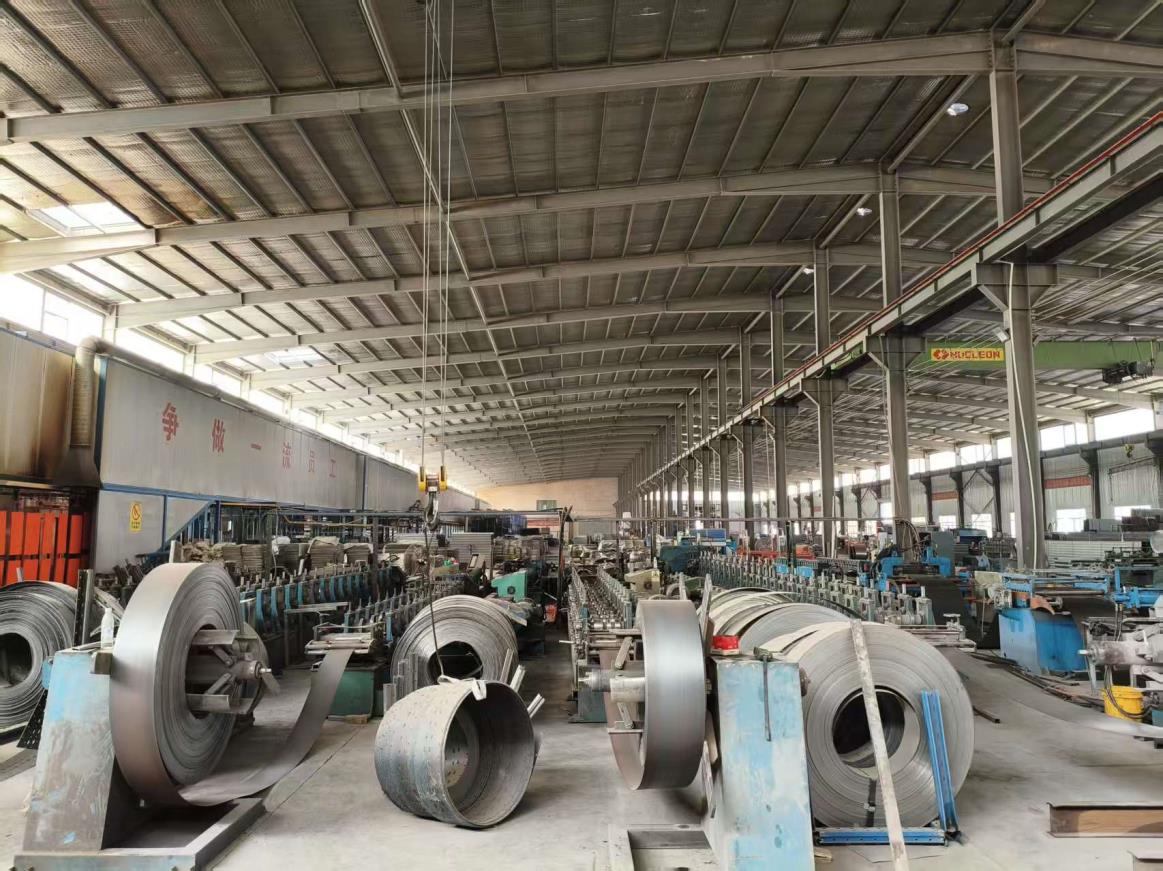
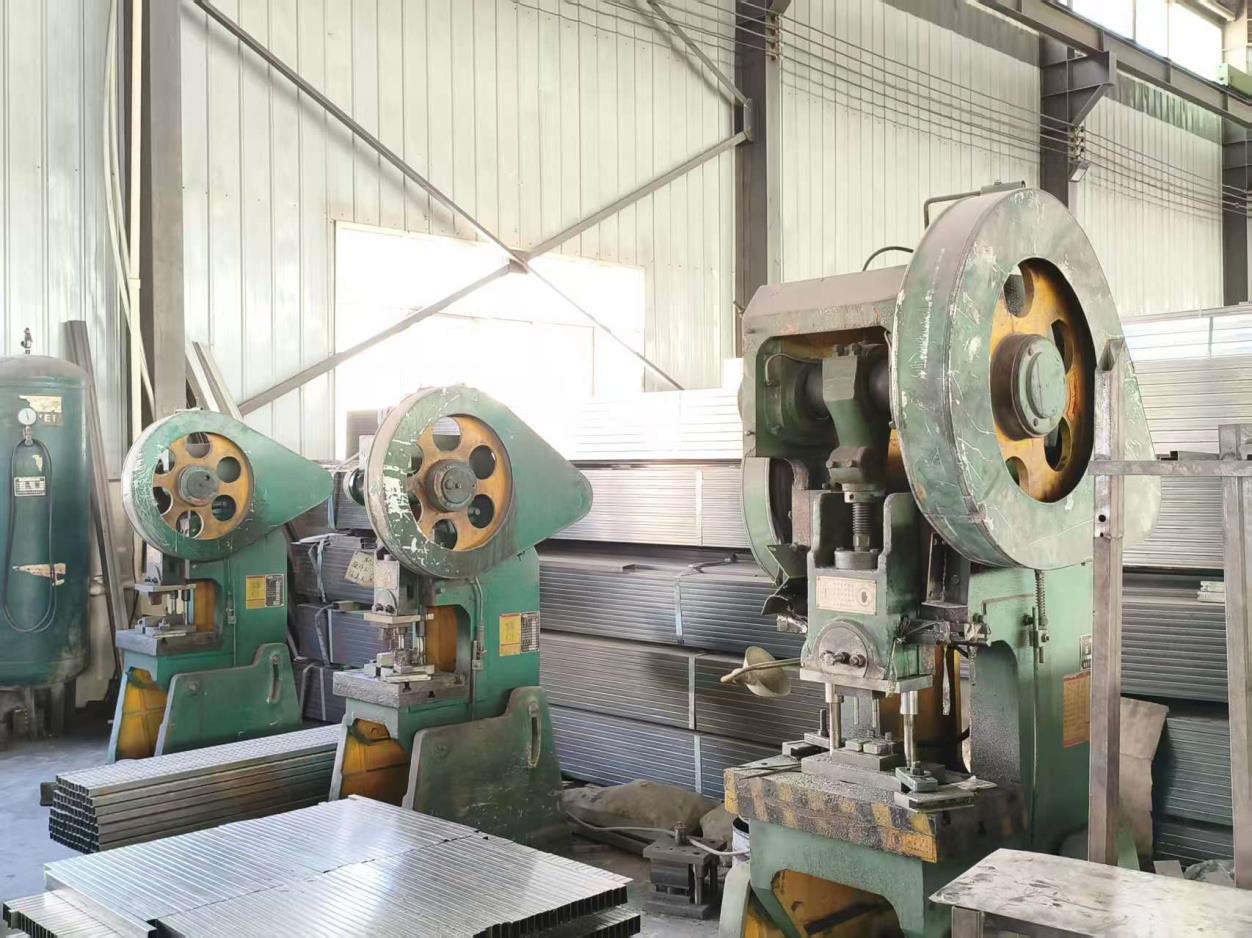
Designed for agricultural storage, food preservation, and high-turnover hubs in Azerbaijan.
Why local environmental factors dictate unique structural designs.
The Absheron region exhibits active seismic characteristics. Standard European FEM 10.2.02 and US ANSI MH16.1 designs are adapted using dynamic modal analysis. We implement high-tensile upright steel frames with heavy-duty dynamic base plates and custom portal ties to absorb energy, reducing structural stress during earthquakes.
Our shuttle systems operate in cold-storage environments down to -30°C. We utilize specialized low-temperature carbon steel and high-efficiency lithium batteries configured with internal heating mechanisms. This preserves battery output in refrigerated storage facilities.
Proximity to the Caspian Sea increases relative humidity and salt content, accelerating steel rust. Sanyang structural components are treated with a multi-stage electrostatic powder coating line using epoxy-polyester coatings cured at 200°C. This ensures high scratch and chemical resistance.
Quality and precision are at the core of our operations. Supported by 35 full-time QC inspectors, we implement rigorous quality assurance protocols using ultrasonic weld flaw detection, coating thickness testing, and heavy-load stress tests to ensure strict compliance with ISO9001 and international FEM/ANSI safety standards. We manage structural integrity testing through a three-tier quality program:
Custom-engineered automated racking systems matching specific cargo and turnover requirements.
As the Government of Azerbaijan continues to invest in transit digitalization (e.g., implementing digital customs corridors with Turkey and Central Asian republics), internal warehouse technologies are transitioning from isolated solutions to interconnected operations. Sanyang shuttle racks feature integrated APIs that interface directly with enterprise Warehouse Management Systems (WMS) and Warehouse Control Systems (WCS).
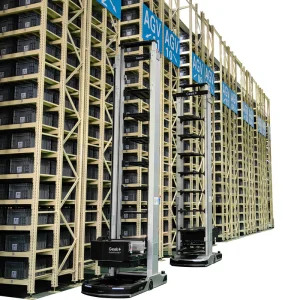
Future iterations of our shuttle technology include integrated automated guided vehicles (AGVs) and autonomous mobile robots (AMRs). By adopting these interfaces today, Azerbaijani companies ensure compatibility with future transport standards, safeguarding initial capital expenditures for decades to come.
Answers to common questions regarding shuttle racking implementation in the Azerbaijani market.
We perform site-specific structural designs. Using calculations based on local dynamic characteristics (often aligning with Eurocode 8 or national AzDTN standards), our structural engineers optimize vertical upright columns, dynamic anchoring points, and lateral braces to resist lateral force displacement during seismic events.
Yes. We apply a 200°C cured electrostatic powder coating to all steel components. For environments near Caspian Sea shipping terminals, we offer hot-dip galvanized finishes and stainless steel options to prevent corrosion and premature wear.
We use high-capacity lithium iron phosphate (LiFePO4) battery packs with integrated thermal management circuits. This prevents capacity loss and maintains charging efficiency in refrigerated and sub-zero environments down to -30°C.
Depending on the layout size, typical shipping from our Shenzhen facility to the Port of Baku takes 28-35 days via multi-modal transport. A standard 5,000 pallet-position system can be assembled, adjusted, and commissioned within 3 to 4 weeks by local crews guided by our installation engineers.
Yes. Our shuttle control software uses open protocol standards (REST API, Modbus, or CAN bus) to communicate with WMS and ERP databases. This enables automated inventory tracking, batch allocation, and real-time cargo movement visibility.
Our quality control program employs 35 full-time QC inspectors. Steel profile tolerances, dynamic weld integrity, and powder coat thickness are checked continuously, and every shuttle unit is tested under physical loads prior to packaging.
Consult with our engineering team for dynamic storage layout designs, seismic analysis, and custom-engineered shuttle configurations for the Azerbaijan region.
 Sanyang Racking